Kongma La Pass, Nepal: Complete Travel & Trekking Guide
By Nepal Trip Services On 08 Oct 2026

By Nepal Trip Services On 08 Oct 2026

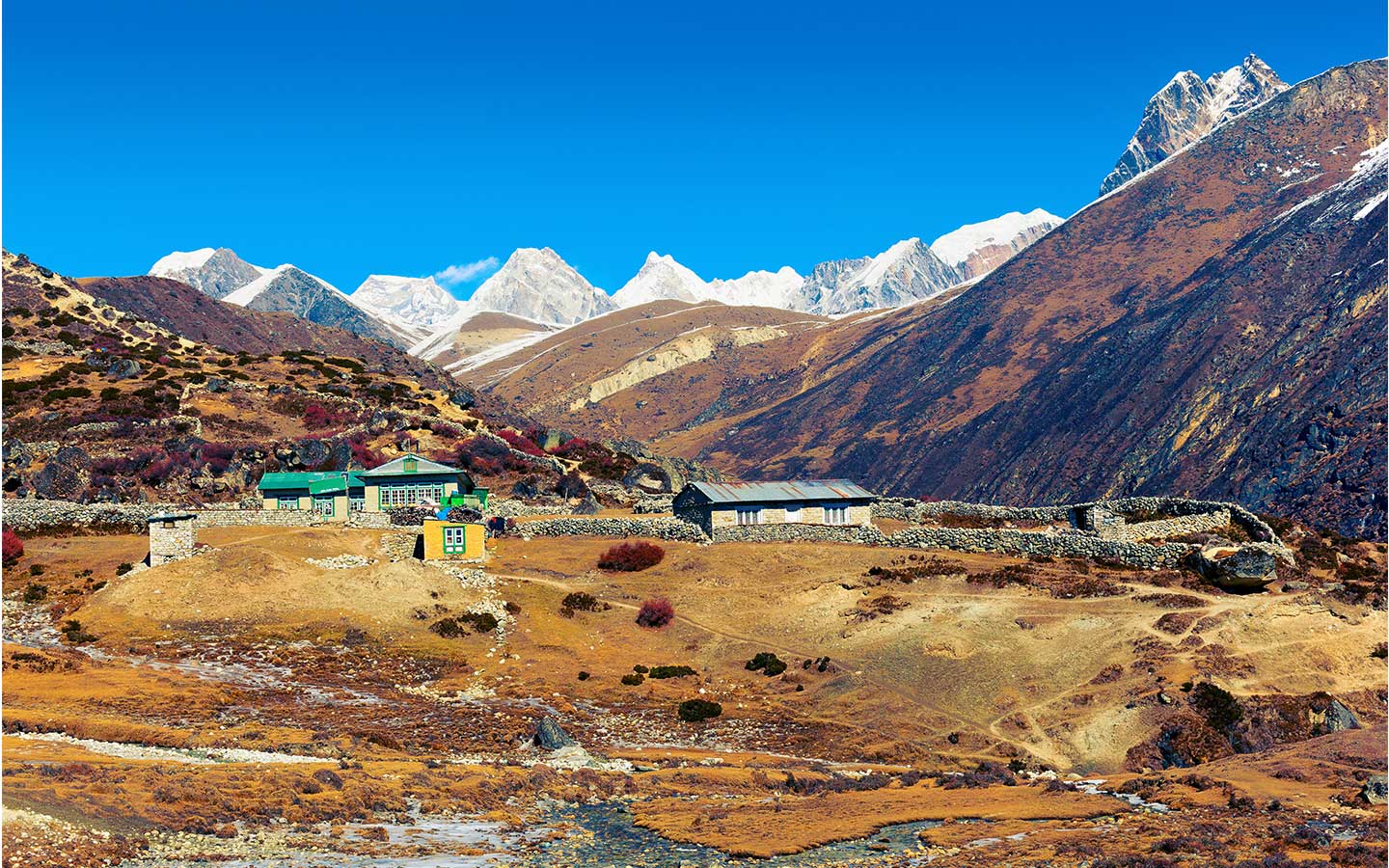
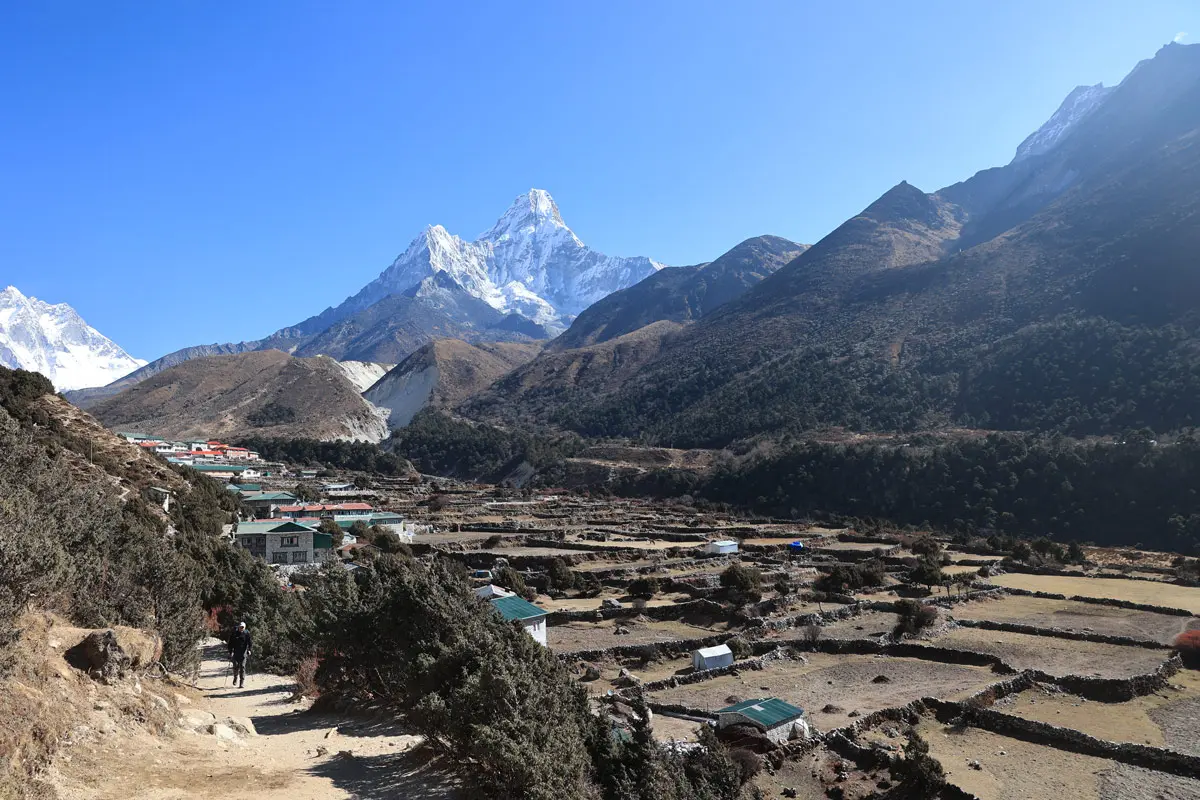
Kongma La Pass (5,535 m / 18,159 ft) is the highest and most remote of the three great passes in Nepal's Everest (Khumbu) region. It links the quiet Imja Valley at Chhukung with Lobuche on the Everest Base Camp trail, crossing a high, rocky saddle decorated with prayer flags and ringed by frozen glacial lakes. From the top, Makalu, Lhotse, Ama Dablam, Baruntse and Island Peak rise in a wild panorama that few trekkers ever see.
Most trekkers cross Kongma La as the first and toughest pass on the Everest Three High Passes Trek, followed by Cho La (5,420 m) and Renjo La (5,360 m). It is a long, demanding day with no teahouses between Chhukung and Lobuche, a steep loose descent and a crossing of the Khumbu Glacier. It is also one of the most rewarding days you can spend in the Himalayas.
This guide covers everything you need to know: location, route, difficulty, best season, permits, acclimatisation, packing and expert tips, followed by the 15 questions trekkers ask most.
|
Detail |
Information |
|---|---|
|
Altitude |
5,535 m (18,159 ft) |
|
Location |
Khumbu region, Sagarmatha National Park, Solukhumbu District, Nepal |
|
Connects |
Chhukung (~4,730 m), Imja Valley → Lobuche (4,940 m), Khumbu Valley |
|
Crossing time |
8–9 hours (up to 10 hours for slower groups) |
|
Distance |
About 10 km |
|
Height gain / loss |
About 800 m up / 600 m down |
|
Difficulty |
Strenuous: the hardest of the Three Passes |
|
Technical skills |
None required; microspikes useful in snow or ice |
|
Best seasons |
Late September–November and April–May |
|
Facilities on the pass |
None: no teahouses, water or shelter between Chhukung and Lobuche |
|
Main views |
Makalu, Lhotse, Ama Dablam, Baruntse, Island Peak, Khumbu Glacier, Kongma Tsho lake |
|
Permits |
Sagarmatha National Park + Khumbu Pasang Lhamu Rural Municipality |
|
Trek that includes it |
Everest Three High Passes Trek – 19 Days, from US$ 1,450 per person |
Kongma La lies in the heart of Sagarmatha National Park, a UNESCO World Heritage Site in Nepal's Solukhumbu District. The pass sits on the ridge between two of the Khumbu's main valleys: the Imja Valley, home to Dingboche, Chhukung and Island Peak, and the Khumbu Valley, which leads to Lobuche, Gorak Shep and Everest Base Camp. Instead of walking down and around via Dingboche and Thukla, Kongma La takes you straight over the top.
There is no road to Kongma La. Every trekker reaches it on foot after a flight to Lukla and about a week of gradual climbing.
|
Trek |
Duration |
Kongma La role |
Best for |
|---|---|---|---|
|
19 days |
First and highest pass (anticlockwise route) |
Fit, experienced trekkers |
|
|
Everest Base Camp via Kongma La |
15–16 days |
Optional detour from Chhukung to Lobuche on the way to EBC |
Strong trekkers adding a challenge to the Classic Everest Base Camp Trek |
|
Island Peak + Kongma La |
17–19 days |
Acclimatisation crossing before or after the climb |
Trekking-peak climbers |
Browse all routes on our Everest Region Treks page, or plan a custom trip that includes Kongma La.
Kongma La day starts in the dark. Most groups leave Chhukung between 4:00 and 5:00 AM with headlamps on, to reach the pass before the afternoon wind and cloud build. Here is how the day typically unfolds on the anticlockwise route.
|
Stage |
Approx. time |
Altitude |
What to expect |
|---|---|---|---|
|
Chhukung → base of the climb |
1.5–2 hrs |
~4,730 → ~5,000 m |
Steady climb up grassy, then rocky slopes above the Imja Valley; views of Island Peak and Ama Dablam |
|
Moraine shelf & frozen lakes |
1.5–2 hrs |
~5,000 → ~5,300 m |
Gentler ground past small glacial lakes, often frozen; Kongma Tsho lies just below the pass |
|
Final climb to Kongma La |
1 hr |
~5,300 → 5,535 m |
Steep rocky scramble on loose scree to the prayer-flagged saddle |
|
On the pass |
15–30 mins |
5,535 m |
Photos, rest and a packed lunch; panorama of Makalu, Lhotse and Baruntse |
|
Descent to the Khumbu Glacier |
1.5–2 hrs |
5,535 → ~5,000 m |
Very steep, loose zig-zag path; the toughest section on the knees |
|
Khumbu Glacier crossing |
1–1.5 hrs |
~5,000 → 4,940 m |
Rubble-covered ice and moraine ridges; follow your guide's line closely |
|
Arrival in Lobuche |
— |
4,940 m |
Teahouse rest, hot drinks and an early night before Everest Base Camp |
|
Total |
8–9 hrs |
~800 m up, ~600 m down |
About 10 km |
The summit of Kongma La is a narrow rocky notch strung with prayer flags, with a turquoise or frozen lake just below. The views are some of the most dramatic in the Khumbu:
Everest itself stays hidden behind the Nuptse–Lhotse wall, but you'll see it up close two days later from Kala Patthar.
On the clockwise Three Passes route, Kongma La is crossed last, from Lobuche to Chhukung. The climb from the Lobuche side is shorter but much steeper, and the Khumbu Glacier crossing comes first. By then you are very well acclimatised, but tired legs make the steep ascent tough. Most trekkers, and Nepal Trip Services, prefer the anticlockwise direction for safer acclimatisation.
Kongma La is graded strenuous and is widely considered the hardest of the Everest Three Passes. It needs no ropes or technical skills, but it combines extreme altitude, a long day, steep loose terrain and total remoteness.
What makes Kongma La hard:
|
Factor |
Kongma La |
Cho La |
Renjo La |
|---|---|---|---|
|
Altitude |
5,535 m |
5,420 m |
5,360 m |
|
Route |
Chhukung → Lobuche |
Dzongla → Thangnak |
Gokyo → Lungden |
|
Crossing time |
8–9 hrs |
7–8 hrs |
7–8 hrs |
|
Main challenge |
Length, altitude, steep descent, Khumbu Glacier |
Boulder scramble and icy glacier on top |
Long stone staircase and long descent |
|
Remoteness |
Highest: no teahouses en route |
High |
Moderate |
|
Best view |
Makalu and Imja Valley lakes |
Cholatse and Ama Dablam |
Everest above the Gokyo Lakes |
|
Difficulty |
Hardest |
Most technical |
Easiest |
Altitude sickness, not terrain, is the biggest danger on Kongma La. Never attempt the pass without first sleeping at least two nights above 4,300 m and feeling well.
|
Day (anticlockwise) |
Stop |
Sleeping altitude |
Purpose |
|---|---|---|---|
|
3–4 |
Namche Bazaar |
3,440 m |
Rest day + hike to ~3,880 m |
|
6–7 |
Dingboche |
4,340 m |
Rest day + Nangkartshang hike to ~5,083 m |
|
8 |
Chhukung |
~4,730 m |
Short day; optional walk toward Chhukung Ri |
|
9 |
Kongma La → Lobuche |
5,535 m → 4,940 m |
Climb high, sleep lower |
Warning signs to watch for: severe headache, vomiting, dizziness, confusion, loss of balance or breathlessness at rest. If any appear at Chhukung, do not cross; descend to Dingboche instead.
Safety tips:
The best months for Kongma La are mid-October to November and late April to May. The pass is usually clear of deep snow, the weather is stable and visibility is excellent.
|
Season |
Months |
Pass conditions |
Day / night temp near the pass |
Verdict |
|---|---|---|---|---|
|
Autumn |
Late Sep–Nov |
Dry, stable, mostly snow-free |
0 to 10°C / -10 to -18°C |
Best |
|
Spring |
Late Mar–May |
Old snow early; clear by late April |
3 to 12°C / -8 to -15°C |
Excellent |
|
Winter |
Dec–Feb |
Deep snow and ice; often impassable |
-8 to 3°C / -20 to -30°C |
Not recommended |
|
Monsoon |
Jun–Aug |
Rain, fog, slippery scree, poor visibility |
5 to 12°C / -2 to -8°C |
Not recommended |
Temperatures are approximate and vary year to year. Wind on the pass makes it feel much colder.
Seasonal tips:
No special permit is needed for Kongma La itself. The two standard Everest-region permits cover the pass and the whole Three Passes circuit.
|
Permit |
Fee for foreign nationals |
Where checked |
|---|---|---|
|
Sagarmatha National Park Entry Permit |
NPR 3,000 + 13% VAT |
Monjo |
|
Khumbu Pasang Lhamu Rural Municipality Permit |
NPR 3,000 |
Lukla |
A TIMS card is not required in the Everest region. Both permits are included in our trek packages.
|
Group size |
Price per person |
|---|---|
|
1 person |
US$ 1,600 |
|
2 people |
US$ 1,500 |
|
3–6 people |
US$ 1,480 |
|
7–10 people |
US$ 1,450 |
The Everest Three High Passes Trek package includes Lukla flights, permits, a licensed guide, porters, teahouses and three meals a day on the trek. Budget around US$ 20–30 per day extra for hot showers, charging, Wi-Fi, snacks and drinks, plus tips.
There are no lodges on the pass itself, so you sleep in Chhukung the night before and in Lobuche the night after.
|
Stop |
Altitude |
Teahouse standard |
Notes |
|---|---|---|---|
|
Dingboche |
4,340 m |
Good |
Bakeries, Wi-Fi and the best rooms in the upper Imja Valley |
|
Chhukung |
~4,730 m |
Basic |
A handful of lodges; small dining halls with yak-dung stoves |
|
Lobuche |
4,940 m |
Basic |
Busy in peak season, as it lies on the main EBC trail |
Your porter carries the main duffel, but on pass day everything you need for 8–9 hours above 5,000 m must be in your own 30–40 L daypack.
|
Category |
Essentials |
|---|---|
|
Warmth |
Down jacket (rated -20°C), fleece, thermal base layers, windproof shell jacket and trousers |
|
Head & hands |
Warm beanie, buff, liner gloves + insulated mittens, UV400 Category 3–4 glacier sunglasses |
|
Traction & support |
Microspikes, trekking poles, broken-in waterproof boots, gaiters (optional) |
|
Food & water |
2–3 litres in insulated bottles, packed lunch from Chhukung, energy bars, nuts, chocolate, electrolytes |
|
Safety |
Headlamp with spare batteries, personal first-aid kit, blister plasters, altitude medication (on doctor's advice) |
|
Sun protection |
SPF 50+ sunscreen and SPF lip balm, as snow glare is intense |
|
Extras |
Power bank, camera, toilet paper, small rubbish bag |
Kongma La is one of the most pristine corners of Sagarmatha National Park. Help keep it that way:
Kongma La is a high mountain pass in Nepal's Everest (Khumbu) region, connecting Chhukung in the Imja Valley with Lobuche in the Khumbu Valley. At 5,535 m, it is the highest of the Everest Three High Passes, alongside Cho La (5,420 m) and Renjo La (5,360 m). "La" means pass in the Sherpa and Tibetan languages.
Kongma La stands at 5,535 m (18,159 ft). That is about 170 m higher than Everest Base Camp (5,364 m) and only slightly lower than Kala Patthar, making it one of the highest points most trekkers will ever reach on foot.
The pass lies inside Sagarmatha National Park in Solukhumbu District, northeastern Nepal. It sits on the ridge between the Imja Valley (Dingboche, Chhukung, Island Peak) and the Khumbu Valley (Lobuche, Gorak Shep, Everest Base Camp), directly south of the Nuptse–Lhotse massif.
Most trekkers need 8–9 hours from Chhukung to Lobuche, covering about 10 km. Slower groups or those dealing with snow may take up to 10 hours. Plan for a pre-dawn start and arrival in Lobuche by mid-to-late afternoon.
Yes, in most trekkers' experience. It is the highest and longest of the three, has no teahouses en route, ends with a steep, loose descent and a Khumbu Glacier crossing. Cho La is more technical because of its icy glacier on top, while Renjo La is generally the easiest.
No technical climbing skills, ropes or harnesses are needed. However, you should be comfortable on steep, rocky and loose ground. Microspikes and trekking poles are strongly recommended, especially after fresh snow or early in the season when ice lingers near the top.
Kongma La is not ideal for complete beginners. Previous high-altitude trekking experience, such as the Classic Everest Base Camp Trek or Gokyo Lakes Trek, is strongly recommended. Very fit, well-prepared first-timers can manage it with 8–12 weeks of training, a properly acclimatised itinerary and an experienced guide.
The best months are mid-October to November and late April to May, when the pass is usually snow-free and the weather is stable. Winter brings deep snow that often closes the pass, while the monsoon (June–August) brings rain, fog and slippery scree.
Anticlockwise (Chhukung to Lobuche) is recommended for most trekkers. You reach the pass after rest days in Namche and Dingboche, and the climb from the Chhukung side is more gradual. Clockwise (Lobuche to Chhukung) means a steeper ascent on tired legs at the end of the circuit.
No. There are no teahouses, shelters or reliable water sources between Chhukung and Lobuche. Carry 2–3 litres of water in insulated bottles, a packed lunch from your Chhukung lodge and plenty of energy snacks.
From the prayer-flagged saddle, you see Makalu (8,485 m), Lhotse (8,516 m), Ama Dablam, Baruntse and Island Peak, with frozen glacial lakes just below. On the descent, the Khumbu Glacier stretches toward Everest Base Camp, with Pumori, Lobuche and Cholatse beyond. Everest itself is hidden behind the Nuptse–Lhotse wall from the pass.
Yes. If weather, snow or health make the crossing unsafe, your guide can take you from Chhukung back down to Dingboche and on to Lobuche via Thukla. This alternative adds about a day but rejoins the same route, so you can still continue to Everest Base Camp, Cho La and Gokyo.
Follow a gradual itinerary with acclimatisation days in Namche Bazaar and Dingboche, sleep in Chhukung before the crossing, walk slowly, drink 3–4 litres of water daily and avoid alcohol. Tell your guide about any headache, nausea or dizziness right away. Never cross with worsening symptoms; descending is the best treatment.
A licensed guide is strongly recommended and is now standard for trekking in Nepal. Kongma La is remote, the trail can be faint under snow and the Khumbu Glacier route changes every season. An experienced guide handles navigation, pacing, turnaround decisions and emergency support.
Kongma La is included in our Everest Three High Passes Trek, a 19-day circuit from US$ 1,450 per person. You can also add Kongma La to an Everest Base Camp itinerary. Contact Nepal Trip Services by WhatsApp, phone or email, or use our trip planner to design a custom route.
Kongma La is the ultimate test of the Everest Three Passes: the highest, the wildest and, for many trekkers, the most satisfying crossing in the Khumbu. Standing among the prayer flags at 5,535 m, with Makalu on the horizon and frozen lakes at your feet, you'll understand why so many trekkers call it the day of their lives.
Success on Kongma La comes down to three things: the right season, careful acclimatisation and an experienced team beside you. With 16 years in the Himalayas, Nepal Trip Services takes care of every detail so you can focus on the mountains:
Ready to cross Kongma La? Explore the full itinerary, inclusions and group prices on our Everest Three High Passes Trek – 19 Days page. For other routes, see all our Everest Region Treks, or plan a custom trip built around your dates and experience. Spring and autumn departures fill quickly, so we recommend booking 2–3 months ahead.
Altitudes, timings, permit fees and prices are approximate and current as of October 2026. Trail conditions on Kongma La change with weather and season; your guide will make the final call on the day.
Discover more articles that match your interests! Explore these similar blogs packed with insights, tips, and stories to keep you inspired.
Cross Cho La Pass (5,420 m) from Dzongla to Gokyo: glacier route, difficulty, best time, permits, microspikes, teahouses...
Cross Renjo La Pass (5,360 m) from Gokyo to Lungden: best Everest view, route, difficulty, best time, permits, teahouses...
Explore Pangboche, the oldest monastery village in the Khumbu: yeti relics, Ama Dablam Base Camp hike, route, best time,...
How hard is the Everest Three High Passes Trek? Altitude, daily hours, pass-by-pass difficulty, fitness, training tips a...
Find the best time for the Everest Three High Passes Trek: month-by-month weather, pass conditions, temperatures, crowds...
Plan your stay in Dzongla (4,830 m), the last stop before Cho La Pass: route from Lobuche, Chola Tsho lake, teahouses, b...