Gokyo Lakes, Nepal: Complete Travel & Trekking Guide
By Nepal Trip Services On 01 Oct 2026

By Nepal Trip Services On 01 Oct 2026
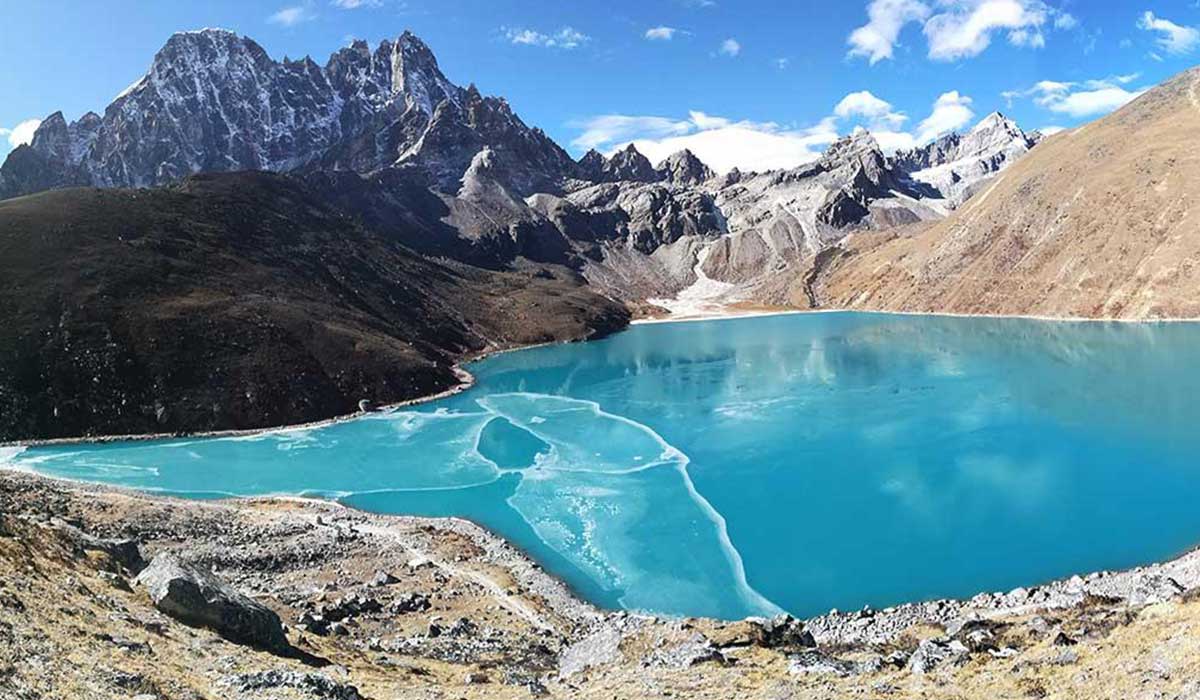
At nearly 5,000 metres, where the air is thin and the silence is deep, a string of lakes glows in shades of turquoise, emerald and sapphire against a backdrop of snow peaks and glacier ice. On calm mornings, their mirror-like surfaces reflect Cho Oyu and the surrounding summits. In winter, they freeze into sheets of blue-white ice. For Sherpas, Hindus and Buddhists, they are sacred. For trekkers, they are pure Himalayan magic. These are the Gokyo Lakes, the world's highest freshwater lake system and one of the most beautiful sights in the Everest region. This complete guide from Nepal Trip Services explores each of the lakes, how to reach them, the best time to visit, altitude tips and everything else you need to plan your Gokyo Lakes Trek.
The Gokyo Lakes are a chain of glacier-fed freshwater lakes in the Gokyo Valley of Sagarmatha National Park, in Nepal's Khumbu region. Lying between about 4,700 and 5,000 metres, they form the highest freshwater lake system in the world.
The lakes are fed by seepage from the Ngozumpa Glacier, a stream from the Renjo La pass to the north-west and another stream originating from the Ngozumpa Glacier in the east. Their waters eventually drain into the Dudh Koshi River.
| Detail | Information |
|---|---|
| Location | Gokyo Valley, Sagarmatha National Park, Solukhumbu, Nepal |
| Altitude Range | About 4,700 – 5,000 m |
| Number of Main Lakes | Six (with many smaller ponds in the wider wetland) |
| Largest Lake | Dudh Pokhari (Gokyo Cho), about 42.9 hectares |
| Main Village | Gokyo (about 4,790 m) |
| Protected Status | Ramsar Wetland of International Importance since 2007 |
| Wetland Area | About 7,770 hectares (77.7 km²) |
| Water Source | Ngozumpa Glacier and surrounding glacial streams |
| Drains Into | Dudh Koshi River |
| Nearby Viewpoint | Gokyo Ri (5,357 m) |
| Best Time | March–May & September–November |
In September 2007, Gokyo and its associated wetlands of 7,770 ha were designated a Ramsar site, recognising their importance for biodiversity and as a high-altitude freshwater system. Scientific studies have also found that the lakes are deeper than researchers previously assumed.
The wetland supports alpine plants, migratory birds such as ruddy shelducks, and wildlife including Himalayan tahr, pika and snow leopards in the surrounding mountains.
| Lake | Local Name | Approx. Altitude | How to Reach | Highlight |
|---|---|---|---|---|
| First Lake | Longponga (Longbanga) | ~4,690 m | On the main trail from Machhermo | Small lake at the entrance to the lake chain |
| Second Lake | Taboche Tsho (Taujon) | ~4,740 m | On the main trail | Peaceful, reflective waters |
| Third Lake | Dudh Pokhari (Gokyo Cho) | ~4,750–4,790 m | Beside Gokyo village | Largest and most famous lake |
| Fourth Lake | Thonak Tsho | ~4,830 m | 1–1.5 hours north of Gokyo | Quiet lake with Cho Oyu close-ups |
| Fifth Lake | Ngozumpa Tsho | ~4,950–4,990 m | 2–3 hours north of Gokyo | Scoundrel's Viewpoint of Everest |
| Sixth Lake | Gyazumpa Tsho | ~5,000 m | Full-day hike from Gokyo | Remote lake at the foot of Cho Oyu |
The first lake appears on the trail as you climb from Machhermo along the edge of the Ngozumpa Glacier's moraine. It's small but marks the exciting moment you enter the Gokyo lake system.
A short walk further brings you to the second lake, often calm and reflective, with snow peaks mirrored on its surface. A small stream connects it with the third lake.
The star of the valley. Gokyo Cho, also called Dudh Pokhari, is the main lake with an area of 42.9 ha, and the village of Gokyo lies on its eastern shore. Its brilliant turquoise water, framed by Gokyo Ri and snow peaks, is one of the most photographed scenes in Nepal. A small shrine on its shore reflects the lake's spiritual importance.
About an hour or so north of Gokyo, Thonak Tsho is quieter and wilder, surrounded by towering cliffs and offering close views of Cho Oyu. It's an excellent half-day acclimatisation hike and is included in our itinerary.
The fifth lake lies further north near the head of the Ngozumpa Glacier. Nearby, the famous Scoundrel's Viewpoint offers a dramatic view of Everest's North Face, Lhotse and Makalu across the glacier. It's a long but rewarding day hike.
The most remote of the main lakes, Gyazumpa Tsho lies near the base of Cho Oyu. Few trekkers reach it, making it ideal for those seeking solitude and adventure. It requires a long day hike and good acclimatisation.
The Gokyo Lakes are considered sacred by both Hindus and Buddhists.
Above Gokyo village rises Gokyo Ri (5,357 m), the finest viewpoint for seeing the lakes from above. From its summit, you'll see Dudh Pokhari shining below, the vast Ngozumpa Glacier and four of the world's 8,000-metre peaks:
| Mountain | Height |
|---|---|
| Mount Everest | 8,849 m |
| Lhotse | 8,516 m |
| Makalu | 8,485 m |
| Cho Oyu | 8,188 m |
The climb takes about 2–3 hours from Gokyo and is one of the trek's undisputed highlights.
Running alongside the lakes, the Ngozumpa Glacier is the largest glacier in Nepal, stretching around 36 km from Cho Oyu. Its rocky, debris-covered surface is dotted with meltwater ponds and ice cliffs. The lakes and glacier are closely linked, and scientists monitor the glacier closely, as changes in its meltwater could affect the lakes in the future.
| Step | Route | Duration |
|---|---|---|
| 1 | Fly Kathmandu (or Ramechhap) → Lukla, trek to Phakding | 1 day |
| 2 | Phakding → Namche Bazaar | 1 day |
| 3 | Acclimatisation day in Namche | 1 day |
| 4 | Namche → Dole | 1 day |
| 5 | Dole → Machhermo | 1 day |
| 6 | Machhermo → Gokyo (First, Second & Third Lakes) | 1 day |
| Route | Highlights |
|---|---|
| Via Renjo La Pass (5,360 m) | Approach from Thame with stunning views over the lakes |
| Via Cho La Pass (5,420 m) | Connects Gokyo with Everest Base Camp across the Ngozumpa Glacier |
| Via Phortse | A quieter route linking the Gokyo and EBC trails |
| Day | Route | Lakes & Highlights |
|---|---|---|
| 1 | Arrival in Kathmandu | Welcome briefing |
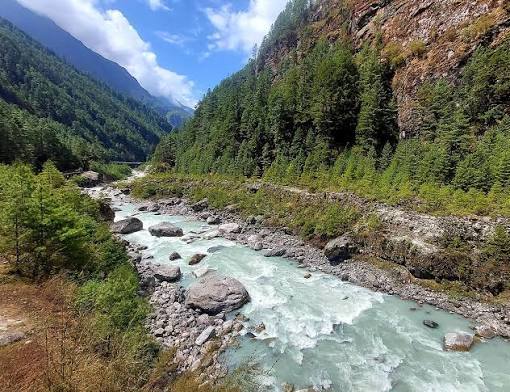
| 2 | Fly to Lukla, trek to Phakding | Dudh Koshi River |
| 3 | Trek to Namche Bazaar | Hillary Bridge, first Everest view |
| 4 | Acclimatisation in Namche | Everest View Hotel |
| 5 | Trek to Dole | Mong La ridge |
| 6 | Trek to Machhermo | Cho Oyu views |
| 7 | Trek to Gokyo + Gokyo Ri | First, Second & Third Lakes; Everest panorama |
| 8 | Fourth Lake hike, trek to Machhermo | Thonak Tsho and Cho Oyu close-ups |
| 9 | Trek to Namche Bazaar | Valley descent |
| 10 | Trek to Lukla | Farewell celebration |
| 11 | Fly to Kathmandu | Farewell dinner |
| 12 | Departure | — |
Want to see the Fifth or Sixth Lake? Add an extra day in Gokyo for a longer lake exploration hike.
| Season | Months | Lake Conditions | Rating |
|---|---|---|---|
| Autumn | September – November | Bright turquoise lakes, clear skies | Best |
| Spring | March – May | Lakes thawing, mild days, good views | Excellent |
| Winter | December – February | Lakes often frozen, very cold, few trekkers | Challenging |
| Monsoon | June – August | Cloudy, rainy, Lukla flight delays | Difficult |
Photo tip: Lakes are most vividly turquoise on clear, sunny autumn mornings. In winter, frozen lakes create a completely different, magical scene.
| Season | Day | Night |
|---|---|---|
| Spring | 5°C – 15°C | -8°C – 0°C |
| Monsoon | 10°C – 15°C | 0°C – 5°C |
| Autumn | 5°C – 12°C | -10°C – -5°C |
| Winter | -5°C – 5°C | -20°C – -15°C |
| Permit | Foreign Nationals |
|---|---|
| Sagarmatha National Park Entry Permit | NPR 3,000 |
| Khumbu Pasang Lhamu Rural Municipality Permit | NPR 3,000 |
The Gokyo Lakes lie at high altitude, so safety comes first:
The lakes are fragile and sacred. Help protect them:
Discover the turquoise beauty of the Gokyo Lakes, the mighty Ngozumpa Glacier and the unforgettable Gokyo Ri panorama on our 12-day Gokyo Lakes Trek. If you dream of standing at the foot of the world's highest mountain, choose the Classic Everest Base Camp Trek. Experienced adventurers can link the lakes with Everest on the Everest Three High Passes Trek or the Gokyo & Everest Base Camp via Cho La Trek, while those seeking a shorter journey can enjoy Sherpa culture and Everest views on the Everest View Trek. Explore all our Everest Region adventures, and plan your perfect trip with our Trip Planner.
The Gokyo Lakes are in the Gokyo Valley of Sagarmatha National Park, in the Khumbu (Everest) region of northeastern Nepal. They lie west of the main Everest Base Camp route, at the foot of Cho Oyu. The lakes sit beside the Ngozumpa Glacier. They're reached by trekking from Lukla via Namche Bazaar.
There are six main Gokyo Lakes, along with many smaller ponds in the wider wetland system. The lakes lie between about 4,700 and 5,000 metres. The largest is Dudh Pokhari, the Third Lake. Most trekkers visit the first four lakes.
The Gokyo Lakes lie between about 4,700 and 5,000 metres above sea level. Dudh Pokhari, beside Gokyo village, is at around 4,750–4,790 metres. The Fifth and Sixth Lakes are close to 5,000 metres. This makes them the highest freshwater lake system in the world.
The largest is the Third Lake, Dudh Pokhari, also called Gokyo Cho. It covers about 42.9 hectares. Gokyo village sits on its eastern shore. It's the most visited and photographed of the lakes.
The Gokyo Lakes are sacred to both Hindus and Buddhists. Pilgrims visit during the Janai Purnima festival to bathe in their waters. Local Sherpas believe protective deities live in the lakes. Visitors should respect them by not swimming, washing or littering.
Yes, the Gokyo Lakes and associated wetlands were designated a Ramsar Wetland of International Importance in 2007. The protected area covers about 7,770 hectares. This recognises their ecological and biodiversity value. It helps protect the lakes for future generations.
The lakes get their vivid turquoise colour from fine glacial sediment, known as rock flour, suspended in the water. When sunlight hits these particles, it reflects bright blue and green shades. The colour is most striking on clear, sunny days. In winter, the lakes often freeze.
Yes, the lakes often freeze during winter (December–February), especially at night and in early mornings. Frozen lakes create beautiful scenery but come with very cold temperatures. Trails may also be icy or snowy. Winter trekking requires proper gear and experience.
No, swimming in the Gokyo Lakes is not allowed. The lakes are sacred, and the water is extremely cold and dangerous at this altitude. Washing and throwing objects into the lakes is also discouraged. Please enjoy them respectfully from the shore.
The standard trek takes about 12 days from Kathmandu to Kathmandu. This includes flights to Lukla, acclimatisation days and time to visit the lakes and Gokyo Ri. Adding the Fifth or Sixth Lake requires an extra day. Longer routes may include the Renjo La or Cho La passes.
The best times are autumn (September–November) and spring (March–May). Autumn offers the clearest skies and brightest lake colours. Spring has milder temperatures and good views. Winter is very cold, and the monsoon brings clouds and rain.
Everest isn't clearly visible from the lake shores, but it's spectacular from Gokyo Ri (5,357 m) above the village. The Fifth Lake area, including Scoundrel's Viewpoint, also offers excellent Everest views. From Gokyo Ri, you can see four 8,000-metre peaks. It's one of the best Everest panoramas in Nepal.
The trek is graded moderate to challenging, mainly because of high altitude. Daily walks last 5–7 hours on rocky mountain trails. No technical climbing skills are needed. Good fitness and careful acclimatisation are essential.
Yes, you need the Sagarmatha National Park entry permit and the Khumbu Pasang Lhamu Rural Municipality permit. Both currently cost NPR 3,000 for foreign nationals. They're checked at Lukla and Monjo. Trekking companies usually arrange them in advance.
Yes, you can combine the Gokyo Lakes with Everest Base Camp by crossing the Cho La Pass (5,420 m). This route takes around 15–18 days. You can also cross the Renjo La Pass for a loop via Thame. These options suit fit, experienced and well-acclimatised trekkers.
The Gokyo Lakes are among the most breathtaking natural wonders of the Himalaya. Their glowing turquoise waters, sacred atmosphere and dramatic setting beneath Cho Oyu and the Ngozumpa Glacier create a landscape that feels almost otherworldly. Whether you're gazing across Dudh Pokhari at sunset, exploring the quiet Fourth Lake or looking down on the entire lake chain from Gokyo Ri, every moment here is unforgettable.
Trek slowly, respect the sacred waters and give yourself time to soak in the beauty of this extraordinary place. With expert local guides, well-paced itineraries and complete trek support, Nepal Trip Services will help you experience the magic of the Gokyo Lakes safely and comfortably.
Discover more articles that match your interests! Explore these similar blogs packed with insights, tips, and stories to keep you inspired.
Explore Nepal\'s Gokyo Valley: sacred turquoise lakes, Gokyo Ri, Ngozumpa Glacier, Sherpa villages, routes, best time, p...
Discover the Dudh Koshi River, Nepal\'s "Milk River" of Everest: its source, bridges, villages, trekking routes, best ti...
Explore Dole (4,040 m), the first stop in Nepal\'s Gokyo Valley. Discover routes, teahouses, mountain views, altitude ti...
Explore Machhermo (4,470 m), the key acclimatisation stop before Gokyo. Discover routes, teahouses, Cho Oyu views, altit...
Climb Gokyo Ri (5,357 m) for one of Nepal\\'s best Everest panoramas. Route, timing, difficulty, sunrise tips, views, pe...
Explore the Ngozumpa Glacier, the longest in the Himalaya. Discover its size, Spillway Lake, viewpoints, glacier crossin...