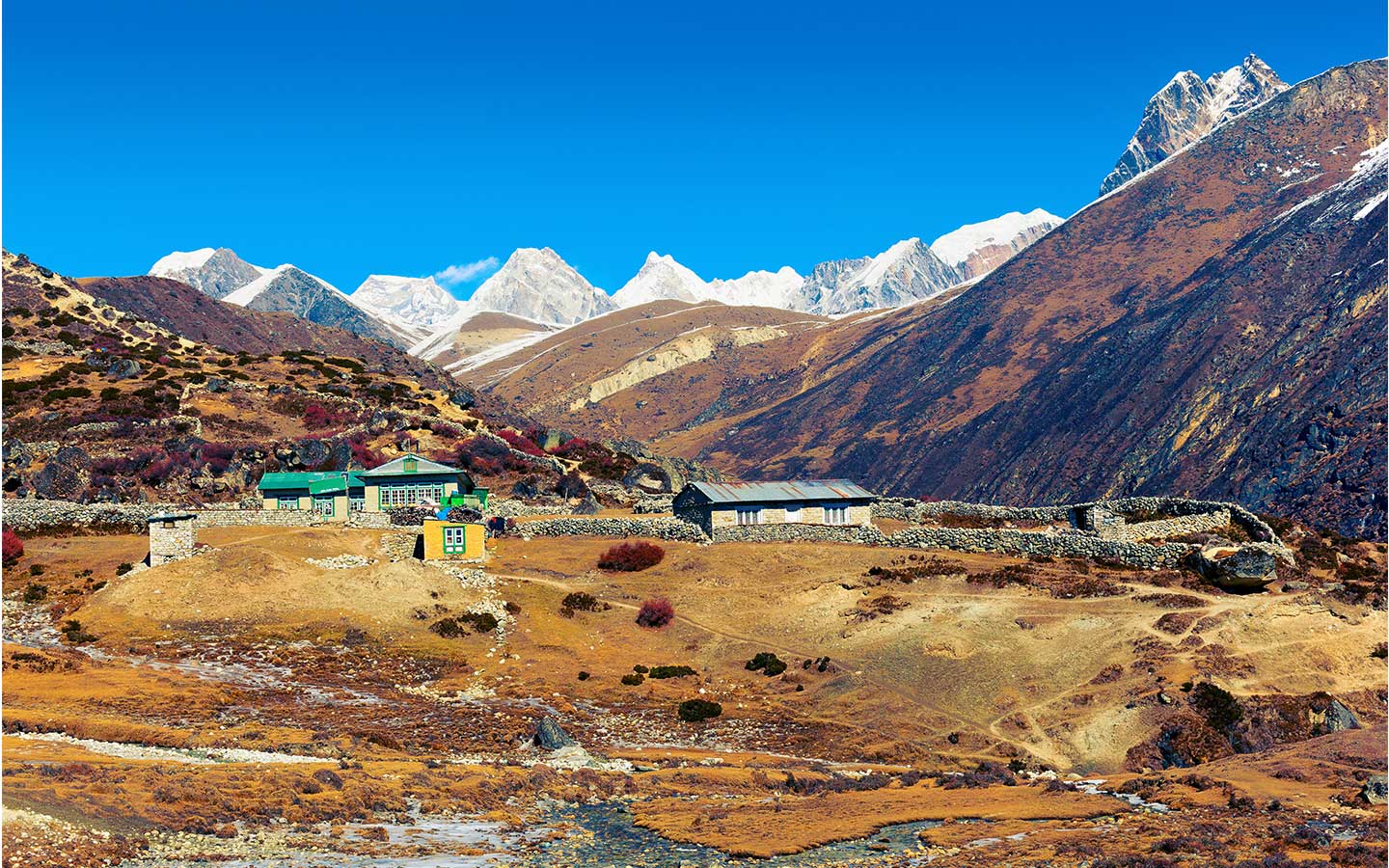
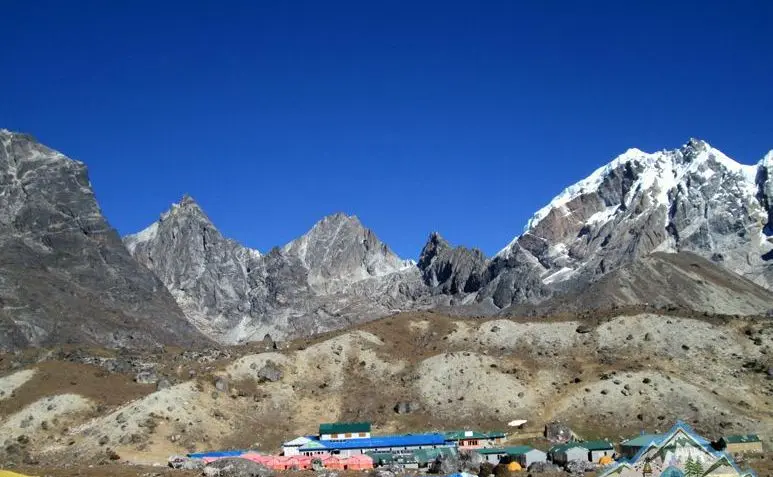
Pangboche, Nepal: Complete Travel & Trekking Guide
By Nepal Trip Services On 08 Oct 2026

By Nepal Trip Services On 08 Oct 2026
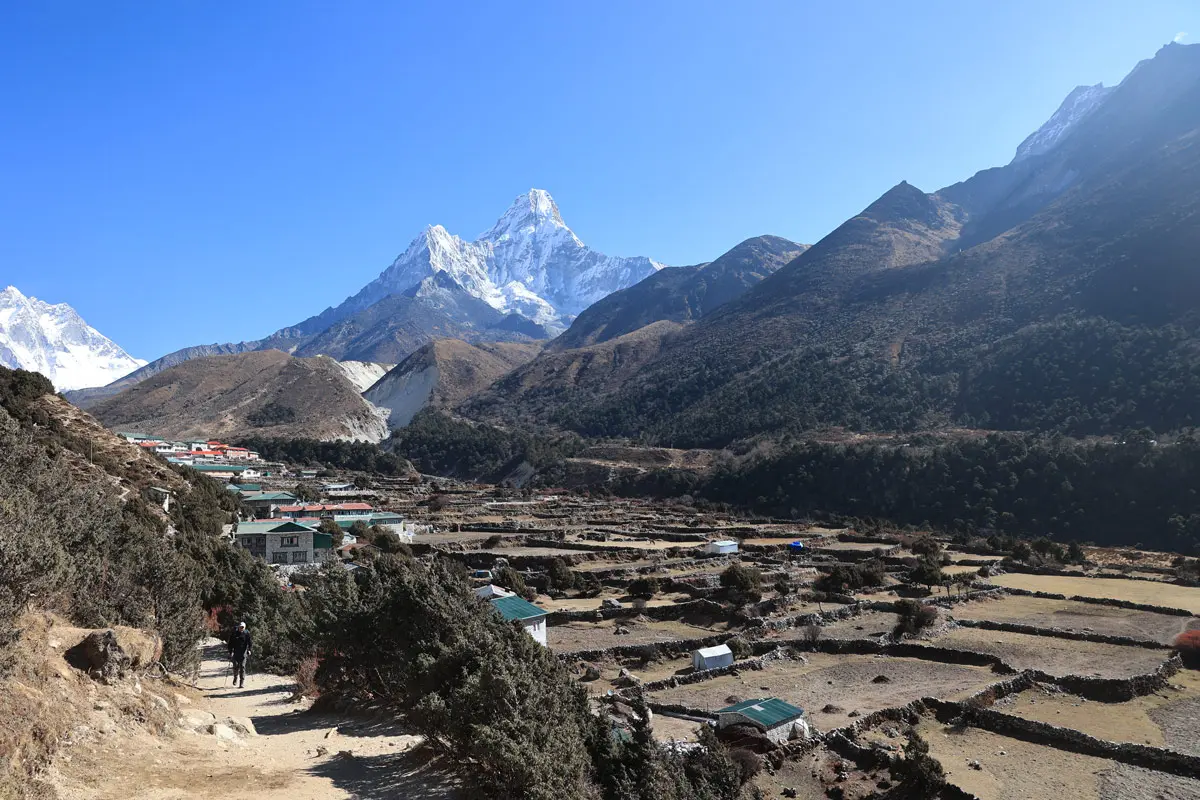
Pangboche (about 3,985 m) is one of the oldest Sherpa settlements in Nepal's Everest (Khumbu) region, set on a sunny hillside directly beneath the soaring spire of Ama Dablam. It is home to Pangboche Monastery, widely regarded as the oldest monastery in the Khumbu, and to the legend of the "yeti scalp and hand" that drew explorers here for decades. Pangboche is also the gateway to Ama Dablam Base Camp, one of the finest day hikes on the Everest trail.
Most trekkers pass through Pangboche between Tengboche and Dingboche on the Classic Everest Base Camp Trek and the Everest Three High Passes Trek. Few stop for long, yet those who do find a peaceful village of stone houses, juniper groves, potato fields and some of the most authentic Sherpa culture on the route.
This guide covers everything you need to know: location, how to get there, things to do, the Ama Dablam Base Camp hike, itineraries, best time, permits, teahouses and travel tips, followed by the 15 questions trekkers ask most.
|
Detail |
Information |
|---|---|
|
Location |
Upper Khumbu, Sagarmatha National Park, Solukhumbu District, Koshi Province, Nepal |
|
Altitude |
About 3,930–3,985 m (Lower Pangboche); Upper Pangboche about 4,000 m |
|
Position on the trail |
Between Tengboche (3,870 m) and Dingboche (4,410 m) on the EBC route |
|
Famous for |
Oldest monastery in the Khumbu, yeti relic legend, Ama Dablam views |
|
Signature hike |
Ama Dablam Base Camp (~4,600 m) |
|
Founding legend |
Monastery attributed to Lama Sangwa Dorje, traditionally dated to the 17th century |
|
Mountain views |
Ama Dablam, Thamserku, Kangtega, Taboche, Lhotse and Everest |
|
Difficulty |
Easy–moderate from Tengboche |
|
Best seasons |
March–May and late September–November |
|
Accommodation |
Family-run teahouses in Lower and Upper Pangboche |
|
Permits |
Sagarmatha National Park + Khumbu Pasang Lhamu Rural Municipality |
|
Treks that pass through |
Classic Everest Base Camp Trek (from US$ 1,200), Everest Three High Passes Trek (from US$ 1,450) |
Pangboche lies in the upper Khumbu, inside Sagarmatha National Park, a UNESCO World Heritage Site. It sits above the Imja Khola river, about 2 hours beyond Tengboche, on the main trail to Everest Base Camp. Just above Pangboche, the trail splits: one branch climbs to Dingboche and the Imja Valley, the other to Pheriche and the Khumbu Valley.
The village has two parts:
Pangboche is reached on foot after a flight to Lukla and a gradual climb through the Khumbu.
|
Stage |
Approx. time |
Altitude |
Highlights |
|---|---|---|---|
|
Tengboche → Deboche |
20–30 mins |
3,870 → 3,820 m |
Descent through rhododendron and birch forest; small nunnery |
|
Deboche → Imja Khola bridge |
30–45 mins |
3,820 → ~3,750 m |
Mani walls and a suspension bridge over the gorge |
|
Bridge → Pangboche |
45 mins–1 hr |
~3,750 → ~3,985 m |
Gradual climb with Ama Dablam towering ahead |
|
Total |
1.5–2 hrs |
~115 m net gain |
About 4–5 km |
From Pangboche, it's a further 3–4 hours to Dingboche (4,410 m) or Pheriche (~4,250 m).
|
Trek |
Duration |
Pangboche on the route |
Price from |
|---|---|---|---|
|
14 days |
Day 6 (Tengboche → Dingboche) and on the return via Pheriche |
US$ 1,200 |
|
|
19 days |
Day 6 (Tengboche → Dingboche) |
US$ 1,450 |
|
|
EBC + Ama Dablam Base Camp (custom) |
15–16 days |
Overnight in Pangboche with a day hike to Ama Dablam BC |
On request |
Compare all routes on our Everest Region Treks page.
Pangboche Gompa in Upper Pangboche is widely regarded as the oldest monastery in the Khumbu. Local tradition attributes its founding to Lama Sangwa Dorje, the legendary "flying lama" who is said to have brought Buddhism to the region in the 17th century. Inside, ancient murals, sacred texts and butter lamps create a deeply atmospheric space, and many trekkers stop here for a blessing before heading to higher altitudes.
For decades, the monastery displayed a mummified "yeti hand" and scalp, said to have been brought back by Lama Sangwa Dorje from a meditation cave. Explorers and scientists came to examine them in the 1950s, and the hand was stolen in the early 1990s. In 2011, a New Zealand team presented the monastery with replicas made by Wētā Workshop, which are now on display. Whatever you believe, it's one of the Himalayas' most intriguing stories.
The quiet upper village, with its stone houses, mani walls and sacred juniper trees, feels far removed from the busy main trail. Legend says the juniper grove beside the monastery grew from hair scattered by Lama Sangwa Dorje. It's a lovely place for an unhurried walk and photographs of Ama Dablam.
The day hike to Ama Dablam Base Camp is one of the most rewarding side trips on the Everest trail and an excellent acclimatisation hike.
|
Detail |
Information |
|---|---|
|
Start / end |
Pangboche (~3,985 m) |
|
Base camp altitude |
About 4,600 m |
|
Height gain |
About 600 m |
|
Time |
3–4 hours up, 2–3 hours down (6–7 hours return) |
|
Difficulty |
Moderate |
|
Highlights |
Close-up views of Ama Dablam's west face, Lhotse, Everest, Taboche and Cholatse; climbing camps in season |
The trail crosses the Imja Khola below Pangboche, then climbs steadily through yak pastures and moraine to a broad, grassy meadow beneath the mountain's dramatic west ridge. In spring and autumn, you may see expedition tents from climbers preparing to summit Ama Dablam (6,812 m).
Pangboche has one of the most striking settings on the trek, with Ama Dablam rising almost directly above the village. On clear days, you can also see Thamserku, Kangtega, Taboche, Lhotse and the summit of Everest peeking over the Nuptse ridge.
Many Sherpa climbers and guides come from Pangboche and nearby villages, and families here have long ties to Ama Dablam and Everest expeditions. Evenings in a teahouse dining room often bring fascinating stories from the mountains.
|
Attraction |
Time needed |
Difficulty |
Why go |
|---|---|---|---|
|
Pangboche Monastery |
1 hr |
Easy (short climb to Upper Pangboche) |
Oldest monastery in the Khumbu, blessings, yeti relics |
|
Upper Pangboche walk |
1–2 hrs |
Easy |
Traditional Sherpa houses and juniper grove |
|
Ama Dablam Base Camp |
6–7 hrs return |
Moderate |
Close-up mountain views, acclimatisation |
|
Village viewpoints |
30–60 mins |
Easy |
Sunset and sunrise on Ama Dablam |
|
Day |
Route |
Overnight altitude |
|---|---|---|
|
5 |
Namche Bazaar → Tengboche |
3,870 m |
|
6 |
Tengboche → Pangboche → Dingboche |
4,410 m |
|
10 |
Kala Patthar → descend to Pheriche (just above Pangboche) |
~4,250 m |
|
11 |
Pheriche → Pangboche → Namche Bazaar |
3,440 m |
On Day 6, stop in Pangboche for lunch and a monastery visit before continuing to Dingboche. See the Classic Everest Base Camp Trek itinerary.
Add it to your trek through our trip planner.
On the Everest Three High Passes Trek, you pass through Pangboche on Day 6, between Tengboche and Dingboche, on the way to Chhukung and Kongma La.
The walk from Tengboche to Pangboche is easy to moderate: 1.5–2 hours on a well-built trail with a short descent and a gradual climb. Pangboche sits at nearly 4,000 m, though, so altitude is a factor.
|
Factor |
Detail |
|---|---|
|
Altitude |
About 3,985 m |
|
Walk from Tengboche |
1.5–2 hrs, easy–moderate |
|
Walk to Dingboche |
3–4 hrs, moderate |
|
Ama Dablam Base Camp hike |
6–7 hrs return, moderate (~600 m gain) |
|
Altitude risk |
Moderate; acclimatise in Namche first |
|
Suitable for |
Fit beginners to experienced trekkers |
Acclimatisation tips:
The best times to visit Pangboche are October–November and March–May, when Ama Dablam stands out against clear blue skies.
|
Season |
Months |
Day / night temp (approx.) |
Conditions |
Verdict |
|---|---|---|---|---|
|
Autumn |
Late Sep–Nov |
8–15°C / -6 to 0°C |
Clear, dry and stable; best mountain views |
Best |
|
Spring |
Mar–May |
8–16°C / -5 to 2°C |
Rhododendrons below the village; Ama Dablam climbing season |
Excellent |
|
Winter |
Dec–Feb |
0–8°C / -15 to -8°C |
Cold, quiet and often clear; some lodges close |
For hardy trekkers |
|
Monsoon |
Jun–Aug |
10–16°C / 3 to 8°C |
Cloud and rain; the summer Dumje festival is held in the village |
Least suitable for views |
No special permit is needed for Pangboche or Ama Dablam Base Camp. The two standard Everest-region permits cover the village and the surrounding trails.
|
Permit |
Fee for foreign nationals |
Where checked |
|---|---|---|
|
Sagarmatha National Park Entry Permit |
NPR 3,000 + 13% VAT |
Monjo |
|
Khumbu Pasang Lhamu Rural Municipality Permit |
NPR 3,000 |
Lukla |
Both permits are included in all Nepal Trip Services Everest packages. A climbing permit is only needed to climb Ama Dablam itself, not to visit its base camp. On the trail, budget about US$ 20–25 per day for extras such as hot drinks, showers, charging and Wi-Fi, plus a small donation for the monastery. There are no ATMs above Namche Bazaar.
Pangboche has a good choice of family-run teahouses, most in Lower Pangboche on the main trail, with a few quieter lodges in Upper Pangboche near the monastery.
Pangboche is a Sherpa village in the upper Khumbu (Everest region), inside Sagarmatha National Park in Solukhumbu District. It lies on the Everest Base Camp trail between Tengboche and Dingboche, directly below Ama Dablam.
Lower Pangboche, on the main trail, sits at about 3,930–3,985 m, depending on the map. Upper Pangboche, around the monastery, is slightly higher at roughly 4,000 m.
The walk takes about 1.5–2 hours and covers around 4–5 km. The trail descends through forest to Deboche, crosses the Imja Khola on a suspension bridge and climbs gently to Pangboche.
Pangboche is famous for having the oldest monastery in the Khumbu, the legend of its "yeti scalp and hand", spectacular close-up views of Ama Dablam and its role as the starting point for the Ama Dablam Base Camp hike.
Yes, it is widely regarded as the oldest monastery in the Khumbu region. Local tradition credits its founding to Lama Sangwa Dorje, traditionally dated to the 17th century, though exact dates are uncertain. It remains an active place of worship.
For many years, the monastery kept a mummified hand and scalp said to belong to a yeti. Researchers examined them in the 1950s, and the hand was stolen in the early 1990s. In 2011, replicas made by New Zealand's Wētā Workshop were presented to the monastery and are now displayed.
Yes. Visitors are welcome to visit the monastery in Upper Pangboche, usually during daytime hours. Remove your shoes and hat before entering, don't touch sacred objects, ask before taking photos inside and leave a small donation.
The trail crosses the Imja Khola below the village and climbs through pastures and moraine to base camp at about 4,600 m. It takes 3–4 hours up and 2–3 hours down. It is a moderate hike and a great acclimatisation day.
Yes. Pangboche lies on the main EBC trail, and trekkers pass through it on the way up (Tengboche to Dingboche) and on the way down (Pheriche to Namche). It is also on the Everest Three High Passes Trek.
Most itineraries pass through Pangboche without stopping, but an overnight stay is well worth it. It lets you visit the monastery in the quiet evening, hike to Ama Dablam Base Camp and gain extra acclimatisation.
At nearly 4,000 m, altitude sickness is possible. Acclimatise properly in Namche Bazaar, walk slowly, drink plenty of water and tell your guide right away about symptoms such as headache, nausea or dizziness.
Lower Pangboche lies on the main trekking trail and has most of the lodges. Upper Pangboche is a quieter, older settlement around the monastery and the sacred juniper grove, reached by a short side trail.
No. The standard Sagarmatha National Park permit and Khumbu Pasang Lhamu Rural Municipality permit cover Pangboche and the Ama Dablam Base Camp hike. A climbing permit is only required to climb Ama Dablam itself.
October–November and March–May offer the clearest skies and best views of Ama Dablam. Winter is cold but quiet, while the monsoon brings cloud and rain.
Pangboche is included in our Classic Everest Base Camp Trek (from US$ 1,200) and Everest Three High Passes Trek (from US$ 1,450). To add an overnight stay and the Ama Dablam Base Camp hike, contact us or use our trip planner.
Pangboche is far more than a stop on the way to Everest Base Camp. It's where the Khumbu's Buddhist story began, where yeti legends were born and where Ama Dablam rises so close it seems to fill the sky. Spend an extra night here, walk up to the ancient monastery and hike to Ama Dablam Base Camp, and Pangboche may become one of the most memorable places on your trek.
With 16 years of Himalayan experience, Nepal Trip Services takes care of every detail:
Ready to visit Pangboche? Choose our Classic Everest Base Camp Trek or Everest Three High Passes Trek, browse all our Everest Region Treks, or plan a custom trip with an Ama Dablam Base Camp side trip. Spring and autumn departures fill quickly, so we recommend booking 2–3 months ahead.
Altitudes, timings, permit fees and prices are approximate and current as of October 2026. Conditions change with weather and season; your guide will share the latest information.
Discover more articles that match your interests! Explore these similar blogs packed with insights, tips, and stories to keep you inspired.
Cross Kongma La Pass (5,535 m), the highest of Everest\\\'s Three Passes: route, difficulty, best time, permits, Chhukun...
Cross Cho La Pass (5,420 m) from Dzongla to Gokyo: glacier route, difficulty, best time, permits, microspikes, teahouses...
Cross Renjo La Pass (5,360 m) from Gokyo to Lungden: best Everest view, route, difficulty, best time, permits, teahouses...
How hard is the Everest Three High Passes Trek? Altitude, daily hours, pass-by-pass difficulty, fitness, training tips a...
Find the best time for the Everest Three High Passes Trek: month-by-month weather, pass conditions, temperatures, crowds...
Plan your stay in Dzongla (4,830 m), the last stop before Cho La Pass: route from Lobuche, Chola Tsho lake, teahouses, b...