How Difficult Is The Everest Three High Passes Trek?
By Nepal Trip Services On 08 Oct 2026

By Nepal Trip Services On 08 Oct 2026

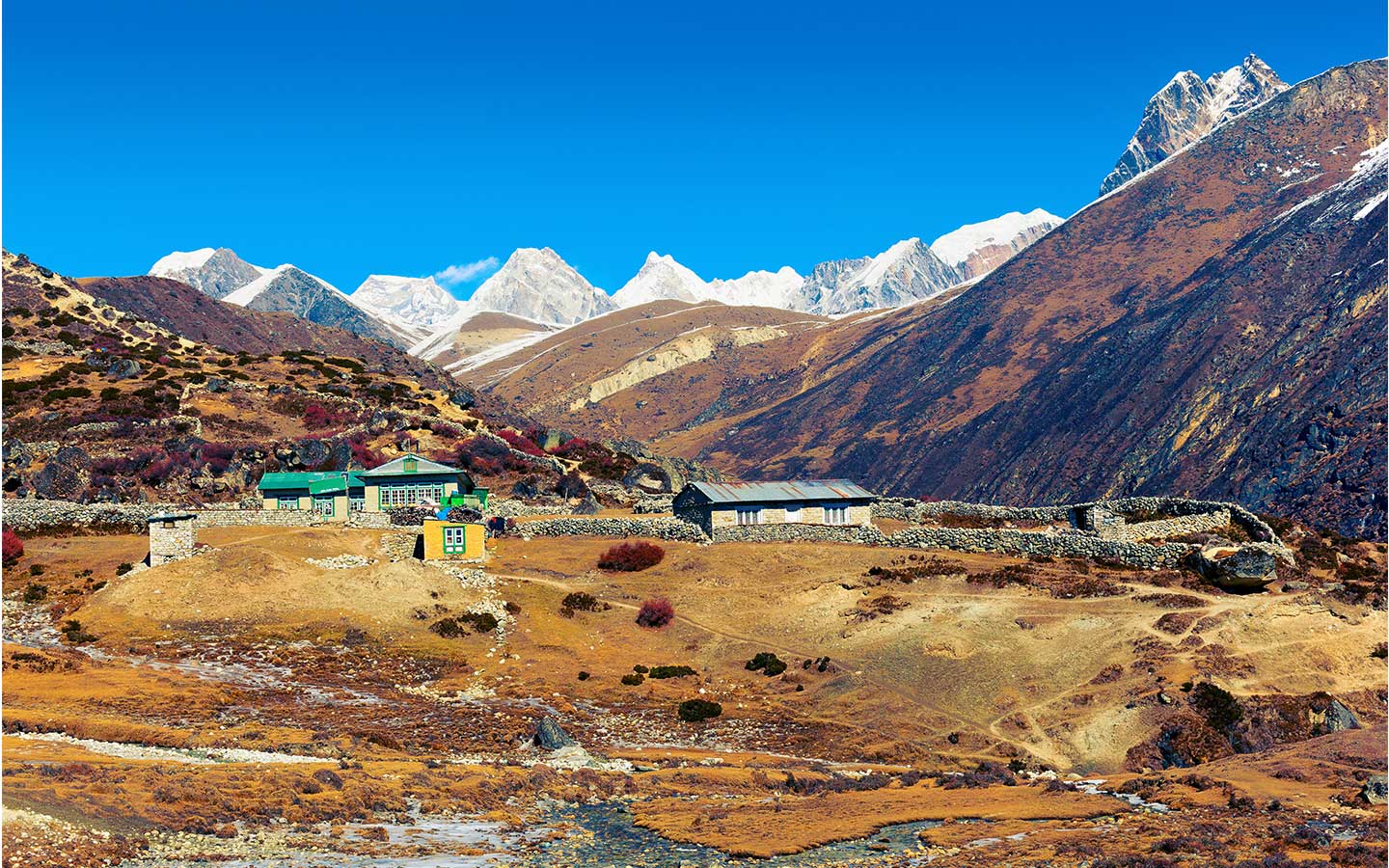
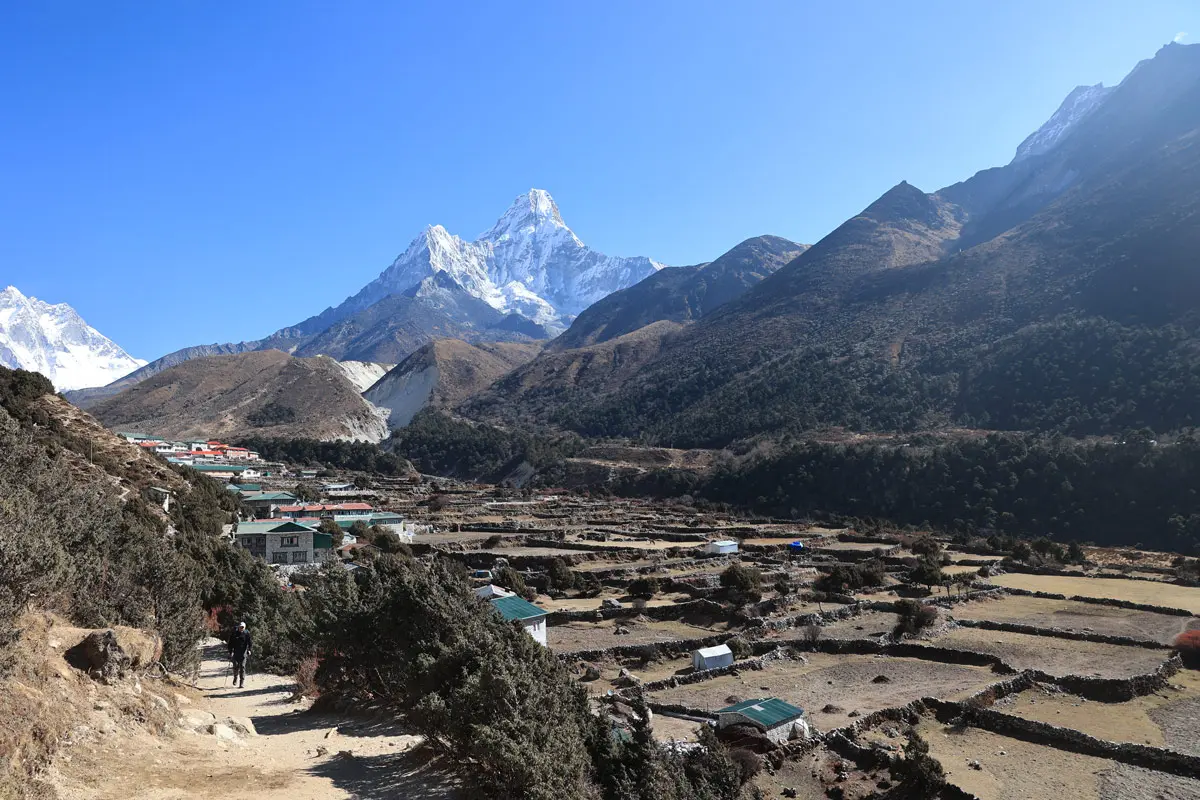
The Everest Three High Passes Trek is graded strenuous and is one of the most demanding teahouse treks in Nepal. Over 19 days, you cross three Himalayan passes above 5,300 m (Kongma La, Cho La and Renjo La), visit Everest Base Camp and climb Kala Patthar and Gokyo Ri. You don't need technical climbing skills, but you do need excellent fitness, stamina, mental resilience and ideally some previous experience at altitude.
The good news: thousands of well-prepared trekkers complete it every year. With 8–12 weeks of training, a well-paced itinerary with proper acclimatisation and an experienced guide, the Three Passes is a challenging but achievable goal, and one of the most rewarding adventures in the Himalayas.
This guide explains exactly what makes the trek difficult, how each pass compares, how it stacks up against other treks in Nepal, and how to prepare so you cross every pass safely and confidently.
|
Factor |
Details |
Difficulty |
|---|---|---|
|
Overall grade |
Strenuous |
⭐⭐⭐⭐ |
|
Duration |
19 days (16–17 trekking days) |
⭐⭐⭐⭐ |
|
Maximum altitude |
Kala Patthar, about 5,545 m |
⭐⭐⭐⭐⭐ |
|
High passes |
Kongma La 5,535 m, Cho La 5,420 m, Renjo La 5,360 m |
⭐⭐⭐⭐⭐ |
|
Highest overnight |
Gorak Shep, 5,164 m |
⭐⭐⭐⭐ |
|
Nights above 4,500 m |
7 |
⭐⭐⭐⭐ |
|
Daily walking |
5–9 hours (up to 10 hours on pass days) |
⭐⭐⭐⭐ |
|
Total distance |
About 160–170 km |
⭐⭐⭐ |
|
Terrain |
Rocky trails, moraine, scree, boulders and a short glacier |
⭐⭐⭐⭐ |
|
Technical skills |
None, but microspikes are needed in icy conditions |
⭐⭐ |
|
Experience needed |
Previous trekking at altitude strongly recommended |
⭐⭐⭐⭐ |
No single factor makes the Three Passes hard. It's the combination of altitude, long days, rough terrain, cold and remoteness, repeated for almost three weeks.
Altitude is the biggest challenge. Above 5,000 m, the air holds roughly half the oxygen available at sea level, so even gentle slopes leave you breathless. On this trek you cross three passes above 5,300 m, climb Kala Patthar (about 5,545 m) and Gokyo Ri (5,357 m), and sleep above 4,500 m for seven nights, including one night at Gorak Shep (5,164 m). Acute Mountain Sickness (AMS) can affect anyone, whatever their fitness.
You'll cover about 160–170 km in 16–17 trekking days. Most days involve 5–7 hours of walking, while pass days stretch to 7–10 hours, often starting before dawn. The cumulative effect of day after day on the trail is a big part of the challenge.
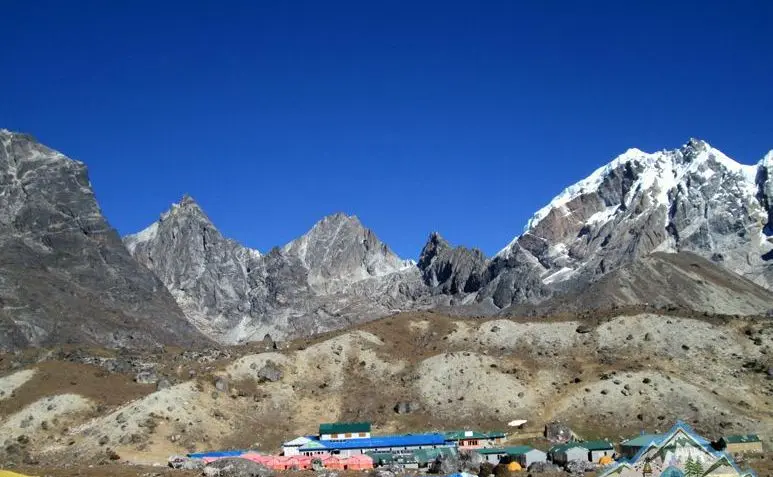
Above the treeline, trails turn rocky and uneven. Expect steep stone steps, loose scree on the pass descents, a boulder scramble on Cho La, a short glacier crossing and moving rubble on the Khumbu and Ngozumpa glaciers. Long descents are hard on knees, especially after Kongma La and Renjo La.
Nights at high camps regularly drop to -10°C to -20°C in peak season, and colder in winter. Wind on the passes can be fierce, and snow can arrive at any time of year, making trails slippery or temporarily impassable. Mornings are clearest; afternoons often bring cloud and wind.
There are no teahouses between Chhukung and Lobuche, Dzongla and Thangnak, or Gokyo and Lungden, so pass days are long and self-sufficient. Lodges at Dzongla, Thangnak, Lungden and Gorak Shep are very basic, with unheated rooms, shared toilets and limited showers. Sleep can be poor at altitude.
Weather often delays flights to and from Lukla, which can disrupt plans and add stress. Building 1–2 buffer days into your trip makes a big difference.
Early starts, cold mornings, tired legs and thin air test your patience and motivation. A positive attitude, a steady pace and trust in your guide are as important as physical fitness.
Each pass has its own character and challenge. On the anticlockwise route used by Nepal Trip Services, you cross them in this order:
|
Pass |
Altitude |
Day |
Route |
Time |
Up / down |
Main challenge |
Difficulty |
|---|---|---|---|---|---|---|---|
|
Kongma La |
5,535 m |
9 |
Chhukung → Lobuche |
8–9 hrs |
~800 m / ~600 m |
Highest and longest; steep loose descent; Khumbu Glacier crossing; no teahouses |
⭐⭐⭐⭐⭐ Hardest |
|
Cho La |
5,420 m |
12 |
Dzongla → Thangnak |
7–8 hrs |
~590 m / ~720 m |
Boulder scramble and an icy glacier near the top |
⭐⭐⭐⭐ Most technical |
|
Renjo La |
5,360 m |
15 |
Gokyo → Lungden |
7–8 hrs |
~570 m / ~1,000 m |
Stone staircase up; long, steep descent |
⭐⭐⭐ Easiest |
Kongma La is the toughest overall because of its height, length and remoteness. Many trekkers describe it as the hardest single day of the trek.
Cho La feels the most adventurous, with a steep scramble and a glacier traverse where microspikes are often essential.
Renjo La is the most straightforward thanks to its stone steps, and it rewards you with arguably the best Everest view of the whole trek.
|
Day |
Route |
Sleeping altitude |
Walking time |
Difficulty |
|---|---|---|---|---|
|
1 |
Arrive in Kathmandu |
1,400 m |
— |
— |
|
2 |
Fly to Lukla, trek to Phakding |
2,610 m |
3–4 hrs |
Easy |
|
3 |
Phakding → Namche Bazaar |
3,440 m |
5–6 hrs |
Moderate (steep final climb) |
|
4 |
Acclimatisation day in Namche |
3,440 m |
3–4 hrs |
Easy |
|
5 |
Namche → Tengboche |
3,860 m |
5–6 hrs |
Moderate |
|
6 |
Tengboche → Dingboche |
4,340 m |
5–6 hrs |
Moderate |
|
7 |
Acclimatisation day in Dingboche |
4,340 m |
4–5 hrs |
Moderate |
|
8 |
Dingboche → Chhukung |
4,700 m |
2–3 hrs |
Easy–moderate |
|
9 |
Kongma La → Lobuche |
4,940 m |
8–9 hrs |
Very hard |
|
10 |
Everest Base Camp → Gorak Shep |
5,164 m |
7–8 hrs |
Hard |
|
11 |
Kala Patthar → Dzongla |
4,830 m |
7–8 hrs |
Hard |
|
12 |
Cho La → Thangnak |
4,700 m |
7–8 hrs |
Very hard |
|
13 |
Thangnak → Gokyo |
4,790 m |
3–4 hrs |
Moderate (glacier crossing) |
|
14 |
Gokyo Ri & explore Gokyo |
4,790 m |
4–6 hrs |
Moderate–hard |
|
15 |
Renjo La → Lungden |
4,350 m |
7–8 hrs |
Hard |
|
16 |
Lungden → Namche via Thame |
3,440 m |
6–7 hrs |
Moderate |
|
17 |
Namche → Lukla |
2,860 m |
6–7 hrs |
Moderate (long descent) |
|
18 |
Fly to Kathmandu |
1,400 m |
— |
— |
|
19 |
Departure |
— |
— |
— |
The toughest stretch is Days 9–12, with Kongma La, Everest Base Camp, Kala Patthar and Cho La packed into four days at very high altitude.
|
Trek |
Duration |
Max altitude |
High passes |
Difficulty |
|---|---|---|---|---|
|
7 days |
~3,880 m |
None |
Easy–moderate |
|
|
11 days |
4,130 m |
None |
Moderate |
|
|
12 days |
5,357 m |
None |
Moderate–challenging |
|
|
14 days |
~5,550 m |
None |
Moderate–challenging |
|
|
13 days |
5,416 m |
1 (Thorong La) |
Challenging |
|
|
15 days |
5,106 m |
1 (Larkya La) |
Challenging |
|
|
19 days |
~5,545 m |
3 |
Strenuous |
The Classic Everest Base Camp Trek reaches a similar maximum altitude, but it follows one valley in and out with no high passes. The Three Passes adds three demanding pass days, more nights above 4,500 m, rougher and more remote terrain, and five extra days on the trail. If EBC is a solid test, the Three Passes is the advanced level. Read more in our Classic EBC Trek Difficulty guide.
The Gokyo Lakes Trek is shorter, quieter and has no passes, with a maximum altitude of 5,357 m on Gokyo Ri. It's a great stepping stone before the Three Passes. See our Gokyo Lakes Trek Difficulty guide.
Well suited to:
Not ideal for:
You are likely ready for the Three Passes if you can answer "yes" to most of these:
If you answer "no" to several, consider starting with the Gokyo Lakes Trek or Classic Everest Base Camp Trek, or ask us to add extra rest days to the Three Passes.
Start training 8–12 weeks before departure. The goal is endurance: being able to walk for many hours, on consecutive days, up and down steep ground.
|
Phase |
Weeks |
Focus |
Example week |
|---|---|---|---|
|
Base building |
1–4 |
Consistent cardio and basic strength |
3–4 cardio sessions of 30–45 mins; 2 strength sessions; one 3–4 hr hike |
|
Strength & endurance |
5–8 |
Hills, stairs and longer hikes with a pack |
4 cardio sessions incl. stairs or incline; 2 strength sessions; one 5–6 hr hike with 6–8 kg |
|
Peak preparation |
9–11 |
Back-to-back long hikes |
3–4 cardio sessions; 2 strength sessions; two consecutive 6–8 hr hikes with elevation gain |
|
Taper |
12 |
Recovery before travel |
Light walks, stretching, rest; pack and test gear |
Before you go: get a medical check-up, especially if you have heart, lung or blood pressure concerns, and discuss altitude medication with your doctor.
The passes are easiest when they're dry and clear. Mid-October to November and late April to May usually offer stable weather and snow-free trails. Winter (December–February) brings deep snow and ice that often close the passes, while the monsoon (June–August) brings rain, fog and slippery rock. Even in peak season, carry microspikes for icy mornings, especially on Cho La.
Safety always comes first. If snow, weather or altitude make a pass unsafe, there are well-known alternatives that keep you on the circuit:
|
Pass |
Alternative route |
Extra time |
|---|---|---|
|
Kongma La |
Chhukung → Dingboche → Thukla → Lobuche |
About 1 extra day |
|
Cho La |
Descend via Pheriche and Phortse, then up the Gokyo Valley via Dole and Machhermo |
About 3–4 extra days |
|
Renjo La |
Retrace the Gokyo Valley via Machhermo and Dole to Namche |
About 1 extra day |
Your guide will make the final decision on the day, based on conditions and the group's health.
Altitude sickness is the most serious risk on the Three Passes, and it is the main reason trekkers turn back. It can affect anyone, regardless of age or fitness, so prevention and early action matter most.
|
Mild AMS (monitor and rest) |
Serious signs: descend immediately |
|---|---|
|
Headache |
Severe headache not relieved by rest or medicine |
|
Nausea or loss of appetite |
Repeated vomiting |
|
Dizziness or fatigue |
Confusion, unusual behaviour or loss of balance |
|
Poor sleep |
Breathlessness at rest |
|
Shortness of breath when walking |
Persistent wet cough or chest tightness |
Serious symptoms may signal HAPE (fluid on the lungs) or HACE (swelling of the brain), both medical emergencies that require immediate descent.
How Nepal Trip Services keeps you safe:
Insurance is mandatory: your policy must cover trekking up to 6,000 m and emergency helicopter rescue.
The right equipment can make a hard trek far more manageable:
|
Gear |
Why it helps |
|---|---|
|
Microspikes |
Grip on icy sections, especially the Cho La glacier |
|
Trekking poles |
Reduce strain on knees during long, steep descents |
|
Broken-in waterproof boots |
Prevent blisters and give ankle support on rocky trails |
|
Down jacket (-20°C) |
Keeps you warm on early starts and cold nights |
|
Four-season sleeping bag (-15°C to -20°C) |
Better sleep means better recovery |
|
Insulated water bottles |
Stop water freezing on pass days |
|
Glacier sunglasses (Category 3–4) |
Prevent snow blindness |
|
Headlamp |
Essential for pre-dawn pass starts |
|
Light 30–40 L daypack |
Your porter carries the rest |
Nepal Trip Services provides a down jacket, sleeping bag and duffel bag on loan, and helps you rent or buy microspikes in Thamel or Namche.
It is graded strenuous and is one of the hardest teahouse treks in Nepal. You cross three passes above 5,300 m, walk 5–9 hours a day for 16–17 days and spend seven nights above 4,500 m. No technical climbing is needed, but excellent fitness and preparation are essential.
Yes. The Classic Everest Base Camp Trek reaches a similar maximum altitude, but the Three Passes adds three demanding pass crossings, more nights at high altitude, rougher and more remote terrain and about five extra days. It's best seen as the advanced version of EBC.
Kongma La (5,535 m) is usually the hardest: it's the highest and longest, with no teahouses en route, a steep loose descent and a Khumbu Glacier crossing. Cho La is the most technical because of its boulder scramble and icy glacier, while Renjo La is generally the easiest.
It isn't recommended for complete beginners. Previous high-altitude experience, such as the Gokyo Lakes or Everest Base Camp trek, is strongly advised. Very fit and determined first-timers can succeed with 2–3 months of training, extra acclimatisation days and an experienced guide.
You should be able to hike 6–8 hours with a 6–8 kg daypack on consecutive days and climb around 1,000 m of hills or stairs comfortably. Strong legs, good cardiovascular fitness and healthy knees make a big difference.
Most days involve 5–7 hours of walking. Pass days (Kongma La, Cho La and Renjo La) take 7–9 hours, sometimes up to 10, with very early starts. Acclimatisation days are shorter, at around 3–5 hours.
No ropes, harnesses or climbing skills are needed. However, microspikes are essential for icy sections, especially on Cho La, and trekking poles are strongly recommended for the steep descents.
Days 9–12 are the toughest: Kongma La, Everest Base Camp, Kala Patthar and Cho La in four consecutive days at very high altitude, with nights at Lobuche, Gorak Shep and Dzongla.
The highest point is Kala Patthar at about 5,545 m. The passes reach 5,535 m (Kongma La), 5,420 m (Cho La) and 5,360 m (Renjo La), and the highest night is at Gorak Shep (5,164 m).
Mild symptoms such as headache, poor sleep and loss of appetite are common. Serious altitude sickness is less common with a well-paced itinerary but can happen to anyone. Gradual ascent, rest days, hydration and daily oxygen checks greatly reduce the risk.
Aim for 8–12 weeks of training, combining cardio, leg and core strength, stair climbing and long hikes with a loaded daypack. Include back-to-back hiking days in the final month.
Generally, yes. The Annapurna Circuit Trek crosses one high pass, Thorong La (5,416 m), with better facilities and lower overnight altitudes. The Three Passes involves three passes, more time above 4,500 m and more remote, rugged terrain.
Anticlockwise (Kongma La → Cho La → Renjo La) is usually easier and safer. It builds acclimatisation gradually through Namche, Dingboche and Chhukung, and you climb the gentler side of most passes. Clockwise needs extra acclimatisation days at the start.
Your guide can use an alternative route. Kongma La can be bypassed via Dingboche and Thukla, Cho La via Pheriche and Phortse, and Renjo La by retracing the Gokyo Valley. These add time but keep you safe and on the trek.
Absolutely. In one trek, you see Everest Base Camp, sunrise from Kala Patthar and Gokyo Ri, the turquoise Gokyo Lakes and four 8,000 m peaks, all on quieter trails than the standard EBC route. For prepared trekkers, it's one of the most rewarding adventures in the Himalayas.
The Everest Three High Passes Trek is tough, and that's exactly what makes it so rewarding. Every pass you cross, every sunrise over Everest and every turquoise lake you reach is earned step by step. With the right preparation and support, a demanding trek becomes the adventure of a lifetime.
With 16 years of experience in the Everest region, Nepal Trip Services helps you take on the Three Passes safely and confidently:
|
Group size |
Price per person |
|---|---|
|
1 person |
US$ 1,600 |
|
2 people |
US$ 1,500 |
|
3–6 people |
US$ 1,480 |
|
7–10 people |
US$ 1,450 |
Ready to take on the Three Passes? View the full itinerary, inclusions and departure options on our Everest Three High Passes Trek – 19 Days page. Not sure it's right for you yet? Explore gentler options on our Everest Region Treks page, or plan a custom trip and we'll match the route to your fitness and experience.
Discover more articles that match your interests! Explore these similar blogs packed with insights, tips, and stories to keep you inspired.
Cross Kongma La Pass (5,535 m), the highest of Everest\\\'s Three Passes: route, difficulty, best time, permits, Chhukun...
Cross Cho La Pass (5,420 m) from Dzongla to Gokyo: glacier route, difficulty, best time, permits, microspikes, teahouses...
Cross Renjo La Pass (5,360 m) from Gokyo to Lungden: best Everest view, route, difficulty, best time, permits, teahouses...
Explore Pangboche, the oldest monastery village in the Khumbu: yeti relics, Ama Dablam Base Camp hike, route, best time,...
Find the best time for the Everest Three High Passes Trek: month-by-month weather, pass conditions, temperatures, crowds...
Plan your stay in Dzongla (4,830 m), the last stop before Cho La Pass: route from Lobuche, Chola Tsho lake, teahouses, b...