Dzongla, Nepal: Complete Travel & Trekking Guide
By Nepal Trip Services On 08 Oct 2026

By Nepal Trip Services On 08 Oct 2026
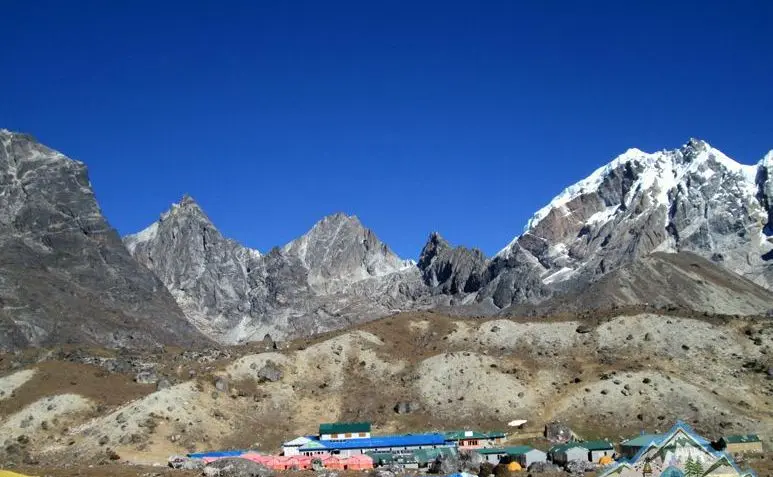
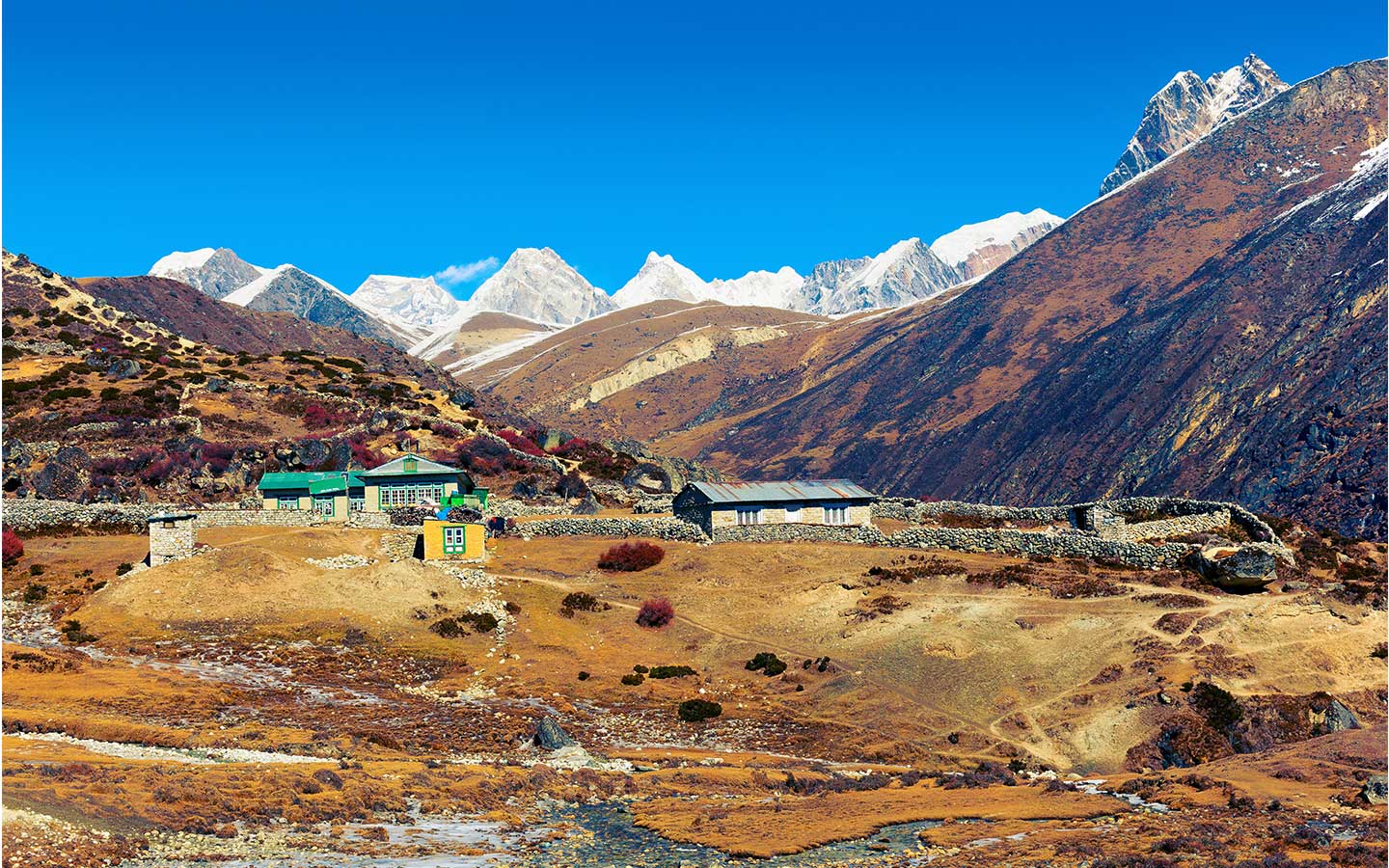
Dzongla (about 4,830 m) is a tiny, remote settlement in Nepal's Everest (Khumbu) region, tucked into a high valley beneath the towering north face of Cholatse. It has no village in the traditional sense, just a small cluster of stone teahouses and yak pastures, but it plays a vital role on the Everest Three High Passes Trek: it is the last overnight stop before crossing Cho La Pass (5,420 m) into the Gokyo Valley.
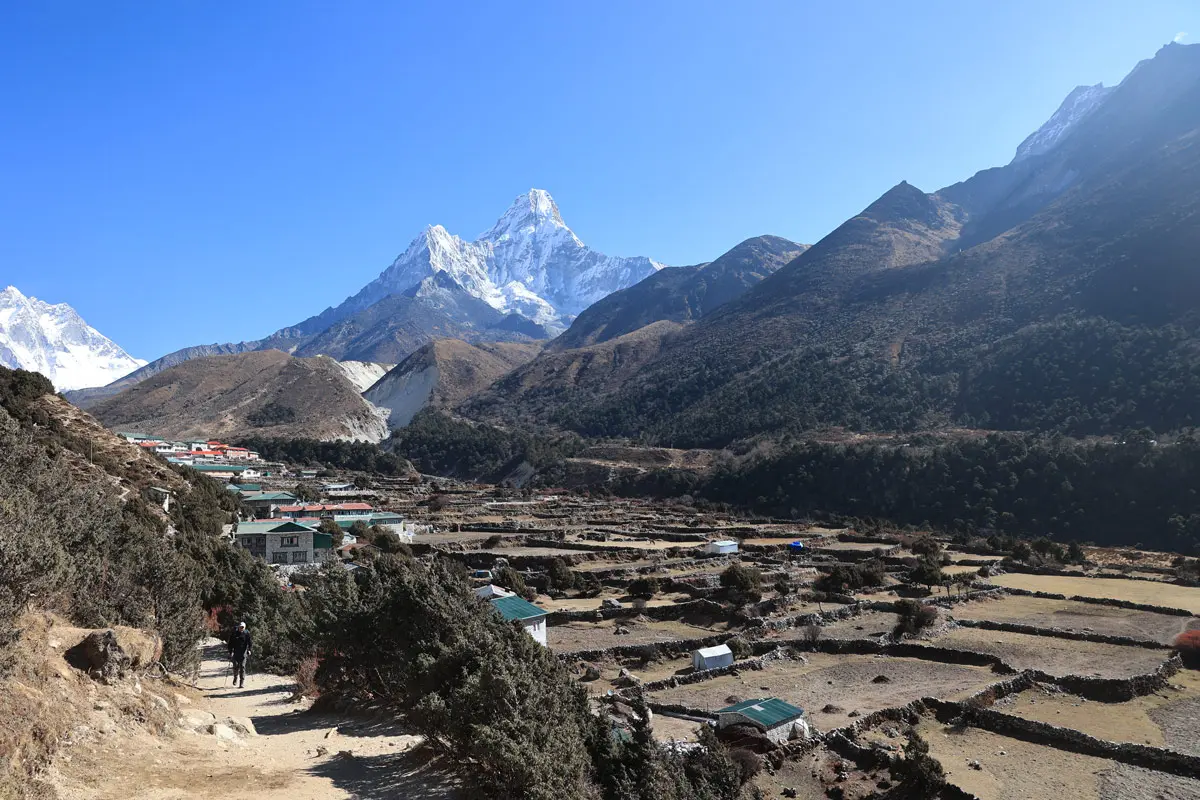
The walk to Dzongla is one of the quietest and most beautiful on the Everest trail. Leaving the busy Everest Base Camp route near Lobuche, the path traverses high above the turquoise Chola Tsho lake, with Cholatse, Taboche and Ama Dablam rising all around. By evening, you're in one of the wildest overnight spots in the Khumbu, with only a handful of fellow trekkers for company.
This guide covers everything you need to know: location, how to get there, what to see, itineraries, difficulty, best time, permits, teahouses and travel tips, followed by the 15 questions trekkers ask most.
|
Detail |
Information |
|---|---|
|
Location |
Upper Khumbu, Sagarmatha National Park, Solukhumbu District, Koshi Province, Nepal |
|
Altitude |
About 4,830 m (15,846 ft) |
|
Position on the route |
Between Lobuche / Gorak Shep (east) and Cho La Pass (west) |
|
Famous for |
Gateway to Cho La; views of Cholatse and Chola Tsho lake |
|
Nearby peaks |
Cholatse (6,440 m), Taboche (6,495 m), Lobuche East, Ama Dablam (6,812 m) |
|
From Lobuche |
3–4 hours |
|
From Gorak Shep (after Kala Patthar) |
4–5 hours |
|
To Cho La and Thangnak |
7–8 hours |
|
Accommodation |
A few very basic teahouses |
|
Best seasons |
Mid-October–November and late April–May |
|
Permits |
Sagarmatha National Park + Khumbu Pasang Lhamu Rural Municipality |
|
Trek that includes it |
Everest Three High Passes Trek – 19 Days, from US$ 1,450 per person |
Dzongla lies in the upper Khumbu, inside Sagarmatha National Park, a UNESCO World Heritage Site in northeastern Nepal. It sits in a side valley west of the main Everest Base Camp trail, between the Lobuche area and the eastern foot of Cho La. To the south rise Cholatse and Taboche; to the north, the ridge of Lobuche East.
Dzongla matters because it's the only place to stay on the eastern side of Cho La. Without it, trekkers heading from Everest Base Camp to the Gokyo Lakes would face a single, impossibly long day over the pass.
There are no roads in the Khumbu. Dzongla is reached on foot after flying to Lukla and acclimatising gradually for more than a week.
|
Stage |
Approx. time |
Altitude |
What to expect |
|---|---|---|---|
|
Sunrise climb of Kala Patthar |
2–3 hrs up and down |
5,164 → ~5,545 → 5,164 m |
Pre-dawn ascent for Everest at sunrise; breakfast back at Gorak Shep |
|
Gorak Shep → Lobuche junction |
1.5–2 hrs |
5,164 → ~4,900 m |
Descend along the Khumbu Glacier moraine |
|
Junction → Chola Tsho traverse |
1.5–2 hrs |
~4,900 → ~4,850 m |
Balcony trail high above the turquoise lake |
|
Traverse → Dzongla |
1 hr |
~4,850 → 4,830 m |
Gentle final stretch into the valley below Cholatse |
|
Total day |
7–8 hrs |
— |
About 11 km |
Trekkers combining Everest Base Camp and Gokyo without Kongma La often walk from Lobuche straight to Dzongla. The trail drops briefly toward the Lobuche Khola, then turns west and traverses above Chola Tsho. It's a short day of 3–4 hours, ideal for extra rest before Cho La.
On the clockwise route, Dzongla is your first stop after crossing Cho La from Thangnak. After a long pass day of 7–8 hours, the gentle valley and warm dining room are a welcome sight.
|
Trek |
Duration |
Dzongla on the route |
Best for |
|---|---|---|---|
|
19 days |
Day 11 overnight, before Cho La |
Fit, experienced trekkers |
|
|
EBC + Gokyo via Cho La (custom) |
15–17 days |
Overnight between EBC and Cho La |
Trekkers wanting EBC and Gokyo in one trip |
|
Gokyo + Cho La + EBC (clockwise, custom) |
15–17 days |
Overnight after crossing Cho La |
Trekkers who prefer Gokyo first |
See every route on our Everest Region Treks page, or design your own with our trip planner.
The trail to Dzongla traverses high above Chola Tsho, a striking turquoise glacial lake at the foot of Cholatse. Seen from the balcony path, its colour contrasts beautifully with the grey moraine and white peaks above. It's one of the most photogenic stretches of the entire Three Passes circuit, and far quieter than the main EBC trail just a few kilometres away.
Cholatse dominates the view from Dzongla. Its steep, fluted north face rises almost directly above the lodges and glows pink and gold at sunset. Together with neighbouring Taboche, it forms one of the most dramatic mountain walls in the Khumbu.
Looking south and east from the trail, you can see Taboche (6,495 m) beside Cholatse, the distinctive spire of Ama Dablam in the distance and the snowy ridges of Lobuche East to the north. On clear evenings, the light on these peaks makes Dzongla one of the most memorable overnight stops of the trek.
If you arrive early, short walks up the slopes above Dzongla give wider views of the valley, Chola Tsho and the approach to Cho La. Keep these walks gentle: you're at 4,830 m, and the next day is a big one.
From Dzongla, the trail climbs west up a rocky valley toward Cho La (5,420 m), crossing a boulder field and a small glacier before dropping to Thangnak and the Gokyo Valley. Watching the route ahead in the evening light helps you prepare mentally for pass day.
|
Attraction |
Where |
Time needed |
Why go |
|---|---|---|---|
|
Chola Tsho lake |
On the trail from Lobuche |
Seen en route |
Turquoise lake beneath Cholatse |
|
Cholatse north face |
Directly above Dzongla |
Sunset and sunrise |
Dramatic alpenglow on a 6,000 m peak |
|
Viewpoint walks |
Slopes above the lodges |
30–60 mins |
Valley and Cho La approach views |
|
Cho La Pass |
3–4 hrs west of Dzongla |
Next day |
Glacier crossing to Gokyo |
|
Day |
Route |
Overnight altitude |
|---|---|---|
|
9 |
Cross Kongma La (5,535 m) to Lobuche |
4,940 m |
|
10 |
Everest Base Camp, return to Gorak Shep |
5,164 m |
|
11 |
Kala Patthar sunrise, trek to Dzongla |
4,830 m |
|
12 |
Cross Cho La (5,420 m) to Thangnak |
4,700 m |
|
13 |
Cross the Ngozumpa Glacier to Gokyo |
4,790 m |
See the full Three Passes itinerary.
This route is a great way to combine the Classic Everest Base Camp Trek with the Gokyo Lakes Trek. Ask us to build it through our trip planner.
If you feel tired or slightly unwell after Kala Patthar, spending an extra night at Dzongla before Cho La gives your body time to recover. Your guide can adjust the plan on the trail.
By the time you reach Dzongla on the anticlockwise Three Passes route, you've usually spent a night at Gorak Shep (5,164 m) and climbed Kala Patthar, so you are well acclimatised. Even so, 4,830 m is very high, and the day before Cho La matters.
|
Section |
Time |
Difficulty |
Notes |
|---|---|---|---|
|
Lobuche → Dzongla |
3–4 hrs |
Moderate |
Mostly gentle traverse; good acclimatisation |
|
Gorak Shep → Dzongla (after Kala Patthar) |
4–5 hrs (7–8 hrs incl. Kala Patthar) |
Hard |
Long day at very high altitude |
|
Dzongla → Cho La → Thangnak |
7–8 hrs |
Very hard |
Boulder scramble, glacier and steep descent |
Acclimatisation tips:
For a deeper look at the challenge ahead, see the difficulty section on our Everest Three High Passes Trek page.
The best times to visit Dzongla, and to cross Cho La the next day, are mid-October to November and late April to May.
|
Season |
Months |
Day / night at Dzongla (approx.) |
Conditions |
Verdict |
|---|---|---|---|---|
|
Autumn |
Late Sep–Nov |
3–10°C / -15 to -8°C |
Clear, stable, best views of Cholatse; Cho La usually passable |
Best |
|
Spring |
Late Mar–May |
5–12°C / -12 to -5°C |
Warmer; snow may linger on Cho La early in the season |
Excellent |
|
Winter |
Dec–Feb |
-8 to 3°C / -25 to -15°C |
Very cold; lodges may close; Cho La often impassable |
Not recommended |
|
Monsoon |
Jun–Aug |
5–10°C / -3 to 3°C |
Cloud, rain and poor visibility |
Not recommended |
Temperatures are approximate; nights at Dzongla are below freezing in every season except the height of summer.
No special permit is needed for Dzongla. The two standard Everest-region permits cover the whole route.
|
Permit |
Fee for foreign nationals |
Where checked |
|---|---|---|
|
Sagarmatha National Park Entry Permit |
NPR 3,000 + 13% VAT |
Monjo |
|
Khumbu Pasang Lhamu Rural Municipality Permit |
NPR 3,000 |
Lukla |
Both permits are included in all Nepal Trip Services Everest packages. Prices at Dzongla are among the highest on the trek, because everything is carried up by porters and yaks. Budget about US$ 25–35 per day for extras such as hot drinks, boiled water, charging and snacks. There are no ATMs above Namche Bazaar.
Dzongla has only a handful of small, simple lodges, so beds fill quickly in October, November and April. Booking through an operator ensures you have a room.
Dzongla is a small settlement in the upper Khumbu (Everest region), inside Sagarmatha National Park in Solukhumbu District. It lies west of the Everest Base Camp trail, between the Lobuche area and the eastern foot of Cho La Pass, beneath Cholatse.
Dzongla sits at about 4,830 m (15,846 ft). Some maps list slightly different figures, but it's consistently one of the higher overnight stops on the Three Passes route.
Dzongla is the last place to stay on the eastern side of Cho La. Sleeping here splits the journey from Everest Base Camp to Gokyo into manageable days and lets you start the pass crossing early the next morning.
The walk takes about 3–4 hours. The trail branches west from the Lobuche area and traverses above Chola Tsho lake, with fine views of Cholatse and Taboche.
From Gorak Shep, it's about 4–5 hours of walking. On the Three Passes itinerary, you first climb Kala Patthar for sunrise, making the full day around 7–8 hours.
The climb from Dzongla to the top of Cho La (5,420 m) takes about 3–4 hours. The full crossing to Thangnak on the western side takes 7–8 hours.
Chola Tsho is a turquoise glacial lake below Cholatse, seen from the trail between Lobuche and Dzongla. It's one of the most scenic sights on the route and much quieter than the busy EBC trail nearby.
The most dramatic view is the north face of Cholatse (6,440 m) directly above the lodges. You'll also see Taboche (6,495 m), Lobuche East and, from the trail, Ama Dablam in the distance.
Dzongla has a few very basic lodges with simple twin rooms, shared outdoor toilets, little or no hot water, limited charging and a warm dining room heated by a stove. Expect cold nights and short menus.
In peak season (October, November and April), yes, it's strongly recommended. There are only a handful of lodges, and they fill quickly. Nepal Trip Services books your rooms in advance.
In autumn and spring, night temperatures usually range from -5°C to -15°C, and colder in winter. A four-season sleeping bag rated -15°C to -20°C and a warm down jacket are essential.
Connectivity is very limited. Some lodges offer paid Wi-Fi, but it's slow and unreliable, and mobile signal is weak or absent. Let family know you may be offline for a day or two.
Yes. At 4,830 m, altitude sickness is possible even for acclimatised trekkers. Rest in the afternoon, drink plenty of water and tell your guide about any symptoms. Never cross Cho La with worsening symptoms.
If snow or weather makes Cho La unsafe, your guide may wait a day at Dzongla or take the alternative route via Pheriche and Phortse, then up the Gokyo Valley. This adds 3–4 days, so buffer days are important.
Dzongla is part of our Everest Three High Passes Trek, a 19-day circuit from US$ 1,450 per person, and any custom EBC-to-Gokyo trek via Cho La. Contact us or use our trip planner to build your route.
Dzongla may be small, but it's one of the most memorable nights on the Everest Three High Passes Trek. After the crowds of Gorak Shep and Lobuche, the quiet valley beneath Cholatse, the turquoise Chola Tsho and the warm stove of a remote lodge feel like a true Himalayan hideaway, and the perfect launch pad for crossing Cho La into the Gokyo Valley.
With 16 years of experience in the Everest region, Nepal Trip Services takes care of every detail:
Ready to stay in Dzongla and cross Cho La? Explore the full itinerary and group prices on our Everest Three High Passes Trek – 19 Days page, browse all our Everest Region Treks, or plan a custom trip combining Everest Base Camp and Gokyo via Cho La. Spring and autumn departures fill quickly, so we recommend booking 2–3 months ahead.
Discover more articles that match your interests! Explore these similar blogs packed with insights, tips, and stories to keep you inspired.
Cross Kongma La Pass (5,535 m), the highest of Everest\\\'s Three Passes: route, difficulty, best time, permits, Chhukun...
Cross Cho La Pass (5,420 m) from Dzongla to Gokyo: glacier route, difficulty, best time, permits, microspikes, teahouses...
Cross Renjo La Pass (5,360 m) from Gokyo to Lungden: best Everest view, route, difficulty, best time, permits, teahouses...
Explore Pangboche, the oldest monastery village in the Khumbu: yeti relics, Ama Dablam Base Camp hike, route, best time,...
How hard is the Everest Three High Passes Trek? Altitude, daily hours, pass-by-pass difficulty, fitness, training tips a...
Find the best time for the Everest Three High Passes Trek: month-by-month weather, pass conditions, temperatures, crowds...