Hot News Everest Base Camp Trek booking is open now! Grab your seat before it is too late.

Nepal Honeymoon Tour

8 Days Kathmandu → Pokhara, Chitwan → Kathmandu

Trip Fact

Destination Nepal
Durations 8 Days
Trip Difficulty Easy
Activities Tour In Nepal
Accommodation Hotel
Max. altitude 1400m
Vehicle Private Vehicle/ Flight Optional
Group Size 1-20 Pax
Best Season March–May & September–November
Start / End Point Kathmandu → Pokhara, Chitwan → Kathmandu
Guiding Method English

About Nepal Honeymoon Tour

Begin your married life with a Nepal honeymoon tour designed just for two. With Nepal Trip Services, you will wake to Himalayan sunrises over Pokhara’s Phewa Lake, wander the heritage squares of Kathmandu, and share quiet moments in the jungles of Chitwan. Every honeymoon package is private, fully customizable, and planned by local experts who handle hotels, transport, and special touches such as candlelight dinners and flower-decorated rooms. Choose the pace, the places, and the budget, and we will take care of the rest, so you can simply enjoy each other.

Trip Highlights

  • Private romantic tour for two: Your own driver, guide, and vehicle. No groups, no rush, just the two of you.
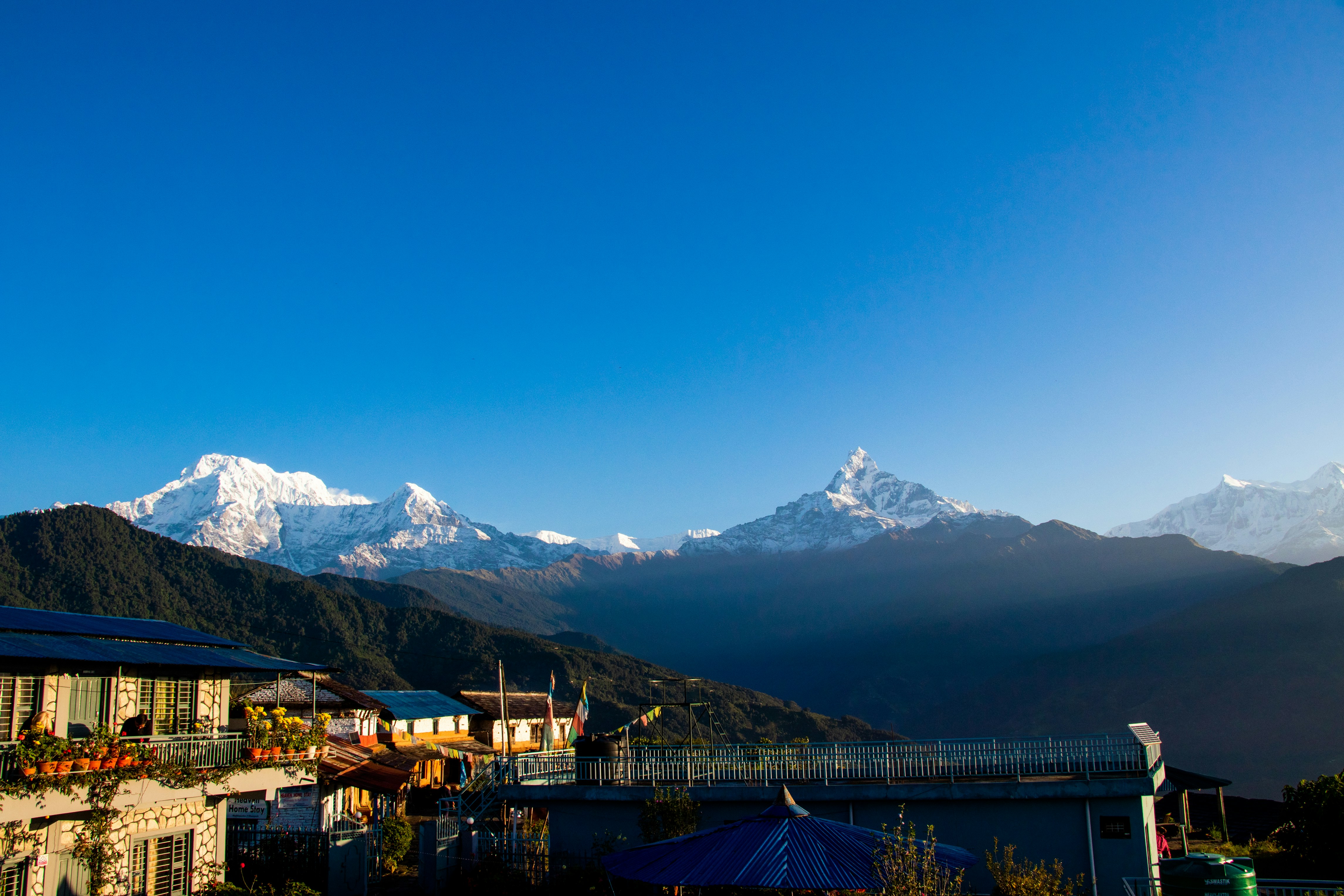
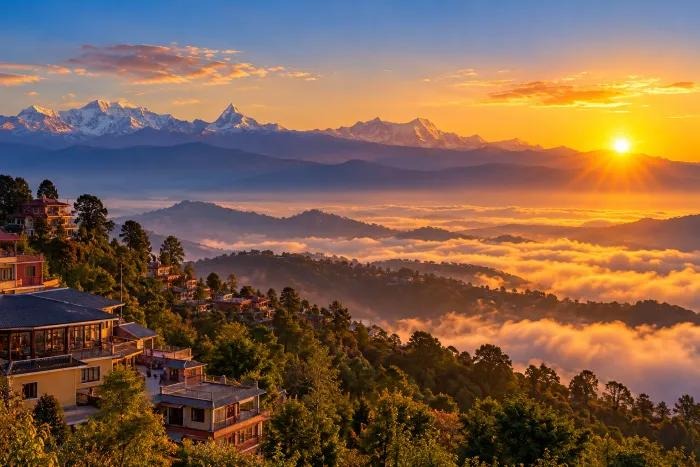
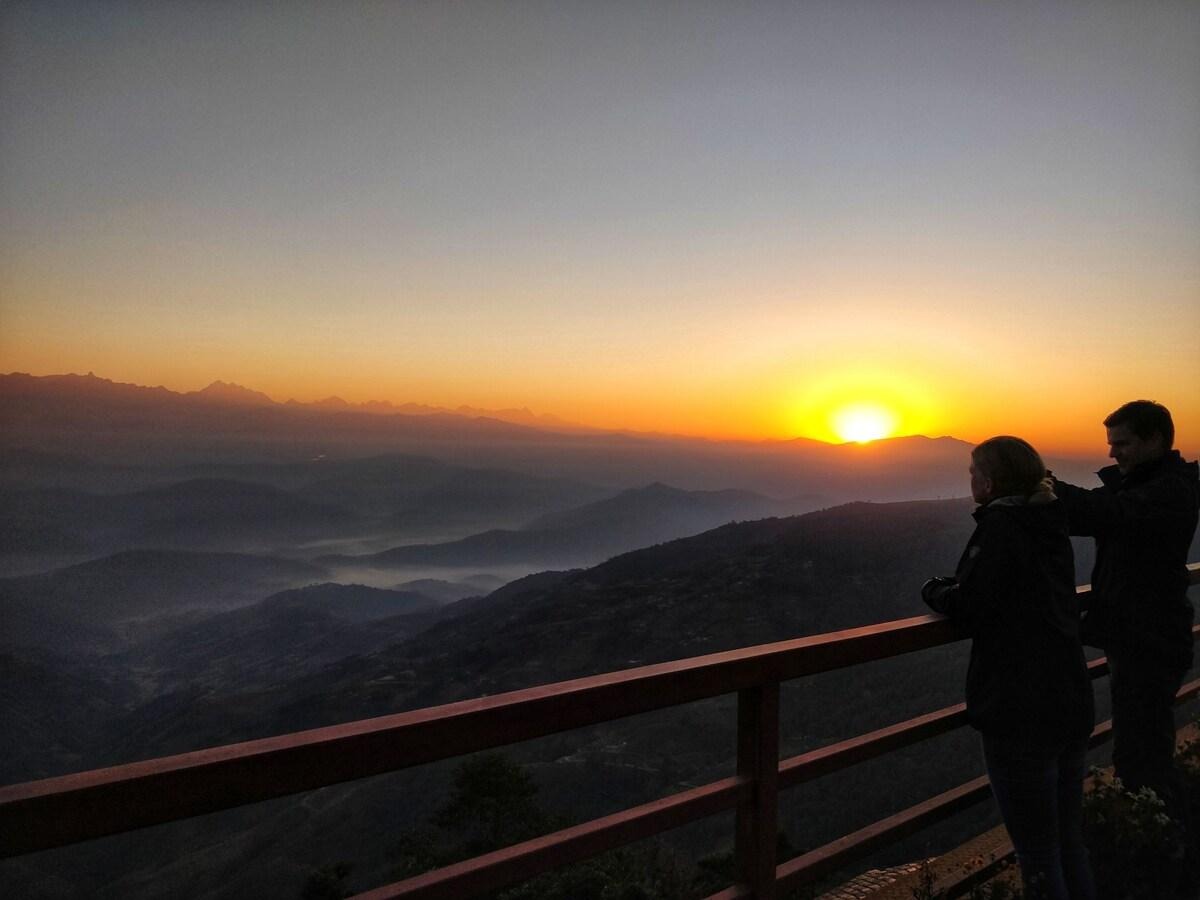
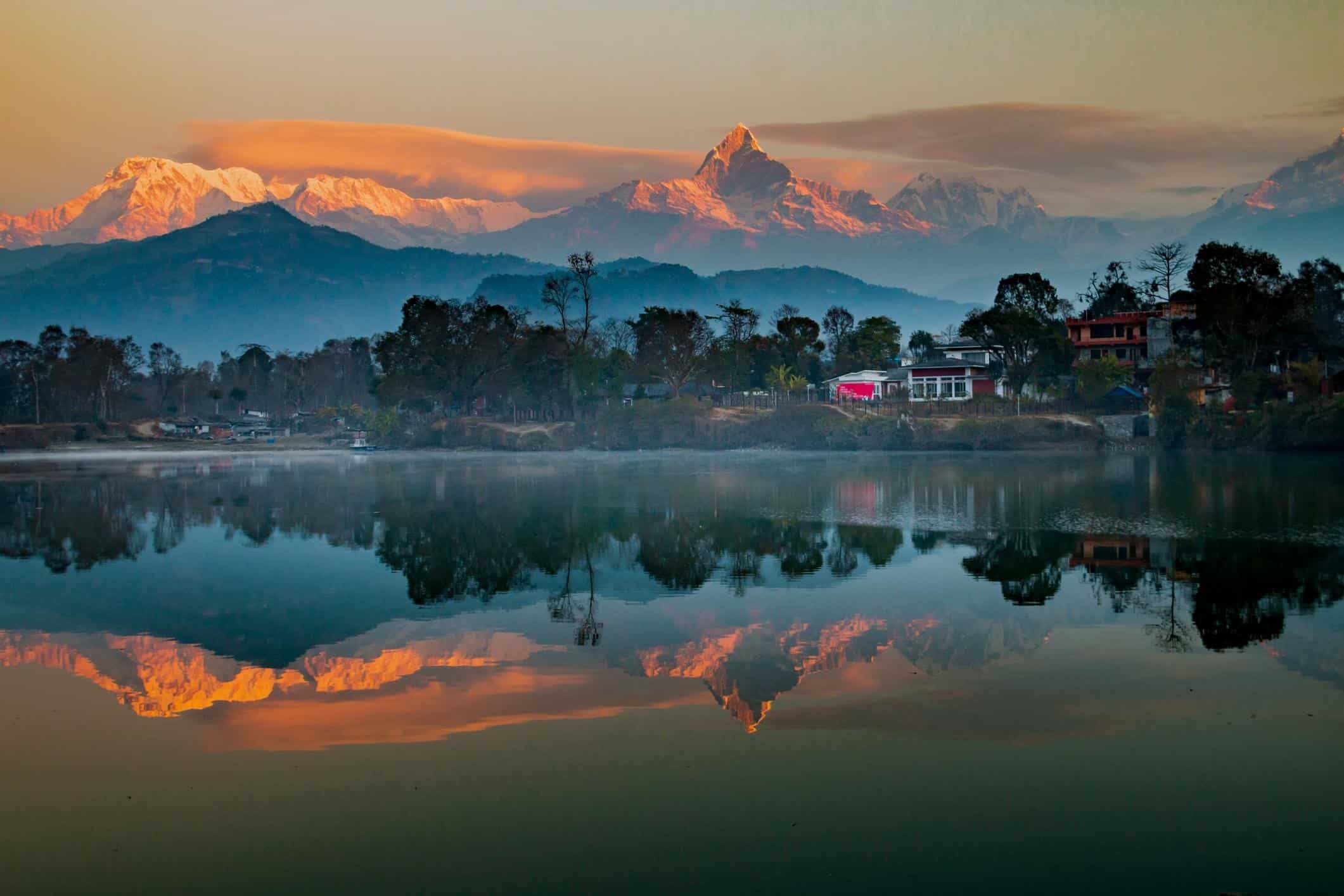
  • Himalayan sunrise at Sarangkot: Watch the Annapurna and Dhaulagiri ranges turn gold over Pokhara, one of the most romantic mountain views in Nepal.
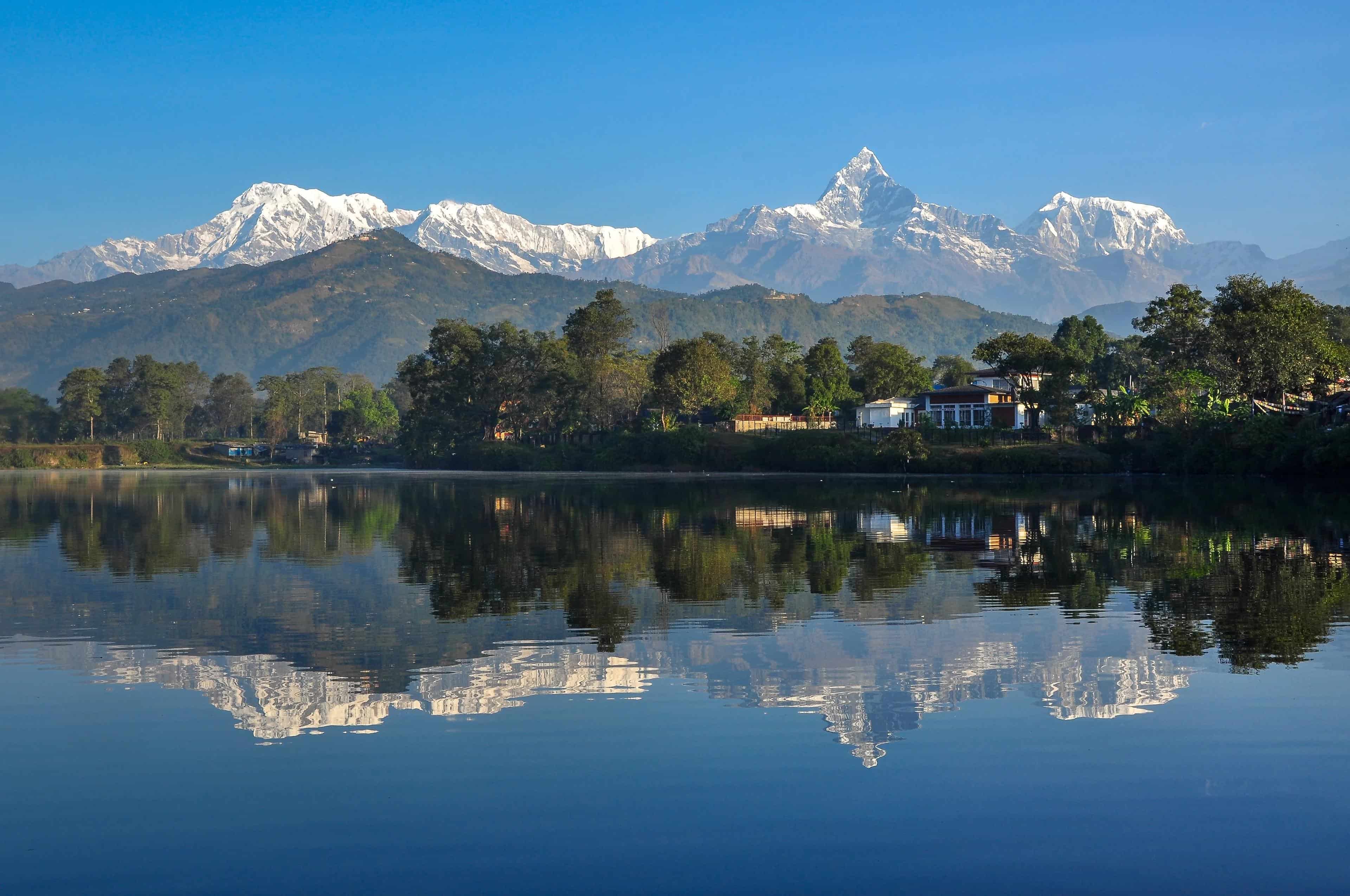
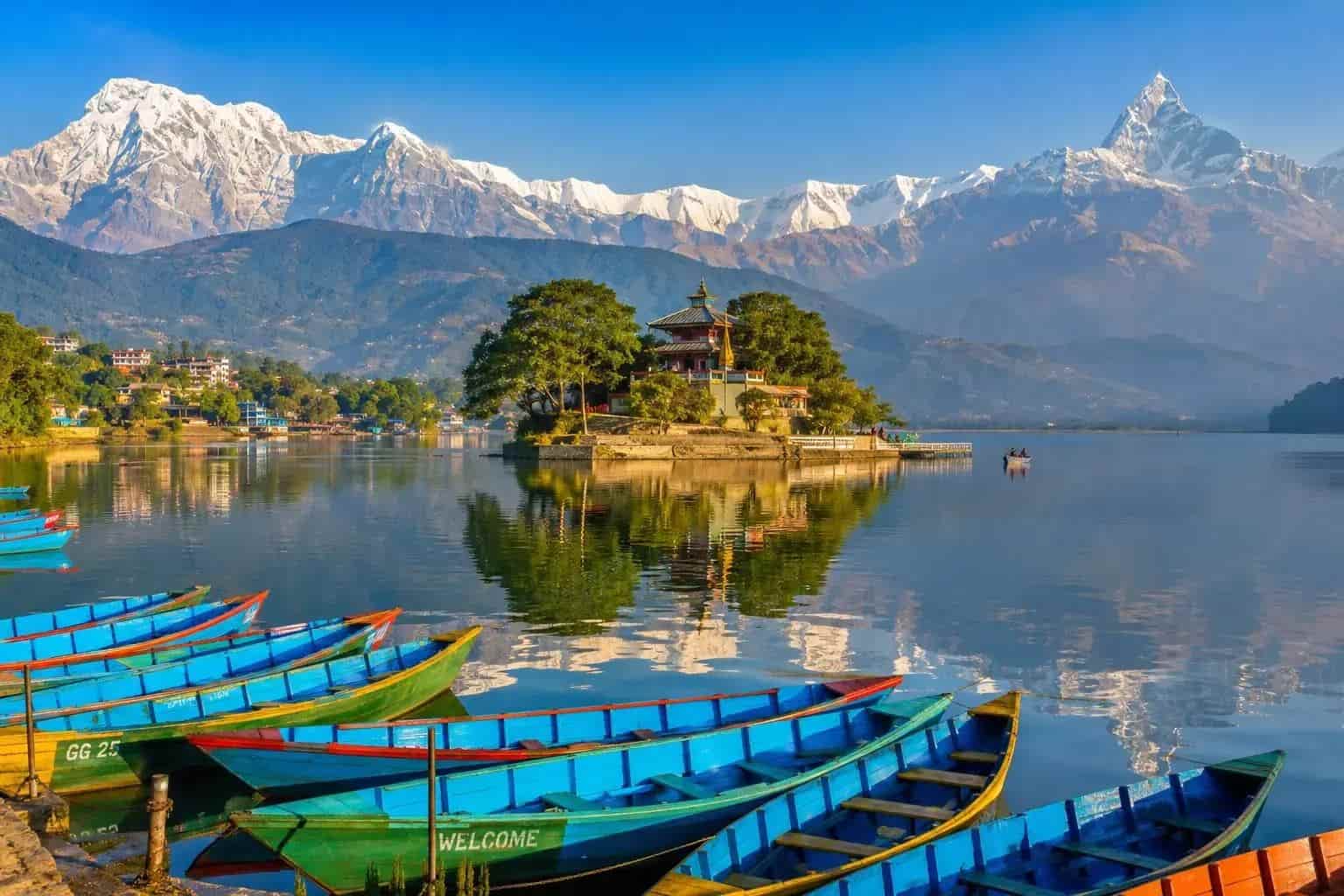
  • Phewa Lake boat ride in Pokhara: Drift across calm water to the island Tal Barahi Temple, with the mountains reflected around you.
  • Candlelight dinner for couples: A special honeymoon dinner with a flower-decorated room and a celebration cake.
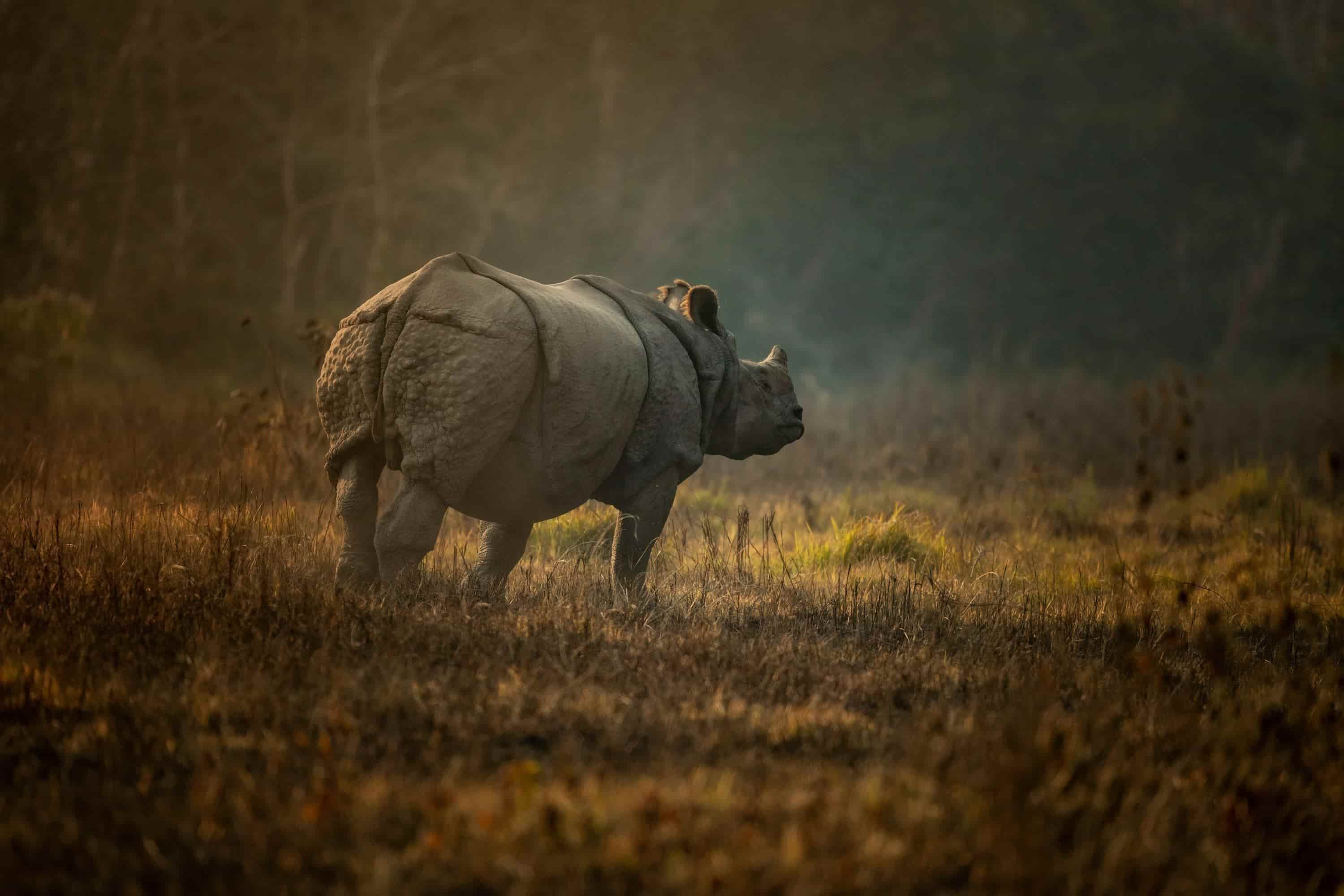
  • Jungle safari in Chitwan National Park: Look for one-horned rhinos, deer, and exotic birds on a jeep safari or guided jungle walk, and stay in a peaceful jungle lodge.
  • Tharu cultural evening: Enjoy traditional stick dance and village life in Chitwan.
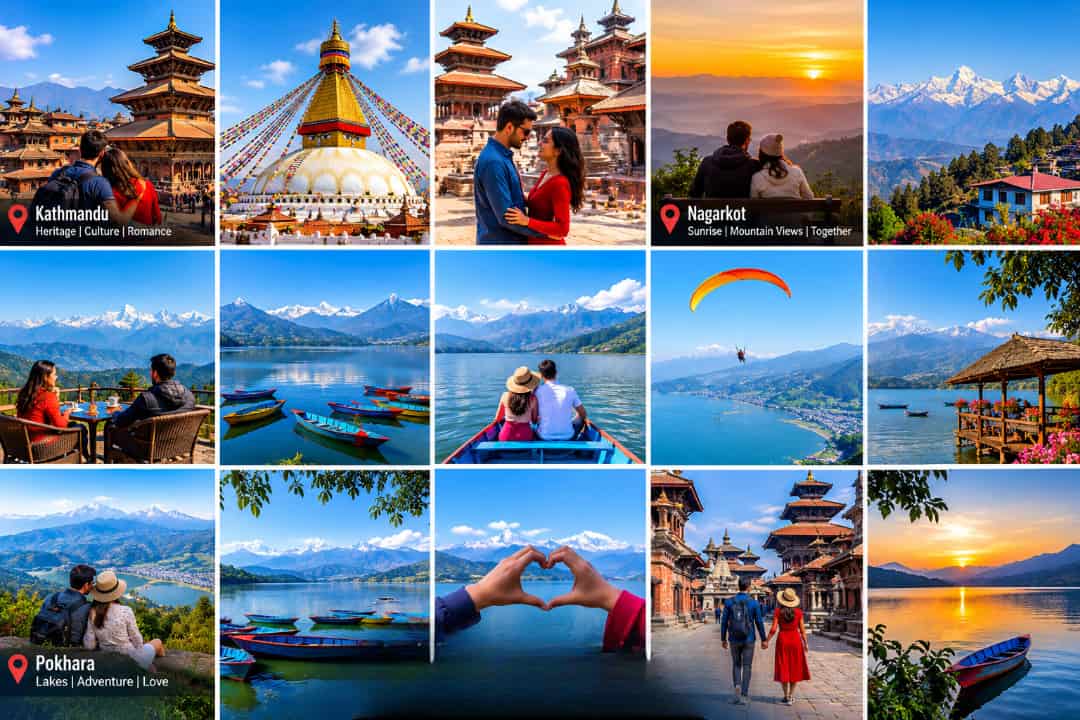
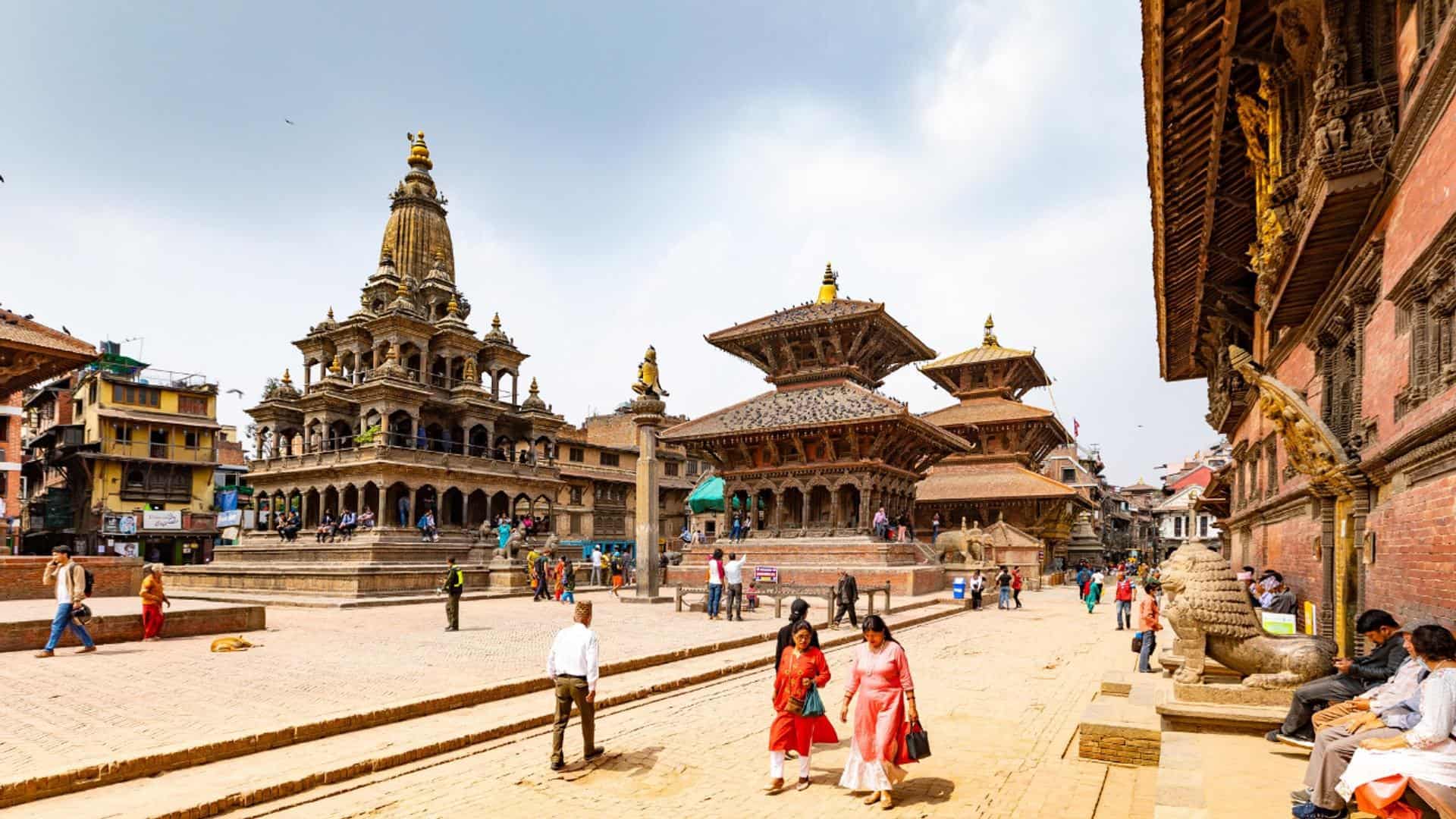
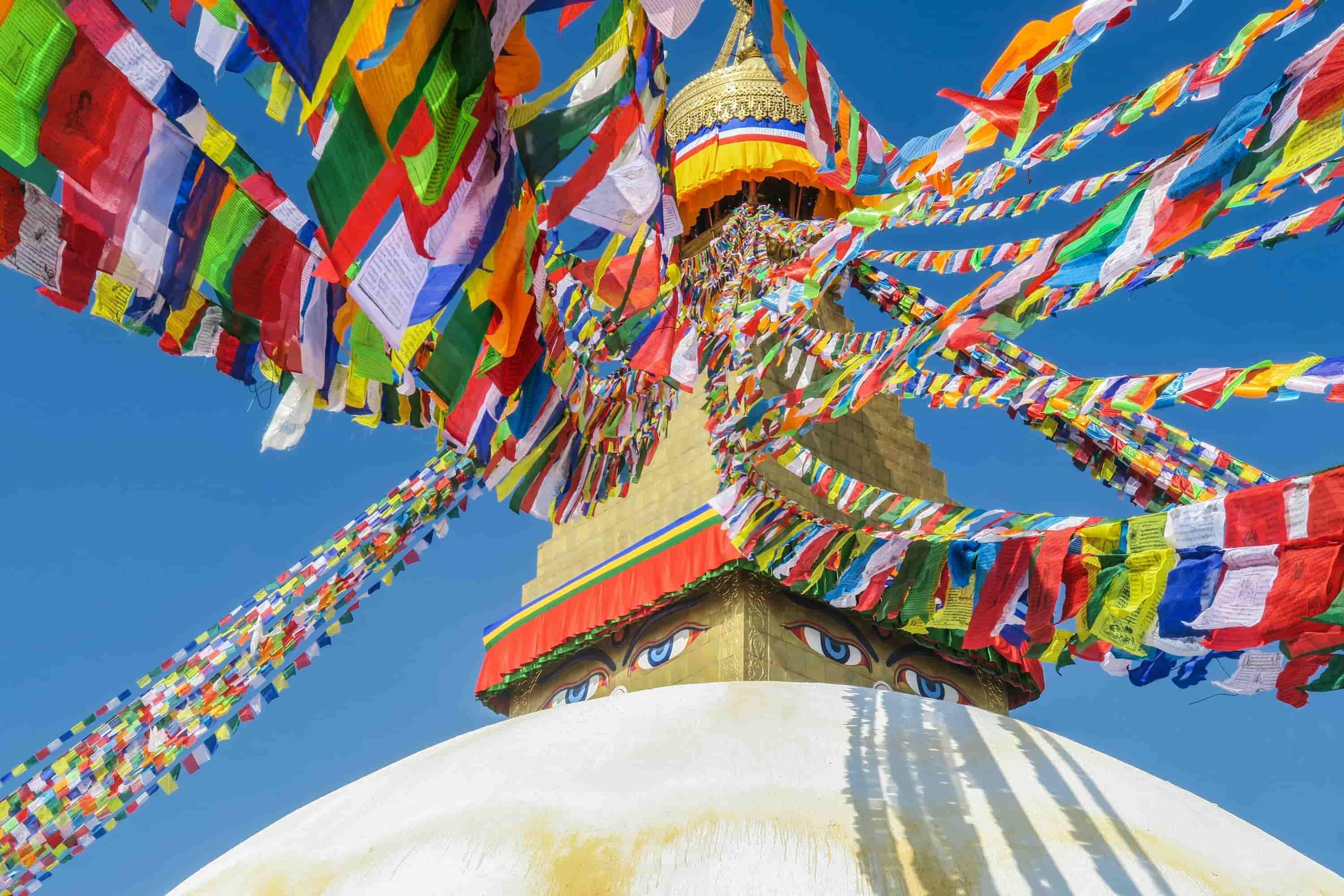
  • Kathmandu heritage tour: Explore the UNESCO World Heritage Sites of Pashupatinath, Boudhanath Stupa, Swayambhunath, and Durbar Square, with time to wander the old streets together.
  • Handpicked romantic stays: Boutique hotels, lakeside rooms, and jungle lodges in 3-4 star comfort, with room upgrades available.
  • Fully customizable itinerary: Add a Nagarkot sunrise, a Himalayan mountain flight, a helicopter ride, a spa day, or a luxury resort.
  • Local experts, 24/7 support: Nepal Trip Services handles hotels, transfers, permits, and surprises, so you can focus on each other.
  • Perfect for any season: Best from September to November and March to May, with a warm, scenic escape also possible in winter.

Best Season & Weather

Choose the best time for your trek based on weather and trail conditions.

Good for Trekking
Summer / Monsoon
June-August
Kathmandu: 19–30°C; Nagarkot: 15–25°C; Pokhara: 21–32°C
Good

Warm, humid, and rainy, with cloudy skies, mist, lush landscapes, and occasional travel disruptions.

Nepal Honeymoon Tour Overview

A Romantic Himalayan Journey, Planned Just for Two

Picture your first week as a married couple: golden sunrise light on snow-capped peaks, a quiet boat drifting across a mirror-still lake, and a candlelit table set only for the two of you. The Nepal honeymoon tour by Nepal Trip Services is an 8-day, 7-night private journey through three very different parts of Nepal: the ancient temples of Kathmandu, the wild jungles of Chitwan, and the lakeside calm of Pokhara.

This is not a rushed group tour. You travel with your own driver and English-speaking guide, in your own vehicle, at your own pace. Sleep in if you want, linger over breakfast, or add a surprise stop along the way. Every hotel, transfer, and romantic detail is arranged by local experts so you can focus on each other.

Nepal Honeymoon Tour at a Glance

Detail Information
Duration 8 days / 7 nights
Destinations Kathmandu, Chitwan, Pokhara
Tour type Private, couples only
Accommodation 3-4 star and boutique hotels, jungle lodge (upgrades available)
Transport Private car or van with driver, for all transfers and sightseeing
Guide English-speaking local guide
Best season September to November, March to May
Difficulty Easy, no trekking or fitness experience needed
Customization Fully flexible: dates, hotels, route, and activities

Why Nepal Makes an Unforgettable Honeymoon

Most honeymoon destinations offer one kind of experience. Nepal offers several in a single trip. Within a week, you can walk through temple courtyards that are hundreds of years old, search for one-horned rhinos from a jeep, watch sunrise over the Annapurna range, and share a quiet dinner by a lake. The country is warm, welcoming, and relaxed, and it offers excellent value, so couples can enjoy comfortable hotels, private service, and special touches without a luxury-resort price tag.

Nepal also feels personal. Instead of crowded beach resorts, you find friendly local hosts, authentic food, and moments that feel like your own story to tell for years.

Kathmandu: Heritage and a Gentle Start (2 Nights)

Your honeymoon begins at Tribhuvan International Airport, where your driver greets you and takes you to a comfortable, carefully chosen hotel. The first evening is yours to rest, freshen up, and perhaps enjoy a relaxed dinner nearby after the journey.

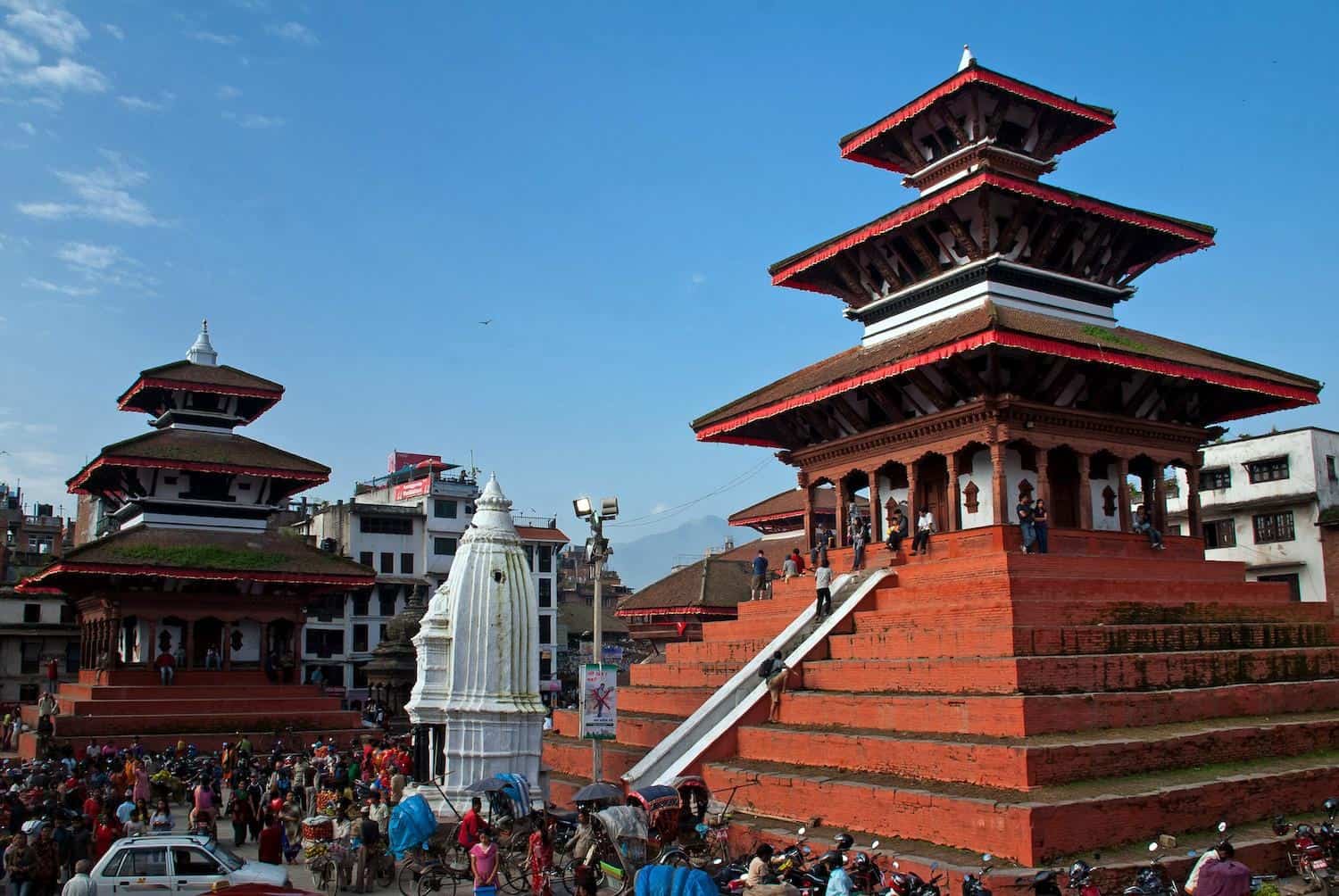
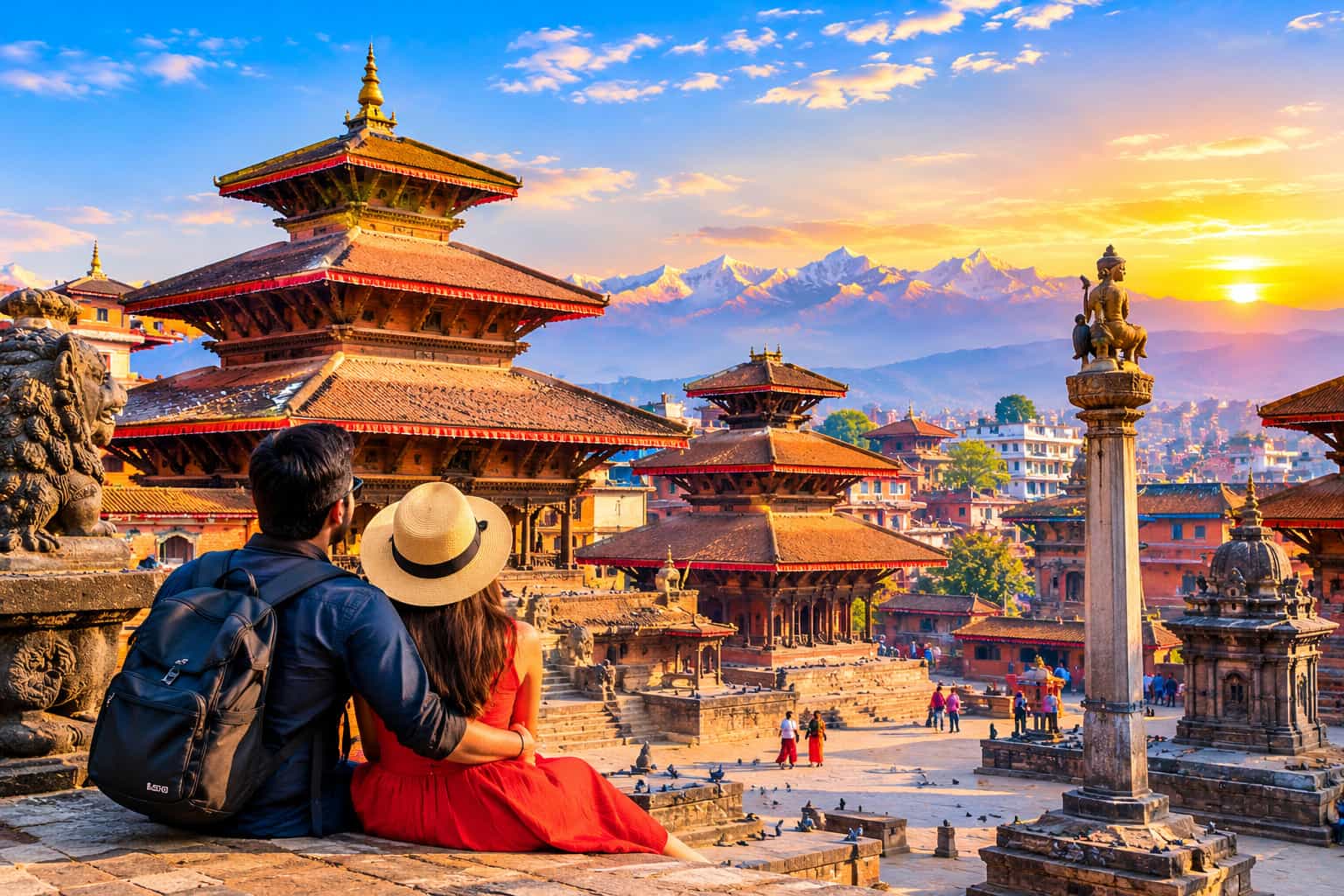
On the second day, you explore the Kathmandu Valley’s UNESCO World Heritage Sites with your private guide. Visit Pashupatinath Temple, the sacred Hindu site on the Bagmati River. Walk around the great white dome of Boudhanath Stupa, where prayer flags flutter and monks chant at dusk. Climb to Swayambhunath, the Monkey Temple, for sweeping views over the valley. Stroll through the old royal squares, where carved wooden windows and ancient courtyards tell the story of the city.

Your guide shares the history and legends behind each site, and there is time left for local cafés, handicraft shops, and quiet side streets, so the day feels like a discovery, not a checklist.

Chitwan: Jungle Romance and Wildlife (2 Nights)

After breakfast, a scenic drive takes you from the hills into the green lowlands of Chitwan, a journey of roughly five to six hours with photo and rest stops along the river valleys. You arrive at a peaceful jungle lodge surrounded by trees and birdsong, a setting very different from the city.

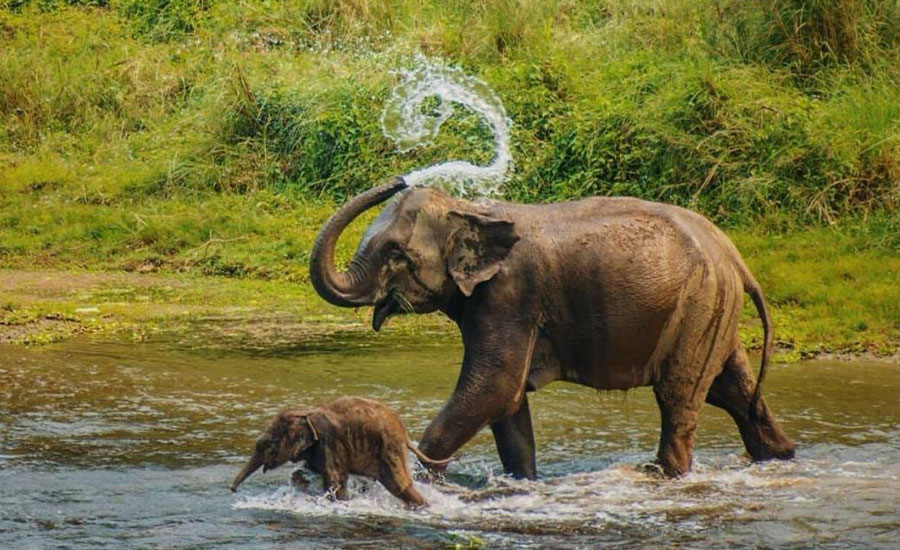
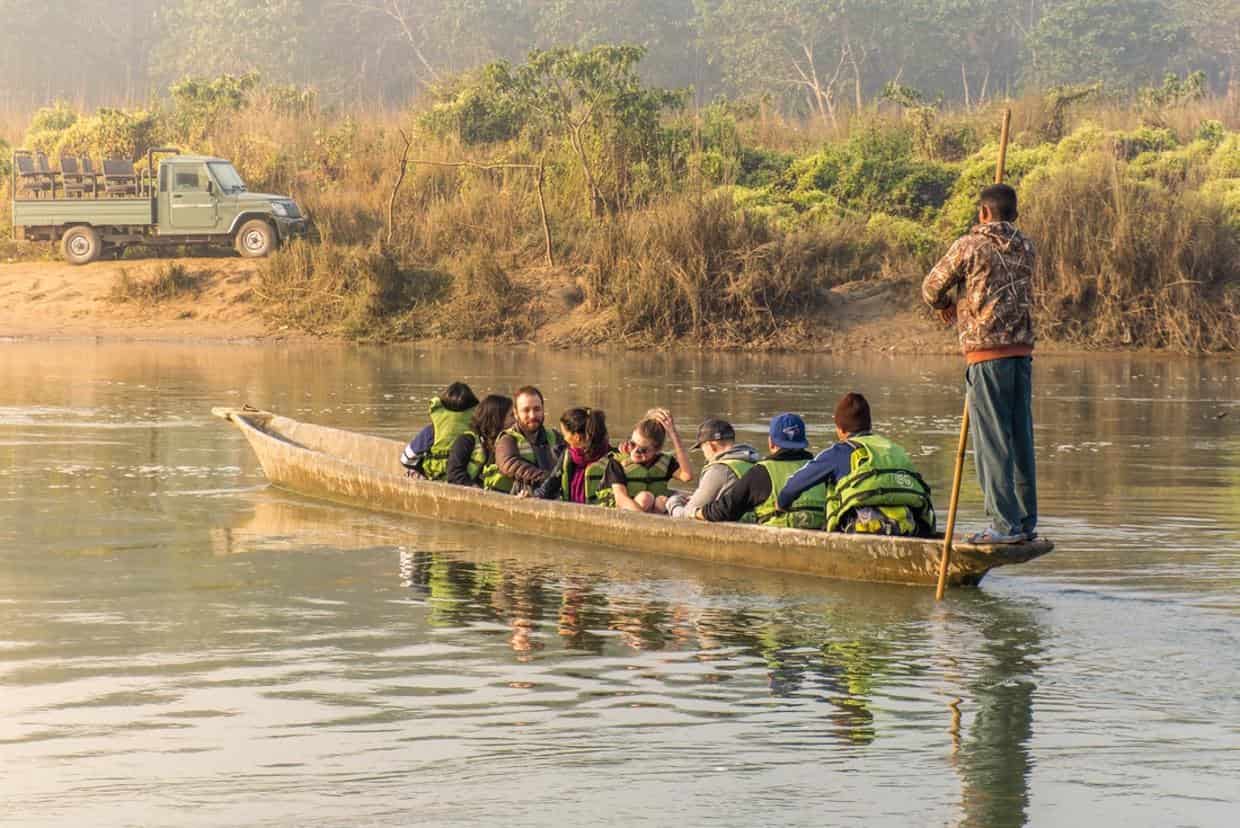
Chitwan National Park is a UNESCO World Heritage Site famous for its wildlife. On a guided jeep safari or nature walk, you may spot one-horned rhinoceroses, spotted deer, wild boar, crocodiles, and many colorful bird species, and with luck, even a Bengal tiger’s tracks. Early mornings are the best time to see animals, with mist rising over the grasslands.

In the evening, enjoy a traditional Tharu cultural program with the famous stick dance, and learn about the village life of the local community. Dinner under the stars at the lodge makes the night feel even more special.

Pokhara: Lakes, Mountains, and Romance (3 Nights)

From Chitwan, you drive to Pokhara, the romantic heart of the trip. The city sits beside Phewa Lake with the Annapurna range rising behind it, and the mood here is calm, scenic, and made for couples.

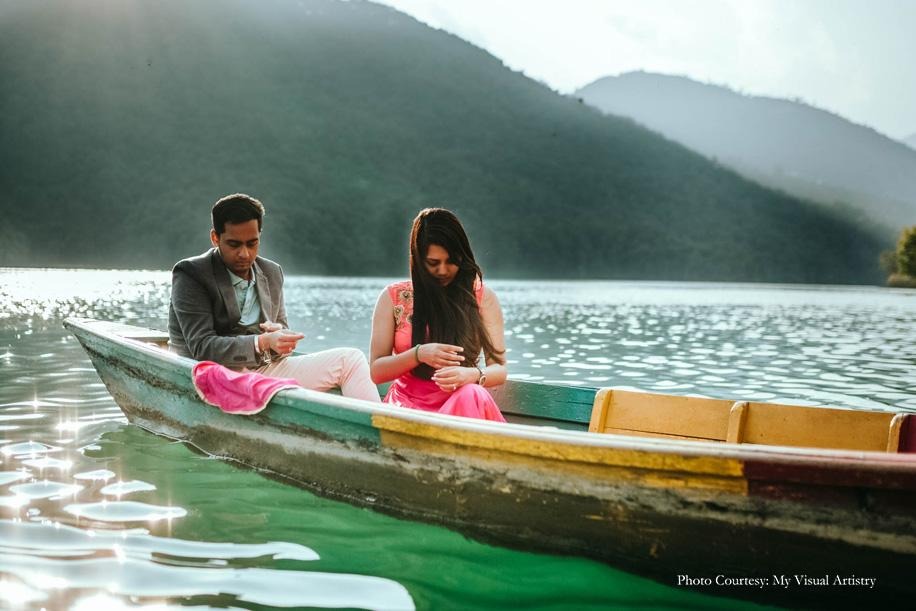
Wake before dawn for the sunrise at Sarangkot, where the Annapurna and Dhaulagiri peaks turn from pink to gold above the valley. Later, enjoy a peaceful boat ride on Phewa Lake, rowing across to the island Tal Barahi Temple with the mountains reflected in the water.

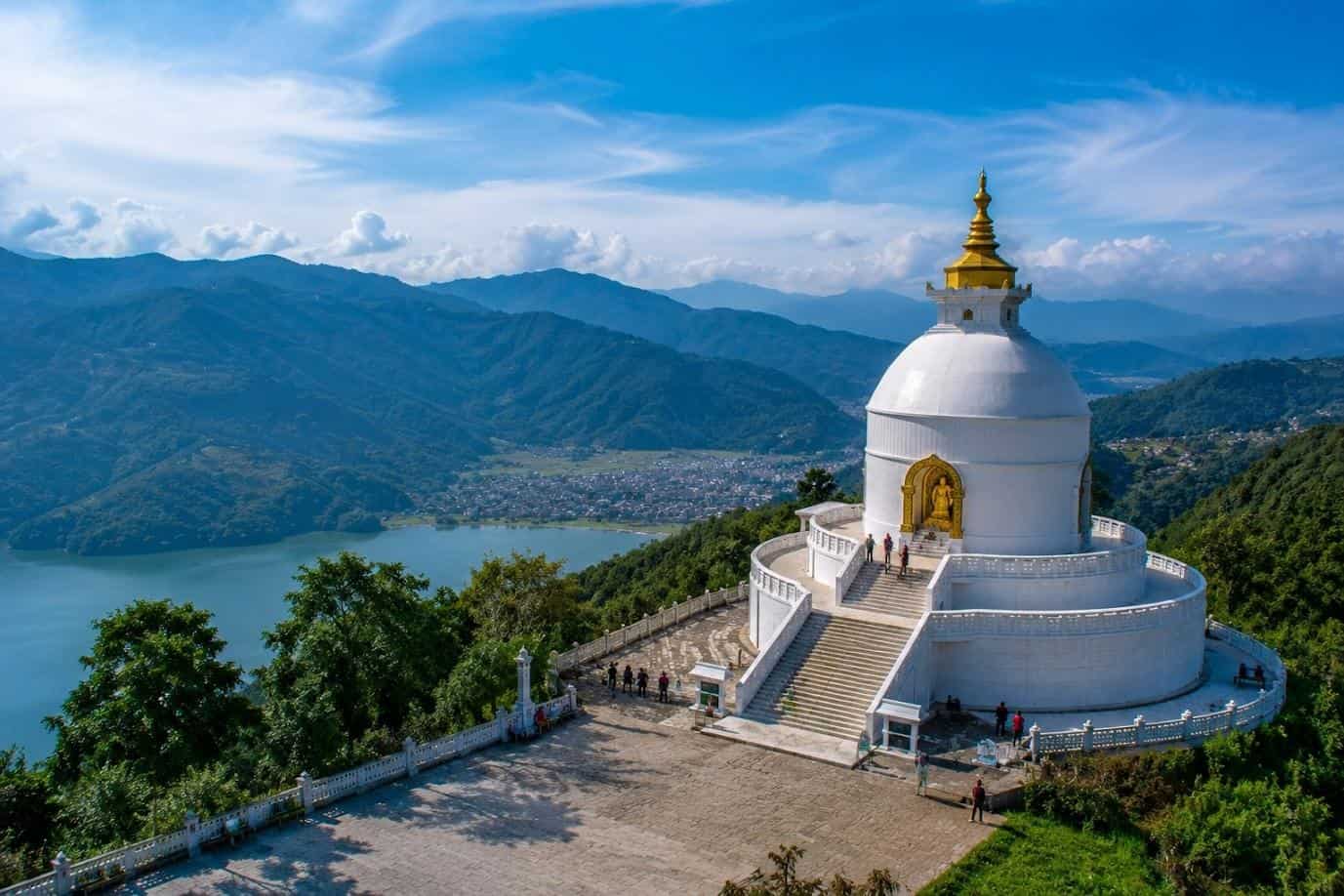
Your sightseeing also includes Devi’s Fall, the mysterious Gupteshwor Cave, and the white World Peace Pagoda, which has a beautiful view over the lake and valley. One evening is reserved for a candlelight dinner, a perfect celebration of your new life together.

A free day gives you room to relax: cycle along the lake, browse the cafés and boutiques of Lakeside, enjoy a spa session, or add an adventure such as paragliding.

Romantic Touches Included

Small details make a honeymoon memorable, so we add them to your trip:

  • A flower-decorated room and a celebration cake on arrival
  • A candlelight dinner for two
  • Hotels handpicked for privacy, comfort, and views
  • Private transfers between every destination, with no shared vehicles

Optional Honeymoon Upgrades

Make your trip even more personal with any of these add-ons:

  • Himalayan mountain flight over Everest, a scenic one-hour flight
  • Helicopter ride or scenic flight over the mountains
  • Nagarkot or Dhulikhel sunrise stay for a quiet night above the valley
  • Paragliding over Phewa Lake with Himalayan views
  • Couples’ spa and massage to relax after sightseeing
  • Luxury resort upgrade in Kathmandu, Chitwan, or Pokhara

Who Is This Tour Perfect For?

This tour is ideal for newlyweds, couples celebrating an anniversary, and travelers who want a mix of culture, nature, and relaxation. No trekking or special fitness is needed, so it suits first-time visitors to Nepal who want a smooth, well-organized trip. If you prefer more adventure or a longer stay, we can adjust the route to match.

Best Time to Visit Nepal for a Honeymoon

September to November is the most popular season, with clear skies, comfortable temperatures, and the best mountain views. March to May brings warm days and blooming rhododendrons, and it is a lovely time for lakeside evenings. Winter is quiet and crisp, with fewer visitors and excellent views on clear mornings. The monsoon months (June to August) turn the landscape lush and green, with lower prices and a peaceful atmosphere. We can help you choose the best timing around your wedding date.

Why Book with Nepal Trip Services?

  • Local experts who know the best hotels, routes, and hidden spots
  • Flexible planning: change the dates, trip length, hotels, or route to fit you
  • Transparent pricing with no hidden costs
  • Personal support from airport pickup to your departure
  • Romance-focused service, with every detail planned for couples

Plan Your Nepal Honeymoon Today

Tell us your travel dates, budget, and preferences, and Nepal Trip Services will design a private honeymoon itinerary that fits you perfectly. Send your inquiry today to check availability and receive a free customized quote.

Expert Itinerary

01

Welcome to Nepal! Your driver meets you at Tribhuvan International Airport with a name board and a warm greeting, then takes you to your hotel (about 30-45 minutes, depending on traffic). On arrival, find your room decorated with flowers and a celebration cake waiting for the two of you.

After check-in, rest and freshen up. In the evening, you can take a gentle stroll around Thamel, the lively tourist quarter, or enjoy a relaxed dinner at a nearby restaurant. Your guide briefs you on the plan for the coming days and answers any questions.

  • Overnight: Kathmandu hotel (3-4 star or boutique)
  • Meals: None included (dinner can be added on request)
Duration Arrival Day
Accommodation Hotel
02

After breakfast, meet your private guide and begin a relaxed tour of the Kathmandu Valley’s UNESCO World Heritage Sites.

  • Pashupatinath Temple: Nepal’s most sacred Hindu temple, set on the banks of the Bagmati River. Your guide explains the rituals and traditions you see.
  • Boudhanath Stupa: One of the largest stupas in the world. Walk the circular path with pilgrims, spinning prayer wheels under fluttering prayer flags. Stop for coffee at a rooftop café overlooking the dome.
  • Swayambhunath (Monkey Temple): Climb the stone steps to a hilltop stupa with wide views across the valley.
  • Kathmandu Durbar Square or Patan Durbar Square: Wander through old royal courtyards, carved wooden windows, and ancient temples.

The pace is easy, with a lunch break and free time for handicraft shops, tea, and photos. Return to the hotel in the late afternoon. In the evening, enjoy a traditional Nepali dinner or a quiet rooftop meal.

  • Overnight: Kathmandu hotel
  • Meals: Breakfast
  • Activity level: Easy, light walking and some steps
Duration Full Day Sightseeing
Accommodation Hotel
Meals Breakfast
03

After breakfast, check out and begin your drive to Chitwan (about 5-6 hours, roughly 150 km). The road follows the Trishuli and Narayani river valleys, with scenic stops for photos, tea, and lunch along the way. The air grows warmer and greener as you descend into the lowlands.

On arrival, a staff welcome and a refreshing drink await at your jungle lodge. After lunch and a short rest, join a gentle guided activity, such as a village walk or sunset by the river, where you may spot birds and wildlife. In the evening, enjoy a Tharu cultural program with the famous stick dance, followed by dinner at the lodge under the stars.

  • Overnight: Jungle lodge in Chitwan (Sauraha)
  • Meals: Breakfast, lunch, dinner
  • Drive time: 5-6 hours
Duration 5-6 hours
Distance 150 km
Accommodation Jungle lodge
Meals Breakfast, Lunch & Dinner
04

Chitwan is a UNESCO World Heritage Site, and today is all about the wild. Start with an early wake-up call and tea, then set out with a naturalist guide on a jeep safari or guided jungle walk through grasslands and forest. Look for one-horned rhinoceroses, spotted deer, wild boar, monkeys, crocodiles, and over 500 bird species. Early morning is the best time for wildlife, with mist drifting over the grass.

After a hearty breakfast and a rest at the lodge, spend the afternoon on a relaxing activity such as a visit to a local Tharu village, a canoe ride on the river, or time at the lodge pool. Return for an evening of quiet and a candlelit dinner at the lodge.

  • Overnight: Jungle lodge in Chitwan
  • Meals: Breakfast, lunch, dinner
  • Included activities: Park entrance, safari or jungle walk, nature guide (as per package)
Duration Full Day
Accommodation Jungle lodge
Meals Breakfast, Lunch & Dinner
05

After breakfast, leave Chitwan and drive to Pokhara (about 4-5 hours, roughly 150 km). The road climbs through green hills, small villages, and river valleys, with the first glimpses of the Annapurna range along the way. Stop for lunch with a view.

Check in at your Pokhara hotel, ideally with a lake or mountain view. In the late afternoon, take a relaxed walk along Lakeside, the main promenade beside Phewa Lake. Enjoy a sunset, a cafe stop, or a casual dinner with live music at a lakeside restaurant.

  • Overnight: Pokhara hotel (lakeside or lake-view)
  • Meals: Breakfast
  • Drive time: 4-5 hours
Duration 4-5 hours
Distance 150 km
Accommodation Hotel
Meals Breakfast
06

Wake before dawn for a short drive to Sarangkot, one of the best viewpoints in Nepal. As the sun rises, the Annapurna, Dhaulagiri, and Machhapuchhre (Fishtail) peaks glow pink and gold above the valley. Bring a jacket and a camera, and enjoy hot tea together while the mountains appear.

Return to the hotel for a leisurely breakfast and rest. In the late morning, visit Devi’s Fall, a waterfall that disappears underground, and the nearby Gupteshwor Cave, a hidden cave temple.

In the afternoon, enjoy a private boat ride on Phewa Lake. Row slowly across the calm water to the island Tal Barahi Temple, with the mountains reflected around you. Spend the evening at leisure along the lakeside.

  • Overnight: Pokhara hotel
  • Meals: Breakfast
  • Highlight: Sunrise over the Annapurna range
Duration Full Day Romantic Activities
Accommodation Hotel
Meals Breakfast
07

Today you set the pace. After a late breakfast, visit the World Peace Pagoda, a white hilltop stupa with beautiful views over the lake and the valley. You can drive up or, if you like, take a short hike with your guide.

The rest of the day is free for the things you enjoy most:

  • Cycle or stroll along the lake
  • Browse cafés, boutiques, and art shops in Lakeside
  • Book a couples’ spa and massage
  • Try paragliding over Phewa Lake (optional)
  • Visit the International Mountain Museum or Bindhyabasini Temple

In the evening, celebrate your journey with a special candlelight dinner for two with mountain or lake views, a perfect end to your honeymoon in the Himalayas.

  • Overnight: Pokhara hotel
  • Meals: Breakfast, candlelight dinner
  • Optional add-ons: Paragliding, spa, scenic flight
Accommodation Hotel
Meals Breakfast, candlelight dinner
08

After breakfast, check out and return to Kathmandu by private vehicle (about 6-7 hours) or by a short domestic flight (about 25-30 minutes, extra cost). Your driver then takes you to Tribhuvan International Airport, allowing plenty of time for your flight home. If you have a late flight, you can use the remaining hours to shop for souvenirs, such as pashmina, singing bowls, and Nepali tea.

Thank you for traveling with Nepal Trip Services. We hope your Nepal honeymoon becomes the first of many shared adventures.

  • Meals: Breakfast
  • Drive time: 6-7 hours by road, or a short flight
Accommodation Your Home
Meals Breakfast
Not satisfied with this Itinerary?

Are you interested in planning a custom trip? It only takes 2 minutes.

Cost Includes

Arrival and departure

  • Private airport pickup and drop-off by car or van, with driver

Accommodation

  • 2 nights in a 3-4 star or boutique hotel in Kathmandu (twin or double sharing, with breakfast)
  • 2 nights in a jungle lodge in Chitwan (full board: breakfast, lunch, dinner)
  • 3 nights in a lakeside or lake-view hotel in Pokhara (with breakfast)

Meals

  • Daily breakfast at all hotels
  • Lunch and dinner during the 2 nights in Chitwan
  • One candlelight dinner for two in Pokhara

Transport

  • All ground transport in a private vehicle (car, Hiace, or van, depending on group size)
  • Kathmandu to Chitwan, Chitwan to Pokhara, and Pokhara to Kathmandu transfers
  • Local sightseeing by the same private vehicle

Guide and staff

  • English-speaking local guide for Kathmandu and Pokhara sightseeing
  • Naturalist guide during the Chitwan jungle activities
  • Driver’s food, accommodation, salary, and insurance

Sightseeing and activities

  • All entrance fees for the sightseeing listed in the itinerary (Pashupatinath, Boudhanath, Swayambhunath, Durbar Square, Devi’s Fall, Gupteshwor Cave, World Peace Pagoda)
  • Chitwan National Park entrance fee
  • Jungle safari or guided jungle walk, as per package
  • Tharu cultural program
  • Sarangkot sunrise trip
  • Private boat ride on Phewa Lake

Honeymoon specials

  • Flower-decorated room and celebration cake on arrival in Kathmandu
  • Candlelight dinner for two

Taxes and service

  • Government taxes, VAT, and service charges
  • Company service charge and 24/7 trip support

Cost Excludes

  • International flights to and from Nepal
  • Nepal entry visa fee (available on arrival or online; check the current fee)
  • Domestic flights (for example, Pokhara to Kathmandu, about $120-150 per person)
  • Meals not listed above: lunches and dinners in Kathmandu and Pokhara, and lunch on the drive days outside Chitwan
  • Travel and medical insurance, including emergency evacuation
  • Optional activities and upgrades: paragliding, mountain flight, helicopter ride, spa and massage, canoe or elephant-related extras, and similar add-ons
  • Hotel upgrades or luxury resort supplements
  • Single room supplement for solo travelers
  • Personal expenses: laundry, phone calls, Wi-Fi where charged, drinks, snacks, and shopping
  • Tips for the guide, driver, and hotel staff (appreciated, not mandatory)
  • Extra nights or meals caused by delays, flight changes, road blocks, weather, or any reason beyond our control
  • Anything not mentioned under “Cost Includes”

Trekking Equipment Checklist

Essential packing and gear checklist tailored for this trek.

Documents and Money

Documents and Money

  • Passports (valid 6+ months) and visa receipts
  • Flight tickets, hotel vouchers, and itinerary copies
  • Travel insurance details
  • US dollars and some Nepali rupees, plus a debit or credit card

Clothing

Clothing

  • Light, breathable tops and trousers or long skirts
  • Warm jacket or fleece for Pokhara sunrise and winter evenings
  • Rain jacket or umbrella (monsoon)
  • One smart-casual outfit for your candlelight dinner
  • Modest clothes for temples (shoulders and knees covered)
  • Light, neutral-colored clothes for Chitwan
  • Swimwear for hotel pools
Footwear

Footwear

  • Comfortable walking shoes or sneakers
  • Sandals for hotels and lodges
Health and Personal Care

Health and Personal Care

  • Prescription medicines and a small first-aid kit
  • Sunscreen, sunglasses, and a hat
  • Insect repellent (essential for Chitwan)
  • Hand sanitizer, wet wipes, and oral rehydration salts
  • Motion-sickness tablets for winding roads
  • Toiletries
Gadgets

Gadgets

  • Phone, charger, and power bank
  • Universal plug adapter (Nepal uses 230V)
  • Camera and spare memory card
  • Small tripod or phone stand for couple photos
Handy Extras

Handy Extras

  • Small day backpack
  • Reusable water bottle
  • Light scarf or shawl (sun, cool evenings, temple visits)
  • Dry bag or zip bags for rain and electronics
Not Required

Not Required

  • Trekking boots, poles, sleeping bag, or technical gear

Captured Memories Of Nepal Honeymoon Tour

Nepal Honeymoon Tour: More Information

Nepal Honeymoon Tour Package Options

Every couple has a different schedule and budget, so Nepal Trip Services offers three trip lengths and three comfort levels. All packages are private, customizable, and include a honeymoon welcome with flowers and cake.

Choose Your Trip Length

Package Route Best for
5-Day Romantic Escape Kathmandu (2N), Pokhara (3N), with a domestic flight Couples with limited time
8-Day Classic Honeymoon (most popular) Kathmandu (2N), Chitwan (2N), Pokhara (3N) A balance of culture, wildlife, and relaxation
10-Day Grand Honeymoon Kathmandu (2N), Nagarkot (1N), Chitwan (2N), Pokhara (3N), Bandipur or extra Pokhara night (1N) Couples who want a slower pace and more romance

5-Day Romantic Escape: Explore Kathmandu’s heritage sites, fly to Pokhara, and enjoy a Sarangkot sunrise, a Phewa Lake boat ride, and a candlelight dinner.

8-Day Classic Honeymoon: Our signature route. It adds a Chitwan jungle safari and a Tharu cultural evening to the Kathmandu and Pokhara highlights.

10-Day Grand Honeymoon: Adds a Himalayan sunrise night in Nagarkot and extra free time, so you can rest, explore at ease, and add upgrades such as a mountain flight or spa day.

Choose Your Comfort Level

Level Accommodation Services Ideal for
Budget Romantic Clean 3-star hotels, simple jungle lodge Private car, guide, basic honeymoon touches Couples who want value without giving up privacy
Standard Comfort (recommended) 3-4 star and boutique hotels, lake-view rooms where possible Private vehicle, guide, candlelight dinner, decorated room Most honeymooners
Luxury Honeymoon 5-star and luxury resorts, premium suites, private villas Private vehicle, extra romantic setups, spa, flights and upgrades Couples who want a special-occasion splurge

Popular Add-Ons for Any Package

  • Everest mountain flight
  • Helicopter ride
  • Couples’ spa and massage
  • Paragliding in Pokhara
  • Couple photo shoot
  • Proposal or vow-renewal setup

How to Pick the Right Package

  • Short on time? Choose the 5-day escape.
  • First time in Nepal? Choose the 8-day classic with standard comfort.
  • Want a relaxed pace and extras? Choose the 10-day grand tour, with luxury if your budget allows.

All three lengths and levels can be mixed, so a 10-day trip with budget stays or a 5-day trip with luxury resorts is possible. Prices depend on season, hotel category, and travel dates. Send us your dates and budget today to receive a free customized quote.

Nepal Honeymoon Tour Cost Guide

The Nepal honeymoon tour is designed for couples, with a simple, transparent price: from $999 per couple. Every trip is private, so there are no group slabs and no sharing. Nepal Trip Services builds your quote around two things: when you travel and what you choose to upgrade.

Package Price at a Glance

Package Price
Nepal Honeymoon Tour (8 days / 7 nights) From $999 per couple

This price is for 2 travelers sharing one room, with a private vehicle, a guide, and honeymoon touches. See “Cost Includes & Excludes” for the full list.

What Your Couple Price Covers

  • Private airport pickup and drop-off
  • 7 nights in Kathmandu, Chitwan, and Pokhara hotels and lodges
  • Daily breakfast, plus full board in Chitwan
  • Private vehicle and driver for all transfers and sightseeing
  • English-speaking guide and Chitwan naturalist guide
  • Sightseeing entrance fees and Chitwan jungle safari
  • Flower-decorated room, celebration cake, and candlelight dinner

What Can Change the Price

1. Travel season

Season Months Price effect
Peak season Oct to Nov, Mar to Apr Higher hotel rates, early booking advised
Shoulder season Sep, May, Feb Good weather with moderate prices
Low season Dec to Jan, Jun to Aug Best rates, with cold mornings or monsoon rain

Peak months have the clearest mountain views, but hotels and jungle lodges fill quickly. Book 2 to 3 months ahead for the best choice.

2. Hotel category

The starting price uses comfortable, couple-friendly hotels. If you want more, you can upgrade to:

  • Boutique and lake-view stays for better rooms and views
  • 5-star and luxury resorts with premium suites and private villas

3. Optional upgrades and add-ons

  • Everest mountain flight or helicopter ride
  • Domestic flight between Pokhara and Kathmandu
  • Paragliding, couples’ spa, and photo shoot
  • Proposal or vow-renewal setup
  • Extra nights or a longer route (5, 8, or 10 days)

How to Get the Best Value

  • Travel in September, May, or February for good weather at easier rates.
  • Book early for October to April.
  • Mix categories, such as a luxury night in Pokhara with comfortable stays elsewhere.
  • Tell us your budget and we will suggest the best route and hotels.

Not Included in the Couple Price

International flights, visa fee, travel insurance, lunches and dinners outside Chitwan, optional activities, upgrades, and personal expenses.

Get Your Free Customized Quote

Send us your travel dates and wishes, and we will confirm availability and send a clear, itemized quote with no hidden costs. Start your Nepal honeymoon from $999 per couple.

How to Book Your Nepal Honeymoon Tour

Booking your Nepal honeymoon tour with Nepal Trip Services takes four simple steps. There is no complicated paperwork, and you get a personal reply from a local travel expert.

Step 1: Send Your Inquiry

Tell us your preferred travel dates, trip length (5, 8, or 10 days), and any wishes, such as a lake-view room, a proposal setup, or a surprise for your partner. Use our inquiry form, email, or WhatsApp. It is free and carries no obligation.

Step 2: Receive Your Customized Itinerary and Quote

Within 24 hours, we send a personal honeymoon itinerary and a clear, itemized price. Our tour starts from $999 per couple, with no hidden costs. You can change hotels, activities, or the route until the plan feels perfect.

Step 3: Confirm with a Deposit

Once you are happy, secure your dates with a small deposit. We then confirm your hotels, jungle lodge, vehicle, and guide, and send you a booking confirmation with all the details.

Step 4: Prepare and Travel

Before you fly, we share a trip briefing with visa guidance, a packing list, and your guide’s contact details. On arrival, your driver meets you at Kathmandu airport, and our team supports you until your departure.

Why Couples Book with Us

  • Fast replies from local experts
  • Private, customizable trips made only for couples
  • Transparent pricing with no surprise charges
  • Flexible planning around your wedding date
  • 24/7 support during your trip

Ready to Start Planning?

Send us your dates today to check availability and receive your free customized quote. Your Himalayan honeymoon is just one message away.

Booking, Payment & Cancellation Policy

We keep our terms clear and fair, so you can book your Nepal honeymoon tour with confidence. Nepal Trip Services confirms every booking in writing, with no hidden fees.

Booking Deposit

  • A deposit of 20% of the tour price secures your dates, hotels, and services. For the $999 couple price, that is about $200.
  • Your booking is confirmed once we receive the deposit and send you a written confirmation.
  • Peak-season bookings (October to November, March to April) are held only after the deposit is received, because hotels fill quickly.

Balance Payment

  • Pay the remaining balance 30 days before arrival, or in cash or by card on arrival in Kathmandu if you prefer.
  • For bookings made less than 30 days before the trip, the full amount is due at confirmation.
  • Upgrades and add-ons (Everest flight, spa, luxury rooms) are paid together with the balance.

Payment Methods

  • Bank transfer
  • Credit or debit card (online payment link; a small bank or gateway fee may apply)
  • Cash in USD on arrival, for the balance, where agreed in advance

Cancellation and Refund Terms

When you cancel (before arrival) Refund
60 days or more Full refund of the deposit
30 to 59 days 80% of the amount paid
15 to 29 days 50% of the amount paid
7 to 14 days 25% of the amount paid
Less than 7 days or no-show No refund
  • Cancellations must be sent to us in writing (email or WhatsApp).
  • Refunds are made to the original payment method within 7 to 14 business days.
  • Costs already paid to hotels, flights, or permits that cannot be recovered may be deducted.

Changing Your Travel Dates

  • You can change your dates once, free of charge, up to 30 days before arrival, subject to availability.
  • Changes made within 30 days may carry a fee if hotels or services charge us for the change.
  • A date change in peak season may adjust the price if hotel rates differ.
  • Tell us your new dates in writing, and we will confirm them within 24 to 48 hours.

Changes After Arrival

  • Unused services (hotel nights, meals, sightseeing) are not refundable if you leave the tour early or skip an activity.
  • If you want to add or change activities during the trip, tell your guide, and we will arrange them where possible, with any extra cost explained first.

If We Need to Change or Cancel

In rare cases, such as extreme weather, landslides, strikes, flight changes, or other events outside our control, we may adjust the route or timing. We will offer the best alternative at the same standard, and if the tour cannot go ahead, we will refund or reschedule you without penalty.

Travel Insurance

We strongly recommend insurance that covers trip cancellation, medical care, emergency evacuation, and any adventure activity you add. It protects your investment if plans change.

Questions About Our Policy?

Contact our team before you book. We are happy to explain any term and tailor a flexible plan for your wedding date.

Flexible Dates & Wedding Date Planning

Your honeymoon should fit your life, not the other way around. Nepal Trip Services plans your Nepal honeymoon tour around your wedding date, your flights, and the season you prefer, so you can start your trip rested and stress-free.

Start on Your Preferred Date

Our tours are private, so there is no fixed departure calendar. You choose the start date, and we build the itinerary around it. Tell us when you plan to arrive in Kathmandu, and we arrange your airport pickup, hotels, and guide to match.

Planning Around Your Wedding Date

  • Honeymoon right after the wedding: We can plan a relaxed first day with no early starts, so you can recover from the celebrations.
  • Honeymoon a few weeks or months later: Choose the best season for your trip. September to November and March to May give the clearest mountain views.
  • Anniversary or milestone date: We can time a candlelight dinner or room decoration for the exact day.
  • Surprise planning: If one partner is planning the trip as a surprise, we can keep the details private and coordinate only with you.

Matching Your Flight Schedule

  • Late-night or early-morning arrival: We pick you up at any hour, and your hotel room is ready on arrival, with early check-in arranged where possible.
  • Late departure flight: We offer a relaxed last day with time for shopping and a late check-out where available.
  • Connecting flights or layovers: Send us your flight details and we will adjust the first and last days so you are never rushed.
  • Flight changes or delays: Tell us as soon as you know, and we will update your pickup and hotel plans.

Flexible Trip Length and Routes

If your dates are fixed but your days are limited, choose the 5-day escape. If you have more time, the 8-day classic or 10-day grand honeymoon adds relaxed days and extras. We can also add buffer days at the start or end, in case of flight delays or if you want extra rest before heading home.

Date Changes

You can change your travel dates once, free of charge, up to 30 days before arrival, subject to availability. Peak-season changes may adjust the price if hotel rates differ. Details are in our Booking, Payment & Cancellation Policy.

Tips for Choosing Your Dates

  • Book 2 to 3 months ahead for October to April.
  • Avoid major festival days such as Dashain and Tihar if you want quieter roads and more hotel choice.
  • Add one spare day before your international flight home, in case of weather delays.
  • Share your wedding date and flights early, so we can hold the best rooms.

Tell Us Your Dates

Send us your wedding date, preferred travel window, and flight details, and we will confirm availability and send a free customized itinerary. Your honeymoon can start the day you choose.

Nepal Visa & Entry Requirements for Your Honeymoon

Most couples can get their Nepal visa quickly, either before they fly or at Kathmandu airport. Here is what to know before your Nepal honeymoon tour with Nepal Trip Services.

Tourist Visa Types and Fees

Tourist visas are issued for 15, 30, or 90 days, costing US$30, US$50, and US$125 respectively. For an 8-day honeymoon, the 15-day visa ($30 per person) is usually enough. If you plan to extend your trip with Bhutan, India, or extra days in Nepal, choose the 30-day visa.

Visa Fee per person Best for
15 days US$30 The 5-day and 8-day honeymoon tours
30 days US$50 The 10-day tour or longer stays
90 days US$125 Extended travel

Where and How to Apply

Option 1: Online, before you fly (recommended). You can apply for a tourist visa online within 15 days of your arrival date, and you will need your hotel address and a recent digital passport photo. Apply through the Department of Immigration of Nepal’s official website, and print your receipt.

Option 2: At Kathmandu airport. You can fill in the online tourist visa form before arrival or use the kiosk machines at the airport, then pay the fee at the bank counter and collect the receipt. The last step is to go to the immigration desk with your form, receipt, and passport. Processing at the desk usually takes about 10 to 15 minutes, though queues can be longer in peak season.

Option 3: At a Nepali embassy or consulate. Some nationalities must get their visa before travel. Check with the Nepali embassy in your country if you are unsure.

Passport Validity and Documents

Bring these for each traveler:

  • Passport valid for at least 6 months from your arrival date, with blank pages for the visa stamp
  • Passport-size photos (carry 1 or 2 spare copies, even if you apply online)
  • Visa fee in cash (US dollars are the easiest; carrying some cash is advised as a safe backup)
  • Printed visa receipt or form, if you applied online
  • Hotel address for the first night (we provide this in your booking confirmation)
  • Return or onward flight details

Who May Not Need to Pay

  • SAARC citizens (except Afghanistan) can get up to 30 days free on their first visit in a visa year.
  • Young children may qualify for free entry, so confirm the age limit before you travel.
  • Some nationalities have special rules or free visa conditions, so check the official page for your passport.

Extending Your Visa

If you decide to stay longer, you can extend at the immigration offices in Kathmandu or Pokhara. Extensions are for a minimum of 15 days at USD 3 per day, and the maximum stay is 150 days in a visa year (January to December). Bring your passport, a photo, and the fee.

Arrival Tips for Couples

  • Both partners should have the same arrival documents ready, in one folder.
  • Complete the online form before your flight to skip the kiosk queue.
  • Your driver from Nepal Trip Services waits outside the arrival hall with a name board, after you clear immigration and collect your bags.
  • Keep your passport and visa receipt safe for the entire trip, since some hotels and permits ask for a copy.

Need Help with Your Visa?

Send us your passport nationality and travel dates, and we will guide you through the right visa option. We can also share your hotel details for the visa form.

Getting to Nepal & Airport Arrival

Reaching Nepal is easier than most couples expect. Your Nepal honeymoon tour with Nepal Trip Services begins the moment you land, with a private driver waiting for you.

Flying to Nepal

Almost all international visitors arrive at Tribhuvan International Airport (KTM) in Kathmandu. It handles flights from more than two dozen international routes, and India is its main international market. Airlines such as Qatar Airways, Turkish Airlines, Singapore Airlines, Thai Airways, Cathay Pacific, Korean Air, and flydubai serve Kathmandu.

Most couples reach Nepal in one of these ways:

  • Via the Gulf (Doha, Dubai, Abu Dhabi): A popular choice for travelers from Europe, North America, Australia, and Africa, usually with one connection.
  • Via India (Delhi, Mumbai): Delhi has the most frequent direct flights to Kathmandu. Good if you are adding India to your honeymoon.
  • Via Southeast Asia (Bangkok, Kuala Lumpur, Singapore): Nonstop service from Bangkok is available. A nice option if you want a stopover on the way.
  • Via East Asia (Hong Kong, Seoul, Chengdu, Guangzhou): Direct flights are available from several cities.
  • From Bhutan: Flights from Paro to Kathmandu make a Nepal and Bhutan honeymoon easy to combine.

Flight schedules change by season, so check your airline for current routes. Tip: If your flight arrives late at night, tell us. We will make sure your room is ready.

Before You Land

  • Complete your online visa form before you fly to save time at the airport (see our Visa & Entry Requirements section).
  • Keep your passport, visa receipt, and hotel address in your hand luggage.
  • Carry US dollars in cash for the visa fee.
  • Send us your flight number and arrival time, so we can track your flight and adjust the pickup if it is delayed.

What to Expect at Kathmandu Airport

1. Landing and immigration. After you land, follow the signs to the immigration hall. Get your visa (if you have not applied in advance), then queue at the immigration desk. Queues can be longer in peak season (October to November and March to April), so allow 30 to 60 minutes.

2. Baggage claim and customs. Collect your bags and pass through customs. If you have nothing to declare, walk through the green channel.

3. Meeting your driver. Walk out of the arrival hall, where our driver waits with a name board showing your name and Nepal Trip Services. We send you your driver’s name and phone number before your trip, so you know who to look for.

4. Transfer to your hotel. The airport is about 5 km from central Kathmandu, about a 15-minute drive in light traffic. Expect 20 to 45 minutes to most hotels, depending on traffic. Your hotel room will be decorated with flowers and a celebration cake waiting.

Handy Airport Tips for Couples

  • SIM cards and data: You can buy a local SIM at the airport, which is useful for staying in touch with your guide.
  • Money: There are ATMs and currency exchange counters in the arrival area. Nepal’s currency is the Nepali rupee, and you will need small amounts for tips and snacks.
  • Luggage: If you have extra bags you do not need on the trip, ask your hotel to store them while you travel to Chitwan and Pokhara.
  • Wi-Fi and charging: Free airport Wi-Fi may be slow, so download your tickets and hotel details beforehand.
  • Dress: Kathmandu is mild for most of the year. Pack a light jacket for winter evenings.

If Your Flight Is Delayed or You Cannot Find Your Driver

  • Call or message the number on your confirmation. Our team is available 24/7.
  • Stay inside the arrival hall and avoid unofficial taxi offers.
  • Tell us right away if your flight is cancelled or rescheduled, and we will adjust your pickup and hotel.

Departure Day

On the final day, your driver takes you to the airport about 3 hours before an international flight. We help with luggage, and if you have a late flight, we can arrange a late check-out or a relaxed final lunch.

Share Your Flight Details

Send us your arrival and departure flights, and we will plan your pickup and first night around them. Your honeymoon starts the moment you land.

Seasonal Weather Guide: Kathmandu, Chitwan & Pokhara

Nepal’s weather changes with the season and the altitude, so the best month for your Nepal honeymoon tour depends on what you want: clear mountain views, warm jungle days, or green landscapes and lower prices. Nepal Trip Services helps you choose the right month for your dates.

Quick Guide: Best Months at a Glance

Priority Best months
Clearest Himalayan views October, November, and March
Best overall weather October to November, March to April
Best for Chitwan wildlife October to March (cooler, drier)
Lowest prices and fewer crowds June to August, December to January
Warm, lush, and green July to September

Month-by-Month Weather

Temperatures are approximate daytime highs and nighttime lows in °C, and they vary from year to year.

Month Kathmandu (1,400 m) Chitwan (150 m) Pokhara (820 m)
January 2 to 19. Cold, dry, clear days 7 to 23. Cool, foggy mornings 8 to 20. Cool, crisp, clear mornings
February 4 to 21. Cold nights, sunny days 9 to 27. Pleasant, sunny 9 to 23. Cool and clear
March 8 to 25. Warming up, good views 14 to 33. Warm, comfortable 12 to 27. Clear views, mild
April 11 to 28. Warm, rhododendrons bloom 19 to 37. Hot days 16 to 30. Warm, some haze
May 15 to 29. Warm, pre-monsoon showers 23 to 37. Hot and humid 19 to 31. Warm, afternoon rain
June 19 to 29. Monsoon begins, humid 25 to 35. Hot, humid, rainy 21 to 31. Frequent rain
July 20 to 28. Heavy rain, green 25 to 33. Wet, humid 22 to 30. Heaviest rain, lush
August 20 to 28. Rainy, cloudy peaks 25 to 33. Wet, humid 22 to 30. Rainy, misty lake
September 18 to 27. Rain easing, fresh air 24 to 33. Warm, humid 21 to 29. Rain ends, views return
October 13 to 26. Clear, dry, peak season 19 to 32. Warm, dry 17 to 28. Clear, ideal
November 7 to 23. Crisp, clear, cool nights 12 to 28. Cool, comfortable 11 to 25. Clear, calm
December 3 to 20. Cold nights, clear days 7 to 24. Cool, foggy mornings 8 to 21. Cool, calm

Season Guide for Couples

Spring (March to May): Warm days, blooming rhododendrons, and good mountain views, especially in March and April. Chitwan gets hot in May, so safaris are best early in the morning. Pokhara is lovely for lakeside evenings.

Monsoon (June to August): Warm, humid, and green, with regular rain, mostly in the afternoon and at night. Mountain views are often hidden by clouds, but prices are lower, crowds are thin, and the countryside looks lush. Roads can be slower, so keep your schedule flexible.

Autumn (September to November): The most popular season. Skies clear after the monsoon, the air is fresh, and the Annapurna and Himalayan views are at their best. October and November are the busiest months, so book early.

Winter (December to February): Cold nights in Kathmandu and Pokhara, with sunny, clear days and excellent mountain views on many mornings. Chitwan is comfortable for wildlife, though mornings can be foggy. Pack warm layers for sunrise at Sarangkot.

Best Month for Each Destination

  • Kathmandu: October to November and March to April for sightseeing comfort.
  • Chitwan: November to March for cooler days and better wildlife viewing. Tall grass is cut after the monsoon in winter, which can improve sightings.
  • Pokhara: October to November and March to April for clear Annapurna views. Avoid July and August if mountain views matter most.

What to Pack by Season

  • Winter: Warm jacket, hat, gloves, thermal layers for Pokhara sunrise and Kathmandu evenings.
  • Spring and autumn: Light layers, a warm jacket for early mornings, sunglasses, and sunscreen.
  • Monsoon: Rain jacket or umbrella, quick-dry clothes, insect repellent, and waterproof shoes.
  • Chitwan (all seasons): Light, neutral-colored clothes and repellent.

Tips for Choosing Your Month

  • Pick October, November, or March for the best mountain views and photos.
  • Choose September, May, or February for a good balance of weather and price.
  • Choose monsoon or winter if budget and quiet matter more than views.
  • Leave one spare day in your schedule, since weather can occasionally delay flights or road travel.

Plan Your Honeymoon Month

Tell us your wedding date and preferred travel window, and we will suggest the best route, hotels, and activities for the season. Send your dates for a free customized quote.

Travel Insurance for Honeymooners

Travel insurance is one of the most useful things to arrange before your Nepal honeymoon tour. You have likely spent months planning and paying for flights, hotels, and the wedding itself, so a small policy cost protects that investment. Nepal Trip Services strongly recommends cover for both partners.

Why Honeymooners Should Insure Their Trip

  • Protect your bookings: If illness, family emergency, or flight problems force a change, you can recover non-refundable costs.
  • Medical care: Good hospitals are available in Kathmandu and Pokhara, but treatment can be costly for visitors without cover.
  • Weather and travel delays: Monsoon rain, landslides, and flight cancellations can disrupt plans.
  • Lost or delayed luggage and valuables: Wedding gifts, cameras, jewelry, and phones are worth covering.
  • Peace of mind: You can enjoy the trip without worrying about “what if.”

What Cover to Choose

Look for a policy that includes at least the following for both travelers:

Cover Why it matters
Emergency medical expenses and hospital care Pays for treatment if you become ill or injured
Emergency evacuation and repatriation Covers transport to a hospital or home in serious cases
Trip cancellation and interruption Refunds prepaid costs if you cannot travel or must return early
Flight delay and missed connection Helps with extra hotels and rebooking costs
Baggage and personal belongings Covers loss, theft, or damage, including electronics
Personal liability Protects you if you accidentally injure someone or damage property
24/7 emergency assistance line Gives you help in your language at any hour

Check these details too:

  • Medical limits: Higher limits are safer, especially for travelers from countries with costly healthcare.
  • Pre-existing conditions: Declare any ongoing medical conditions, and check whether they are covered.
  • Excess or deductible: The amount you pay before the insurer pays.
  • Wedding and honeymoon cover: Some insurers offer special honeymoon policies that cover rings, wedding gifts, or cancellation due to a wedding postponement.

Adventure Activities and Your Policy

Standard policies often exclude adventure sports or charge extra for them. If you plan to add any of these upgrades, check that your policy covers them:

  • Paragliding over Phewa Lake in Pokhara
  • Helicopter rides or scenic flights
  • Everest mountain flight
  • Jungle safari and nature walks in Chitwan
  • Cycling, boating, or zip-lining in Pokhara
  • Short treks or hikes you may add on the side

Tip: Read the wording on “adventure activities,” “hazardous activities,” and “high-risk sports.” If paragliding is not clearly listed, ask your insurer in writing, or add an adventure sports extension before you buy.

Altitude and Helicopter Rescue

The standard honeymoon route stays at low and moderate altitudes, with Kathmandu at about 1,400 m, Pokhara at about 820 m, and Chitwan in the lowlands. If you add a higher-altitude extension, such as a Nagarkot night or a short trek, check that your policy covers emergency helicopter evacuation and any altitude limit it sets. Some insurers cap cover at a certain height, such as 3,000 m or 4,000 m, unless you upgrade.

When and How to Buy

  • Buy early: Cancellation cover usually starts when you buy the policy, so purchase it soon after booking your trip and flights.
  • Insure both travelers on one policy: A couple or “duo” policy can be good value.
  • Compare policies: Look at cover limits, exclusions, and customer reviews, not only the price.
  • Keep copies: Save your policy number, the insurer’s emergency phone number, and your documents on your phone and share them with your guide or a family member.

If You Need to Claim

  1. Contact the insurer’s emergency line as soon as possible, especially for hospital treatment.
  2. Keep all receipts, medical reports, and police or airline documents.
  3. Take photos of damage or loss, and report theft or loss to the local police where needed.
  4. Tell your Nepal Trip Services guide or our 24/7 support line, and we will help with local arrangements.

Our Role

Nepal Trip Services does not sell insurance, so please choose the policy that fits you best. We can share your itinerary and a list of activities to help you pick the right cover, and we can help arrange hospital or evacuation logistics on the ground if you need it.

Travel Safe, Travel Together

Send us your travel dates and the add-ons you are considering, and we will tell you which activities to check with your insurer. A few minutes of planning today means a worry-free honeymoon.

Money, SIM Cards & Connectivity in Nepal

A little preparation makes money and phone use simple on your Nepal honeymoon tour. Here is what to know before you travel with Nepal Trip Services.

Currency: The Nepali Rupee (NPR)

Nepal’s currency is the Nepali rupee (NPR, or Rs). Your package covers most big costs, so you only need money for extras: lunches and dinners outside the included meals, drinks, souvenirs, tips, and optional activities.

  • Exchange rates change daily, so check a live rate before you travel.
  • US dollars, euros, and pounds are easy to exchange. Keep notes clean and undamaged, since torn or marked bills may be refused.
  • Carry some US dollars for the visa fee if you pay on arrival.
  • Small notes (Rs 10, 20, 50, 100) are handy for tips, snacks, and taxis.

Where to Exchange Money

  • Kathmandu airport: Exchange counters are available in the arrival area, which is convenient for a small starting amount.
  • Licensed money changers in Thamel (Kathmandu) and Lakeside (Pokhara): Often a better rate than the airport. Compare two or three.
  • Hotels: Convenient, but rates are usually lower.
  • Keep your exchange receipts, since you may need them when changing leftover rupees back.

ATMs and Withdrawals

  • ATMs are common in Kathmandu and Pokhara, and also in Chitwan’s main tourist area, Sauraha.
  • Nepal is still largely a cash-based society, and ATMs charge about 500 NPR (roughly $3.75) per withdrawal. Fees and per-withdrawal limits vary by bank, so take out larger amounts less often.
  • Tell your bank about your travel dates so your card is not blocked.
  • Use ATMs inside banks or hotels where possible, and cover your PIN.
  • Bring a backup card, and keep it in a different place from your main one.

Cards and Digital Payments

  • Credit and debit cards (Visa and Mastercard) are accepted at most hotels, larger restaurants, and tourist shops, but small cafés, local shops, taxis, and rural places often want cash.
  • A small card fee (often 2 to 4%) may apply.
  • Check your bank’s foreign transaction fees before you go.
  • Always pay in Nepali rupees if a card machine offers to charge you in your home currency, since the exchange rate is usually worse.

How Much Cash Should You Carry?

Since accommodation, transport, sightseeing, and Chitwan meals are included, many couples need little cash. A rough guide:

  • Light spender: Enough for tips, snacks, and a few meals.
  • Souvenir shoppers: Add extra for pashmina, singing bowls, tea, and handicrafts.
  • Optional activities: Pay for paragliding, spa, or scenic flights in advance through us, or by card where accepted.

Tipping

Tipping is appreciated but not mandatory. Many travelers tip the guide and driver at the end of the trip, and leave a small amount for hotel and lodge staff. Ask us for a simple tipping guide if you are unsure.

SIM Cards and Mobile Data

Staying connected is easy, and you have three good options.

1. Local SIM at the airport. Both Nepal Telecom and Ncell have counters in the arrivals area of Kathmandu airport. To buy one, you need your visa and passport, and you must fill out a registration form. Ncell offers tourist SIM plans with unlimited data and voice; bring your original passport to register. Bring a passport photo too, in case it is requested. Airport prices can be a little higher than in the city, but the convenience is worth it for most couples.

2. Tourist eSIM. Ncell’s tourist eSIM can be requested at the airport counter, and activation is generally easy if your phone is unlocked and eSIM-capable. Several international eSIM providers also sell Nepal plans you can install before you fly, so you land already connected. Check that your phone supports eSIM first.

3. International roaming. Convenient, but often the most expensive. Check your home provider’s daily roaming rate first.

Which network? Ncell is often described as having the stronger LTE network in tourist areas, while Nepal Telecom is widely used in remote regions. Both work well in Kathmandu, Chitwan’s Sauraha area, and Pokhara.

Tip: Your SIM plan is usually valid for a set number of days, so choose one that covers your whole trip.

Wi-Fi

  • Most hotels and many cafés in Kathmandu and Pokhara offer free Wi-Fi.
  • Public Wi-Fi in hotels and cafés is available, but can be unreliable. Do not rely on it for video calls or large uploads.
  • Jungle lodges in Chitwan may have limited signal or Wi-Fi only in common areas, which many couples enjoy as a digital break.
  • Use a VPN or avoid banking on public Wi-Fi.

Useful Apps to Download Before You Go

  • Offline maps (Google Maps or Maps.me)
  • A translation app
  • A messaging app such as WhatsApp, which our team uses to stay in touch
  • Your airline and hotel apps
  • A currency converter

Power and Charging

Nepal uses 230V power, with plug types C, D, and M. Bring a universal adapter and a power bank. Power cuts are rare in tourist areas, but a small power bank is useful during long drives.

Stay in Touch with Us

Save our WhatsApp number and your guide’s number before you fly. If you have any problem with money or a SIM, tell your guide, and we will help you.

Health, Safety & Altitude Information

Nepal is a safe and welcoming destination for couples, and a little preparation keeps your Nepal honeymoon tour healthy and stress-free. Here is what to know before you travel with Nepal Trip Services.

Vaccines and Health Checks

Visit your doctor or a travel clinic 4 to 6 weeks before departure, so there is time for any vaccine that needs more than one dose. Requirements depend on your age, health, and itinerary, so only your doctor can give personal advice.

General guidance from health authorities for Nepal includes:

  • Routine vaccines: All international travelers should be fully vaccinated against measles with the MMR vaccine. Also check that tetanus, diphtheria, polio, and your other routine vaccines are up to date.
  • Hepatitis A and typhoid: The CDC’s Yellow Book calls these the two most important pre-travel immunizations for Nepal.
  • Hepatitis B: The CDC recommends it for unvaccinated travelers younger than 60.
  • Rabies: Rabid dogs are commonly found in Nepal, and rabies vaccines after an exposure may only be available in larger urban medical facilities. Ask your doctor whether a pre-travel course is right for you.
  • Japanese encephalitis and malaria: The CDC suggests considering Japanese encephalitis vaccination for some travelers, and malaria medicine for certain areas. Short stays in cities usually carry a lower risk, but Chitwan is in the lowlands, so tell your doctor about your full route.

Also bring any personal prescription medicines in their original packaging, plus a copy of the prescription.

Food and Water Safety

Travelers’ diarrhea is the biggest health risk for visitors. These habits help a lot:

  • Drink only bottled, boiled, or filtered water, and check that bottle seals are intact.
  • Avoid ice in drinks unless you are in a good hotel or restaurant.
  • Choose freshly cooked, hot food and busy restaurants.
  • Be careful with raw salads, unpeeled fruit, and street food for the first few days.
  • Brush your teeth with bottled or filtered water.
  • Wash or sanitize your hands before eating. A small hand sanitizer is useful on drives and in Chitwan.
  • Carry oral rehydration salts and any anti-diarrhea medicine your doctor recommends.

Altitude Information

The standard honeymoon route is at low and moderate altitudes, so altitude sickness is very unlikely.

Place Approximate altitude
Chitwan About 150 m
Pokhara About 820 m
Kathmandu About 1,400 m
Sarangkot viewpoint (Pokhara) About 1,600 m
Nagarkot (optional add-on) About 2,100 m

These heights are well below the level where altitude sickness usually starts, which is roughly 2,500 m and above. If you add a higher extension, such as a long trek or a mountain flight, tell us about any heart, lung, or blood pressure conditions, and check with your doctor. Drink plenty of water, rest on the first day, and tell your guide at once if you feel unwell.

Medical Care in Nepal

  • Kathmandu and Pokhara have private hospitals and clinics that treat visitors, and some have English-speaking staff.
  • Chitwan and rural areas have basic clinics, and serious cases are usually transferred to a larger city.
  • Pharmacies are easy to find in tourist areas, and many common medicines are sold over the counter.
  • Hospitals may ask for payment upfront, so keep your travel insurance details handy. Contact your insurer’s emergency line early for any hospital treatment.
  • Your guide can help you reach a clinic, translate, and contact us, and we are available 24/7 during your trip.

Sun, Heat, and Mosquito Protection

  • Use sunscreen, sunglasses, and a hat. The sun is strong even on cool days.
  • In Chitwan, wear light, long sleeves and trousers in neutral colors, and use insect repellent, especially at dawn and dusk.
  • Drink water regularly in hot, humid months (April to September).
  • Pack a small first-aid kit: plasters, antiseptic, pain relief, motion-sickness tablets for winding roads, and your regular medicines.

Wildlife Safety in Chitwan

  • Always stay with your naturalist guide, and follow instructions during jeep safaris and walks.
  • Keep your voice low, and do not approach or feed animals.
  • Do not walk alone in the park or after dark.

Animals and Rabies

Avoid touching stray dogs, cats, and monkeys, especially around temples such as Swayambhunath. Keep food hidden from monkeys. If you are bitten or scratched, wash the wound with soap and water for several minutes and seek medical care the same day.

General Safety for Couples

Nepal is generally friendly and low-risk for tourists, and violent crime is uncommon. These simple habits help:

  • Keep valuables secure: Use the hotel safe for passports and extra cash, and carry copies of your documents.
  • Watch for petty theft in crowded places such as Thamel and temple areas.
  • Use our private vehicle and driver, or ask your hotel to book trusted taxis.
  • Be careful on roads: Traffic can be busy, and mountain roads wind. Wear a seat belt, and avoid night drives.
  • Respect local customs: Dress modestly at temples, remove shoes where asked, and ask before photographing people.
  • Water activities: Wear a life jacket on Phewa Lake boats.
  • Adventure add-ons: Use licensed operators only, and check your insurance covers them.

Weather and Natural Hazards

The monsoon (June to August) can bring landslides and road delays, and Nepal is in an earthquake zone. Your hotel and guide can explain safety procedures. We watch the weather and road conditions, and we adjust your plan to keep you safe and comfortable.

Emergency Contacts

  • Police: 100
  • Ambulance: Numbers vary by city, so save the number your hotel gives you.
  • Nepal Trip Services 24/7 support: Add your phone and WhatsApp number here.
  • Your insurer’s emergency line: Save it on your phone before you travel.
  • Your embassy: Save its contact details for passport or legal emergencies.

Travel Well with Nepal Trip Services

Tell us about any health needs, allergies, or mobility concerns when you book, and we will plan around them. Your health and comfort come first.

What to Pack for Your Nepal Honeymoon

Pack light and smart. Your Nepal honeymoon tour with Nepal Trip Services includes private transport, so luggage is easy, but you will move between Kathmandu, Chitwan, and Pokhara, and the weather and altitude differ in each place. Layers are the key.

Essentials for Every Season

Documents and money

  • Passports (valid 6+ months) and printed visa receipts
  • Flight tickets, hotel confirmation, and our itinerary (digital and printed copies)
  • Travel insurance details and emergency numbers
  • US dollars for the visa fee, plus a small amount of Nepali rupees
  • Credit or debit card, with a backup card kept separately

Clothing

  • Light, breathable tops and comfortable trousers or long skirts
  • One smart-casual outfit for your candlelight dinner
  • Comfortable walking shoes or sneakers, and sandals for hotels
  • Underwear, socks, and sleepwear
  • Swimwear if your hotel has a pool (Chitwan lodges often do)

Health and personal items

  • Prescription medicines in original packaging, with a copy of the prescription
  • Sunscreen, lip balm, sunglasses, and a hat
  • Insect repellent for Chitwan
  • Hand sanitizer, wet wipes, and oral rehydration salts
  • Basic first-aid kit and motion-sickness tablets for winding roads
  • Toiletries and any contact lens supplies

Gadgets

  • Phone, charger, and power bank
  • Universal plug adapter (Nepal uses 230V)
  • Camera or action camera, with spare memory cards
  • Headphones for long drives

Pack by Season

Season Months Key items
Spring Mar to May Light layers, a thin jacket for mornings, sun hat, sunscreen, comfortable shoes
Monsoon Jun to Aug Rain jacket or umbrella, quick-dry clothes, waterproof shoes, extra socks, a dry bag for electronics
Autumn Sep to Nov Light layers, a warm jacket for early mornings and evenings, sunglasses, camera
Winter Dec to Feb Warm jacket, thermal layers, hat, gloves, scarf, warm socks (especially for Sarangkot sunrise)

Chitwan tip (all seasons): Pack light, neutral-colored clothes such as beige, green, or khaki. Avoid bright colors and strong perfume during safaris. Bring long sleeves and trousers for dawn and dusk against mosquitoes.

Pokhara tip: Mornings at Sarangkot can be cold, even in spring and autumn. A warm layer and a thin scarf are worth carrying.

Temple Dress Tips

Kathmandu’s main sights, including Pashupatinath, Boudhanath, and Swayambhunath, are active places of worship, and respectful dress is appreciated.

  • Cover your shoulders and knees. T-shirts or light shirts and trousers, long skirts, or knee-length shorts all work.
  • Avoid very short shorts, tight or see-through clothing, and low-cut tops.
  • Wear shoes that are easy to remove, since you may need to take them off at some temples.
  • Bring a light scarf or shawl. It is handy for covering your shoulders, for cool evenings, and for sun.
  • Skip leather items in some temple areas, where rules may apply. Your guide will let you know.
  • Remove hats inside temple buildings.
  • Ask before photographing people or ceremonies, and follow the signs.

Honeymoon Extras Worth Packing

  • A special outfit for your candlelight dinner and photos
  • A small gift or card for each other
  • A reusable water bottle (refill with filtered water)
  • A small day backpack for sightseeing
  • A lightweight dry bag or zip bags for rain and electronics
  • A travel journal or a photo book to collect memories

What to Leave at Home

  • Excess luggage. Choose one suitcase per person, or a shared one with a day bag each.
  • Expensive jewelry, which is not needed for sightseeing.
  • Drones, unless you have checked the rules and permits.

Handy Packing Tips

  • Pack a change of clothes and key medicines in your carry-on, in case checked luggage is delayed.
  • Use packing cubes to keep clothes organized between hotels.
  • Laundry service is available in most hotels, so you can pack fewer clothes.
  • Keep a little space in your bag for souvenirs, such as pashmina and singing bowls.

Need Help Deciding?

Tell us your travel dates and add-ons, such as paragliding or a mountain flight, and we will send a personalized packing list. Pack light, travel happy.

Romantic Experiences & Surprises

A honeymoon is made of small moments. With Nepal Trip Services, your Nepal honeymoon tour includes romantic touches in every destination, and you can add private surprises to match your story. Tell us what you would love, and our local team will arrange it quietly and beautifully.

Included in Your Honeymoon Package

  • Flower-decorated room and celebration cake on your first night in Kathmandu
  • Candlelight dinner for two in Pokhara, with a lake or mountain setting where available
  • Private vehicle, driver, and guide, so your time together is never shared

Private Dinners for Two

Choose a setting that suits you, and we will handle the booking and the details.

  • Lakeside candlelight dinner in Pokhara: Dine by Phewa Lake with soft lighting, music, and a menu chosen for you.
  • Rooftop dinner in Kathmandu: Share a quiet evening above the old city, with views of temples and the valley lights.
  • Jungle lodge dinner in Chitwan: Enjoy a lantern-lit table under the stars, listening to the sounds of the forest.
  • Private chef or in-room dining: For couples who want a quiet night with no crowds, we can arrange it where the hotel offers it.
  • Dietary needs: Tell us about vegetarian, vegan, or other requirements, and we will plan a menu to match.

Flower and Room Decoration

Make your room feel like a celebration.

  • Welcome decoration: Fresh flowers, petals on the bed, and a heart-shaped arrangement.
  • Anniversary or birthday setup: Balloons, candles, flowers, and a personalized cake message.
  • Special surprise for your partner: If one of you is planning a surprise, we will coordinate with the hotel only through you, so the secret stays safe.
  • Premium upgrades: Larger floral displays, candles, and a bottle of wine or juice, subject to hotel rules.

Couple Photo Shoots

Bring home photos that tell your story.

  • Sunrise at Sarangkot: Soft golden light over the Annapurna range.
  • Phewa Lake: Boats, reflections, and colorful lakeside scenes.
  • Kathmandu heritage sites: Old squares, temples, and prayer flags, with respect for local customs.
  • Chitwan jungle and river: Natural, relaxed portraits in green surroundings.
  • Options: A short 1-hour session, a half-day shoot, or a full-day story with outfit changes. You can bring your own photographer or ask us to arrange a local professional.
  • Tip: Bring a few outfits that suit the settings, such as light dresses, a traditional outfit, or smart-casual wear. Your guide can suggest the best time of day for each place.

Proposal Setups

If you are still planning the proposal, we can help you get it right.

  • Scenic spots: A viewpoint above Pokhara, a quiet lake corner, or a rooftop with a mountain backdrop.
  • Decorations: Flowers, candles, a message board, or a heart arrangement.
  • Hidden photographer: We can arrange someone to capture the moment without giving it away.
  • Timing: We plan the best light and weather, with a backup plan if it rains.
  • Privacy: We keep your plan confidential and coordinate through you only.

Vow Renewal and Blessing Ceremonies

For couples celebrating an anniversary or a second honeymoon, we can arrange a meaningful ceremony.

  • Simple vow renewal: A private moment at a scenic spot, with flowers and music.
  • Cultural blessing: A local priest or monk can give a blessing at a suitable temple or monastery, where arrangements are possible. Please tell us your faith or preferences first.
  • Traditional outfits: We can help you find a local outfit, such as a sari, lehenga, or daura suruwal, for photos.
  • Celebration dinner: A private meal with cake and a toast to mark the day.

Other Romantic Add-Ons

  • Couples’ spa and massage in Kathmandu or Pokhara
  • Sunrise stay in Nagarkot or Dhulikhel for quiet mountain mornings
  • Himalayan mountain flight or a helicopter ride for a scenic aerial view
  • Private boat ride on Phewa Lake at sunset
  • Paragliding over the lake for adventurous couples
  • Surprise gifts: Handicrafts, a pashmina shawl, or a handwritten card placed in your room

How It Works

  1. Tell us your wishes when you book, or any time before you arrive.
  2. We send options and prices so you can choose what suits your budget.
  3. We coordinate with hotels and local partners and confirm every detail.
  4. You enjoy the moment, with your guide on hand to help.

Tips for Planning Your Surprise

  • Share your dates, wedding or anniversary day, and any favorite colors, flowers, or music.
  • Book special setups at least 7 to 14 days ahead, and earlier in peak season.
  • Weather can change plans, especially in the monsoon, so we always arrange a backup.
  • Add-ons are priced separately from the base package, and we always confirm the cost before booking.

Let’s Plan Your Surprise

Tell us what you imagine, whether it is a quiet dinner, a proposal at sunrise, or a vow renewal by the lake, and we will make it happen. Send us your ideas today for a free, personalized quote.

Honeymoon Add-ons & Extensions

Make your Nepal honeymoon tour even more personal. Nepal Trip Services can add scenic flights, mountain-view nights, spa days, or a longer journey to Bhutan or India. Everything is private and built around your dates and budget.

Quick Overview

Add-on Best for Extra time needed
Everest mountain flight Couples who want to see the world’s highest peaks About 1 morning
Nagarkot sunrise stay Quiet mountain views near Kathmandu 1 night
Helicopter ride Aerial views and a special memory Half day
Couples’ spa days Relaxation after sightseeing 1 to 3 hours
Paragliding in Pokhara Adventure and lake views Half day
Bhutan extension Culture, monasteries, and a quiet kingdom 4 to 6 nights
India extension Taj Mahal and royal cities 3 to 6 nights

Everest Mountain Flight

See Mount Everest and the great Himalayan peaks without trekking. A scenic flight of about one hour leaves Kathmandu in the early morning, when skies are clearest. Each passenger gets a window seat, and the crew points out Everest, Lhotse, Makalu, and other giants. Some flights allow a short visit to the cockpit.

  • Best months: October to April, with early mornings giving the best visibility.
  • Good to know: Flights depend on weather, so they can be delayed or cancelled. We suggest a flexible day in your plan.

Nagarkot Sunrise Stay

Nagarkot is a hilltop village about an hour or two from Kathmandu, known for its wide Himalayan views. Spend a night in a mountain hotel, watch the sunset over the valley, and wake before dawn for a quiet sunrise with a hot cup of tea. On clear days, you can see a long line of snowy peaks. You can also stay in Dhulikhel for a similar experience.

  • Good for: Couples who want mountain views without a long trek.
  • Tip: Pack warm layers, since evenings and mornings are cool.

Helicopter Rides

For a more private view, we can arrange a helicopter flight over the mountains or valleys. Options range from short scenic flights to longer routes toward the Everest region, depending on the season and your budget. Flights run on weather and permissions, so we confirm the plan with you before booking.

Couples’ Spa Days

Relax together after sightseeing with a traditional massage, aromatherapy, or a full spa package. Kathmandu, Pokhara, and some Chitwan lodges offer couples’ rooms, herbal treatments, and yoga or meditation sessions. A spa evening before your candlelight dinner is a popular choice.

Paragliding Over Phewa Lake

Soar above Pokhara with a licensed tandem pilot, with the lake and the Annapurna range around you. Flights usually last 20 to 30 minutes, and photo and video packages are available. Check that your travel insurance covers adventure sports before you book.

Other Romantic Add-Ons

  • Sunset boat ride on Phewa Lake
  • Private dinner or proposal setup (see Romantic Experiences & Surprises)
  • Couple photo shoot at Sarangkot, Kathmandu, or Chitwan
  • Extra nights in Pokhara or a luxury resort upgrade
  • A short, easy village walk or cycling day around Pokhara

Bhutan Extension

Add a peaceful Himalayan kingdom to your Nepal honeymoon. Fly from Kathmandu to Paro, explore Thimphu, Punakha, and Paro, hike to the famous Tiger’s Nest Monastery, and stay in boutique lodges among the valleys.

  • Duration: Usually 4 to 6 nights.
  • Fees to know: International tourists currently pay a Sustainable Development Fee of USD 100 per person, per night, which is a 50% discount on the standard USD 200 rate, valid until August 2027. Travelers also pay a one-time visa fee, and the fee is paid in advance when securing the visa.
  • Booking: Bhutan trips are arranged through licensed operators, so we work with trusted local partners.
  • Good to know: Flights are limited, and seats fill early. Book Bhutan several months ahead for spring and autumn.

India Extension

Combine your Himalayan honeymoon with India’s best-loved romantic sights.

  • Golden Triangle (Delhi, Agra, Jaipur): The Taj Mahal at sunrise, royal palaces, and bazaars.
  • Varanasi: An evening ceremony on the Ganges.
  • Rajasthan: Udaipur’s lakes and heritage hotels.
  • Duration: Usually 3 to 6 nights.
  • Visa: Most visitors need an Indian visa in advance, so check your requirements early.

Other Extensions in Nepal

  • Lumbini: The birthplace of Buddha, for a quiet, spiritual stop.
  • Bandipur: A preserved hill town with old streets and valley views.
  • Extra Pokhara nights: For a slower pace and more free time.
  • Easy trek or hike: A short, gentle route near Pokhara, such as Ghorepani or Australian Camp, for couples who enjoy walking.

How to Add an Extension

  1. Tell us your interests, budget, and spare days.
  2. We suggest options and send an updated itinerary and price.
  3. We book flights, hotels, and permits with trusted partners.
  4. You travel with local support in each country or region.

Planning Tips

  • Add flights early, since seats on Kathmandu to Paro and scenic flights are limited.
  • Keep one spare day for weather delays.
  • Check visa rules, passport validity, and insurance cover for each country.
  • Peak season (October to November, March to April) needs earlier booking.

Customize Your Honeymoon Today

Tell us which add-ons and extensions you like, and we will send a free, personalized quote. Your honeymoon, your way.

Luxury & Boutique Stay Options

Where you sleep shapes how a honeymoon feels. The standard Nepal honeymoon tour uses comfortable 3-4 star and boutique hotels. If you want a more premium trip, Nepal Trip Services can upgrade any or all of your stays to boutique, heritage, or luxury properties, with private service and special touches built in.

Choose Your Upgrade Level

Level Style Best for
Boutique & Heritage Small, characterful hotels with local design, courtyards, and personal service Couples who want charm and atmosphere
Premium 5-Star Full-service city and lakeside hotels with spa, pool, and fine dining Couples who want comfort and facilities
Luxury Resort & Lodge Private villas, riverside or lake-view resorts, and high-end jungle lodges Couples who want a special-occasion splurge

You can upgrade the whole trip, or mix levels, for example a heritage hotel in Kathmandu, a luxury lodge in Chitwan, and a lake-view resort in Pokhara.

Kathmandu: Heritage and Luxury Stays

  • Heritage boutique hotels: Restored buildings with carved wood windows, courtyards, and traditional Newari design. A good way to feel the history of the city.
  • 5-star city hotels: Spacious rooms, spas, pools, gardens, and several restaurants, usually with a quiet setting away from busy streets.
  • Garden retreats near the city: Peaceful properties with green grounds and mountain views, only a short drive from the main sights.

What you get: Larger rooms or suites, better locations, and quieter surroundings after a day of sightseeing.

Chitwan: Premium Jungle Lodges

  • Luxury jungle lodges: Spacious cottages or villas with private verandas, riverside or forest views, and attentive staff.
  • Private-style experiences: Some lodges offer guided safaris, nature walks, canoe rides, and cultural evenings designed for small numbers of guests.
  • Pools and wellness: Many upper-end lodges have pools, spa treatments, and open-air dining.

What you get: A deeper wildlife experience, more privacy, and a stay that feels like part of the forest.

Pokhara: Lake-View and Mountain Resorts

  • Lakeside luxury hotels: Rooms and suites facing Phewa Lake, often with balconies, pools, and sunset views.
  • Hillside boutique retreats: Quiet, small properties above the valley with Annapurna and Machhapuchhre views from your bed or terrace.
  • Premium suites: Private balconies, bathtubs, and in-room dining for a romantic evening.

What you get: The best mountain or lake views, calm surroundings, and privacy for your candlelight dinner.

What Makes a Premium Stay Different

  • Better rooms: Suites, lake or mountain views, private balconies, and larger bathrooms.
  • More privacy: Quieter locations and smaller properties with fewer guests.
  • Personal service: Dedicated staff, welcome drinks, and flexible check-in.
  • Fine dining: Chef-led restaurants, private tables, and romantic setups.
  • Wellness: On-site spas, couples’ treatment rooms, yoga, and pools.
  • Honeymoon touches: Flower decoration, special cakes, turndown service, and surprise amenities.

How to Choose

  • For romance and views: Prioritize Pokhara and put your biggest upgrade there.
  • For culture and character: Choose a heritage hotel in Kathmandu.
  • For wildlife and nature: Upgrade your Chitwan lodge for better safari access and comfort.
  • For a smooth, relaxing trip: Choose five-star hotels with spas and pools throughout.
  • On a budget: Upgrade only one or two nights, such as the first night in Kathmandu and the candlelight dinner night in Pokhara.

Optional Luxury Extras

  • Private airport transfer in a premium vehicle
  • Domestic flights (Kathmandu to Pokhara) instead of long drives
  • Helicopter transfers or scenic flights
  • Private guide for each day, with flexible timing
  • Spa and massage packages for two
  • Private dinners, photo shoots, and proposal setups
  • Late check-out and room upgrades, subject to availability

Booking Tips

  • Book early: Boutique and luxury properties have few rooms and fill quickly in October to November and March to April.
  • Be flexible with dates: Shoulder season often has better availability and rates.
  • Tell us your style: Modern, traditional, quiet, or lively, so we match you with the right property.
  • Ask about room type: A lake-view or garden suite can matter more than the hotel’s star rating.
  • Share your budget: We suggest the best mix of upgrades for your price range.

How Pricing Works

Premium stays are priced as upgrades on top of the base couple package, and the cost depends on the hotel, room type, season, and number of nights. We send a clear, itemized quote before you decide.

Plan Your Premium Honeymoon

Tell us your travel dates, preferred comfort level, and wishes, and we will recommend the best properties for each destination. Send your inquiry today for a free, personalized luxury quote.

Food & Dining for Couples

Food is one of the best parts of traveling in Nepal. Your Nepal honeymoon tour with Nepal Trip Services mixes comforting local dishes, international menus, and romantic settings, so you can eat well at every stop and enjoy a few special dinners together.

Must-Try Nepali Dishes

  • Dal bhat: The national meal. Rice with lentil soup, vegetable curry, pickles, and sometimes meat. Most places offer refills, so it is a filling choice.
  • Momo: Steamed or fried dumplings filled with vegetables, chicken, buffalo, or paneer, served with spicy tomato sauce. Perfect for sharing.
  • Thukpa: A warm Tibetan-style noodle soup, ideal on cool evenings in Kathmandu or Pokhara.
  • Newari food (Kathmandu): Try chatamari (a rice-flour “Nepali pizza”), bara (lentil patties), and choila (spiced grilled meat). A Newari set meal is a good way to taste the valley’s food culture.
  • Sel roti: A crisp, ring-shaped rice bread, often eaten at festivals and for breakfast.
  • Sekuwa: Marinated meat grilled over charcoal, popular for dinner.
  • Gundruk and dhido: Fermented greens and a traditional millet or buckwheat porridge for a more rustic taste.
  • Tharu cuisine (Chitwan): Look for ghonghi (snail curry, for the adventurous), river fish, and local rice dishes served during your cultural evening.
  • Fresh river fish (Pokhara): Lakeside restaurants often serve grilled or fried fish.

Drinks and Sweets

  • Masala tea (chiya): Sweet, milky, and spiced. Great for chilly mornings.
  • Lassi: A cool yogurt drink, plain or flavored.
  • Local beer and spirits: Nepal has local lagers, plus raksi (a traditional distilled drink) and tongba (a warm millet drink sipped through a straw).
  • Sweets: Try lal mohan, juju dhau (sweet “king curd” from Bhaktapur), and fresh fruit in season.
  • Coffee: Nepal grows its own coffee, and many cafés in Kathmandu and Pokhara roast it locally.

Vegetarian, Vegan, and Special Diets

Nepal is one of the easiest countries for vegetarians, since many people eat vegetarian meals every day.

  • Vegetarian: Dal bhat, vegetable momo, paneer dishes, mushroom curries, and fresh salads are easy to find.
  • Vegan: Many Nepali dishes are naturally vegan, such as dal, vegetable curry, and rice. Ask for no ghee, butter, or yogurt, and request oil instead.
  • Gluten-free: Rice-based meals are common, but sauces and fried foods can contain wheat. Tell us in advance, and we will inform your hotels and guides.
  • Allergies: Nut, dairy, and shellfish allergies need clear communication, so please tell us before you travel and carry an allergy card in Nepali if you have one. We can help prepare it.
  • Halal and Jain-friendly food: Available in main tourist areas with advance notice.
  • Dietary needs in Chitwan: Jungle lodges can usually adapt meals, but give us notice so the kitchen can prepare.

Dining in Each Destination

Kathmandu: The widest choice, from street-style momo to rooftop restaurants and fine dining. Thamel has many options, and quieter areas such as Patan and Boudhanath offer a more local feel. Try a Newari set meal and a rooftop dinner.

Chitwan: Meals are included at your lodge, usually with a mix of Nepali and continental dishes, often in a garden or open dining area. Expect fresh, simple food and a relaxed, early dinner after your evening program.

Pokhara: A lakeside town with relaxed cafés, bakeries, wood-fired pizza, and grilled fish. Many restaurants face the lake, so sunset dinners are easy and romantic.

Romantic Dining Ideas

  • Lakeside candlelight dinner in Pokhara: Included in your package. A quiet table by Phewa Lake, with soft lighting and mountain views in the day.
  • Rooftop dinner in Kathmandu: Watch the city lights and temple spires from above.
  • Garden or courtyard dinner: Many heritage hotels have candlelit courtyards.
  • Lantern-lit dinner in Chitwan: A table under the stars at your lodge.
  • Sunrise breakfast: Hot tea and a simple breakfast after the Sarangkot sunrise.
  • Private chef or in-room dining: For a quiet night alone, where your hotel allows it.
  • Cooking class: Learn to make momo or dal bhat together, a fun and memorable activity in Kathmandu or Pokhara.

Food Safety Tips

  • Choose hot, freshly cooked meals and busy restaurants.
  • Drink bottled or filtered water, and be careful with ice and raw salads, especially early in your trip.
  • Wash or sanitize your hands before eating.
  • Ease into spicy food. Ask for “mild” if you prefer.
  • Carry oral rehydration salts, just in case.

Dining Etiquette

  • Eat with your right hand if you are eating traditionally with your fingers, or simply use a spoon and fork. Both are fine.
  • Do not offer food from your own plate to others, since sharing from a used plate is considered impolite in Nepal.
  • Tipping is appreciated: around 5 to 10% in restaurants if no service charge is added.
  • Meals can take time, so relax and enjoy the pace.

What Is Included in Your Package

Breakfast is included daily, along with full board in Chitwan and one candlelight dinner in Pokhara. Other lunches and dinners are not included, so you can choose where and what to eat. Your guide can recommend restaurants for every budget and diet, and we can book special dinners in advance.

Tell Us Your Food Preferences

Share your dietary needs, allergies, and favorite cuisines when you book, and we will plan meals and restaurant recommendations for you. Eat well, travel well, and enjoy every meal together.

Best Photo Spots for Couples

Your honeymoon photos will be some of the most treasured things you bring home. These spots on your Nepal honeymoon tour with Nepal Trip Services combine soft light, mountain views, and meaningful settings. Your guide knows the best times to visit each one and will happily take photos for you.

Quick Guide

Spot Destination Best time Mood
Sarangkot Pokhara Sunrise Golden peaks, dramatic and romantic
Phewa Lake Pokhara Early morning or sunset Calm, reflective, colorful boats
Boudhanath Stupa Kathmandu Late afternoon to dusk Spiritual, warm, full of life
Chitwan riverbank Chitwan Sunset Wild, peaceful, glowing sky
Swayambhunath Kathmandu Morning or late afternoon Hilltop views, prayer flags
Durbar Squares Kathmandu and Patan Early morning Heritage architecture
World Peace Pagoda Pokhara Morning or sunset White dome, lake and valley views

Sarangkot: Sunrise Over the Himalayas

Sarangkot is the most famous viewpoint in Pokhara. As the sun rises, the Annapurna, Dhaulagiri, and Machhapuchhre (Fishtail) peaks turn from pink to gold above a sea of valley mist.

  • Best time: Sunrise, arriving about 30 to 45 minutes before the sun comes up.
  • Photo ideas: Silhouettes against the colored sky, a shared cup of tea with the mountains behind you, wide shots with the peaks in the frame, and a quiet hug as the first light hits the snow.
  • Tips: Dress warmly, even in spring and autumn. Clear skies are most common from October to April, and morning cloud can come and go, so allow a little patience. Stand a short distance from the crowd for cleaner photos.

Phewa Lake: Boats, Reflections, and Calm Water

Phewa Lake offers soft, reflective scenes at any time of day. Colorful wooden boats, the island Tal Barahi Temple, and the mountains behind create a postcard setting.

  • Best time: Early morning for still water and mirror reflections, or sunset for warm light.
  • Photo ideas: A private boat ride with the mountains in the background, the two of you rowing together, candid shots by the lakeside promenade, and sunset silhouettes on the water.
  • Tips: Choose a light-colored outfit that stands out against the water. Go early to avoid the busiest lakeside hours. Wear a life jacket on the boat, and protect your phone and camera from splashes.

Boudhanath Stupa: Color, Culture, and Warm Light

Boudhanath is one of the largest stupas in the world, with painted eyes looking out over a circle of prayer flags, monks, and pilgrims. Late in the day, the white dome glows gold.

  • Best time: Late afternoon to dusk, when the light is soft and the evening prayers begin. Morning is quieter.
  • Photo ideas: Walking hand in hand around the stupa, prayer flags overhead, a rooftop café shot with the dome behind you, and candid moments among butter lamps and prayer wheels.
  • Tips: Walk clockwise like the pilgrims. Dress modestly, and be respectful when photographing monks and worshippers. Ask before taking close-up portraits of people.

Chitwan: Sunset by the River

Chitwan’s sunsets are wide and peaceful, with open sky, riverbanks, and the sounds of the forest. Your guide will take you to a good riverside spot near your lodge, such as the banks of the local river in Sauraha, where the sky turns orange and pink and the day slows down.

  • Best time: The hour before sunset, when the light is warm and soft.
  • Photo ideas: Silhouettes at the water’s edge, a quiet walk along the bank, a dugout canoe in the background, and bird-filled skies at dusk.
  • Tips: Wear light, neutral colors, and apply insect repellent before you go, since mosquitoes are active at dusk. Always stay with your guide near the river and the park edge, and keep a respectful distance from any wildlife.

More Romantic Photo Spots

  • Swayambhunath (Monkey Temple): A hilltop stupa with prayer flags and a sweeping view of Kathmandu. Early morning is quieter.
  • Patan and Kathmandu Durbar Squares: Carved wood, old temples, and brick courtyards. Visit early for fewer people and softer light.
  • World Peace Pagoda (Pokhara): A white stupa on a hill, with the lake and the mountains behind. Lovely at sunset.
  • Bhaktapur: Medieval streets, pottery squares, and traditional houses, if you add it to your itinerary.
  • Nagarkot or Dhulikhel (optional): Quiet sunrise views from a hilltop hotel.
  • Your hotel or lodge: A decorated room, a garden, or a balcony can make beautiful, private photos.

Tips for Great Couple Photos

  • Use golden hour: The hour after sunrise and before sunset gives the softest light.
  • Choose outfits that suit the setting: Light colors for the lake, warm tones for temples, neutral shades for Chitwan.
  • Pack a small tripod or phone stand for photos of the two of you together.
  • Bring a scarf or shawl, which adds color and movement to your pictures.
  • Charge your devices and bring spare batteries and memory, since cold mornings drain batteries faster.
  • Ask your guide to take photos: They know the best angles and times.
  • Respect local customs: Follow the signs at religious sites, and ask before photographing people or ceremonies.

Professional Photo Shoot Option

If you want polished memories, we can arrange a local photographer for a 1-hour, half-day, or full-day couple shoot at the spots above, with outfit changes if you like. See Romantic Experiences & Surprises for details.

Plan Your Photo Moments

Tell us what kind of photos you dream of, such as mountains, temples, or jungle, and we will plan your timing around the best light. Send us your dates, and we will help you capture your honeymoon.

Nepal Honeymoon Tour for Different Couples

Every couple travels differently. Some want adventure, others want rest, culture, or a quiet celebration. Because your Nepal honeymoon tour with Nepal Trip Services is private and customizable, we can shape the same route to fit your style, your pace, and your reason for traveling.

Find Your Style

Couple type Best fit Suggested focus
Adventure couples Active, outdoor, thrill-seeking Paragliding, safari, easy hikes, scenic flights
Relaxation couples Slow, quiet, restful Lakeside stays, spa days, free time
Culture couples Curious about history and traditions Heritage sites, local food, village visits
Anniversary couples Celebrating a milestone Special dinners, vow renewal, photo shoot
Babymoon couples Gentle trip before the baby arrives Short drives, comfortable hotels, light activities

For Adventure Couples

If you like to feel your heart race together, Nepal has plenty to offer without needing trekking experience.

  • Paragliding over Phewa Lake in Pokhara, with the Annapurna range around you
  • Jeep safari and jungle walk in Chitwan, with rhinos, deer, and birdlife
  • Helicopter or Everest mountain flight for dramatic aerial views
  • Easy day hikes near Pokhara, such as a walk to a hilltop viewpoint or the World Peace Pagoda
  • Cycling, boating, or canoe rides by the lake and the river
  • Optional extras: Zip-lining, bungee, or rafting, arranged with licensed operators

Tip: Check that your travel insurance covers adventure activities, and keep your schedule flexible for weather.

For Relaxation Couples

If your dream honeymoon is slow mornings and quiet evenings, we can reduce the sightseeing and add more rest.

  • Extra nights in Pokhara, with lake-view rooms and free days
  • Couples’ spa and massage, yoga, or meditation sessions
  • Sunrise stay in Nagarkot or Dhulikhel for calm mountain mornings
  • Fewer drives: Take a short flight between Kathmandu and Pokhara instead of long road journeys
  • Late starts and flexible days, with no early alarms except for the sunrise you choose
  • Luxury or boutique stays with pools, gardens, and in-room dining

Tip: The 10-day Grand Honeymoon is a good match, since it adds slower days and free time.

For Culture Couples

If you love history, art, and local life, Nepal is full of stories.

  • Kathmandu Valley UNESCO sites: Pashupatinath, Boudhanath, Swayambhunath, and the old Durbar Squares
  • Patan and Bhaktapur: Craft workshops, pottery squares, and medieval streets
  • Local food experiences: A Newari set meal, a momo or dal bhat cooking class
  • Tharu village visit and cultural dance in Chitwan
  • Temple blessings and meditation: A quiet visit to a monastery or a short guided meditation session
  • Handicraft shopping: Pashmina, singing bowls, thangka paintings, and wood carvings

Tip: Ask for a guide with strong cultural knowledge, and pack modest clothing for temples.

For Anniversary and Milestone Couples

If you are celebrating five, ten, twenty-five, or more years together, we can make the trip feel like a celebration.

  • Anniversary dinner, with flowers, candles, and a personalized cake
  • Vow renewal moment at a scenic spot, with an optional cultural blessing
  • Couple photo shoot at Sarangkot, Phewa Lake, or Boudhanath
  • Luxury or heritage hotel upgrade for a special occasion
  • Surprise gifts, such as a handwritten note or a local keepsake
  • A relaxed pace, with comfortable transport and time to enjoy the moments

Tip: Tell us the date of your anniversary, and we will plan the best surprise around it.

For Babymoon Travelers

A babymoon is a gentle trip for expecting parents before the baby arrives. Nepal can work well with the right planning, but your health comes first.

  • Talk to your doctor first. Ask whether travel is suitable at your stage of pregnancy, and about vaccines, medicines, and travel insurance for pregnancy.
  • Choose the gentler route: Many expecting couples prefer the second trimester, and some airlines have rules about late pregnancy travel, so check yours.
  • Keep drives short: Use the Kathmandu to Pokhara flight instead of long road trips, and take regular rest stops.
  • Pick calm activities: Heritage walks at an easy pace, boat rides, spa treatments approved for pregnancy, and quiet lakeside time.
  • Skip the risky parts: Paragliding, rough jeep rides, and strenuous hikes are not suitable, so we can replace them with softer options.
  • Stay in comfortable hotels with easy access, good food, and quick transport to medical care.
  • Food and water care: Choose freshly cooked food and bottled or filtered water, and tell us about any dietary needs.
  • Altitude: The standard route is low to moderate in altitude, but if you add higher stays such as Nagarkot, check with your doctor first.
  • Insurance: Make sure your policy covers pregnancy-related care, and check any week limits.

Tip: Tell us your due date and your doctor’s advice when you book. We will plan a flexible, comfortable route, and keep a backup plan ready.

Mix and Match

You do not have to choose only one style. Many couples combine them, such as culture in Kathmandu, adventure in Chitwan, and relaxation in Pokhara. We can adjust the pace of each day, and add or remove activities until the plan feels right.

How We Customize Your Trip

  1. You tell us your style, dates, and wishes.
  2. We suggest a route and activities that match your pace and budget.
  3. We choose hotels and transport to suit your comfort level.
  4. You review and adjust until it feels perfect.

Plan a Honeymoon That Fits You

Share your travel style, your special occasion, and any health or mobility needs, and we will design a private itinerary just for the two of you. Send your inquiry today for a free, personalized quote.

Responsible & Sustainable Travel

A honeymoon is about love, and caring for the places you visit is part of that. Nepal Trip Services designs your Nepal honeymoon tour to be kind to local communities, wildlife, and the environment, so the places you enjoy stay beautiful for the next couple. Small choices make a real difference, and we help you make them easily.

Our Approach in Brief

  • Local first: We use local guides, drivers, hotels, and restaurants, so your money stays in Nepali communities.
  • Small and private: Private, small-group travel means less crowding and a lighter footprint.
  • Respect for people and place: Culture, wildlife, and nature come before photos and convenience.
  • Honest choices: We tell you what we can and cannot offer, and we avoid activities we think harm animals or people.

Eco-Friendly Lodges and Hotels

Where you stay matters. When we choose or suggest hotels and jungle lodges, we look for practices such as:

  • Water and energy care: Solar water heating, efficient lighting, and towel and linen reuse programs
  • Less single-use plastic: Filtered drinking water stations or refillable bottles instead of many small plastic bottles
  • Local food and materials: Menus using local produce, and buildings made with local materials and craftsmanship
  • Waste handling: Sorting, composting, and responsible disposal
  • Fair employment: Local staff, fair wages, and training opportunities
  • Small scale: Boutique lodges and family-run properties that blend into the landscape

Many boutique hotels in Kathmandu, Pokhara, and Chitwan follow some of these practices. Tell us if sustainability is a priority, and we will match you with the most responsible options in your budget.

Supporting Local Communities

  • Local guides and drivers: Our team is Nepali, with deep knowledge of the places you visit.
  • Local meals and shops: Eat at family-run restaurants, drink local tea, and buy handicrafts directly from artisans in Patan, Bhaktapur, and Pokhara.
  • Cultural experiences with consent: The Tharu cultural program in Chitwan is performed by local community groups, and village visits are guided with respect for residents.
  • Fair prices: Pay fair prices for crafts and services, and bargain politely rather than aggressively.
  • Tipping: A thoughtful tip for your guide, driver, and lodge staff is a direct way to support them.
  • Giving thoughtfully: Avoid handing out sweets or money to children. If you want to help, we can suggest reputable local schools, health projects, or community groups, and we encourage donating through them, not directly on the street.

Wildlife-Friendly Practices in Chitwan

Chitwan National Park is home to one-horned rhinos, deer, crocodiles, and hundreds of bird species. We follow simple rules to protect them:

  • Choose responsible safaris: Use park-licensed guides and vehicles, stay on designated routes, and keep to the park’s rules.
  • Keep your distance: Do not approach, chase, or try to touch wildlife. Keep your voice low and stay inside the vehicle or with your guide.
  • No feeding: Feeding animals harms their health and behavior, including monkeys in Kathmandu and Chitwan.
  • Quiet and respectful behavior: No loud music, flash photography near animals, or littering.
  • Animal welfare: We do not promote activities that put animals under stress for entertainment. If you are considering any elephant-related activity, talk to us first so we can explain the welfare concerns and suggest better options, such as jeep safaris, guided walks, birdwatching, and canoe rides with trained guides.
  • Stay with your guide: This keeps you safe, and it limits disturbance to the park.

Protecting Nature and Cutting Waste

  • Bring a refillable bottle: Fill it with filtered or boiled water where available, and avoid buying many plastic bottles.
  • Say no to single-use plastic: Carry a cloth bag, and refuse plastic bags and straws where you can.
  • Take your trash with you: Bin your waste properly, and never litter in the park, at the lake, or around temples.
  • Respect Phewa Lake: Do not throw waste into the water, and choose rowing boats or quiet boats.
  • Save water and power: Switch off lights, air conditioning, and taps when you leave the room.
  • Use public or shared transport where it suits you: Our private vehicle already reduces the number of cars, and we plan efficient routes to avoid unnecessary driving.
  • Stay on marked paths: Walking on trails protects plants, soil, and animal habitats.

Respecting Culture and Religion

  • Dress modestly at temples and religious sites.
  • Ask before photographing people, ceremonies, and shrines.
  • Follow local customs: Remove shoes where asked, walk clockwise around stupas, and do not touch religious objects.
  • Learn a few words: A simple “Namaste” and “Dhanyabad” (thank you) are warmly appreciated.
  • Be aware of local beliefs: Some places and animals are sacred, so follow your guide’s advice.

Buying Responsibly

  • Buy handmade crafts from local artisans and cooperatives.
  • Avoid products made from endangered animals or plants, and never buy wildlife parts.
  • Ask where an item comes from, and choose items that support local makers.
  • Think twice before buying antiques, since export of some cultural objects is restricted.

What You Can Do Before and During Your Trip

  1. Choose a lower-impact route, with fewer flights and fewer one-night stops.
  2. Pack light, since lighter luggage uses less fuel.
  3. Bring reusable items: Water bottle, cloth bag, and a small toiletry kit.
  4. Learn about Nepali customs before you arrive.
  5. Offset your flights through a reputable program, if you wish.
  6. Share your experience by leaving honest reviews that highlight local people and responsible choices.

Our Commitment

We keep improving our practices. If you see something at a hotel, in the park, or on the road that concerns you, please tell us, and we will follow it up. Your feedback helps us support better practices throughout the industry.

Travel Gently with Nepal Trip Services

Tell us if you want an extra eco-friendly honeymoon, such as lower-impact lodges, local-run experiences, and wildlife-friendly activities. We will design a trip that is good for you, and good for Nepal.

Local Culture & Etiquette Tips

Nepal is warm, welcoming, and deeply cultural, and a little awareness goes a long way. These simple tips help you connect with local people, show respect at sacred places, and take photos the right way during your Nepal honeymoon tour with Nepal Trip Services. Your guide will always help, and nobody expects you to be perfect.

Greetings and Everyday Manners

  • Say “Namaste” (na-ma-stay): Press your palms together at chest level and give a small nod. It is the standard greeting for hello and goodbye, and it is always appreciated.
  • Use “Namaskar” or “Namaste” with elders and add a slight bow as a mark of respect.
  • Learn a few words: “Dhanyabad” (thank you), “Mitho chha” (it’s delicious), and “Maaf garnus” (excuse me) bring smiles quickly.
  • Handshakes are common in business and tourist settings, but many people, especially women, may prefer a Namaste. Let the other person lead.
  • Use your right hand for giving, receiving, eating, and paying. The left hand is traditionally considered unclean.
  • Avoid pointing your feet at people, altars, or religious images, and do not step over someone’s legs or belongings.
  • Do not touch someone’s head, including children. The head is considered the most sacred part of the body.
  • Be patient and calm. Raising your voice or showing anger is seen as rude, and a smile works better than a fight in almost every situation.
  • Public affection: Holding hands is fine, but kissing and heavy displays of affection are not common in public, especially at religious sites and in villages. Save them for private moments.

Temple and Religious Site Manners

Kathmandu’s main sights are active places of worship, not only tourist attractions. Visit them the way pilgrims do.

  • Dress modestly: Cover your shoulders and knees. Avoid very short shorts, tight, see-through, or low-cut clothing. A light scarf is handy to carry.
  • Remove your shoes before entering temple buildings, homes, and some monasteries, and watch for signs.
  • Take off your hat inside temples and shrines.
  • Walk clockwise around stupas, prayer wheels, and shrines, as the pilgrims do. At Boudhanath and Swayambhunath, spinning prayer wheels clockwise is traditional.
  • Do not touch religious statues, offerings, or paintings unless invited.
  • Be careful with leather: In some Hindu temples, leather items such as belts or shoes may not be allowed inside. Your guide will tell you.
  • Some temples are for believers only: Parts of Pashupatinath, for example, are closed to non-Hindus, but you can see the riverside and the ceremonies from the allowed areas.
  • Keep your voice low, and do not interrupt prayers, rituals, or ceremonies.
  • Offerings and donations: Small donations are welcome, but never feel pressured. You can leave a few rupees at a donation box instead.
  • Stay respectful at cremation ghats: Pashupatinath has cremation ceremonies on the riverbank. Watch from a distance, keep quiet, and do not take photos of the ceremonies or the families.
  • Monkeys: At Swayambhunath, monkeys can be bold. Keep food and shiny items hidden, and do not tease or feed them.

Photography Rules and Courtesy

Nepal is a photographer’s dream, but people and sacred places deserve respect.

  • Ask before photographing people. A smile and a gesture toward your camera is often enough. If someone says no, accept it kindly.
  • Be careful with children: Ask a parent or guardian first, and do not hand out money or sweets in exchange.
  • Respect monks and nuns: Ask politely before taking close-up pictures, and avoid using flash.
  • No photos inside many temple sanctums: Signs usually show where photography is not allowed. Your guide will explain the rules for each site. Look for the “no photography” signs inside monasteries and prayer halls.
  • Avoid flash near religious statues, paintings, and ceremonies.
  • Never photograph cremations or private religious rites without clear permission.
  • Do not photograph military or police posts, airports, or government buildings, and follow any posted restrictions.
  • Entrance and camera fees: Some heritage sites charge extra for video cameras or professional equipment. Your guide can help.
  • Drones: Rules for drones in Nepal are strict, and permits are usually required, especially near heritage sites, airports, and national parks. Please check with us before bringing one.
  • Be a considerate couple: Do not block paths or pilgrims for a long photo session, and choose quieter spots for posed photos.

Dress Code in Daily Life

  • Light, loose clothing works well in the heat, and it is also respectful.
  • In villages and religious areas, choose clothes that cover your knees and shoulders.
  • Beachwear and swimwear are for hotel pools, not for the street or temples.
  • Comfortable, easy-to-remove shoes are best for sightseeing.

Dining and Home Etiquette

  • Do not share food from your own plate or glass with others, or taste from someone else’s, because food that has touched the lips is considered “jutho” (impure).
  • Wait to be served, and accept food and tea with your right hand, or both hands as a sign of respect.
  • Remove your shoes when entering a local home.
  • Compliment the food. Hosts are proud of their cooking, and a simple “mitho chha” always pleases them.
  • Tipping is appreciated, but not required. A small amount for guides, drivers, and restaurant staff is a thoughtful thank-you.

Shopping and Bargaining

  • Bargaining is normal in markets and craft shops. Stay friendly, smile, and be ready to walk away politely.
  • Fixed prices apply in hotels, restaurants, and many larger shops.
  • Buy responsibly: Choose handmade crafts and avoid items made from animals or protected materials.

Festivals and Special Days

Nepal has many festivals, such as Dashain, Tihar, and Holi. If you visit during one, expect lively streets, closed shops, and extra crowds. Be respectful, keep a safe distance from rituals, and ask before joining in. During Holi, colored powder and water are thrown freely, so wear clothes you do not mind getting stained.

Women Travelers and Couples

Nepal is generally safe and respectful toward visitors, including couples and women. Modest dress, polite behavior, and staying with your guide in quiet areas make travel easier. If anything makes you uncomfortable, tell your guide or our team at once.

Quick Do’s and Don’ts

Do Don’t
Greet with “Namaste” Point your feet at people or altars
Dress modestly at temples Wear revealing clothes at religious sites
Use your right hand Touch someone’s head
Ask before taking photos Photograph cremations or private rites
Walk clockwise around stupas Climb on statues or monuments
Remove shoes where asked Share food from your own plate
Smile and stay patient Raise your voice or lose your temper

Your Guide Is Here to Help

Your private guide knows each place and can explain the customs, so you can relax and enjoy. Ask whenever you are unsure, because local people appreciate visitors who try. Respect opens doors in Nepal.

Shopping & Souvenirs in Nepal

Shopping in Nepal is part of the experience. From colorful lanes in Kathmandu to quiet craft shops in Pokhara, you can find handmade gifts that carry the memory of your honeymoon home. Here is what to look for, where to find it, and how to shop wisely on your Nepal honeymoon tour with Nepal Trip Services.

Top Souvenirs to Bring Home

Souvenir Why couples love it Where to look
Pashmina shawls and scarves Soft, warm, and easy to pack Kathmandu (Thamel, Patan), Pokhara Lakeside
Singing bowls A calming sound and a lovely keepsake Kathmandu (Thamel, Boudhanath, Patan)
Nepali tea A fresh taste of the hills Supermarkets, tea shops, and tea estates
Handmade paper products Light, pretty, and affordable Kathmandu and Bhaktapur
Thangka paintings Detailed Buddhist art Boudhanath, Patan, Thamel
Wood carvings Traditional Newari craftsmanship Bhaktapur, Patan
Handwoven textiles and dhaka fabric Colorful and uniquely Nepali Kathmandu and local cooperatives
Prayer flags and prayer wheels Simple, meaningful, and light Boudhanath, Swayambhunath
Silver and gemstone jewelry Pretty gifts and anniversary keepsakes Thamel, Patan, Lakeside
Local spices and coffee Easy to carry and good for gifts Markets and supermarkets

Pashmina

Pashmina shawls are one of Nepal’s most popular gifts, and they work well as a honeymoon memory.

  • Know the labels: True pashmina comes from the fine undercoat of a mountain goat. Many shops also sell blends, such as pashmina and silk, or wool-based “pashmina style” shawls, which cost less.
  • Check the quality: Pure pashmina feels very soft and light, and its fibers are fine. Ask the seller what the shawl is made of, and ask for a clear label or a written statement for expensive items.
  • Match your budget: Blends are good for gifts, and pure pashmina is a splurge. Both are lovely, and honest sellers will tell you the difference.
  • Shop where you feel comfortable: Compare two or three shops before buying.

Singing Bowls

Singing bowls are handcrafted metal bowls that make a rich, humming tone when struck or circled with a wooden mallet.

  • Handmade vs. machine-made: Handmade bowls are usually heavier, with slightly uneven surfaces and a deeper, longer-lasting sound. Mass-produced bowls are often cheaper and thinner.
  • Test the sound: Ask to hear the bowl, and choose one that sounds clear and warm to you.
  • Be wary of claims: Stories about “antique” or “healing” bowls are common, so enjoy them as culture and craft, and buy because you like the sound and look.
  • Packing tip: Wrap the bowl in clothes in your hand luggage or use a padded box.

Nepali Tea and Coffee

  • Hill teas: Nepal grows tea in the east of the country, with varieties known for light, fragrant flavors. Look for sealed packs from a trusted shop.
  • Masala tea blends: Easy gifts for friends and family.
  • Nepali coffee: Locally grown and roasted beans are sold in cafés in Kathmandu and Pokhara.
  • Spices and herbs: Cardamom, timur (Nepali pepper), and spice mixes are light to carry.
  • Check customs rules: Sealed packs travel best, and some countries limit food imports, so check yours.

Handicrafts and Art

  • Thangka paintings: Detailed, hand-painted Buddhist scrolls. Prices depend on the detail and the artist. Visit a painting school or workshop to see how they are made.
  • Wood carvings: Bhaktapur and Patan are known for carved windows, masks, and decorative pieces.
  • Lokta paper: Handmade from the bark of a mountain shrub, used for notebooks, cards, and lampshades. Light and eco-friendly.
  • Pottery: Bhaktapur’s Pottery Square sells clay items made on the spot.
  • Felt products: Colorful felt balls, slippers, and ornaments, often made by women’s cooperatives.
  • Metalwork: Statues, bells, and ornaments made in Patan, famous for its metal craftsmen.
  • Dhaka textiles: Woven cotton patterns used in scarves, bags, and caps, a lovely local fabric.

Where to Shop

  • Thamel (Kathmandu): The busiest tourist market, with shops for almost everything. Compare prices and expect to bargain.
  • Patan (Lalitpur): Quieter, with high-quality metalwork, art, and craft shops.
  • Bhaktapur: Pottery, wood carving, and traditional crafts in a beautiful historic setting.
  • Boudhanath: Thangkas, prayer items, and singing bowls.
  • Pokhara Lakeside: Relaxed shops for scarves, jewelry, art, and Tibetan crafts.
  • Women’s cooperatives and fair-trade shops: A good way to support local makers and see where your money goes. Ask your guide to recommend some.

Bargaining Tips

  • Bargaining is normal in markets and many tourist shops, but not in supermarkets, hotels, or fixed-price stores.
  • Start friendly: Smile, ask the price, and offer a lower amount calmly. Meeting somewhere in the middle is typical.
  • Compare first: Check a few shops before you decide.
  • Know your limit: Politely walking away is fine, and sometimes brings a better price.
  • Keep it fair: A few dollars may matter much more to the seller than to you, so bargain kindly.
  • Pay in rupees where possible, since that usually gives a fairer price.

Buy Responsibly

  • Support makers: Choose handmade items from local artisans and cooperatives.
  • Avoid wildlife products: Do not buy items made from animal parts, fur, bones, or ivory.
  • Be careful with antiques: Some old religious and cultural objects cannot be exported without permission. Ask the seller or your guide, and keep receipts.
  • Check what you are buying: Ask about materials and origin, especially for expensive items.
  • Respect sacred items: Treat prayer flags, statues, and thangkas respectfully, and do not use them as decoration in disrespectful ways.

Packing and Shipping Your Purchases

  • Keep fragile items such as bowls and pottery in your hand luggage or well wrapped in clothes.
  • Keep receipts for expensive items, since customs may ask for them.
  • Check your home country’s rules on importing food, wooden items, and plant materials.
  • Large items such as carved wood or bowls can be shipped by the shop, but compare costs and ask for tracking.
  • Leave some space in your bag, or bring a foldable bag for extra purchases.

Shopping Hours and Payment

Many shops open mid-morning and close in the evening, and some small shops close on Saturdays. Cash is widely used, and bigger shops accept cards, sometimes with a fee. See our Money, SIM Cards & Connectivity section for ATM and card tips.

Souvenir Ideas for Couples

  • A pashmina each, or a matching set
  • A singing bowl for your home
  • A thangka or a framed print of your favorite place
  • Prayer flags for your balcony or garden
  • Handmade paper notebooks for your travel memories
  • A silver ring, bracelet, or pendant as an anniversary keepsake
  • Tea or spices to remember Nepal at home

Plan Some Shopping Time

Tell your guide what you want to buy, and we will plan a relaxed stop at trusted shops or workshops, with time to enjoy it. Take home a little piece of Nepal.

Frequently Asked Questions (FAQs)

1. What is included in the Nepal honeymoon tour?

The package covers private airport transfers, hotel stays in Kathmandu, Chitwan, and Pokhara, daily breakfast, full board in Chitwan, a private vehicle with driver, English-speaking guides, sightseeing entrance fees, and a Chitwan jungle safari. It also includes honeymoon specials such as a flower-decorated room, a celebration cake, and a candlelight dinner. See the Cost Includes & Excludes section for the full list.

2. How many days is the Nepal honeymoon tour?

The standard itinerary is 8 days and 7 nights, covering Kathmandu (2 nights), Chitwan (2 nights), and Pokhara (3 nights). It can be shortened to 5 or 6 days or extended to 10 to 12 days, depending on your schedule.

3. Is this a private tour or a group tour?

It is a fully private tour for couples. You travel with your own driver and guide in your own vehicle, with no sharing and no fixed group schedule.

4. Can the itinerary be customized?

Yes. You can change the trip length, hotels, route, and activities. Popular changes include adding a Nagarkot sunrise night, a Himalayan mountain flight, a helicopter ride, or extra nights in Pokhara.

5. Why is Nepal a good honeymoon destination?

Nepal offers heritage sites, jungle wildlife, lakes, and Himalayan views in one short trip, at a lower cost than most international honeymoon destinations. It is peaceful, welcoming, and private, with plenty of romantic settings.

6. Is the Nepal honeymoon tour suitable for anniversary trips?

Yes. The same itinerary works well for anniversaries, babymoons (with a doctor’s approval), and couples’ getaways. We can add a special dinner, cake, or room decoration for the occasion.

7. What is the best time to visit Nepal for a honeymoon?

September to November and March to May are the best seasons. Skies are usually clear, temperatures are comfortable, and mountain views are at their best.

8. Can we do a Nepal honeymoon tour in winter?

Yes. December to February is cooler and quieter, with crisp, clear mornings and good mountain views. Kathmandu and Pokhara can be cold at night, but Chitwan stays milder in the daytime.

9. Is it okay to travel during the monsoon season?

You can, and many couples enjoy the lush green scenery, lower prices, and fewer crowds. Expect rain, some cloud over the mountains, and occasional road delays. Pack a rain jacket and keep your schedule flexible.

10. What is the weather like in Kathmandu, Chitwan, and Pokhara?

Kathmandu and Pokhara are mild for most of the year, with cold nights in winter. Chitwan is in the lowlands, so it is hot and humid from April to September and pleasant in the cooler months.

11. How do we book the Nepal honeymoon tour?

Send us your travel dates, number of travelers, budget, and preferences through our inquiry form, email, or WhatsApp. We reply with a customized itinerary and quote, and your booking is confirmed after you pay the deposit.

12. How far in advance should we book?

We suggest booking 2 to 3 months ahead, especially for October, November, March, and April, when hotels fill up quickly. Last-minute bookings are possible, depending on availability.

13. What is the payment process?

A deposit confirms your booking, and the balance is usually paid before the trip or on arrival. Exact terms and accepted payment methods are shared in your confirmation.

14. What is the cancellation and refund policy?

Cancellation terms depend on how close to the departure date you cancel and on hotel and service deadlines. We will share the written policy with your quote so there are no surprises.

15. Does the price change with the number of travelers?

For a couple, the price per person is based on 2 travelers sharing a room. Larger groups, such as family or friends traveling together, get a different rate, so contact us for a custom quote.

16. Do we need a visa for Nepal?

Most nationalities need a tourist visa, which can be obtained on arrival at Tribhuvan International Airport or online in advance. Citizens of some countries have special rules, so please check the current requirements for your passport.

17. How much is the Nepal tourist visa?

Fees depend on the length of stay (typically 15, 30, or 90 days). Fees can change, so confirm the latest amount on the official Nepal immigration website before you travel.

18. How long should our passport be valid?

Your passport should generally be valid for at least 6 months from your arrival date and have blank pages for the visa stamp.

19. Which airport do we arrive at?

Most international visitors arrive at Tribhuvan International Airport in Kathmandu. Your driver will meet you at the arrival hall with a name board.

20. What type of hotels are included?

The standard package uses 3 to 4 star and boutique hotels, plus a jungle lodge in Chitwan. Upgrades to 5-star and luxury resorts are available at an extra cost.

21. Can we upgrade to luxury hotels?

Yes. We can arrange luxury stays in Kathmandu, Chitwan, and Pokhara, including lake-view suites and premium resorts. Tell us your budget and we will suggest the best options.

22. Will our room be decorated for the honeymoon?

Yes, we arrange a flower-decorated room and a celebration cake on your first night in Kathmandu. Please let us know your wedding date and any preferences in advance.

23. What food can we expect in Nepal?

Expect a mix of Nepali dishes such as dal bhat, momo, and thukpa, plus Indian, Chinese, Tibetan, and continental food in tourist areas. Vegetarian, vegan, and gluten-free options are widely available, and we can arrange special meals with advance notice.

24. Is the tap water safe to drink?

No. Drink only bottled or filtered water, and avoid ice in drinks outside good hotels and restaurants. Hotels usually provide drinking water, and bottled water is cheap and easy to buy.

25. Do we need any trekking experience?

No. This tour involves only light walking and easy sightseeing. There is no trekking, and the pace is relaxed.

26. Will we see wildlife in Chitwan National Park?

Chitwan is known for one-horned rhinoceroses, deer, crocodiles, and many birds. Sightings cannot be guaranteed, but early-morning safaris give the best chances. Tigers are rarely seen.

27. Can we see Mount Everest on this tour?

You will not see Everest from Kathmandu, Chitwan, or Pokhara on the standard route. Pokhara shows the Annapurna, Dhaulagiri, and Machhapuchhre peaks instead. For Everest views, add a one-hour Himalayan mountain flight from Kathmandu or a night in Nagarkot.

28. Is paragliding in Pokhara safe, and can we add it?

Paragliding in Pokhara is popular and runs with licensed tandem pilots. It depends on weather and has some risk like any adventure sport. Check your travel insurance covers it, and we can book it as an optional add-on.

29. What romantic activities can we add?

Popular add-ons include a couples’ spa, a private dinner by the lake, a sunrise stay in Nagarkot or Dhulikhel, a helicopter ride, and a mountain flight. We can also arrange a photo shoot or a special surprise on request.

30. How long are the drives between destinations?

Kathmandu to Chitwan takes about 5 to 6 hours, Chitwan to Pokhara about 4 to 5 hours, and Pokhara to Kathmandu about 6 to 7 hours by road. Times vary with traffic and road conditions, and we include scenic and rest stops.

31. Can we take a domestic flight instead of driving?

Yes. The Pokhara to Kathmandu flight takes about 25 to 30 minutes and costs extra. It saves time and offers mountain views, so it is a good option if you are short on days.

32. Is there a risk of flight or road delays?

Weather, especially in the monsoon, can cause delays on both flights and roads. We build flexibility into the plan and keep you informed, and we recommend keeping a buffer day before your international departure.

33. Is Nepal safe for couples and honeymooners?

Nepal is generally safe and friendly for tourists. Use normal travel care: keep valuables secure, drink safe water, and follow your guide’s advice. Our team stays in touch throughout your trip.

34. Do we need travel insurance and vaccinations?

Travel insurance with medical cover is strongly recommended, and it should include any adventure activity you plan to try. Vaccination needs vary by traveler, so check with your doctor or a travel clinic before you go.

35. What should we pack for the trip?

Pack light, comfortable clothes in layers, a warm jacket for Pokhara sunrises, a rain jacket, sunscreen, sunglasses, insect repellent for Chitwan, comfortable walking shoes, and any personal medicines. Bring a power adapter as well, since Nepal uses 230V outlets. Dress modestly at temples and religious sites.

Family-Friendly
Price From
US$ 999
per person (price varies by group size)
Book This Trip
Labham
Speak to an Expert
Labham
Response Time 0-2 Hours | Response Rate 100%

Other Similar Tours

You may also like