About Kathmandu, Bhaktapur & Nagarkot Tour
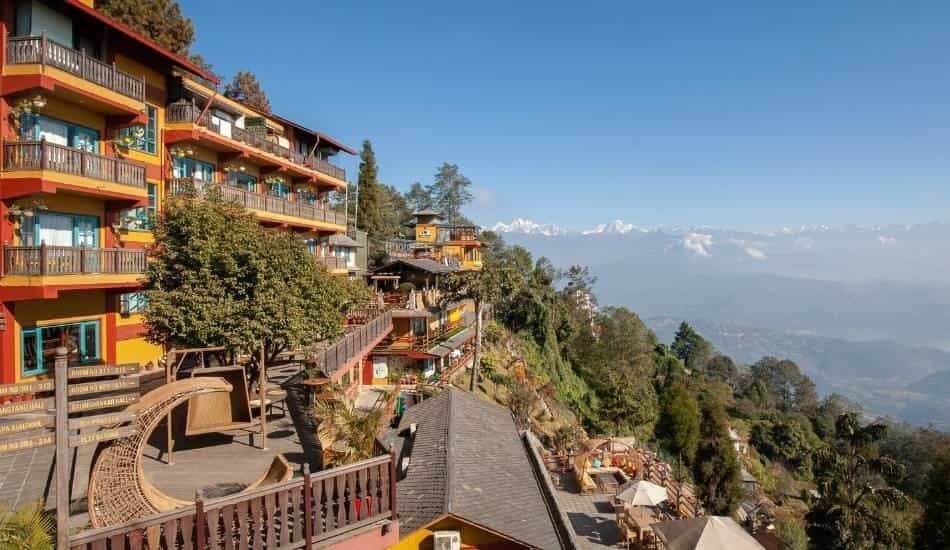
The 2-day Kathmandu, Bhaktapur & Nagarkot Tour is the perfect short escape for travelers who want culture, history and mountain views in one easy trip. You begin in Kathmandu with its UNESCO-listed heritage, from the sacred Pashupatinath and the great Boudhanath Stupa to the lively old streets around Durbar Square. Then you step back in time in Bhaktapur, a medieval city famous for its carved temples, brick-paved squares and traditional pottery, before heading up to Nagarkot, a hilltop village known for sunrise and sunset views of the Himalayas, including Langtang and, on clear days, Mount Everest. With comfortable transport, a friendly local guide and a relaxed pace, this tour from Nepal Trip Services is ideal for first-time visitors, couples, families and anyone with limited time in Nepal.
Trip Highlights
- Visit Boudhanath Stupa, one of the largest Buddhist stupas in Nepal, and feel its calm atmosphere of prayer flags, butter lamps and walking pilgrims
- Explore Pashupatinath Temple, Nepal’s most sacred Hindu site, set on the banks of the Bagmati River and dedicated to Lord Shiva
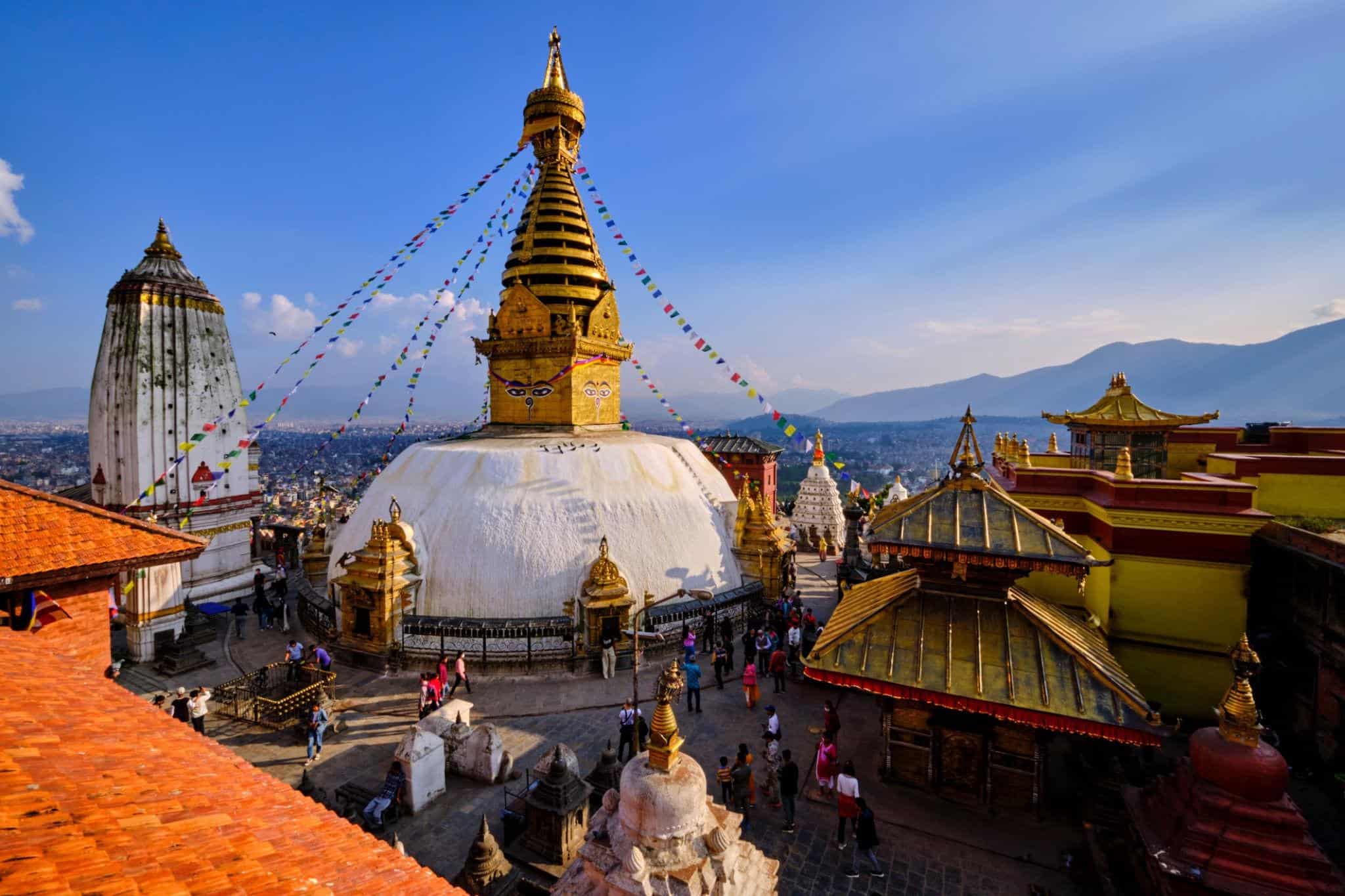
- Climb to Swayambhunath, the hilltop “Monkey Temple”, for sweeping views over the Kathmandu Valley
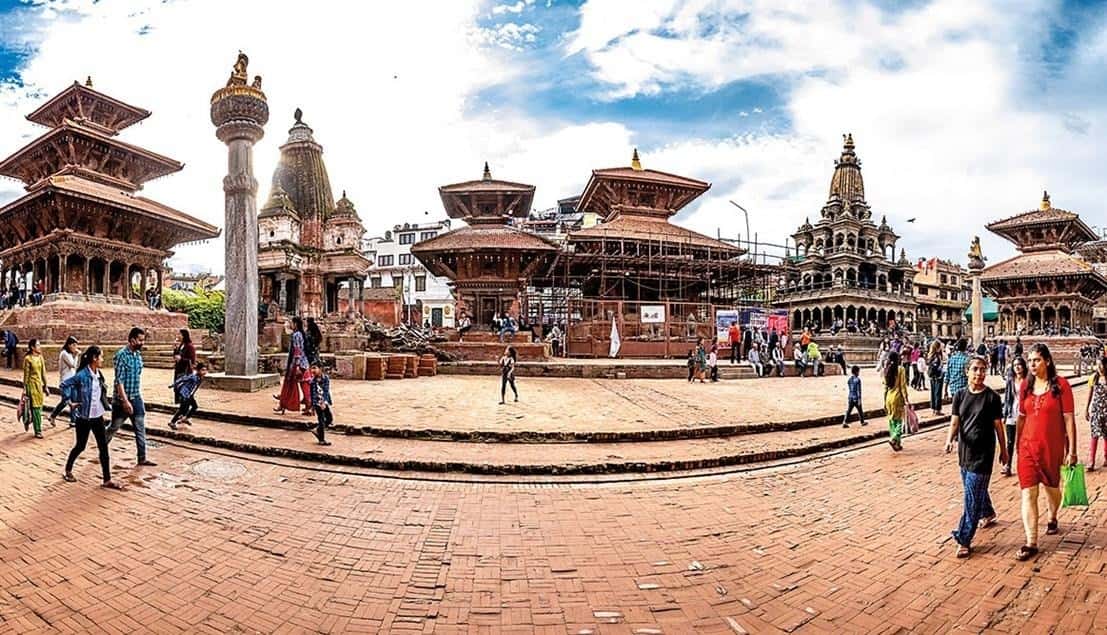
- Wander through Kathmandu Durbar Square, the old royal palace complex filled with carved temples and Newari architecture
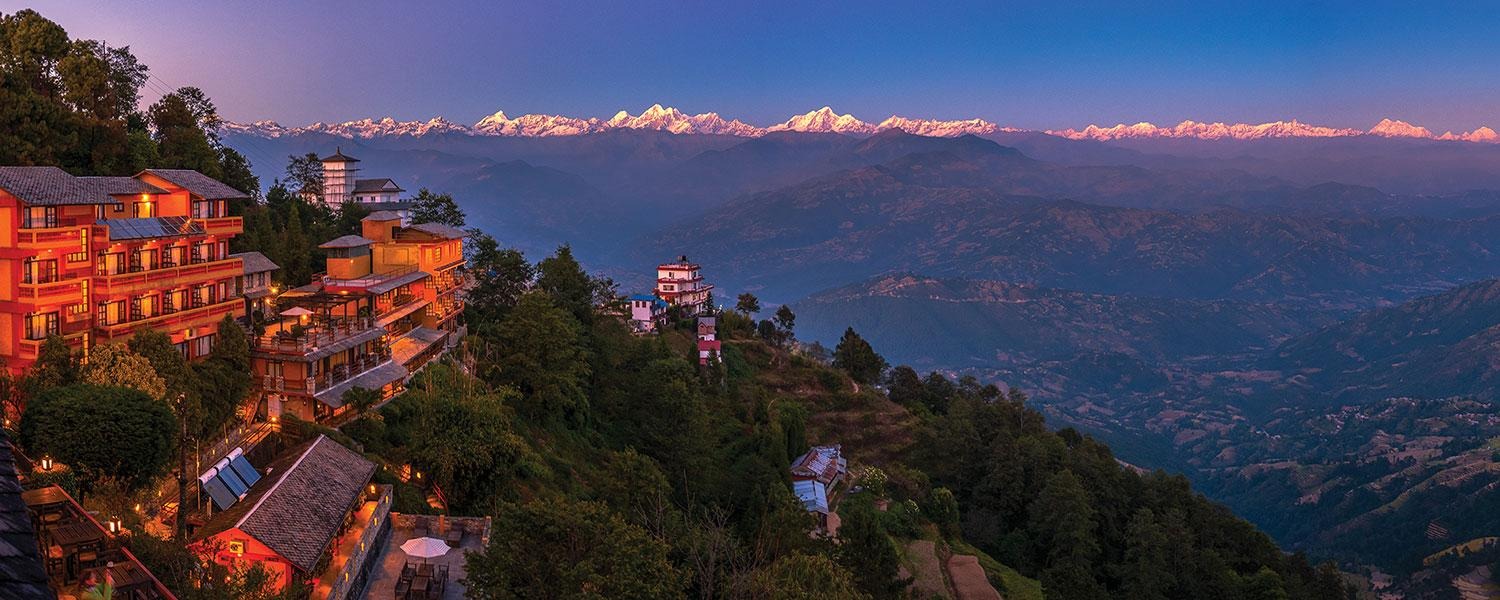
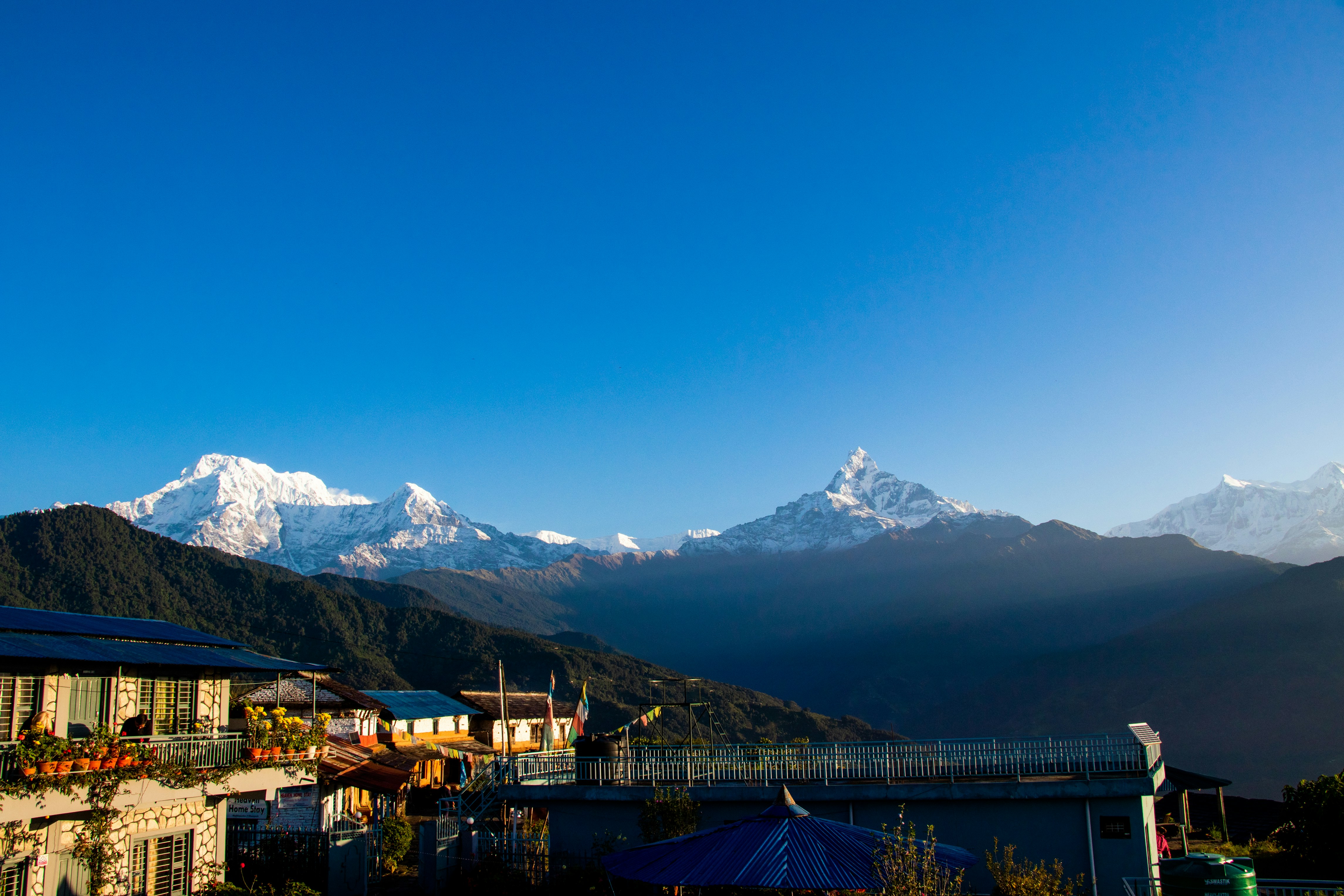
- Wake up early for a Nagarkot sunrise over the Himalayan foothills, with distant snow peaks visible on clear days
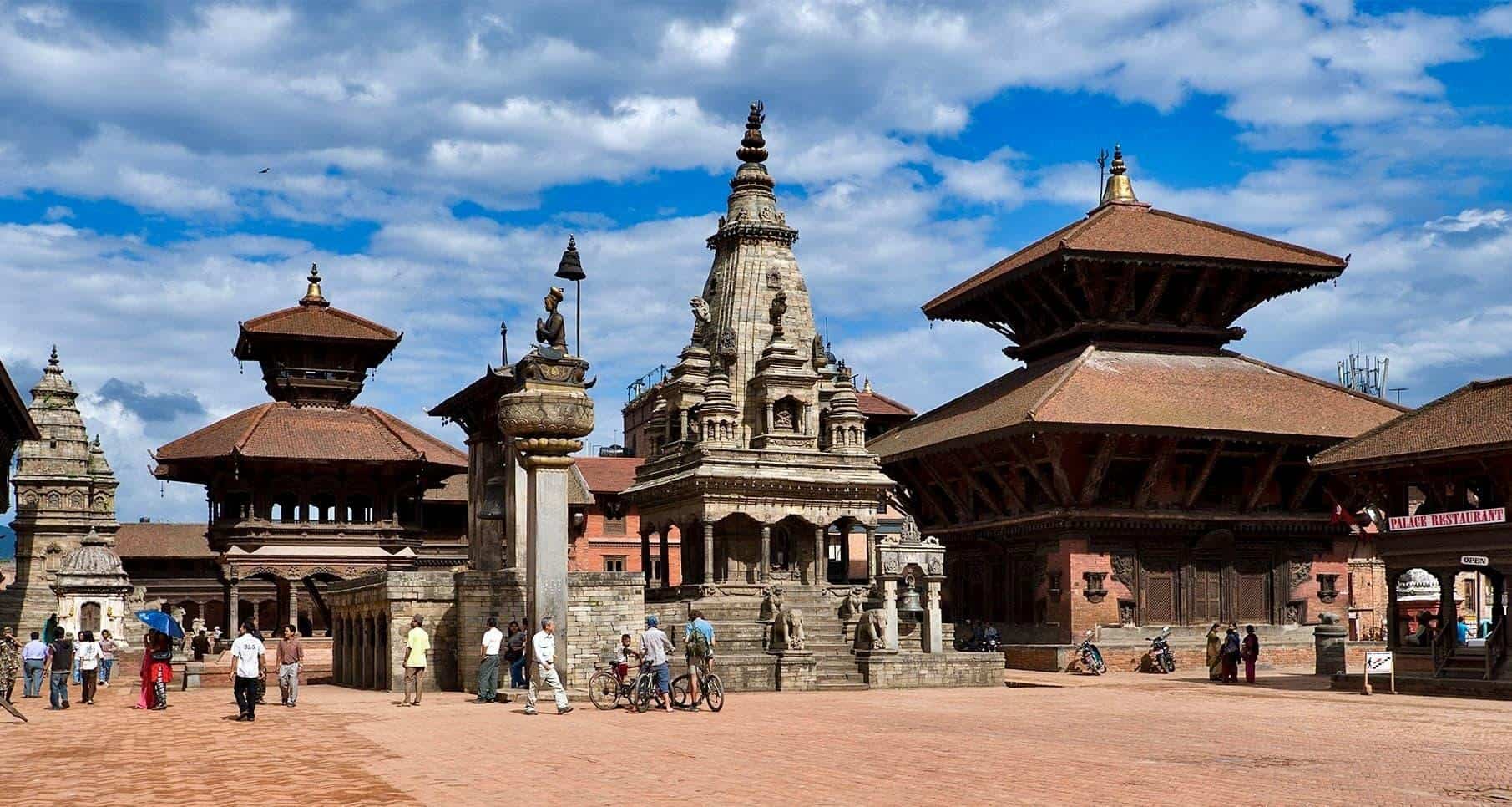
- Stroll through Bhaktapur Durbar Square, a beautifully preserved medieval city known for its brick lanes, wood carvings and living Newari culture
- Discover Patan Durbar Square, famous for its royal palace, stone sculptures and fine craftsmanship
- Travel in comfort with a private vehicle and an experienced English-speaking guide who explains the history and traditions behind each site
- Enjoy a flexible, easy-paced private tour that can be adjusted to your interests, with optional hotel arrangements on request
- See seven major heritage and viewpoint stops in just two days, which makes this an ideal short trip for first-time visitors, couples and families
Trip Overview
The Kathmandu, Bhaktapur & Nagarkot Tour is a 2-day private sightseeing trip that brings together the best of the Kathmandu Valley: sacred temples, royal squares, living Newari culture and a peaceful sunrise in the hills. It is designed for travelers with limited time who still want to experience Nepal’s heritage in a comfortable, well-organized way.
On the first day, your guide and driver pick you up from your hotel in Kathmandu and take you to the city’s most important religious landmarks. You visit Boudhanath Stupa, a center of Tibetan Buddhism, and Pashupatinath Temple, the holiest Hindu shrine in Nepal, set beside the Bagmati River. You then climb to Swayambhunath, the hilltop Monkey Temple with views across the valley, before exploring Kathmandu Durbar Square and its carved temples and old palace courtyards. In the evening, you are dropped off at your hotel to rest.
The second day begins early with a drive to Nagarkot, where you watch the sun rise over the Himalayan foothills. On clear mornings, distant snow peaks may appear on the horizon, though mountain views depend on the weather. After breakfast, you continue to Bhaktapur Durbar Square, a beautifully preserved medieval city of brick lanes, woodcarvings and traditional crafts, and then to Patan Durbar Square, admired for its royal palace, stone sculptures and fine metalwork. The tour ends in Patan, and your driver takes you to your chosen location in Kathmandu.
This is an easy-grade tour with short walks and a few steps, so it suits first-time visitors, couples, families and most senior travelers. Because it is private, the pace and timing can be adjusted to your interests. Autumn (September to November) and spring (March to May) offer the clearest skies and most comfortable weather, but the tour runs all year. Bring comfortable shoes, a warm layer for the morning and modest clothing for temple visits.
What to Expect on the Kathmandu, Bhaktapur & Nagarkot Tour
On the Kathmandu, Bhaktapur & Nagarkot Tour, expect two relaxed days of sightseeing with a private vehicle and an English-speaking local guide who handles the logistics and shares the stories behind each site. Day one takes you through Kathmandu’s sacred landmarks, from Boudhanath Stupa and Pashupatinath Temple to Swayambhunath and Kathmandu Durbar Square, with short walks and a few steps to climb. Day two starts early for a Nagarkot sunrise, followed by the medieval charm of Bhaktapur and the artistic heritage of Patan. Mountain views depend on the weather, and temples call for modest clothing, so pack comfortable shoes and a warm layer for the morning. It’s an easy, flexible tour that you can adjust to your own pace and interests.
Cultural Heritage, Ancient Architecture & Himalayan Views
This tour packs the Kathmandu Valley’s richest treasures into two days. You walk through UNESCO-listed Durbar Squares in Kathmandu, Bhaktapur and Patan, where carved wooden windows, pagoda temples and stone courtyards show the artistry of the Newar people. You also visit living spiritual landmarks, including Boudhanath Stupa, Pashupatinath Temple and Swayambhunath, where Buddhist and Hindu traditions meet in daily life. Then a sunrise at Nagarkot adds a natural finish, with the first light spreading over the hills and, on clear mornings, distant Himalayan peaks on the horizon. Mountain views depend on the weather, but the heritage you see along the way is always memorable.
Why Visit Kathmandu, Bhaktapur & Nagarkot?
These three destinations show you the best of the Kathmandu Valley in a single, easy trip. Kathmandu is Nepal’s spiritual and cultural heart, with sacred stupas, Hindu temples and royal squares that are still part of everyday life. Bhaktapur feels like a medieval town preserved in brick and carved wood, where potters, woodcarvers and weavers still practice traditional crafts. Nagarkot adds fresh mountain air and a peaceful sunrise, a quiet contrast to the busy city. Together they make a rewarding short trip for first-time visitors, couples, families and anyone with only a few days in Nepal, with Patan’s artistic heritage included along the way. You get culture, history, scenery and a relaxed pace in one compact itinerary, close to Kathmandu and easy to combine with a longer Nepal trip.
A Perfect Blend of Culture, History & Nature in Nepal
In just two days, this tour lets you experience three sides of Nepal that most travelers want to see. You explore centuries of history in the royal squares of Kathmandu, Bhaktapur and Patan, where ancient temples and carved palaces still stand at the center of daily life. You witness living culture at Boudhanath Stupa, Pashupatinath Temple and Swayambhunath, where Buddhist and Hindu traditions blend naturally. Then you step into nature at Nagarkot, with fresh hill air, quiet viewpoints and a sunrise over the Himalayan foothills. It is an easy way to see the cultural, historical and scenic highlights of the Kathmandu Valley without a long or tiring itinerary.
Boudhanath, Pashupatinath, Swayambhunath and Kathmandu Durbar Square
Duration: 7 to 8 hours | Accommodation: Optional (hotel in Kathmandu on request) | Meals: Not included
Your Kathmandu Valley adventure begins after breakfast at your hotel. Your English-speaking guide and private driver from Nepal Trip Services meet you at the lobby, brief you on the day’s plan and set off for a full day through the spiritual and historical heart of Kathmandu. Because the tour is private, the pace is yours, so feel free to linger anywhere you enjoy.
Boudhanath Stupa
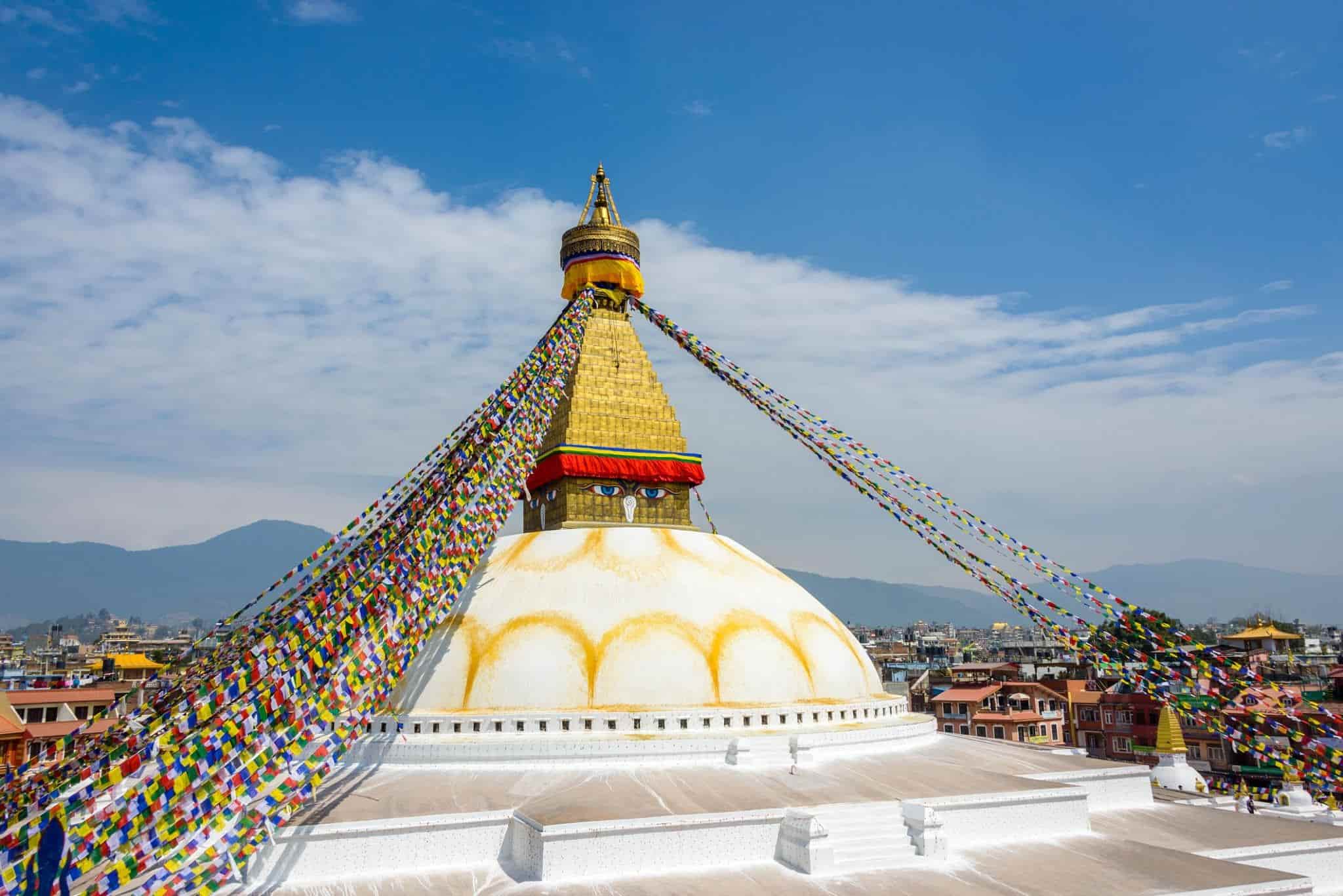
Your first stop is Boudhanath, one of the largest stupas in the world and a UNESCO World Heritage Site. The great white dome, topped with a golden spire and painted Buddha eyes, rises above a busy circle of monasteries, prayer wheels and small shops. Walk clockwise around the stupa with local pilgrims, spin the prayer wheels, watch monks at prayer and enjoy the calm mood that surrounds this center of Tibetan Buddhism. Your guide explains the symbolism of the stupa, the meaning of the prayer flags and the traditions followed here.
Pashupatinath Temple
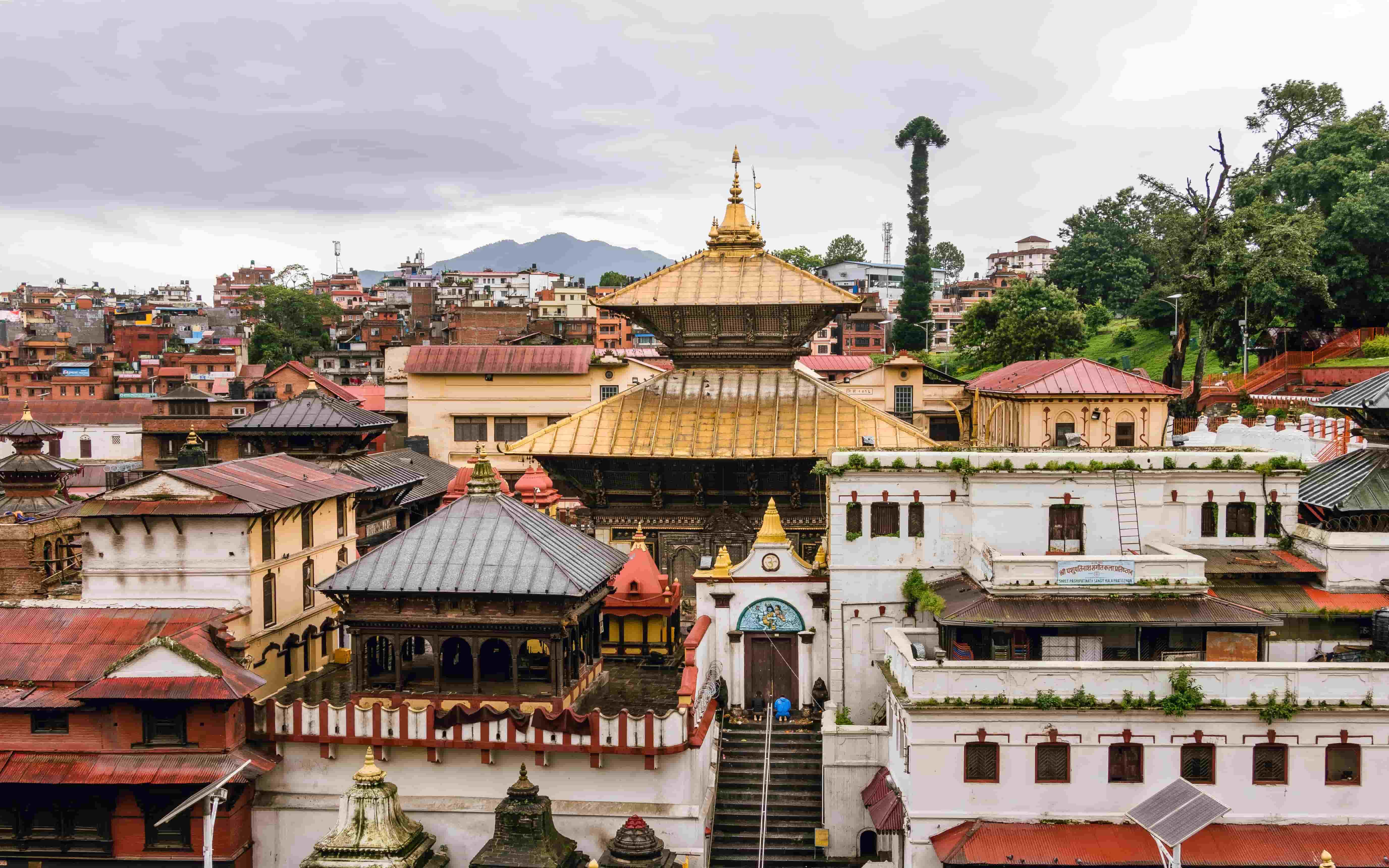
Next, you travel to Pashupatinath, the holiest Hindu temple in Nepal, dedicated to Lord Shiva and set on the banks of the sacred Bagmati River. The main golden-roofed temple is open only to Hindus, but you can explore the surrounding complex, shrines and riverside ghats and observe the rituals and devotion that take place here every day. Your guide gives helpful background on Hindu beliefs and customs, and on the sadhus, the holy men often seen around the temple. Please follow your guide’s advice on photography and respectful behavior.
Swayambhunath Stupa (Monkey Temple)
After a short drive, you reach Swayambhunath, an ancient hilltop shrine that overlooks the entire Kathmandu Valley. Climb the stone steps, passing prayer wheels and curious monkeys, to reach the whitewashed stupa with its watchful Buddha eyes. The top offers wide views over the city, and the surrounding area has small temples, shrines and a peaceful atmosphere that shows how Buddhist and Hindu traditions coexist in Nepal. Take care of your belongings, as the resident monkeys can be cheeky.
Kathmandu Durbar Square
Your last stop of the day is Kathmandu Durbar Square, the historic heart of the old city and once the home of Nepal’s royal family. Wander through courtyards filled with pagoda-style temples, intricately carved wooden windows and traditional palace buildings that show the skill of Newari craftsmen. Your guide points out landmarks and tells stories of the kings, the living goddess tradition and the city’s history. You may also like to browse the nearby lanes for souvenirs and local snacks.
After sightseeing, your private vehicle transfers you to your hotel in Kathmandu, where you can rest, enjoy dinner at a local restaurant and prepare for an early start the next morning.
Nagarkot Sunrise – Bhaktapur Durbar Square – Patan Durbar Square
Duration: 6 to 7 hours | Accommodation: Not required, tour ends in Kathmandu | Meals: Not included (breakfast in Nagarkot or Bhaktapur at your choice)
Today starts early, so wear warm clothes and bring your camera. Your driver picks you up from your hotel before dawn and takes you east, up winding hill roads toward Nagarkot.
Sunrise at Nagarkot
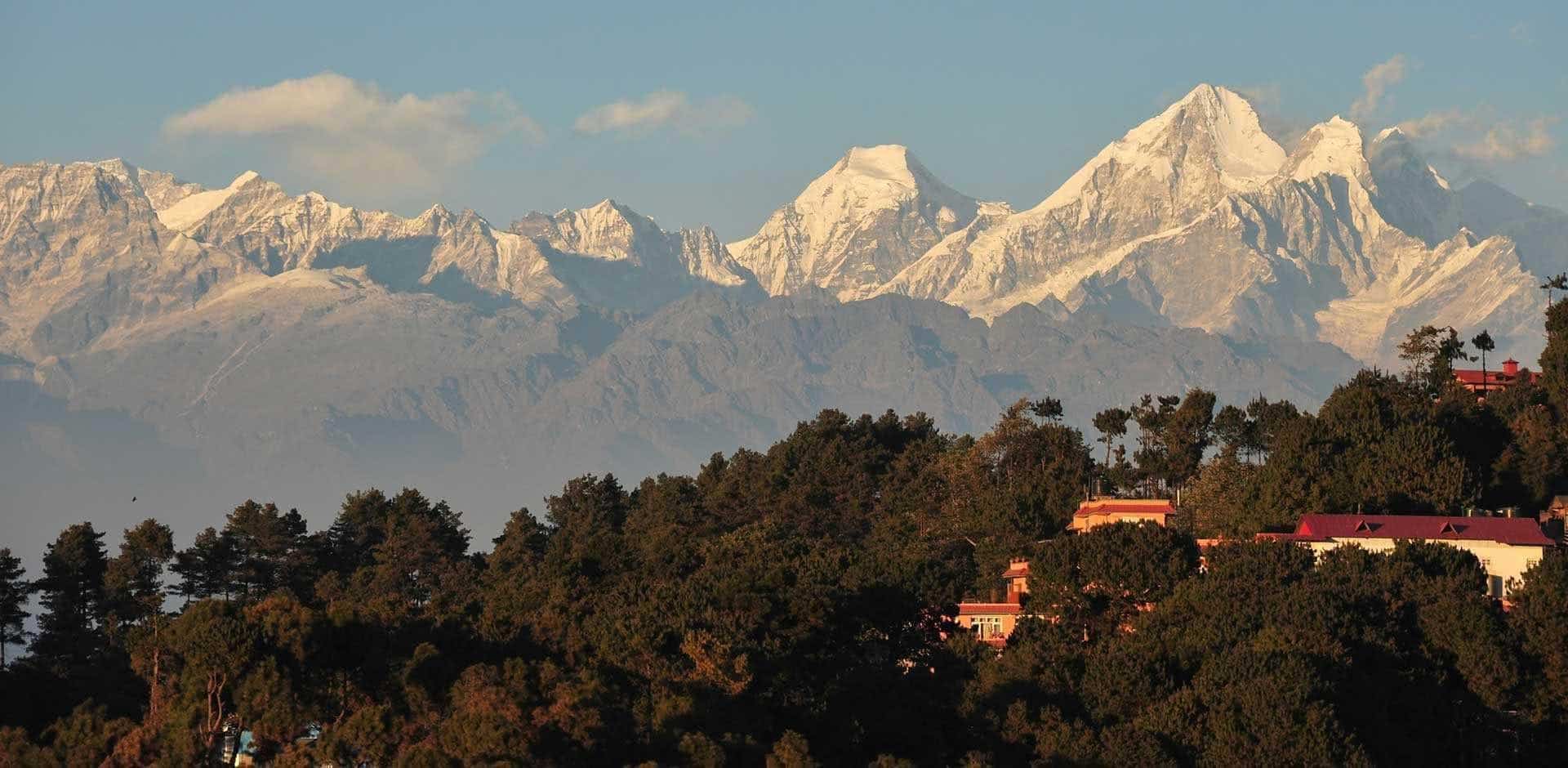
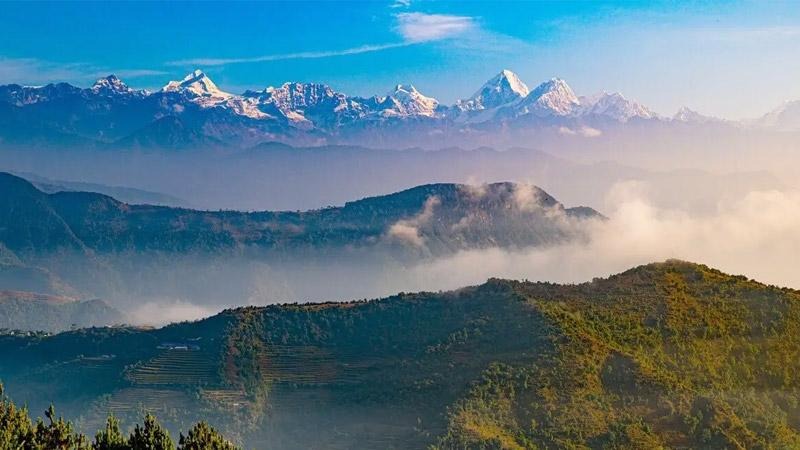
Nagarkot is a quiet hilltop village famous for its sunrise and wide mountain scenery. You arrive in time to watch the sky change from deep blue to gold while the valley slowly wakes beneath you. On clear mornings, you may see the distant snow peaks of the Himalayan range on the horizon, and the cool, fresh air makes it a wonderful change from the city. Views depend on the weather and the season, so clear skies cannot be guaranteed, but the peaceful hill atmosphere is rewarding in any case. After taking photos and enjoying a hot drink, you can have breakfast at a local café in Nagarkot or continue to Bhaktapur and eat there, whichever you prefer.
Bhaktapur Durbar Square
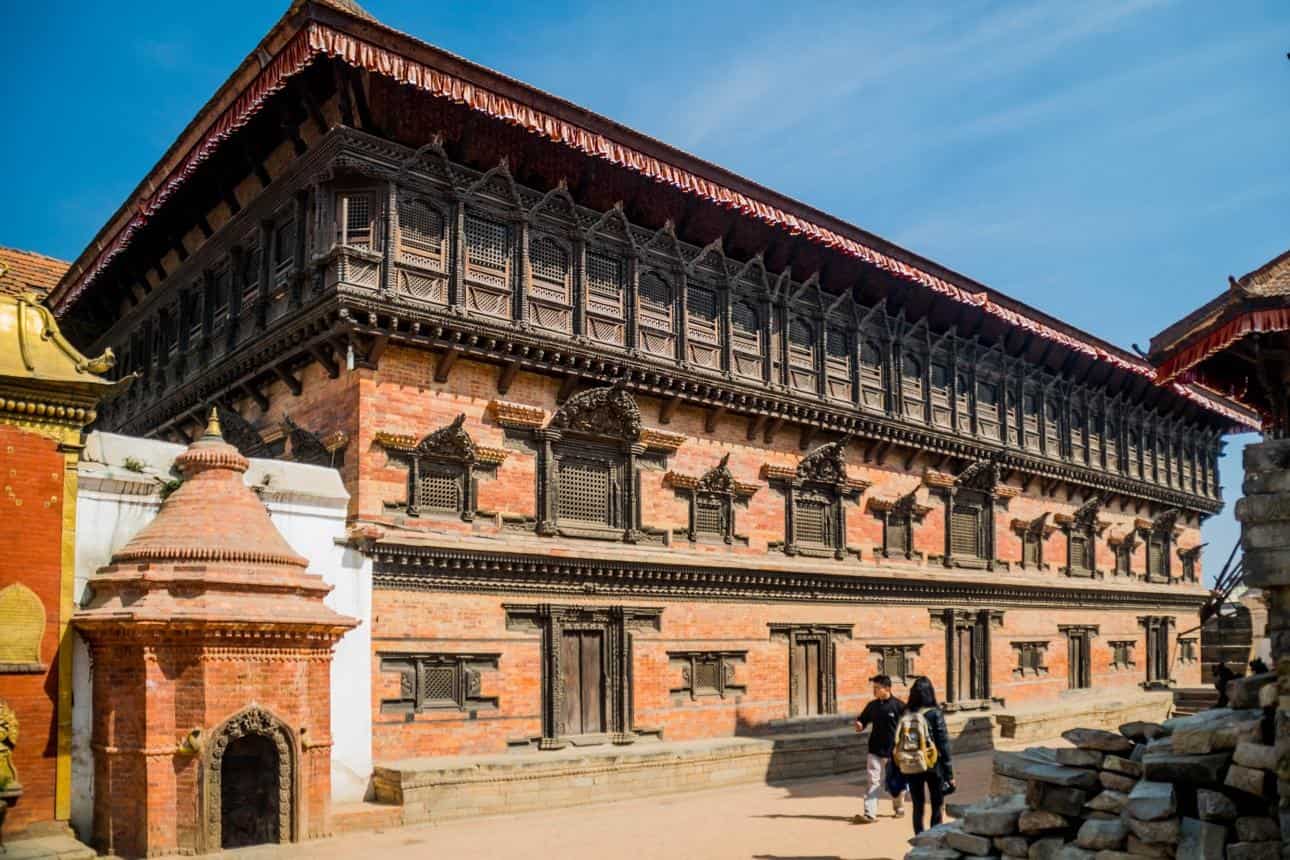
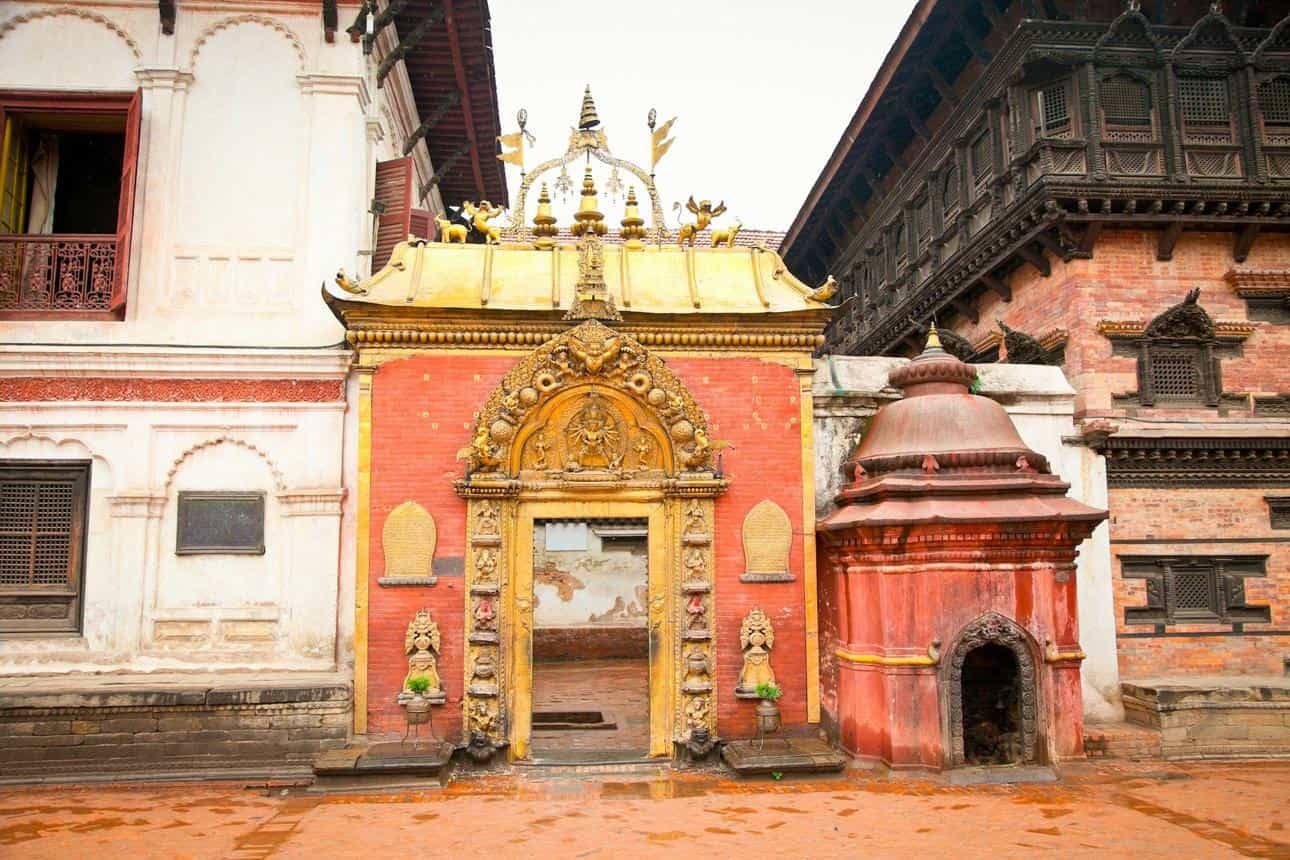
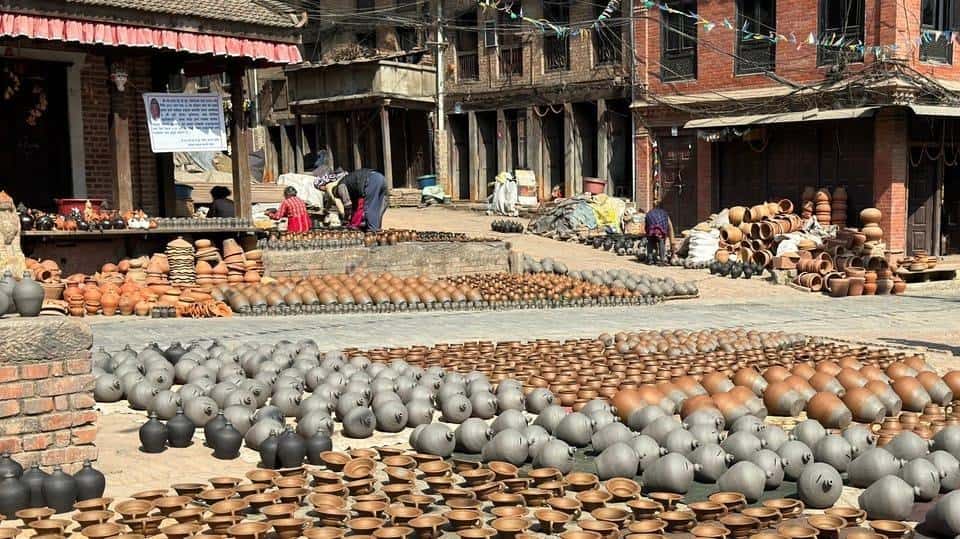
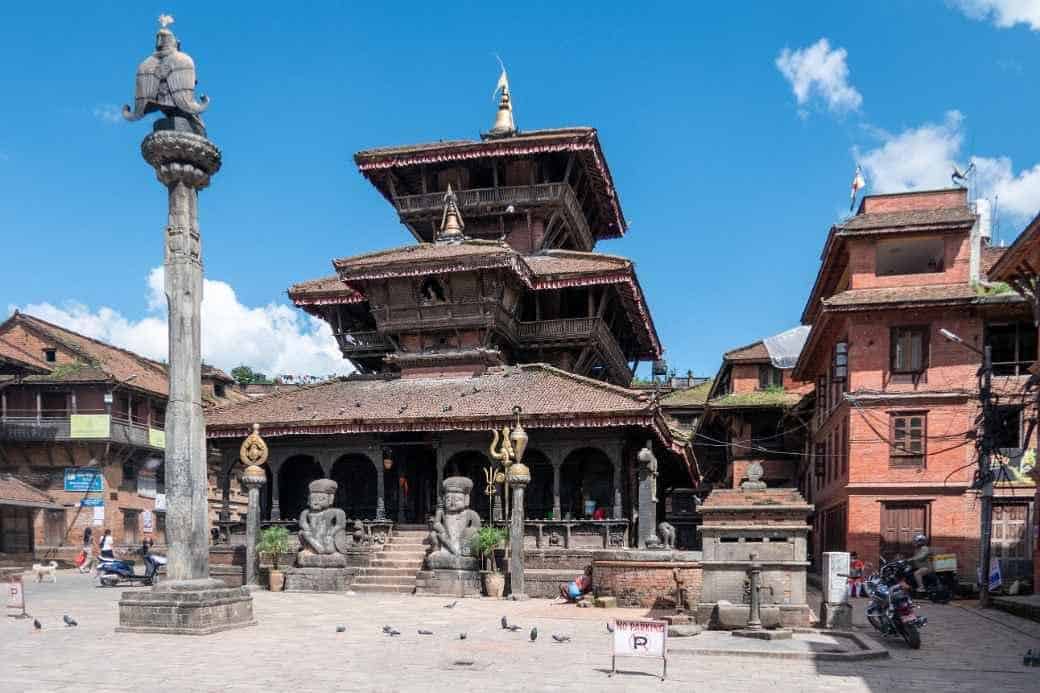
From Nagarkot, you drive down to Bhaktapur, a UNESCO-listed city often described as a living museum of Newari culture. Walk through its brick-paved lanes into Bhaktapur Durbar Square, where the 55-window palace, the Golden Gate and towering temples stand in a beautifully preserved medieval setting. Your guide explains the history of the old Malla kingdom and the symbolism of the carvings. Bhaktapur is also known for its pottery and woodcarving, so you may see local artisans at work in the nearby squares and enjoy a taste of the town’s famous king curd (juju dhau) if you wish.
Patan Durbar Square
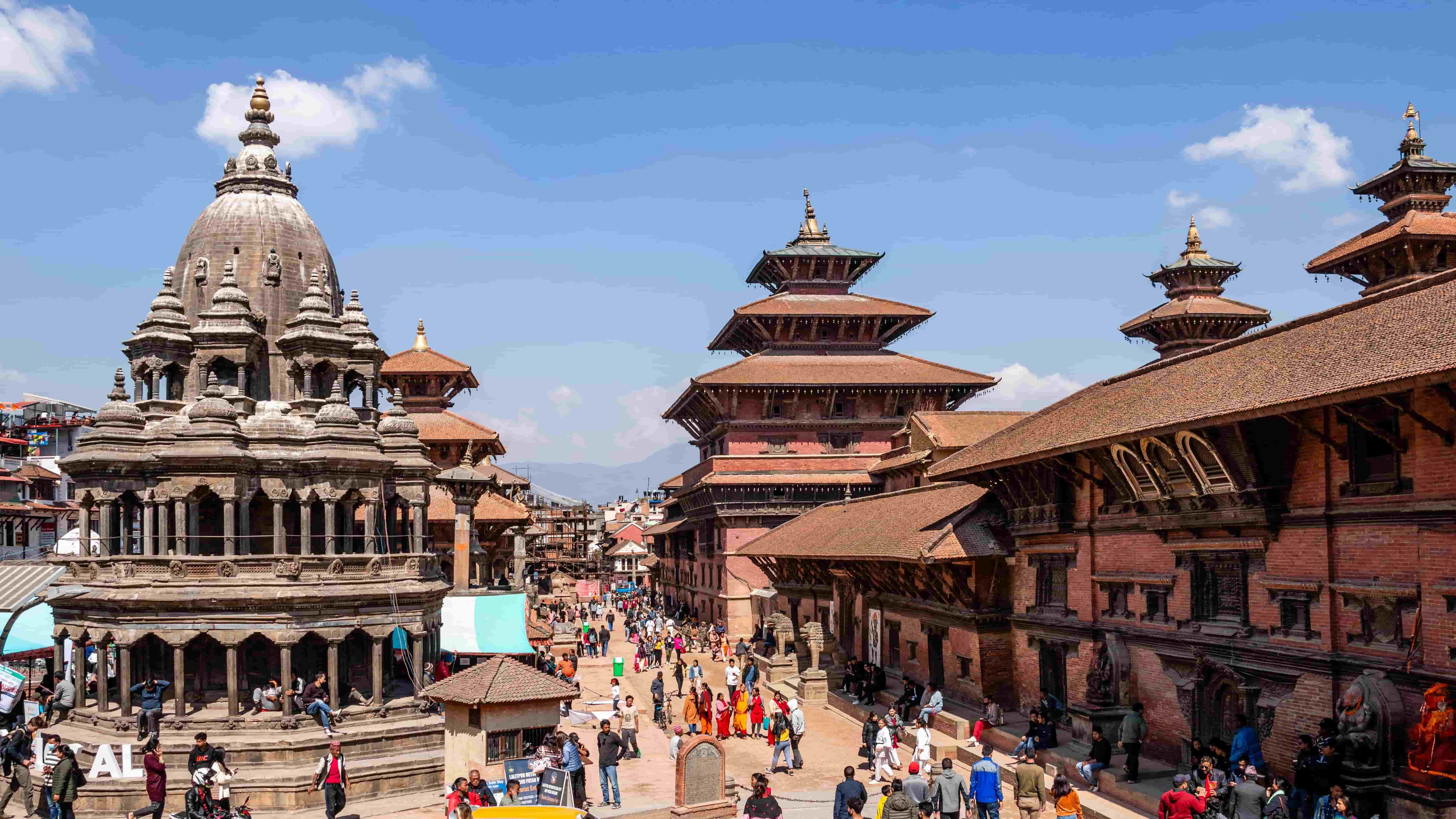
Your last sightseeing stop is Patan, also called Lalitpur, the “City of Fine Arts”. Patan Durbar Square is a masterpiece of Newari architecture, with a royal palace, temples of stone and brick, and courtyards filled with elaborate metal and stone sculptures. Your guide leads you past highlights such as the Krishna Mandir and the old palace courtyards, and you can visit the nearby streets, where metalworkers still craft statues using traditional techniques. It is a fitting finale to two days of exploring the valley’s heritage.
After sightseeing, your private tour concludes. Your driver drops you at your hotel or another location in Kathmandu, according to your plans.
Tour Notes
- Private service: The tour runs with a private vehicle, driver and English-speaking guide, so the schedule can be adjusted to your interests, the traffic and the weather.
- What to wear: Comfortable walking shoes, a warm layer for Nagarkot, and modest clothing that covers shoulders and knees for temples.
- Optional hotel: Hotel accommodation is optional and can be arranged on request in the category you prefer.
- Weather: Sunrise and mountain views depend on weather, and the best chances are in autumn (September to November) and spring (March to May).
Are you interested in planning a custom trip? It only takes 2 minutes.
Cost Includes
Transportation
- Private vehicle (car, jeep or van, depending on group size) throughout the tour
- Hotel pickup in Kathmandu at the start of the tour
- Drop-off at your hotel or preferred location in Kathmandu at the end of the tour
- Transfers for Kathmandu sightseeing, the Nagarkot sunrise drive, Bhaktapur and Patan
Guide Service
- Experienced English-speaking tour guide for both days
- Local knowledge and explanations of the cultural, historical and religious importance of each site
Entrance Fees
- Entrance fees for the sightseeing attractions listed in the itinerary:
- Boudhanath Stupa
- Pashupatinath Temple
- Swayambhunath Temple
- Kathmandu Durbar Square
- Bhaktapur Durbar Square
- Patan Durbar Square
Private Tour Service
- Private tour arrangements for your group only
- Flexible sightseeing schedule that can be adjusted to your interests, traffic and weather
Cost Excludes
Accommodation
- Hotel accommodation in Kathmandu (optional, and can be arranged on request according to your budget and preferred hotel category)
Meals and Drinks
- Breakfast, lunch and dinner
- Tea, coffee, soft drinks, bottled water and alcoholic drinks
- Breakfast on Day 2 in Nagarkot or Bhaktapur, paid directly by you
Insurance
- Personal travel insurance, including medical coverage and trip delay or cancellation cover
Personal Expenses
- Shopping, souvenirs, laundry, phone calls and other personal items
Tips
- Tips for the guide and driver (appreciated but entirely optional)
Additional Services and Extra Costs
- Any sightseeing, activity or transport not mentioned in the itinerary
- Extra costs from itinerary changes, extended sightseeing or personal requests outside the agreed plan
- Anything not listed under “Cost Includes”
Captured Memories Of Kathmandu, Bhaktapur & Nagarkot Tour
Kathmandu, Bhaktapur & Nagarkot Tour: More Info
Best Time for the Kathmandu, Bhaktapur & Nagarkot Tour
The best time for the Kathmandu, Bhaktapur & Nagarkot Tour is autumn (September to November) and spring (March to May), when skies are clearer, the weather is comfortable and the chance of Himalayan views at sunrise is highest. The tour runs all year, since most of it is cultural sightseeing, but the season affects how clear the Nagarkot sunrise is, how cold the morning feels and how busy the heritage sites are.
Season at a Glance
| Season | Months | Weather | Sunrise Views | Crowds | Rating |
|---|---|---|---|---|---|
| Autumn | Sept to Nov | Clear, dry, mild | Excellent | Busy | Best |
| Spring | Mar to May | Warm, sometimes hazy | Good to very good | Moderate | Best |
| Winter | Dec to Feb | Cold mornings, dry, sunny days | Often very clear | Quiet | Good |
| Monsoon | June to Aug | Warm, wet, cloudy | Limited | Quiet | Fair |
Autumn (September to November)
Autumn is the favorite season for this tour. The monsoon rains have cleared the air, mornings in Nagarkot are crisp, and the chance of seeing the Himalayan range at sunrise is at its best, especially in October and November. Daytime sightseeing in Kathmandu, Bhaktapur and Patan is comfortable, and festivals such as Dashain and Tihar bring color and atmosphere. This is also the busiest season, so book your guide, vehicle and hotel early.
Spring (March to May)
Spring brings warm, pleasant days and blossoming trees around the valley. The mornings are comfortable in Nagarkot, though haze can soften the mountain views, especially in April and May. Spring is a great choice if you want good weather with slightly fewer visitors than in autumn.
Winter (December to February)
Winter mornings in Nagarkot are cold, but the skies are often clear and sunny, which makes this a rewarding time for views. Days in Kathmandu are mild, and the heritage sites are quieter. Bring a warm jacket, a hat and gloves for the early start, and expect some morning fog in the valley.
Monsoon (June to August)
The monsoon brings rain, humidity and heavy cloud, so sunrise views and mountain scenery are often hidden. The temples and squares are still worth visiting, crowds are small and the valley turns lush green. Pack a light rain jacket, wear shoes with good grip, and allow extra time for traffic and wet roads.
Our Recommendation
- Clearest mountain views: October and November
- Pleasant weather and fewer crowds: March and April
- Quiet sightseeing with crisp air: December to February
- Lowest prices and fewest visitors: June to August, with flexible expectations
Helpful Tips
- Mountain views from Nagarkot depend on the weather and can never be guaranteed in any season.
- Dress in layers, because early mornings are much colder than midday sightseeing.
- Book early for October, November and April, and around major festivals.
Weather and Temperature in Kathmandu Valley and Nagarkot
The weather for the Kathmandu, Bhaktapur & Nagarkot Tour is mild and comfortable for most of the year, but Nagarkot (about 2,000 m) is noticeably cooler than Kathmandu (about 1,400 m), especially at sunrise. As a rough guide, expect the hill to be 5 to 8°C colder than the valley. Daytime sightseeing in Kathmandu, Bhaktapur and Patan is pleasant in most months, while the early morning drive to Nagarkot is the coldest part of the trip. The figures below are approximate and vary from year to year.
Temperature by Month (Approximate)
| Month | Kathmandu (Day / Night) | Nagarkot Sunrise | Conditions |
|---|---|---|---|
| January | 18 to 20°C / 2 to 4°C | -1 to 4°C | Cold mornings, dry, sunny days, some fog |
| February | 20 to 22°C / 4 to 6°C | 1 to 6°C | Cold at dawn, clear days |
| March | 24 to 26°C / 7 to 9°C | 4 to 9°C | Warming up, good visibility |
| April | 27 to 29°C / 10 to 12°C | 7 to 12°C | Warm, some haze |
| May | 28 to 30°C / 14 to 17°C | 10 to 14°C | Warm, hazy, pre-monsoon showers |
| June | 28 to 30°C / 18 to 20°C | 13 to 16°C | Humid, rain begins |
| July | 27 to 29°C / 19 to 21°C | 14 to 17°C | Wet, cloudy |
| August | 27 to 29°C / 19 to 21°C | 14 to 17°C | Wet, cloudy |
| September | 26 to 28°C / 17 to 19°C | 12 to 16°C | Rain easing, fresh and green |
| October | 25 to 27°C / 12 to 14°C | 8 to 13°C | Clear, dry, crisp mornings |
| November | 22 to 24°C / 6 to 8°C | 3 to 8°C | Clear, cool, cold at dawn |
| December | 19 to 21°C / 2 to 4°C | -1 to 4°C | Cold mornings, sunny days |
How Cold Do Mornings Get in Nagarkot?
- December to February: Sunrise temperatures can fall to around freezing, and the wind makes it feel colder. Wear a warm jacket, a hat, gloves and a scarf.
- March to May: Mornings are cool but comfortable, so a light jacket and a fleece are usually enough.
- June to September: Mornings are mild, but rain and cloud are likely, so bring a light rain jacket.
- October and November: Mornings are crisp and clear, and layers are a must. By late November it feels close to winter.
Rain and Cloud
- The monsoon runs from about June to September, with the heaviest rain in July and August.
- Sunrise views are most often hidden by cloud during these months.
- October to May is mostly dry, with the clearest skies in October, November and the winter months.
What to Wear by Season
- Winter (December to February): Warm jacket, thermal layer, hat, gloves, closed shoes
- Spring (March to May): Light layers, fleece, sunglasses and sunscreen
- Monsoon (June to September): Rain jacket, quick-dry clothes, shoes with good grip
- Autumn (October to November): Layers for cold mornings and warm afternoons
Helpful Tips
- Dress in layers so you can remove them as the day warms up.
- Bring a light scarf or shawl for temples, which also helps in the cold.
- Carry water, sun protection and a small umbrella, since the sun can be strong even in cool months.
- Check the forecast the evening before the Nagarkot sunrise, and ask your guide for the latest advice.
Nagarkot Sunrise Guide
Nagarkot is one of the most popular sunrise spots near Kathmandu. This hill village sits at around 2,000 m on the eastern rim of the valley, with open views across the hills and, on clear mornings, a long line of Himalayan peaks. On the Kathmandu, Bhaktapur & Nagarkot Tour, the sunrise is the quiet highlight of day two. Views depend on the weather, so the guide below helps you choose the best time and give yourself the best chance of a clear morning.
Ideal Viewing Times
| Season | Approximate Sunrise | Suggested Arrival at Nagarkot |
|---|---|---|
| Summer and monsoon (June to August) | 5:15 to 5:30 am | 5:00 am |
| Autumn (September to November) | 5:40 to 6:30 am | 5:30 to 6:15 am |
| Winter (December to February) | 6:40 to 7:05 am | 6:20 to 6:45 am |
| Spring (March to May) | 5:40 to 6:15 am | 5:25 to 6:00 am |
These times shift through the year, so your guide confirms the exact pickup the evening before. Plan to arrive a little before first light, since the sky changes color in the 20 to 30 minutes around sunrise.
What You Can See
- Sunrise over the hills: The sky turns from deep blue to orange and gold, and mist often lies in the valleys below.
- Himalayan peaks: On clear mornings, you may see the Langtang, Ganesh Himal and Jugal Himal ranges, and others further east.
- Mount Everest: It can sometimes be seen as a small, distant peak under very clear conditions, but it cannot be guaranteed.
- Village life: Terraced fields, pine forests and small settlements spread across the hillsides.
How to Improve Your Chances of Clear Views
- Choose the right season: October, November and the winter months generally give the clearest skies, while the monsoon often hides the mountains.
- Be early: Mountains are usually clearest right at dawn, before haze and cloud build up.
- Check the forecast: Look at the weather the evening before, and ask your guide about local conditions.
- Pick a good viewpoint: Your guide will take you to an open spot with a wide eastern and northern view, such as the viewing tower area.
- Stay flexible: If one morning is cloudy, the tour can sometimes be adjusted by a day, depending on availability.
- Do not count on one sighting: Even without peaks, the golden light, mist and hill atmosphere are rewarding.
What to Bring
- Warm jacket, hat and gloves for cold mornings, especially from November to February
- Comfortable closed shoes with good grip
- A camera or smartphone, with a charged battery (cold weather drains batteries quickly)
- A hot drink or a few rupees for a cup of tea at a local café
Photography Tips
- Arrive early to choose your spot and set up before the light changes.
- Use a tripod or a steady surface for low-light shots.
- Include foreground details such as trees, terraces or prayer flags for a more interesting picture.
- Turn off the flash and capture the colors as the sky brightens.
Helpful Tips
- Expect some other visitors at popular viewpoints, especially in autumn.
- Be respectful of local residents, keep noise low and take your litter with you.
- Breakfast can be enjoyed in Nagarkot or later in Bhaktapur, whichever you prefer.
Himalayan Views from Nagarkot
Nagarkot is known for its wide Himalayan panorama, stretching from the Langtang and Ganesh Himal ranges in the north to the Rolwaling peaks in the east. On clear mornings, the snow-capped skyline appears above layers of green hills, and the view is one of the main reasons travelers add the sunrise to their Kathmandu Valley tour. Clear views are never guaranteed, since they depend on the season and the weather, so it helps to know what you might see and what to expect when clouds or haze get in the way.
Peaks You May See
| Mountain Range or Peak | Approx. Height | Direction | Visibility |
|---|---|---|---|
| Ganesh Himal | Up to 7,422 m | North-west | Often visible on clear mornings |
| Langtang Lirung and the Langtang range | 7,227 m | North | Often visible on clear mornings |
| Jugal Himal (including Dorje Lakpa) | Up to about 6,966 m | North-east | Often visible on clear mornings |
| Gauri Shankar and the Rolwaling range | 7,134 m | East | Sometimes visible |
| Mount Everest | 8,849 m | Far east | Rarely visible, appears as a small distant peak |
Your guide will point out the mountains and help you tell them apart, since the exact view differs a little from one viewpoint to another.
About Mount Everest
Everest is far away and partly hidden behind closer ridges, so it appears as a small, faint peak on the horizon and only in the clearest conditions. Many visitors never spot it, and others see it only briefly in the best weather. If seeing Everest is your main goal, a scenic mountain flight or a trek is a better choice than Nagarkot.
When Views Are Best
- Best chances: October, November, and the dry winter months from December to February
- Fair chances: March and April, though haze can soften the mountains
- Poor chances: June to August, when monsoon cloud usually hides the peaks
- Time of day: Views are clearest at dawn and often fade by mid-morning as haze and cloud build
What to Expect on Cloudy or Hazy Days
- Cloudy mornings: The mountains may be completely hidden, but you can still enjoy soft light, mist in the valleys and a quiet hill atmosphere.
- Hazy mornings: The peaks may appear faint or only partly visible, which still makes for atmospheric photographs.
- Partial clearing: Clouds sometimes lift for a short time, so staying a little longer at the viewpoint can pay off.
- Rainy mornings: Sunrise is usually not visible, but the rest of the tour, including Bhaktapur and Patan, continues as planned.
Tips to Get the Best Views
- Arrive before first light and choose an open viewpoint with a wide northern and eastern view.
- Check the weather forecast the evening before and ask your guide for local advice.
- Bring warm clothes, a hot drink and a camera or phone with a zoom lens.
- Stay patient, and keep your expectations flexible, because the weather changes quickly in the hills.
Kathmandu Heritage Sites Explained
Day one of the Kathmandu, Bhaktapur & Nagarkot Tour takes you through four of the valley’s most important landmarks. Each one has its own story, and knowing the background makes the visit far more meaningful. Your guide shares these details on the spot, and the summary below gives you a head start.
Heritage Sites at a Glance
| Site | Tradition | Known For |
|---|---|---|
| Boudhanath Stupa | Tibetan Buddhist | One of the largest stupas in the world |
| Pashupatinath Temple | Hindu | Nepal’s holiest Shiva temple, on the Bagmati River |
| Swayambhunath Stupa | Buddhist and Hindu | Hilltop “Monkey Temple” with valley views |
| Kathmandu Durbar Square | Royal and cultural | Old palace complex with Newari temples |
Boudhanath Stupa
Boudhanath is the center of Tibetan Buddhist life in Nepal. Its great white dome, golden spire and painted eyes of the Buddha are among the most recognized sights in Kathmandu. Tibetan communities settled around it over the centuries, and today monasteries, prayer wheels and butter lamps surround the stupa. Pilgrims walk clockwise around it each day, especially at dawn and dusk. The site is UNESCO-listed, and its spire was repaired after the 2015 earthquake.
Pashupatinath Temple
Pashupatinath is the holiest Hindu temple in Nepal and a major pilgrimage site, dedicated to Lord Shiva in his form as the “Lord of Animals”. It sits on the banks of the sacred Bagmati River, where daily rituals, riverside shrines and funeral ceremonies are part of Hindu tradition. The main temple, with its golden roof and silver doors, is open only to Hindus, but visitors can watch from the opposite bank and explore the wider complex. It draws huge crowds during the Maha Shivaratri festival and is also a UNESCO World Heritage Site.
Swayambhunath Stupa
Swayambhunath, popularly known as the Monkey Temple, stands on a hill on the western edge of the city and is one of the oldest religious sites in the valley. A well-known legend says the Kathmandu Valley was once a lake, and that the stupa grew from a lotus flower that bloomed in its waters. Buddhists and Hindus both revere the site, which is why shrines for different traditions sit side by side. Visitors climb a long stone staircase past prayer wheels and playful monkeys, and the summit rewards you with sweeping views across Kathmandu. It is a UNESCO World Heritage Site as well.
Kathmandu Durbar Square
Durbar Square was the royal heart of the old Kathmandu kingdom, and for centuries kings were crowned and ruled here. The complex includes the old palace area (Hanuman Dhoka), the Kumari Ghar, home of the “living goddess”, and many pagoda-style temples with finely carved wooden windows and struts. The square shows the skill of Newar artisans and the layered history of the Malla and Shah dynasties. Several buildings were damaged in the 2015 earthquake, and repair and rebuilding work has continued in the years since, so some areas may be under restoration during your visit.
Visiting Tips
- Dress modestly, covering your shoulders and knees, and carry a light scarf for temples.
- Walk clockwise around stupas and prayer wheels.
- Ask permission before photographing people or religious ceremonies.
- Take care of belongings at Swayambhunath, where monkeys can snatch food and small items.
- Visit early in the day for softer light and thinner crowds.
Bhaktapur Durbar Square and Newari Culture
Bhaktapur is the most traditional stop on the Kathmandu, Bhaktapur & Nagarkot Tour. This UNESCO-listed city, about 13 km east of Kathmandu, is often called a living museum, because the Newar people still live, work and celebrate festivals among its centuries-old temples. Brick-paved lanes, carved wooden windows and busy courtyards make it one of the best places in Nepal to feel the medieval Kathmandu Valley.
Bhaktapur Highlights at a Glance
| Highlight | What Makes It Special |
|---|---|
| Bhaktapur Durbar Square | The old royal square, with palace buildings and temples |
| 55-Window Palace | A palace famous for its carved wooden windows |
| Golden Gate | A richly decorated gilded entrance to the palace courtyard |
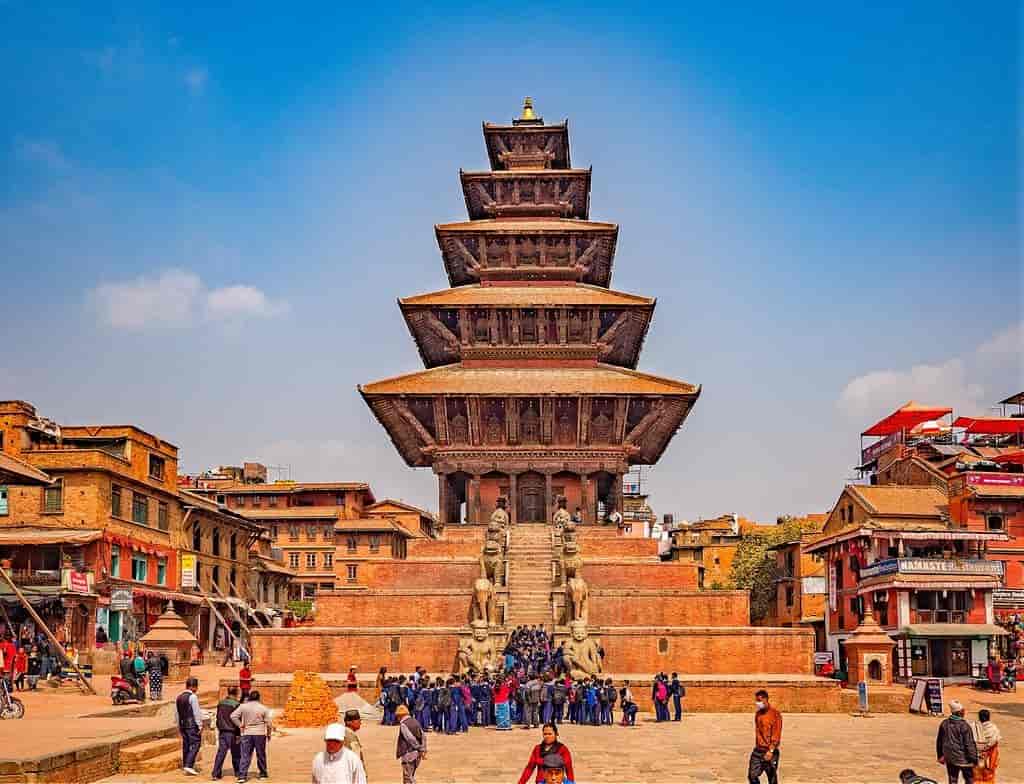
| Nyatapola Temple | A tall five-tier temple in Taumadhi Square and one of Nepal’s landmark pagodas |
| Pottery Square | A courtyard where potters shape and dry clay pots in the open |
| Peacock Window | A masterpiece of Newari woodcarving |
Medieval Architecture
Bhaktapur flourished under the Malla kings, who built palaces and temples of brick, stone and carved timber. The result is a skyline of pagoda roofs, stone sculptures and ornate doorways. Several buildings were damaged in the 2015 earthquake, and rebuilding has continued since, so you may see scaffolding on some structures. Your guide explains the history and symbolism of the carvings as you walk through the old squares.
Local Crafts
- Pottery: Bhaktapur is known for its clay pottery. In the pottery square, you can watch potters spin wheels and set rows of pots out to dry in the sun.
- Woodcarving: Skilled craftsmen carve windows, doors and statues in a tradition passed down through generations.
- Thangka painting and paper crafts: Small workshops and shops sell hand-painted art, handmade paper and traditional items.
- Shopping: Buy pottery, masks, woodcarvings and textiles directly from local artisans, and bargain politely.
Traditional Newari Food
- Juju dhau (king curd): A rich, creamy yogurt set in clay pots and the city’s most famous treat.
- Bara: A savory lentil pancake, sometimes topped with egg or minced meat.
- Choila: Spiced grilled meat served with beaten rice, a Newari favorite.
- Samay baji: A traditional platter of beaten rice with side dishes.
- Yomari: A sweet steamed rice-flour dumpling, usually made in the winter festival season.
- Momos and local tea: Easy to find at cafés and small restaurants around the squares.
Vegetarian travelers can find plenty of options, and your guide can recommend clean, popular places.
Newari Culture
- Living traditions: Festivals, processions and daily rituals keep the old customs alive, and shrines and offerings appear on almost every corner.
- Bisket Jatra: The city’s biggest festival takes place around Nepali New Year in April, with chariot processions and lively street celebrations.
- Everyday life: Look for locals drying grain, weaving or gathering at temples, since the squares remain working neighborhoods.
Visiting Tips
- Visit in the morning for softer light and thinner crowds.
- Wear comfortable shoes, since lanes are uneven and brick-paved.
- Carry a little cash for snacks, juju dhau and small souvenirs.
- Respect local customs, and ask before photographing people or craftwork.
Patan Durbar Square and Newari Craftsmanship
Patan, also called Lalitpur, is the final stop on the Kathmandu, Bhaktapur & Nagarkot Tour and is often called the “City of Fine Arts”. It sits just south of Kathmandu across the Bagmati River, and its Durbar Square is one of the most beautiful heritage sites in the valley. Stone temples, carved palace courtyards and working metal studios make it a fitting end to two days of exploring.
Patan Highlights at a Glance
| Highlight | What Makes It Special |
|---|---|
| Patan Durbar Square | The old royal square, packed with temples and palace courtyards |
| Royal Palace complex | Courtyards such as Mul Chowk and Sundari Chowk, with fine carved details |
| Krishna Mandir | A stone temple honoring Lord Krishna, admired for its detailed carvings |
| Patan Museum | A museum of traditional bronze statues and ritual art, set in the old palace |
| Golden Temple (Hiranya Varna Mahavihar) | A nearby Buddhist monastery with a gilded facade, often a short walk away |
| Craft lanes | Streets where metalworkers and sculptors still create statues by hand |
Palace and Temples
Patan’s rulers built a royal palace and a dense cluster of temples facing the square, so a short walk takes you past many styles of Newari architecture. Look for pagoda roofs, carved wooden windows, stone sculptures, bronze doors and tall pillars topped with statues. The Krishna Mandir, built mostly of stone, stands out from the brick and timber temples around it. Some buildings were damaged in the 2015 earthquake, and restoration work has continued since, so some areas may be under repair during your visit. Your guide explains the history, the gods and the symbolism of each monument.
Metalwork and Newari Craftsmanship
Patan is best known for its metal artisans, who have been casting statues and ritual objects for centuries.
- Lost-wax casting: Craftsmen shape a figure in wax, cover it in clay, melt out the wax and pour in molten metal, creating detailed Buddha and deity statues.
- Bronze and copper work: Statues, prayer bowls, bells, lamps and ritual items are still hand-finished in family workshops.
- Stone and wood carving: Sculptors and carvers continue to produce temple decoration, doors and windows in traditional styles.
- Thangka and handicraft shops: Small shops around the square sell paintings, jewelry and handmade items.
Browsing the nearby lanes is a good way to meet craftspeople, watch them work and take home a meaningful souvenir. Ask about the materials, and bargain politely.
Why Patan Is Called the “City of Fine Arts”
The name reflects centuries of artistic tradition. Newar artisans in Patan have long created sculptures, metal statues and religious art for temples across Nepal and Tibet, and that skill is still visible everywhere you look in the old town.
Visiting Tips
- Visit in the late morning or afternoon, when the light on the carvings is good and the square is lively.
- Wear comfortable shoes, since the square is stone-paved and the lanes can be uneven.
- Carry a little cash for the museum, snacks and small purchases, and ask your guide about any entrance charges.
- Ask permission before photographing craftspeople, and respect local customs at temples.
- Leave time for a cup of tea at a rooftop café with a view over the square.
UNESCO World Heritage Sites on the Kathmandu, Bhaktapur & Nagarkot Tour
Most of the stops on this tour are part of the Kathmandu Valley World Heritage Site, which UNESCO inscribed in 1979. The listing covers seven separate “monument zones”, and six of the tour’s seven stops fall inside them. Together they show why the valley is considered one of the richest cultural landscapes in South Asia: a small area holding centuries of living Hindu and Buddhist tradition, Newari architecture and craftsmanship.
Which Sites Are Listed
| Tour Stop | UNESCO Listed | Why It Matters |
|---|---|---|
| Boudhanath Stupa | Yes | One of the largest stupas in the world and a center of Tibetan Buddhism |
| Pashupatinath Temple | Yes | Nepal’s holiest Hindu temple, dedicated to Lord Shiva |
| Swayambhunath Stupa | Yes | An ancient hilltop shrine sacred to both Buddhists and Hindus |
| Kathmandu Durbar Square | Yes | The old royal palace complex and ceremonial heart of the city |
| Bhaktapur Durbar Square | Yes | A well-preserved medieval royal square and a center of Newari culture |
| Patan Durbar Square | Yes | A showpiece of Newari art, temple building and metalwork |
| Nagarkot | No | A scenic hill village, included for sunrise views rather than heritage |
The seventh monument zone in the valley, Changu Narayan Temple, is not part of the standard route but can be added on request, since it lies close to Bhaktapur.
Why These Sites Matter
- Living heritage: These are not museums. Pilgrims pray, monks chant and locals gather at these sites daily, so you see the traditions in action.
- Architectural importance: The squares and temples are outstanding examples of Newari craftsmanship, with carved wood, brick, stone and bronze.
- Cultural blend: Hindu and Buddhist traditions overlap here in a rare and peaceful way, as you will see at Swayambhunath.
- Historical record: The monuments tell the story of the Malla and Shah dynasties and the old trade routes between India and Tibet.
- Resilience: Many buildings were damaged in the 2015 earthquake, and local communities, craftspeople and conservation groups have worked to repair and rebuild them.
What This Means for Your Visit
- Some monuments may be under restoration, so you may see scaffolding or closed areas.
- Following local rules, such as dress codes, photography limits and respectful behavior, helps protect these sites.
- Your entrance fees support the upkeep of the monuments, and the package covers the fees for the sites listed in the itinerary.
Helpful Tips
- Ask your guide to show you which parts of each site have been rebuilt, which is a fascinating look at modern conservation.
- Visit early in the day for fewer crowds and better light.
- Buy handicrafts directly from local artisans to support the people who keep these traditions alive.
Entrance Fees and Tickets on the Kathmandu, Bhaktapur & Nagarkot Tour
The tour price from Nepal Trip Services covers the entrance fees for the heritage sites listed in the itinerary, so you do not need to queue for tickets or carry extra cash for them. Your guide handles the ticket booths and tells you what each site charges, which is useful if you decide to add a stop or extend your visit. Fees are set in Nepali rupees and change from time to time, so the figures below are a guide to what each ticket is worth.
What the Package Covers
| Site | Typical Foreigner Fee (NPR) | Included in Your Package |
|---|---|---|
| Boudhanath Stupa | About 400 | Yes |
| Pashupatinath Temple | About 1,000 | Yes |
| Swayambhunath Stupa | About 200 | Yes |
| Kathmandu Durbar Square | About 1,000 | Yes |
| Bhaktapur Durbar Square | About 1,500 to 1,800 | Yes |
| Patan Durbar Square (with Patan Museum) | About 1,000 | Yes |
| Nagarkot viewpoint | No standard fee | Not applicable |
Foreign visitors pay around NPR 1,000 at Kathmandu Durbar Square and Patan Durbar Square, and around NPR 1,500 at Bhaktapur Durbar Square. Another operator lists Bhaktapur at NPR 1,800, Boudhanath at NPR 400, Swayambhunath at NPR 200 and Pashupatinath at NPR 1,000 for foreigners. Because sources differ slightly, please treat these as approximate. The total value of all tickets is roughly NPR 5,000 to 5,500 per person.
How Fees Work at Each Site
- Kathmandu Durbar Square: A ticket is checked at the entrance, and it includes the old palace area (Hanuman Dhoka).
- Patan Durbar Square: The ticket includes the Patan Museum. Your guide can arrange time for a visit inside.
- Bhaktapur Durbar Square: The ticket is checked at the gates to the old city. Children under 10 enter free.
- Boudhanath and Swayambhunath: Small entrance fees apply, since the money supports upkeep. The Boudhanath area is also open for walking around the stupa.
- Pashupatinath Temple: The fee covers the temple complex and riverside area. The inner sanctum is open only to Hindus.
- Nagarkot: There is usually no ticket, though some viewpoint towers or cafés may charge a small fee or expect you to buy a drink.
What Is Not Covered
- Optional extras: Additional sites such as Changu Narayan Temple (about NPR 300), extra museums or guided add-ons are not included unless you request them.
- Camera or video charges: A few locations may charge for professional equipment, and your guide will tell you in advance.
- Donations and offerings: Optional donations at temples and monasteries are entirely your choice.
- Food, drinks and souvenirs: These are paid for directly by you.
Helpful Tips
- Keep your passport or a copy handy, since some counters ask for proof of nationality for discounted rates.
- Carry small amounts of Nepali rupees for donations, tea and snacks.
- Hold on to your tickets for the day, as some sites check them more than once.
- If you add a stop, ask your guide for the current fee and any extra transport cost.
Packing List and What to Wear for the Kathmandu, Bhaktapur & Nagarkot Tour
This is an easy cultural tour, so you need comfortable clothes, good walking shoes and a few extras for the cold Nagarkot sunrise and temple visits. Pack light, dress in layers and keep a small daypack for the essentials. The list below works for most seasons, with notes for winter and monsoon.
Packing List at a Glance
| Category | What to Bring |
|---|---|
| Footwear | Comfortable closed walking shoes or sneakers with good grip |
| Clothing | Light, breathable tops and long pants or skirts that cover the knees |
| Warm layers | Fleece or light jacket for sunrise, and a hat and gloves in winter |
| Sun protection | Sunglasses, sunscreen (SPF 30+), sun hat or cap |
| Temple clothing | Shirt that covers the shoulders and a light scarf or shawl |
| Daypack items | Water bottle, camera, power bank, tissues and hand sanitizer |
| Documents and cash | Passport copy, Nepali rupees and some small notes |
Comfortable Shoes
- Closed walking shoes or sneakers: Streets and squares are stone-paved and uneven, and you walk for hours.
- Good grip: Steps at Swayambhunath and wet stone in the monsoon can be slippery.
- Easy on and off: Slip-on shoes are handy, since you may need to take them off at some temples and monasteries.
- Socks: Bring a spare pair, and thick ones for winter mornings.
Warm Layers for Nagarkot
Nagarkot sits at about 2,000 m and is much cooler than Kathmandu at sunrise.
- Spring and autumn: A fleece or light jacket is usually enough.
- Winter (December to February): A warm jacket, thermal layer, hat, gloves and scarf are strongly recommended.
- Monsoon (June to September): A light rain jacket or compact umbrella is more useful than heavy layers.
- Dress in layers, so you can remove them as the sun rises and the day warms up.
Sun Protection
- Sunscreen with SPF 30 or higher, since the sun is strong even on cool days
- Sunglasses with UV protection
- A wide-brim hat or cap for open squares
- Lip balm with SPF
Temple-Friendly Clothing
- Cover your shoulders and knees when visiting temples, stupas and monasteries.
- Choose loose, light fabrics in cotton or linen, which stay cool and comfortable.
- Avoid very short shorts, mini skirts, sleeveless tops and see-through clothing.
- A light scarf or shawl is handy for covering up quickly and for staying warm in the morning.
- Some sites may ask you to remove shoes or hats, so wear clean socks.
Daypack Essentials
- Reusable water bottle (refill when you can, or buy bottled water)
- Camera or smartphone with a charged battery, and a power bank
- Tissues or wet wipes, and hand sanitizer
- Small first-aid items, such as plasters and any personal medicine
- Small umbrella or poncho in the monsoon
- Shopping bag for small souvenirs
Documents and Money
- Passport or a clear photocopy, plus your booking confirmation
- Nepali rupees in small notes for snacks, tea, donations and souvenirs
- Travel insurance details
What to Leave Behind
- Large bags and heavy luggage, since you only need a small daypack
- Expensive jewelry and unnecessary valuables
- Heavy trekking gear, which is not needed on this tour
Helpful Tips
- Check the weather forecast for the days before you travel, and adjust your layers.
- Wear your shoes in before the trip to avoid blisters.
- Keep valuables close in crowded areas and around monkeys at Swayambhunath.
- If you forget anything, shops in Kathmandu sell warm clothing, scarves and rain gear at reasonable prices.
Dress Code and Temple Etiquette on the Kathmandu, Bhaktapur & Nagarkot Tour
Nearly every stop on this tour is a place of worship, so a little respect goes a long way. Nepali temples and stupas are active religious sites, where pilgrims pray, light lamps and perform rituals every day. There is no strict uniform, but modest clothing, quiet manners and awareness of local customs help you blend in and enjoy a warmer welcome. Your guide advises you at each stop, and the tips below give you a head start.
What to Wear
| Item | Recommended | Better to Avoid |
|---|---|---|
| Tops | T-shirts or shirts that cover the shoulders | Sleeveless tops, tank tops, deep necklines |
| Bottoms | Long pants, long skirts or shorts and skirts that cover the knees | Very short shorts, mini skirts |
| Fabric | Light cotton or linen, loose and breathable | See-through or tight clothing |
| Extras | A light scarf or shawl to cover up quickly | Hats and caps inside shrines |
| Footwear | Comfortable closed shoes or easy slip-ons | Dirty, muddy or hard-to-remove shoes |
Footwear Rules
- You are usually asked to remove your shoes before entering temple buildings and monasteries, and sometimes before stepping onto the platform of a stupa.
- Leave your shoes where locals do, or ask your guide where to put them.
- Wear clean socks, as floors may be cold or rough.
- Some sites may not allow leather items inside. Your guide will let you know.
Behavior at Hindu and Buddhist Sites
- Walk clockwise: Pass stupas, prayer wheels and mani walls on your right-hand side, moving clockwise, which is the Buddhist custom.
- Speak softly: Keep your voice low, switch your phone to silent and avoid loud laughter.
- Respect rituals: Do not interrupt prayers, ceremonies or funerals. Stay at a distance, and ask your guide before taking photos.
- Do not touch sacred objects: Avoid touching statues, offerings, prayer flags or ritual items, and never step over them.
- Use your right hand: Offer and receive items, including donations and prasad (blessed food), with your right hand or both hands.
- Avoid pointing your feet: Do not point your feet toward people, statues or altars when sitting.
- Be careful with leather: Some Hindu temples ask visitors to leave leather belts and bags outside.
Site-Specific Notes
- Pashupatinath Temple: The main temple is open only to Hindus. Visitors can explore the surrounding complex and view the riverside rituals from a respectful distance. Cremations are sacred ceremonies, so please do not photograph mourners.
- Boudhanath Stupa: Walk clockwise with the pilgrims, spin the prayer wheels gently and keep your voice down near monks at prayer.
- Swayambhunath: Both Buddhists and Hindus worship here, so keep a respectful tone. Do not feed the monkeys, and keep food and small items out of sight.
- Durbar Squares in Kathmandu, Bhaktapur and Patan: These are living neighborhoods as well as heritage sites. Avoid sitting on temple steps used for worship, and do not climb on monuments.
Photography Etiquette
- Photography is welcome in most outdoor areas, but some inner shrines and rituals have restrictions.
- Always ask before photographing people, priests, monks or sadhus (holy men). Some may ask for a small donation.
- Do not use flash during prayers or inside dark shrines.
- Drones are controlled and often not allowed at heritage sites without a permit.
Helpful Tips
- Bring a light scarf or shawl that you can wear on your shoulders in a moment.
- Carry small notes for donations if you wish to make an offering.
- When unsure, watch what local worshippers do, or ask your guide.
- Greet people with a polite “Namaste” and a smile.
Cultural Etiquette and Local Customs in Kathmandu Valley
Nepal is known for its warmth, and a few simple habits help you connect with the people you meet on the Kathmandu, Bhaktapur & Nagarkot Tour. Most customs are about courtesy, patience and respect for shared spiritual spaces. Locals are forgiving of visitors’ mistakes, so there is no need to worry about getting everything right. The tips below focus on everyday manners, and the earlier dress code section covers temple clothing and shoes in more detail.
Customs at a Glance
| Situation | Do | Avoid |
|---|---|---|
| Greetings | Say “Namaste” with palms together | Rushing into a handshake with older people |
| Stupas and prayer wheels | Walk clockwise | Walking counterclockwise around shrines |
| Giving and receiving | Use your right hand or both hands | Using only your left hand |
| Photography | Ask first | Photographing people, rituals or funerals without permission |
| Bargaining | Stay polite and smile | Raising your voice or getting angry |
| Public behavior | Stay calm and modest | Public affection and loud behavior |
Greetings
- Namaste: Press your palms together at chest level and say “Namaste”, which works for hello and goodbye. In Tibetan Buddhist areas such as Boudhanath, “Tashi Delek” is also a friendly greeting.
- Handshakes: Common in business and with younger people, but let older people and women decide whether to offer a hand first.
- Respectful titles: Using “dai” (older brother) or “didi” (older sister) is a polite, friendly way to address shopkeepers and drivers.
- Smiles help: A simple smile solves many misunderstandings.
Clockwise Walking
- Walk clockwise around stupas, chortens, prayer wheels and mani walls, and spin prayer wheels with your right hand.
- At Hindu temples, follow the flow of local worshippers.
- If you are unsure, watch the crowd or ask your guide.
Photography Etiquette
- Ask permission before photographing people, especially monks, priests, sadhus and elders.
- Respect “no photo” signs and areas where photography is restricted.
- Do not photograph cremations or mourners at Pashupatinath.
- If someone poses for a photo and asks for a small tip, it is your choice, but be clear about it first.
- Avoid flash during prayers, and be careful with drones, which usually need permission.
Everyday Manners
- Right hand: The left hand is considered less clean, so use your right hand to eat, pass items and give money.
- Feet and heads: Avoid pointing your feet at people or sacred objects, and do not touch anyone’s head, including children.
- Food: Do not offer food that you have already tasted, and avoid touching shared dishes with your mouth or used cutlery.
- Leather and meat: Some temples ask visitors to avoid leather, and beef is sensitive for Hindus, so be mindful when you talk about food.
- Public affection: Keep displays of affection low-key, since it is not common in public.
- Patience: Things can run slower than expected, so keep a relaxed attitude and a sense of humor.
Shopping and Bargaining
- Bargaining is normal at markets and souvenir stalls, but do it with a smile and stay friendly.
- Fixed-price shops do not negotiate, and prices in restaurants and museums are set.
- Buying directly from artisans in Bhaktapur and Patan is a great way to support local crafts.
Interacting With Locals
- Do not hand out sweets or money to children, because it encourages begging. If you want to help, donate through a local school or community project, and your guide can suggest options.
- Respect elders: Greet older people first and offer your seat if you can.
- Be careful with religious topics, and ask questions with curiosity instead of judgment.
- Tipping: Tips for guides and drivers are appreciated but optional. A tip is a thank-you for good service.
Responsible Travel Tips
- Carry your litter until you find a bin, and reduce plastic by refilling a water bottle.
- Do not climb on monuments or touch carvings.
- Support local businesses, cafés and craftspeople.
- Follow your guide’s advice and respect closed or restricted areas.
Photography Tips and Rules on the Kathmandu, Bhaktapur & Nagarkot Tour
This tour is a photographer’s dream, with golden sunrise light, carved temples, prayer flags and busy street life packed into two days. A little planning helps you capture it well, and a few simple rules keep you respectful. This section focuses on light, viewpoints and restrictions, since the etiquette section already covers asking permission and manners.
Best Light at a Glance
| Time | Where | What to Shoot |
|---|---|---|
| Sunrise (Day 2) | Nagarkot | Golden hills, valley mist and, on clear days, the Himalayan skyline |
| Early morning | Bhaktapur | Soft light on brick lanes, potters at work and quiet courtyards |
| Late morning | Boudhanath, Pashupatinath | Pilgrims, prayer flags and temple details |
| Midday | Swayambhunath | Valley views and Buddha eyes, though the light is harsher |
| Afternoon | Kathmandu and Patan Durbar Squares | Warm side light on carved windows and temple roofs |
| Evening glow | Boudhanath | Butter lamps and the stupa lit against the dusk, if your schedule allows |
Best Viewpoints
- Nagarkot: Arrive early and pick an open spot facing east and north for the sunrise and mountain line. A viewing tower or ridge gives the widest angle.
- Boudhanath Stupa: Rooftop cafés around the stupa offer a good elevated view of the dome and the circling pilgrims.
- Swayambhunath: The top of the stairs gives sweeping views over Kathmandu, and the Buddha eyes make strong close-ups.
- Pashupatinath: From the opposite bank of the Bagmati River, you can photograph the temple complex and ghats from a respectful distance.
- Kathmandu Durbar Square: Frame carved wooden windows, pagoda roofs and busy courtyards, especially from the raised temple platforms.
- Bhaktapur: Taumadhi Square and the Nyatapola Temple make a classic shot, and the pottery square is great for lively scenes of clay pots drying in the sun.
- Patan Durbar Square: Capture the stone Krishna Mandir, the palace facade and metalworkers in the lanes nearby.
Where Cameras Are Limited
- Inside temples and shrines: Many inner sanctums and some museum rooms do not allow photos, so look for signs and ask your guide.
- Pashupatinath ceremonies: Do not photograph cremations or grieving families.
- Monasteries and monks at prayer: Ask first, and avoid flash.
- Museums such as the Patan Museum: Rules vary by gallery, so check with the staff.
- Drones: Flying a drone in Nepal usually requires permission, and heritage sites are generally restricted, so please do not fly one without clearing it with your guide or the authorities.
- Professional equipment: Some sites may charge extra for tripods, video cameras or commercial shoots.
Photography Tips
- Go early: Morning light is softer and crowds are thinner, which suits both Nagarkot and the heritage squares.
- Bring a zoom lens or use your phone’s zoom: It helps you capture mountains and people from a polite distance.
- Protect your battery: Cold mornings drain batteries fast, so carry a spare and keep it in an inside pocket.
- Use foreground details: Prayer flags, carved windows, lamps and statues add depth and a sense of place.
- Include people carefully: Pilgrims and craftsmen make photos come alive, but always ask first.
- Mind your gear: Monkeys at Swayambhunath and crowds in the squares make it wise to keep your camera strapped to you.
- Be patient: At Nagarkot, clouds can lift in minutes, so wait a little before packing up.
Helpful Tips
- Ask your guide where the best spots and safe angles are, since they know the quiet corners and best timing.
- Back up your photos each evening.
- Carry a lens cloth for dust, mist and fingerprints.
Accommodation Options for the Kathmandu, Bhaktapur & Nagarkot Tour
Hotel accommodation is optional on this tour and is not part of the standard price. That keeps the package flexible, since many travelers already have a hotel in Kathmandu or prefer to choose their own. If you would like Nepal Trip Services to arrange your stay, we can book a hotel that matches your budget, comfort level and location, and quote it separately. Because the tour ends in Kathmandu and the Nagarkot drive starts early on day two, a well-placed hotel makes the trip smoother.
Accommodation at a Glance
| Option | Best For | Notes |
|---|---|---|
| Your own hotel in Kathmandu | Travelers who have already booked | We pick you up and drop you off at your hotel |
| Hotel arranged by Nepal Trip Services | Travelers who want a simple, one-stop plan | Priced separately by hotel category |
| Optional overnight in Nagarkot | Travelers who want a relaxed sunrise without a very early drive | A customization, subject to availability |
| Heritage-area stays (Boudha, Patan or Bhaktapur) | Travelers who want a quieter, more traditional base | Good for longer Kathmandu Valley trips |
Hotels in Kathmandu
Kathmandu has options for every budget, from simple guesthouses to boutique and international-standard hotels. Popular areas include:
- Thamel: The main tourist district, with the widest choice of hotels, restaurants, cafés and shops. It is lively and central, which makes pickups easy.
- Boudha: A calmer neighborhood around Boudhanath Stupa, with monastery views and Tibetan food. It suits travelers who prefer a peaceful, spiritual atmosphere.
- Lazimpat and Durbar Marg: Quieter, more upscale areas with comfortable hotels and good restaurants.
- Patan (Lalitpur): A charming base with heritage guesthouses and good cafés, a little away from the busiest streets.
When choosing a hotel, think about the early morning start on day two, ease of pickup, noise levels and whether breakfast is included in the room rate.
Optional Stay in Nagarkot
Some travelers prefer to sleep in Nagarkot, so they can wake up on the hill and watch the sunrise without a long pre-dawn drive from Kathmandu.
- What to expect: Nagarkot has resorts and guesthouses, many with mountain-view rooms or terraces. Rooms are simple to comfortable, and nights are cooler than in the city.
- Best for: Photographers, couples and anyone who wants a quieter, slower pace.
- Things to know: An overnight stay changes the itinerary, so it needs advance planning. Hotels fill up quickly in October, November and April, so book early.
- Weather: Pack warm layers, since evenings and mornings can be cold, particularly in winter.
How to Request Accommodation
- Tell us your dates and group size when you enquire or book.
- Share your preferences: hotel category (budget, standard, deluxe or luxury), room type and any special needs such as a quiet room, family room or accessible room.
- Choose your area: Thamel, Boudha, Patan or Nagarkot, or let us suggest the best fit for your itinerary.
- Receive a quote: We send hotel options with a separate price, so you can compare before confirming.
- Confirm your booking: Once you approve, we reserve the hotel and send you the details, along with your tour plan.
Helpful Tips
- Book early for the busy seasons of autumn and spring, and around major festivals.
- Ask whether breakfast is included, and whether the hotel can serve an early breakfast or a packed one for the Nagarkot sunrise.
- Let us know your arrival time, so your pickup and hotel check-in work smoothly.
- If you are staying in Kathmandu before or after the tour, tell us, and we can arrange your airport transfers too.
Food and Drink on the Kathmandu, Bhaktapur & Nagarkot Tour
Food is one of the best parts of a Kathmandu Valley tour. Meals are not included in the standard package, which gives you the freedom to eat where you like, at your own pace and budget. Your guide can suggest clean, popular places along the route, from simple momo shops to rooftop cafés with temple views. A few local dishes, a cup of hill tea and a bowl of king curd can turn a sightseeing day into a tasty cultural experience.
Local Foods to Try
| Dish | What It Is | Where You Might Find It |
|---|---|---|
| Momos | Steamed or fried dumplings with vegetable, chicken or buffalo filling | Almost everywhere, especially near Boudhanath |
| Dal bhat | Rice, lentil soup, vegetable curry and pickle, often with free refills | Local restaurants in all three cities |
| Juju dhau (king curd) | Thick, creamy yogurt set in clay pots | Bhaktapur |
| Bara | A savory lentil pancake, sometimes with egg or minced meat | Newari restaurants in Patan and Bhaktapur |
| Choila | Spiced grilled meat with beaten rice | Newari eateries |
| Thukpa | A warming Tibetan noodle soup | Boudha, and cafés on the Nagarkot hill |
| Samosas and sel roti | Fried snacks and sweet rice-flour rings | Street stalls and tea shops |
King Curd in Bhaktapur
Juju dhau means “king of yogurts”, and Bhaktapur is famous for it. The rich, lightly sweet curd is made from buffalo milk and served in small clay pots, which add a gentle earthy flavor. It is a perfect cool treat after walking the old brick lanes, and many travelers take a pot back with them as a souvenir.
Momos
Momos are Nepal’s favorite snack and a great introduction to local flavors. Try steamed (the lightest), fried (crisper) or jhol momo (dumplings in a spicy broth). Vegetarian momos are easy to find, and you can add chili sauce to your taste.
Tea Stops and Drinks
- Masala tea (chiya): Sweet, milky tea with spices, available at tiny street stalls and cafés.
- Butter tea and Tibetan tea: Salty, creamy teas that you may find near Boudhanath.
- Coffee and hot chocolate: Many rooftop cafés around Patan, Bhaktapur and Boudha serve good coffee with a view.
- Nagarkot sunrise tea: A hot cup of tea or coffee at a hilltop café is a lovely way to enjoy the first light.
- Local drinks: Nepali beer and spirits such as raksi are available, but do not drink alcohol at religious sites.
Vegetarian and Special Diets
- Vegetarian travelers are well catered for, with dal bhat, vegetable momos, noodles, soups and fresh fruit widely available.
- Vegan options are possible if you ask for dishes without butter, ghee, cheese or yogurt.
- Gluten-free choices exist, but they are limited, so carry snacks if you have strict needs.
- Please tell us about allergies in advance, and ask restaurants clearly about ingredients.
Safe Water and Staying Healthy
- Do not drink untreated tap water.
- Buy sealed bottled water, or use filtered or purified water, and check that the seal is unbroken.
- Use a refillable bottle with a filter or purification tablets to reduce plastic waste.
- Avoid ice in drinks unless you know it is made from filtered water.
- Wash or sanitize your hands before eating, and carry tissues or wipes.
- Choose busy, clean-looking restaurants, and be cautious with raw salads and unpeeled fruit if you have a sensitive stomach.
- Start gently if you are not used to spicy food, and pack basic stomach remedies and rehydration salts.
What Is Included
Meals and drinks are not covered in the standard package, so breakfast on day two, lunches, dinners, tea stops and snacks are paid directly by you. Day two begins early, so you can choose to have breakfast in Nagarkot after sunrise or in Bhaktapur later in the morning. Prices are generally low, and a simple meal or snack is inexpensive.
Helpful Tips
- Carry small notes for tea, snacks and street food.
- Ask your guide for restaurant recommendations that suit your taste and budget.
- Eat lighter before the sunrise drive, especially if hill roads make you queasy.
- Be open to trying new flavors, but go slowly if your stomach is not used to local food.
Transportation and Road Conditions on the Kathmandu, Bhaktapur & Nagarkot Tour
This tour runs entirely by private vehicle, and distances are short, but drive times vary. Kathmandu’s rush-hour traffic can double a city transfer, and the winding road to Nagarkot is slower than its length suggests. Here is what to expect so you can plan your two days realistically.
Transport at a Glance
| Leg | Approx. Distance | Typical Drive Time |
|---|---|---|
| Kathmandu to Nagarkot | 30 to 32 km | 1.5 to 2 hours |
| Nagarkot to Bhaktapur | About 14 km | 30 to 45 minutes |
| Kathmandu to Bhaktapur | About 16 km | 45 minutes to 1.5 hours |
| Bhaktapur to Patan | About 13 km | 30 to 60 minutes |
| Day 1 sightseeing transfers | 3 to 8 km each | 15 to 40 minutes each |
Times are approximate and change with the hour, the season and roadworks.
Private Vehicle Options
The price includes a private vehicle and driver, with hotel pickup and drop-off in Kathmandu. The vehicle is matched to your group size:
- Car: Solo travelers and couples
- Jeep or SUV: Small groups and families
- Van or minibus: Larger groups, with room for bags and cameras
Tell us your group size, luggage and any mobility needs when you book. Self-driving is not recommended for most visitors, since traffic is heavy, driving norms differ and an International Driving Permit is required.
Traffic in Kathmandu
- Peak hours: Roughly 8 to 10 am and 4 to 7 pm, especially around Koteshwor and the Ring Road
- Midday: Lighter, though lanes near Durbar Square and Boudhanath can still be slow
- Festivals: Dashain, Tihar and local jatras can bring road closures and delays
- Early morning: Roads are quiet, which is why the Nagarkot drive starts before dawn
The Nagarkot Hill Road
The road is mostly paved but narrow, steep and full of bends, climbing from about 1,400 m to 2,000 m. Surface quality varies, and some upper sections can be rough. Fog is possible on winter mornings, and the monsoon (June to September) can bring mud, slippery patches and occasional landslide delays. Your driver adjusts the pace to the conditions, and the tour still runs in the rain.
Driving Time on Your Tour
- Day 1: About 1.5 to 2.5 hours of driving, spread across short city hops
- Day 2: About 3.5 to 5 hours of driving, from the pre-dawn Nagarkot drive through Bhaktapur and Patan to your Kathmandu drop-off
Helpful Tips
- Confirm your pickup time the evening before the Nagarkot drive.
- If you get carsick, sit in the front, eat lightly and take medicine before you start.
- Wear layers, since the car is warm in the city but cold on the hill at dawn.
- Wear a seat belt, and expect motorcycles, pedestrians, animals and frequent horns.
- Leave buffer time if you have a flight or onward travel on the evening of day two.
- Ask your guide to adjust the schedule for festivals, strikes, roadworks or heavy rain.
Difficulty and Accessibility on the Kathmandu, Bhaktapur & Nagarkot Tour
This is an easy-grade cultural tour. You walk at your own pace with a private vehicle always nearby. Most walking is on flat stone or brick lanes, with one main climb at Swayambhunath that you can skip. Because the tour is private, rests, shorter stops and route changes are simple to arrange.
Difficulty at a Glance
| Stop | Walking Level | Steps / Terrain | Seniors & Families |
|---|---|---|---|
| Boudhanath Stupa | Easy | Flat circular plaza | Very suitable |
| Pashupatinath Temple | Easy to moderate | Some steps and uneven stone near the river | Suitable with care |
| Swayambhunath Stupa | Moderate (by main stairs) | Steep stone staircase, or easier road entrance | Use the road entrance |
| Kathmandu Durbar Square | Easy | Flat, with steep temple plinths | Very suitable |
| Nagarkot sunrise | Easy | Short walk to the viewpoint, cold at dawn | Suitable with warm layers |
| Bhaktapur Durbar Square | Easy to moderate | Brick lanes and gentle slopes | Suitable |
| Patan Durbar Square | Easy | Flat stone paving | Very suitable |
Swayambhunath: Steps or Road
There are two ways to the stupa:
- Eastern stairway: The traditional route is a steep stone staircase, commonly called the “365 steps”. Counts differ, and one local writer reports 424 steps after post-earthquake repairs. Expect a 15 to 25 minute climb with rest breaks, past prayer wheels, statues and monkeys.
- Western road entrance: Vehicles can drive up a winding road to a higher parking area, followed by a short, gentle walk with minimal steps into the main compound. This is the best choice for seniors, young children and anyone with knee or breathing concerns.
- Accessibility: The main stupa and the 365 steps are not wheelchair or stroller accessible, though the road to the back of the complex has a gentler incline and fewer steps.
Tell your guide which route you prefer, and the driver will plan the stop accordingly.
Walking Distances
- Day 1: Roughly 3 to 5 km of easy walking in total, spread across four sites and broken up by vehicle transfers
- Day 2: Roughly 2 to 4 km, mostly slow strolling through Bhaktapur and Patan, plus a short walk at Nagarkot
- Surfaces: Uneven stone and brick paving, with high temple steps and the occasional puddle after rain
- Pace: Most stops take 45 minutes to 1.5 hours, with chances to sit and rest
These figures are approximate and depend on how long you linger.
Suitable For
- Seniors: Good for most active seniors who can walk slowly on uneven ground. Choose the Swayambhunath road entrance, take breaks and let us know about any mobility needs when you book.
- Families with children: A good fit for school-age children. Keep a close eye on young ones near busy roads, monkeys, steep steps and the river at Pashupatinath.
- Toddlers and babies: Doable with a carrier, but strollers do not work on steps and rough paving. A baby carrier is much more practical.
- Wheelchair users or limited mobility: Possible with planning, but many temples have steps and uneven ground. Contact us in advance so we can adjust the route and stops.
Other Things to Consider
- Altitude: Nagarkot is about 2,000 m, but the height is mild and rarely causes problems.
- Early start: Day two begins before dawn, which can be tiring for seniors and young children.
- Weather: Cold mornings, hot afternoons and monsoon rain make a difference to comfort.
- Health: Carry any regular medicines and tell your guide about heart, breathing or knee conditions.
Helpful Tips
- Wear comfortable closed shoes with good grip, since steps and stone get slippery when wet.
- Take the Swayambhunath road entrance if you are unsure about the stairs.
- Carry water, sun protection and a light layer for the cold sunrise.
- Ask your guide for rest stops, cafés and benches along the route.
- Keep food and small items out of sight near the monkeys.
- Tell us about mobility needs, child ages or health concerns when you book, so we can plan the right pace and route.
Tour Safety and Health Tips on the Kathmandu, Bhaktapur & Nagarkot Tour
This is a low-risk cultural tour, and your guide and driver look after the logistics. Most problems are small ones, such as an upset stomach, a dusty throat, a cold dawn or a bag left unwatched in a crowd. A few simple habits keep both days smooth.
Safety at a Glance
| Topic | Main Concern | Simple Fix |
|---|---|---|
| Food and water | Stomach upsets | Bottled or filtered water, busy restaurants |
| Air quality | Dust and traffic fumes | Light mask, especially in dry months |
| Crowds | Pickpockets and distraction | Zipped daypack, phone in front pocket |
| Weather | Cold dawn, sun, monsoon rain | Layers, sunscreen, rain jacket |
| Monkeys | Snatched food and small items | Keep items out of sight at Swayambhunath |
| Roads | Busy traffic and motion sickness | Seat belt, eat lightly before hill drive |
Staying Well
- Water: Drink only bottled, boiled or filtered water, and skip ice in drinks. Medical advice is recommended if you develop a fever or diarrhoea.
- Food: Choose busy, clean-looking places, and be cautious with raw salads and unpeeled fruit. Start gently with spicy food.
- Hygiene: Carry hand sanitizer or wipes, especially before eating.
- Air quality: Pollution is a serious health concern in the Kathmandu Valley, and many travelers use particulate-filtering masks during the dry season. Visitors with asthma or lung conditions should carry a mask and any inhaler.
- Sun and cold: The sun is strong even on cool days, and Nagarkot is cold at dawn. Use sunscreen, a hat and layers.
- Medicines: Bring personal medicine, motion-sickness tablets and basic first-aid items.
- Medical care: Facilities are good in Kathmandu but limited outside it, so travel insurance with medical cover is strongly recommended.
Handling Crowds
Boudhanath, Pashupatinath, Swayambhunath and the Durbar Squares can be busy, especially in autumn and on festival days.
- Visit early in the day, when sites are quieter and the light is better.
- Agree on a meeting point and time with your group in case you get separated.
- Stay alert on narrow lanes, where motorcycles, pedestrians and rickshaws share the space.
- Keep children close, particularly near the Bagmati River, steep steps and traffic.
- Avoid sudden crowds, demonstrations and strike gatherings, and ask your guide about any disruptions.
- Be polite but firm with persistent souvenir sellers, and agree prices before buying.
Keeping Valuables Safe
Nepal’s crime rate is low, but petty theft happens. Official advice warns of pickpockets and bag-snatchers, especially in airports, on buses and in popular tourist areas. Busy temple areas and festival crowds raise the risk, though pickpocketing is not rampant.
- Leave passports, spare cards and extra cash in your hotel safe, and carry a photocopy instead.
- Use a zipped daypack worn in front in crowds, and keep your phone in a secure inner pocket.
- Never leave bags in the vehicle with windows open, and ask your driver where to store items.
- Carry only the cash you need, in small notes for tea, donations and snacks.
- Watch your camera and sunglasses at Swayambhunath, where monkeys can grab items.
- Skip flashy jewelry and expensive accessories.
- Back up photos each evening, and consider a phone strap or cross-body bag.
Emergency Contacts
Nepal’s emergency numbers are police 100, fire 101, ambulance 102, traffic police 103 and tourist police 1144. Save these and your guide’s number in your phone before you start. Your guide can also help with a doctor, pharmacy or police report if needed.
Helpful Tips
- Take out travel insurance that covers medical care, trip delays and lost belongings.
- Tell your guide about allergies, medical conditions or mobility needs before the tour.
- Keep your phone charged, and carry a power bank.
- Wear a seat belt, and avoid walking alone in unlit areas after dark.
- Follow your guide’s advice on photography, restricted areas and local customs.
- If you feel unwell, say so early, since your private schedule can be adjusted to allow a break.
Tour Customization Options for the Kathmandu, Bhaktapur & Nagarkot Tour
Because this tour is private, you can reshape it to fit your time, energy and interests. You can add stops, change the start time, sleep on the hill or stretch the trip into a longer valley stay. Extras may change the price, so tell us what you have in mind when you book.
Customization at a Glance
| Option | What Changes | Best For |
|---|---|---|
| Extra stops | Adds 1 to 3 hours, plus any entrance fees | Culture and history lovers |
| Overnight in Nagarkot | Sunrise without a pre-dawn drive | Photographers, couples, relaxed travelers |
| Adjusted timings | Later start, shorter days or a different order | Seniors, families, late arrivals |
| Longer valley stay | Extra days and hotel nights | Travelers wanting a slower pace |
| Private upgrades | Vehicle, guide language or hotel category | Larger groups, special needs |
Extra Stops You Can Add
- Changu Narayan Temple: A UNESCO site north of Bhaktapur and one of Nepal’s oldest temples. It is an easy add-on to a day in Bhaktapur. Allow about 1 to 1.5 hours, and expect a small extra entrance fee.
- Budhanilkantha: A large reclining Vishnu statue on the northern edge of the valley. It is a short visit, but traffic can make it a long detour.
- Kirtipur or Bungmati and Khokana: Quiet Newari towns near Patan, good for craft and village life.
- Dhulikhel: The drive from Kathmandu takes about an hour. It pairs well with Nagarkot for a second viewpoint and a calmer old town.
- Namobuddha and Panauti: Namobuddha is about two hours southeast of Kathmandu. It suits a spiritual, village-style day, and is usually a separate day trip rather than a quick add-on.
- Museums and cafés: Patan Museum, a rooftop lunch or a pottery workshop in Bhaktapur can fit into the existing schedule.
Adding distant stops makes the day long, so we usually suggest swapping one site rather than packing in everything.
Overnight in Nagarkot
This is the most popular change. Instead of leaving Kathmandu before dawn, you drive up on the afternoon of day one, sleep on the hill and wake up minutes from the viewpoint.
- Benefits: No early start, a sunset as well as a sunrise, and a chance to walk quietly around the hill.
- Itinerary shift: Day one ends in Nagarkot, then day two covers sunrise, Bhaktapur and Patan before returning to Kathmandu.
- Things to know: Book early for October, November and April. Evenings and mornings are cold, so bring warm layers. Dinner options are limited to your hotel and a few cafés.
- Extra cost: Hotel and meals are paid separately.
Adjusted Timings
- Later or earlier start: Move the day-one pickup, or shift the sunrise drive to suit the season.
- Slower pace: Shorten day one by dropping a stop, or add rest breaks and a longer lunch.
- Reverse order: Do Bhaktapur and Patan first and save Nagarkot for a sunset on the second day, which helps if the weather is cloudy.
- Flight-friendly: Arrange an early or late finish to match your arrival or departure.
- Weather swap: If a morning is cloudy, the plan can sometimes shift by a day, depending on availability.
Longer Kathmandu Valley Stay
If you have more time, the tour can grow into a 3 to 5 day valley trip.
- Extra Kathmandu day: Visit Thamel, the National Museum, local markets or a cooking class.
- Heritage base: Stay in Boudha, Patan or Bhaktapur for a quieter, more traditional stay.
- Hill-town extension: Add Dhulikhel, Namobuddha and Panauti for a village-and-monastery experience.
- Short hike: Hiking from Bhaktapur to Nagarkot via Changu Narayan is a popular option. It suits moderate walkers and can be arranged with a guide.
- Onward travel: Link the tour with Pokhara, Chitwan or a trek, with airport transfers if needed.
Other Upgrades
- Vehicle: Choose a larger van for groups, or a more comfortable vehicle on request.
- Guide: Ask in advance if you need a language other than English.
- Hotel category: Budget, standard, deluxe or luxury, quoted separately.
- Meals: Pre-book lunch or a special Newari meal in Bhaktapur.
- Special needs: Adjust walking, steps and rest stops for seniors, children or mobility needs.
Helpful Tips
- Share your dates, group size and interests when you enquire, so we can suggest the best mix.
- Pick one or two additions instead of many, since the valley’s traffic limits how much fits in a day.
- Book early for October, November and April, especially for Nagarkot stays.
- Ask for a revised price in writing before confirming, since extra stops, hotels and time may cost more.
- Keep some flexibility on the day, since your guide can adapt for weather, festivals and traffic.
Combine With Other Nepal Trips: Build a Longer Itinerary
The Kathmandu, Bhaktapur & Nagarkot Tour is a good opening for a longer Nepal trip. It covers the valley’s culture in two days, so you can move on to lakes, jungle or mountains afterward. Here is how to add Pokhara, Chitwan or a short trek, with realistic travel times.
Add-On Options at a Glance
| Add-On | Best For | Extra Days | Getting There from Kathmandu |
|---|---|---|---|
| Pokhara | Lakes, mountain views, relaxed pace | 2 to 3 | 25-minute flight or 6 to 8 hours by road |
| Chitwan | Wildlife, jungle safari, Tharu culture | 2 to 3 | 5 to 6 hours by road |
| Short trek (Poon Hill) | First taste of the Himalayas | 4 to 5 | Via Pokhara |
| Lumbini | Buddhist pilgrimage | 2 to 3 | Long road trip or flight |
Pokhara
Pokhara is a lakeside town below the Annapurna range and the easiest extension. Typical days include a Phewa Lake boat ride, the World Peace Stupa, Sarangkot sunrise, Devi’s Fall and a relaxed Lakeside evening.
- By air: The flight takes about 25 to 30 minutes, but door-to-door the trip runs closer to 2 to 3 hours once airport time is included. Flights can be delayed by weather.
- By road: A private vehicle takes about 6 to 8 hours. The highway is scenic but slow, and traffic or roadworks can add hours.
- Suggested stay: 2 to 3 nights.
Chitwan
Chitwan National Park is the best choice for wildlife and a change of scene from temples. Common activities are jeep safaris, guided jungle walks, canoe rides, birdwatching and a Tharu cultural show. Rhinos are the highlight, with tigers rarely seen.
- By road: Kathmandu to Chitwan takes about 5 to 6 hours. Pokhara to Sauraha takes a similar time by bus.
- By air: There are short flights to Bharatpur, with a transfer to Sauraha.
- Suggested stay: 2 nights, giving you a full day of activities.
- Best season: October to March is cooler and better for wildlife. Summer is hot, humid and wet.
A Short Trek
If you have a few extra days, a short, easy trek is a good first taste of the mountains. The Poon Hill trek is the most popular, with sunrise views over the Annapurna and Dhaulagiri ranges and rhododendron forest in spring.
- Route: A typical route flies from Kathmandu to Pokhara, drives to the trailhead and then trekks to Ghorepani.
- Length: Usually 3 to 4 days on foot, with Pokhara before and after.
- Fitness: Moderate, with steep stone steps, so better for active travelers than for young children or seniors with knee problems.
- Alternatives: Mardi Himal and Langtang Valley are longer options. Dhulikhel to Namobuddha is a gentle valley hike for those who prefer something lighter.
Sample Itineraries
- 5 days: Valley and Pokhara. Day 1 to 2: this tour. Day 3: fly to Pokhara. Day 4: Pokhara sightseeing and Sarangkot sunrise. Day 5: fly back to Kathmandu.
- 7 days: Valley and Chitwan. Day 1 to 2: this tour. Day 3: drive to Chitwan. Day 4: jungle activities. Day 5: drive to Pokhara. Day 6: sightseeing. Day 7: return to Kathmandu.
- 9 days: Valley, Chitwan and Pokhara. This is a classic route with the best mix of culture, wildlife and scenery.
- 10 to 12 days: Valley, Pokhara and Poon Hill. Add a short trek after Pokhara, then return to Kathmandu.
We already offer several packages along these lines, including 5-day Kathmandu Valley, 6-day Kathmandu and Pokhara, 7-day Kathmandu, Pokhara and Nagarkot, 9-day Kathmandu, Pokhara and Chitwan, 10-day Nepal Highlights and Poon Hill trek combinations. Ask us to adapt one with this tour as the start.
Planning Considerations
- Fly or drive: Flying saves time but can be delayed by weather. Driving is slower but reliable in good conditions, and is a good way to see the countryside.
- Return flights: Mountain weather affects flights, so leave a buffer day before an international departure.
- Season: Autumn and spring suit all three add-ons. In winter, Poon Hill is cold, and the monsoon affects roads and views.
- Pace: Do not rush. Long road days are tiring, so avoid stacking them back to back.
- Costs: Hotels, meals, flights and park fees are quoted separately for any extension.
Helpful Tips
- Tell us your total days, interests and fitness level so we can suggest the right mix.
- Book domestic flights and Chitwan lodges early for October, November and April.
- Pack lighter for flights, since domestic baggage limits are strict.
- Keep a spare day at the end for delays, especially if you have a long-haul flight.
- Keep this tour at the start if you want to see Kathmandu while you are fresh, then head west to rest.
Money, Tipping and Local Shopping on the Kathmandu, Bhaktapur & Nagarkot Tour
Entrance fees, transport and your guide are covered by the tour price, so you only need cash for meals, drinks, souvenirs and tips. A small amount of Nepali rupees in mixed notes is enough for most of the trip. Here is how to handle money, tip fairly and shop well.
Money at a Glance
| Topic | What to Know |
|---|---|
| Currency | Nepali rupee (NPR), and only rupees are used for everyday purchases |
| Cash needed | Small notes for tea, snacks, donations and souvenirs |
| ATMs | Available in Kathmandu, but with fixed fees and limits |
| Cards | Accepted in some hotels and larger shops, but not at small stalls |
| Tipping | Optional, in cash, for guide and driver |
| Bargaining | Normal at markets, with a smile |
Currency and Exchange
- Exchange rate: One source reported about 133 NPR per US dollar in January 2026, and notes that Thamel exchange counters usually beat the airport. Rates change, so check the current rate before you travel.
- Where to exchange: Licensed money changers in Thamel, banks or your hotel. Avoid street changers, and count your notes before leaving the counter.
- Notes: Keep a few small notes (NPR 10, 20, 50, 100) for donations, tea and tips, since large notes are hard to break at small stalls.
- Foreign cash: Dollars are sometimes accepted by tour operators, but shops and cafés expect rupees.
ATMs and Cards
- Limits: Most ATMs allow NPR 10,000 to 35,000 per transaction.
- Fees: There are no fee-free ATMs in Nepal, and bank fees typically range from NPR 500 to 800 per transaction. Your home bank may add its own foreign fee as well.
- Best habit: Make one larger withdrawal instead of several small ones, since the local fee is fixed.
- Decline currency conversion: If the machine offers to charge you in your home currency, choose NPR to avoid extra markups.
- Cards: Larger hotels and some shops take Visa and Mastercard, though a surcharge of 3 to 4 percent is common. Small shops, cafés and temples are cash only.
- Tell your bank: Let your bank know you are travelling, and carry a backup card.
How Much Cash to Carry
Since the tour covers transport, guide and entrance fees, you need cash only for extras:
- Meals and drinks: Lunch and dinner cost roughly USD 15 to 20 per person per day in Kathmandu. Local cafés and momo shops are cheaper.
- Souvenirs: Set your own budget, and keep some cash for small purchases.
- Donations: A few small notes for temples and monasteries.
- Tips: Prepare these in advance (see below).
Fair Tipping for Guides and Drivers
Tipping is optional, but it is customary and appreciated. Tips are given in cash for good service, and your guide can advise on suitable amounts. Amounts below are group totals per day, not per person, and are only guidelines.
| Role | Suggested Tip (Group, per Day) |
|---|---|
| Private tour guide | NPR 1,000 to 1,500 (about USD 8 to 12) |
| Driver | NPR 500 to 1,000 (about USD 4 to 8) |
For a Kathmandu day tour of the main UNESCO sites, a tip of NPR 1,000 to 1,500 per day is standard for a private guide. Other guides suggest USD 5 to 10 per day for drivers, given as a group total. For a two-day tour, a combined total of about NPR 3,000 to 5,000 is typical.
- Tip at the end of the tour, in rupees, and hand it over discreetly.
- Give more for excellent service, long days or extra help with children, seniors or luggage.
- In a group, split the tip between you.
- Tell us if you prefer to tip through the office instead.
Souvenirs and Local Shopping
The three cities are known for good handicrafts, and buying directly from artisans supports local families.
- Bhaktapur: Clay pottery, woodcarvings, masks and handmade paper.
- Patan: Bronze and copper statues, singing bowls and fine metalwork.
- Boudhanath: Thangka paintings, prayer flags, incense and Tibetan jewelry.
- Thamel and Kathmandu: Pashmina shawls, tea, spices, handmade bags and trekking clothes.
Shopping Tips
- Bargain politely: Start at about half to two-thirds of the first price, and stay friendly. Fixed-price shops do not negotiate.
- Check quality: Real pashmina, silver and bronze are costly. Ask about materials, and be wary of “too good” prices.
- Antiques: Genuine antiques cannot be freely exported from Nepal, so choose modern crafts and ask the shop about paperwork if needed.
- Pack well: Ask the shop to wrap fragile items such as pottery, and keep sharp items such as knives in checked luggage.
- Compare first: Visit two or three shops before buying, and ask your guide for trusted workshops.
- Beware of “commission” shops: Your guide can suggest honest places, but you are free to skip any shop.
Helpful Tips
- Carry small notes in a separate pocket from your main cash.
- Keep most of your cash in the hotel safe, and carry only what you need for the day.
- Count your change at every purchase, and keep receipts for bigger items.
- Do not give money or sweets to children begging. Your guide can suggest a school or community project to support instead.
- Ask for rupees when you change money, so you are not left with leftover dollars.
- Spend your last rupees before leaving, since exchanging them back at home is often difficult.
Travel Insurance and Visa Information for the Kathmandu, Bhaktapur & Nagarkot Tour
Insurance and a visa are not included in the tour price, so both need sorting out before you arrive. Neither is difficult, and most visitors finish the visa on arrival in under an hour. Rules and fees can change, so check the official sources below close to your travel date.
Before You Arrive at a Glance
| Item | What to Arrange | When |
|---|---|---|
| Passport | Valid for at least 6 months, with blank pages | Check now |
| Visa | Tourist visa, online form or on arrival | Up to 15 days before, or at the airport |
| Travel insurance | Medical, evacuation, trip delay and baggage cover | Before you book flights |
| Cash | US dollars for the visa fee, plus some rupees | At arrival |
| Documents | Passport photos, hotel address, return ticket details | In your hand luggage |
Tourist Visa for Nepal
All foreigners except Indian citizens need a visa. Most visitors get a tourist visa on arrival at Tribhuvan International Airport, or by land at border crossings.
- Fees: The multiple-entry tourist visa costs USD 30 for 15 days, USD 50 for 30 days and USD 125 for 90 days. A 15-day visa is enough for this 2-day tour, though 30 days is safer if you add Pokhara, Chitwan or a trek.
- Online form: You can complete the form on the official portal before your trip, or at a kiosk on arrival, and the receipt is valid for 15 days. Filling it in beforehand usually saves time in the queue.
- At the airport: Complete the form, pay the fee at the bank counter, then go to the immigration desk with your passport, form and receipt.
- Payment: Carry the exact fee in US dollars if you can. Cards are sometimes accepted, but cash is the safest option.
- Photos: Bring a passport-size photo or two, in case the kiosk does not take one.
- Extensions: Extensions can be processed at immigration offices, with a minimum of 15 days. The total stay is limited to 150 days per calendar year.
- Eligibility: Some nationalities have special rules, such as Indian citizens needing no visa, while a few passports are not eligible for visa on arrival. Check the official site for your passport.
Official sites: the Department of Immigration (immigration.gov.np) and the online application portal. Avoid third-party sites that charge extra fees.
Travel Insurance
This tour is gentle and low in altitude (maximum 2,175 m at Nagarkot), but insurance is still strongly recommended. Hospitals in Kathmandu are decent, though care outside the valley is limited, and private treatment can be costly.
- Medical cover: Hospital, doctor and medicine costs, with a good limit.
- Emergency evacuation and repatriation: Important if you extend to remote areas.
- Trip cancellation and delay: Covers missed flights, strikes, weather delays and cancelled bookings.
- Baggage and valuables: Lost bags, stolen phones and cameras, with limits that match your gear.
- Personal liability: Useful for accidents involving others.
- Adventure add-ons: Needed only if you add trekking, rafting or a helicopter flight. Check the maximum altitude and activities covered.
- Existing conditions: Declare any, and check that your policy covers them.
Insurance Tips
- Buy your policy soon after booking flights, so cancellation cover starts early.
- Keep your policy number and the emergency assistance phone number in your phone and on paper.
- Keep receipts, medical reports and police reports for any claim.
- Check whether the insurer pays directly or requires you to pay first and claim later.
- If you take regular medicine, carry it in original packaging with a doctor’s note.
Health Checks Before You Travel
- Speak to a travel clinic or doctor about routine vaccines and any recommended extras for Nepal, ideally 4 to 8 weeks before departure.
- Some countries’ arrivals may need proof of yellow fever vaccination, so check the official advice for your route.
- Carry basic medicines for stomach upsets, colds, allergies and pain.
Helpful Tips
- Make digital and paper copies of your passport, visa, insurance and booking confirmations.
- Share your passport details and arrival time with us when you book, so your pickup runs smoothly.
- Keep your return flight details handy, since immigration may ask for them.
- Allow extra time at the airport in October, November and April, when queues are longest.
- Check the latest rules on the official Department of Immigration website and your government’s travel advice page before you fly.
Responsible Tourism in the Kathmandu Valley
The sites on this tour are living places. Pilgrims pray at them, families live beside them, and craftspeople still work in them. Your visit can help protect them or add to the pressure on them. A few simple habits make a real difference, and most cost nothing.
Responsible Travel at a Glance
| Area | What You Can Do |
|---|---|
| Heritage sites | Respect rules, avoid climbing on monuments, and support restoration through entrance fees |
| Waste and plastic | Carry a refillable bottle and take your litter with you |
| Local economy | Buy from artisans, eat at local places and tip fairly |
| Culture | Dress modestly, ask before photographing and follow temple customs |
| Environment | Reduce water and energy use, and stay on paths at Nagarkot |
| Community | Choose ethical experiences and give through trusted local projects |
Protecting Heritage Sites
Many monuments here were damaged in the 2015 earthquake, and repair work continues. Careful visitors help protect what remains.
- Do not climb or lean: Stay off temple plinths, carved struts and statues unless they are open for use.
- Do not touch carvings or murals: Oils from hands damage old wood, paint and stone.
- Follow signs and your guide: Closed areas and scaffolding are there for safety and conservation.
- Skip drones and tripods without permission: Heritage sites often restrict them.
- Pay entrance fees willingly: Tickets help fund upkeep, and your tour price already covers them.
- Respect worship: Do not interrupt prayers, rituals or funerals, and keep your voice low.
- Be aware of restoration: Ask your guide which sections have been rebuilt, which shows how conservation works in practice.
Reducing Waste and Plastic
Waste is one of the valley’s biggest problems. One estimate says over 400,000 plastic bottles are discarded in Kathmandu each day, and most end up in landfill. Bottled water is cheap, but there are few recycling facilities to deal with the bottles left behind.
- Bring a refillable bottle, and refill from filtered water at your hotel or a safe refill point.
- Carry your litter until you find a bin, and take it back to Kathmandu from Nagarkot. Nagarkot borders the Shivapuri-Nagarjun National Park, where entry fees support conservation.
- Say no to plastic bags and straws, and carry a small cloth bag for shopping.
- Never throw rubbish into rivers, including the Bagmati at Pashupatinath.
- Choose hotels and cafés that use filtered water, local ingredients and sensible waste practices.
Supporting Local Communities
Spending in the right places keeps money in neighborhoods that care for the heritage.
- Buy directly from artisans: Handmade crafts from fair-trade shops empower local makers. Bhaktapur’s potters, Patan’s metalworkers and Boudha’s thangka painters rely on direct sales.
- Try a workshop: Pottery in Bhaktapur, woodcarving or thangka painting give craftspeople income and give you a skill. Community-run options exist in places such as Thimi, Bungamati and Kirtipur.
- Eat local: Choose small, family-run cafés and Newari restaurants over big chains, and try regional dishes such as juju dhau.
- Stay locally: Small guesthouses, heritage hotels and community homestays spread income further.
- Tip fairly: Guides, drivers and hotel staff depend on tips and fair wages.
- Bargain kindly: Negotiate politely, and do not push prices below a fair level for handmade items.
- Hire local services: Local guides, drivers and porters keep tourism income in Nepal.
Cultural Respect
- Dress modestly at temples, with shoulders and knees covered.
- Walk clockwise around stupas, and follow local customs on shoes and photography.
- Ask permission before photographing people, monks, priests and craftspeople.
- Avoid public displays of affection, loud behavior and disrespect toward religious objects.
- Learn a few Nepali words such as “Namaste” and “Dhanyabad” (thank you).
Children, Begging and Giving
- Do not give money or sweets to children: Giving money directly to beggars, especially children, can encourage begging, so donating to reputable local charities is better.
- Ask your guide about trusted schools, health projects or community groups if you want to give.
- Avoid “orphanage tourism” and any activity that puts children on display.
- Do not buy items from children selling in the street, since this keeps them out of school.
Protecting Nagarkot and the Environment
- Stay on marked paths, and do not pick plants or disturb wildlife.
- Keep noise low near homes, forests and viewpoints.
- Save water and electricity in your hotel, such as switching off lights and reusing towels.
- Do not litter at viewpoints or leave food waste for animals.
- Never feed monkeys at Swayambhunath, since it makes them aggressive and sick.
Choosing Responsible Operators
Ask any tour operator about their guides’ pay, waste practices, local sourcing and community support. Nepal Trip Services uses local guides and drivers, works with local hotels and restaurants and gives pre-tour advice on respectful travel.
Helpful Tips
- Share these habits with your group, especially children.
- Take photos and memories only, and leave sites as you found them.
- Spend some of your budget in small neighborhood shops and cafés.
- Listen to your guide’s stories, since understanding the culture is part of protecting it.
- Report concerns, such as damaged signs or unsafe behavior, to your guide or site staff.
How to Book the Kathmandu, Bhaktapur & Nagarkot Tour
Booking is quick, and you can usually confirm everything in a day. You choose your dates, share a few details and secure the tour with a deposit. This is a private tour, so your plan is built around your group.
Booking at a Glance
| Step | What Happens | Time Needed |
|---|---|---|
| 1. Choose dates and group size | Check the price for your group | 2 minutes |
| 2. Send an enquiry or book online | Use “Book This Trip”, WhatsApp or the enquiry form | 5 minutes |
| 3. Confirm your plan | Share hotel, pickup time and special requests | Within 1 day |
| 4. Pay the deposit | Secure your date | Same day |
| 5. Receive confirmation | Get your itinerary, guide and driver details | Before travel |
Simple Booking Steps
- Pick your dates. The tour runs all year. Autumn (September to November) and spring (March to May) are the busiest, so book early for those months.
- Check the group price. The price falls as the group grows: US$199 per person for 1 traveler, US$149 for 2, US$129 for 3 to 6 and US$100 for 7 to 10. Ask us for a quote for larger groups.
- Send your request. Click “Book This Trip” on the tour page, make an enquiry or message us on WhatsApp or Viber. Our team usually replies within 0 to 2 hours.
- Share your details. Please tell us your names, travel dates, group size, Kathmandu hotel (or if you need one arranged), arrival time and any special needs, such as seniors, children, diet or mobility.
- Review the plan. We confirm your pickup time, the order of sites and any changes, such as an overnight in Nagarkot or an extra stop.
- Pay the deposit. This secures your guide and driver for your dates.
- Get your confirmation. You receive your final itinerary, the pickup time and contact numbers for your guide and driver.
How Early to Book
We recommend booking at least a few days ahead, and earlier in the busy seasons or around festivals such as Dashain and Tihar. Last-minute bookings may be possible, depending on availability. If you want a hotel arranged, give us more notice.
Payment
- Deposit: A deposit secures your booking, with the balance settled before or on the tour. Many Nepal operators ask for a deposit of around 10 percent of the trip cost, and others ask for 20 to 30 percent, so please check the exact amount in your booking confirmation.
- Methods: The website displays Visa, American Express, MasterCard and UnionPay. Cash may also be accepted in person, and bank transfer options can be arranged on request.
- Card fees: Card payments in Nepal often carry a surcharge of around 3 to 4 percent, so ask us about the total before you pay.
- Currency: Prices are quoted in US dollars.
- Receipt: Keep your payment receipt and booking confirmation on your phone and on paper.
- What is not included: Hotels, meals, insurance, tips and personal spending are paid separately, as listed on the tour page.
Cancellation and Changes
Please read the cancellation terms on our Terms and Conditions page before paying. In general, you can expect the following:
- Cancel as early as possible. Operators across Nepal typically treat the deposit as non-refundable, and some require written notice around 20 days before departure.
- Rescheduling is easier than cancelling. If your plans change, ask us to move your tour to a new date. This is often handled with little or no charge when requested early, depending on availability.
- Late changes: Short-notice cancellations and no-shows may be charged in full, because your guide and vehicle are held for you.
- Weather and strikes: If conditions make a stop unsafe or impossible, your guide can adjust the schedule, and any extra costs will be explained first.
- Insurance: Travel insurance with trip cancellation cover can protect you for illness, flight changes and emergencies.
- Get changes in writing. Keep email or WhatsApp confirmation of any change to dates, hotel or price.
Before You Pay: Final Check
- Confirm the tour dates, group size and total price.
- Confirm what is and is not included, such as entrance fees, vehicle, guide and hotel pickup.
- Check the deposit amount, balance due date and payment method.
- Read the cancellation and refund terms.
- Check your passport and visa plans, and arrange insurance.
Helpful Tips
- Book in your own name, exactly as it appears on your passport.
- Give us your arrival flight number, so we can adjust if it is delayed.
- Tell us in advance about allergies, mobility needs and child ages.
- Save our WhatsApp number in your phone, and share your hotel’s phone number.
- Reconfirm your pickup time the evening before the Nagarkot sunrise drive.
- If you are unsure about dates, ask us. We can hold a plan while you check flights.
Frequently Asked Questions (FAQs)
General Tour Information
1. What is the Kathmandu, Bhaktapur & Nagarkot Tour?
It is a 2-day private sightseeing tour of the Kathmandu Valley with Nepal Trip Services. Day one covers Kathmandu’s main religious and historical landmarks, and day two combines a sunrise at Nagarkot with the royal squares of Bhaktapur and Patan. It is a simple way to see Nepal’s culture and heritage in a short time.
2. How many days does the tour take?
The tour takes two days. Day one is about 7 to 8 hours of sightseeing, and day two is about 6 to 7 hours, starting early for the sunrise.
3. Which places are included?
You visit Boudhanath Stupa, Pashupatinath Temple, Swayambhunath Temple and Kathmandu Durbar Square on day one. On day two you visit Nagarkot for sunrise, then Bhaktapur Durbar Square and Patan Durbar Square.
4. Is this a private or a group tour?
It is a private tour arranged only for you and your travel companions. You have your own vehicle and guide, so there are no strangers, no fixed group schedule and no waiting for others.
5. Who is this tour suitable for?
It suits first-time visitors, couples, families, solo travelers and friends. It is graded easy, with short walks and some steps, so most people with basic mobility can enjoy it.
6. Can the itinerary be customized?
Yes. Since the tour is private, you can adjust the timing, the order of stops or the length of time at each site. If you want to add a place or skip one, tell us when you book and we will plan around your wishes.
Itinerary and Sightseeing
7. What do we see on the first day?
You explore Boudhanath Stupa, a major Tibetan Buddhist center, then Pashupatinath Temple, the holiest Hindu temple in Nepal. Afterward you visit Swayambhunath, the hilltop “Monkey Temple”, and finish at Kathmandu Durbar Square, the old royal palace area.
8. What do we see on the second day?
You start before dawn with a drive to Nagarkot for the sunrise. After breakfast, you visit Bhaktapur Durbar Square, followed by Patan Durbar Square, where the tour ends.
9. Where does the tour end?
The tour ends after sightseeing in Patan Durbar Square. Your driver then takes you to your hotel or another location in Kathmandu.
10. How much walking is involved?
You walk short to moderate distances through temple complexes, squares and old streets. The main climb is the set of stone steps at Swayambhunath, and your guide will let you go at your own pace.
11. Can I enter the main Pashupatinath temple?
The main temple building is open only to Hindus, but visitors can explore the surrounding complex, riverside ghats and shrines. Your guide explains what you see and the customs to respect.
12. Can we skip a site or add another stop?
Yes, you can discuss this with your guide or with us before the trip. Extra stops may involve additional transport or entrance costs, and skipping a site does not automatically reduce the price.
13. How much time do we spend at each place?
Time depends on your interests, traffic and the day’s schedule. Most stops take between 45 minutes and 1.5 hours, and your guide helps you balance the day so you do not feel rushed.
Nagarkot Sunrise
14. What time do we leave for Nagarkot?
We leave early in the morning, usually before dawn, so you reach the viewpoint in time for sunrise. The exact pickup time changes with the season and is confirmed the evening before.
15. How far is Nagarkot from Kathmandu?
Nagarkot is about 32 km east of Kathmandu. The drive usually takes 1.5 to 2 hours, depending on traffic and road conditions.
16. Can we see Mount Everest from Nagarkot?
On very clear days, you may see the Himalayan range, and Everest can sometimes be seen as a small distant peak. Visibility depends on the weather and the season, so views of Everest cannot be guaranteed.
17. What if the weather is cloudy?
If it is cloudy, foggy or rainy, the sunrise and mountain views may be limited. The tour continues as planned, and you can still enjoy the hill atmosphere, the fresh air and the rest of the itinerary.
18. Can we have breakfast in Nagarkot?
Yes. You can eat breakfast in a local café in Nagarkot after the sunrise, or continue to Bhaktapur and eat there. Breakfast is paid for by you directly.
19. Is it cold in Nagarkot?
Early mornings can be chilly, especially from late autumn to early spring. Bring a warm jacket, a hat and gloves in winter.
Accommodation and Meals
20. Is hotel accommodation included?
Hotel accommodation is optional and not part of the standard price. You can arrange your own hotel in Kathmandu, or ask Nepal Trip Services to arrange one that fits your budget.
21. Can Nepal Trip Services book a hotel for me?
Yes. Tell us your preferred hotel category, budget and room needs, and we will suggest suitable options and give you a separate quote.
22. Are meals included?
Meals and drinks are not included in the standard package. You can eat at local restaurants and cafés along the way, and your guide can recommend good, clean places.
23. Can I book the tour without a hotel?
Yes. Many travelers already have a hotel in Kathmandu, and the tour can be booked without accommodation.
Transportation and Guide
24. What type of vehicle is provided?
A private car, jeep or van is arranged according to your group size, so everyone travels comfortably with space for bags and cameras.
25. Is a guide included?
Yes. An experienced English-speaking guide stays with you for both days and explains the history, religion and culture of each site. If you need another language, please ask us in advance.
26. Is hotel pickup included?
Yes. Your guide and driver pick you up from your hotel in Kathmandu and take you back or to your preferred location when the tour ends.
Cost and Booking
27. What is included in the tour price?
The price covers the private vehicle, an English-speaking guide, hotel pickup and drop-off, and the entrance fees for the sites listed in the itinerary.
28. What is not included?
Hotel accommodation, meals and drinks, travel insurance, personal expenses, tips and any extra services outside the itinerary are not included.
29. How much does the tour cost?
The price depends on your group size, since larger groups pay less per person. Please contact Nepal Trip Services with your dates and number of travelers for an exact quote.
30. How do I book the tour?
Send us an enquiry with your travel dates, group size and any special requests. Our team confirms the plan, answers your questions and secures your booking with a deposit.
31. How early should I book?
We recommend booking at least a few days ahead, and earlier in the busy seasons of autumn and spring, or around holidays. Last-minute bookings may be possible, depending on availability.
Practical Advice
32. What is the best time to take this tour?
Autumn (September to November) and spring (March to May) offer the most comfortable weather and the best chance of clear mountain views. The tour runs all year, although monsoon clouds and winter cold can affect the sunrise.
33. What should I wear and bring?
Wear comfortable walking shoes and modest clothing that covers shoulders and knees for temples. Bring a warm layer for the morning, sunglasses, sunscreen, a camera, some Nepali rupees and a bottle of water.
34. Is photography allowed at the sites?
Photography is allowed in most outdoor areas, but some temples and inner shrines have restrictions. Your guide will tell you where cameras are not welcome and help you respect local customs.
35. Do I need travel insurance?
Travel insurance is not included, and we recommend buying a policy that covers medical care, trip delays and lost belongings. It is especially useful if you are combining this tour with other trips in Nepal.