Gokyo Lakes Trek For Beginners: Difficulty & Preparation Guide
By Nepal Trip Services On 07 Oct 2026

By Nepal Trip Services On 07 Oct 2026

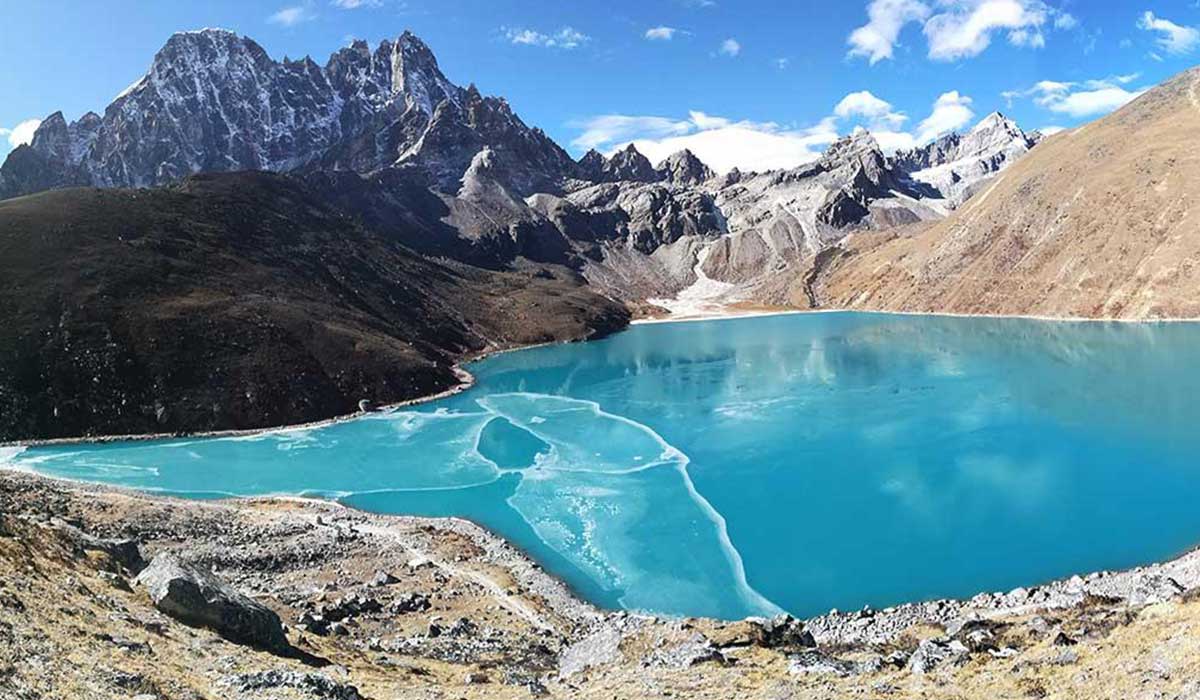
The Gokyo Lakes Trek is one of the most beautiful routes in the Everest region: six sacred glacial lakes, the Ngozumpa Glacier and a sunrise or sunset from Gokyo Ri (5,357 m) with Everest, Lhotse, Makalu and Cho Oyu in one frame. It is also quieter than the Everest Base Camp trail, which makes it a favorite for first-time Himalayan trekkers.
But it is not a gentle walk. You sleep at 4,790 m in Gokyo, spend several nights above 4,000 m and climb a steep, rocky viewpoint above 5,300 m. The honest answer to "can beginners do it?" is: yes, fit beginners with proper preparation can, but this is a serious trek that deserves 8 to 12 weeks of training and a realistic look at altitude.
This guide explains the true difficulty, day by day, how to train, how to manage altitude, what to pack, what it costs and when a gentler first trek might be a better choice.
Yes, beginners can do the Gokyo Lakes Trek if they are fit and well prepared. The trip is graded moderate to challenging, takes 12 days and needs no technical skills. You walk 5 to 7 hours a day on rocky trails, with a guide, a shared porter and teahouse beds every night. The biggest challenge is altitude, not distance. If you have never trekked above 3,000 m, or you are not yet comfortable walking several hours a day, consider starting with the easier Everest View Trek and moving up later.
| Detail | Information |
|---|---|
| Duration | 12 days, Kathmandu to Kathmandu (9 trekking days) |
| Difficulty | Moderate to challenging |
| Highest point | Gokyo Ri, 5,357 m |
| Highest overnight | Gokyo village, about 4,790 m (one night) |
| Daily walking | About 4 to 7 hours |
| Technical skills | None required |
| Accommodation | 3-star hotel in Kathmandu; teahouses on trek |
| Support | Licensed guide and shared porter (1 porter per 2 trekkers) |
| Best seasons | Late September to November and March to May |
| Price | From US$1,340 per person (group pricing applies) |
| Suitable for | Fit trekkers, ideally with some hiking experience |
| Day | Route | Sleeping altitude | Walking time | Beginner effort |
|---|---|---|---|---|
| 1 | Arrive Kathmandu | 1,338 m | None | Very easy |
| 2 | Fly to Lukla, trek to Phakding | 2,610 m | 3 to 4 hrs | Easy |
| 3 | Phakding to Namche Bazaar | 3,440 m | 5 to 6 hrs | Hard climb (about +830 m) |
| 4 | Acclimatization day in Namche | 3,440 m | 3 to 4 hrs (optional hike) | Easy to moderate |
| 5 | Namche to Dole | 4,040 m | 5 to 6 hrs | Hard (about +600 m, big altitude jump) |
| 6 | Dole to Machhermo | 4,470 m | 4 to 5 hrs | Moderate (shorter day) |
| 7 | Machhermo to Gokyo, then Gokyo Ri hike | 4,790 m (summit 5,357 m) | 4 to 5 hrs trek plus 3 to 4 hrs hike | Hardest day |
| 8 | Fourth Lake hike, return to Machhermo | 4,470 m | 6 to 7 hrs | Moderate to hard |
| 9 | Machhermo to Namche Bazaar | 3,440 m | 6 to 7 hrs | Long, hard on knees |
| 10 | Namche to Lukla | 2,860 m | 6 to 7 hrs | Long, hard on knees |
| 11 | Fly to Kathmandu | 1,338 m | None | Easy |
| 12 | Departure | None | Very easy |
Day 3 (Phakding to Namche): A long, steep climb after the Hillary Suspension Bridge. It is not technical, but it is the first real effort of the trip. Walk slowly and rest often. See our guide to Namche Bazaar and the acclimatization day.
Day 5 (Namche to Dole): You leave the busy Everest Base Camp trail, cross the Mong La ridge and climb to Dole at about 4,040 m. The sleeping altitude gain is about 600 m, which is a big step for a first-timer.
Day 7 (Gokyo and Gokyo Ri): You trek up the Ngozumpa Glacier moraine, pass three lakes and reach Gokyo, then climb Gokyo Ri in the afternoon, a steep 2 to 3 hour climb of about 570 m above your sleeping altitude. This is the toughest day, so conserve your energy and go slowly.
Days 9 and 10 (the long descents): The way back is easier on your lungs but harder on your knees. Trekking poles and an early start help.
| Easier than you might think | Harder than you might think |
|---|---|
| No technical climbing or glacier travel | Altitude: nights at 4,470 m and 4,790 m |
| Teahouse beds and hot meals every night | Cold nights, below freezing in most seasons |
| Guide and porter included | Long days of 5 to 7 hours |
| Built-in acclimatization at Namche and a short day to Machhermo | Steep, rocky Gokyo Ri climb on arrival day |
| Quieter trails than Everest Base Camp | Simple facilities and limited hot water at height |
| Lower sleeping altitude than Gorak Shep on the EBC route | Flight delays that can disrupt your rhythm |
| Your situation | Best first step |
|---|---|
| Never trekked, or never above 3,000 m | Start with the Everest View Trek (7 days, max about 3,880 m) and move up later |
| Regular hiker, fit, no altitude experience | Gokyo is realistic with 8 to 12 weeks of training and a careful pace |
| Previous trek above 3,500 m | Gokyo is a good next step |
| Short on time but fit | Gokyo (12 days) is shorter than Everest Base Camp (14 days) |
| Heart, lung or blood pressure conditions | Talk to your doctor first |
If you are unsure, ask for a free consultation, or use the Trip Planner. Compare all routes on the Everest Region Treks page.
You do not need to be an athlete, but you should be able to:
If you cannot do these things yet, give yourself more time to train, or choose a gentler trek first.
The trip page suggests starting 6 to 8 weeks ahead. For true beginners, 8 to 12 weeks is safer.
| Weeks | Goal | Weekly plan |
|---|---|---|
| 1 to 3 | Build a base | Brisk walking, cycling or swimming 3 to 4 times a week for 30 to 45 minutes; basic strength work twice a week |
| 4 to 6 | Add hills and stairs | Hill walks or stair climbing 3 times a week for 45 to 60 minutes; one long weekend walk of 2 to 3 hours |
| 7 to 9 | Add weight and distance | Hike with a 5 to 8 kg daypack for 3 to 4 hours; keep up cardio and leg strength |
| 10 to 11 | Simulate the trek | Back-to-back long hikes (4 to 6 hours each) in your trekking boots |
| 12 | Taper | Easier walks, rest, check gear and boots |
Include:
If you have a medical condition, get a check-up before you start training.
You can be very fit and still get altitude sickness. At 4,000 m or above, the air holds far less oxygen, so your body needs time to adjust.
| Day | Overnight | Altitude | Sleeping altitude gain |
|---|---|---|---|
| 2 | Phakding | 2,610 m | |
| 3 | Namche Bazaar | 3,440 m | +830 m |
| 4 | Namche (rest) | 3,440 m | Rest day |
| 5 | Dole | 4,040 m | +600 m |
| 6 | Machhermo | 4,470 m | +430 m |
| 7 | Gokyo (hike to Gokyo Ri) | 4,790 m / 5,357 m | +320 m |
| 8 | Machhermo | 4,470 m | Descent |
| 9 | Namche | 3,440 m | Descent |
| 10 | Lukla | 2,860 m | Descent |
The itinerary follows "climb high, sleep low," with one night at Gokyo and a shorter day to Machhermo to help acclimatization.
| Mild AMS (common) | Serious signs, descend immediately |
|---|---|
| Headache | Severe headache that does not ease |
| Nausea or loss of appetite | Repeated vomiting |
| Dizziness or tiredness | Confusion or poor balance |
| Poor sleep | Breathlessness at rest |
| Breathlessness while walking | Persistent wet cough or frothy sputum |
Your guide carries a pulse oximeter and first-aid kit, and the package includes support to arrange a descent or evacuation if needed.
From the trip page's equipment list:
| Category | Essentials |
|---|---|
| Bags | 30 to 40 L daypack with rain cover; 60 to 80 L duffel for your porter; dry bags |
| Upper body | Moisture-wicking base layers, thermal tops, fleece, warm down jacket (rated -15°C or colder), waterproof shell |
| Lower body | Trekking pants, thermal leggings, insulated pants, waterproof shell pants |
| Head and hands | Warm beanie, sun hat, buff, glacier sunglasses (UV400), liner gloves, insulated waterproof gloves |
| Footwear | Waterproof, broken-in trekking boots with ankle support; wool socks; camp shoes; gaiters and microspikes in winter |
| Sleeping | Four-season sleeping bag (-15°C to -20°C), liner |
| Accessories | Trekking poles, headlamp, insulated water bottles, purification tablets |
| Health | Sunscreen SPF 50+, lip balm, blister plasters, personal medicines, altitude medication if advised |
| Documents and cash | Passport, visa, insurance, small notes in Nepalese rupees |
A duffel bag, down jacket and sleeping bag are available on loan with the package, if needed. Keep total luggage under about 15 kg for the Lukla flights.
| Season | Months | Beginner suitability |
|---|---|---|
| Autumn | Late Sep to Nov | Best: dry trails, clear skies, stable weather |
| Spring | Mar to May | Excellent: warmer days, rhododendrons, clear mornings |
| Winter | Dec to Feb | Not recommended for first-timers: extreme cold, snow, frozen lakes |
| Monsoon | Jun to Aug | Not recommended: rain, cloud, flight delays |
See our guides to autumn trekking in Nepal and spring trekking in Nepal.
The Gokyo Lakes Trek is listed from US$1,340 per person:
| Group size | Price per person |
|---|---|
| 1 person | US$1,380 |
| 2 people | US$1,340 |
| 3 to 6 people | US$1,300 |
| 7 to 10 people | US$1,250 |
Included: airport transfers, Kathmandu to Lukla flights, 2 nights in a 3-star Kathmandu hotel, 9 teahouse nights, full-board meals on trek, a licensed guide, a shared porter, permits, an oximeter and first-aid kit, a duffel bag and loaned down jacket and sleeping bag.
Not included: international flights, visa, Kathmandu lunches and dinners, drinks, hot showers, charging, Wi-Fi, insurance, extra nights from delays, personal gear and tips.
| Mistake | Better approach |
|---|---|
| Starting too fast on Day 3 and Day 5 | Walk slowly and rest often |
| Not training enough | Start 8 to 12 weeks ahead and include hills and back-to-back hikes |
| Wearing new boots | Break them in for several weeks |
| Skipping water | Drink 3 to 4 liters a day |
| Ignoring headaches | Tell your guide early |
| Packing too much | Stay under 15 kg and rely on layers |
| Booking a tight flight home | Add 1 to 2 buffer days |
| Buying the wrong insurance | Get cover for at least 5,500 m and helicopter evacuation |
| Skipping the rest days | Use Namche and Machhermo to adjust |
Yes, fit beginners with good preparation can. The trek is graded moderate to challenging, needs no technical skills and includes a guide, shared porter, teahouse beds and acclimatization stops. However, it reaches 5,357 m, with a night at 4,790 m, so it is more demanding than a typical first trek. If you have never trekked above 3,000 m, consider starting with the Everest View Trek or allow extra training time and ask for a longer itinerary.
It is moderate to challenging, mostly because of altitude. Daily walking is about 4 to 7 hours on rocky, uneven trails, with steep climbs and long descents. The hardest stretches are the climb to Namche (Day 3), the jump to Dole (Day 5) and the Gokyo Ri climb (Day 7). No technical climbing is needed. See our Gokyo Lakes Trek difficulty guide for more detail.
You should be able to walk 5 to 7 hours a day for several consecutive days on hilly ground, climb stairs or slopes for 60 to 90 minutes without exhaustion and carry a 5 to 8 kg daypack. Cardiovascular fitness and leg endurance matter most. Start training 8 to 12 weeks before departure, include back-to-back long hikes and see a doctor first if you have any heart, lung or blood pressure concerns.
Build up gradually: brisk walking, cycling or swimming 3 to 4 times a week, plus hill walks or stair climbing, leg and core strength work and long weekend hikes. In the last month, do back-to-back hikes of 4 to 6 hours with your daypack and trekking boots. Practice downhill walking, because Days 9 and 10 are tough on the knees. The 12-week plan above gives a week-by-week outline.
They are similar in grade, but different in feel. Gokyo is shorter (12 days versus 14 for the Classic Everest Base Camp Trek), quieter and, according to the trip page, has a lower sleeping altitude (4,790 m at Gokyo versus about 5,164 m at Gorak Shep). But the Gokyo Ri climb comes right after a big altitude gain, and the Day 5 jump to Dole is steep. Both treks need good preparation and acclimatization.
It is possible, because you sleep above 4,000 m for four nights and reach 5,357 m on Gokyo Ri. The itinerary helps by including a rest day in Namche, a short day to Machhermo, a single night at Gokyo and a descent afterward. Walk slowly, drink 3 to 4 liters of water daily, avoid alcohol and tell your guide about any headache, nausea or dizziness. Your guide monitors you with a pulse oximeter. If symptoms worsen, descend.
Day 7 is the hardest, with the trek to Gokyo plus a steep 2 to 3 hour climb of Gokyo Ri. Day 5, from Namche to Dole, is a big altitude gain of about 600 m. Day 3, the climb to Namche, is the first major effort, and Days 9 and 10 are long descents that tire the knees. Pace yourself, start early and use trekking poles on the descents.
The trip page says the trek suits fit trekkers, ideally with some hiking experience, and that fit beginners with good preparation can succeed. Previous multi-day hiking helps you judge your pace and your body. If you have never trekked above 3,000 m, consider starting with a shorter, lower trek, or do a long training hike series before you commit.
A licensed guide is strongly recommended and, for most beginners, essential. The guide handles navigation, permits and teahouse bookings and monitors your health. A porter carries your main bag, so you only need a light daypack, which makes a big difference above 4,000 m. The Nepal Trip Services package includes both, with one porter for every two trekkers carrying about 20 to 25 kg.
Late September to November and March to May. Autumn gives dry trails, clear skies and the most reliable flights, while spring brings warmer days and flowering rhododendrons. Winter is very cold, with nights down to about -15 to -20°C at Gokyo, and the monsoon brings cloud, rain and flight delays, so neither is ideal for a first high-altitude trek.
You need broken-in waterproof boots, layered clothing, a warm down jacket, a waterproof shell, a four-season sleeping bag, a warm hat and gloves, glacier sunglasses, sunscreen, trekking poles, a headlamp and a daypack. A duffel bag, down jacket and sleeping bag are available on loan with the package, and most other gear can be rented or bought in Thamel, Kathmandu. Keep your luggage under about 15 kg for the Lukla flights.
Travel insurance is mandatory. It must cover trekking up to at least 5,500 m, medical treatment and emergency helicopter evacuation. Because Gokyo Ri is 5,357 m, a policy that covers up to 6,000 m gives you a safer margin. Trip delay and cancellation cover are also worth having. Read the exclusions carefully, buy before you travel and share your policy details with your guide.
The trip is listed from US$1,340 per person, with group pricing of US$1,380 for 1 person, US$1,340 for 2, US$1,300 for 3 to 6 and US$1,250 for 7 to 10. The package includes flights to and from Lukla, hotels and teahouses, meals on trek, a guide, a shared porter, permits, an oximeter, a first-aid kit and loaned gear. International flights, visa, extra meals, drinks, charging, hot showers, insurance, helicopter costs and tips are extra.
Yes, with preparation. There is no strict age limit, but fitness and health matter more than age, so get a medical check-up and tell your guide about any conditions. Solo travelers can book a place on a group departure or travel with a private guide, and the trails and teahouses are friendly and well used. Older travelers may want extra rest days, trekking poles and a helicopter backup.
Tell your guide early. Options include slowing your pace, adding a rest day or descending to a lower altitude, and a helicopter evacuation can be arranged if needed, covered by your insurance. For flight delays, add 1 to 2 buffer days, avoid booking your international flight on the same day as your Lukla return and keep a helicopter option in mind. Flights are most reliable in autumn and spring. See our Kathmandu to Lukla flight guide and Helicopter Services.
The Gokyo Lakes Trek is a rewarding first Himalayan journey for beginners who prepare properly: turquoise lakes, a quiet valley and a summit view that rivals anything in the Everest region. It asks more of you than a short trek, so give yourself 8 to 12 weeks of training, walk slowly, respect the altitude and be honest with your guide about how you feel. If you want a gentler start, the Everest View Trek is a great first step, and Gokyo will still be there when you are ready.
Ready to plan? View dates and prices on the Gokyo Lakes Trek page, compare routes on the Everest Region Treks page, use the Trip Planner or message Nepal Trip Services on WhatsApp at +977-9828696557 or by email at info@nepaltripservices.com.
Discover more articles that match your interests! Explore these similar blogs packed with insights, tips, and stories to keep you inspired.
Explore Nepal\'s Gokyo Valley: sacred turquoise lakes, Gokyo Ri, Ngozumpa Glacier, Sherpa villages, routes, best time, p...
Discover the Dudh Koshi River, Nepal\'s "Milk River" of Everest: its source, bridges, villages, trekking routes, best ti...
Explore Dole (4,040 m), the first stop in Nepal\'s Gokyo Valley. Discover routes, teahouses, mountain views, altitude ti...
Explore Machhermo (4,470 m), the key acclimatisation stop before Gokyo. Discover routes, teahouses, Cho Oyu views, altit...
Discover Nepal\'s sacred Gokyo Lakes: all six lakes explained, Gokyo Ri, routes, best time, permits, altitude tips & how...
Climb Gokyo Ri (5,357 m) for one of Nepal\\'s best Everest panoramas. Route, timing, difficulty, sunrise tips, views, pe...