How Difficult Is The Gokyo Lakes Trek? Complete Difficulty Guide
By Nepal Trip Services On 01 Oct 2026

By Nepal Trip Services On 01 Oct 2026
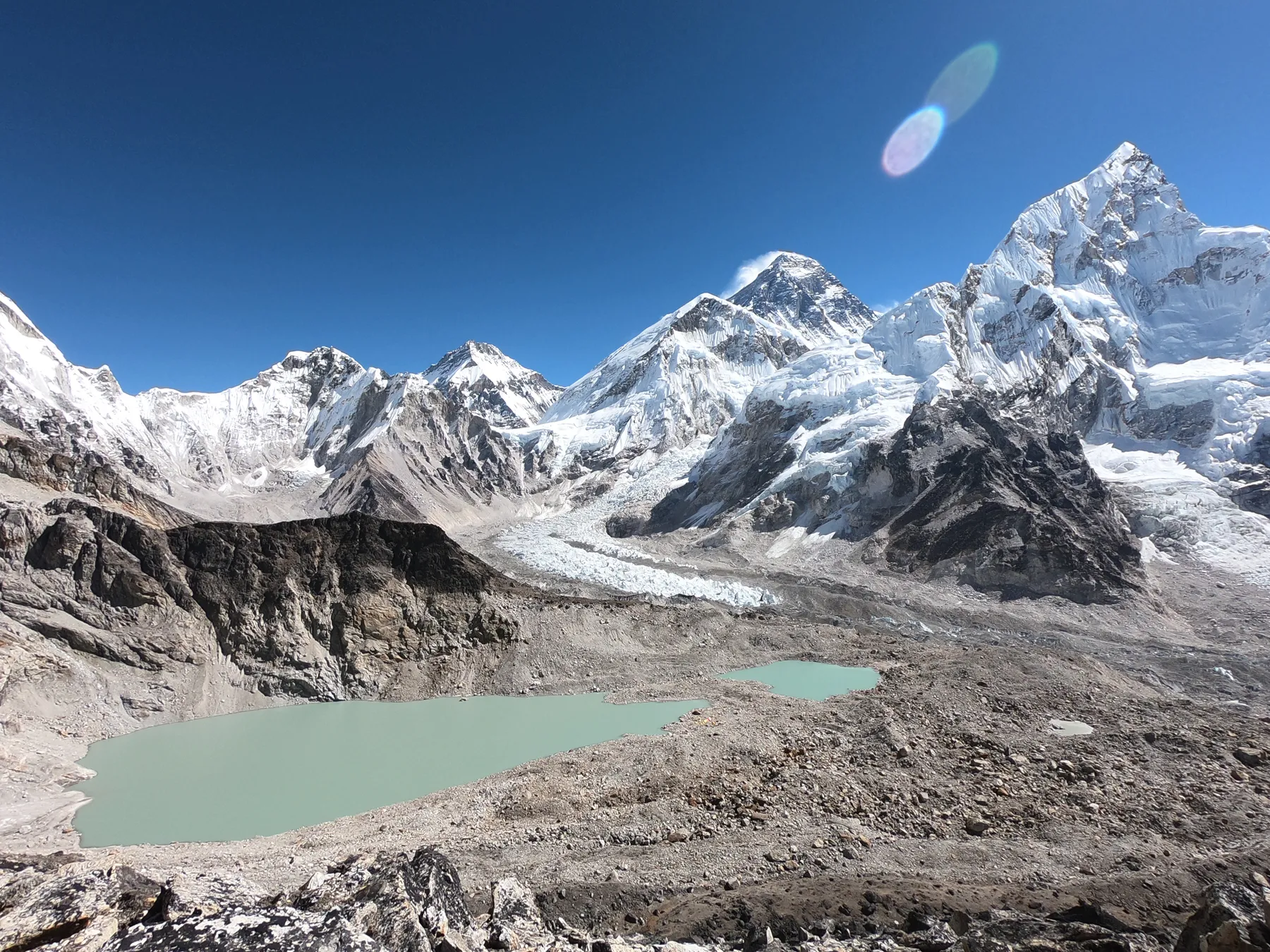
Turquoise lakes at nearly 5,000 metres, the longest glacier in the Himalaya and a summit view of four of the world's 8,000-metre peaks: the Gokyo Lakes Trek sounds like a dream, and it is. But one question comes up again and again from trekkers planning this adventure: "How difficult is it?" The honest answer is that the Gokyo Lakes Trek is moderate to challenging. It requires no technical climbing skills, but the high altitude, long walking days and steep climb to Gokyo Ri make it a real test of fitness and preparation. This complete guide from Nepal Trip Services breaks down every factor affecting difficulty, compares it with other popular treks and shares practical training tips to help you succeed on our Gokyo Lakes Trek.
The Gokyo Lakes Trek is achievable for fit beginners with good preparation as well as experienced trekkers. The main challenges are:
There are no technical sections, no ropes and no mountaineering skills required.
| Factor | Details | Difficulty Level |
|---|---|---|
| Maximum Altitude | Gokyo Ri – 5,357 m | High |
| Highest Sleeping Altitude | Gokyo – about 4,790–4,800 m | High |
| Trek Duration | 12 days (Kathmandu to Kathmandu) | Moderate |
| Daily Walking Time | 4–7 hours | Moderate |
| Total Trekking Distance | About 90–95 km | Moderate |
| Terrain | Rocky trails, stone steps, moraine, steep climbs | Moderate–Challenging |
| Technical Skills | None required | Easy |
| Altitude Sickness Risk | Moderate | Challenging |
| Overall Grade | Fit beginners to experienced trekkers | Moderate to Challenging |
Altitude is the biggest challenge on this trek. You'll spend several nights above 4,000 metres at Dole, Machhermo and Gokyo, and reach 5,357 m at the summit of Gokyo Ri. At these heights, oxygen levels are around half of those at sea level, making every step more tiring.
Difficulty impact: High
Most days involve 5–7 hours of walking, covering 7–19 km depending on the section. The return days from Machhermo to Namche and from Namche to Lukla are particularly long.
Difficulty impact: Moderate
The climb from Gokyo to Gokyo Ri is short but steep, gaining about 550–570 metres in 2–3 hours at high altitude. On our itinerary, it's done the same day you arrive in Gokyo, making Day 7 the toughest day of the trek.
Difficulty impact: High
Key climbs include Phakding to Namche Bazaar (around 800 m gain) and the Mong La ridge. Long descents on the return can be hard on the knees.
Difficulty impact: Moderate
Trails become rougher above Dole, with loose rocks, glacial moraine and uneven paths near the Ngozumpa Glacier. Careful footing is essential.
Difficulty impact: Moderate
Nights at Gokyo often drop well below freezing, especially in autumn and winter. Cold weather can affect sleep, energy and appetite.
Difficulty impact: Moderate
Teahouses in higher villages are simple, with shared bathrooms, unheated rooms and limited hot water. Comfort decreases as you go higher.
Difficulty impact: Low to Moderate
Lukla flights depend on clear weather and can be delayed. While not physically difficult, delays can add stress and require flexible plans.
Difficulty impact: Low (but important for planning)
| Day | Route | Walking Time | Altitude | Difficulty |
|---|---|---|---|---|
| 1 | Arrival in Kathmandu | — | 1,300 m | Easy |
| 2 | Lukla → Phakding | 3–4 hrs | 2,651 m | Easy |
| 3 | Phakding → Namche Bazaar | 5–6 hrs | 3,438 m | Moderate–Hard (steep climb) |
| 4 | Acclimatisation in Namche | 3–4 hrs hike | 3,438 m | Moderate |
| 5 | Namche → Dole | 5–6 hrs | ~4,040 m | Moderate–Hard (up and down) |
| 6 | Dole → Machhermo | 4–5 hrs | ~4,470 m | Moderate |
| 7 | Machhermo → Gokyo + Gokyo Ri | 4–5 hrs + 3–4 hrs | 4,800 m / 5,357 m | Hardest day |
| 8 | Fourth Lake → Machhermo | 6–7 hrs | ~4,470 m | Moderate–Hard |
| 9 | Machhermo → Namche | 6–7 hrs | 3,438 m | Moderate–Hard (long day) |
| 10 | Namche → Lukla | 6–7 hrs | 2,860 m | Moderate (long descent) |
| 11 | Fly to Kathmandu | — | 1,300 m | ⭐ Easy |
| 12 | Departure | — | — | — |
Hardest day: Day 7, combining a high-altitude trek to Gokyo with the steep climb up Gokyo Ri.
| Trek | Max Altitude | Duration | Difficulty |
|---|---|---|---|
| Poon Hill Trek | 3,210 m | 7 days | Easy to Moderate |
| Annapurna Base Camp Trek | 4,130 m | 11 days | Moderate |
| Gokyo Lakes Trek | 5,357 m | 12 days | Moderate to Challenging |
| Everest Base Camp Trek | ~5,545 m | 14 days | Challenging |
| Annapurna Circuit Trek | 5,416 m | 13 days | Challenging |
| Gokyo & EBC via Cho La | 5,420 m (pass) | 15–18 days | Challenging |
| Everest Three High Passes Trek | 5,535 m | 18–20 days | Very Challenging |
| Factor | Gokyo Lakes Trek | Everest Base Camp Trek |
|---|---|---|
| Max Altitude | 5,357 m | ~5,545 m |
| Highest Sleeping Point | ~4,800 m | ~5,160 m (Gorak Shep) |
| Duration | 12 days | 14 days |
| Crowds | Quieter | Busier |
| Overall Difficulty | Slightly easier | Slightly harder |
Verdict: The Gokyo Lakes Trek is slightly easier than Everest Base Camp because of its lower sleeping altitude and shorter duration, but it remains a serious high-altitude trek.
| Traveller Type | Suitable? | Notes |
|---|---|---|
| Fit beginners | Yes | With 6–8 weeks of training and good acclimatisation |
| Experienced trekkers | Yes | Ideal for those wanting quieter Everest trails |
| Active seniors | Yes | With medical clearance and a relaxed pace |
| Teenagers | With care | Good fitness and adult supervision needed |
| Young children | Not recommended | High altitude is a concern |
| People with heart or lung conditions | Consult a doctor | Altitude can worsen existing conditions |
Because the trek goes above 4,000 metres, Acute Mountain Sickness (AMS) is a real possibility.
| Weeks | Focus | Suggested Activities |
|---|---|---|
| 1–2 | Build base fitness | 30–45 min brisk walks, cycling or swimming, 4–5 times a week |
| 3–4 | Add strength & hills | Hill walks, stair climbing, squats, lunges, core exercises |
| 5–6 | Increase endurance | 3–5 hour hikes with a 6–8 kg daypack, weekend back-to-back hikes |
| 7–8 | Simulate trek days | Long hikes on steep terrain, consecutive training days, then taper |
| Season | Months | Difficulty | Why |
|---|---|---|---|
| Autumn | September – November | Moderate | Stable weather, clear skies, cold nights |
| Spring | March – May | Moderate | Mild weather, occasional afternoon clouds |
| Winter | December – February | Harder | Extreme cold, snow, frozen lakes |
| Monsoon | June – August | Harder | Rain, slippery trails, Lukla flight delays |
Having a licensed guide and porter makes a huge difference on a high-altitude trek like Gokyo. Your guide sets a safe pace, monitors your oxygen levels and handles permits, teahouses and logistics, while your porter carries your main bag so you can focus on walking and enjoying the views. Our Gokyo package includes an experienced guide and porter support.
Ready to take on the challenge? Join our 12-day Gokyo Lakes Trek with expert local guides, well-paced acclimatisation, porter support and complete trek logistics, so you can focus on the turquoise lakes, the mighty Ngozumpa Glacier and the unforgettable Gokyo Ri panorama. Looking for more Himalayan adventures? Discover the Everest Region, from the iconic Classic Everest Base Camp Trek to more demanding high-pass routes like the Everest Three High Passes Trek, or enjoy a gentler journey on the Everest View Trek. Whatever your fitness level or experience, browse all our options on Trekking in Nepal to find the perfect trek for you, and let our team help you plan a safe, rewarding and truly memorable Himalayan adventure.
The Gokyo Lakes Trek is graded moderate to challenging. It involves 5–7 hours of walking per day and reaches 5,357 metres at Gokyo Ri. No technical skills are needed, but altitude makes it physically demanding. Good fitness and acclimatisation are essential.
Yes, fit beginners can complete the Gokyo Lakes Trek with proper preparation. Training for 6–8 weeks and following a well-paced itinerary is important. Previous hiking experience helps but isn't essential. A guide and porter make it much more manageable.
The hardest part is usually Day 7, when you trek to Gokyo and then climb Gokyo Ri in the same day. The climb is steep and at high altitude. The ascent to Namche Bazaar and the long return days are also challenging. Proper pacing helps a lot.
The Gokyo Lakes Trek is generally slightly easier than Everest Base Camp. Its maximum altitude and highest sleeping point are lower, and the trek is shorter. However, it's still a demanding high-altitude trek. Both require good fitness and acclimatisation.
You should be able to walk 5–7 hours a day for several consecutive days, including steep climbs. Good cardiovascular fitness and leg strength are important. Training with hill hikes and stair climbing is highly recommended. Regular exercise for 6–8 weeks before the trek helps.
Altitude sickness is possible because the trek goes above 4,000 metres. Our itinerary includes acclimatisation and gradual ascent to reduce the risk. Walk slowly, stay hydrated and report symptoms to your guide. Descend if symptoms worsen.
You typically walk 4–7 hours per day, depending on the section. The longest days are on the return from Machhermo to Namche and Namche to Lukla. Day 7 includes extra time for the Gokyo Ri climb. Walking times include rest and photo stops.
No, the Gokyo Lakes Trek doesn't require technical climbing skills or equipment. Gokyo Ri is a trekking peak with a well-trodden path. You'll walk on rocky trails and moraine, but no ropes are needed. Trekking poles are helpful.
The climb to Gokyo Ri usually takes 2–3 hours from Gokyo, with about 1–1.5 hours to descend. The path is steep and rocky. Walking slowly and resting often is key. The summit views make the effort worthwhile.
Yes, many active older trekkers complete the Gokyo Lakes Trek successfully. A medical check-up before travel is recommended. A slower pace, extra rest days and porter support make the journey more comfortable. Listen to your body and your guide.
Autumn (September–November) and spring (March–May) are the best seasons for comfortable trekking. Weather is generally stable and trails are dry. Winter brings extreme cold and snow, while the monsoon brings rain and flight delays. Choosing the right season makes the trek easier.
Train before your trip, hire a porter, use trekking poles and take acclimatisation seriously. Walk slowly, drink plenty of water and avoid alcohol. Trek in spring or autumn and add buffer days for flight delays. An experienced guide makes everything smoother.
Yes, the Gokyo Lakes Trek is generally safe with proper preparation and an experienced guide. The main risks are altitude sickness and weather. Following a well-paced itinerary and listening to your body reduce these risks. Travel insurance covering helicopter rescue is essential.
Yes, travel insurance is mandatory. Your policy should cover trekking up to at least 5,500 metres and emergency helicopter evacuation. Coverage for medical treatment and trip cancellation is also recommended. Carry a copy of your policy during the trek.
Yes, you can extend the trek by crossing the Cho La Pass to Everest Base Camp or the Renjo La Pass via Thame. The Everest Three High Passes Trek is the most demanding option. These routes add several days and significant difficulty. They're best for experienced, well-acclimatised trekkers.
The Gokyo Lakes Trek is challenging, but it's far from impossible. With no technical sections, a well-paced itinerary and careful acclimatisation, it's achievable for anyone with good fitness and determination. The real challenge lies in the altitude, long walking days and the steep climb to Gokyo Ri, yet every step is rewarded with turquoise lakes, the vast Ngozumpa Glacier and one of the most breathtaking mountain panoramas on Earth.
Train well, pack smart, walk slowly and trust your guide. With the right preparation and support, you'll stand on Gokyo Ri with Everest, Lhotse, Makalu and Cho Oyu before you, and every effort will feel worth it. Nepal Trip Services is here to help you prepare, acclimatise safely and make your Gokyo adventure truly unforgettable.
Discover more articles that match your interests! Explore these similar blogs packed with insights, tips, and stories to keep you inspired.
Explore Nepal\'s Gokyo Valley: sacred turquoise lakes, Gokyo Ri, Ngozumpa Glacier, Sherpa villages, routes, best time, p...
Discover the Dudh Koshi River, Nepal\'s "Milk River" of Everest: its source, bridges, villages, trekking routes, best ti...
Explore Dole (4,040 m), the first stop in Nepal\'s Gokyo Valley. Discover routes, teahouses, mountain views, altitude ti...
Explore Machhermo (4,470 m), the key acclimatisation stop before Gokyo. Discover routes, teahouses, Cho Oyu views, altit...
Discover Nepal\'s sacred Gokyo Lakes: all six lakes explained, Gokyo Ri, routes, best time, permits, altitude tips & how...
Climb Gokyo Ri (5,357 m) for one of Nepal\\'s best Everest panoramas. Route, timing, difficulty, sunrise tips, views, pe...