Tsum Valley Trek Altitude Sickness: Prevention And Acclimatization Tips
By Nepal Trip Services On 13 Oct 2026

By Nepal Trip Services On 13 Oct 2026
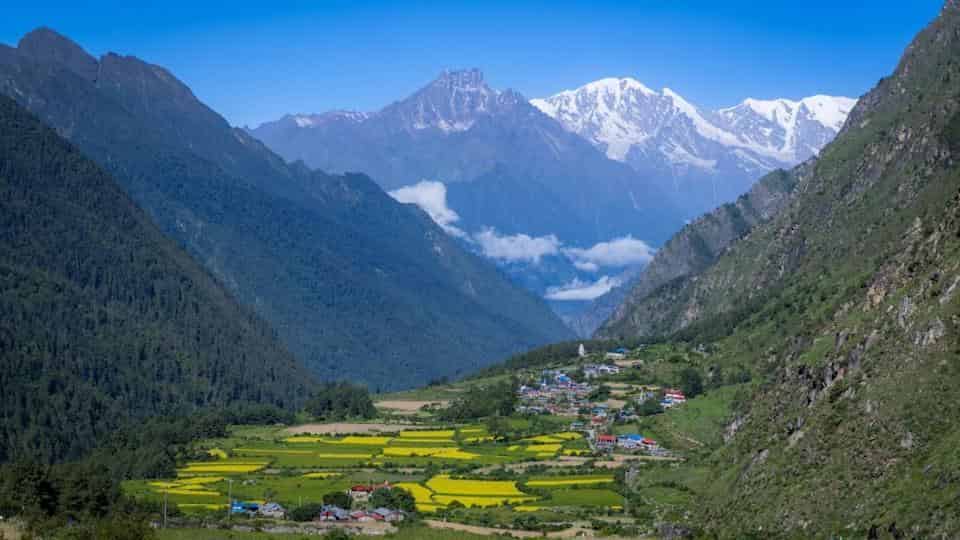
Yes, but the risk is moderate and very manageable. The Tsum Valley trek tops out at Mu Gompa, about 3,700 m, which is lower than Everest Base Camp or the Manaslu Circuit. Even so, altitude sickness can affect anyone above roughly 2,500 m, whatever their age or fitness. On this route, the days to watch are the climbs to Chhokang Paro (3,031 m) and Mu Gompa, where you gain more than 600 m in a single day.
The good news: almost all altitude illness can be prevented by going slowly, drinking enough, and acting early on symptoms. This guide shows you where the risk rises on the trail, what to look out for, and the practical steps that keep you safe. For the full itinerary, see our 13-day Tsum Valley Trek.
|
Detail |
Information |
|---|---|
|
Starting point |
Machha Khola, 930 m |
|
Highest overnight |
Mu Gompa, about 3,700 m |
|
Optional higher side trip |
Ganesh Himal Base Camp, about 4,200 m |
|
Altitude where AMS can start |
About 2,500 m |
|
Days above 3,000 m |
3 nights (Chhokang Paro twice, Mu Gompa once) |
|
Biggest single-day gains above 2,500 m |
Chumling → Chhokang Paro (+645 m); Chhokang Paro → Mu Gompa (+669 m) |
|
Overall AMS risk |
Moderate; serious illness is rare on this route |
|
Nearest hospital |
Several days' walk and drive; evacuation is by helicopter |
The table follows our standard 13-day itinerary. Risk is rated for sleeping altitude, which matters more than the highest point you walk to.
|
Day |
Overnight |
Altitude |
Gain from last night |
Altitude risk |
|---|---|---|---|---|
|
1–2 |
Kathmandu |
1,400 m |
— |
None |
|
3 |
Machha Khola (drive) |
930 m |
−470 m |
None |
|
4 |
Jagat |
1,340 m |
+410 m |
None |
|
5 |
Lokpa |
2,240 m |
+900 m |
Low |
|
6 |
Chumling |
2,386 m |
+146 m |
Low |
|
7 |
Chhokang Paro |
3,031 m |
+645 m |
Moderate |
|
8 |
Mu Gompa |
~3,700 m |
+669 m |
Moderate (highest) |
|
9 |
Chhokang Paro (via Rachen Gompa) |
3,031 m |
−669 m |
Falling |
|
10 |
Lokpa |
2,240 m |
−791 m |
Low |
|
11 |
Jagat |
1,340 m |
−900 m |
None |
|
12 |
Kathmandu (drive) |
1,400 m |
— |
None |
What this means: you spend only three nights above 3,000 m, and you start descending the day after Mu Gompa. The two climbs on Days 7 and 8 are steeper than the commonly used guideline of 300–500 m of sleeping-altitude gain per night above 3,000 m. That's why we recommend an optional extra night at Chhokang Paro for anyone who has had altitude problems before, or who is feeling the climb on Day 7.
As you climb, air pressure drops and each breath delivers less oxygen. At Mu Gompa you're breathing roughly two-thirds of the oxygen available at sea level. Your body adapts over days by breathing faster and making more red blood cells. Altitude sickness happens when you climb faster than your body can adjust.
There are three forms:
|
Condition |
What it is |
Key signs |
Seriousness |
|---|---|---|---|
|
AMS (Acute Mountain Sickness) |
The common, mild form |
Headache plus nausea, tiredness, dizziness, poor sleep or loss of appetite |
Mild; improves with rest, or descent if it worsens |
|
HAPE (High Altitude Pulmonary Edema) |
Fluid in the lungs |
Breathless at rest, dry then wet cough, gurgling chest, blue lips, extreme fatigue |
Life-threatening; descend immediately |
|
HACE (High Altitude Cerebral Edema) |
Swelling of the brain |
Severe headache, confusion, clumsiness, stumbling, drowsiness, odd behaviour |
Life-threatening; descend immediately |
HAPE and HACE are rare below 4,000 m, but they can develop at Tsum Valley altitudes in people who ignore worsening AMS.
Ask the person to walk in a straight line, heel touching toe, for a few metres. If they wobble or can't do it, suspect HACE and start descending straight away.
|
Usually normal |
Warning sign |
|---|---|
|
Short of breath on climbs, recovering at rest |
Short of breath while resting |
|
Mild headache that eases with water and rest |
Headache that gets worse or doesn't respond to painkillers |
|
Waking once or twice at night, vivid dreams |
Unable to sleep because of breathlessness |
|
Needing to urinate more |
Vomiting, or not urinating |
|
Slightly reduced appetite |
Confusion, stumbling, extreme tiredness |
Acetazolamide (often sold as Diamox) is widely used to help the body acclimatize faster, and some trekkers take it as a preventive. It can cause side effects such as tingling fingers, more frequent urination and changes in taste, and it isn't suitable for everyone, including some people with sulfa allergies.
See a doctor or travel clinic before your trip to decide whether it suits you and how to take it. Don't use medication as a reason to climb faster, and never take someone else's prescription on the trail.
Follow three simple rules:
|
Situation |
What to do |
|---|---|
|
Mild headache only |
Rest, drink water, take a simple painkiller; don't climb until it clears |
|
Mild AMS (headache with nausea or tiredness) |
Stay at the same altitude for an extra night; your guide checks you morning and evening |
|
AMS getting worse after rest |
Descend to Chumling or Lokpa |
|
Breathless at rest, confusion or stumbling |
Descend immediately, day or night, with support; arrange evacuation |
On our treks, guides check your oxygen saturation and pulse with a pulse oximeter. The reading is one tool among many: how you feel and behave matters more than a single number.
Tsum Valley is remote. The road head is a day or more away, and the nearest proper hospital is in Kathmandu. In a serious case, a helicopter is the fastest way out, and it can fly only in daylight and good weather.
Your travel insurance must cover:
Send us your policy details before the trek so our office can contact your insurer immediately if needed.
See a doctor before booking if you have heart or lung disease, high blood pressure, anaemia, sickle cell trait, are pregnant, or have had HAPE or HACE before. Older trekkers and children can trek Tsum Valley safely, but they should go slower and add the extra night at Chhokang Paro. Children may not describe symptoms clearly, so watch for unusual tiredness, crankiness or loss of appetite.
Planning your trip? Message us on WhatsApp and we'll help you choose the right pace and dates.
Mild symptoms are fairly common above 3,000 m, especially at Chhokang Paro and Mu Gompa. Many trekkers get a light headache or poor sleep for a night. Serious altitude illness is rare on this route because you stay below about 3,700 m and spend only three nights above 3,000 m.
Mu Gompa, at about 3,700 m, is the highest overnight stop on our standard itinerary. The optional side trip to Ganesh Himal Base Camp reaches about 4,200 m, which raises the altitude risk and needs extra care.
It can start from about 2,500 m. On the Tsum Valley trek, that means from Lokpa (2,240 m) upward the risk begins to rise, and it is highest on the climbs to Chhokang Paro (3,031 m) and Mu Gompa.
The standard 13-day itinerary has no dedicated rest day. It relies on a gradual climb and an early descent from Mu Gompa. If you've had altitude problems before or want extra safety, we can add an acclimatization night at Chhokang Paro.
A headache is usually the first sign, often with nausea, loss of appetite, tiredness, dizziness or poor sleep. These can feel like a hangover or the flu. Tell your guide straight away, and don't climb higher until the symptoms have gone.
Yes. Fitness doesn't protect you from altitude sickness, and very fit people sometimes get it because they walk too fast. Genetics, how quickly you climb and how high you sleep matter more than fitness. Go slowly however strong you feel.
Acetazolamide (Diamox) can help some trekkers acclimatize, but it isn't right for everyone and has side effects. Talk to a doctor or travel clinic before your trip. Whatever you decide, it doesn't replace a slow ascent and paying attention to symptoms.
Aim for 3–4 litres a day, including tea, soup and hot drinks. Pale, clear urine is a good sign you're drinking enough. Dehydration doesn't cause altitude sickness, but it can make you feel worse and hide the real cause of symptoms.
Tell your guide and rest. If you have only a mild headache that eases with rest, water and a painkiller, you can stay and continue the next day, which is a descent. If symptoms get worse, descend to Chhokang Paro or lower. Breathlessness at rest, confusion or stumbling mean an immediate descent and evacuation.
Yes. Helicopters can reach the valley in daylight and reasonable weather. Our office coordinates with your insurance company. Without insurance, a rescue can cost several thousand US dollars, so a policy covering evacuation is essential.
Yes. Everest Base Camp trekkers sleep at up to 5,160 m and climb to 5,550 m, while Tsum Valley stays below about 3,700 m. Tsum is a good choice if you want a remote Himalayan trek with lower altitude risk. Compare it with our Everest Base Camp Trek if you're deciding.
Not necessarily, but both groups need extra care. Children may not explain how they feel, so watch for crankiness, tiredness or not eating. Older trekkers should get a medical check first. Both benefit from a slower pace and the optional extra night at Chhokang Paro.
It's best to avoid alcohol above about 2,500 m, especially on the way up. It dehydrates you, slows breathing during sleep and can hide early symptoms. If you want to celebrate, wait until you're descending.
Yes. Poor sleep, waking often and vivid dreams are common at Chhokang Paro and Mu Gompa. Periodic breathing, where your breathing pauses briefly during sleep, is also normal at altitude. Being unable to sleep because you're breathless is not normal; tell your guide.
Yes. Once your symptoms have fully gone after rest at the same altitude, or after descending, you can usually continue at a slower pace. Your guide will decide with you based on how you feel. Never continue upward while you still have symptoms.
Altitude sickness on the Tsum Valley trek is a real but manageable risk. The route stays below about 3,700 m, you spend only three nights above 3,000 m, and you start descending the day after Mu Gompa. Walk slowly, drink well, skip alcohol, consider an extra night at Chhokang Paro, and tell your guide about any symptoms early. With those habits and good insurance, you can enjoy the monasteries and mountain views of this hidden valley with confidence. Ready to plan your trip? Explore our Tsum Valley Trek.
Discover more articles that match your interests! Explore these similar blogs packed with insights, tips, and stories to keep you inspired.
How hard is the Tsum Valley trek? Altitude (3,700 m), daily hours, trail conditions, hardest days, permits and training ...
Plan your Tsum Valley trek with our 13-day itinerary: daily routes, altitudes, walking hours and highlights from Machha ...
Discover Mu Gompa, Tsum Valley\'s highest monastery at 3,700 m: its history, what to see, how to get there, where to sta...
Visit Rachen Gompa, the Tsum Valley nunnery founded in 1905. Learn its history, the nuns\' daily life, how to get there ...
Explore Milarepa’s caves in Nepal, from Piren Phu on the Tsum Valley Trek to Manang, Lapchi and Yolmo. Legends, routes...
Visit Piren Phu, Milarepa\'s sacred Pigeon Cave in Tsum Valley. Legend, location, how to reach it on the Tsum Valley Tre...