Mu Gompa, Tsum Valley: Complete Guide For Trekkers
By Nepal Trip Services On 13 Oct 2026

By Nepal Trip Services On 13 Oct 2026

re the border with Tibet.
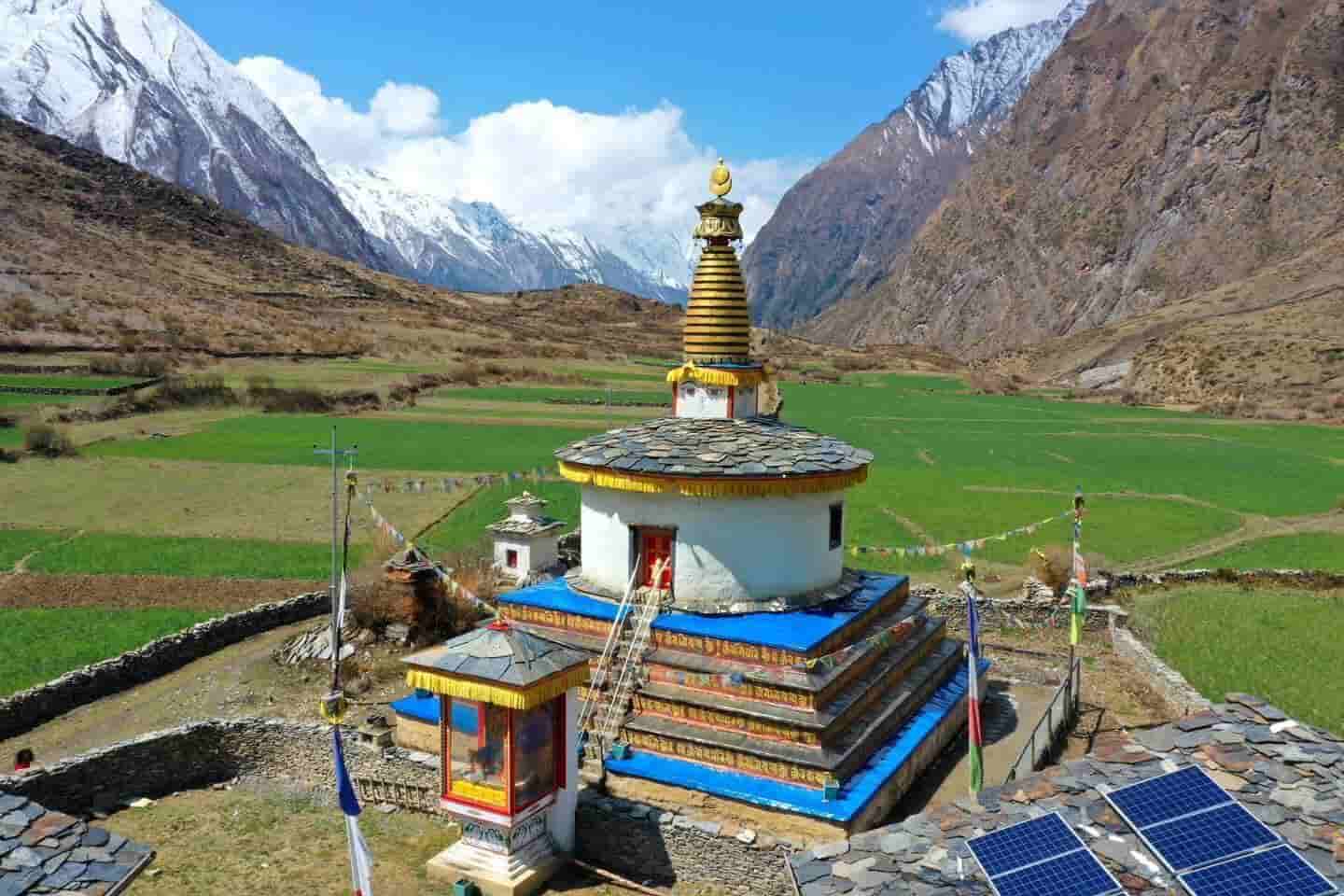
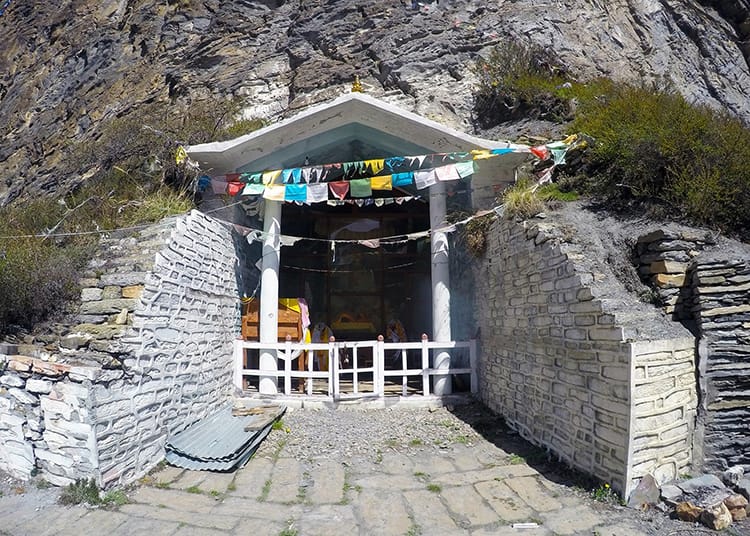
For the Tsumba people, who speak their own Tibetan dialect and have followed Buddhism for centuries, Mu Gompa is a centre of learning and ritual. Young monks from surrounding villages come here to study scripture, chant and perform ceremonies. The valley also has a long tradition of non-violence: hunting and animal slaughter have traditionally been avoided, which is why you're asked not to bring meat into the upper valley.
Tsum stayed closed to foreign visitors until 2008, so Mu Gompa has seen far fewer outsiders than famous monasteries like Tengboche in the Everest region. That isolation is a big part of its appeal.
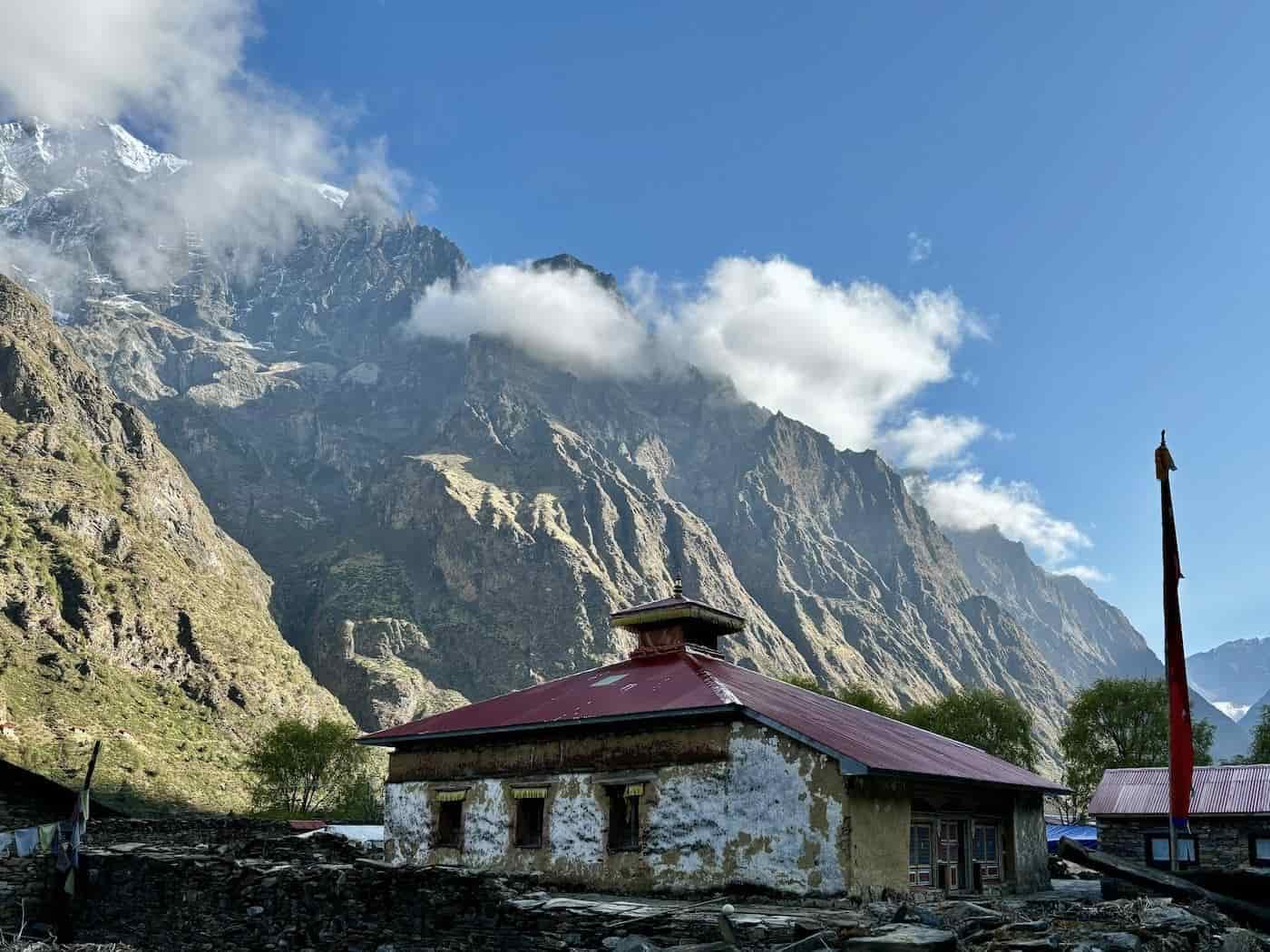
The main hall isn't always open. Your guide will ask whether you can go inside, and a caretaker monk may unlock it for you. Leave a small donation if you visit.
If you stay overnight, you may hear the deep sound of horns and drums and the low chanting of morning prayers at sunrise. Visitors are sometimes welcome to sit quietly at the back. It's a rare chance to see daily monastic life in a place that sees few tourists. Ask your guide first, sit still, and don't take photos without permission.
|
Festival |
When |
What happens |
|---|---|---|
|
Lhosar (Tibetan New Year) |
February or March |
Multi-day purification rituals and celebrations |
|
Saga Dawa |
Full moon of the 4th Tibetan month (May/June) |
Marks the Buddha's birth, enlightenment and death; prayers and circumambulation |
|
Dhachyang (horse festival) |
Varies; celebrated across Tsum |
Horse races and village gatherings |
Festival dates follow the Tibetan lunar calendar and change each year. Ask us if you'd like to time your trek with one.
|
Site |
Where |
Why visit |
|---|---|---|
|
Rachen Gompa |
Near Chhokang Paro, visited on Day 9 |
Peaceful Buddhist nunnery where nuns live in retreat and prayer |
|
Milarepa's Cave (Piren Phu) |
Near Burji, passed on Day 8 |
Cave where the 11th-century Tibetan yogi Milarepa is believed to have meditated |
|
Nile and Chhule |
Just below Mu Gompa |
The last villages before the border: stone houses, barley fields and long mani walls |
|
Ngula Dhojyang Pass |
Above Mu, on the Tibet border (about 5,093 m) |
A traditional trade route to Tibet; not open to trekkers without special arrangement |
Want to go higher? The Ganesh Himal Base Camp side trip (about 4,200 m) adds 2–3 days to the trek.
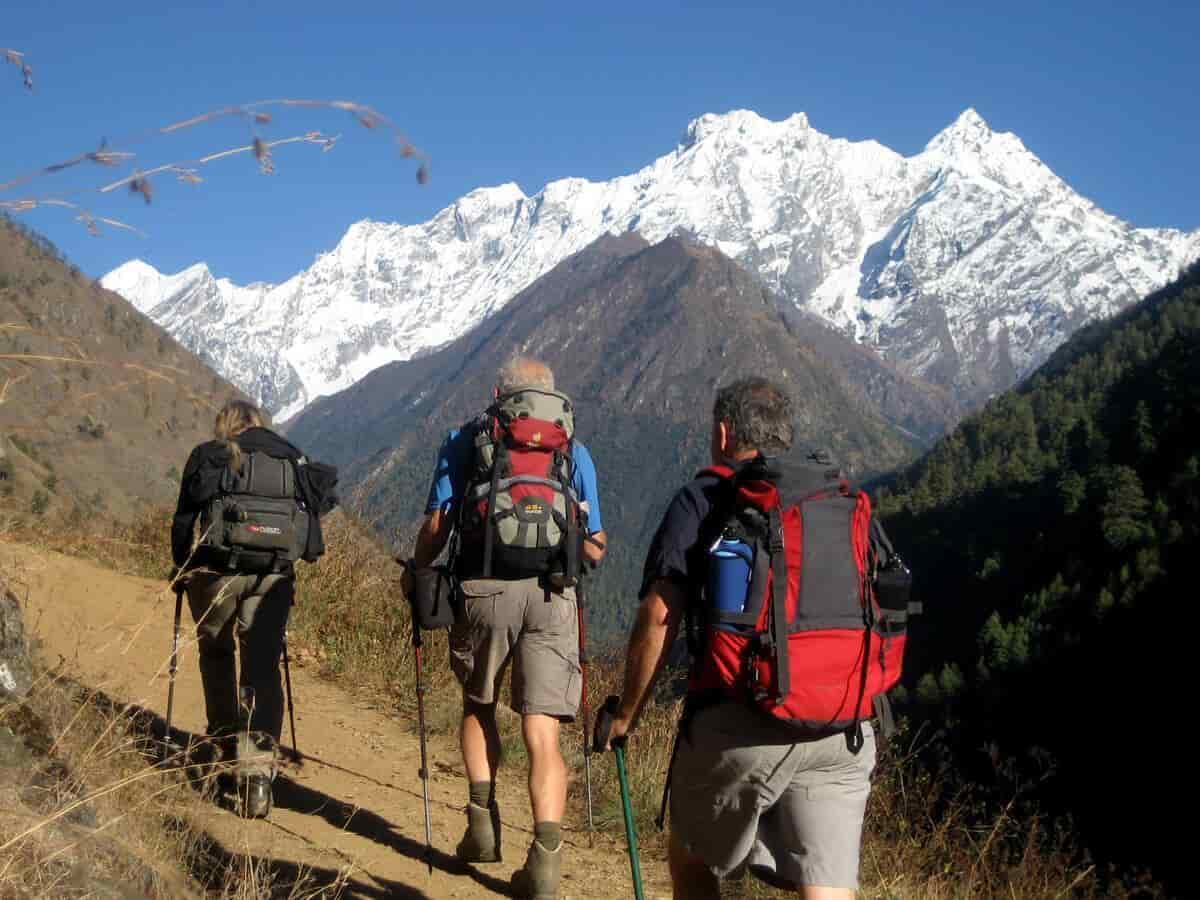
There's no road or airstrip; you reach Mu Gompa on foot, as part of a guided trek. Tsum is a restricted area, so you need a licensed guide, at least two trekkers, and permits arranged by a registered agency.
|
Leg |
Route |
Time |
|---|---|---|
|
1 |
Drive Kathmandu → Machha Khola (930 m) |
8–9 hours |
|
2 |
Machha Khola → Jagat → Lokpa (2,240 m) |
2 days |
|
3 |
Lokpa → Chumling → Chhokang Paro (3,031 m) |
2 days |
|
4 |
Chhokang Paro → Mu Gompa (about 3,700 m) |
5–6 hours, 13 km |
The final day to Mu Gompa passes Lamagaon, Milarepa's Cave, Burji, Phurbe, Pangdun, Chhule and Nile before a last climb to the monastery. The next day you descend via Rachen Gompa to Chhokang Paro. See the full Tsum Valley Trek itinerary.
Most trekkers sleep at the monastery guesthouse. Expect:
Bring a warm sleeping bag (rated to about -10°C), a power bank and a headlamp. Eat what's offered, and remember that this is a working monastery: keep noise low, especially in the evening and early morning.
|
Season |
Months |
Conditions at Mu Gompa |
|---|---|---|
|
Autumn |
September–November |
Clear skies, dry trails, cold nights; the best overall |
|
Spring |
March–May |
Milder days, some haze; Saga Dawa may fall in this window |
|
Monsoon |
June–August |
Upper Tsum gets less rain, but the approach trail and road suffer landslides |
|
Winter |
December–February |
Snow and severe cold; some lodges close; not recommended |
At about 3,700 m, Mu Gompa is the highest overnight stop on the trek, and you arrive after gaining about 669 m from Chhokang Paro. Mild symptoms such as a headache or poor sleep are common here. Walk slowly on the way up, drink 3–4 litres of water, avoid alcohol, and tell your guide about any symptoms. The good news: you start descending the next morning. For more, read our guide to Tsum Valley altitude sickness and acclimatization.
Our Tsum Valley Trek brings you to Mu Gompa on Day 8 and back via Rachen Gompa on Day 9, with:
Want to time your visit with a festival or add Ganesh Himal Base Camp? Message us on WhatsApp and we'll plan it with you.
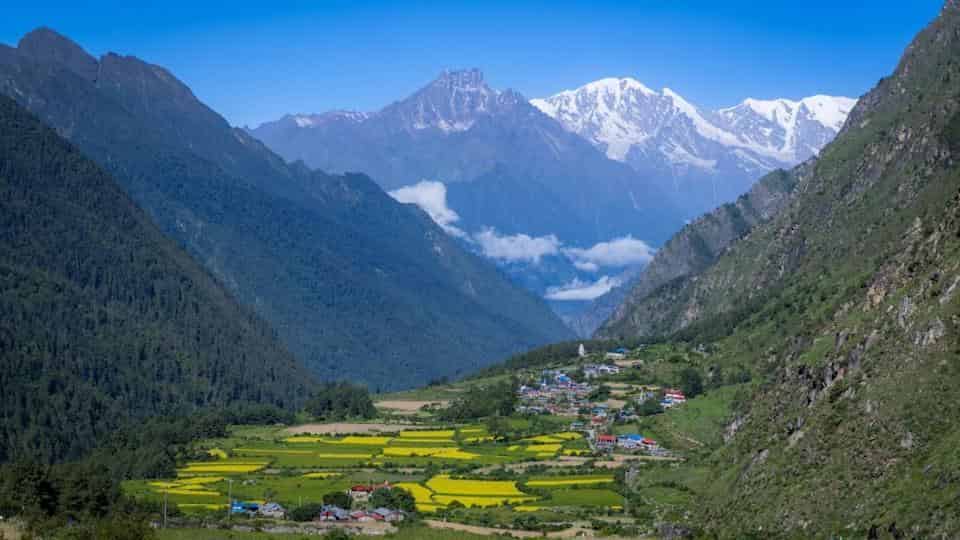
Mu Gompa is at the northern end of the Tsum Valley in Gorkha district, inside the Manaslu Conservation Area and close to the Tibetan border. It sits above the villages of Chhule and Nile, the last settlements in the valley.
About 3,700 m (12,139 ft). It's the highest overnight stop on the standard Tsum Valley trek.
It was established around 1895, according to the National Trust for Nature Conservation, which makes it well over a century old. Some sources describe it as older, so treat the exact date as approximate.
Mu Gompa follows the Gelugpa, or Yellow Hat, tradition of Tibetan Buddhism. Monks here study scripture, chant and perform rituals in the Tibetan language.
On foot, as part of a guided trek. Drive from Kathmandu to Machha Khola (8–9 hours), then walk about five days via Jagat, Lokpa, Chumling and Chhokang Paro. The last day from Chhokang Paro takes 5–6 hours. Our Tsum Valley Trek reaches it on Day 8.
No. Tsum Valley is a restricted area, so you need a licensed guide, at least two trekkers, and a Restricted Area Permit arranged through a registered agency. Solo travellers can join a group departure.
Yes. Most trekkers sleep in the monastery guesthouse. Rooms are very basic and cold, with shared toilets and limited electricity, so bring a warm sleeping bag and a power bank.
Often, yes, but it depends on whether a caretaker monk is available to open it. Your guide will ask on your behalf. Remove your shoes and hat, walk clockwise, and leave a small donation.
Photography inside prayer halls is often not allowed. Always ask before photographing monks, ceremonies or sacred objects. Outdoor photos of the monastery and views are usually fine.
Sometimes. If you stay overnight, you may be able to sit quietly at the back during morning prayers. Ask your guide to check first, stay silent and don't take photos unless invited.
Mild symptoms like headache or poor sleep are common at 3,700 m, especially after the 669 m climb from Chhokang Paro. Serious altitude sickness is rare. Walk slowly, drink well, avoid alcohol and tell your guide about any symptoms. You descend the next day.
Autumn (September–November) for the clearest skies, and spring (March–May) for milder weather and the chance of Saga Dawa celebrations. Winter brings snow and closed lodges; the monsoon brings landslides on the approach.
Rachen Gompa nunnery, Milarepa's Cave (Piren Phu), the border villages of Nile and Chhule, and long mani walls and chortens throughout Upper Tsum. You can also add a side trip to Ganesh Himal Base Camp.
It's best not to. The upper Tsum Valley has a long tradition of non-violence, and visitors are asked not to bring meat into the area. Lodges serve vegetarian meals like dal bhat, potatoes, noodles and Tibetan bread.
A small donation is customary and appreciated. It helps maintain the monastery and support the young monks who study there. Place it in the donation box or hand it to the caretaker; your guide can suggest a suitable amount.
Mu Gompa is more than the highest point of the Tsum Valley trek. It's a living Gelugpa monastery at the edge of Tibet, where prayer horns still mark the start of the day and few outsiders have ever slept. Getting there takes effort: a long drive, five days on foot and a final climb to about 3,700 m. In return you get quiet hills, centuries-old Buddhist culture and a night you won't forget. Go in spring or autumn, walk slowly, visit with respect, and let the valley set the pace. Ready to plan your journey? Explore our Tsum Valley Trek.
Discover more articles that match your interests! Explore these similar blogs packed with insights, tips, and stories to keep you inspired.
How hard is the Tsum Valley trek? Altitude (3,700 m), daily hours, trail conditions, hardest days, permits and training ...
Stay safe on the Tsum Valley trek. Learn the altitude profile to Mu Gompa (3,700 m), early signs of AMS, and proven accl...
Plan your Tsum Valley trek with our 13-day itinerary: daily routes, altitudes, walking hours and highlights from Machha ...
Visit Rachen Gompa, the Tsum Valley nunnery founded in 1905. Learn its history, the nuns\' daily life, how to get there ...
Explore Milarepa’s caves in Nepal, from Piren Phu on the Tsum Valley Trek to Manang, Lapchi and Yolmo. Legends, routes...
Visit Piren Phu, Milarepa\'s sacred Pigeon Cave in Tsum Valley. Legend, location, how to reach it on the Tsum Valley Tre...