Tsum Valley Trek Difficulty: How Hard Is It?
By Nepal Trip Services On 13 Oct 2026

By Nepal Trip Services On 13 Oct 2026
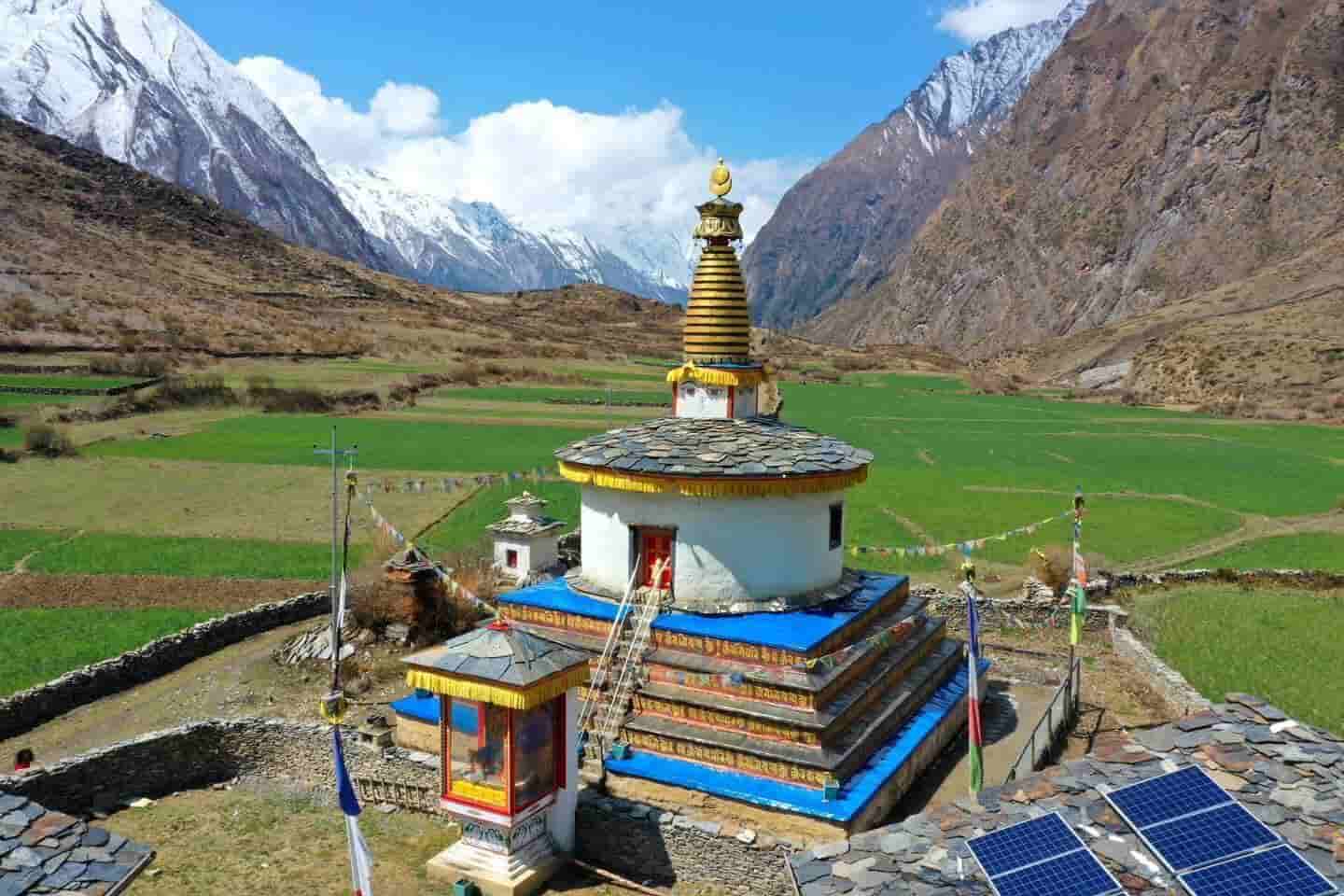
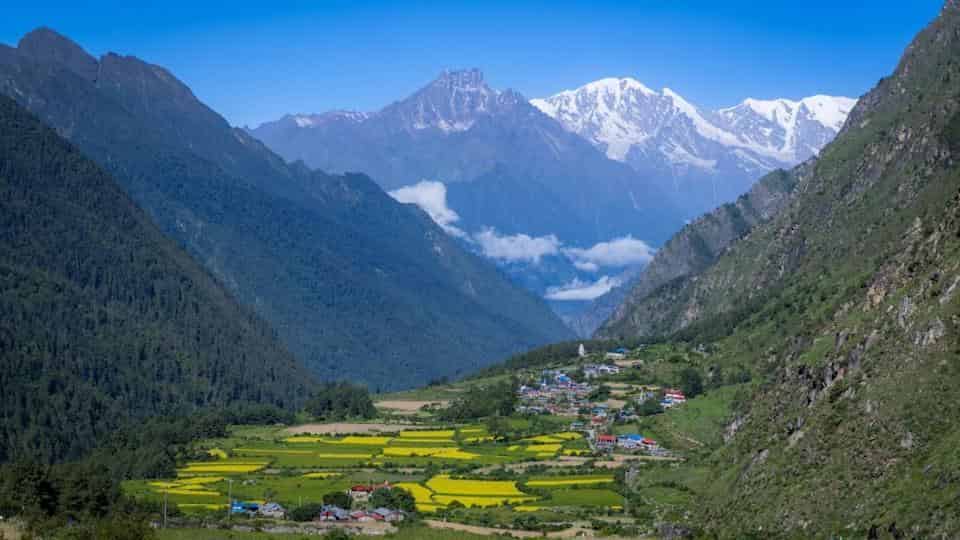
The Tsum Valley trek is a moderate trek. It's harder than a short teahouse walk like Poon Hill, but easier than the high-pass routes such as the Manaslu Circuit or Everest Three Passes. You never cross a high pass, and the highest overnight stop, Mu Gompa, sits at about 3,700 m. What makes it demanding is the long, steep climbing on rough trails, eight straight days of walking, and the remoteness of a valley that only opened to trekkers in 2008.
If you're reasonably fit, can walk 5–7 hours a day for several days in a row, and are comfortable with simple lodges, you can do this trek. This guide explains each part of the challenge and how to prepare. For the full itinerary and departures, see our 13-day Tsum Valley Trek.
|
Factor |
Details |
Rating |
|---|---|---|
|
Overall grade |
No technical skills or high passes |
Moderate |
|
Highest overnight |
Mu Gompa, about 3,700 m |
Moderate |
|
Trekking days |
8 days of walking (13-day trip) |
Moderate |
|
Daily walking |
4–7 hours, most days 5–7 |
Moderate–challenging |
|
Total distance |
About 120–130 km on foot |
Moderate |
|
Biggest climb |
Jagat to Lokpa, about +900 m |
Challenging |
|
Terrain |
Stone stairs, suspension bridges, long descents |
Moderate |
|
Remoteness |
Few villages, basic lodges, limited signal |
Moderate–challenging |
|
Road access |
8–9 hour drive each way on rough roads |
Tiring, not technical |
|
Rules |
Restricted area: licensed guide and at least 2 trekkers |
Must book through an agency |
Altitude is a real factor but not the main challenge. You start low, at Machha Khola (930 m), and climb gradually to Mu Gompa (about 3,700 m). That's below the 4,000–5,500 m zone of treks like Everest Base Camp or Manaslu Circuit. Most people feel only mild effects such as a headache or shortness of breath on climbs above 3,000 m.
The itinerary has no dedicated rest day, so the steady ascent does the acclimatisation for you. Walk slowly, drink 3–4 litres of water a day, and tell your guide at once if a headache gets worse or you feel sick.
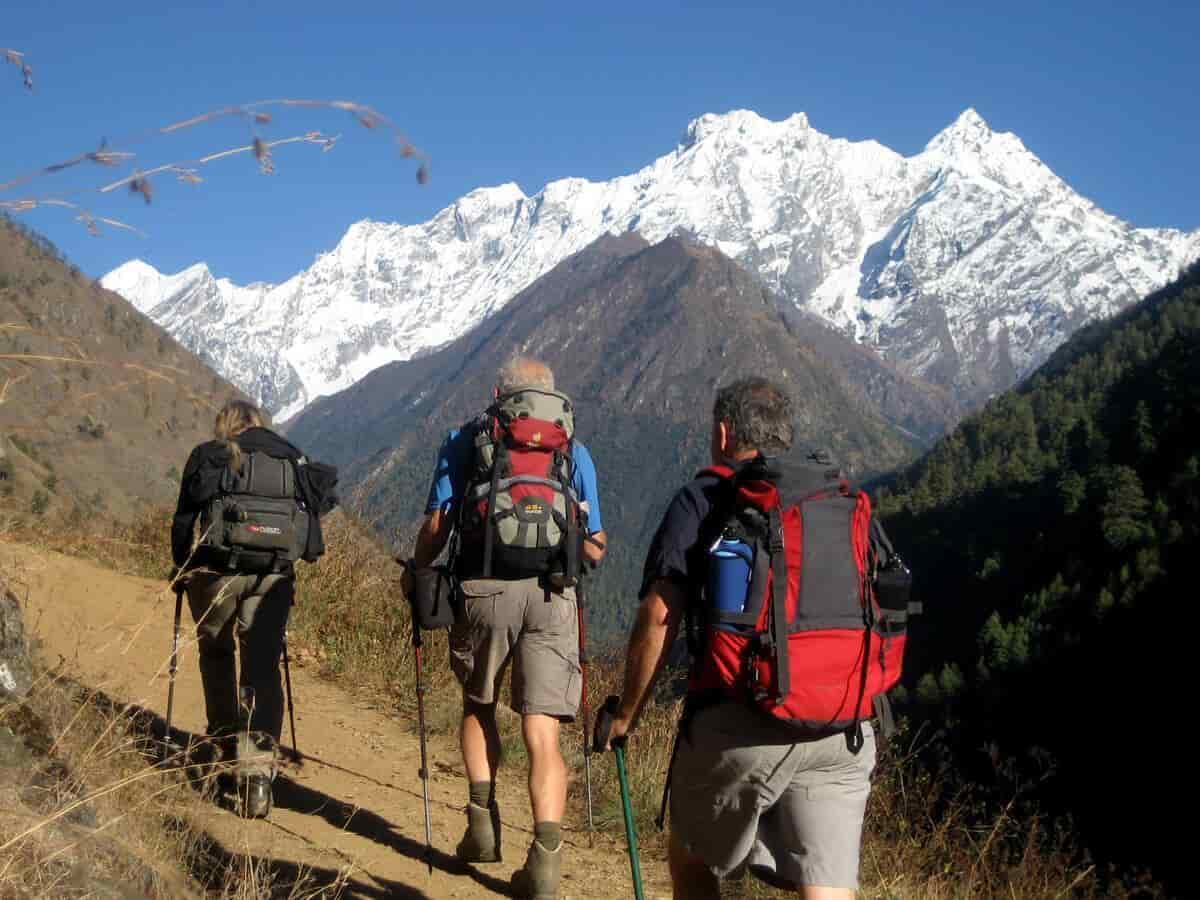
This is where most of the effort goes. The lower trail follows the Budhi Gandaki gorge on narrow paths cut into cliffs, with steep stone staircases and repeated climbs and drops. The day from Jagat to Lokpa gains about 900 m, and the return days are long descents that are hard on the knees.
You walk 4–7 hours a day, covering 9–22 km, for eight days in a row. No single day is extreme, but tiredness builds up. Fitness that lets you recover overnight matters more than raw strength.
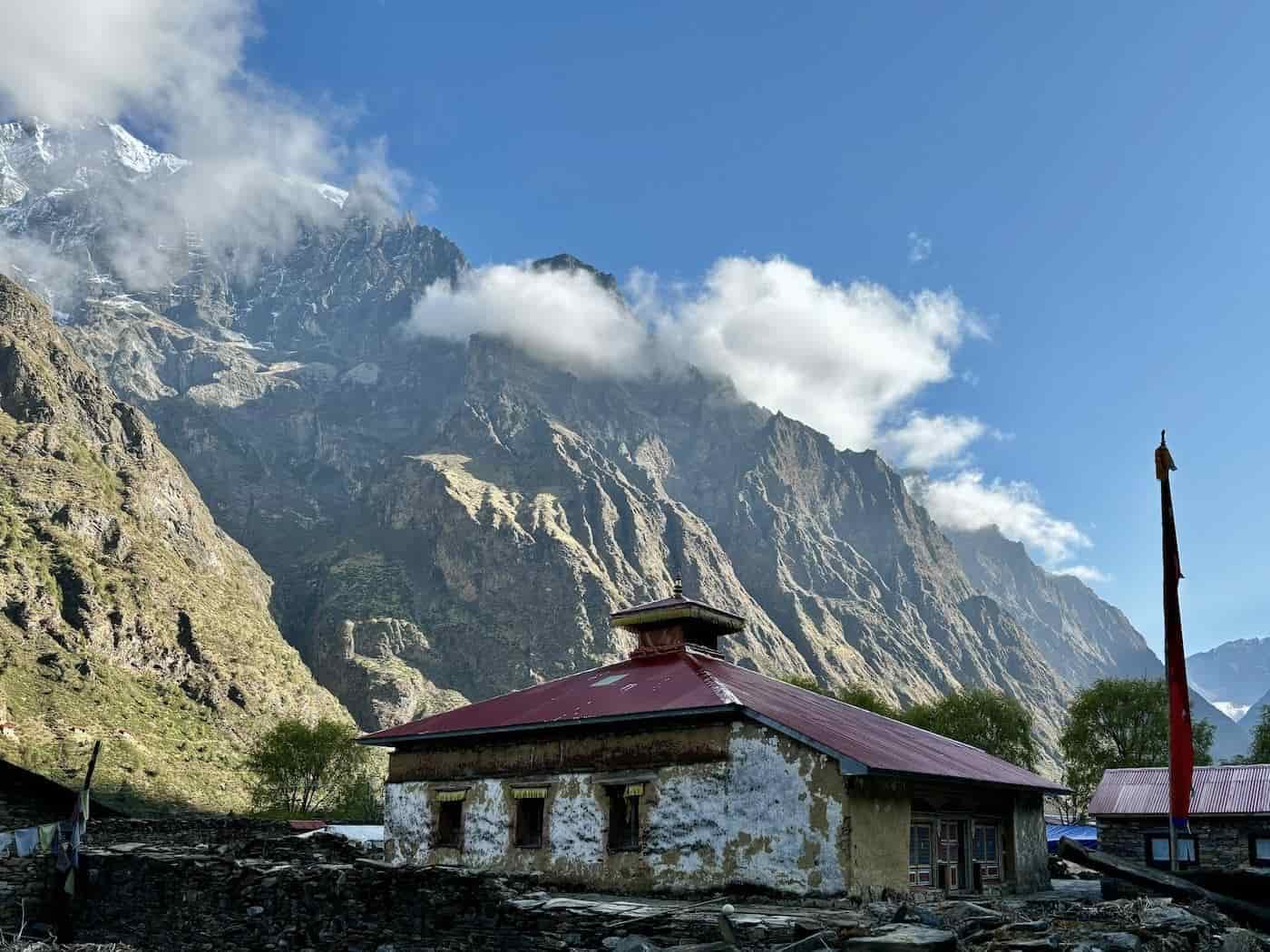
Tsum is a restricted area with small villages and few trekkers. Lodges are simple teahouses, family homestays and a monastery guesthouse at Mu Gompa, mostly with shared toilets, thin walls and cold rooms. Hot showers, charging and Wi-Fi are limited and cost extra, and mobile signal is patchy. Medical help is far away, so a guide and good insurance matter.
The drive from Kathmandu to Machha Khola takes 8–9 hours on a road that becomes rough and unpaved after Arughat. The return is the same. It isn't physically hard, but it is long and bumpy; take motion-sickness tablets if you need them.
In spring and autumn the trail is dry and stable. During the monsoon (June–August), landslides on the lower route, road blockages, slippery paths and leeches make the trek much harder. In winter, snow and cold at Mu Gompa can close some lodges.
You'll cross several long suspension bridges, especially on Days 4, 5 and 7. They're sturdy and safe, but can feel unnerving if you dislike heights. Parts of the gorge trail are narrow with drops to the river; stay on the inside when mules pass.
|
Day |
Section |
Altitude change |
Distance / time |
Why it's hard |
|---|---|---|---|---|
|
4 |
Machha Khola → Jagat |
930 → 1,340 m |
22 km, 6–7 hrs |
Longest distance, hot gorge trail, many ups and downs |
|
5 |
Jagat → Lokpa |
1,340 → 2,240 m |
17 km, 6–7 hrs |
Biggest climb (about +900 m) into the Tsum Valley |
|
8 |
Chhokang Paro → Mu Gompa |
3,031 → 3,700 m |
13 km, 5–6 hrs |
Highest point; thinner air on a steady climb |
|
10 |
Chhokang Paro → Lokpa |
3,031 → 2,240 m |
20 km, 6–7 hrs |
Long descent, tough on knees |
The easiest day is Lokpa to Chumling (9 km, 4–5 hours), which gives your legs a break after the climb from Jagat.
|
Trek |
Duration |
Highest point |
High pass? |
Difficulty |
|---|---|---|---|---|
|
7 days |
~3,210 m |
No |
Easy–moderate |
|
|
9 days |
~4,984 m (Tserko Ri) |
No |
Moderate |
|
|
13 days |
~3,700 m (Mu Gompa) |
No |
Moderate |
|
|
11 days |
4,130 m |
No |
Moderate |
|
|
15 days |
5,106 m (Larkya La) |
Yes |
Challenging |
|
|
14 days |
5,550 m (Kala Patthar) |
No |
Moderate–challenging |
Tsum's altitude is gentler than most famous treks, but its trails, remoteness and road access make it feel tougher than its height suggests. Treat it as a solid moderate trek, not an easy one.
|
Traveller |
Suitable? |
Advice |
|---|---|---|
|
Fit beginners |
Yes |
Train for 6–8 weeks and take the climbs slowly |
|
Experienced trekkers |
Yes |
Consider the Ganesh Himal Base Camp side trip |
|
Older active trekkers |
Yes, with care |
Get a medical check; use trekking poles on descents |
|
Families with teenagers |
Yes |
Private trips let you set the pace |
|
Young children |
Usually not |
Long days and remote facilities make it hard work |
|
People with heart, lung or joint problems |
Check with a doctor |
Medical help is days away |
Want more of a challenge? Add the side trip to Ganesh Himal Base Camp (about 4,200 m, roughly 2–3 extra days), or continue onto the Manaslu Circuit over the Larkya La.
|
Season |
Months |
Difficulty |
|---|---|---|
|
Autumn |
September–November |
Easiest: dry trails, clear views, stable weather |
|
Spring |
March–May |
Easy–moderate: warm days, rhododendrons, some haze |
|
Monsoon |
June–August |
Hardest: landslides, road blocks, leeches, cloud |
|
Winter |
December–February |
Hard: cold nights and snow at Mu Gompa, some lodges closed; for experienced trekkers only |
Tsum Valley is a restricted area, so you can't trek it alone. You need at least two trekkers, a government-licensed guide, and permits arranged through a registered agency. Solo travellers can join one of our group departures.
|
Permit |
Cost (per the trip page; confirm before travel) |
|---|---|
|
Tsum Valley Restricted Area Permit |
About US$40 for the first 7 days (September–November) or US$30 (December–August), plus a daily fee after that |
|
Manaslu Conservation Area Permit (MCAP) |
About NPR 3,000 |
Nepal Trip Services arranges both permits as part of the Tsum Valley Trek package.
Start 6–8 weeks before departure. The aim is to walk for 5–7 hours, day after day, without your legs giving out.
|
Weeks |
Focus |
Example week |
|---|---|---|
|
1–2 |
Base fitness |
3 cardio sessions of 30–45 min; 2 leg and core sessions; one 2–3 hour walk |
|
3–4 |
Hills and stairs |
Stair or hill workouts; one 4-hour hike with a 5 kg pack |
|
5–6 |
Endurance |
Two back-to-back 4–6 hour hikes with a 5–7 kg pack |
|
7–8 |
Taper |
Lighter walks, stretching, gear checks |
You're ready when you can hike 5–6 hours with a light pack, repeat it the next day, and walk downhill for an hour without knee pain. Break in your boots before you go, and practise with trekking poles.
Acute mountain sickness can start above about 2,500 m. Symptoms include headache, nausea, dizziness and poor sleep. On this trek the risk is moderate and mostly limited to the days around Chhokang Paro and Mu Gompa. Your guide will monitor you; if symptoms get worse, the answer is to descend. Travel insurance that covers trekking and helicopter evacuation is essential, because the nearest hospital is a long drive away.
Our 13-day Tsum Valley Trek is planned to keep the difficulty manageable:
Not sure if you're ready? Message us on WhatsApp with your fitness and experience, and we'll tell you honestly whether this trek fits.
It's a moderate trek. There are no high passes or technical sections, and the highest overnight stop is Mu Gompa at about 3,700 m. The challenge comes from 5–7 hour walking days on steep, rocky trails, a big climb from Jagat to Lokpa, and basic facilities in a remote valley. Fit beginners who train beforehand can complete it.
Yes, if they're reasonably fit and prepare. No previous trekking or climbing experience is required. Train for 6–8 weeks with hikes, stairs and leg exercises, walk slowly, and let a porter carry your main bag. Beginners who want something shorter first could try the Poon Hill Trek.
Mu Gompa, at about 3,700 m, is the highest overnight point on the standard 13-day itinerary. If you add the optional side trip to Ganesh Himal Base Camp, you reach about 4,200 m.
The risk is moderate and lower than on Everest or Manaslu treks, because you stay below 4,000 m on the standard route. Mild symptoms like headache or poor sleep can appear above 3,000 m, around Chhokang Paro and Mu Gompa. Walk slowly, drink plenty of water, avoid alcohol and tell your guide about any symptoms. If symptoms get worse, descend.
Usually 5–7 hours, with the shortest day (Lokpa to Chumling) around 4–5 hours. Daily distances range from about 9 km to 22 km. Times include rest and lunch stops.
About 120–130 km on foot over eight trekking days, from Machha Khola to Mu Gompa and back to Jagat. This doesn't include the long road drives to and from Kathmandu.
Most trekkers find Day 5, Jagat to Lokpa, the toughest. It climbs about 900 m over 17 km, from the Budhi Gandaki gorge into the Tsum Valley. Day 8 to Mu Gompa is the highest, and Day 10 (Chhokang Paro to Lokpa) is a long, knee-testing descent.
No. The Manaslu Circuit crosses the Larkya La pass at 5,106 m and spends several nights above 4,000 m, which makes it noticeably harder. Tsum Valley shares the same lower trail but stays below about 3,700 m and has no pass to cross.
No. Tsum Valley is a restricted area. You need a licensed guide, at least two trekkers in the group, and permits arranged through a registered trekking agency. Solo travellers can join a group departure so they meet the two-person rule.
According to our trip page, the Tsum Valley Restricted Area Permit costs about US$40 for the first 7 days in September–November, or US$30 from December to August, with a daily fee after that. You also need the Manaslu Conservation Area Permit (about NPR 3,000). Fees change, so confirm current rates before you travel; they're included in our package.
Autumn (September–November) and spring (March–May). Trails are dry, skies are clearer and lodges are open. The monsoon brings landslides and leeches, and winter brings snow and cold at Mu Gompa, both of which make the trek much harder.
Not in normal conditions. The trail is well used by locals and mule trains. The main risks are narrow sections above the river, slippery stone steps after rain, and landslides on the lower route during the monsoon. Stay on the inside of the path when animals pass, use poles, and follow your guide's advice on trail conditions.
Basic. You'll stay in simple teahouses, family homestays and a monastery guesthouse at Mu Gompa, mostly with shared toilets and unheated rooms. Meals are filling and simple: dal bhat, noodles, potatoes, Tibetan bread and soup. Hot showers, charging and Wi-Fi are limited and cost extra.
Start 6–8 weeks before you leave. Build up to back-to-back 4–6 hour hikes with a 5–7 kg pack, add stair climbing and leg-strength work (squats, lunges, step-ups), and practise long downhill walks to protect your knees. Get a medical check if you have heart, lung or joint concerns.
Yes. Active older trekkers do this route successfully; get medical clearance, use trekking poles and consider a private trip with an extra rest day. Fit teenagers usually manage well with an adult. The long days and remote facilities make it less suited to young children.
The Tsum Valley trek is a moderate trek that suits fit beginners and experienced trekkers alike. It has no high passes and stays below about 3,700 m. The effort comes from steep gorge trails, long walking days, rough road journeys and simple lodges in a remote, restricted valley. Train for six to eight weeks, go in spring or autumn, walk at a steady pace and trek with a licensed guide, and the difficulty becomes very manageable. Ready to explore Nepal's hidden valley? Check dates and details for our Tsum Valley Trek.
Discover more articles that match your interests! Explore these similar blogs packed with insights, tips, and stories to keep you inspired.
Stay safe on the Tsum Valley trek. Learn the altitude profile to Mu Gompa (3,700 m), early signs of AMS, and proven accl...
Plan your Tsum Valley trek with our 13-day itinerary: daily routes, altitudes, walking hours and highlights from Machha ...
Discover Mu Gompa, Tsum Valley\'s highest monastery at 3,700 m: its history, what to see, how to get there, where to sta...
Visit Rachen Gompa, the Tsum Valley nunnery founded in 1905. Learn its history, the nuns\' daily life, how to get there ...
Explore Milarepa’s caves in Nepal, from Piren Phu on the Tsum Valley Trek to Manang, Lapchi and Yolmo. Legends, routes...
Visit Piren Phu, Milarepa\'s sacred Pigeon Cave in Tsum Valley. Legend, location, how to reach it on the Tsum Valley Tre...