Rachen Gompa, Tsum Valley: Complete Guide For Trekkers
By Nepal Trip Services On 13 Oct 2026

By Nepal Trip Services On 13 Oct 2026
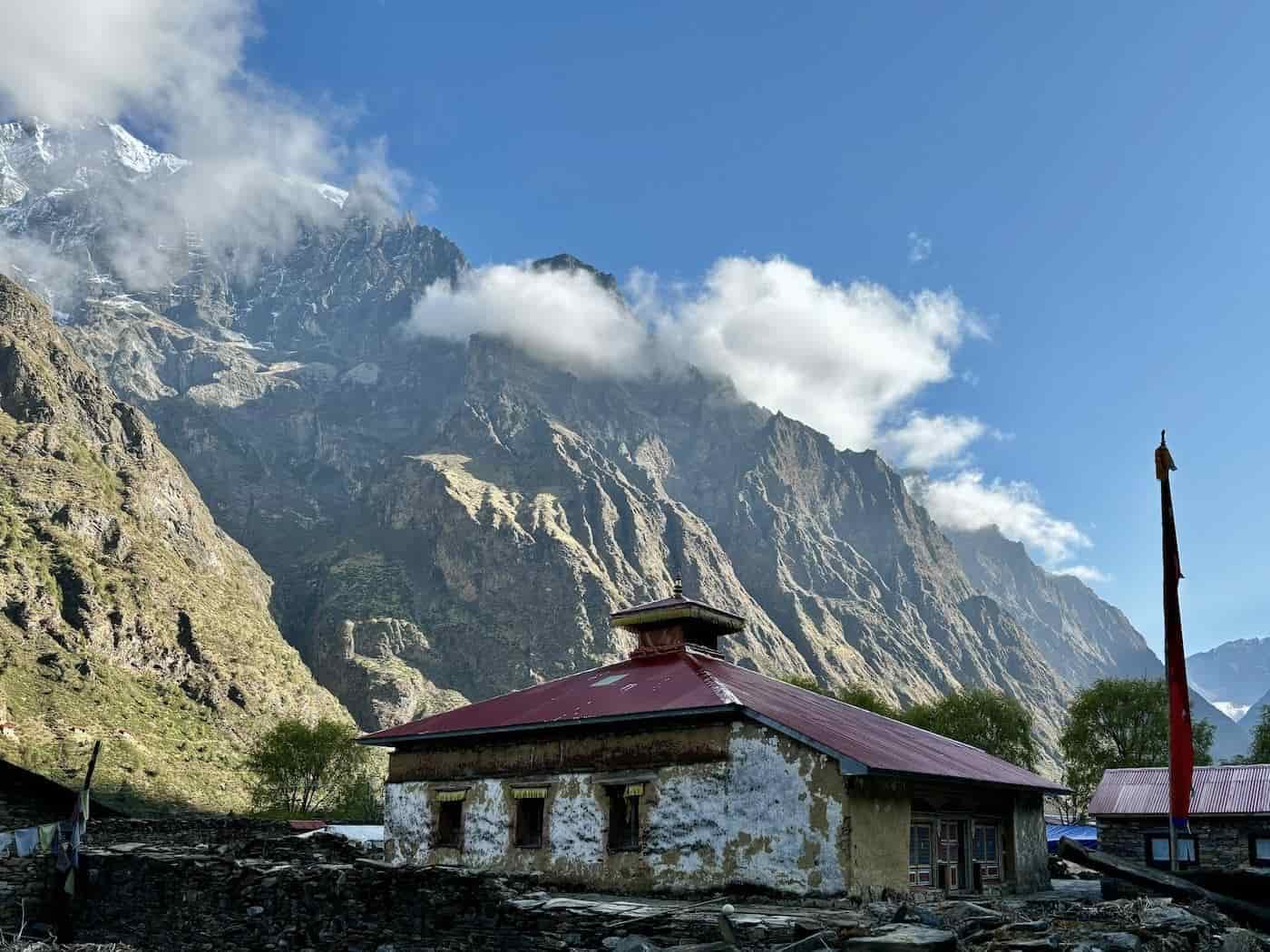
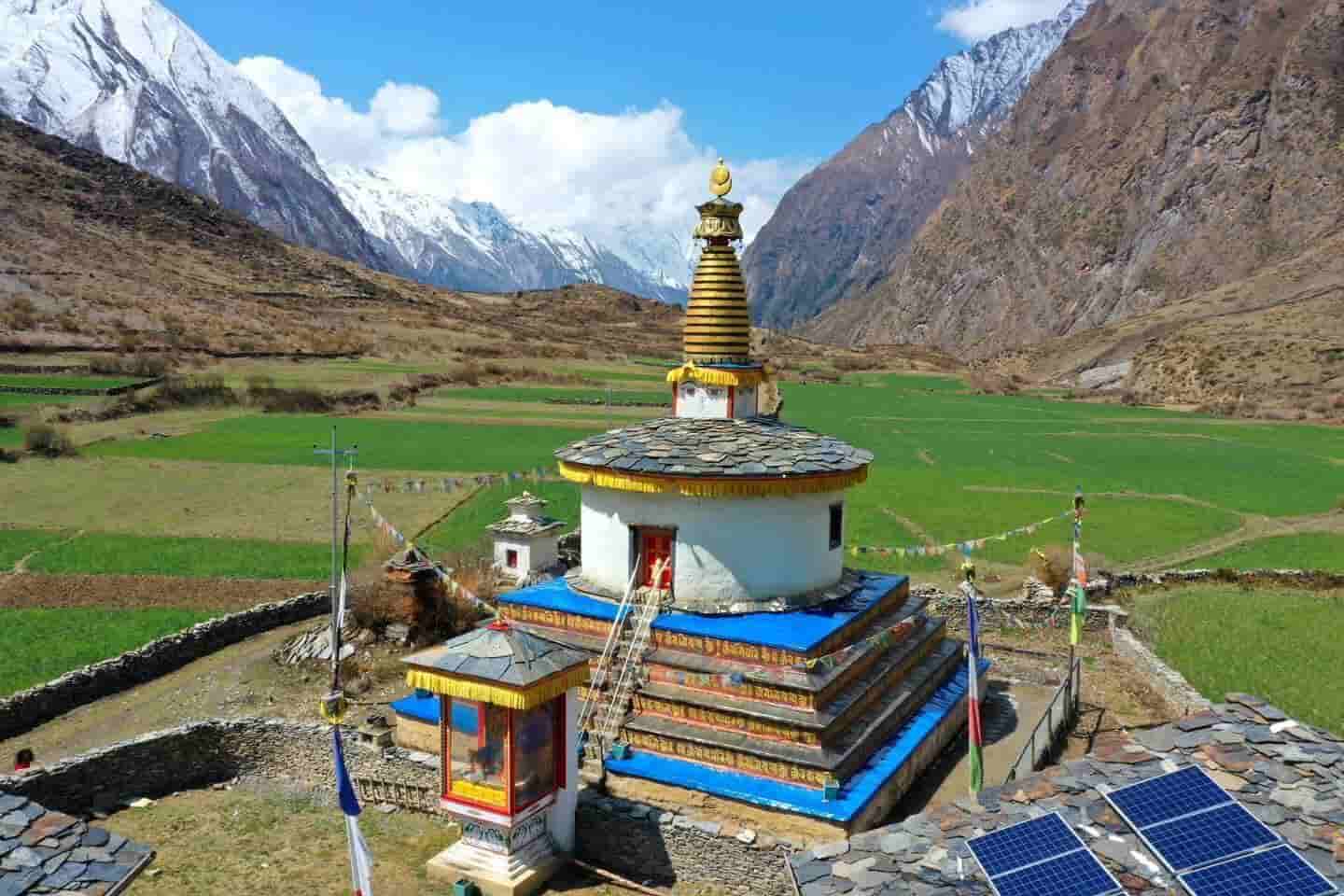
Most trekkers come to Tsum Valley for Mu Gompa, the high monastery near the Tibetan border. Many leave remembering Rachen Gompa just as much. This Buddhist nunnery, founded in 1905, sits in Upper Tsum beside the Shiar Khola, a short walk from Chhokang Paro. Dozens of nuns live, study and pray here, and for a few hours you get a quiet look at a way of life that has continued for more than a century.
This guide explains Rachen Gompa's history, what you'll see, how to get there and how to visit respectfully. It's a highlight of Day 9 on our 13-day Tsum Valley Trek, on the way down from Mu Gompa.
|
Detail |
Information |
|---|---|
|
Full name |
Jangchub Choling Rachen Nunnery |
|
Location |
Upper Tsum Valley, near Chhokang Paro, Gorkha district, Manaslu Conservation Area |
|
Altitude |
About 3,240 m |
|
Founded |
1905, by the Bhutanese lama Drukpa Rinpoche Ngawang Palsang |
|
Run by |
Kopan Monastery (FPMT, Tibetan Buddhist) since 2003 |
|
Community |
Around 80 nuns in the main season; fewer in winter |
|
Visit on |
Day 9 of our trek, between Mu Gompa and Chhokang Paro |
|
Time to allow |
1–2 hours |
|
Permits |
Tsum Valley Restricted Area Permit + Manaslu Conservation Area Permit |
|
Best months |
March–May and September–November |
Rachen Gompa, formally Jangchub Choling Rachen Nunnery, was founded in 1905 by the Bhutanese lama Drukpa Rinpoche Ngawang Palsang. He is also remembered in Tsum for a pledge that banned the killing of animals in the valley, which is why hunting and slaughter are still traditionally avoided here.
His reincarnation, the 2nd Drukpa Rinpoche Ngawang Khenrab, later offered both Rachen Nunnery and nearby Mu Gompa to Kopan Monastery in Kathmandu, part of the international Foundation for the Preservation of the Mahayana Tradition (FPMT). Kopan has managed the nunnery since 2003 and introduced a structured education programme for the nuns (University of Bern research).
In 2012, the valley revived the old non-violence pledge at the Tsum Valley Shyakya Festival, attended by Nepal's Prime Minister. The tradition remains part of daily life around Rachen and Mu Gompa.
Rachen is a working nunnery, not a museum. Around 80 nuns live here in the main season, from young girls in training to senior practitioners. Their days revolve around prayer, chanting, meditation, study of Buddhist philosophy and Tibetan language, and care of the buildings.
The nuns have long served the surrounding villages too, performing prayers, rituals and fasting practices on their behalf. In return, villagers have traditionally given barley flour, potatoes, butter and firewood.
In winter, when Upper Tsum is bitterly cold, most nuns move to Kopan's Khachoe Ghakyil Ling Nunnery in Kathmandu, leaving a few senior nuns and some young nuns behind. Visit in spring or autumn to see the community at its fullest.
If prayers are in session, you may be invited to sit quietly at the back. The hall is opened at the nuns' discretion; your guide will ask.
|
Site |
Distance from Rachen |
Why visit |
|---|---|---|
|
Mu Gompa |
Half a day's walk up-valley |
Highest and largest monastery in Tsum, about 3,700 m |
|
Chhokang Paro |
Short walk |
Village on a wide plateau with views of Himalchuli; overnight stop |
|
Milarepa's Cave (Piren Phu) |
On the Day 8 route |
Cave where the 11th-century yogi Milarepa is believed to have meditated |
|
Nile and Chhule |
Up-valley, toward Mu Gompa |
Last villages before the Tibetan border |
See the full route on our Tsum Valley Trek page, or extend your trip with the Ganesh Himal Base Camp side trip.
Rachen Gompa is reached on foot as part of a guided Tsum Valley trek. Tsum is a restricted area, so you need a licensed guide, at least two trekkers, and permits arranged through a registered agency.
|
Leg |
Route |
Time |
|---|---|---|
|
1 |
Drive Kathmandu → Machha Khola (930 m) |
8–9 hours |
|
2 |
Machha Khola → Jagat → Lokpa |
2 days |
|
3 |
Lokpa → Chumling → Chhokang Paro (3,031 m) |
2 days |
|
4 |
Chhokang Paro → Mu Gompa (about 3,700 m) |
5–6 hours |
|
5 |
Mu Gompa → Rachen Gompa → Chhokang Paro |
5–6 hours, 13 km |
On our itinerary you visit Rachen on Day 9, on the way down from Mu Gompa, then sleep at Chhokang Paro. If you'd like more time with the nuns, ask us to plan a slower day. See the full Tsum Valley Trek itinerary.
Most trekkers sleep at Chhokang Paro, a short walk from the nunnery, in simple teahouses or family homestays. Rooms are basic with shared toilets, and nights are cold, so bring a warm sleeping bag. The nunnery itself is a place of practice; overnight stays there aren't part of standard itineraries.
|
Season |
Months |
What to expect |
|---|---|---|
|
Autumn |
September–November |
Clear skies, dry trails; most nuns in residence |
|
Spring |
March–May |
Milder weather; nuns return from Kathmandu in spring |
|
Monsoon |
June–August |
Landslides on the approach trail and road |
|
Winter |
December–February |
Very cold; most nuns are in Kathmandu |
At about 3,240 m, Rachen Gompa is lower than Mu Gompa, and you reach it while descending, so altitude is rarely a problem here. You'll already have slept at about 3,700 m the night before. If you felt unwell at Mu Gompa, the descent to Rachen and Chhokang Paro usually brings relief.
Our Tsum Valley Trek includes Rachen Gompa on Day 9, after your night at Mu Gompa. With us you get:
Have questions about visiting the nunnery? Message us on WhatsApp.
Rachen Gompa, formally Jangchub Choling Rachen Nunnery, is a Tibetan Buddhist nunnery in Upper Tsum Valley, Nepal. Around 80 nuns live, study and pray there in the main season. It's one of the most important religious sites in the valley, alongside Mu Gompa.
It's in Upper Tsum, near the village of Chhokang Paro, in Gorkha district inside the Manaslu Conservation Area. It sits beside the Shiar Khola, about half a day's walk below Mu Gompa.
About 3,240 m. That's lower than Mu Gompa (about 3,700 m) and a little higher than Chhokang Paro (3,031 m).
In 1905, by the Bhutanese lama Drukpa Rinpoche Ngawang Palsang, according to research from the University of Bern. That makes it more than 120 years old.
Since 2003 the nunnery has been managed by Kopan Monastery in Kathmandu, part of the international FPMT. Kopan introduced a structured education programme for the nuns.
Yes. Trekkers on the Tsum Valley trek can visit, usually on the way down from Mu Gompa. Visits are at the nuns' discretion, so your guide will ask first. Dress modestly, follow the etiquette and leave a small donation.
On a guided trek. Drive from Kathmandu to Machha Khola, then walk via Jagat, Lokpa, Chumling and Chhokang Paro to Mu Gompa, and visit Rachen on the way back. On our Tsum Valley Trek that's Day 9.
Yes. You need the Tsum Valley Restricted Area Permit and the Manaslu Conservation Area Permit, and you must trek with a licensed guide in a group of at least two. Nepal Trip Services arranges both permits.
Sometimes. If prayers are taking place, you may be invited to sit quietly at the back of the hall. Ask your guide, stay silent, and don't take photos unless the nuns say it's fine.
Photos of the buildings and views outside are usually fine. Always ask before photographing nuns, ceremonies or the inside of the assembly hall, and respect a "no".
Overnight stays at the nunnery aren't part of standard itineraries. Trekkers usually sleep at Chhokang Paro, a short walk away, in teahouses or homestays.
Spring (March–May) and autumn (September–November). Most nuns spend winter at a nunnery in Kathmandu, so the community is smaller from December to February, and the monsoon brings landslides on the approach.
Both were linked to the Bhutanese Drukpa Rinpoche lineage and were later offered to Kopan Monastery, which now oversees them. Most treks visit Mu Gompa on Day 8 and Rachen Gompa on Day 9.
A small donation is customary and helps support the nuns' education, food and the upkeep of the buildings. Put it in the donation box or hand it to a senior nun; your guide can suggest an amount.
Modest, warm clothing that covers your shoulders and knees. You'll remove your shoes and hat inside the hall, so slip-on layers and warm socks help. Bring a warm jacket, as Upper Tsum is cold even on sunny days.
Rachen Gompa is one of the quiet treasures of the Tsum Valley trek. Founded in 1905 and still home to a community of around 80 nuns, it offers a rare, respectful glimpse of Buddhist monastic life in a remote Himalayan valley. Visit on the way down from Mu Gompa, dress modestly, ask before taking photos, and take a little time to sit in the hall if prayers are under way. Go in spring or autumn, when the nuns are in residence. Ready to plan your trip? Explore our Tsum Valley Trek with Nepal Trip Services.
Discover more articles that match your interests! Explore these similar blogs packed with insights, tips, and stories to keep you inspired.
How hard is the Tsum Valley trek? Altitude (3,700 m), daily hours, trail conditions, hardest days, permits and training ...
Stay safe on the Tsum Valley trek. Learn the altitude profile to Mu Gompa (3,700 m), early signs of AMS, and proven accl...
Plan your Tsum Valley trek with our 13-day itinerary: daily routes, altitudes, walking hours and highlights from Machha ...
Discover Mu Gompa, Tsum Valley\'s highest monastery at 3,700 m: its history, what to see, how to get there, where to sta...
Explore Milarepa’s caves in Nepal, from Piren Phu on the Tsum Valley Trek to Manang, Lapchi and Yolmo. Legends, routes...
Visit Piren Phu, Milarepa\'s sacred Pigeon Cave in Tsum Valley. Legend, location, how to reach it on the Tsum Valley Tre...