Piren Phu (milarepa's Cave): A Trekker's Guide To Tsum Valley's Sacred Pigeon Cave
By Nepal Trip Services On 16 Oct 2026

By Nepal Trip Services On 16 Oct 2026
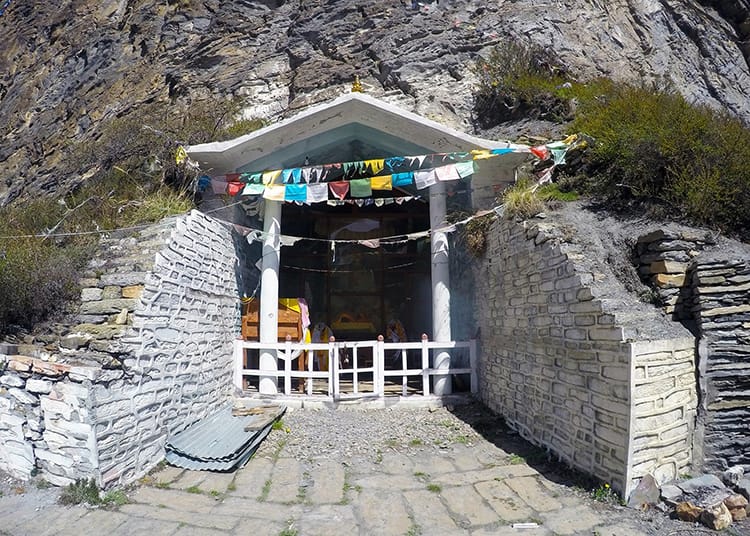
High above the barley fields of Upper Tsum, a small monastery clings to a cliff. Behind it lies Piren Phu, the "Pigeon Cave," where the Tibetan yogi Milarepa is believed to have meditated more than 900 years ago.
For trekkers, Piren Phu is one of the most meaningful stops on the Tsum Valley Trek. It sits right on the main trail to Mu Gompa, so you visit it without adding a single extra day.
This guide explains the legend behind the cave, where it is, what you will see, how to reach it, and how to plan your visit, from permits and seasons to etiquette and photography.
Piren Phu is a sacred meditation cave in Upper Tsum Valley, Gorkha District, linked to the 11th-century yogi Jetsun Milarepa. Phu (Tibetan phug) means "cave," and the name is usually translated as "Pigeon Cave." It is often listed simply as Milarepa's Cave, Tsum Valley.
According to tradition, Milarepa came to Tsum after a period of meditation in Yolmo (Helambu), north of Kathmandu. A pigeon is said to have guided him to the rock where he settled. While he meditated there, he taught a group of gods who had taken the form of pigeons. That story gave the cave its name.
Villagers in nearby Burji tell another story. Milarepa once came to an old woman's house as a beggar. Not knowing who he was, she treated him poorly and gave him only a scrap of buckwheat bread. Soon afterward, half of her field turned barren. Locals still point to a small, bare plot among Burji's fertile fields as proof of the tale.
For Tibetan Buddhists, a place where Milarepa practiced is believed to hold his blessing. Pilgrims come to pray, light butter lamps and make offerings, hoping to connect with his example of patience, effort and compassion. For trekkers, Piren Phu offers a rare chance to stand in a living sacred site that few outsiders have seen.
Milarepa (traditionally dated c. 1040–1123) is Tibet's most beloved poet-saint. As a young man he used black magic to take revenge on relatives who had robbed his family. Full of remorse, he became the student of the translator Marpa, who tested him with years of hard labor before teaching him meditation. Milarepa then spent most of his life in mountain caves, teaching through songs later collected as The Hundred Thousand Songs of Milarepa. He is a central figure of the Kagyu school of Tibetan Buddhism.
In Milarepa's day, Tsum lay in the borderland between Tibet and the Himalayan valleys to the south. Today it is part of Nepal's Gorkha District, tucked between the Ganesh Himal, Sringi Himal and Boudha Himal ranges, with Tibet just beyond the passes at the head of the valley.
Buddhist texts describe Tsum as Beyul Kyimolung, a beyul or hidden sacred valley set aside for practice and refuge. Milarepa's stay helped give the valley its spiritual reputation, and later teachers built monasteries and nunneries here.
The people of Tsum, known as Tsumbas, have long avoided hunting and animal slaughter. Many see this as part of the valley's Buddhist heritage. As a visitor, you will see it in daily village life and in the largely vegetarian meals served in teahouses and homestays.
Tsum stayed closed to foreign trekkers until 2008, which is why Piren Phu still feels so untouched compared with sites on busier routes.
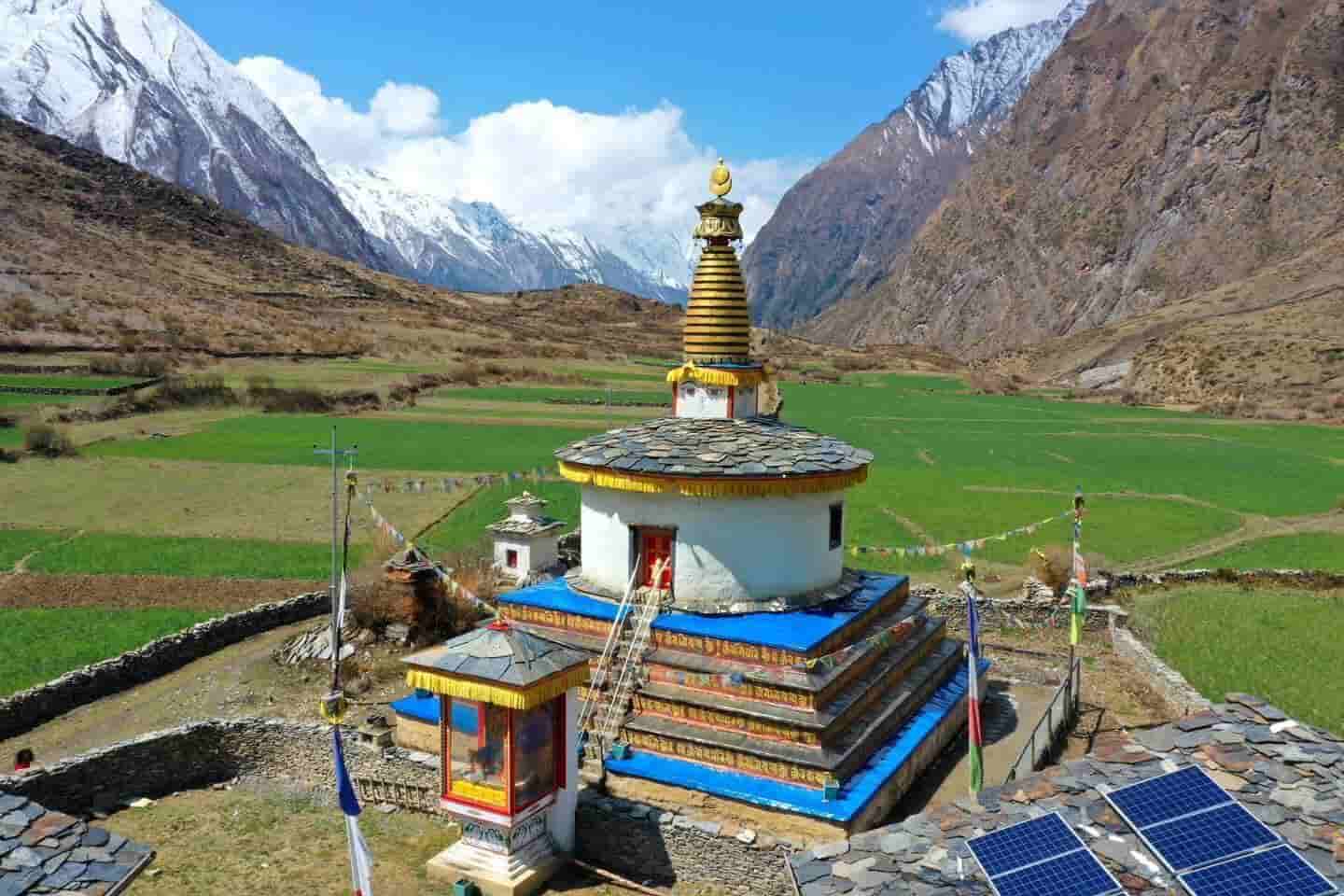
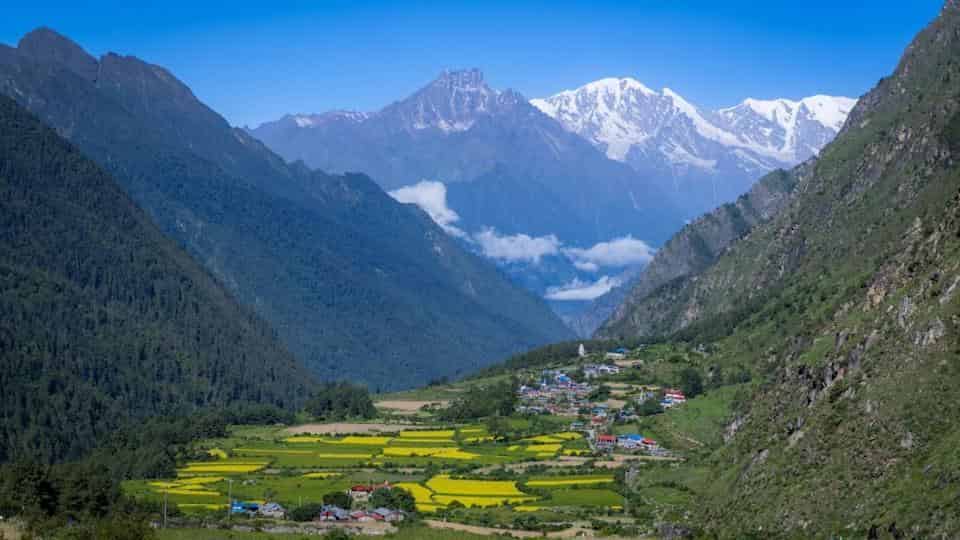
Piren Phu sits high on a rocky cliff near Burji village in Upper Tsum, on the trail between Chhokang Paro (3,031 m) and Nile, the last village before the Tibetan border. From the cave, the view opens over stone villages, mani walls and barley terraces toward the snow peaks around the valley.
|
Quick fact |
Details |
|---|---|
|
Name |
Piren Phu (Pigeon Cave), also called Milarepa's Cave |
|
Location |
Near Burji, Upper Tsum Valley, Gorkha District, Nepal |
|
Altitude |
Above 3,000 m, between Chhokang Paro (3,031 m) and Mu Gompa (3,700 m) |
|
Religious tradition |
Tibetan Buddhism; linked to Milarepa and the Kagyu lineage |
|
Trek |
|
|
Day reached |
Day 8 of the Nepal Trip Services itinerary |
|
Nearest overnight stops |
Chhokang Paro and Mu Gompa |
|
Permits |
Tsum Valley Restricted Area Permit + Manaslu Conservation Area Permit |
|
Best season |
September–November and March–May |
|
Difficulty |
Moderate |
Exact altitude figures for the cave vary between sources; the range above reflects the villages on either side.
Piren Phu is a working shrine rather than a ruin, so expect a place of quiet prayer rather than a tourist attraction.
There are no fixed opening hours or ticket counters. Your guide will check access locally and explain the shrine's meaning as you visit.
The easiest and most complete way to visit Piren Phu is the 13-day Tsum Valley Trek with Nepal Trip Services. You reach the cave on Day 8, on the walk from Chhokang Paro to Mu Gompa.
|
Day |
Route |
Max altitude |
Time |
|---|---|---|---|
|
1 |
Arrive in Kathmandu, transfer to hotel |
1,400 m |
30–45 min drive |
|
2 |
Kathmandu sightseeing and trek preparation |
1,400 m |
5–6 hrs tour |
|
3 |
Drive Kathmandu to Machha Khola via Soti Khola |
930 m |
8–9 hrs drive |
|
4 |
Trek Machha Khola to Jagat |
1,340 m |
6–7 hrs |
|
5 |
Trek Jagat to Lokpa, gateway to Tsum |
2,240 m |
6–7 hrs |
|
6 |
Trek Lokpa to Chumling |
2,386 m |
4–5 hrs |
|
7 |
Trek Chumling to Chhokang Paro |
3,031 m |
5–6 hrs |
|
8 |
Chhokang Paro to Mu Gompa via Piren Phu (Milarepa's Cave) |
3,700 m |
5–6 hrs |
|
9 |
Mu Gompa to Chhokang Paro via Rachen Gompa |
3,031 m |
5–6 hrs |
|
10 |
Trek Chhokang Paro to Lokpa |
2,240 m |
6–7 hrs |
|
11 |
Trek Lokpa to Jagat |
1,340 m |
6–7 hrs |
|
12 |
Drive Tatopani (Jagat) to Kathmandu |
1,400 m |
8–9 hrs drive |
|
13 |
Final departure |
— |
30–45 min drive |
After breakfast in Chhokang Paro, you walk past Lamagaon and climb to Piren Phu. After time at the cave, the trail continues through Burji, Phurbe and Pangdun, past long mani walls and chortens, to Chhule and Nile. A final climb brings you to Mu Gompa (3,700 m), where you spend the night in the monastery guesthouse. The day covers about 13 km.
For a fuller breakdown of each stage, see our Tsum Valley Trek itinerary guide.
The trek starts with a drive of about 8–9 hours from Kathmandu to Machha Khola via Arughat and Soti Khola. Beyond Soti Khola the road is rough, so private jeeps are used where needed. From Jagat, the trail follows the Budhi Gandaki before turning north at Ekle Bhatti into the Tsum Valley.
Autumn (September–November) is the best time, with dry trails and the clearest mountain views. Spring (March–May) is the next-best choice, bringing milder days and rhododendron blooms on the lower trail.
|
Season |
Months |
Conditions in Upper Tsum |
Rating |
|---|---|---|---|
|
Autumn |
Sep–Nov |
Clear skies, stable weather, cold nights |
Excellent |
|
Spring |
Mar–May |
Mild days, flowers on lower trails, some haze |
Excellent |
|
Monsoon |
Jun–Aug |
Rain, leeches and landslide risk lower down |
Not ideal |
|
Winter |
Dec–Feb |
Freezing nights, possible snow, quiet trails |
For experienced trekkers |
See our guides to autumn trekking and spring trekking in Nepal for more detail.
Tsum Valley is a restricted area near the Tibetan border, so you need:
Permits are issued only through a registered Nepali trekking agency, for a group of at least two trekkers with a government-licensed guide. Fees are set by the Government of Nepal and can change, so Nepal Trip Services confirms the current rates when you book and handles all the paperwork.
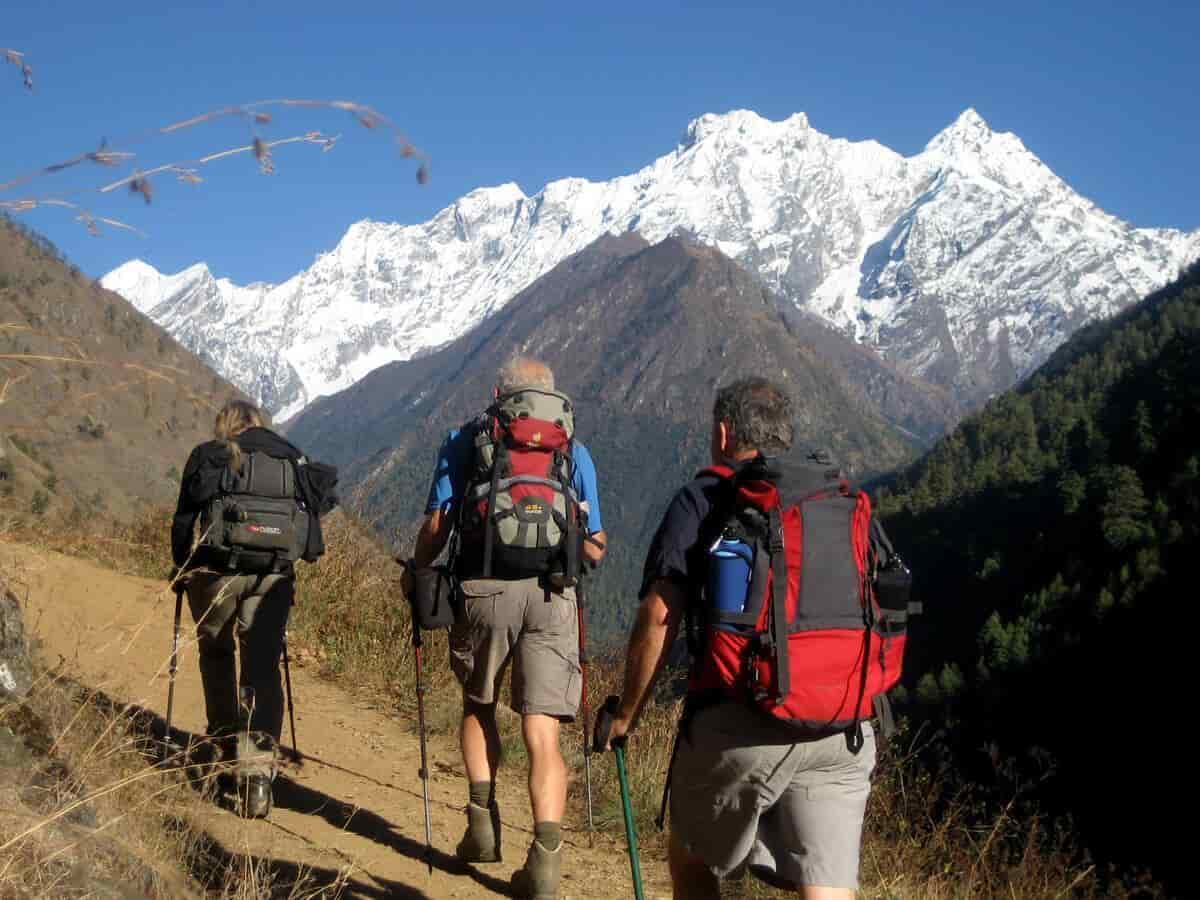
The Tsum Valley Trek is rated moderate. Expect 5–7 hours of walking a day on rugged trails with stone steps, suspension bridges and long climbs, but no high pass or technical sections. The cave visit is built into Day 8's 5–6 hours of walking. Read more in Tsum Valley Trek difficulty.
You reach Piren Phu after a night at Chhokang Paro (3,031 m), then sleep at 3,700 m at Mu Gompa the same day. Walk slowly, drink 3–4 liters of water and tell your guide about any headache, nausea or dizziness right away. Our Tsum Valley altitude sickness guide explains the warning signs. Travel insurance covering helicopter evacuation is mandatory.
Piren Phu is a sacred place for the people of Tsum. Treat it with the same respect you would show inside a monastery.
Piren Phu is one stop on a whole pilgrim landscape. These sites are on or near the same route.
The largest and highest monastery in Tsum Valley, close to the Tibetan border, and the high point of the trek. You stay overnight in its guesthouse on the evening of your Piren Phu visit. Read our Mu Gompa guide.
A well-known Buddhist nunnery in a peaceful setting, home to many nuns devoted to prayer and study. The trek passes it on Day 9. See our Rachen Gompa guide.
The quiet Gumba Lungdang nunnery is the starting point for a side trip toward the glaciers and peaks of Ganesh Himal. It adds 2–3 days. Learn more about Ganesh Himal Base Camp.
In Lower Tsum, the old Chumling Gompa is an easy afternoon visit on Day 6. Along the whole valley you will pass long mani walls and gateway chortens, which are part of what makes the walk feel like a pilgrimage.
If Piren Phu inspires you, Nepal has other caves linked to Milarepa, including one near Manang on the Annapurna Circuit Trek, and the hermitages of Lapchi and Yolmo (Helambu).
Because Tsum is a restricted area, you cannot reach Piren Phu without a licensed guide and an agency-issued permit. Nepal Trip Services takes care of both, along with everything else you need on the trail.
Included in the 13-day Tsum Valley Trek:
Ways to tailor your trip:
Browse all our Manaslu region treks or read traveler feedback on our reviews page.
Piren Phu is a sacred cave in Upper Tsum Valley, Nepal, where the Tibetan yogi Milarepa is believed to have meditated in the 11th century. A small monastery is built into the cliff beside it, and it remains an active place of prayer for local Buddhists and visiting pilgrims.
The name is usually translated as "Pigeon Cave." Legend says a pigeon guided Milarepa to this rock when he arrived from Yolmo, and that he later taught a group of gods who had taken the form of pigeons here.
The cave sits on a rocky cliff near Burji village in Upper Tsum, Gorkha District. It lies on the main trail between Chhokang Paro (3,031 m) and Nile, a few hours below Mu Gompa and close to the Tibetan border.
Piren Phu lies above 3,000 m, between Chhokang Paro (3,031 m) and Mu Gompa (3,700 m). Published figures for the cave itself vary, so treat any single number as approximate. Either way, it is well below the 4,000 m mark.
On the 13-day Tsum Valley Trek with Nepal Trip Services, you visit Piren Phu on Day 8. You walk from Chhokang Paro past Lamagaon to the cave, then continue through Burji, Chhule and Nile to Mu Gompa for the night.
Piren Phu is deep inside Upper Tsum, so there is no road access or short cut. You must trek in from the Budhi Gandaki valley, which takes several days. A shorter custom itinerary is possible, but most trekkers find the full route, including Mu Gompa and Rachen Gompa, much more rewarding.
Yes. You need the Tsum Valley Restricted Area Permit and the Manaslu Conservation Area Permit. The RAP costs around USD 40 per person for the first 7 days in September–November and around USD 30 in December–August, and the MCAP is about NPR 3,000. Fees may change, and Nepal Trip Services arranges both.
No, not independently. Restricted-area rules require at least two trekkers, a government-licensed guide and permits issued through a registered agency. Solo travelers can join a group departure, and we can help match you with another trekker.
There is no fixed ticket or entrance counter. Visitors usually leave a small donation in the offering box, which helps maintain the shrine. Your restricted-area permit covers your entry into the valley itself.
Pilgrims are shown what is said to be Milarepa's footprint pressed into the rock at the cave. It is one of the most revered features of the site. Ask your guide to point it out, and do not touch it unless invited.
Autumn (September–November) gives the clearest skies and driest trails, with October and November especially good. Spring (March–May) is also excellent and brings rhododendron blooms lower down. Winter brings freezing nights in Upper Tsum, and the monsoon (June–August) brings rain and landslide risk.
Yes, for beginners with good fitness. The Tsum Valley Trek is moderate, with 5–7 hours of walking a day and no high pass. Trails are rugged and lodging is simple, so 6–8 weeks of hiking, stair climbing or cardio training beforehand will make the trip much easier.
The risk is low to moderate. You visit the cave above 3,000 m and sleep at 3,700 m at Mu Gompa that night. Walk slowly, drink plenty of water, avoid alcohol and report any symptoms to your guide early. The itinerary gains height gradually to help your body adjust.
The night before, you stay in a teahouse or family homestay in Chhokang Paro. On the night of your visit, you sleep in the monastery guesthouse at Mu Gompa, then return to Chhokang Paro via Rachen Gompa the next day. Rooms are basic, usually twin-sharing with shared bathrooms.
Yes. Many trekkers add the Manaslu Circuit Trek after leaving Tsum, crossing Larkya La for a journey of three weeks or more. You can also plan a wider Milarepa pilgrimage that includes the cave near Manang on the Annapurna Circuit or the caves of Yolmo (Helambu).
Piren Phu is small, quiet and easy to pass by, yet it holds one of the oldest stories in the Himalaya. Standing where Milarepa is said to have meditated, with Tsum's stone villages and barley fields below, gives the whole trek a deeper meaning.
The best way to get there is the 13-day Tsum Valley Trek, which combines Piren Phu with Mu Gompa, Rachen Gompa and the warm hospitality of the Tsumba people, all with permits and a licensed guide arranged for you.
Ready to plan your visit? See the full itinerary, inclusions and dates for the Tsum Valley Trek, design your own route with our trip planner, or contact Nepal Trip Services to book your journey to Piren Phu.
Discover more articles that match your interests! Explore these similar blogs packed with insights, tips, and stories to keep you inspired.
How hard is the Tsum Valley trek? Altitude (3,700 m), daily hours, trail conditions, hardest days, permits and training ...
Stay safe on the Tsum Valley trek. Learn the altitude profile to Mu Gompa (3,700 m), early signs of AMS, and proven accl...
Plan your Tsum Valley trek with our 13-day itinerary: daily routes, altitudes, walking hours and highlights from Machha ...
Discover Mu Gompa, Tsum Valley\'s highest monastery at 3,700 m: its history, what to see, how to get there, where to sta...
Visit Rachen Gompa, the Tsum Valley nunnery founded in 1905. Learn its history, the nuns\' daily life, how to get there ...
Explore Milarepa’s caves in Nepal, from Piren Phu on the Tsum Valley Trek to Manang, Lapchi and Yolmo. Legends, routes...