Ghorepani, Nepal: Complete Travel & Trekking Guide
By Nepal Trip Services On 30 Sep 2026

By Nepal Trip Services On 30 Sep 2026

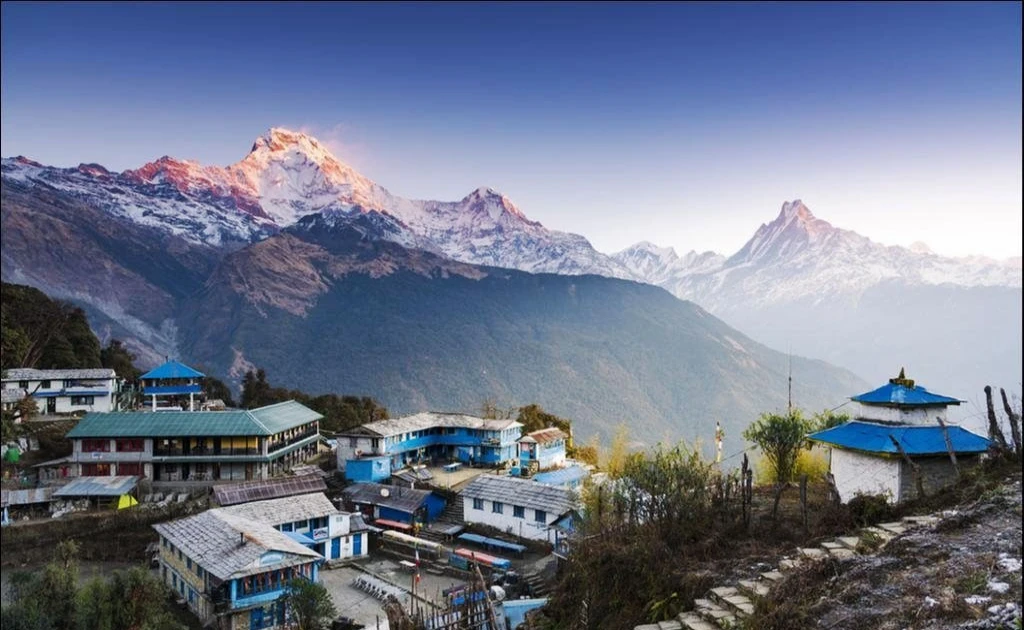
As the afternoon light fades, the stone lanes of Ghorepani grow quiet. Trekkers gather in warm teahouse dining halls, wood stoves crackle, and the scent of dal bhat and ginger tea fills the air. Outside, the giant white wall of Dhaulagiri turns pink in the evening glow, while prayer flags flutter above the ridge. Everyone is thinking about the same thing: tomorrow's pre-dawn climb to Poon Hill. Perched high in the rhododendron forests of the Annapurna region, Ghorepani is one of Nepal's most beloved trekking villages and the gateway to one of the world's most famous sunrise viewpoints. This complete guide from Nepal Trip Services covers Ghorepani's history, altitude, mountain views, trekking routes, teahouses, best time to visit and practical tips.
Ghorepani is a mountain village in Myagdi District, located inside the Annapurna Conservation Area. Many trekkers stay here the night before the pre-dawn hike to nearby Poon Hill (3,210 m) to watch the sunrise. It lies at about 2,874 metres above sea level on a forested ridge between the Kali Gandaki valley to the west and the Modi Khola valley to the east.
The village has two parts: Lower Ghorepani, which trekkers reach first from Ulleri, and the upper part known as Ghorepani Deurali, closer to the Poon Hill trail. Together, they form a lively trekking hub filled with teahouses, bakeries, small shops and panoramic viewpoints.
| Detail | Information |
|---|---|
| Location | Myagdi District, Annapurna Conservation Area, Nepal |
| Altitude | About 2,874 m (9,429 ft) |
| Meaning of Name | "Horse Water" |
| Main Communities | Magar (Pun) and Gurung |
| Famous For | Gateway to Poon Hill sunrise, rhododendron forests |
| Nearest City | Pokhara |
| Nearby Viewpoint | Poon Hill (3,210 m), 45 mins–1 hour away |
| Main Trek Routes | Ghorepani Poon Hill Trek, Annapurna Base Camp via Ghorepani |
| Accommodation | Teahouses and lodges |
| Permits | ACAP & TIMS Card |
| Best Time to Visit | March–May & September–November |
Ghorepani's name tells its story. It joins two Nepali words: ghode (horse) and pani (water). The village began as a resting and watering place where traders stopped with horses, mules and donkeys on long journeys through the mountains.
The ridge sat on a historic trading route used for goods such as salt, linking the lowlands with the high Himalaya and Tibet. After the steep climb out of the Kali Gandaki valley, caravans would rest here before continuing their journey.
As roads reached the lower valleys, the old trade trail lost importance, and tourism became the village's main source of income. Local Gurung and Magar families began building simple lodges in the 1970s and 1980s, and Ghorepani gradually grew from a seasonal trading camp into a permanent trekking village.
The famous viewpoint above the village is linked to the local community. Poon Hill is really "Pun Hill", named after the Pun, a Magar sub-group native to the area.
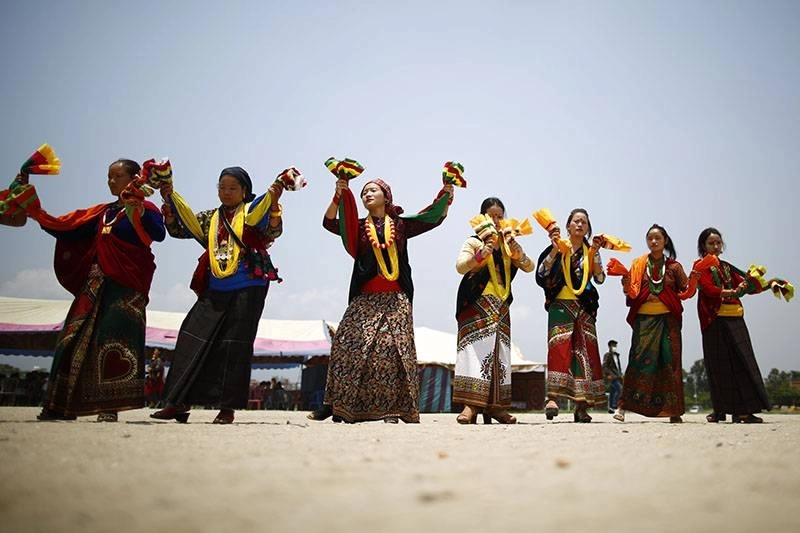
Ghorepani is home mainly to Magar (Pun) and Gurung families, many of whom run the teahouses that welcome trekkers today.
Respectful tips: Greet locals with "Namaste," ask before taking photographs and dress modestly.
Even without climbing Poon Hill, Ghorepani offers stunning views, especially of Dhaulagiri at sunset. From Poon Hill, the full panorama opens up:
| Mountain | Height | Highlight |
|---|---|---|
| Dhaulagiri I | 8,167 m | World's 7th highest peak, glowing at sunrise and sunset |
| Annapurna I | 8,091 m | World's 10th highest peak |
| Annapurna South | 7,219 m | Close and towering |
| Machhapuchhre (Fishtail) | 6,993 m | Iconic sacred peak |
| Tukuche Peak | 6,920 m | Beside Dhaulagiri |
| Nilgiri South | 6,839 m | Striking pyramid-shaped peak |
| Hiunchuli | 6,441 m | Sharp summit near Annapurna South |
Between Dhaulagiri and Annapurna lies the Kali Gandaki Gorge, one of the deepest gorges on earth.
The number-one reason to visit. Leave Ghorepani before dawn for a steep 45-minute to 1-hour climb to Poon Hill (3,210 m) and watch the sun light up Dhaulagiri, Annapurna and Machhapuchhre. It's one of the most famous sunrise experiences in the Himalayas.
In the evening, the snowy face of Dhaulagiri glows in shades of orange and pink. Many teahouses have terraces with perfect views, so grab a hot drink and enjoy the show.
Ghorepani is surrounded by some of Nepal's most beautiful rhododendron forests. In spring (March–April), the hillsides burst into red, pink and white blossoms, turning the trails into a colourful wonderland.
Wander up to the upper village for quieter lanes, open views and a peaceful atmosphere away from the busier main street.
Evenings in Ghorepani are social and warm. Share stories with trekkers from around the world by the wood stove, play cards and enjoy freshly baked apple pie or cinnamon rolls from local bakeries.
For quieter, off-the-beaten-path views, adventurous trekkers can explore nearby ridges such as Mohare Danda or the Muldai viewpoint, offering similar panoramas with far fewer people.
| Route | Direction | Approx. Time | Highlights |
|---|---|---|---|
| Ulleri → Ghorepani | From the south (clockwise Poon Hill loop) | 4–7 hours | Magar villages, rhododendron forest |
| Tadapani → Ghorepani | From the east (anti-clockwise loop) | 5–6 hours | Deurali ridge, forest trails, Machhapuchhre views |
| Ghorepani → Tadapani | Toward Ghandruk | 5–6 hours | Ridge views, dense forest |
| Ghorepani → Chitre → Tatopani | West toward Kali Gandaki | 6–8 hours | Descent to hot springs, Annapurna Circuit link |
| Ghorepani → Mohare Danda | Community lodge trail | Multi-day | Quiet ridges, fewer trekkers |
Popular itinerary: Drive from Pokhara to Ulleri, trek to Ghorepani, sunrise at Poon Hill, then continue to Tadapani and Ghandruk, just like our 7-day Poon Hill Trek.
There's no direct road to the village itself, so every visitor arrives on foot.
Ghorepani has one of the largest concentrations of teahouses on the Poon Hill route.
| Facility | Details |
|---|---|
| Rooms | Twin-sharing rooms with beds, pillows and blankets |
| Bathrooms | Shared or attached (attached rooms cost extra) |
| Hot Showers | Solar or gas, sometimes for a small fee |
| Wi-Fi & Charging | Widely available, often for a small fee |
| Dining Hall | Warm communal hall heated by a stove |
| Extras | Bakeries, small shops selling snacks and trekking supplies |
Tip: Rooms fill quickly in October–November and March–April. Trekking with an agency ensures a reserved bed.
Teahouses serve a wide range of dishes:
Prices are higher than in Pokhara because supplies are carried up by porters and mules.
| Season | Months | Day / Night (Approx.) | Conditions |
|---|---|---|---|
| Spring | March – May | 10–18°C / -2–5°C | Rhododendrons in bloom, pleasant days |
| Monsoon | June – August | 15–20°C / 8–12°C | Rainy, cloudy, leeches on trails |
| Autumn | September – November | 10–17°C / 0–5°C | Clearest skies, best views |
| Winter | December – February | 5–12°C / -8 – -2°C | Cold, clear, occasional snow |
Best overall: October–November for views and March–April for rhododendrons.
Ghorepani lies inside the Annapurna Conservation Area, so you'll need:
Permits are checked along the trail, including in Ghorepani. Our trek packages include both.
Ghorepani is the heart of one of Nepal's most rewarding short treks. Experience it on our Poon Hill Trek, or discover more adventures in the Annapurna Region, including the Annapurna Base Camp Trek, Annapurna Circuit Trek and Mardi Himal Trek. Plan your perfect journey with our Trip Planner.
Ghorepani is in Myagdi District of western Nepal, inside the Annapurna Conservation Area. It lies northwest of Pokhara on a forested ridge between the Kali Gandaki and Modi Khola valleys. The village is a key stop on the Ghorepani Poon Hill Trek. It's surrounded by rhododendron forests and mountain views.
Ghorepani sits at about 2,874 metres (9,429 ft) above sea level. Some itineraries list slightly different figures, from around 2,860 to 2,885 metres. It's the highest overnight stop on the classic Poon Hill Trek. Nights here are noticeably colder than in Pokhara.
Ghorepani means "horse water" in Nepali, from ghode (horse) and pani (water). The village was once a watering stop for horses and mule caravans on an old trade route. Traders rested here after climbing out of the Kali Gandaki valley. Today, the name reminds visitors of its trading history.
Poon Hill is about 1.5 km uphill from Ghorepani. The climb takes around 45 minutes to 1 hour on steep stone steps through forest. Most trekkers leave before dawn to reach the top for sunrise. After sunrise, you return to Ghorepani for breakfast.
The most popular way is to drive from Pokhara to Ulleri and trek to Ghorepani in about 4–7 hours. You can also start at Nayapul and climb the stone steps via Tikhedhunga and Ulleri. Another option is the anti-clockwise route from Ghandruk via Tadapani. There's no direct road into the village, so the final approach is always on foot.
Yes, Ghorepani has many teahouses and lodges, one of the largest selections on the Poon Hill route. Rooms are simple and usually twin-sharing, with shared or attached bathrooms. Most lodges offer hot showers, Wi-Fi, charging and warm dining halls. Booking ahead is advisable in peak seasons.
Ghorepani is mainly home to Magar families, especially the Pun sub-group, along with Gurung families. Many residents run teahouses and work in tourism. These communities are known for their warm hospitality and proud Gurkha heritage. Farming and livestock also remain part of village life.
From Ghorepani, you can see Dhaulagiri, especially beautiful at sunset. From nearby Poon Hill, the view expands to Annapurna I, Annapurna South, Hiunchuli, Nilgiri, Tukuche and Machhapuchhre. You'll also see the Kali Gandaki Gorge. Early mornings usually offer the clearest views.
Ghorepani is cold at night year-round due to its altitude. In winter, temperatures can drop to around -8°C at night, while spring and autumn nights are usually around 0–5°C. Daytime temperatures are much milder. Pack warm layers, a down jacket and a warm sleeping bag.
No, there are no ATMs in Ghorepani or along most of the Poon Hill trail. Withdraw enough Nepalese rupees in Pokhara before starting your trek. You'll need cash for snacks, drinks, hot showers, Wi-Fi, charging and tips. Cards are generally not accepted in teahouses.
Yes, most teahouses offer Wi-Fi, usually for a small fee, and mobile network coverage is generally available. Connection speeds can be slower than in cities, especially in busy seasons. Charging is available but may cost extra. A power bank is useful as a backup.
Yes, you need an ACAP permit and a TIMS card, as Ghorepani lies within the Annapurna Conservation Area. Permits are checked at points along the trail. Trekking companies usually arrange them in advance. Always carry your permits with you.
The best times are spring (March–May) and autumn (September–November). Spring brings blooming rhododendrons, while autumn offers the clearest mountain views. Winter is quieter and clear but cold. The monsoon (June–August) brings rain, clouds and leeches.
The risk of altitude sickness in Ghorepani is low because it sits below 3,000 metres. Some trekkers may feel mild symptoms like headache or shortness of breath. Walking slowly, staying hydrated and avoiding alcohol help prevent problems. Inform your guide if you feel unwell.
Yes, many trekkers combine Ghorepani and Poon Hill with the Annapurna Base Camp trek. From Ghorepani, the route continues to Tadapani and Chhomrong before entering the Annapurna Sanctuary. This combination adds several days to your trek. It offers both the Poon Hill sunrise and close-up views of the Annapurna massif.
Ghorepani is more than just an overnight stop on the way to Poon Hill. It's a village with a story, born from ancient trade caravans and shaped today by the warm hospitality of Magar and Gurung families. Surrounded by rhododendron forests and guarded by the mighty Dhaulagiri, it offers some of the most memorable evenings and mornings of any trek in Nepal. Whether you're watching the sunset from a teahouse terrace or climbing through the dark toward the sunrise, Ghorepani captures the true spirit of Himalayan trekking.
Take your time here. Enjoy a slice of apple pie by the stove, chat with fellow trekkers, and wake early for the magic of Poon Hill. For a safe, well-planned journey with experienced local guides, Nepal Trip Services will help you experience Ghorepani and the Annapurna region at their very best.
Discover more articles that match your interests! Explore these similar blogs packed with insights, tips, and stories to keep you inspired.
Plan your Ulleri visit: climb the famous stone staircase, meet Magar culture & enjoy Annapurna views on the way to Ghore...
Plan your Poon Hill trek: sunrise at 3,210 m over Dhaulagiri & Annapurna, routes, itineraries, permits, best time, diffi...
Explore Tadapani (2,630 m), a forest village with Machhapuchhre & Annapurna South sunrise views. Routes, teahouses, best...
Explore Tikhedhunga (1,540 m), riverside gateway to Ulleri\'s stone steps & Poon Hill. Routes from Nayapul, teahouses, b...
Discover the Magar people of Nepal: history, languages, festivals, Gurkha heritage, food, dress & where to experience Ma...
Plan your Kathmandu to Pokhara flight: airlines, daily schedule, ticket prices, baggage allowance, best seats for mounta...