Marpha, Nepal: Complete Travel & Trekking Guide
By Nepal Trip Services On 25 Sep 2026

By Nepal Trip Services On 25 Sep 2026
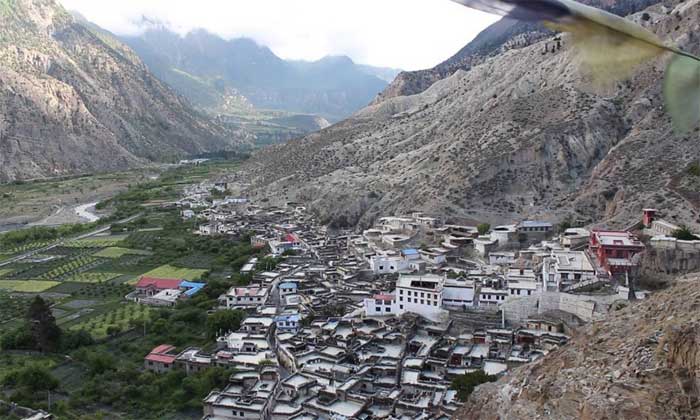
Tucked along the banks of the Kali Gandaki River in the rain-shadowed Mustang region, Marpha is often called the "apple capital of Nepal" — and one glance at its whitewashed stone houses, narrow cobbled alleys, and terraced orchards explains why it's one of the most charming stops along the entire Annapurna region. Known for its immaculate cleanliness, rich Thakali culture, and distinct architectural character, Marpha offers trekkers a welcome change of pace from the high-altitude passes surrounding it. Whether you're passing through on the Annapurna Circuit Trek or planning a dedicated visit, this complete guide covers everything you need to know about this beloved Himalayan village.
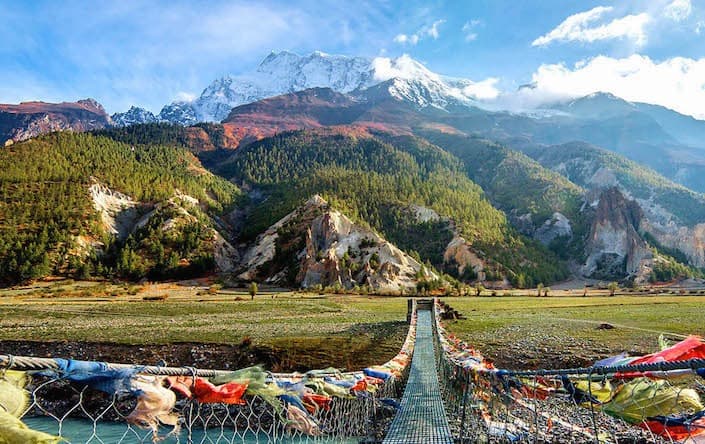
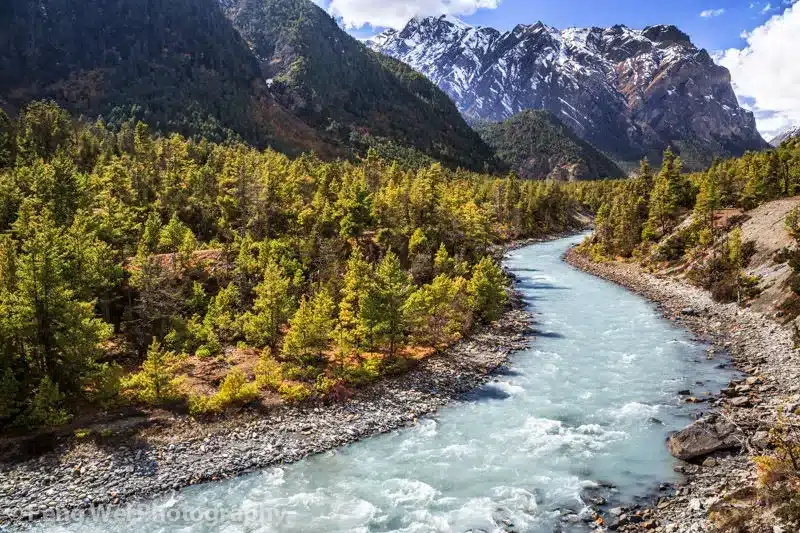
Marpha is a village in the Mustang District of Gandaki Province, situated at an elevation of approximately 2,670 meters (8,760 feet) along the Kali Gandaki River. It lies within the dramatic Kali Gandaki Gorge, sandwiched between the towering peaks of Dhaulagiri to the west and Annapurna to the east, just south of the larger transport hub of Jomsom.
| Feature | Details |
|---|---|
| Elevation | 2,670 meters (8,760 feet) |
| Location | Mustang District, Gandaki Province, Nepal |
| Ethnic Group | Predominantly Thakali |
| Known For | Apple orchards, distillery, clean streets, Thakali cuisine |
| Nearby Hub | Jomsom (approx. 20-minute walk or short drive) |
| Religion | Tibetan Buddhism and traditional Thakali customs |
| Best Season | Pre-monsoon (March–May) and post-monsoon (September–November) |
| Trekking Region | Annapurna region, along the Kali Gandaki Gorge |
Marpha has earned its reputation as one of the most distinctive villages in Nepal for several reasons:
Marpha's history is deeply tied to the Thakali people, an ethnic group native to the Thak Khola region — the upper section of the Kali Gandaki Gorge. For generations, the Thakali built their livelihoods around trans-Himalayan trade, moving salt, wool, and other goods between Tibet and the Nepali lowlands along this historic corridor.
This trading heritage brought relative prosperity to villages like Marpha, which developed into an important waypoint along the route. Over time, as trade patterns shifted, many Thakali families turned toward agriculture, particularly apple farming, which was introduced to the region and thrived due to Marpha's favorable climate. Today, this agricultural shift, combined with a growing trekking economy, defines much of Marpha's modern identity.
Marpha's built environment reflects centuries of adaptation to its high-altitude, arid surroundings. Distinctive architectural features include:
Marpha offers plenty of worthwhile activities for trekkers looking to slow down and explore beyond the main trail:
Marpha is most commonly reached as part of a broader trekking itinerary through the Kali Gandaki Gorge, though flight and road access are also available via nearby Jomsom.
| Method | Route | Approx. Duration |
|---|---|---|
| Trekking (Annapurna Circuit) | Via Jomsom, continuing south along the gorge | Part of 12–15 day circuit |
| Flight + Walk | Fly to Jomsom, walk approximately 20–30 minutes to Marpha | Same day |
| Road | Jeep from Pokhara to Jomsom, then short drive or walk to Marpha | 1–2 days |
| Poon Hill Extension | Some itineraries extend north from Ghorepani toward the gorge and Marpha | Varies |
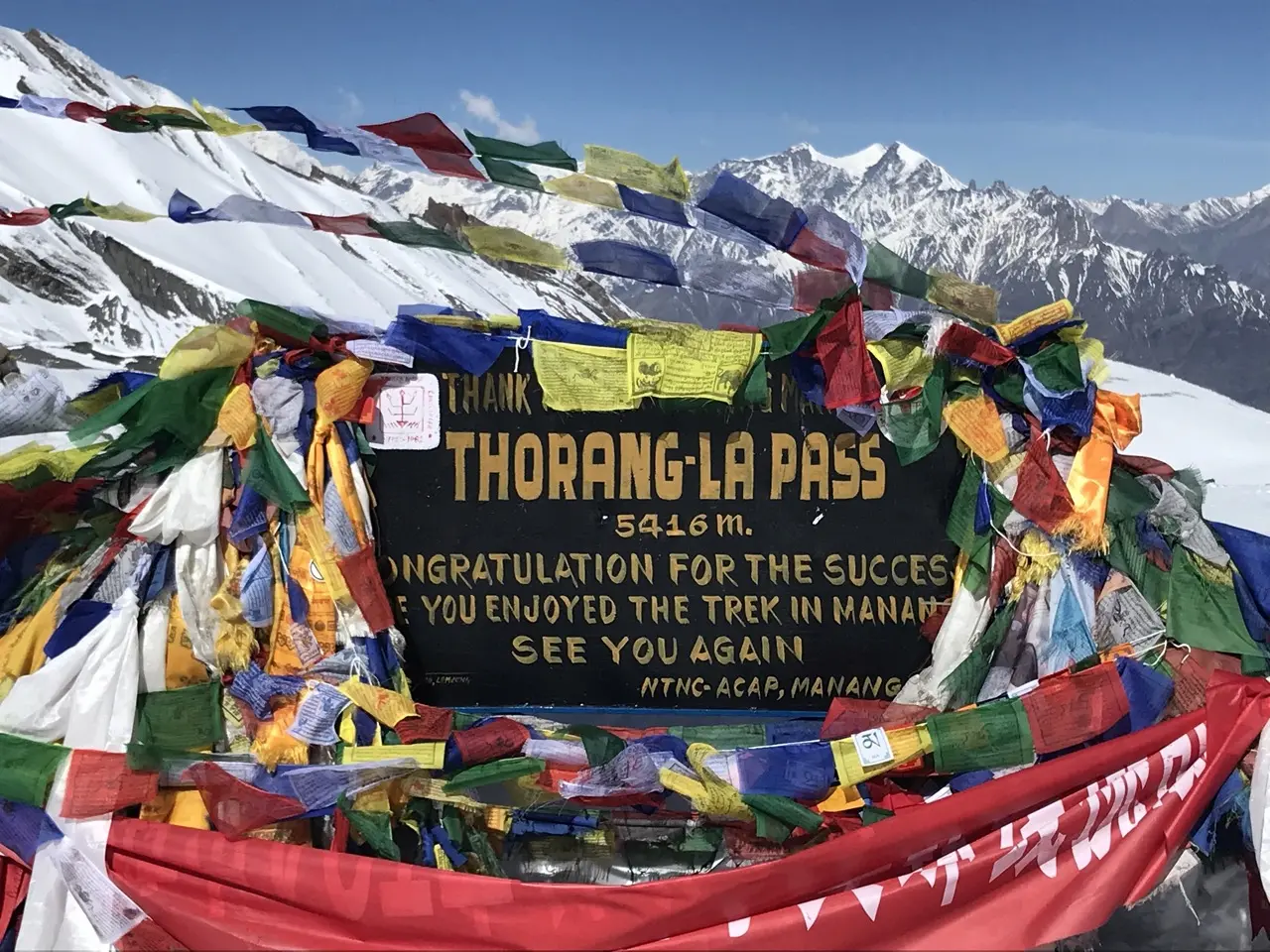
Trekkers completing the Annapurna Circuit Trek typically pass through Marpha after crossing Thorong La Pass and descending through Muktinath and Jomsom, making it a relaxing stop after the trek's most demanding section.
| Season | Months | Conditions |
|---|---|---|
| Spring | March – May | Mild temperatures, apple blossoms, good visibility |
| Autumn | September – November | Clearest skies, peak apple harvest season, most popular time to visit |
| Winter | December – February | Cold temperatures, occasional snow, quieter trails |
| Monsoon | June – August | Drier than much of Nepal due to rain shadow effect |
Autumn is particularly special in Marpha, as it coincides with the apple harvest, giving visitors the chance to see orchards at their most productive and sample fresh seasonal produce.
| Factor | Marpha | Jomsom | Kagbeni |
|---|---|---|---|
| Altitude | 2,670m | 2,720m | 2,800m |
| Known For | Apple orchards, clean streets, Thakali culture | Transport hub, flights, administration | Medieval architecture, gateway to Upper Mustang |
| Atmosphere | Quiet, charming, agricultural | Busy, functional | Historic, rustic |
| Typical Stay | 1 night | Transit stop | 1 night |
Marpha is a village in the Mustang District of Gandaki Province, situated at an elevation of approximately 2,670 meters (8,760 feet) along the Kali Gandaki River. It lies within the dramatic Kali Gandaki Gorge, just south of the larger transport hub of Jomsom, sandwiched between the towering peaks of Dhaulagiri and Annapurna.
Marpha earned this nickname because its high-altitude, semi-arid climate proved ideal for apple cultivation, which was introduced to the region decades ago and has since become central to the local economy. Today, the village is known throughout Nepal for its extensive orchards, apple-based products like brandy and cider, and its role as a leading apple-producing region in the country.
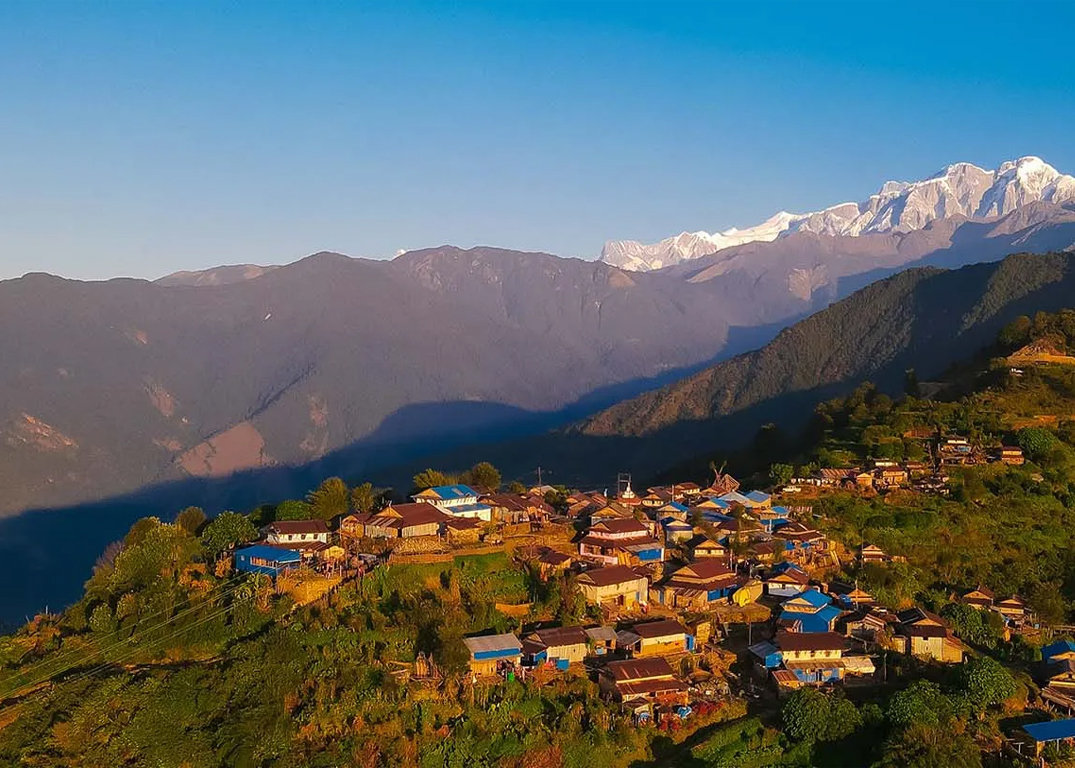
Marpha is frequently praised for its unusually clean, well-maintained stone-paved alleyways, a point of considerable local pride. Combined with the village's whitewashed stone houses and flat rooftops, this spotless appearance gives Marpha a distinctive visual identity that sets it apart from many other Himalayan villages.
The Thakali are an ethnic group native to the Thak Khola region, the upper section of the Kali Gandaki Gorge where Marpha is located. For generations, they built prosperity through trans-Himalayan trade, moving goods between Tibet and lowland Nepal, and their cultural influence remains strong in Marpha's architecture, cuisine, and traditions today.
Thakali cuisine is a well-regarded culinary tradition throughout Nepal, known especially for its flavorful thali sets featuring rice, lentils, vegetables, and meat or pickles. Marpha, as a traditional Thakali village, offers authentic versions of this cuisine at local guesthouses and restaurants, making it an excellent place to sample the dish at its cultural source.
Yes, several local farms welcome visitors to see how apples are grown and processed at this altitude, and small distilleries throughout the village offer tastings of Marpha's signature apple brandy and cider. This hands-on experience is one of the most popular activities for travelers spending time in the village.
| Method | Route | Approx. Duration |
|---|---|---|
| Trekking (Annapurna Circuit) | Via Jomsom, continuing south along the gorge | Part of 12–15 day circuit |
| Flight + Walk | Fly to Jomsom, walk 20–30 minutes to Marpha | Same day |
| Road | Jeep from Pokhara to Jomsom, then short drive/walk | 1–2 days |
Yes, Marpha is a common stop for trekkers completing the Annapurna Circuit Trek, typically visited after crossing Thorong La Pass and descending through Muktinath and Jomsom. It offers a relaxing, scenic break after one of the trek's most physically demanding sections.
Marpha Monastery, a Tibetan Buddhist gompa located a short walk uphill from the village center, offers both religious significance and panoramic views over the village and surrounding gorge. It's a worthwhile stop for those interested in the area's Buddhist heritage and scenic photography opportunities.
The Eco Museum is a small local institution showcasing traditional Thakali culture, tools, and historical artifacts from the region. It offers visitors a deeper understanding of how Thakali communities have lived and adapted to the high-altitude Mustang environment over generations.
| Season | Months | Conditions |
|---|---|---|
| Spring | March – May | Mild temperatures, apple blossoms |
| Autumn | September – November | Clearest skies, peak apple harvest |
| Winter | December – February | Cold, occasional snow |
| Monsoon | June – August | Drier than much of Nepal |
Autumn is especially popular, as it coincides with the apple harvest season.
Essential items include layered clothing for temperature shifts, sturdy walking shoes for stone streets and trails, sun protection due to high-altitude UV exposure, a light windbreaker for the gorge's strong winds, and cash in Nepali rupees, since cards are rarely accepted in local shops and guesthouses.
Marpha offers a quieter, more agricultural atmosphere centered on apple orchards and Thakali culture, while Jomsom functions as the region's busy transport and administrative hub. Kagbeni, meanwhile, is known for its medieval architecture and role as the gateway to restricted Upper Mustang, giving each village a distinct character worth exploring.
Marpha works well as either a short stop or an overnight stay, depending on your itinerary and available time. Many trekkers choose to spend one night here to fully enjoy the village's orchards, monastery, and local cuisine without rushing through on a tight schedule.
Marpha offers a rare combination of agricultural charm, immaculate village architecture, and deep-rooted Thakali culture that feels distinctly different from other stops along the trail. Whether you're sampling fresh apple products, exploring its monastery, or simply enjoying its spotless stone streets, Marpha adds a memorable and flavorful chapter to any journey through the Annapurna Circuit Trek.
Marpha stands out as one of the most memorable and photogenic villages along the entire Kali Gandaki Gorge, offering a rare blend of natural beauty, agricultural charm, and deep-rooted Thakali culture. Whether you're sampling fresh apple brandy, wandering its immaculately clean stone streets, or simply taking a well-earned break after crossing Thorong La Pass, Marpha rewards travelers with an experience that feels distinctly different from anywhere else in Nepal. For those journeying through the region, a stop in this charming village adds a rich and flavorful chapter to the broader story of the Annapurna Circuit Trek.
Discover more articles that match your interests! Explore these similar blogs packed with insights, tips, and stories to keep you inspired.
Everything on Thorong La Pass — altitude, difficulty, weather, route & crossing times. Complete guide for the Annapurn...
Complete guide on how to prepare for the Annapurna Circuit Trek — training, gear, permits, insurance & mental readines...
Discover Besisahar, Nepal — the official gateway to the Annapurna Circuit Trek. Complete guide to altitude, history & ...
Discover the Marsyangdi River — the Annapurna Circuit\'s raging river. Complete guide to its geography, origins & trek...
Discover Manang, Nepal — Annapurna Circuit\\'s key acclimatization village with monasteries, glacial lakes & Thorong L...
Explore Manangi culture in Nepal — Tibetan Buddhist heritage, trans-Himalayan trading history & unique lifestyle of th...