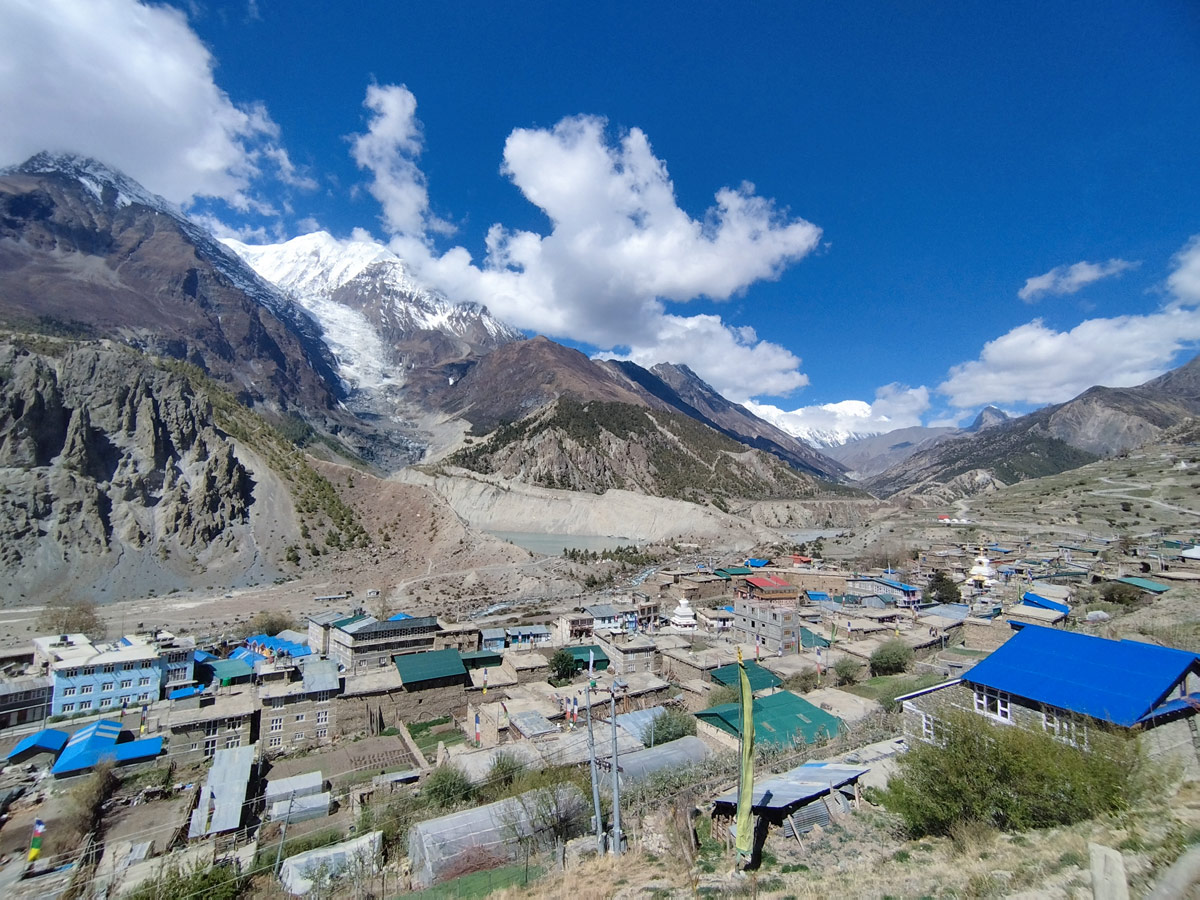
Eco Museum In Marpha, Nepal: Complete Travel Guide
By Nepal Trip Services On 25 Sep 2026

By Nepal Trip Services On 25 Sep 2026
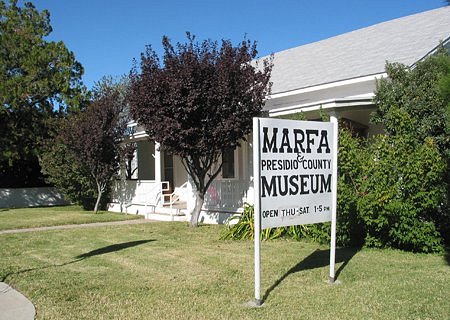
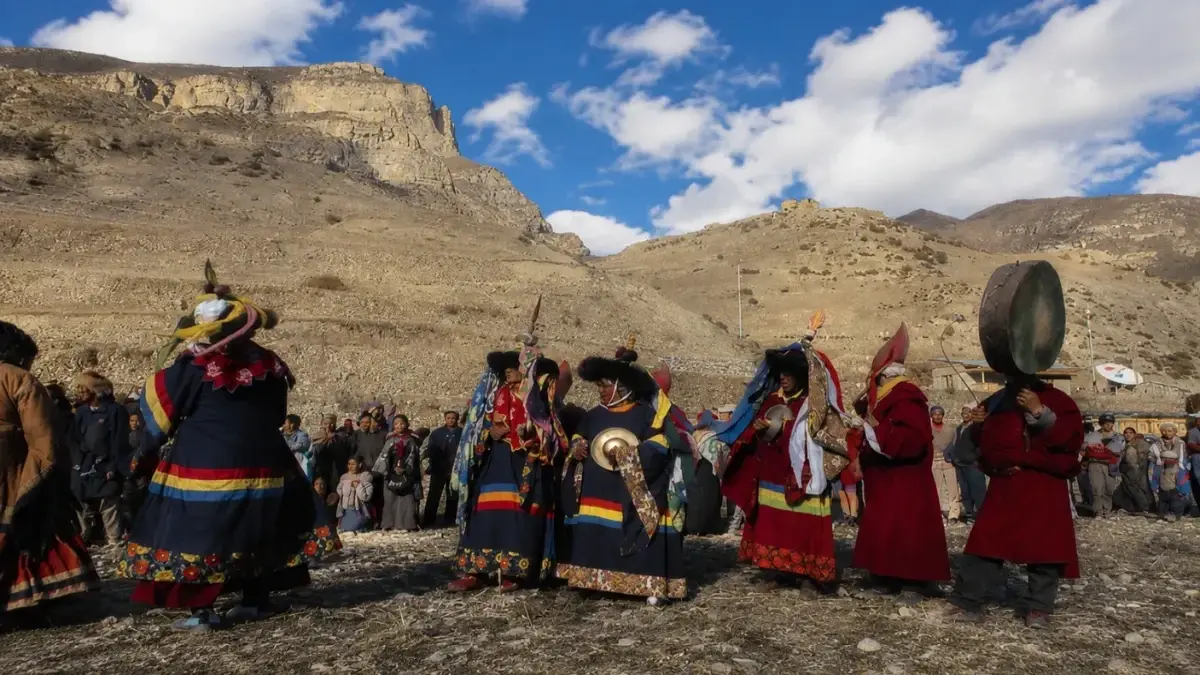
Tucked within the culturally rich Thak Khola region of Mustang, the Eco Museum offers travelers a rare chance to step inside the living history of the Thakali people. Showcasing traditional tools, architecture, customs, and artifacts tied to the region's trans-Himalayan trading past, this small but meaningful museum adds cultural depth to any visit through Marpha and the surrounding Mustang villages. For trekkers passing through on their way along the Kali Gandaki Gorge, a stop here offers valuable context that enriches the rest of the journey. This complete guide covers everything you need to know before visiting.
The Eco Museum is a small cultural institution located in the Marpha and greater Mustang area, dedicated to preserving and showcasing the heritage of the Thakali people and the broader Thak Khola region. Rather than functioning as a large formal museum, it operates more as a community-rooted collection, displaying traditional household tools, religious artifacts, historical photographs, and exhibits explaining local architecture, trade history, and daily customs.
| Feature | Details |
|---|---|
| Location | Marpha / Mustang region, Gandaki Province, Nepal |
| Focus | Thakali culture, Mustang heritage, and regional history |
| Exhibits | Traditional tools, household items, photographs, cultural artifacts |
| Nearby Villages | Marpha, Jomsom, Tukuche |
| Best Visited As | A rest-day or short cultural stop along a Mustang trekking itinerary |
| Typical Visit Duration | 30 minutes to 1 hour |
| Entry Fee | Small nominal fee, payable in cash (Nepali rupees) |
For travelers moving through the Kali Gandaki Gorge, the Eco Museum offers several worthwhile benefits:
While exhibits can vary, most Eco Museum displays in the Mustang region tend to include:
The museum is best experienced as part of a broader visit to Marpha and the surrounding Thak Khola villages, rather than as a standalone destination. A typical half-day cultural itinerary might include:
| Time | Activity |
|---|---|
| Morning | Walk through Marpha's old town and stone alleyways |
| Mid-morning | Visit the Eco Museum for cultural and historical context |
| Midday | Sample a Thakali thali or apple products at a local guesthouse |
| Afternoon | Continue on to Jomsom, Tukuche, or another nearby village |
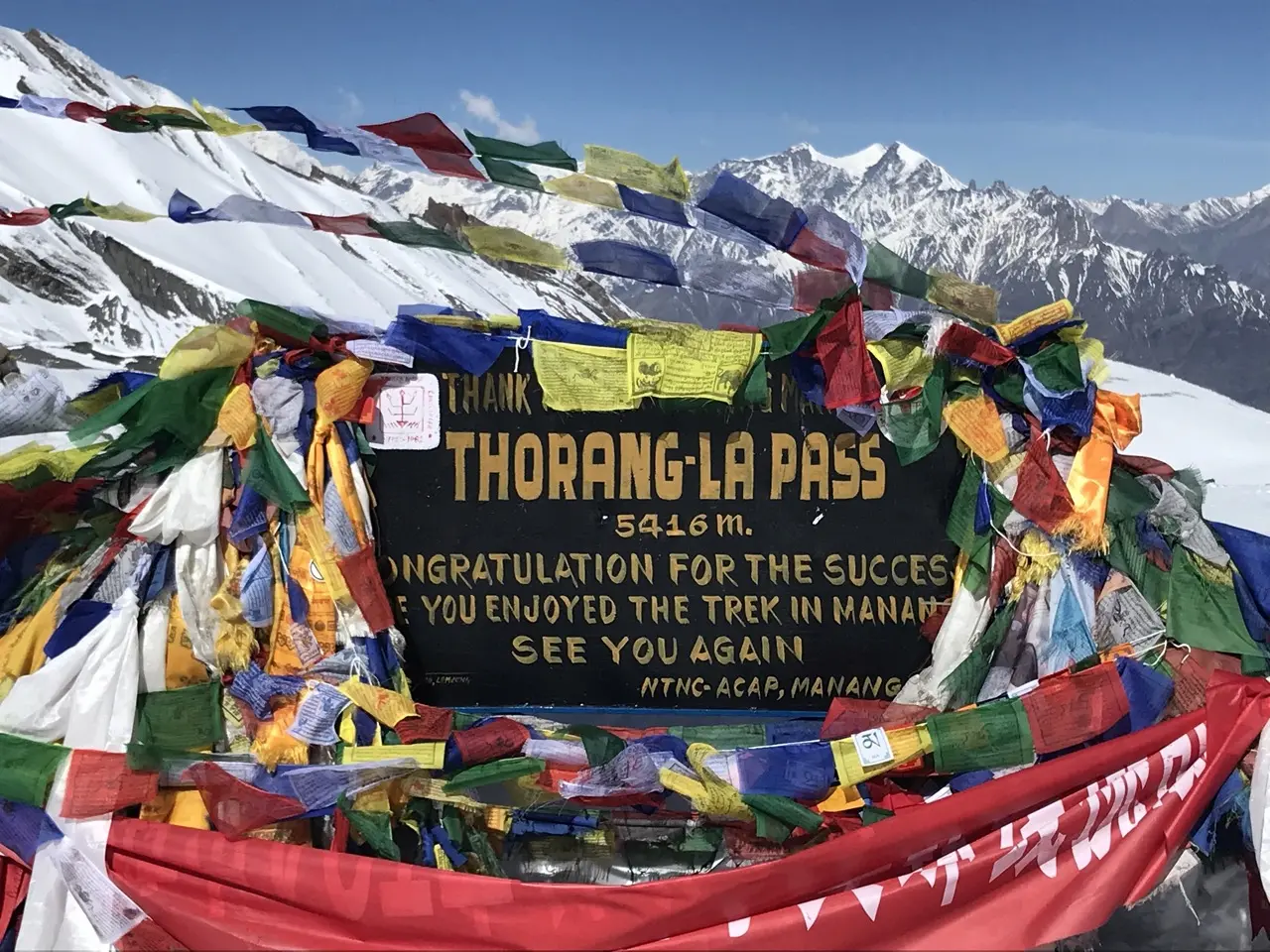
This pacing works particularly well for trekkers who want a lower-intensity day between longer trekking stretches, especially after crossing Thorong La Pass or before continuing further along the gorge.
The museum is accessible on foot from within Marpha village, making it easy to reach without additional transportation. For travelers coming from elsewhere in the Mustang region, the following access points apply:
| Season | Months | Conditions |
|---|---|---|
| Spring | March – May | Mild temperatures, good trail conditions |
| Autumn | September – November | Clearest skies, most popular trekking season |
| Winter | December – February | Cold, quieter visitor numbers |
| Monsoon | June – August | Drier than much of Nepal due to rain shadow, though some trail sections may be affected |
Since the museum is an indoor attraction, it remains a viable stop across most seasons, making it a flexible addition regardless of when you're passing through the region.
The Eco Museum is a small cultural institution in the Marpha and greater Mustang area dedicated to preserving and showcasing the heritage of the Thakali people. It functions more as a community-rooted collection than a large formal museum, displaying traditional tools, artifacts, and photographs tied to the region's history.
The museum is situated within the Marpha and Thak Khola region of the Mustang District in Gandaki Province, Nepal, easily accessible on foot from within the village. Its location makes it a convenient stop for trekkers already exploring Marpha's stone-paved streets and orchards.
Visitors typically find a range of cultural displays, including:
Most visitors can comfortably explore the Eco Museum in about 30 minutes to an hour, making it an easy addition to a rest day or shorter walking day. This manageable duration allows it to fit smoothly into a broader Marpha or Mustang region itinerary.
Yes, the museum typically charges a small, nominal entry fee, payable in cash since card payments are not accepted in this remote region. It's advisable to carry Nepali rupees in small denominations when visiting.
The museum offers valuable cultural context that helps visitors understand Thakali daily life, trade history, and traditions before continuing through nearby villages. It also provides a low-altitude, indoor activity that pairs well with rest days during a physically demanding trekking itinerary.
Many items on display relate to the trans-Himalayan salt trade that once defined the economic life of the Thak Khola region, along with religious objects reflecting the area's blended spiritual traditions. Historical photographs also document how village architecture and daily life have evolved over past decades.
The museum can be visited independently by most travelers, though having a guide or asking questions of local staff often provides richer context beyond what's written on display panels. Many trekkers choose to visit as part of a self-guided walk through Marpha's old town.
From Jomsom, travelers can reach Marpha and the Eco Museum via a short walk or a brief jeep ride of roughly 20 to 30 minutes. This makes it an easy half-day excursion for those staying in Jomsom or passing through on a broader Mustang itinerary.
Yes, trekkers descending from Thorong La Pass through Muktinath naturally pass through the Marpha area en route to Jomsom and beyond, making the Eco Museum a convenient cultural stop along the way. It fits especially well as a lower-intensity activity after the demanding pass crossing.
Since the museum is an indoor attraction, it remains a viable stop across most seasons, though spring (March–May) and autumn (September–November) offer the best overall trekking conditions for combining a visit with other regional activities. Winter visits are quieter, while monsoon season sees drier conditions locally due to the rain shadow effect.
A visit pairs well with a walk through Marpha's old town and stone alleyways, a stop at a local apple orchard or distillery, a visit to a nearby monastery, and sampling a traditional Thakali thali at a local guesthouse. Together, these activities create a well-rounded cultural half-day in the village.
Policies can vary by exhibit and season, so it's best to ask local staff or caretakers before photographing displayed artifacts, particularly those with religious or ceremonial significance. Respecting these guidelines helps preserve both the items and the cultural sensitivity surrounding them.
Yes, the museum's manageable size and low-altitude, indoor setting make it accessible and engaging for travelers of all ages, including families with children. Its visual displays and historical photographs offer an educational experience that doesn't require strenuous physical activity.
Visiting the Eco Museum transforms a simple walk through Marpha's charming streets into a deeper, more informed cultural experience by providing historical and social context for the Thakali communities trekkers encounter along the way. For travelers seeking more than just scenic views, this small museum adds meaningful depth to any journey through the broader Thak Khola and Mustang region.
The Eco Museum offers a meaningful, low-key way to deepen your understanding of Thakali culture and the broader history of the Thak Khola region. While modest in size, it provides valuable context that transforms a simple walk through Marpha's charming streets into a richer, more informed cultural experience. For travelers exploring this remarkable corner of Mustang, pairing a museum visit with time spent in Marpha itself rounds out a memorable stop along the broader journey of the Annapurna Circuit Trek.
Discover more articles that match your interests! Explore these similar blogs packed with insights, tips, and stories to keep you inspired.
Everything on Thorong La Pass — altitude, difficulty, weather, route & crossing times. Complete guide for the Annapurn...
Complete guide on how to prepare for the Annapurna Circuit Trek — training, gear, permits, insurance & mental readines...
Discover Besisahar, Nepal — the official gateway to the Annapurna Circuit Trek. Complete guide to altitude, history & ...
Discover the Marsyangdi River — the Annapurna Circuit\'s raging river. Complete guide to its geography, origins & trek...
Discover Manang, Nepal — Annapurna Circuit\\'s key acclimatization village with monasteries, glacial lakes & Thorong L...
Explore Manangi culture in Nepal — Tibetan Buddhist heritage, trans-Himalayan trading history & unique lifestyle of th...