Trip Overview
The Kathmandu, Pokhara, Ghandruk & Chitwan Tour with Nepal Trip Services is a 9-day journey that shows you Nepal’s culture, mountains and wildlife in one easy trip. You don’t need any trekking experience. You travel in comfort, stay in good hotels and have a local guide with you the whole way.
Kathmandu: History and Living Culture
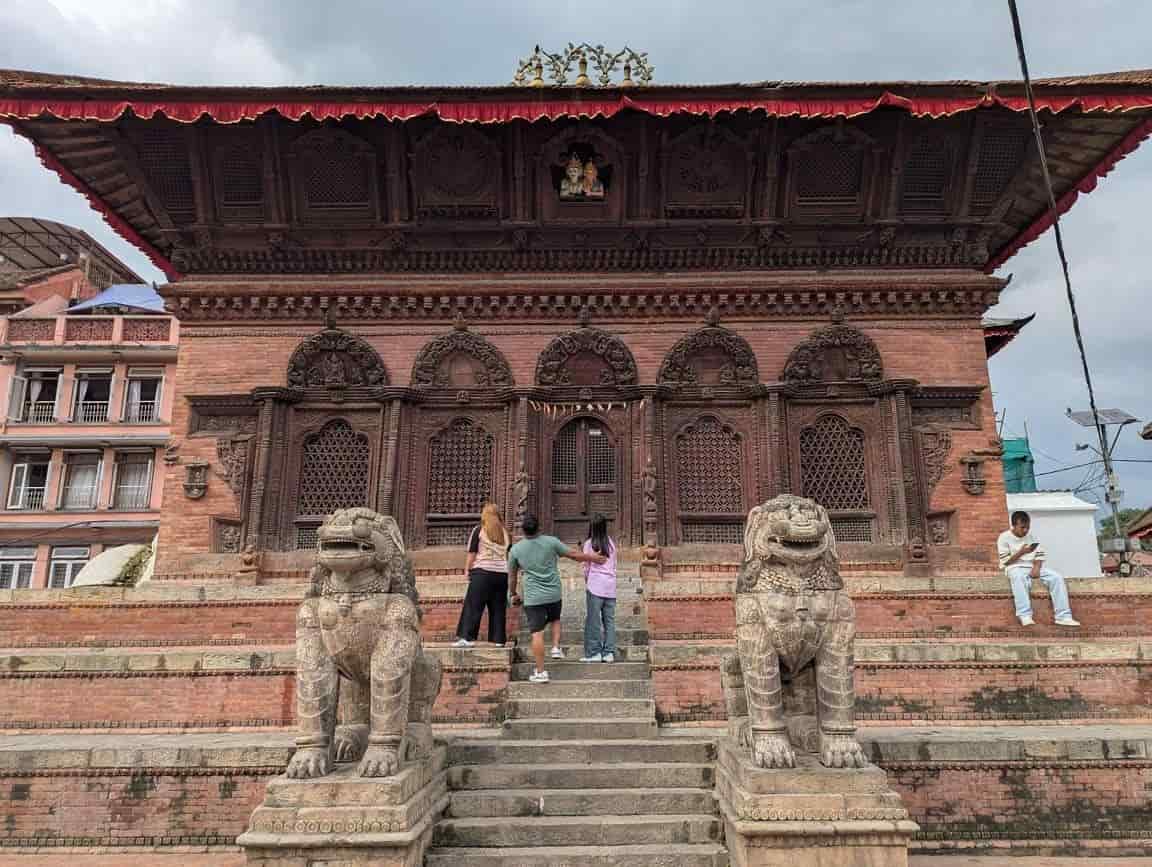
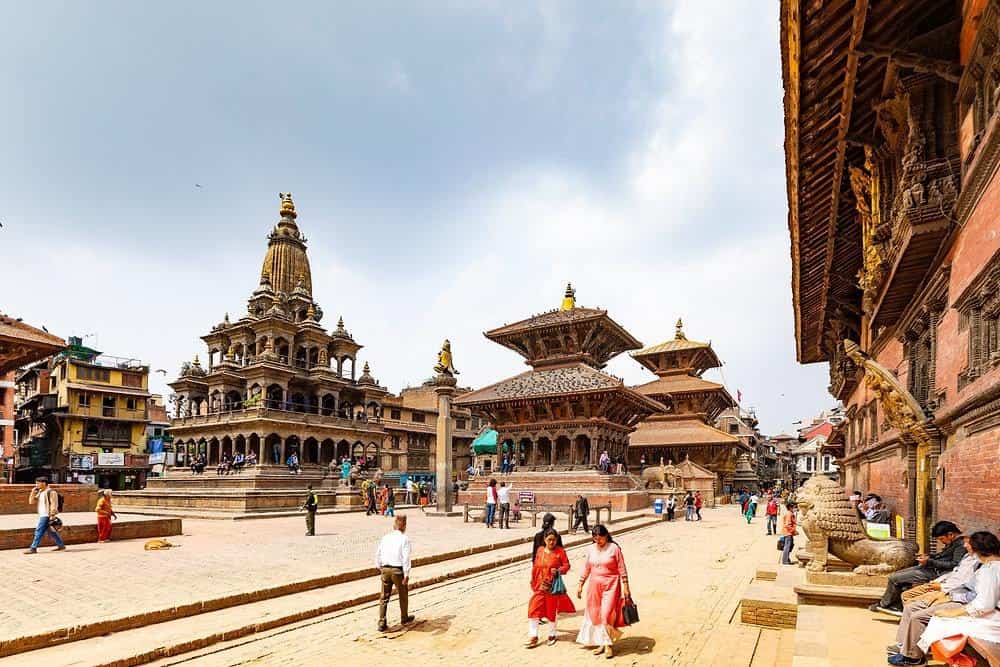
Your trip begins in Kathmandu, where old temples, narrow streets and busy markets sit side by side. You visit UNESCO World Heritage Sites such as Boudhanath Stupa, Swayambhunath (the Monkey Temple) and the historic Durbar Squares. Here you see fine wood and stone carvings and watch people pray, light butter lamps and walk around the stupas, just as they have for hundreds of years. It’s a gentle, interesting start, and a good way to understand the country before you head out.
Pokhara: Lakes, Peaks and Calm
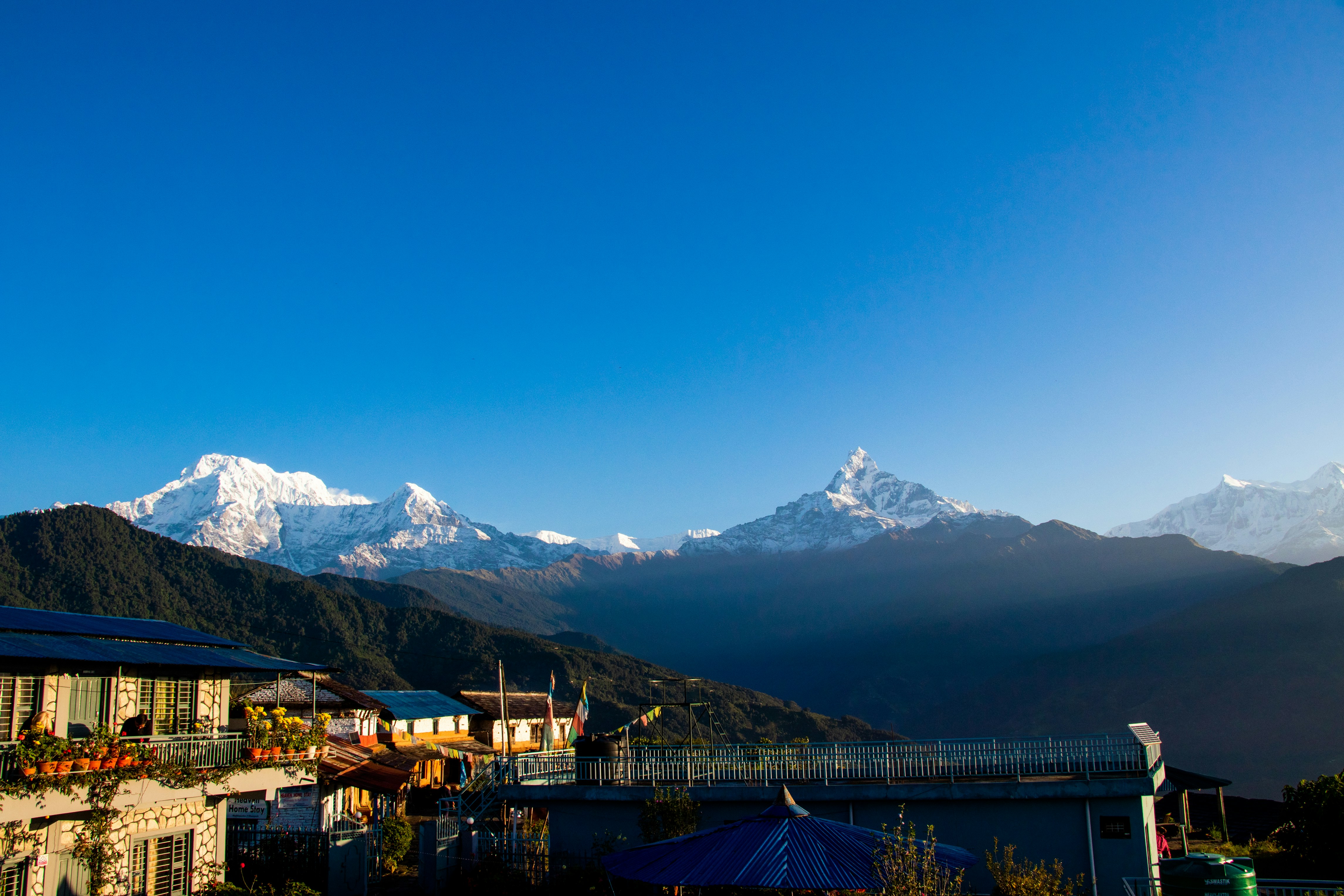
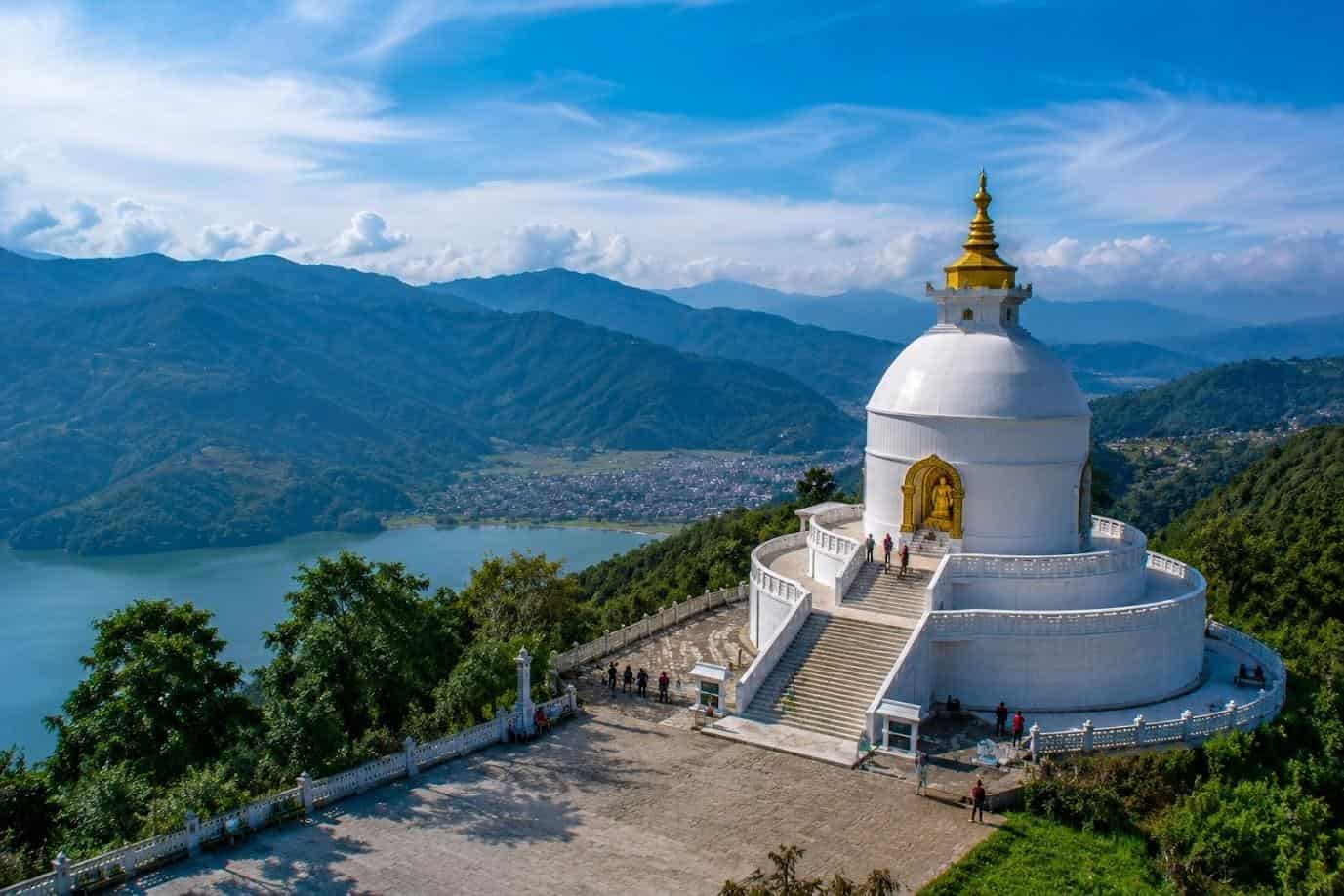
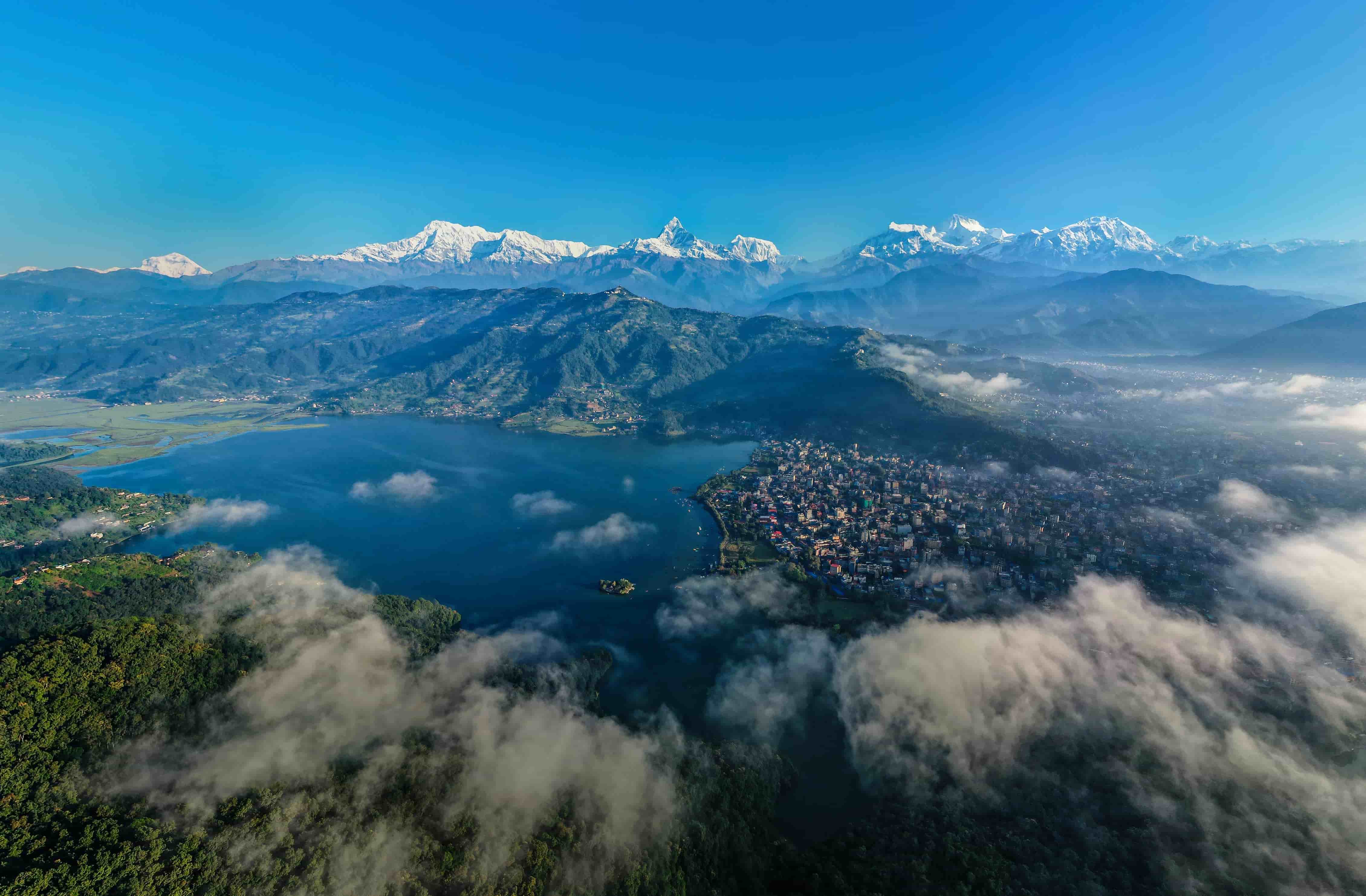
A scenic drive takes you to Pokhara, a greener and quieter city beside Phewa Lake. In the early morning you go up to Sarangkot to watch the sun light up the Annapurna range and the sharp peak of Machhapuchhre (Fishtail). During the day you can explore the Seti River gorge, Davis Falls and local caves, then end the evening at the World Peace Pagoda with a wide view over the valley. If you like adventure, Pokhara also offers paragliding, zip-lining and boating, which you can add to your free time.
Ghandruk: A Mountain Village Stay
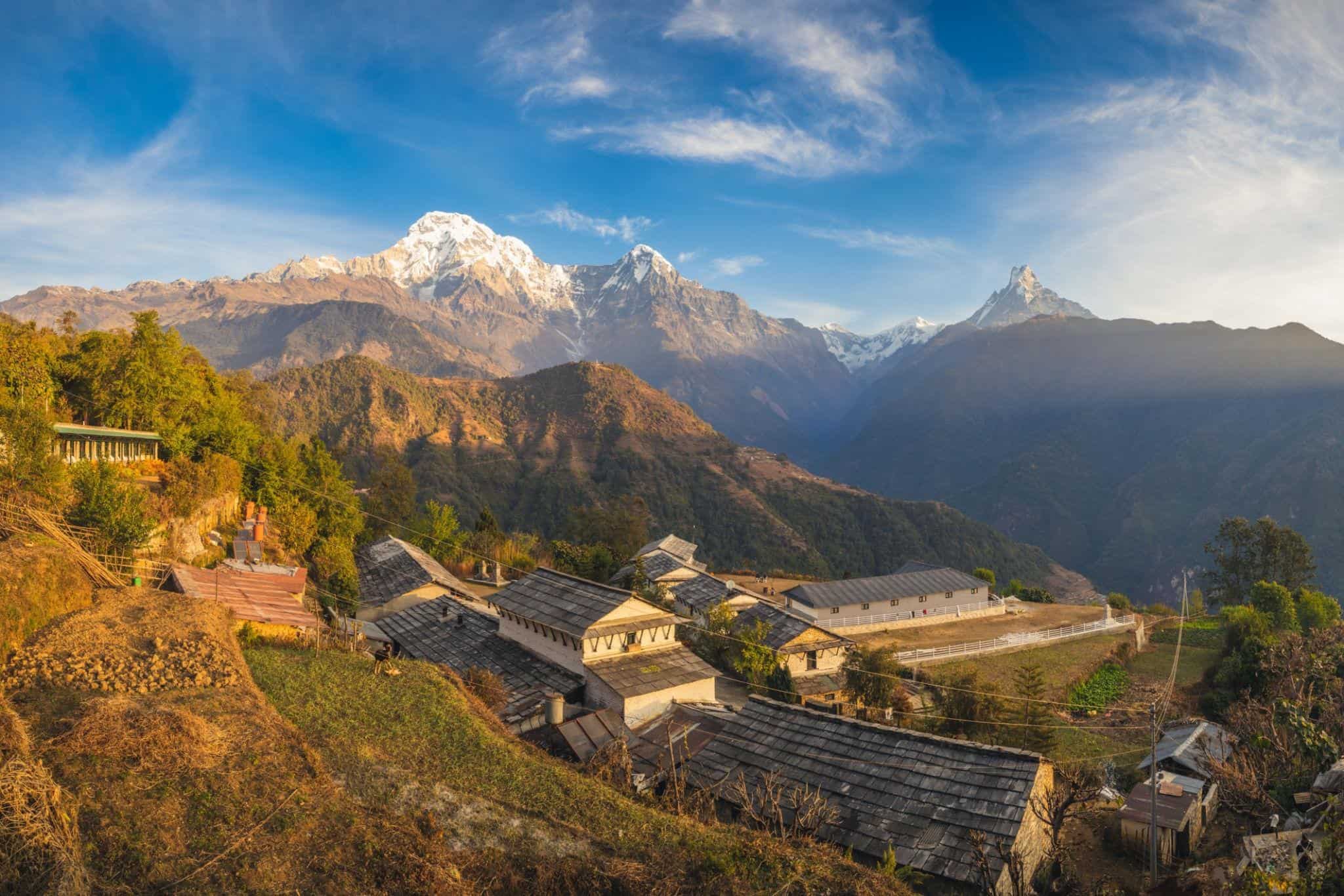
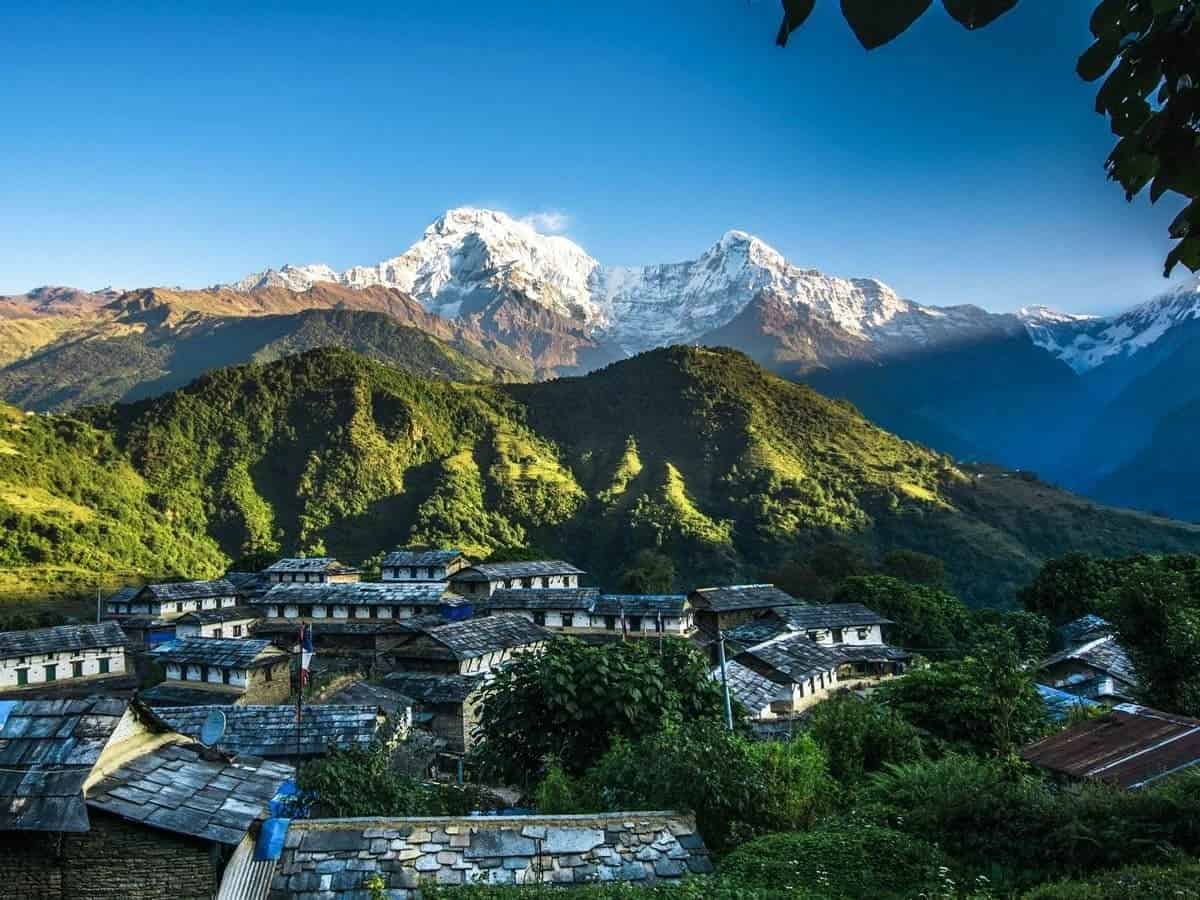
From Pokhara you travel to Ghandruk, a beautiful Gurung village at about 2,000 metres. Its stone houses, stepped fields and friendly people make it one of the most welcoming places in the Annapurna region. The mountain views are close and clear, with Annapurna, Machhapuchhre and Dhaulagiri in front of you. Spending a night here lets you slow down, enjoy local food such as dal bhat and learn about Gurung and Magar traditions. It gives you a real taste of the Himalayas without a long or hard walk.
Chitwan: Jungle Safari and Wildlife
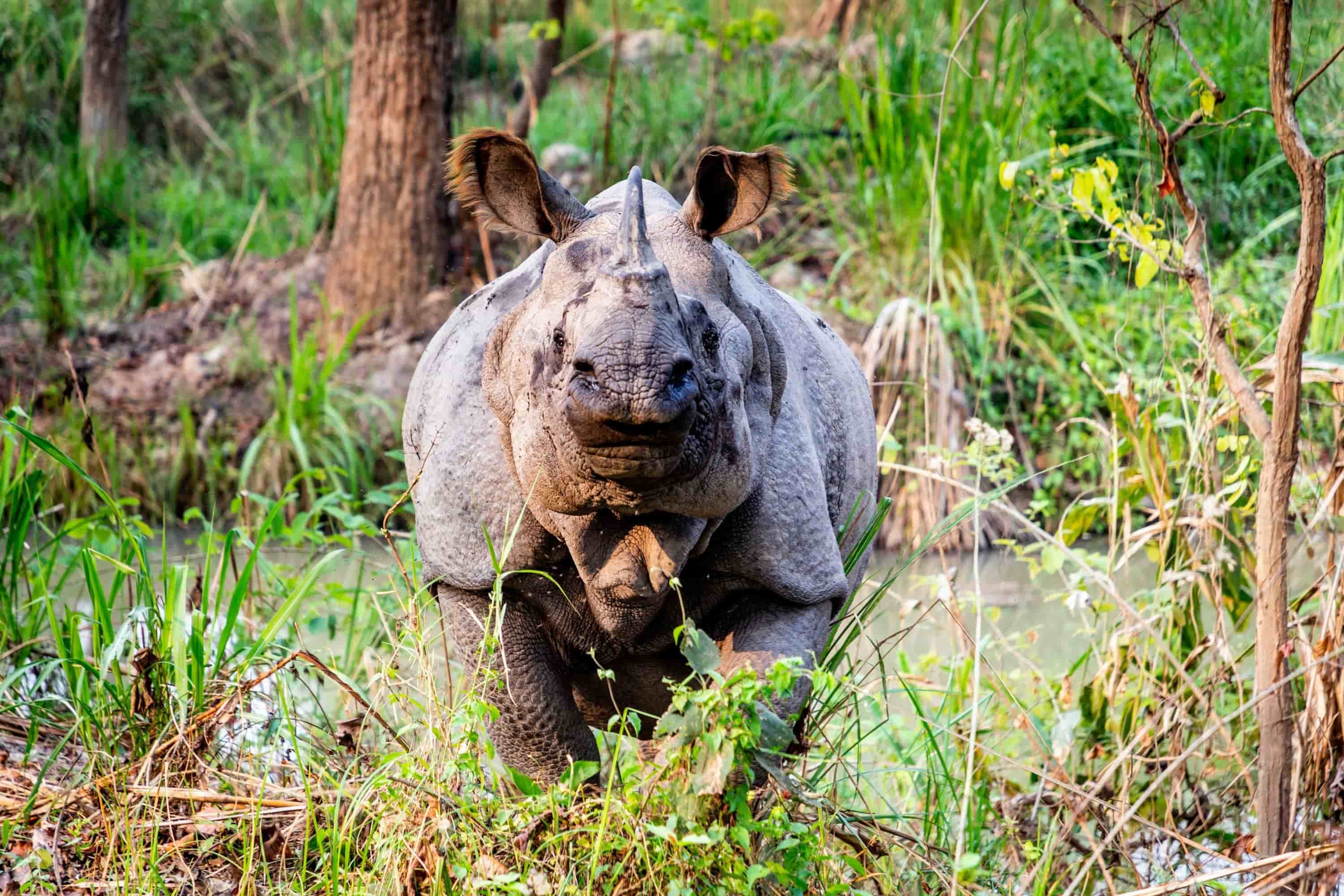
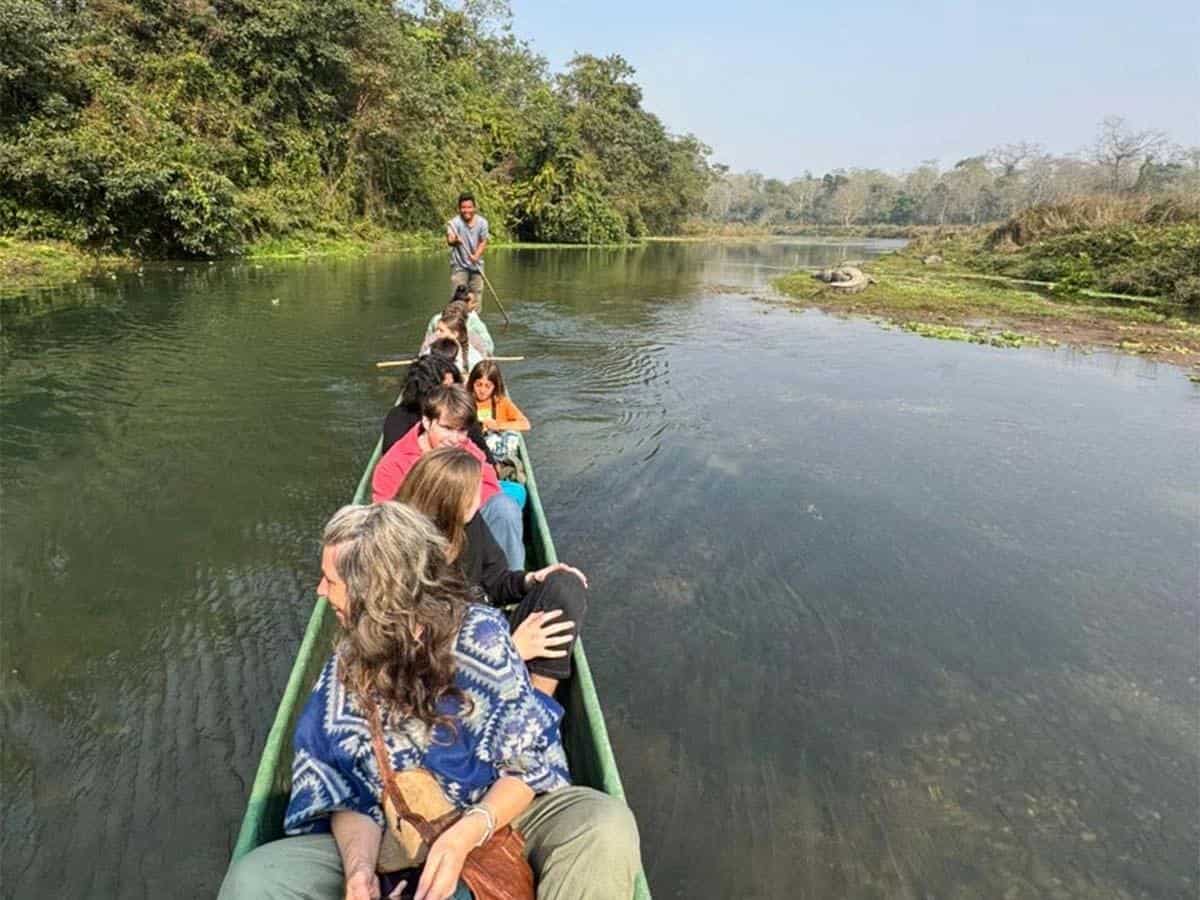
Your journey then moves south to Chitwan National Park, a protected area of forest and grassland on the Terai plains. Here you can join jeep safaris and jungle walks, ride a canoe on the Rapti River, and look for one-horned rhinos, deer, crocodiles and many kinds of birds. In the evening you can visit a nearby Tharu village and see the crafts and culture of this indigenous community. Wildlife sightings depend on nature, and tigers are rarely seen, but your guide will give you the best chance of a memorable experience.
Back to Kathmandu
After Chitwan you return to Kathmandu by road, or you can take a short flight if you prefer. You have time to see more sights, shop for souvenirs and enjoy a farewell dinner before your departure.
Why Choose This Tour?
- Four very different places in one trip: city culture, lakeside calm, a mountain village and a jungle safari.
- Easy and comfortable: private transport, hotel stays and no demanding trekking.
- Good for many travellers: families, couples, friends, first-time visitors and older guests.
- Flexible: we can adjust the days, hotels and activities to fit your time and budget.
- Local support: an English-speaking guide and the Nepal Trip Services team are with you from arrival to departure.
Best Time to Travel
October to December and March to May bring the clearest mountain views and pleasant weather. Winter is calm and quiet, and the monsoon months are green and peaceful, so this tour can work in almost any season. If you’d like help choosing dates, our team is happy to advise.
Ready to see the best of Nepal? Contact Nepal Trip Services at www.nepaltripservices.com and we’ll help you plan your trip.
Accommodation During the 9 Days Nepal Tour
During this 9-day Nepal tour, you stay in comfortable 3-star hotels in Kathmandu, Pokhara and Chitwan, with a simple, friendly mountain lodge in Ghandruk. You spend 3 nights in Kathmandu, 2 nights in Pokhara, 1 night in Ghandruk and 2 nights in Chitwan, always on a twin-sharing basis with clean rooms, private bathrooms and a warm welcome. Breakfast is included every day, and full-board meals are provided in Chitwan and Ghandruk. If you prefer more comfort, or a budget stay, Nepal Trip Services can upgrade or adjust your hotels to match your plans.
Transportation for Kathmandu, Pokhara, Ghandruk and Chitwan Tour
Your whole trip is covered by private transport, so you can travel comfortably and stop for photos whenever you like. We pick you up at Tribhuvan International Airport in Kathmandu and use a private car, van or coaster, depending on your group size, for city tours and the drives to Pokhara and Chitwan. The road to Pokhara takes about six hours through green hills, rivers and villages, and the drive from Pokhara to Ghandruk takes around three to four hours by private jeep. The road from Ghandruk to Chitwan is about six hours long, and you return to Kathmandu by road in roughly five hours. If you prefer to save time, a short flight from Chitwan or Pokhara to Kathmandu can be arranged on request, and Nepal Trip Services will drop you at the airport on your departure day.
Kathmandu, Pokhara, Ghandruk and Chitwan Tour: More Info
Kathmandu, Pokhara, Ghandruk and Chitwan Tour Distance and Driving Hours
Planning the Kathmandu, Pokhara, Ghandruk & Chitwan Tour is easier when you know the distances and driving times. All road journeys are by private vehicle, with stops for photos and meals, and times can change with traffic, weather and road work.
| Route |
Distance (approx.) |
Driving Time (approx.) |
| Kathmandu to Pokhara |
200 km |
6 to 7 hours |
| Pokhara to Ghandruk |
40 to 45 km |
3.5 to 4 hours |
| Ghandruk to Chitwan |
220 to 230 km |
6 to 7 hours |
| Chitwan to Kathmandu |
150 to 170 km |
5 to 6 hours |
Good to know:
- Roads in the hills are winding, so travel times are longer than the distance suggests.
- The Pokhara to Ghandruk road is steep in places, so we use a private jeep.
- You can save time with a short flight from Kathmandu to Pokhara or from Chitwan to Kathmandu (about 25 to 30 minutes), arranged at extra cost.
- Early starts help you avoid traffic and enjoy clearer mountain views.
Contact Nepal Trip Services at www.nepaltripservices.com to plan your route.
Road Conditions and Transportation Facilities Along the Tour Route
The roads on this tour are mostly paved and in fair condition, though Nepal’s hill roads can be narrow, winding and busy. The highway from Kathmandu to Pokhara follows river valleys and has regular stops for tea, meals and restrooms. Traffic and road work can slow you down, so your guide plans early starts and flexible timing. The road from Pokhara to Ghandruk is steeper and rougher in the last section, so we use a private jeep for comfort and safety. The route from Ghandruk to Chitwan and then back to Kathmandu is mostly paved, with some bumpy stretches, especially after heavy rain in the monsoon season.
All road travel is by private vehicle, such as a car, van or coaster, depending on your group size, with an experienced local driver. If you prefer to save time, short flights are available from Pokhara or Chitwan to Kathmandu at extra cost. Landslides, strikes or bad weather can sometimes cause delays, and your guide will adjust the plan to keep you safe and comfortable.
Altitude Differences Between Kathmandu, Pokhara, Ghandruk and Chitwan
This tour moves through very different heights, but none of them is high enough to cause serious altitude problems. Kathmandu sits at about 1,350 m, so you start in a cool, comfortable valley. Pokhara is lower, at about 820 m, with milder weather and a lakeside feel. Ghandruk is the highest point of the trip at about 2,012 m, where the air is fresh, the nights are cooler and the mountain views are close. Chitwan is the lowest, at about 200 m, on the warm Terai plains.
Because the altitude changes are gentle and the highest point is only around 2,000 m, most travellers do not feel altitude sickness. Still, drink plenty of water, take it easy on the first day and tell your guide if you feel dizzy or unwell. Bring a warm jacket for Ghandruk and light clothes for Chitwan.
Daily Weather Conditions and Temperature Across the Four Destinations
Weather changes a lot on this tour because the four places sit at different heights. Temperatures below are rough averages, and they vary by season and year.
| Destination |
Spring (Mar–May) |
Monsoon (Jun–Sep) |
Autumn (Oct–Nov) |
Winter (Dec–Feb) |
| Kathmandu |
Warm days, about 20–28°C |
Warm and rainy, about 20–28°C |
Clear and pleasant, about 12–25°C |
Cool, about 2–18°C |
| Pokhara |
Warm, about 17–30°C |
Warm, wet and green, about 20–30°C |
Mild and clear, about 15–26°C |
Cool, about 8–20°C |
| Ghandruk |
Mild, about 10–22°C |
Cool and misty, about 14–22°C |
Crisp and clear, about 8–20°C |
Cold nights, about 0–14°C |
| Chitwan |
Hot, about 22–36°C |
Hot, humid and rainy, about 25–34°C |
Warm and comfortable, about 15–30°C |
Cool mornings, about 8–24°C |
What this means for your trip:
- Kathmandu and Pokhara: mornings and evenings are cooler than midday, so bring a light jacket.
- Ghandruk: nights are cold, especially in winter, so pack a warm layer.
- Chitwan: it is hot for much of the year, so wear light clothes, a hat and sun protection.
- Best views: October to December and March to May usually give the clearest mountain views, while the monsoon brings cloud and rain but fresh green scenery.
Check the forecast a few days before you travel, as mountain weather can change quickly.
UNESCO World Heritage Sites You Can Explore in Kathmandu
Kathmandu Valley has seven UNESCO World Heritage Monument Zones, and on this tour you can visit several of the best known. Together they show how Hindu and Buddhist traditions have lived side by side for centuries.
- Pashupatinath Temple: Nepal’s most sacred Hindu temple, built on the banks of the Bagmati River. You can watch pilgrims, priests and evening rituals from the river side. Entry to the main temple is only for Hindus, but visitors can see the grounds and riverbank.
- Boudhanath Stupa: One of the largest Buddhist stupas in the world. Walk clockwise around it with locals, spin the prayer wheels and see thousands of prayer flags. It is especially calming at sunrise and in the evening.
- Swayambhunath (Monkey Temple): A hilltop stupa with wide views over the city, known for its watchful eyes and its many friendly monkeys. It is a good example of Buddhist and Hindu faiths sharing one sacred place.
- Kathmandu Durbar Square: The old royal palace square, filled with temples, carved windows and courtyards from the Malla and Shah periods. Some buildings were damaged in the 2015 earthquake, and restoration work has continued since.
Visitor tips:
- Entry fees apply at most sites and are not included in the package, so carry some cash.
- Dress modestly, remove shoes where asked and ask before photographing people or rituals.
- Early morning visits are quieter and better for photos.
Other valley sites, such as Patan and Bhaktapur Durbar Squares and Changu Narayan, can be added on request.
Traditional Gurung Culture, Lifestyle and Hospitality in Ghandruk
Ghandruk is one of the best places in Nepal to meet Gurung culture up close. The Gurung people have lived in these hills for generations, and their way of life is still strong today. You will see stone houses with slate roofs, neat stepped fields of millet, maize and vegetables, and villagers going about their day with a calm, friendly pace.
Many Gurung families follow a mix of Buddhist and older Himalayan beliefs, and you may notice prayer flags, small shrines and festival traditions that shape village life. Traditional dress is still worn at celebrations, including woven shawls and bright jewellery for women and the bhangra-style cap and jacket for men. Many families also have a proud link to the Gurkha soldiers, and the small Gurung Museum in the village tells this story through clothing, tools and photographs.
Hospitality is a real highlight. Guests are welcomed warmly, often with a cup of hot tea, and meals are simple and fresh. Expect dal bhat (rice and lentils), seasonal vegetables, soups, local bread and homemade pickles, usually served in a family-run lodge. Staying here supports local families directly and gives you a quiet, personal view of village life.
Respectful travel tips:
- Greet people with a smile and a “Namaste.”
- Ask before taking photos of people or their homes.
- Dress modestly and remove shoes when entering homes or prayer spaces.
- Support local lodges and shops, and avoid plastic waste in the village.
Annapurna Conservation Area: Local Rules and Visitor Guidelines
Ghandruk lies inside the Annapurna Conservation Area (ACA), Nepal’s largest protected area, which is managed with local communities to protect nature and village life. Visitors usually need an ACAP entry permit, and the fee money supports trails, clean water, waste management and community projects. Permit rules and fees change from time to time, so your guide will confirm the current requirements before you go.
Visitor guidelines:
- Carry your permit and passport, and show them at checkpoints when asked.
- Stay on marked trails and walk with your guide.
- Take your rubbish back with you, and avoid single-use plastic. Use refillable bottles and purified water.
- Do not pick plants, disturb animals or make fires in the forest.
- Dress modestly, ask before photographing people or their homes, and respect local customs and religious sites.
- Keep noise low in the village, especially in the evenings.
- Support local lodges, shops and farmers to help the community.
- Drones may need permission, so ask your guide before flying one.
Following these simple rules helps keep Ghandruk clean, peaceful and welcoming for everyone.
Chitwan National Park Entry Permits and Jungle Safari Regulations
Chitwan National Park is a UNESCO World Heritage Site, so every visitor needs an entry permit to go into the park. Permit fees and rules can change, so your guide will confirm the current cost and handle the booking. Please check whether the park fee is included in your package, and update your “Cost Includes & Excludes” section to match.
Safari rules for visitors:
- Always travel with a licensed guide. Walking alone in the park is not allowed.
- Carry your passport or a copy, as it may be checked at the entry gate.
- Keep voices low and move slowly so you don’t scare the wildlife.
- Never feed, touch, chase or call out to animals, and keep a safe distance.
- Stay inside the jeep or with your guide, and follow their instructions at all times.
- Wear light, neutral colours such as green, brown or khaki, and avoid bright colours or strong perfume.
- Do not litter or smoke, and take your rubbish back with you.
- Do not pick plants, take natural objects or make fires.
- Avoid flash photography near animals, and ask before flying a drone.
- Park hours, routes and activities may change with weather, river levels and park rules.
Wildlife is wild, so sightings can’t be promised, but following these simple rules gives you the best chance of a safe and memorable safari.
Wildlife You Can Spot During a Chitwan Jungle Safari
Chitwan National Park is one of the best wildlife areas in Asia, with grasslands, riverbanks and thick sal forest that shelter many animals. What you see depends on the season, the time of day and a little luck, but these are the most common sightings:
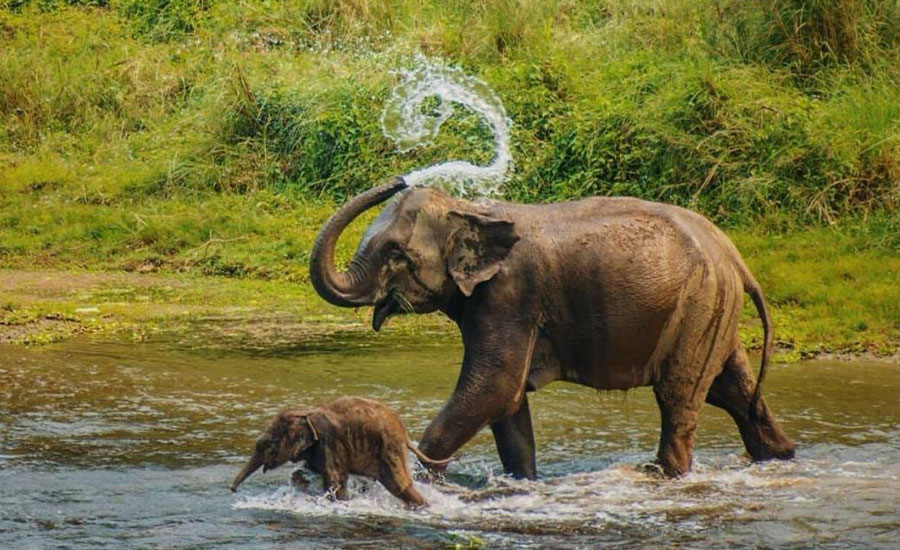
- One-horned rhinoceros: The star of Chitwan and the animal most visitors see, often grazing in the grasslands or resting near water.
- Gharial and marsh mugger crocodiles: Look for them on sandy riverbanks during a canoe ride on the Rapti River.
- Spotted deer, sambar and hog deer: Common in the open grass and forest edges, especially in the early morning.
- Wild boar and rhesus monkeys: Often seen in groups along the roads and trails.
- Sloth bear and leopard: Present in the park but shy and rarely seen.
- Royal Bengal tiger: Chitwan has a healthy tiger population, but tigers are secretive and sightings are rare, so we cannot promise one.
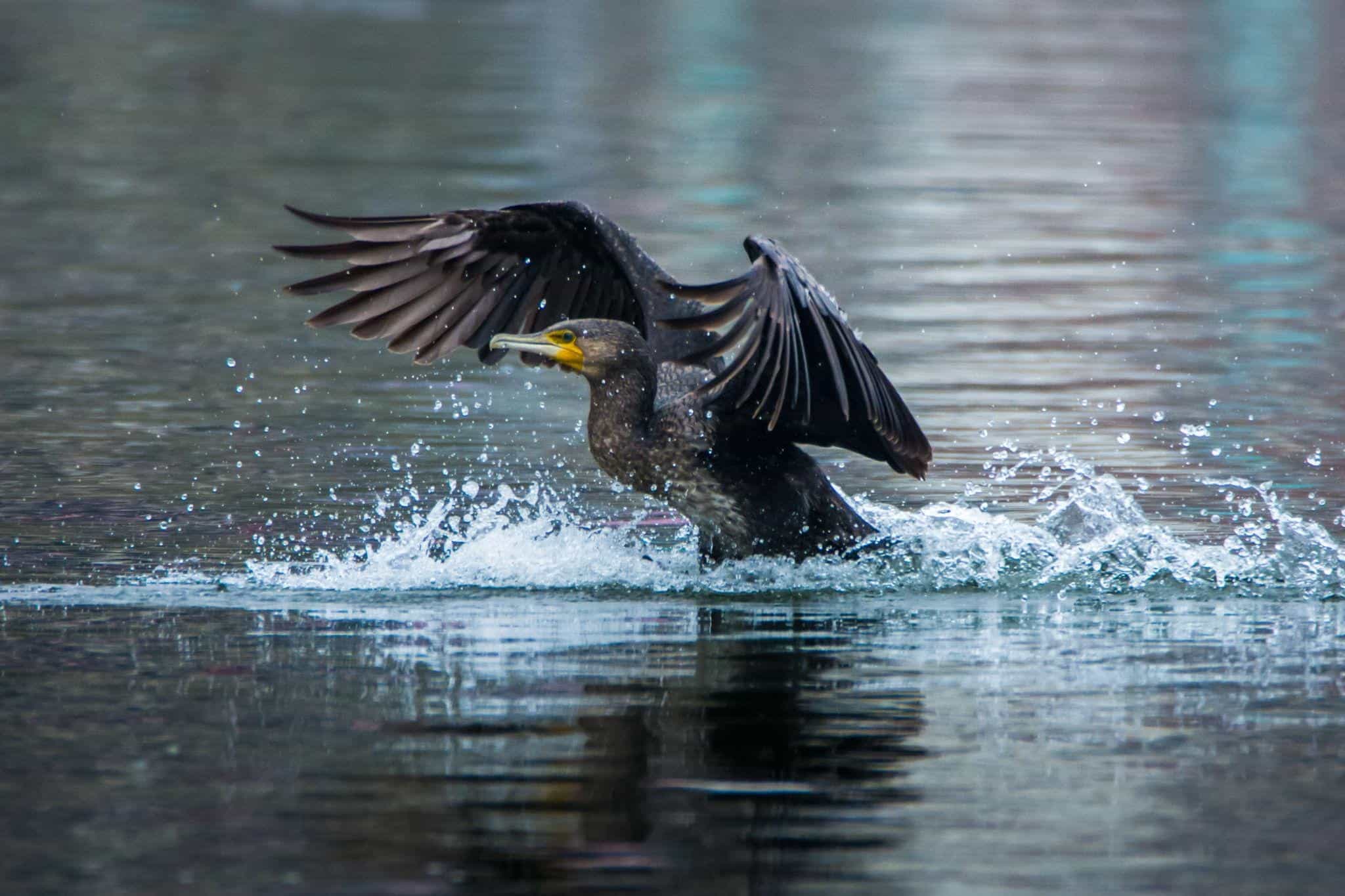
- Birds: More than 500 species have been recorded in the Chitwan area, including kingfishers, peacocks, hornbills, egrets, storks and migratory birds in winter.
Tips for better sightings:
- Go early in the morning or late in the afternoon, when animals are most active.
- Stay quiet, wear neutral colours and listen to your guide.
- Bring binoculars and a camera with a zoom lens.
- Be patient, as the jungle rewards slow, careful watching.
Boating, Sunrise Views and Optional Activities in Pokhara
Pokhara is Nepal’s adventure and relaxation hub, and there is something here for every kind of traveller.
Boating on Phewa Lake
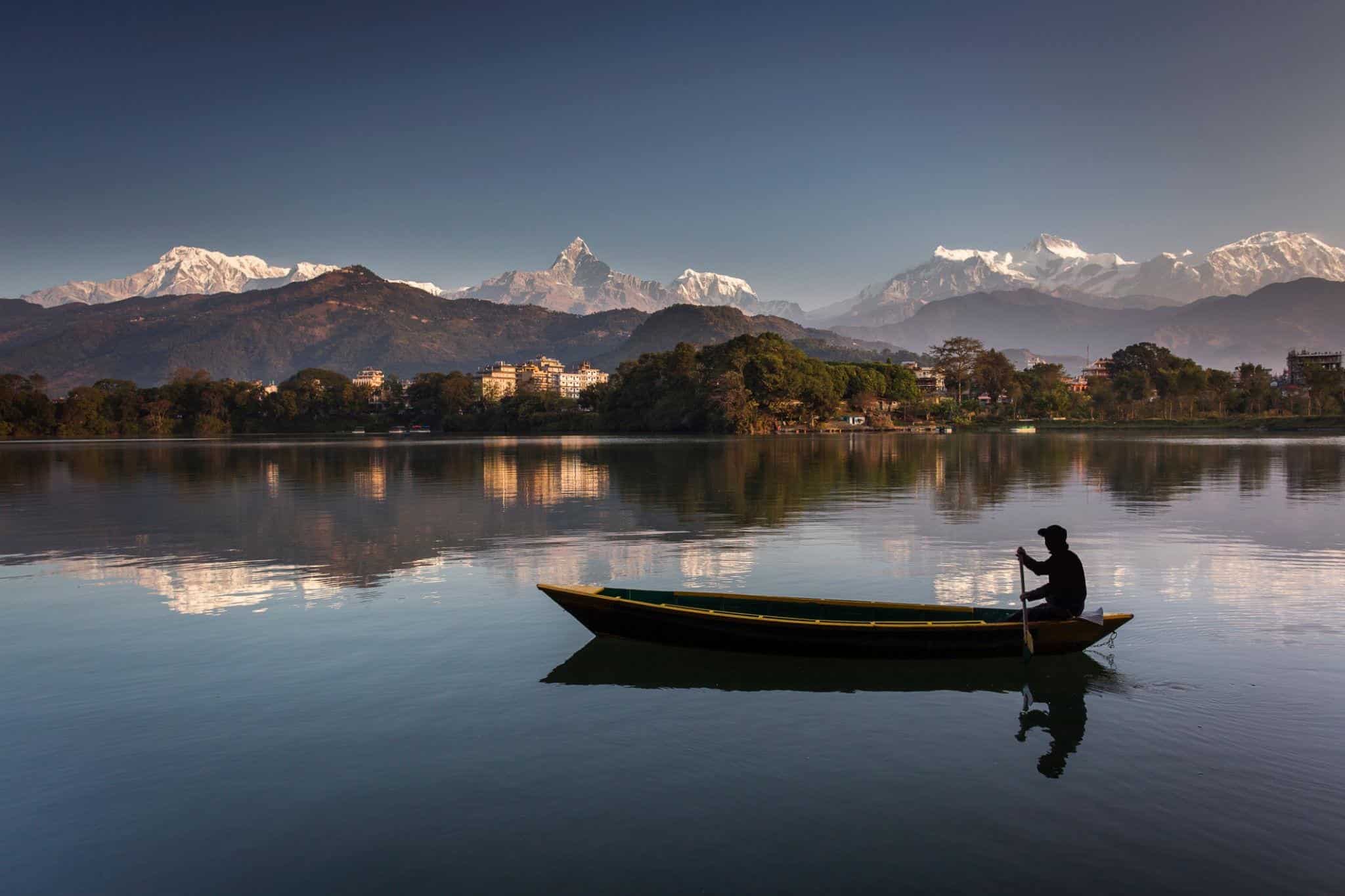
Rent a colourful wooden boat and paddle across the calm water, with the Annapurna range reflected on the surface on clear days. You can visit Tal Barahi, a small island temple in the middle of the lake, or simply drift and enjoy the quiet. Boat rides are best in the morning or at sunset.
Sunrise Views from Sarangkot
Sarangkot is the most popular viewpoint in Pokhara. Arrive before dawn to watch the first light touch Annapurna, Dhaulagiri and the sharp peak of Machhapuchhre (Fishtail). The view is clearest in the cooler, drier months, and a warm jacket helps on early mornings. The World Peace Pagoda is another lovely place for sunrise or sunset.
Optional Activities (extra cost)
- Paragliding: Fly with an experienced pilot over the lake and valley, one of the most popular activities in Pokhara.
- Zip-lining: A fast, thrilling ride across a deep valley for adventure seekers.
- Ultralight flight: A short scenic flight over the lake and mountains, usually with one pilot and one passenger.
- Bungee jumping and canyon swing: For travellers who want a bigger adrenaline rush.
- Cycling and lakeside walks: Easy ways to explore at your own pace.
- Mountain flight or helicopter ride: Closer views of the Himalayas from the air.
Good to know
- Optional activities are not included in the package and can be arranged on request.
- Weather affects most activities, so flexible timing helps.
- Follow safety instructions from the operators, and tell us about any health concerns before booking.
Traditional Nepali Food and Local Dining Experiences Along the Route
Food is a big part of any Nepal trip, and this route lets you taste a different side of the country in each place.
Kathmandu
Try momo (steamed or fried dumplings), chowmein, thukpa (noodle soup) and Newari dishes such as bara, choila and chatamari. Thamel and the old city have everything from street stalls to cosy restaurants. The farewell dinner usually features a full Nepali set with live cultural music.
Pokhara
Lakeside has a relaxed mix of Nepali, Tibetan, Indian and Western restaurants, many with lake views. Fresh lake fish, Tibetan bread and a cup of hot masala tea go well here.
Ghandruk
Meals are simple, fresh and home-cooked, mostly dal bhat (rice, lentil soup, vegetables and pickle), local soups, potatoes, bread and seasonal greens. Dal bhat is often served with free refills, so it’s a filling mountain meal.
Chitwan
Hotels serve a mix of Nepali and international food, including momo, noodles, pasta and pizza. You may also taste Tharu dishes, such as ghonghi (snail curry) and fish cooked with local spices, if you are curious.
Local drinks and snacks
- Masala tea and milk tea are everywhere.
- Lassi is a cool yoghurt drink, great on hot days.
- Sel roti is a sweet, ring-shaped bread, popular at festivals.
- Local fruit in season, such as mango, banana and papaya.
Dining tips
- Choose busy places with fresh, hot food, and drink only bottled or purified water.
- Vegetarian and vegan meals are easy to find. Tell your guide about allergies in advance.
- Eat with your right hand if you try local style, and don’t be afraid to ask your guide for recommendations.
Hotel Categories and Accommodation Standards During the Journey
Nepal Trip Services chooses clean, safe and comfortable places to stay, matched to each destination. The standard package uses 3-star hotels, and upgrades are available.
| Destination |
Standard Stay |
Upgrade Options |
| Kathmandu |
3-star hotel, twin sharing, breakfast |
4-star, 5-star or heritage boutique hotel |
| Pokhara |
3-star hotel near Lakeside, twin sharing, breakfast |
Lake-view or 4–5 star resort |
| Ghandruk |
Family-run mountain lodge, full board |
Best available lodge with an attached bathroom and views |
| Chitwan |
Hotel or resort, twin sharing, full board |
Premium jungle resort or lodge |
What to expect:
- Rooms: Clean beds, fresh linen, hot water (sometimes solar-heated in the hills) and private bathrooms in most hotels.
- Comfort: Air-conditioning or fans in Chitwan, heaters or extra blankets in cooler places, and Wi-Fi in most hotels, though speed can vary.
- Ghandruk lodges: Simple, warm and welcoming, with basic rooms and sometimes shared bathrooms. The views and hospitality make up for the small size.
- Food: Fresh, hygienic meals and clean drinking water on request.
- Location: Hotels are chosen for easy access to sights, restaurants and transport.
Good to know:
- Single rooms, family rooms and room upgrades are available for an extra cost.
- During busy seasons, hotels of similar standard may be used if the first choice is full.
- Power cuts, water shortages and slow internet can happen in some areas, especially in the hills.
Tell us your budget and comfort needs, and we will adjust the stays to suit you.
Private Vehicle Options and Luggage Arrangements for the Tour
Vehicle Options
All road travel is by private vehicle, chosen to match your group size and comfort needs.
| Group Size |
Typical Vehicle |
| 1–3 travellers |
Private car or SUV |
| 4–8 travellers |
Tourist van (Hiace or similar) |
| 9–20 travellers |
Mini coaster bus |
| Larger groups |
Tourist coach |
- A private jeep is used from Pokhara to Ghandruk because the road is steep and rough in places.
- Vehicles come with an experienced local driver, air-conditioning where available, and regular stops for photos, meals and restrooms.
- Seat-belt use is encouraged, and vehicles are checked for safety before the trip.
Luggage Arrangements
- Carry one main bag and one small daypack per person, so there is enough space for everyone.
- Heavy luggage can be left at your Kathmandu hotel while you travel, if you plan to return there.
- Pack a small overnight bag for Ghandruk with warm clothes, toiletries and any medicines.
- Use soft duffel bags where possible, as they fit better in vehicles and jeeps.
- Keep passports, money, electronics and medicines in your daypack, not in the main luggage.
- If you take a domestic flight, check the airline’s baggage limit, which is usually lower than for international flights.
Tell us about any special luggage, such as camera gear or sports equipment, and we will arrange extra space.
Mobile Network Coverage, Wi-Fi and Internet Availability
Staying connected is easy in most places on this route, with weaker signal only in the hills.
Mobile networks
- Kathmandu and Pokhara: Strong 4G coverage from the main providers, Ncell and Nepal Telecom (NTC).
- Ghandruk: Coverage is usually available but can be slower or patchy, especially in bad weather.
- Chitwan: Generally good in the main tourist areas, with weaker signal inside the national park.
- Along the road: Signal can drop in some hill sections and river valleys.
Wi-Fi
- Most hotels in Kathmandu, Pokhara and Chitwan offer free Wi-Fi, though speed can vary.
- Ghandruk lodges may have basic Wi-Fi, sometimes for a small fee, but it can be slow.
- Power cuts can interrupt the connection in some areas.
SIM cards and data
- You can buy a tourist SIM at Tribhuvan International Airport or in the city with your passport and a passport photo.
- Ask your guide to help you pick a data plan and set up your phone.
- Check that your phone is unlocked before you travel, or use an eSIM if your device supports it.
Tips
- Download offline maps and any documents before you arrive in Ghandruk.
- Bring a power bank, as charging points may be limited in lodges.
- Share your itinerary with family at home, and let them know that signal may be limited in the hills.
ATM Access, Currency Exchange and Payment Facilities
Money matters are simple in the cities, but you should carry some cash for the hills and the jungle.
ATMs
- Kathmandu and Pokhara: ATMs are common and accept major international cards (Visa, Mastercard).
- Ghandruk and Chitwan: ATMs are limited or may not work, so withdraw enough cash beforehand.
- Withdrawal limits per transaction are often small, and banks may add fees, so ask your bank before you travel.
Currency exchange
- The local currency is the Nepali rupee (NPR).
- Licensed money changers and banks in Kathmandu (especially Thamel) and Pokhara offer fair rates. Keep your receipts.
- Major currencies such as USD, EUR and GBP are the easiest to exchange. Notes should be clean and undamaged.
- Avoid changing money on the street.
Card payments
- Credit and debit cards are accepted at larger hotels, restaurants and shops in Kathmandu and Pokhara, sometimes with a small surcharge.
- Small restaurants, village lodges and local shops usually take cash only.
- Mobile wallets such as eSewa and Khalti are common among locals, but foreign cards may not work with them.
Tips
- Carry small notes for tips, tickets and snacks.
- Keep cash and cards in separate places, and tell your bank about your travel dates.
- Tipping is not required but is appreciated for guides, drivers and hotel staff.
Clothing and Essential Packing Checklist for Different Climate Zones
This tour moves from cool hills to the hot plains, so pack light layers that you can add or remove.
Clothing
- Light, breathable T-shirts and long-sleeve shirts
- Comfortable trousers or hiking pants, plus a pair of shorts for Chitwan
- Fleece or warm sweater and a light down jacket for Ghandruk and cool mornings (extra warm layers in winter)
- Waterproof jacket or poncho, especially in the monsoon
- Modest clothing for temple visits (covered shoulders and knees)
- Neutral colours for the Chitwan safari, such as green, brown or khaki
- Sleepwear, underwear and warm socks
Footwear
- Comfortable walking shoes or light hiking shoes
- Sandals or flip-flops for the hotel
- Extra socks, including warm ones for cool nights
Essentials
- Passport, visa, copies of documents and travel insurance
- Cash and cards
- Daypack and a soft duffel bag
- Refillable water bottle and water purification tablets
- Sun hat, sunglasses and sunscreen
- Insect repellent, especially for Chitwan
- Basic first-aid kit and any personal medicines
- Hand sanitiser and tissues
- Torch or headlamp for power cuts
- Power bank, phone charger and a universal plug adapter
- Binoculars and camera for the safari and mountain views
Optional
- Light scarf or buff for dust
- Swimsuit for hotel pools
- Small gifts or snacks
- Reusable shopping bag to help reduce plastic
Pack light, as luggage space in vehicles and on domestic flights is limited.
Travel Insurance and Emergency Assistance During the Nepal Tour
Travel Insurance
Travel insurance is not included in the package, and we strongly recommend buying it before you leave home. A good policy should cover:
- Medical treatment and hospital stays
- Emergency evacuation and repatriation
- Trip cancellation, delay and interruption
- Lost, stolen or damaged luggage and belongings
- Any optional adventure activities you plan to do, such as paragliding or zip-lining
Check the policy details carefully, as some insurers exclude certain activities or require extra cover. Keep a copy of your policy number and the insurer’s emergency contact with you.
Emergency Assistance
- Your guide and the Nepal Trip Services team are available during the trip to help with problems, such as illness, lost documents or delays.
- Kathmandu and Pokhara have good hospitals and clinics, while Ghandruk and Chitwan have only basic medical help, so serious cases are moved to a larger city.
- Helicopter or road evacuation may be arranged if needed. Costs for this are usually covered by your insurance, not the tour price.
- Landslides, strikes, flight delays and bad weather can sometimes change plans. Your guide will adjust the itinerary and keep you informed.
Helpful tips
- Tell your guide about any health conditions, allergies or medicines at the start of the trip.
- Bring a small first-aid kit and a supply of personal medicines.
- Save emergency numbers for your embassy, insurer and Nepal Trip Services on your phone.
- Drink purified water and eat fresh, hot food to avoid stomach problems.
Accessibility, Walking Requirements and Physical Fitness Considerations
This tour is easy and suits most travellers, but a few parts need some walking and patience on rough roads.
Walking requirements
- Kathmandu: Light walking and some steps at temples such as Swayambhunath. Streets can be uneven and crowded.
- Pokhara: Short walks at viewpoints, the Peace Pagoda and Lakeside, with a few uphill paths and stairs.
- Ghandruk: Gentle walking on stone paths and steps through the village, at about 2,000 m. Expect some uphill sections.
- Chitwan: Flat jungle walks and canoe boarding, with no steep climbs.
- Most days involve about 1 to 3 hours of easy walking at a relaxed pace.
Fitness level
- No special training is needed, but basic fitness helps, especially for stairs and long drives.
- Long road journeys of 5 to 7 hours can be tiring, so rest stops and a flexible pace matter.
Accessibility
- Nepal is not fully accessible. Many temples, villages and trails have steps, uneven ground and few ramps.
- Travellers with limited mobility, wheelchair users and those with heart, lung or joint problems should talk to us before booking.
- We can adjust the plan with flights instead of long drives, ground-floor rooms, slower sightseeing and extra rest time.
Tips
- Wear comfortable shoes with a good grip.
- Bring any walking aids or medicines you need.
- Speak to your doctor before travelling if you have health concerns.
- Tell us about children, older travellers or special needs early so we can plan properly.
Responsible Tourism, Local Community Support and Environmental Protection
Nepal Trip Services believes good travel should leave places better than it found them. A few simple choices can protect nature and help local families.
Supporting local communities
- Stay in family-run lodges and eat at local restaurants, especially in Ghandruk and Chitwan.
- Buy handmade crafts from Tharu and Gurung artisans, and pay a fair price instead of bargaining too hard.
- Hire local guides, drivers and porters, who know the area best and rely on tourism for their income.
- Ask before taking photos of people, and thank them with a smile and a “Namaste.”
Protecting the environment
- Carry a refillable water bottle and use purified water to cut down on plastic bottles.
- Take your rubbish with you, and never litter in villages, forests or rivers.
- Stay on marked trails and respect the rules of the Annapurna Conservation Area and Chitwan National Park.
- Keep a safe distance from wildlife, and never feed or disturb animals.
- Save water and electricity in hotels, and reuse towels where you can.
Respecting culture
- Dress modestly at temples and in villages.
- Remove shoes where asked, and ask before entering religious spaces or joining ceremonies.
- Use your right hand when giving or receiving items, and avoid public displays of affection.
Fair travel practices
- We treat our guides and drivers fairly, with proper pay and safe working conditions.
- We encourage travellers to avoid activities that harm animals, such as riding or touching wild elephants.
Small actions add up, and we thank you for helping protect the places you visit.
Photography Opportunities, Cultural Etiquette and Local Customs
Best photography spots
- Kathmandu: Boudhanath Stupa at sunrise or sunset, the carved temples of Durbar Square, and Swayambhunath’s hilltop view.
- Pokhara: Sunrise over Annapurna and Machhapuchhre from Sarangkot, Phewa Lake reflections and the World Peace Pagoda.
- Ghandruk: Stone houses, stepped fields, village life and clear mountain views in the early morning.
- Chitwan: Rhinos, deer, birds and misty river scenes on a jeep safari or canoe ride. A zoom lens helps.
- Light: Early morning and late afternoon give the softest light and the clearest mountains.
Photography etiquette
- Always ask before photographing people, monks, priests or children, and respect a “no” politely.
- Some temples and monasteries do not allow photography inside, so look for signs or ask your guide.
- Avoid flash near animals and during ceremonies.
- Ask permission before flying a drone, since rules apply in cities, temples and national parks.
- Do not pay for photos in a way that encourages begging.
Cultural etiquette
- Greet people with “Namaste,” hands together and a slight bow.
- Dress modestly, covering shoulders and knees at temples and in villages.
- Remove shoes before entering homes, temples and some shops.
- Walk clockwise around stupas and prayer wheels.
- Use your right hand to give, receive and eat, and avoid pointing your feet at people or sacred objects.
- Leather items and shoes may not be allowed inside some temples.
- Keep public affection and loud behaviour to a minimum.
Local customs to know
- Head and feet carry symbolic meaning, so avoid touching someone’s head.
- Festivals and religious events may close roads or change plans, so stay flexible.
- A small donation at a temple or monastery is welcome but not required.
Respect and a friendly smile make for better photos and better memories.
Frequently Asked Questions (FAQs)
About the Tour
1. What is the Kathmandu, Pokhara, Ghandruk & Chitwan Tour?
It is a 9-day Nepal tour that combines four very different places in one trip. You explore the temples and heritage sites of Kathmandu, enjoy the lakes and mountain views of Pokhara, spend a night in the Gurung village of Ghandruk, and go on a wildlife safari in Chitwan National Park. Nepal Trip Services arranges the hotels, private transport and a local guide.
2. How many days is the tour?
The standard tour is 9 days, from arrival in Kathmandu to departure. If you have less or more time, we can shorten the trip or add extra days, an Everest mountain flight or a trek.
3. Who is this tour best suited for?
It suits families, couples, friends, solo travellers, first-time visitors to Nepal and older travellers. There is no hard trekking, and the pace is relaxed with plenty of time for rest.
4. Is this a private tour or a group tour?
It is arranged as a private tour, so you travel in your own vehicle with your own guide at your own pace. If you are a solo traveller and want to share costs, ask us whether a group departure is possible on your dates.
5. Can the itinerary be customised?
Yes. We can change the number of nights in each place, upgrade the hotels, add activities such as paragliding or a mountain flight, or swap the road journey for a flight. Tell us what you want and we will plan around it.
Best Time and Weather
6. What is the best time to take this tour?
October to December and March to May are the best seasons, with clear skies, good mountain views and pleasant weather. These months are also the busiest, so book early.
7. Can I do this tour in the monsoon (June to September)?
Yes, but expect rain, cloud and some road delays. The landscape is very green and quiet, and Chitwan is hot and humid, but mountain views from Ghandruk and Sarangkot are less reliable.
8. Is the tour possible in winter (December to February)?
Yes. Days are usually dry and sunny, and Chitwan is more comfortable in the cooler months. Mornings and nights in Pokhara and Ghandruk can be cold, so bring warm layers.
9. What is the weather like in each place?
Kathmandu and Pokhara are mild for most of the year. Ghandruk, at about 2,012 m, is cooler, especially at night. Chitwan is the warmest and can be hot and humid from March to September.
Difficulty, Health and Safety
10. How difficult is this tour?
It is easy. The tour involves driving, short walks and light sightseeing. The only slightly active parts are a few steps in Ghandruk village and the temple visits in Kathmandu.
11. Do I need trekking experience?
No. The Ghandruk stay is a village visit, not a long trek, so anyone in normal health can take part.
12. Is there any risk of altitude sickness?
The risk is very low. The highest point is Ghandruk at about 2,012 m, which is well below the heights where altitude sickness usually becomes a problem.
13. Is the tour safe for families with children?
Yes. The trip is child-friendly, with private transport and comfortable hotels. Please tell us the ages of your children so we can plan safari rules, room types and meals.
14. Is it suitable for senior travellers?
Yes, in most cases. The drives are long on some days, but we can add rest stops, choose a flight in place of a road journey, and keep the walking light. We recommend checking with your doctor before you travel.
15. Is Nepal safe for tourists?
Nepal is generally safe and welcoming. Use normal travel care: keep valuables secure, drink bottled or purified water, and follow your guide’s advice. Our guide stays with you throughout the trip.
Accommodation and Food
16. What type of hotels are used on this tour?
The standard package uses 3-star hotels in Kathmandu and Pokhara, a hotel or resort in Chitwan and a simple mountain lodge in Ghandruk. Rooms are twin sharing with private bathrooms in the hotels. We can arrange 4-star, 5-star or boutique stays on request.
17. How many nights do I spend in each place?
You spend 3 nights in Kathmandu, 2 in Pokhara, 1 in Ghandruk and 2 in Chitwan, a total of 8 nights.
18. Which meals are included?
Breakfast is included every day. Lunch and dinner are included in Ghandruk and Chitwan, and there is a farewell dinner in Kathmandu. Other lunches and dinners are at your own cost, which lets you try different restaurants.
19. Can I get vegetarian, vegan or special meals?
Yes. Vegetarian food is easy to find across Nepal, and many places can prepare vegan, gluten-free or other special meals if you tell us in advance. Options in Ghandruk are simpler, mostly dal bhat, soups and vegetables.
20. Is the tap water safe to drink?
No. Drink bottled, boiled or filtered water only. Your hotels and guide will help you find safe drinking water.
Transport and Logistics
21. How will we travel between cities?
All road travel is by private vehicle, such as a car, van or coaster, depending on group size. A private jeep is used from Pokhara to Ghandruk because the road is steeper.
22. How long are the drives?
Kathmandu to Pokhara takes about 6 hours, Pokhara to Ghandruk about 3.5 to 4 hours, Ghandruk to Chitwan about 6 to 7 hours and Chitwan to Kathmandu about 5 to 6 hours. Times change with traffic and road conditions.
23. Can I take a flight instead of driving?
Yes. Short flights between Kathmandu and Pokhara or from Chitwan (Bharatpur) to Kathmandu can be arranged at extra cost. This saves several hours.
24. Will someone meet me at the airport?
Yes. A representative from Nepal Trip Services will meet you at Tribhuvan International Airport with a sign carrying your name and take you to your hotel.
Activities in Each Destination
25. What are the main things to see in Kathmandu?
The main sights are Pashupatinath, Boudhanath Stupa, Swayambhunath (the Monkey Temple) and the old Durbar Square area. Together they show the city’s rich Hindu and Buddhist heritage.
26. What can I do in Pokhara?
You can watch the sunrise at Sarangkot, visit the Seti River gorge, Davis Falls and the World Peace Pagoda, and relax by Phewa Lake. Optional activities include paragliding, boating, zip-lining and ultralight flights.
27. What is special about Ghandruk?
Ghandruk is a traditional Gurung village with stone houses, stepped fields and clear views of Annapurna South, Hiunchuli and Machhapuchhre. It is a warm and welcoming place to learn about local culture and enjoy a quiet mountain evening.
28. What can I see on the Chitwan safari?
You may see one-horned rhinos, deer, wild boar, monkeys, crocodiles and more than 500 bird species in the wider park area. Activities include a jeep safari, a jungle walk and a canoe ride on the Rapti River.
29. Will I see a tiger in Chitwan?
Tigers live in Chitwan but are shy and rarely seen. Rhinos are much more common. Our guides will give you the best chance, but wildlife sightings can never be promised.
Costs, Booking and Payment
30. What is included in the tour price?
The price usually covers airport transfers, hotel stays, listed meals, private transport, an English-speaking guide, Chitwan safari activities, taxes and service charges. See the “Cost Includes & Excludes” section above for the full list.
31. What is not included?
International flights, Nepal visa fees, most lunches and dinners in Kathmandu and Pokhara, temple and heritage site entrance fees, travel insurance, drinks, personal spending, optional activities and tips.
32. How can I book this tour?
Send us your travel dates and group size through www.nepaltripservices.com. We will reply with a clear quote and itinerary, and confirm your booking once you are happy with the details.
33. Can I get a discount for a group or a family?
The price per person often becomes lower as the group gets bigger, because transport and guide costs are shared. Contact us with your group size for a personalised quote.
Travel Preparation
34. Do I need a visa, and what should I pack?
Most visitors need a Nepal tourist visa, which can be arranged online before you travel or on arrival at Tribhuvan International Airport. Check current fees and rules before you go, as they can change. Pack light layers, a warm jacket for Ghandruk, comfortable walking shoes, sun protection, insect repellent, a hat, a power adapter, any personal medicines and a copy of your travel insurance.
35. Do I need travel insurance, and what about money and tips?
Yes. We strongly recommend insurance that covers medical care and trip cancellation. The local currency is the Nepali rupee. ATMs are common in Kathmandu and Pokhara, but carry some cash for Ghandruk and Chitwan. Tipping is not required but is appreciated for your guide, driver and hotel staff.
Plan Your Nepal Tour with Us
Still have questions? Our team is happy to help you plan the Kathmandu, Pokhara, Ghandruk & Chitwan Tour around your dates, budget and interests. Visit www.nepaltripservices.com to get a free quote.