Bhaktapur, Nepal: Complete Travel & Cultural Guide
By Nepal Trip Services On 29 Sep 2026

By Nepal Trip Services On 29 Sep 2026

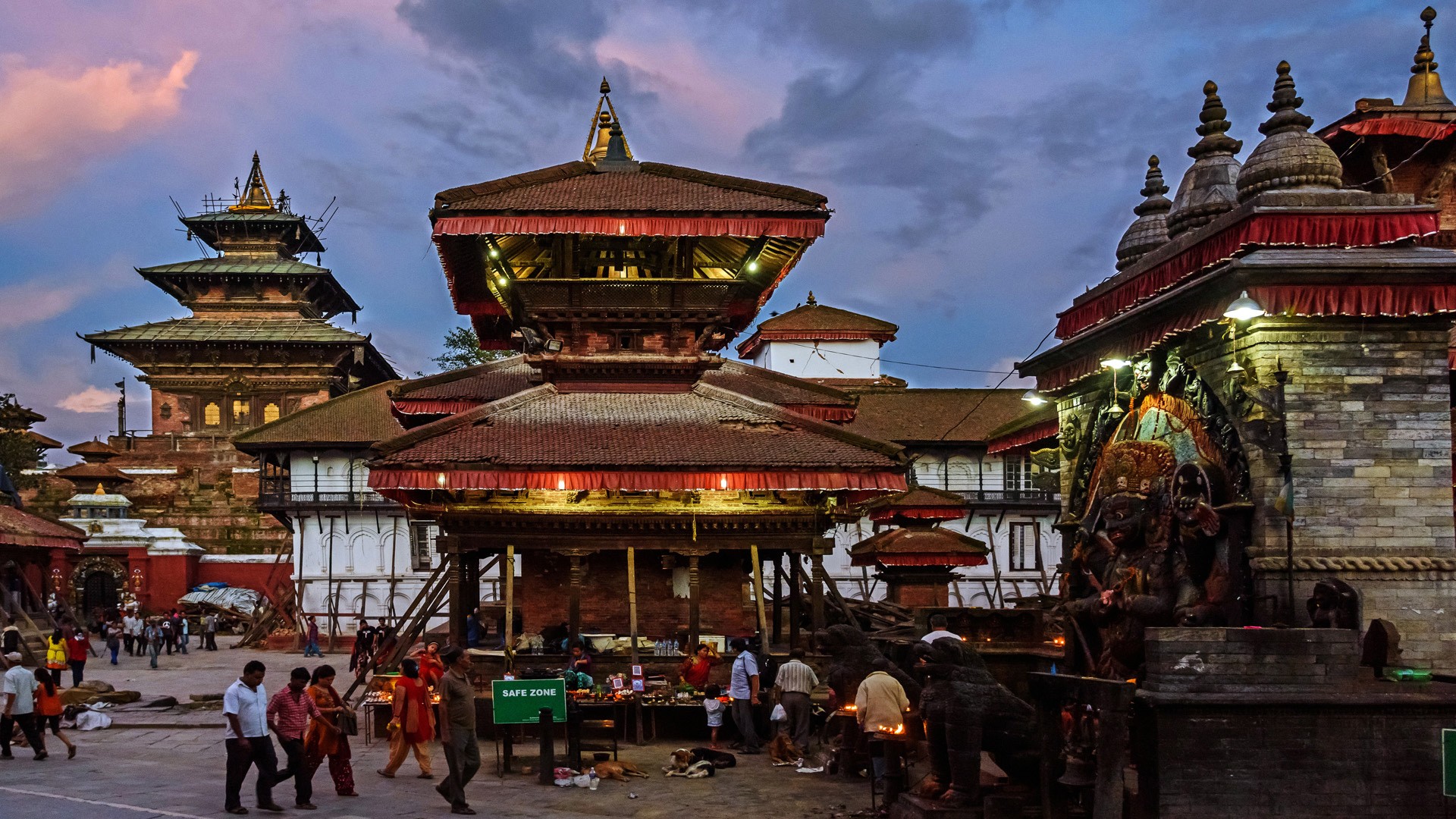
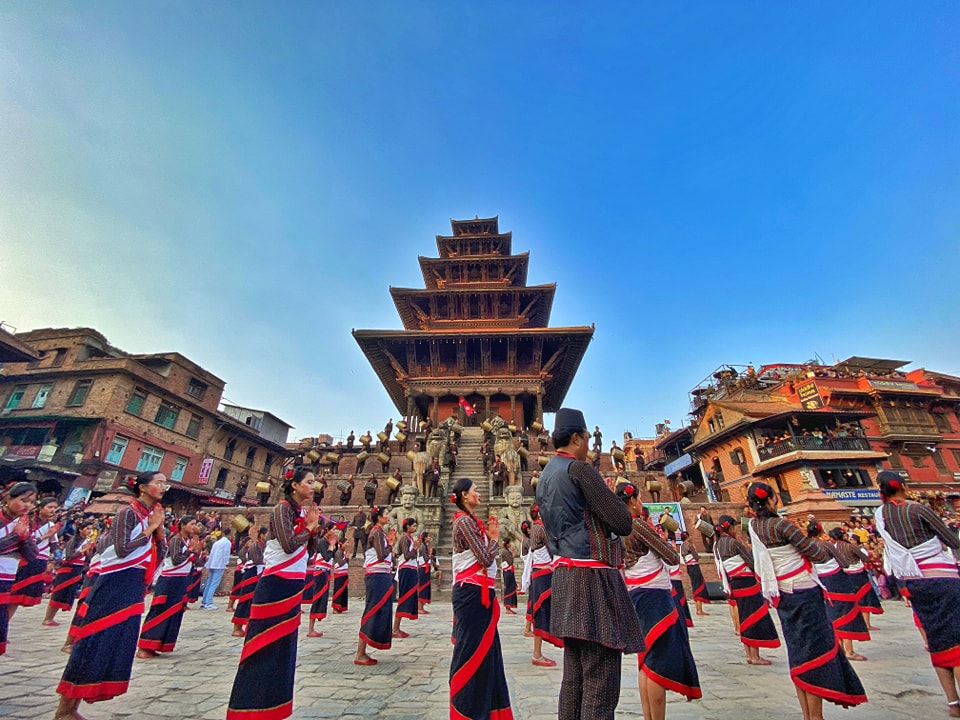
Step through the gates of Bhaktapur and the modern world seems to fall away. Red-brick lanes wind between centuries-old pagoda temples, potters spin clay in open squares, women dry grain in sunlit courtyards, and the rhythmic sound of drums drifts from a nearby shrine. Carved wooden windows lean over quiet alleys, pigeons scatter across stone platforms, and the five tiers of Nyatapola Temple rise above it all like a crown. Known as the "City of Devotees" and often described as a living museum, Bhaktapur is the best-preserved of the Kathmandu Valley's three ancient royal cities, a place where medieval Newar life continues much as it has for generations. This complete guide from Nepal Trip Services covers Bhaktapur's history, culture, top attractions, food, festivals, entry fees and practical tips, so you can plan a rich and rewarding visit.
Bhaktapur is an ancient Newar city on the eastern side of the Kathmandu Valley, about 13–15 km from central Kathmandu. Its name means "City of Devotees" in Sanskrit, while locals call it Khwopa in the Newar language, Nepal Bhasa. Once the capital of a powerful Malla kingdom, Bhaktapur is famous for its royal palace square, towering temples, pottery traditions, woodcarving and distinctive culture.
Unlike busier Kathmandu, Bhaktapur has kept much of its traditional character. Its heritage core is largely free of heavy traffic, making it one of the most pleasant places in Nepal to explore on foot. Bhaktapur Durbar Square is part of the Kathmandu Valley UNESCO World Heritage Site, making it a must-see for any culture lover.
| Detail | Information |
|---|---|
| Location | Kathmandu Valley, about 13–15 km east of Kathmandu |
| Altitude | About 1,401 m (4,596 ft) |
| Local Name | Khwopa (Nepal Bhasa) |
| Meaning | "City of Devotees" |
| Main People | Newars, the valley's indigenous community |
| UNESCO Status | Part of the Kathmandu Valley World Heritage Site (inscribed 1979) |
| Famous For | Nyatapola Temple, 55-Window Palace, pottery, woodcarving, Juju Dhau |
| Entry Fee (Foreigners) | NPR 1,800 |
| Best Time to Visit | October–November & February–April |
| Recommended Stay | Half day to 2 days |
Bhaktapur's roots go back well over a thousand years. The city grew as a stop on the ancient trade route between India and Tibet, and its wealth helped fund remarkable temples, palaces and public spaces.
From the 12th to the 15th century, Bhaktapur served as the capital of the entire Kathmandu Valley under the early Malla kings. After King Yaksha Malla's death in the late 15th century, the valley was divided among his heirs into three rival kingdoms: Kathmandu, Patan and Bhaktapur. Each competed to build grander monuments, sparking a golden age of Newar art and architecture.
Bhaktapur's most celebrated ruler, King Bhupatindra Malla (reigned 1696–1722), commissioned many of the city's greatest landmarks, including Nyatapola Temple. In 1769, Prithvi Narayan Shah of Gorkha conquered Bhaktapur, bringing it into the unified Kingdom of Nepal.
Bhaktapur has endured major earthquakes, including those in 1934 and 2015. The 2015 earthquake damaged several temples and homes, but restoration has been carried out using traditional materials and Newar craftsmanship. Today, the city's key monuments are open to visitors, and its careful rebuilding is itself a testament to local pride.
Bhaktapur is a stronghold of Newar culture. Many residents still follow traditional occupations, live in multi-generational family homes and take part in centuries-old rituals and festivals. Key cultural features include:
For a deeper look at the community behind the city, read our Newar Community of Nepal: Complete Culture & Heritage Guide.
Bhaktapur Durbar Square is the royal heart of the old city, where Malla kings once ruled. Its spacious layout, surrounded by temples, statues and palace buildings, makes it one of the most photogenic squares in Nepal. Highlights include the 55-Window Palace, the Golden Gate, the stone Vatsala Durga Temple and the Taleju Bell. Visit early in the morning, when the square is quiet and the light is soft, and allow at least 1–2 hours.
The 55-Window Palace (Pachpanna Jhyal Durbar) is the architectural jewel of Durbar Square. Its brick façade is lined with finely carved wooden windows, each a masterpiece of Newar craftsmanship. The palace has roots in the 15th century and was later embellished by King Bhupatindra Malla. Take time to study the details, as the carvings are some of the finest in the valley.
The Golden Gate is a gilded copper entrance to the palace, built in the mid-18th century and considered one of the most beautiful gateways in Asia. Above the door sits the goddess Taleju, surrounded by mythical creatures and intricate designs. The gate leads toward the sacred Taleju Temple courtyard, which is closed to non-Hindus. It's one of the most photographed spots in Bhaktapur.
Nyatapola Temple is Bhaktapur's most iconic landmark and one of the tallest temples in Nepal. It was commissioned by King Bhupatindra Malla and completed in 1702, rises around 33 meters and is dedicated to the Tantric goddess Siddhi Lakshmi. Its name means "five-storey" in Newari. Stone guardians line the staircase, from wrestlers to elephants, lions, griffins and goddesses, each said to be ten times stronger than the one below. Remarkably, it survived the 1934 and 2015 earthquakes. Climb the steps for lovely views over Taumadhi Square.
Taumadhi Square, home to Nyatapola Temple, is Bhaktapur's liveliest public space. It also features the three-storey Bhairavnath Temple, dedicated to the fearsome form of Shiva. Cafés with rooftop terraces surround the square, offering great views and a perfect spot to taste Juju Dhau. Taumadhi is also the centre of the spectacular Bisket Jatra festival.
Pottery Square is where Bhaktapur's famous potters work in the open air, shaping clay on traditional wheels and leaving rows of pots to dry in the sun. It's a fascinating place to watch craftsmen at work, and many welcome visitors to try the wheel themselves. You can buy handmade pottery directly from the makers. Visit in the morning or early afternoon, when the workshops are busiest.
Dattatreya Square is the oldest part of Bhaktapur and a quieter, more local corner of the city. Its centrepiece is the Dattatreya Temple, dating to the 15th century and dedicated to a deity combining Brahma, Vishnu and Shiva. Nearby, the Pujari Math features the famous Peacock Window, one of Nepal's finest woodcarvings. The square is also home to the Woodcarving Museum and the Brass and Bronze Museum.
Housed in part of the palace in Durbar Square, the National Art Gallery displays traditional paubha paintings, stone sculptures, manuscripts and religious art. It offers helpful context for understanding the valley's Hindu and Buddhist traditions. The gallery is compact and easy to explore in under an hour.
Siddha Pokhari is a large historic water tank near the main entrance to the old city. Surrounded by small shrines and trees, it's a peaceful spot to watch local life, with residents strolling, feeding fish and relaxing by the water. It's especially pleasant in the late afternoon.
Just about 6 km north of Bhaktapur, Changu Narayan is the oldest Hindu temple in the Kathmandu Valley and a UNESCO World Heritage Site. Dedicated to Lord Vishnu, it's famous for its ancient stone sculptures, inscriptions and woodcarvings. It makes an easy and rewarding half-day add-on to a Bhaktapur visit.
| Square | Highlights | Time Needed |
|---|---|---|
| Durbar Square | 55-Window Palace, Golden Gate, Vatsala Durga Temple, National Art Gallery | 1–2 hours |
| Taumadhi Square | Nyatapola Temple, Bhairavnath Temple, rooftop cafés | 45 mins–1 hour |
| Pottery Square | Traditional potters at work, handmade pottery | 30–45 mins |
| Dattatreya Square | Dattatreya Temple, Peacock Window, museums | 45 mins–1 hour |
| Visitor | Entry Fee |
|---|---|
| Foreign nationals | NPR 1,800 |
| SAARC nationals | NPR 500 |
| Nepali citizens | Free |
| Children under 10 | Free |
Fees may change, so confirm current rates at the ticket counter.
| Festival | Approx. Timing | What to Expect |
|---|---|---|
| Bisket Jatra | April (Nepali New Year) | Giant chariot tug-of-war and raising of a tall ceremonial pole |
| Gai Jatra | August/September | Colourful parades honouring loved ones, with the lively stick dance |
| Dashain | September/October | Nepal's biggest festival, with rituals and family gatherings |
| Tihar & Mha Puja | October/November | Festival of lights and the Newar New Year |
| Navadurga Dances | Seasonal cycle | Sacred masked dances of the nine goddesses |
| Yomari Punhi | December | Harvest celebration with sweet yomari dumplings |
Bisket Jatra is Bhaktapur's most famous festival, when crowds pull massive wooden chariots through the streets in an exciting tug-of-war. Festivals are unforgettable but crowded, so plan ahead and book early.
Bhaktapur is one of the best places in Nepal to try authentic Newari cuisine.
| Dish | Description |
|---|---|
| Juju Dhau | Rich, creamy "king of curd", served in clay pots, Bhaktapur's signature treat |
| Samay Baji | Traditional platter of beaten rice, spiced meat, egg, soybeans and pickles |
| Bara | Savoury lentil pancake, plain or topped with egg |
| Chatamari | Thin rice-flour crêpe with toppings, often called "Newari pizza" |
| Yomari | Sweet dumpling filled with molasses and sesame |
| Choila | Spicy grilled meat marinated in mustard oil and spices |
| Kwati | Nourishing soup of nine sprouted beans |
| Masala Chiya | Sweet spiced milk tea |
Look for small family-run eateries and rooftop cafés around Taumadhi and Durbar Squares. Vegetarian options are easy to find.
| Season | Months | Conditions |
|---|---|---|
| Autumn | October – November | Best season: clear skies, mild weather, major festivals |
| Winter | December – February | Cool, dry and sunny, with fewer crowds |
| Spring | March – May | Warm and pleasant, with Bisket Jatra in April |
| Monsoon | June – September | Rainy but green and quiet; Gai Jatra in August/September |
Best time of day: Early morning, when squares are peaceful and locals begin their daily rituals.
Bhaktapur is easy to reach from Kathmandu:
Once inside the old city, walking is the best way to explore, as the heritage core is compact and largely pedestrian-friendly.
| Area | Best For |
|---|---|
| Around Durbar & Taumadhi Squares | Heritage guesthouses, rooftop views, early-morning exploring |
| Old city lanes | Traditional homestays and authentic local life |
| Outskirts of Bhaktapur | Quieter hotels with easy access to the old city |
| Nagarkot (13 km away) | Hill resorts with Himalayan sunrise views |
Staying overnight lets you enjoy Bhaktapur at its most magical, at dawn and dusk after the day visitors leave.
Bhaktapur is one of the highlights of the Kathmandu Valley, and it pairs beautifully with Nepal's other great destinations. Explore the valley in depth with our Kathmandu Valley Tour, or combine culture, mountains and wildlife on our Kathmandu, Pokhara & Chitwan Tour and Kathmandu, Pokhara, Chitwan & Lumbini Tour. For heritage-focused trips, see our Cultural Tours, or use our Trip Planner to design your own journey.
Bhaktapur is famous for being the best-preserved medieval city in the Kathmandu Valley. It's known for Nyatapola Temple, the 55-Window Palace, the Golden Gate, Pottery Square and fine Newar woodcarving. The city is also celebrated for its festivals, especially Bisket Jatra, and for Juju Dhau, its creamy "king of curd". Its traditional atmosphere makes it a favourite for culture lovers and photographers.
Bhaktapur is about 13–15 km east of central Kathmandu. The drive usually takes 30–60 minutes, depending on traffic. It's easy to visit on a day trip or as part of a Kathmandu Valley tour. Many travellers combine it with Changu Narayan and Nagarkot.
Foreign visitors pay NPR 1,800, while SAARC nationals pay NPR 500. Nepali citizens and children under 10 enter free. The ticket covers the main heritage areas, including Durbar Square, Taumadhi Square, Pottery Square and Dattatreya Square. Fees can change, so check at the ticket office on arrival.
Yes. If you plan to stay longer, show your passport at the ticket office, and your ticket can be extended for one week at no extra cost. This makes it easy to explore the city over several days. Keep your ticket with you, as it may be checked at different gates.
Half a day is enough to see the main squares and highlights. A full day lets you explore at a relaxed pace, try local food and visit the pottery workshops. Staying overnight is highly recommended if you want to experience the city's peaceful mornings and evenings. Adding Changu Narayan or Nagarkot extends your visit nicely.
Nyatapola is a five-tiered pagoda temple in Taumadhi Square and one of the tallest temples in Nepal. It was built in 1702 by King Bhupatindra Malla and is dedicated to the goddess Siddhi Lakshmi. Its staircase is guarded by stone figures that grow stronger with each level. The temple is renowned for surviving major earthquakes.
Juju Dhau, meaning "king of curd", is Bhaktapur's famous sweet yoghurt. It is made from buffalo milk and set in traditional clay pots, which give it a rich, creamy texture. It's served at local shops and cafés throughout the city. Trying it is a must for any visitor.
The best months are October–November and February–April, when the weather is pleasant and skies are clear. Autumn also brings festivals like Dashain and Tihar, while spring features Bisket Jatra in April. Winter is quieter, with sunny days and fewer crowds. Early morning is the best time of day to visit.
Bisket Jatra is Bhaktapur's biggest festival, held around the Nepali New Year in April. Crowds pull giant wooden chariots through the streets in a thrilling tug-of-war, and a tall ceremonial pole is raised and later pulled down. The festival lasts several days, with music, rituals and celebrations across the city. It's one of the most exciting festivals in Nepal.
Absolutely. Bhaktapur offers one of the most authentic cultural experiences in Nepal, with fewer vehicles and a more traditional atmosphere than Kathmandu. Its temples, squares, crafts and food give a vivid picture of Newar life. Many travellers say it's the highlight of their Kathmandu Valley visit.
Yes, Bhaktapur has charming guesthouses, heritage hotels and homestays, many near Durbar and Taumadhi Squares. Staying overnight lets you enjoy the city after day visitors leave, with quiet lanes and beautiful sunrise and sunset light. It's also a great base for visiting Changu Narayan and Nagarkot. Book early during festivals.
Wear comfortable, modest clothing that covers your shoulders and knees, especially when visiting temples. Comfortable walking shoes are essential for brick and stone lanes. Bring a light jacket in winter and a rain jacket during the monsoon. Slip-on shoes are handy, as you'll remove footwear at some shrines.
Most temples and squares are open to everyone, but some inner sanctuaries, such as the Taleju Temple courtyard beyond the Golden Gate, are closed to non-Hindus. Look for signs and follow your guide's advice. Always remove shoes where required and avoid touching sacred objects. Respectful behaviour is appreciated by locals.
Yes, Pottery Square is one of the best places in Nepal to see traditional potters at work. Many artisans welcome visitors to try the potter's wheel for a small fee. You can also buy handmade pottery directly from the makers. It's a fun and memorable hands-on experience for all ages.
A guide is not required, but a licensed local guide can greatly enrich your visit. Guides explain the history, legends and symbolism behind the temples and carvings, and can lead you to hidden courtyards you might otherwise miss. They're especially helpful during festivals. Nepal Trip Services can arrange experienced guides as part of your tour.
Bhaktapur is more than a collection of monuments; it's a living city where history is part of everyday life. Here, potters still shape clay by hand, families gather in centuries-old courtyards, and temple bells ring as they have for generations. From the soaring tiers of Nyatapola to the golden details of Sun Dhoka and the quiet charm of Dattatreya Square, every corner reveals the artistry and devotion of the Newar people. It's a place that rewards slow travel, curiosity and an open heart.
Give yourself time to wander without rushing. Arrive early, taste Juju Dhau in a rooftop café, try the potter's wheel, and stay until the evening light turns the brick walls golden. Whether you visit for a few hours or a few days, Bhaktapur leaves a lasting impression. For a smooth, insightful journey, Nepal Trip Services can help you explore Bhaktapur and the wider Kathmandu Valley with expert local guides and carefully planned itineraries.
Discover more articles that match your interests! Explore these similar blogs packed with insights, tips, and stories to keep you inspired.
Explore Kathmandu, Nepal\'s vibrant capital — ancient temples, UNESCO sites, Newari culture & top attractions. Your co...
Discover the Newar community of Nepal: history, Nepal Bhasa, festivals, Kumari, Newari food, architecture, rituals & whe...