How To Prepare For The Everest Three High Passes Trek? Training & Fitness Guide
By Nepal Trip Services On 08 Oct 2026

By Nepal Trip Services On 08 Oct 2026
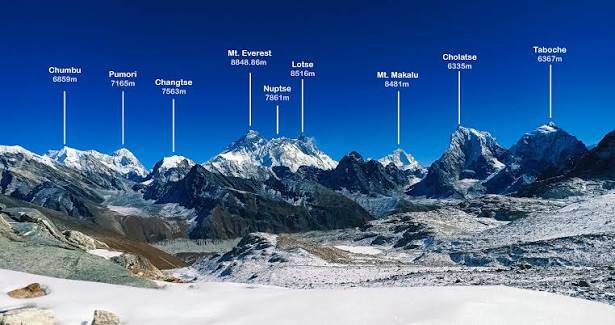
The Everest Three High Passes Trek is one of the most demanding teahouse treks in Nepal. Over 19 days, you cross Kongma La (5,535 m), Cho La (5,420 m) and Renjo La (5,360 m), climb Kala Patthar and Gokyo Ri, and walk around 160–170 km. Most trekkers who struggle don't lack willpower; they simply underestimated what the trek demands.
The good news is that the Three Passes rewards preparation. With 8–12 weeks of focused training (or 16 weeks if you're starting from a lower fitness base), the right gear and sensible altitude habits, you'll arrive in Kathmandu strong, confident and ready to enjoy every pass instead of just surviving it.
This guide gives you a complete, practical preparation plan: fitness benchmarks, a week-by-week training programme, key workouts, altitude and medical preparation, nutrition, mental readiness, gear and a final pre-departure checklist.
|
Demand |
What it means for your training |
|---|---|
|
5–9 hours of walking a day, for 16–17 days |
Build endurance for long, consecutive days |
|
Three passes above 5,300 m |
Strong legs and lungs for steep climbs at altitude |
|
Steep, loose descents of 600–1,000 m |
Train downhill to protect your knees |
|
Rocky moraine, boulders and a glacier |
Balance, core strength and ankle stability |
|
Seven nights above 4,500 m |
Good aerobic base and smart acclimatisation habits |
|
Cold, basic teahouses |
Mental resilience and the right gear |
|
Area |
Recommendation |
|---|---|
|
Training duration |
8–12 weeks (fit hikers); 16 weeks (beginners) |
|
Training frequency |
5–6 days a week, with 1–2 rest days |
|
Key workouts |
Long hikes with a pack, stairs, downhill training, leg strength, cardio |
|
Target by departure |
Two or three consecutive 6–8 hour hikes with 6–8 kg and 800–1,000 m of gain |
|
Medical |
Check-up 6–8 weeks before; discuss altitude medication with your doctor |
|
Gear |
Boots broken in over 50+ km; poles and microspikes tested |
|
Paperwork |
Insurance up to 6,000 m with helicopter rescue; passport, visa, cash |
If you're new to trekking, also read Can Beginners Do the Everest Three High Passes Trek?
Before you begin training, take these simple tests to see where you stand. Repeat them every 4 weeks to track progress.
|
Test |
How to do it |
Starting level |
Target by departure |
|---|---|---|---|
|
Hill or stair climb |
Climb 500 m of stairs or a steady hill with a 5 kg pack |
Under 75 mins |
1,000 m in under 2 hours, comfortably |
|
Long hike |
Walk on hilly terrain with a 6 kg pack |
3 hours |
7–8 hours, feeling fine the next day |
|
Back-to-back days |
Hike two days in a row |
2 × 3 hours |
3 × 6–8 hours with elevation gain |
|
Downhill test |
Descend 500 m of steep trail or stairs |
No knee pain |
1,000 m of descent without knee pain |
|
Wall sit |
Back against a wall, thighs parallel to the floor |
45 seconds |
2 minutes |
|
Step-ups |
Step onto a 40 cm box, alternating legs |
20 per leg |
50 per leg with a 6 kg pack |
|
Plank |
Forearm plank with a straight body |
30 seconds |
90 seconds |
|
Resting heart rate |
Measure on waking for 3 mornings |
Note your baseline |
Several beats lower than your baseline |
Before you start: if you're over 45, have a medical condition, or haven't exercised regularly for a while, see your doctor before beginning any training programme.
This plan suits people who are already reasonably active. Beginners should spend 4 extra weeks repeating Weeks 1–2 before starting.
|
Week |
Focus |
Long hike (weekend) |
Cardio |
Strength |
Stairs / hills |
|---|---|---|---|---|---|
|
1 |
Build the habit |
3 hrs, 4 kg pack |
3 × 30 mins |
2 × bodyweight |
— |
|
2 |
Consistency |
3.5 hrs, 4 kg |
3 × 35 mins |
2 × bodyweight |
1 × 20 mins |
|
3 |
Increase time |
4 hrs, 5 kg |
3 × 40 mins |
2 sessions |
1 × 25 mins |
|
4 |
Recovery week |
3 hrs, 4 kg |
3 × 30 mins |
1 session |
1 × 20 mins |
|
5 |
Add elevation |
4.5 hrs, 5 kg, 500 m gain |
4 × 40 mins |
2 sessions |
1 × 30 mins |
|
6 |
Longer days |
5 hrs, 6 kg, 600 m gain |
4 × 45 mins |
2 sessions |
1 × 35 mins |
|
7 |
Downhill focus |
5.5 hrs, 6 kg, 700 m gain/loss |
4 × 45 mins |
2 sessions + step-downs |
2 × 30 mins |
|
8 |
Recovery week |
4 hrs, 5 kg |
3 × 40 mins |
1 session |
1 × 30 mins |
|
9 |
First back-to-back |
2 × 5 hrs, 6–7 kg |
3 × 45 mins |
2 sessions |
1 × 40 mins |
|
10 |
Peak volume |
2 × 6–7 hrs, 7–8 kg, 800 m gain |
3 × 50 mins |
2 sessions |
1 × 45 mins |
|
11 |
Trek simulation |
3 × 6–8 hrs, 7–8 kg, 800–1,000 m gain |
2 × 40 mins |
1 session |
1 × 45 mins |
|
12 |
Taper |
3 hrs, light pack |
3 × 30 mins easy |
Light mobility |
— |
Recovery weeks (4 and 8) let your body adapt and reduce injury risk. Don't skip them.
|
Day |
Session |
|---|---|
|
Monday |
Rest or 30 mins easy walk and stretching |
|
Tuesday |
45–50 mins cardio (running, cycling or swimming) + core |
|
Wednesday |
Leg strength: squats, lunges, step-ups, step-downs, calf raises |
|
Thursday |
Stair or hill session: 45 mins with a 6–8 kg pack |
|
Friday |
45 mins easy cardio + mobility |
|
Saturday |
Long hike: 6–7 hrs with 7–8 kg and 800 m of gain |
|
Sunday |
Second long hike: 5–6 hrs, back-to-back |
No hills nearby? Use stairwells, stadium steps or a stair-climber machine, and set a treadmill to a 10–15% incline. Add a weighted pack once you're comfortable.
Nothing prepares you for trekking better than trekking. Hike on hilly or uneven terrain wearing the boots and daypack you'll use in Nepal. Gradually build time, pack weight and elevation gain, and practise eating and drinking on the move.
Stairs mimic the long, steady climbs to the passes and the stone staircases near Namche and Renjo La.
The descents from Kongma La and Renjo La drop 600–1,000 m on loose ground. Training downhill strengthens the muscles that protect your knees.
Do two sessions a week, building from bodyweight to light weights:
|
Exercise |
Sets × reps |
Why it helps |
|---|---|---|
|
Squats |
3 × 12–15 |
Power for steep climbs |
|
Walking lunges |
3 × 12 per leg |
Balance and single-leg strength |
|
Step-ups (40 cm box) |
3 × 15 per leg |
Mimics climbing stairs and rocks |
|
Step-downs |
3 × 12 per leg |
Protects knees on descents |
|
Romanian deadlifts |
3 × 12 |
Strong hamstrings and back for carrying a pack |
|
Calf raises |
3 × 20 |
Ankle stability on rocky ground |
A strong core keeps you stable on boulders, moraine and the Cho La glacier.
Cardio builds the aerobic base that helps your body use oxygen efficiently at altitude. Choose activities you enjoy: running, cycling, swimming, rowing or brisk uphill walking. Aim for 3–4 sessions of 30–60 minutes a week, mostly at a steady, conversational pace, with one interval session to boost capacity.
Fitness helps, but it doesn't prevent altitude sickness. Preparing for altitude is about smart habits and a good itinerary.
|
When |
What to do |
|---|---|
|
8–10 weeks before |
General health check-up, especially if over 45 or with heart, lung or blood-pressure conditions |
|
6–8 weeks before |
Discuss altitude medication, travel vaccinations and any regular medicines with your doctor |
|
6 weeks before |
Dental check-up; dental problems at altitude are painful and hard to treat |
|
Before you go |
Buy travel insurance covering trekking up to 6,000 m and helicopter evacuation |
|
Packing |
Personal first-aid kit: blister plasters, painkillers, rehydration salts, anti-diarrhoea tablets, throat lozenges, personal prescriptions |
There's no official age limit for high-altitude treks; health and preparation matter most. See our Classic EBC Trek Age Limit guide for more.
The Three Passes tests your mind as much as your body. Cold pre-dawn starts, tired legs and thin air are all part of the experience.
Good gear is part of your training. Use it during your practice hikes so nothing is new on the trail.
|
Gear |
How to prepare |
|---|---|
|
Trekking boots |
Buy at least 8 weeks before; break in over 50+ km of hiking |
|
Socks |
Test wool and liner sock combinations on long hikes to prevent blisters |
|
Daypack (30–40 L) |
Train with it fully loaded (6–8 kg); adjust straps for comfort |
|
Trekking poles |
Practise on steep descents until they feel natural |
|
Microspikes |
Try them on at home; learn to fit them quickly with gloves on |
|
Down jacket & layers |
Test your layering system on cold, windy days |
|
Sleeping bag |
Rated -15°C to -20°C; borrow ours or rent in Thamel |
|
Headlamp |
Practise an early-morning start in the dark |
Nepal Trip Services provides a down jacket, sleeping bag and duffel bag on loan, and helps you rent microspikes in Thamel.
Most reasonably active people need 8–12 weeks of trek-specific training. If you're starting from a low fitness base or are new to hiking, allow at least 16 weeks.
Long hikes on hilly terrain with a loaded daypack are the most effective preparation. Combine them with stair climbing, downhill training, leg strength work and regular cardio.
By departure, you should be able to hike 6–8 hours with a 6–8 kg pack on two or three consecutive days, climb about 1,000 m in under 2 hours and descend steep ground without knee pain.
Aim for 5–6 days a week: 3–4 cardio or stair sessions, 2 strength sessions and one long weekend hike, with at least one full rest day.
Yes. Use stairwells, stadium steps, a stair-climber machine or a treadmill at a 10–15% incline. Add a weighted pack and train downhill on stairs to protect your knees.
Yes. Two strength sessions a week, focusing on squats, lunges, step-ups, step-downs, deadlifts and calf raises, build the power and stability you need for steep climbs and long descents.
Very. The descents from Kongma La and Renjo La drop 600–1,000 m on loose ground. Step-downs, downhill hikes and trekking poles help protect your knees.
No. Fitness helps you cope with the physical effort, but it doesn't prevent altitude sickness. A gradual itinerary, acclimatisation days, hydration and listening to your body are what matter most.
Talk to your doctor before travelling. Medication such as acetazolamide (Diamox) is commonly used to help prevent altitude sickness, but it isn't right for everyone and is not a substitute for proper acclimatisation.
Build up to 6–8 kg in your daypack, which is about what you'll carry on the trek. A porter carries your main duffel, so you don't need to train with very heavy loads.
Taper your training, rest well, do a final short hike in your full kit, check your gear, confirm your insurance and flights, and pack carefully within the porter weight limit.
Yes, with medical clearance and a longer, gradual training plan. Age matters less than fitness, health and preparation. Older trekkers often benefit from extra acclimatisation days.
Buy them at least 8 weeks before your trek and wear them on training hikes, building up to at least 50 km in total. Test them with the socks you'll wear in Nepal.
It helps a lot. A multi-day hike at home, or a shorter Nepal trek like the Gokyo Lakes Trek or Classic Everest Base Camp Trek, builds confidence and altitude experience.
Talk to us early. We can add extra acclimatisation days, suggest skipping Kongma La via Thukla, or recommend a gentler trek. Contact Nepal Trip Services or use our trip planner.
Preparation turns the Everest Three High Passes Trek from a struggle into the adventure of a lifetime. Follow a structured training plan, practise with your gear, prepare for altitude and arrive in Kathmandu ready to enjoy every pass, every sunrise and every turquoise lake.
With 16 years of experience in the Everest region, Nepal Trip Services supports you from your first training hike to your final descent into Lukla:
|
Group size |
Price per person |
|---|---|
|
1 person |
US$ 1,600 |
|
2 people |
US$ 1,500 |
|
3–6 people |
US$ 1,480 |
|
7–10 people |
US$ 1,450 |
Ready to start training? View the full itinerary on our Everest Three High Passes Trek – 19 Days page, explore all our Everest Region Treks, or plan a custom trip matched to your fitness and dates. Spring and autumn departures fill quickly, so book 2–3 months ahead and use that time to train.
Discover more articles that match your interests! Explore these similar blogs packed with insights, tips, and stories to keep you inspired.
Cross Kongma La Pass (5,535 m), the highest of Everest\\\'s Three Passes: route, difficulty, best time, permits, Chhukun...
Cross Cho La Pass (5,420 m) from Dzongla to Gokyo: glacier route, difficulty, best time, permits, microspikes, teahouses...
Cross Renjo La Pass (5,360 m) from Gokyo to Lungden: best Everest view, route, difficulty, best time, permits, teahouses...
Explore Pangboche, the oldest monastery village in the Khumbu: yeti relics, Ama Dablam Base Camp hike, route, best time,...
How hard is the Everest Three High Passes Trek? Altitude, daily hours, pass-by-pass difficulty, fitness, training tips a...
Find the best time for the Everest Three High Passes Trek: month-by-month weather, pass conditions, temperatures, crowds...