Can Beginners Do The Everest Three High Passes Trek?
By Nepal Trip Services On 08 Oct 2026

By Nepal Trip Services On 08 Oct 2026
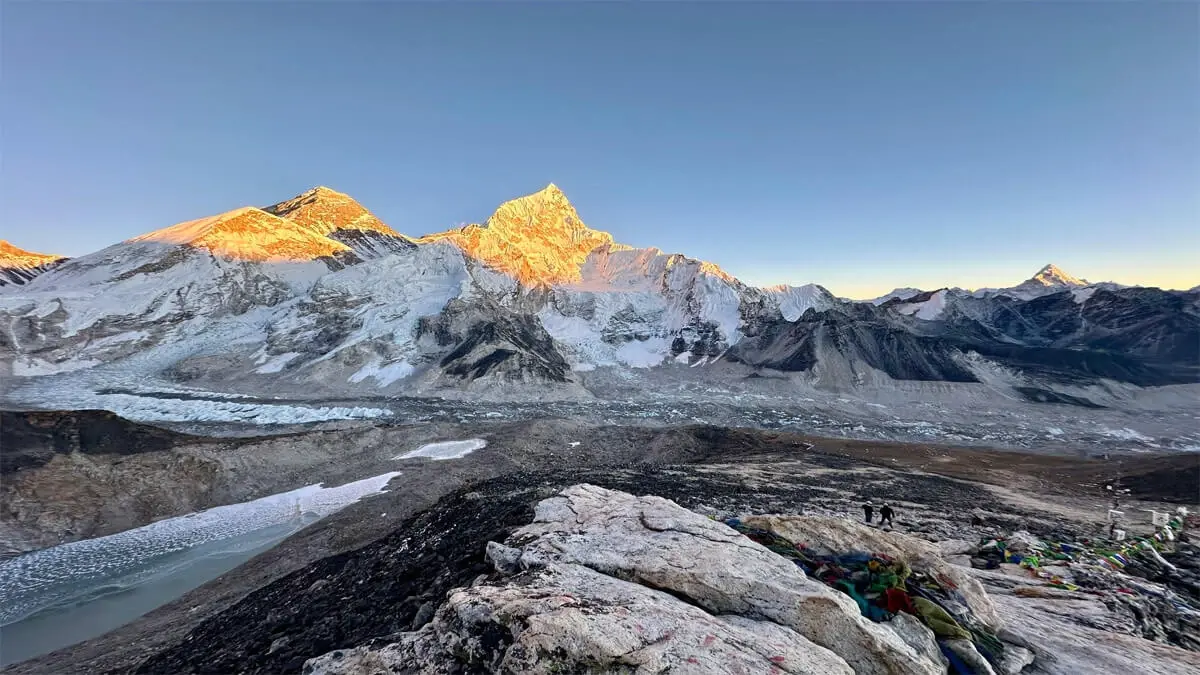
The Everest Three High Passes Trek is one of the toughest teahouse treks in Nepal. Over 19 days you cross Kongma La (5,535 m), Cho La (5,420 m) and Renjo La (5,360 m), visit Everest Base Camp and spend seven nights above 4,500 m. It is not recommended for complete beginners who have never hiked or exercised regularly.
However, "beginner" means different things. A fit runner, cyclist or regular hill walker who has simply never trekked in the Himalayas can complete the Three Passes with the right preparation. Many first-time Himalayan trekkers have done exactly that. The keys are 3–4 months of focused training, a well-paced itinerary with extra acclimatisation days, and an experienced licensed guide.
This guide helps you decide honestly whether the Three Passes is right for you now, what to expect, how to prepare and which gentler trek to choose first if you're not quite ready.
|
Question |
Answer |
|---|---|
|
Can a complete beginner do it? |
Not recommended |
|
Can a fit first-time Himalayan trekker do it? |
Yes, with 3–4 months of training and a guide |
|
Technical climbing skills needed? |
No; microspikes for icy sections only |
|
Minimum fitness |
Comfortable hiking 6–8 hours on hilly ground, on consecutive days |
|
Previous altitude experience |
Strongly recommended, but not essential for very fit trekkers |
|
Recommended itinerary for first-timers |
20–21 days, with 1–2 extra acclimatisation days |
|
Best first-timer season |
Mid-October to November or late April to May |
|
Better first Everest trek |
Not all beginners are the same. Your current fitness and outdoor background matter far more than whether you've been to Nepal before.
|
Beginner profile |
Description |
Three Passes suitability |
Our recommendation |
|---|---|---|---|
|
Complete beginner |
Little regular exercise; no hiking experience |
❌ Not suitable yet |
Start with the Everest View Trek or Poon Hill Trek |
|
Casual walker |
Walks regularly but rarely on hills; no multi-day treks |
⚠️ Possible only with 4+ months of training |
Do the Gokyo Lakes Trek or Classic EBC Trek first |
|
Fit non-hiker |
Runs, cycles, swims or trains in the gym 3–5 times a week |
✅ Possible with 3–4 months of hiking-specific training |
Add 1–2 extra acclimatisation days |
|
Day hiker |
Regular hill or mountain day hikes, but no multi-day or altitude experience |
✅ Good candidate |
Train back-to-back hiking days; trek with a guide |
|
Multi-day trekker |
Has done multi-day hikes at lower altitude (e.g. 2,000–3,500 m) |
✅ Strong candidate |
Standard 19-day itinerary works well |
|
Altitude-experienced |
Has trekked above 4,500 m (EBC, Annapurna Circuit, Kilimanjaro, etc.) |
✅ Ideal |
Standard itinerary |
The bottom line: if you're already active and enjoy hiking, being new to the Himalayas doesn't rule you out. If you rarely exercise, the Three Passes is a goal to work toward, not a first trek.
First-time trekkers are often surprised by which parts of the trek are toughest. Knowing in advance helps you prepare.
No amount of gym training fully prepares you for walking above 5,000 m, where there's roughly half the oxygen of sea level. Beginners often find that even slow uphill steps leave them breathless, and headaches, poor sleep and loss of appetite are common. Altitude affects fit and unfit people alike, which is why acclimatisation days matter more than fitness alone.
One 7-hour hike is manageable for most active people. Sixteen trekking days in a row, with pass days of 8–9 hours, is a different challenge. Fatigue builds, and the hardest stretch, Kongma La, Everest Base Camp, Kala Patthar and Cho La on Days 9–12, comes after more than a week on the trail.
Many beginners train for going up but not down. The descents from Kongma La and Renjo La are long and loose, putting heavy strain on knees and balance. Trekking poles and downhill training make a big difference.
Nights at high camps drop to -10°C to -20°C in peak season, and bedrooms are unheated. Pre-dawn starts on pass days are bitterly cold. Good layering and a warm sleeping bag are essential.
At Gorak Shep, Dzongla, Thangnak and Lungden, expect shared outdoor toilets, no showers, short menus and limited charging. For first-timers used to hotels, this can be an adjustment.
Early alarms, cold mornings, tired legs and thin air can wear down motivation. Beginners who succeed usually share one thing: patience. Walking slowly, resting when needed and trusting the guide's pace is a skill in itself.
Cho La's boulder scramble and glacier crossing, and moving rubble on the Khumbu and Ngozumpa glaciers, can feel intimidating for someone who has never walked on ice or loose moraine. With microspikes and a guide, they're manageable, but they require focus.
Answer honestly. If you can tick at least 6 of these 8 by your departure date, you're likely ready for the Three Passes:
If you tick fewer than 6, don't be discouraged: build up with a shorter trek first, or give yourself more training time.
Many trekkers reach the Three Passes by working up through easier routes. Each step builds fitness, altitude experience and confidence.
|
Step |
Trek |
Duration |
Max altitude |
Why do it first |
|---|---|---|---|---|
|
1 |
7 days |
~3,210 m |
Easy introduction to teahouse trekking |
|
|
1 |
7 days |
~3,880 m |
Taste of the Khumbu, Lukla flight and Namche |
|
|
2 |
9 days |
~4,500 m |
Moderate altitude and steeper trails |
|
|
2 |
11 days |
4,130 m |
Longer multi-day trekking at moderate altitude |
|
|
3 |
12 days |
5,357 m |
First experience above 5,000 m; no passes |
|
|
3 |
14 days |
~5,550 m |
High altitude with well-paced acclimatisation |
|
|
4 |
19 days |
~5,545 m |
The ultimate Khumbu challenge |
Our advice for first-timers: if you're fit but have never trekked at altitude, the Classic Everest Base Camp Trek is the ideal first Himalayan trek. Read our guide on whether the Classic EBC Trek is suitable for beginners. Come back for the Three Passes the following season.
If you're a fit first-timer set on the Three Passes, a few changes to the standard itinerary can make it much safer and more enjoyable.
The standard 19-day itinerary has rest days in Namche and Dingboche. For first-timers, we recommend a 20–21 day version with one or two extra nights:
|
Where to add a day |
Why it helps |
|---|---|
|
Chhukung (before Kongma La) |
Extra acclimatisation before the highest pass; optional hike toward Chhukung Ri |
|
Gokyo (before Renjo La) |
Recover after Cho La; time for Gokyo Ri and the Fourth Lake |
|
Dzongla (before Cho La) |
Rest after Kala Patthar and the long day from Gorak Shep |
|
Buffer day at the end |
Protects your flight home from Lukla delays |
Kongma La is the hardest and most remote of the three passes. First-timers can take the gentler route from Dingboche to Lobuche via Thukla instead, turning the trek into a Two Passes route (Cho La and Renjo La) while still visiting Everest Base Camp, Kala Patthar, Gokyo and Gokyo Ri.
The anticlockwise route (Kongma La → Cho La → Renjo La) builds altitude gradually and climbs the gentler side of most passes. It's the direction Nepal Trip Services recommends, especially for first-time high-pass trekkers.
Mid-October to November and late April to May offer the most stable weather and snow-free passes. Avoid winter and the monsoon, when conditions are much harder even for experienced trekkers.
Carrying only a light 5–7 kg daypack makes a huge difference at altitude. Our packages include one porter for every two trekkers.
A private trek or small group lets your guide set a pace that suits you, rather than keeping up with faster trekkers.
|
Days |
Route |
Change from standard |
|---|---|---|
|
1–8 |
Kathmandu → Lukla → Namche (rest) → Tengboche → Dingboche (rest) → Chhukung |
Same |
|
9 |
Rest and acclimatisation hike at Chhukung |
Extra day |
|
10–12 |
Kongma La → Lobuche → EBC → Gorak Shep → Kala Patthar → Dzongla |
Same (or skip Kongma La via Thukla) |
|
13–15 |
Cho La → Thangnak → Gokyo → Gokyo Ri |
Same |
|
16 |
Rest day in Gokyo; Fourth Lake walk |
Extra day |
|
17–20 |
Renjo La → Lungden → Thame → Namche → Lukla → Kathmandu |
Same |
|
21 |
Buffer day or departure |
Extra day |
Ask us to build this through our trip planner.
Experienced hikers may only need 8–12 weeks, but beginners should allow at least 16 weeks to build endurance safely. Get a medical check-up before you start, especially if you're over 50 or have heart, lung or blood-pressure concerns.
|
Phase |
Weeks |
Focus |
Typical week |
|---|---|---|---|
|
1. Foundation |
1–4 |
Build the habit |
3–4 brisk walks or easy cardio sessions of 30–45 mins; 2 bodyweight strength sessions; one 2–3 hr walk on gentle hills |
|
2. Base endurance |
5–8 |
Longer and hillier |
4 cardio sessions (incl. one stair or incline session); 2 strength sessions; one 4–5 hr hike with a 4–5 kg pack |
|
3. Strength & climbing |
9–12 |
Hills, stairs and descents |
4 cardio sessions incl. 1,000 m of stairs or hills; 2 strength sessions with step-downs; one 6 hr hike with 6–8 kg |
|
4. Back-to-back peak |
13–15 |
Simulate trekking days |
3–4 cardio sessions; 2 strength sessions; two or three consecutive 6–8 hr hikes with elevation gain |
|
5. Taper |
16 |
Recover and prepare |
Light walks, stretching, rest; test boots and gear; pack |
For first-time trekkers, a licensed guide isn't a luxury; it's the single biggest factor in a safe and successful Three Passes trek. Guided trekking is now the standard in Nepal, and for good reason:
Altitude sickness can affect anyone, so learn the signs before you go.
|
Mild symptoms: tell your guide and rest |
Serious symptoms: descend immediately |
|---|---|
|
Headache |
Severe headache that doesn't ease with rest or medicine |
|
Nausea or loss of appetite |
Repeated vomiting |
|
Dizziness or fatigue |
Confusion, unusual behaviour or loss of balance |
|
Poor sleep |
Breathlessness at rest; wet cough |
Golden rules:
|
Gear |
Why beginners need it |
|---|---|
|
Broken-in waterproof boots |
Prevent blisters, the most common beginner problem |
|
Trekking poles |
Save your knees on long, steep descents |
|
Microspikes |
Grip on icy sections, especially Cho La |
|
Down jacket (-20°C) and layered clothing |
Stay warm on pre-dawn pass starts and cold nights |
|
Four-season sleeping bag |
Bedrooms are unheated above 4,000 m |
|
30–40 L daypack |
Your porter carries the rest |
|
Insulated water bottles |
Stop water freezing on pass days |
|
Headlamp, sunglasses (Cat. 3–4), SPF 50+ |
Early starts and strong high-altitude sun |
Nepal Trip Services provides a down jacket, sleeping bag and duffel bag on loan, and helps you rent microspikes and other gear in Thamel.
It's not recommended. Complete beginners with little exercise or hiking experience should start with an easier trek, such as the Everest View Trek, Poon Hill Trek or Gokyo Lakes Trek, and build up to the Three Passes.
Yes, if you're already fit and active. Regular runners, cyclists or hill walkers can complete it as their first Himalayan trek with 3–4 months of hiking-specific training, an itinerary with extra acclimatisation days and a licensed guide.
It's strongly recommended but not essential. Having trekked above 4,000 m helps you understand how your body reacts to altitude. If you haven't, choose a 20–21 day itinerary with extra rest days.
You should be able to hike 6–8 hours with a 6–8 kg daypack on consecutive days, climb around 1,000 m of hills or stairs comfortably and walk downhill for long periods without knee pain.
Allow at least 16 weeks if you're starting from moderate fitness. Focus on long hikes with a pack, stair climbing, downhill training, leg strength and cardio, building up to back-to-back hiking days.
Yes. It's longer, crosses three passes above 5,300 m, spends more nights above 4,500 m and has rougher terrain. The Classic Everest Base Camp Trek is a better first Himalayan trek for most beginners.
No. There's no technical climbing. You'll need microspikes for icy sections, especially on Cho La, and trekking poles for steep descents. Your guide will show you how to use them.
Most beginners find the altitude and the run of tough days from Kongma La to Cho La (Days 9–12) the hardest. Long, loose descents and cold pre-dawn starts are also challenging.
Yes. Kongma La can be avoided via Dingboche and Thukla, turning the trek into a Two Passes route. If conditions or health require it, your guide can also use alternative routes around Cho La or Renjo La.
There's no official age limit. Fitness, health and preparation matter more than age. Trekkers over 50 or with health conditions should get medical clearance. Read more in our Classic EBC Trek Age Limit guide.
Yes, a licensed guide is strongly recommended and is now the standard in Nepal. For beginners especially, a guide handles navigation, pacing, altitude monitoring and safety decisions on the passes.
Mild symptoms like headache and poor sleep are common. Serious altitude sickness is much less likely with a gradual itinerary, extra acclimatisation days, plenty of water and daily oxygen checks. Always tell your guide about symptoms.
Mid-October to November and late April to May. These months have the most stable weather and the best chance of snow-free passes, making the trek safer and easier.
You can, but beginners are strongly advised to hire one. Carrying a heavy pack at over 5,000 m makes the trek much harder and increases the risk of exhaustion and altitude sickness. Our packages include one porter for every two trekkers.
Talk to us. We'll review your fitness and experience and recommend whether the Three Passes, a modified itinerary or an easier trek is the best fit. Use our trip planner or contact us directly.
The Everest Three High Passes Trek isn't for complete beginners, but it's well within reach for fit, determined first-timers who train properly, choose the right season and trek with experienced support. And if you're not ready yet, a gentler Everest or Annapurna trek is the perfect way to build up to it.
With 16 years of experience in the Himalayas, Nepal Trip Services helps first-timers succeed:
|
Group size |
Price per person (standard 19-day trek) |
|---|---|
|
1 person |
US$ 1,600 |
|
2 people |
US$ 1,500 |
|
3–6 people |
US$ 1,480 |
|
7–10 people |
US$ 1,450 |
Extra acclimatisation days are available at an additional cost; ask us for a quote.
Not sure if you're ready? View the full itinerary on our Everest Three High Passes Trek – 19 Days page, explore gentler options on our Everest Region Treks page, or plan a custom trip and we'll help you choose the right adventure.
Discover more articles that match your interests! Explore these similar blogs packed with insights, tips, and stories to keep you inspired.
Cross Kongma La Pass (5,535 m), the highest of Everest\\\'s Three Passes: route, difficulty, best time, permits, Chhukun...
Cross Cho La Pass (5,420 m) from Dzongla to Gokyo: glacier route, difficulty, best time, permits, microspikes, teahouses...
Cross Renjo La Pass (5,360 m) from Gokyo to Lungden: best Everest view, route, difficulty, best time, permits, teahouses...
Explore Pangboche, the oldest monastery village in the Khumbu: yeti relics, Ama Dablam Base Camp hike, route, best time,...
How hard is the Everest Three High Passes Trek? Altitude, daily hours, pass-by-pass difficulty, fitness, training tips a...
Find the best time for the Everest Three High Passes Trek: month-by-month weather, pass conditions, temperatures, crowds...