Everest Three High Passes Trek: Meals & Accommodation Guide
By Nepal Trip Services On 08 Oct 2026

By Nepal Trip Services On 08 Oct 2026

On the Everest Three High Passes Trek, every night is spent in a hotel or teahouse, so there's no camping. Teahouses are family-run mountain lodges with simple bedrooms and a warm communal dining room, where you'll eat hearty, freshly cooked meals and swap stories with fellow trekkers. They're the heart of the trekking experience in the Khumbu.
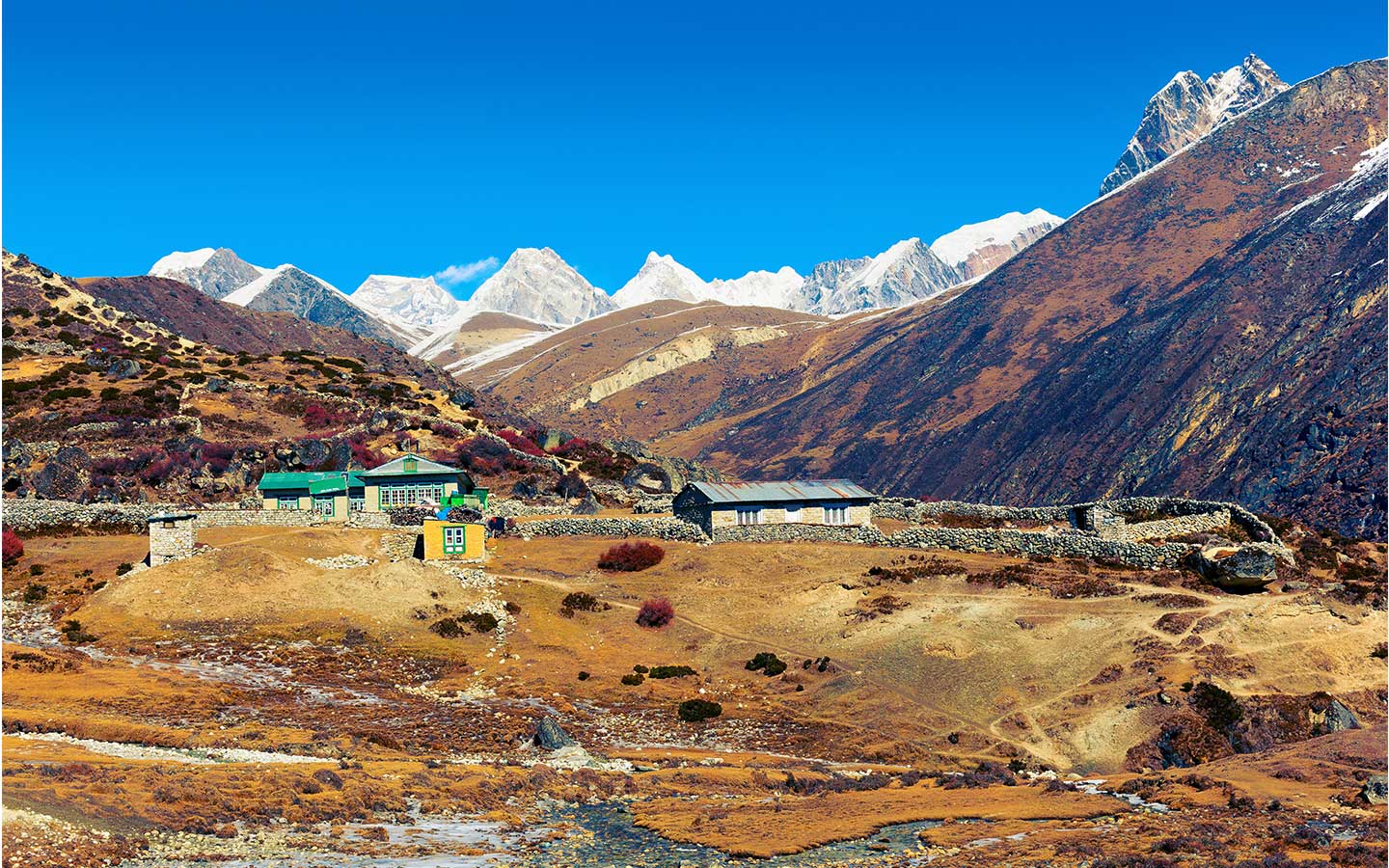
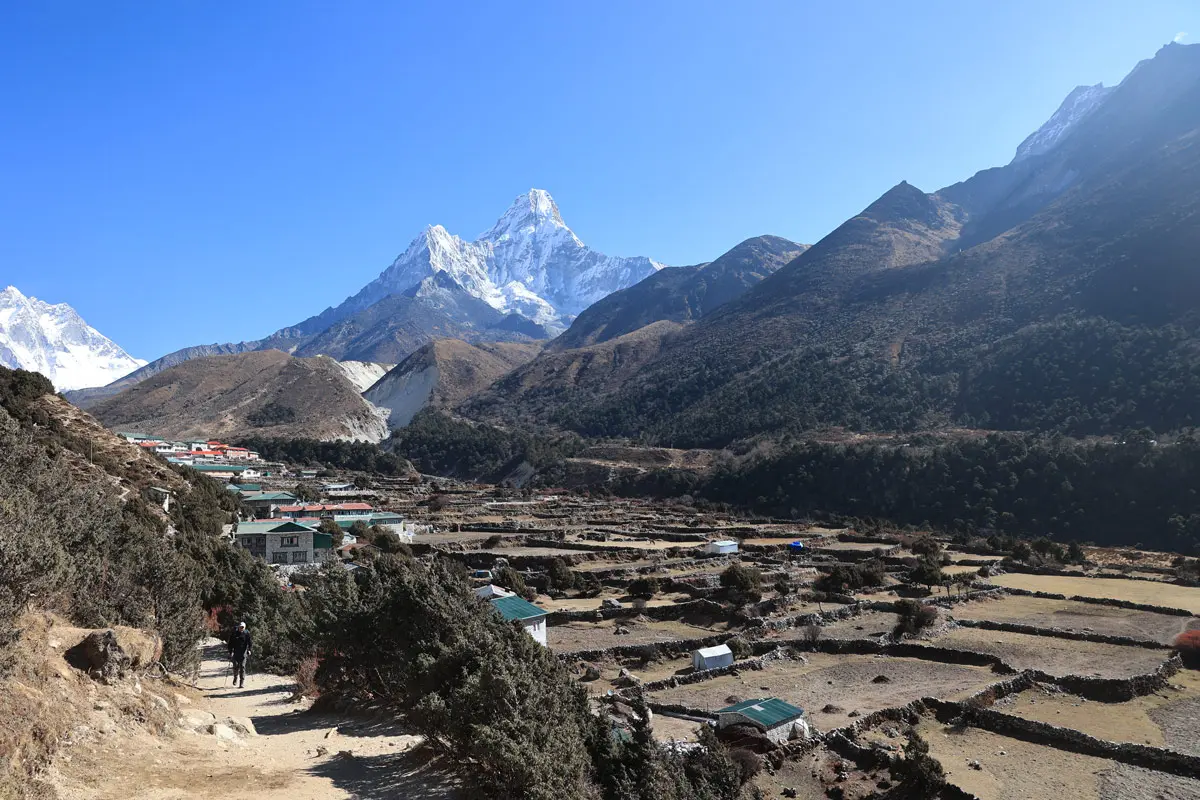
Standards change a lot along the 19-day circuit. Lower villages such as Namche Bazaar have cosy lodges with bakeries, Wi-Fi and some attached bathrooms, while remote stops like Gorak Shep, Dzongla, Thangnak and Lungden are basic, cold and simple. Knowing what to expect at each stop helps you pack smart, budget well and enjoy every night of the trek.
This guide covers your day-by-day accommodation and meals, teahouse standards, typical menus, water, hygiene, charging, Wi-Fi and extra costs, followed by the 15 questions trekkers ask most.
|
Detail |
Information |
|---|---|
|
Trip length |
19 days, 18 nights |
|
Kathmandu |
2 nights in a 3-star hotel (twin sharing, with breakfast) |
|
On the trek |
16 nights in teahouses (twin sharing) |
|
Meals included on the trek |
Breakfast, lunch and dinner (Day 2 to Day 17) |
|
Total meals included |
18 breakfasts, 16 lunches, 18 dinners (incl. welcome and farewell dinners) |
|
Highest overnight |
Gorak Shep, 5,164 m |
|
Room type |
Twin rooms with beds, pillows and blankets; unheated |
|
Bathrooms |
Some attached in Namche and Lukla; shared above |
|
Extra costs |
Hot showers, charging, Wi-Fi, bottled or boiled water, snacks and drinks |
|
Sleeping bag |
Essential (rated -15°C to -20°C); available on loan |
|
Day |
Route |
Overnight altitude |
Meals |
Accommodation |
|---|---|---|---|---|
|
01 |
Arrival in Kathmandu |
1,400 m |
Welcome dinner |
3-star hotel in Kathmandu |
|
02 |
Fly to Lukla, trek to Phakding |
2,610 m |
B, L, D |
Teahouse in Phakding |
|
03 |
Phakding → Namche Bazaar |
3,440 m |
B, L, D |
Teahouse in Namche |
|
04 |
Acclimatisation day in Namche |
3,440 m |
B, L, D |
Teahouse in Namche |
|
05 |
Namche → Tengboche |
3,860 m |
B, L, D |
Teahouse in Tengboche |
|
06 |
Tengboche → Dingboche |
4,340 m |
B, L, D |
Teahouse in Dingboche |
|
07 |
Acclimatisation day in Dingboche |
4,340 m |
B, L, D |
Teahouse in Dingboche |
|
08 |
Dingboche → Chhukung |
4,700 m |
B, L, D |
Teahouse in Chhukung |
|
09 |
Kongma La → Lobuche |
4,940 m |
B, L, D |
Teahouse in Lobuche |
|
10 |
Everest Base Camp → Gorak Shep |
5,164 m |
B, L, D |
Teahouse in Gorak Shep |
|
11 |
Kala Patthar → Dzongla |
4,830 m |
B, L, D |
Teahouse in Dzongla |
|
12 |
Cho La → Thangnak |
4,700 m |
B, L, D |
Teahouse in Thangnak |
|
13 |
Thangnak → Gokyo |
4,790 m |
B, L, D |
Lakeside teahouse in Gokyo |
|
14 |
Gokyo Ri & explore Gokyo |
4,790 m |
B, L, D |
Lakeside teahouse in Gokyo |
|
15 |
Renjo La → Lungden |
4,350 m |
B, L, D |
Teahouse in Lungden |
|
16 |
Lungden → Thame → Namche |
3,440 m |
B, L, D |
Teahouse in Namche |
|
17 |
Namche → Lukla |
2,860 m |
B, L, D |
Teahouse in Lukla |
|
18 |
Fly to Kathmandu |
1,400 m |
Breakfast & farewell dinner |
3-star hotel in Kathmandu |
|
19 |
Final departure |
— |
Breakfast |
— |
B = Breakfast, L = Lunch, D = Dinner. On pass days (9, 12 and 15), lunch is usually a packed lunch or a simple meal at the next lodge.
|
Meal |
Total included |
|---|---|
|
Breakfast |
18 |
|
Lunch |
16 |
|
Dinner |
18 (including welcome and farewell dinners) |
|
Location |
Nights |
Standard |
|---|---|---|
|
Kathmandu |
2 |
3-star hotel |
|
Phakding |
1 |
Comfortable teahouse |
|
Namche Bazaar |
3 |
Comfortable lodge |
|
Tengboche |
1 |
Good teahouse |
|
Dingboche |
2 |
Good teahouse |
|
Chhukung |
1 |
Basic teahouse |
|
Lobuche |
1 |
Basic teahouse |
|
Gorak Shep |
1 |
Very basic teahouse |
|
Dzongla |
1 |
Very basic teahouse |
|
Thangnak |
1 |
Very basic teahouse |
|
Gokyo |
2 |
Basic–good lakeside teahouse |
|
Lungden |
1 |
Very basic teahouse |
|
Lukla |
1 |
Comfortable teahouse |
|
Total |
18 |
|
You'll spend two nights in a comfortable 3-star hotel in Kathmandu, one before and one after the trek, on a twin-sharing basis with private bathrooms, hot showers, Wi-Fi and breakfast. Leave extra luggage at the hotel while you trek.
|
Section |
Stops |
Standard |
What to expect |
|---|---|---|---|
|
Lower Khumbu |
Phakding, Namche, Lukla |
Comfortable |
Some attached bathrooms, hot showers, good Wi-Fi, bakeries and cafés |
|
Mid altitude |
Tengboche, Dingboche, Thame |
Good |
Shared bathrooms, solar showers, Wi-Fi cards, varied menus |
|
High valleys |
Chhukung, Lobuche, Gokyo |
Basic |
Shared toilets, limited hot water, paid charging, smaller menus |
|
Remote high stops |
Gorak Shep, Dzongla, Thangnak, Lungden |
Very basic |
Shared and often outdoor toilets, few or no showers, very limited power |
Every teahouse has a communal dining room heated by a stove that burns yak dung, wood or kerosene. It's where you eat, warm up, charge devices and socialise in the evening. Stoves are usually lit only in the late afternoon and evening, so mornings can be chilly.
In peak season, rooms at Dzongla, Thangnak, Gorak Shep and Lungden are limited. Nepal Trip Services books all teahouses in advance so you always have a bed.
Your Nepal Trip Services package includes three meals a day on the trek, from breakfast on Day 2 to dinner on Day 17. You choose from each teahouse's menu, typically one main dish per meal, with tea or coffee. In Kathmandu, breakfast is included at the hotel, along with a welcome dinner and a farewell dinner. Seasonal fruit is served after dinner where available.
|
Meal |
Popular choices |
|---|---|
|
Breakfast |
Porridge, muesli, Tibetan bread, chapati with honey or jam, eggs (boiled, fried or omelette), pancakes |
|
Lunch |
Dal bhat, fried rice, fried noodles, vegetable soup, momos, potatoes, spring rolls |
|
Dinner |
Dal bhat, thukpa (noodle soup), Sherpa stew, pasta, pizza (lower villages), fried potatoes with cheese |
|
Hot drinks |
Ginger-lemon-honey tea, black or milk tea, coffee, hot chocolate, garlic soup |
|
Snacks (extra cost) |
Chocolate bars, biscuits, crisps, cake and apple pie (bakeries in Namche) |
Tips for eating well at altitude:
On Kongma La, Cho La and Renjo La days, you'll have an early breakfast, often around 4:00–5:00 AM. Lunch is usually a packed lunch from your lodge (Tibetan bread, boiled eggs, potatoes) or a meal on arrival at the next stop. Carry energy bars, nuts and chocolate from Kathmandu for extra energy on the trail.
|
Item |
Lower villages |
Above 4,500 m |
|---|---|---|
|
Cup of tea or coffee |
NPR 100–250 |
NPR 250–500 |
|
Soft drink or beer |
NPR 250–600 |
NPR 500–900 |
|
Chocolate bar |
NPR 200–400 |
NPR 400–800 |
|
Bakery cake (Namche) |
NPR 300–600 |
Rarely available |
Prices rise with altitude because everything is carried up by porters and yaks.
For comparison, read our Classic Everest Base Camp Trek Meals & Accommodation guide.
Staying hydrated is essential for acclimatisation; aim for 3–4 litres a day.
|
Option |
Details |
|---|---|
|
Refill stations |
Safe drinking-water stations in many villages; cheapest and greenest choice |
|
Boiled water |
Available at every teahouse for a fee; ideal for filling insulated bottles at night |
|
Purification tablets or filter |
Use with tap or stream water; bring from home or buy in Kathmandu |
|
Bottled water |
Expensive and discouraged in the Khumbu to reduce plastic waste |
Never drink untreated tap or stream water. On pass days, carry 2–3 litres in insulated bottles so it doesn't freeze.
|
Area |
Charging |
Wi-Fi |
|---|---|---|
|
Lukla, Phakding, Namche |
Easy; sometimes in rooms |
Widely available, often paid |
|
Tengboche, Dingboche, Thame |
Paid, in the dining room |
Everest Link cards |
|
Chhukung, Lobuche, Gokyo |
Paid; solar power |
Everest Link (slow) |
|
Gorak Shep, Dzongla, Thangnak, Lungden |
Very limited, expensive |
Unreliable or none |
With meals and accommodation included, your main on-trail costs are extras. Budget about US$ 20–30 per day.
|
Item |
Approximate cost |
|---|---|
|
Hot shower |
NPR 300–1,000 (higher up) |
|
Device charging |
NPR 200–800 per device |
|
Boiled water (per litre) |
NPR 50–400 |
|
Everest Link Wi-Fi card |
NPR 2,000–3,500 (multi-day) |
|
Snacks and extra drinks |
NPR 500–1,500 per day |
Carry enough Nepalese rupees in cash. ATMs are only in Lukla and Namche, and they don't always work.
You stay in a 3-star hotel in Kathmandu for two nights and in teahouses (family-run mountain lodges) for 16 nights on the trek. There is no camping. All rooms are on a twin-sharing basis.
A teahouse is a family-run lodge offering simple bedrooms and a communal dining room heated by a stove. Owners cook meals to order from a set menu, and the dining room is where trekkers eat, warm up and socialise in the evening.
Yes. Three meals a day are included on the trek (Day 2 to Day 17), plus breakfast in Kathmandu and welcome and farewell dinners. In total, 18 breakfasts, 16 lunches and 18 dinners are included. Snacks, extra drinks and bottled water cost extra.
Teahouses serve dal bhat, noodle soups, fried rice, momos, pasta, potatoes, Sherpa stew, porridge, eggs, pancakes and Tibetan bread. Lower villages like Namche also have bakeries, pizza and cakes. Menus get shorter as you climb higher.
In most teahouses, yes. Dal bhat usually comes with free refills of rice, lentils and vegetables, which is why it's the most popular and filling meal on the trek.
Yes. Most dishes are vegetarian, and vegetarian meals are recommended above Namche anyway. Vegans can manage by asking for dishes without butter, ghee, cheese or eggs. Let us know your dietary needs when you book.
Meat is carried up from lower areas without refrigeration, so it may not be fresh at higher altitudes. We recommend eating vegetarian above Namche and enjoying meat dishes in Kathmandu or Namche.
Rooms are twin-sharing. Single rooms are often available in lower villages for an extra charge. Attached bathrooms are available at some lodges in Namche, Phakding and Lukla, but higher up, toilets are shared.
No. Bedrooms are unheated, and above 4,000 m they can be well below freezing at night. Only the dining room has a stove, usually lit in the evening. A four-season sleeping bag is essential.
Yes, in most villages up to Dingboche and Gokyo, usually for a fee. At Gorak Shep, Dzongla, Thangnak and Lungden, showers are rare or unavailable. Wet wipes are useful for the highest stops.
Gorak Shep, Dzongla, Thangnak and Lungden are the most basic stops, with simple rooms, shared outdoor toilets, short menus and very limited showers and charging.
Yes. Teahouse blankets aren't warm enough above 4,000 m. Bring a sleeping bag rated -15°C to -20°C. Nepal Trip Services can provide one on loan if needed.
Tea or coffee with meals is included, but drinking water is extra. Refill stations, boiled water or purification tablets are cheaper and more eco-friendly than bottled water.
Yes, in most teahouses for a fee. Charging costs rise with altitude, and power is limited at remote stops. Everest Link Wi-Fi cards work in most villages, though connections are slow higher up.
Budget around US$ 20–30 per day for extras such as hot showers, charging, Wi-Fi, snacks, extra drinks and boiled water, plus tips for your guide and porters. Carry Nepalese rupees in cash, as ATMs are only in Lukla and Namche.
Good food and a warm place to sleep make all the difference on a demanding trek like the Everest Three High Passes. From the cosy lodges of Namche to the simple stone teahouses of Dzongla and Lungden, every night brings a hot meal, a stove-warmed dining room and the famous authentic Sherpa hospitality that makes trekking in the Khumbu so special.
With 16 years of experience in the Everest region, Nepal Trip Services takes care of every detail:
|
Group size |
Price per person |
|---|---|
|
1 person |
US$ 1,600 |
|
2 people |
US$ 1,500 |
|
3–6 people |
US$ 1,480 |
|
7–10 people |
US$ 1,450 |
Ready to book? View the full itinerary and inclusions on our Everest Three High Passes Trek – 19 Days page, explore all our Everest Region Treks, or plan a custom trip with hotel upgrades or extra rest days. Spring and autumn departures fill quickly, so we recommend booking 2–3 months ahead.
Discover more articles that match your interests! Explore these similar blogs packed with insights, tips, and stories to keep you inspired.
Cross Kongma La Pass (5,535 m), the highest of Everest\\\'s Three Passes: route, difficulty, best time, permits, Chhukun...
Cross Cho La Pass (5,420 m) from Dzongla to Gokyo: glacier route, difficulty, best time, permits, microspikes, teahouses...
Cross Renjo La Pass (5,360 m) from Gokyo to Lungden: best Everest view, route, difficulty, best time, permits, teahouses...
Explore Pangboche, the oldest monastery village in the Khumbu: yeti relics, Ama Dablam Base Camp hike, route, best time,...
How hard is the Everest Three High Passes Trek? Altitude, daily hours, pass-by-pass difficulty, fitness, training tips a...
Find the best time for the Everest Three High Passes Trek: month-by-month weather, pass conditions, temperatures, crowds...