Phewa Lake, Pokhara: Complete Travel & Boating Guide
By Nepal Trip Services On 28 Sep 2026

By Nepal Trip Services On 28 Sep 2026
Cradled at the foot of the Annapurna range, with the snow-dusted spire of Machhapuchhre reflected on its surface at dawn, Phewa Lake is the crown jewel of Pokhara and one of the most beautiful lakes in Nepal. Whether you're drifting across the water in a colorful wooden boat, visiting the island temple of Tal Barahi, or simply relaxing at a lakeside café as the sun dips behind the hills, Phewa Lake offers a peaceful, postcard-perfect escape. This complete guide from Nepal Trip Services covers everything you need to know about the lake, from boating prices and best times to visit to nearby attractions and practical travel tips. To experience Phewa Lake as part of a wider Nepal journey, explore the Kathmandu, Pokhara, Chitwan & Lumbini Tour offered by Nepal Trip Services.
Phewa Lake, also spelled Fewa Lake or known as Phewa Tal, is a freshwater lake in the Pokhara Valley of Nepal's Gandaki Province. It is the second largest lake in Nepal and the most visited, and it forms the heart of Pokhara's tourism scene. The lake is fed by streams, though a dam regulates its water levels, which is why it is often described as a semi-natural lake.
Lined with lush forested hills on its western side and a lively strip of hotels, cafés, and shops on its eastern shore, Phewa Lake perfectly blends natural beauty with easy accessibility.
| Detail | Information |
|---|---|
| Location | Pokhara Valley, Kaski District, Gandaki Province |
| Altitude | About 742 m (2,434 ft) |
| Surface Area | Roughly 4–5.7 sq km (varies by source and season) |
| Average Depth | About 8.6 m |
| Maximum Depth | About 24 m |
| Main Landmark | Tal Barahi Temple on an island in the lake |
| Famous View | Reflection of Machhapuchhre (Fishtail) and the Annapurna range |
| Main Activities | Boating, sunrise and sunset views, lakeside dining |
| Nearest Area | Lakeside (Baidam), Pokhara |
| Best Seasons | Autumn and spring |
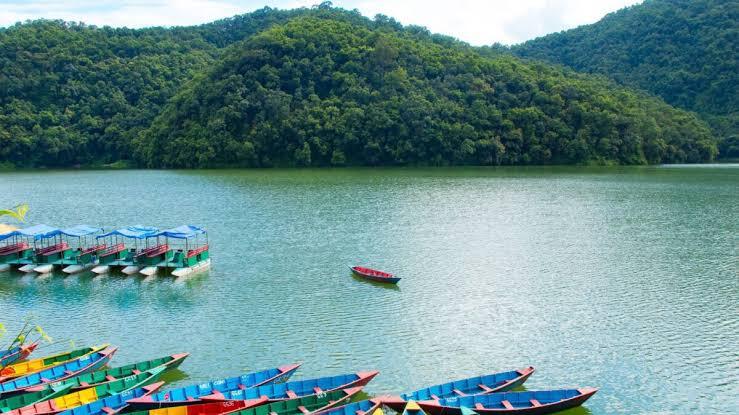
Boating is the signature activity at Phewa Lake, and it's one of the most enjoyable things you can do in Pokhara. Traditional wooden boats, often painted in bright blue, pink, and orange, are available for hire along the Lakeside shore.
| Boat Type | What to Expect |
|---|---|
| Rowing boat with boatman | A relaxed ride where a local boatman paddles for you |
| Self-paddled boat | Row your own boat at your own pace |
| Shared barge to Tal Barahi | A quick, budget-friendly crossing to the island temple |
| Private boat | Flexible timing and route, ideal for sunrise or sunset |
Prices vary by season, boat type, and negotiation, so treat these as a general guide and confirm at the ticket counter or with your hotel:
| Service | Approx. Cost |
|---|---|
| Shared barge to Tal Barahi Temple (return) | Around NPR 100 |
| Private boat with boatman (per hour) | Often NPR 1,000–1,500 or more, depending on season and negotiation |
| Life jackets | Typically provided or rented for a small fee, and often required |
Prices are negotiable at times, so agree on the cost, duration, and route before you set off, and carry small change.
Mornings are usually the best for clear mountain views, since clouds often build up later in the day.
On a small island in the middle of Phewa Lake stands Tal Barahi Temple, a two-story pagoda-style Hindu temple dedicated to Barahi, a manifestation of the goddess Durga. It is one of Pokhara's most important religious sites, and devotees visit for prayers, festivals, and special ceremonies, especially on Saturdays.
Reaching the island is part of the fun: a short boat ride takes you across, and most visitors spend around 30 minutes exploring, taking photos, and soaking in the views back toward the shore. Note that the temple has undergone renovation work in recent years, so check current conditions with local boatmen or your guide before visiting.
Even if you don't boat, a sunrise walk along the Lakeside promenade offers fantastic views and soft light on the water and mountains.
Perched on a hilltop on the southern shore, this gleaming white Buddhist stupa offers sweeping views of the lake, the city, and the Annapurna range. You can reach it by boat and a short hike, or by road.
The main tourist hub is lined with restaurants, bakeries, live-music bars, souvenir shops, and trekking agencies, making it a lively spot for evening strolls and dining.
The paths around the lake pass through villages and forest, offering peaceful walks and cycling routes with beautiful views along the way.
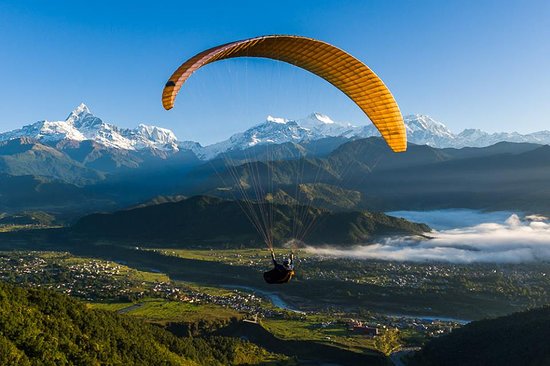
Pokhara is one of the world's most famous paragliding spots. Flights from the nearby Sarangkot hill land near the lake, offering unforgettable aerial views.
Several sights are within easy reach of the lake:
On clear days, the lake frames some of the world's most dramatic peaks, including:
| Peak | Description |
|---|---|
| Machhapuchhre (Fishtail) | The iconic, pointed peak that dominates Pokhara's skyline, nearly 7,000 m high |
| Annapurna range | A chain of towering peaks including several above 7,000 and 8,000 m |
| Dhaulagiri range | Visible in the distance on clear days |
Mountain visibility is best in autumn and winter mornings, when the air is clear and dry.
| Season | Months | Conditions |
|---|---|---|
| Autumn | September – November | Best season: clear skies, great mountain views, comfortable weather |
| Winter | December – February | Cool and clear, with excellent views and fewer crowds |
| Spring | March – May | Warm and colorful, though haze can reduce visibility |
| Monsoon | June – August | Lush and green, but rainy, with limited mountain views |
For the best boating and photography, autumn and winter are ideal, and mornings generally offer the clearest skies.
Pokhara is about 200 km west of Kathmandu, and there are several ways to get there:
| Area | Best For |
|---|---|
| Lakeside (Baidam) | Nightlife, restaurants, shopping, easy lake access |
| Damside | Quiet atmosphere, stunning mountain views |
| Hillside guesthouses | Peaceful stays with panoramic views |
| Luxury lakefront hotels | Comfort and spa-style relaxation |
Phewa Lake is only one of the many highlights waiting across Nepal. From the ancient temples of Kathmandu and the tranquil lakeside charm of Pokhara to wildlife adventures in Chitwan National Park and the birthplace of Lord Buddha in Lumbini, the country offers a rich mix of culture, nature, and adventure. Nepal Trip Services brings these experiences together in the Kathmandu, Pokhara, Chitwan & Lumbini Tour, a well-planned journey for first-time visitors, families, and travelers who want a complete Nepal experience.
Phewa Lake, also spelled Fewa Lake or called Phewa Tal, is a freshwater lake in the Pokhara Valley of Nepal. It is the second largest lake in Nepal and the most visited, famous for its stunning reflections of Machhapuchhre (Fishtail) and the Annapurna range, its island temple of Tal Barahi, and its relaxing boating experiences.
Phewa Lake sits in the south of the Pokhara Valley in Kaski District, Gandaki Province, at an altitude of about 742 meters (2,434 feet). The lively Lakeside (Baidam) area runs along its eastern shore and is the main tourist hub, with easy access to hotels, restaurants, and boat rental points.
The lake covers roughly 4 to 5.7 square kilometers, depending on the source and season, with an average depth of about 8.6 meters and a maximum depth of around 24 meters. Its water level is regulated by a dam, which is why it is often described as a semi-natural freshwater lake.
Prices vary by season, boat type, and negotiation. A shared barge to Tal Barahi Temple is typically around NPR 100 return, while a private boat with a boatman often costs NPR 1,000 to 1,500 or more per hour. Always confirm the price, duration, and route beforehand, and check current rates at the ticket counter or with your hotel.
You can choose from traditional wooden rowing boats with a local boatman, self-paddled boats if you prefer to row yourself, shared barges to the island temple, and private boats for flexible timing. Boats are usually brightly painted in blue, pink, and orange, adding to the lake's charm.
Sunrise is the best time, offering calm water, the clearest mountain reflections, and fewer crowds. Late afternoon and sunset are also lovely, with golden light and colorful skies. Mornings tend to give the best mountain views, since clouds often build up later in the day.
Autumn (September to November) is the best season, with clear skies, comfortable weather, and superb mountain views. Winter (December to February) is also excellent, cool and clear with fewer crowds. Spring is warm and colorful but can be hazy, while the monsoon (June to August) brings rain and limited views.
Tal Barahi Temple is a two-story, pagoda-style Hindu temple on a small island in the middle of Phewa Lake, dedicated to the goddess Barahi, a form of Durga. It is one of Pokhara's most important religious sites, visited especially on Saturdays. Most visitors spend around 30 minutes on the island. The temple has undergone renovation in recent years, so check current conditions locally.
You reach the temple by boat from the Lakeside shore, either on a shared barge or a private boat, in a short ride of about 5 to 15 minutes. Barges are the cheapest option, while a private boat gives you more flexibility to linger, take photos, or watch the sunset.
Boating is generally safe and suitable for all ages when done responsibly. Life jackets are usually provided or required and should always be worn, especially for children. Avoid boating during strong winds, storms, or heavy rain, and choose reputable boat operators who follow safety practices.
Yes, on clear days the lake offers sweeping views of Machhapuchhre, the Annapurna range, and even the Dhaulagiri range in the distance. Mountain visibility is best in autumn and winter mornings, when the air is dry and clear. Monsoon clouds and haze may hide the peaks at other times.
Popular activities include watching the sunrise or sunset from the Lakeside promenade, visiting the World Peace Pagoda, walking or cycling around the lake, trying paragliding from nearby Sarangkot, and exploring Lakeside's cafés, restaurants, and shops. Nearby attractions include Davis Falls, Gupteshwor Mahadev Cave, and the International Mountain Museum.
Pokhara is about 200 km west of Kathmandu. You can fly in around 25 to 30 minutes, take a tourist bus in roughly 6 to 8 hours, or travel by private vehicle for more flexibility. Once in Pokhara, the lake is just a short walk or taxi ride from most Lakeside hotels.
Lakeside (Baidam) is the most popular area, with plenty of restaurants, nightlife, shops, and easy lake access. Damside offers a quieter atmosphere with beautiful mountain views, while hillside guesthouses and lakefront luxury hotels provide peaceful stays with panoramic scenery. Choose based on whether you prefer lively or tranquil surroundings.
Yes, Phewa Lake fits perfectly into a broader itinerary. Nepal Trip Services offers the Kathmandu, Pokhara, Chitwan & Lumbini Tour, which combines Kathmandu's heritage sites with Pokhara's lakes and mountain views, wildlife experiences in Chitwan, and the birthplace of Lord Buddha in Lumbini, all with expert local guidance.
Phewa Lake captures the spirit of Pokhara: calm, scenic, and effortlessly welcoming. Whether you're gliding across the water at sunrise, exploring the island temple, or simply sipping tea beside the shore as the mountains glow in the evening light, it's a place that invites you to slow down and savor the moment.
For a smooth, memorable, and well-organized trip, Nepal Trip Services can help you experience Phewa Lake and the rest of Nepal with knowledgeable local guidance and carefully planned itineraries. Discover more with the Kathmandu, Pokhara, Chitwan & Lumbini Tour and let the peaceful beauty of Pokhara become a highlight of your journey.
Discover more articles that match your interests! Explore these similar blogs packed with insights, tips, and stories to keep you inspired.
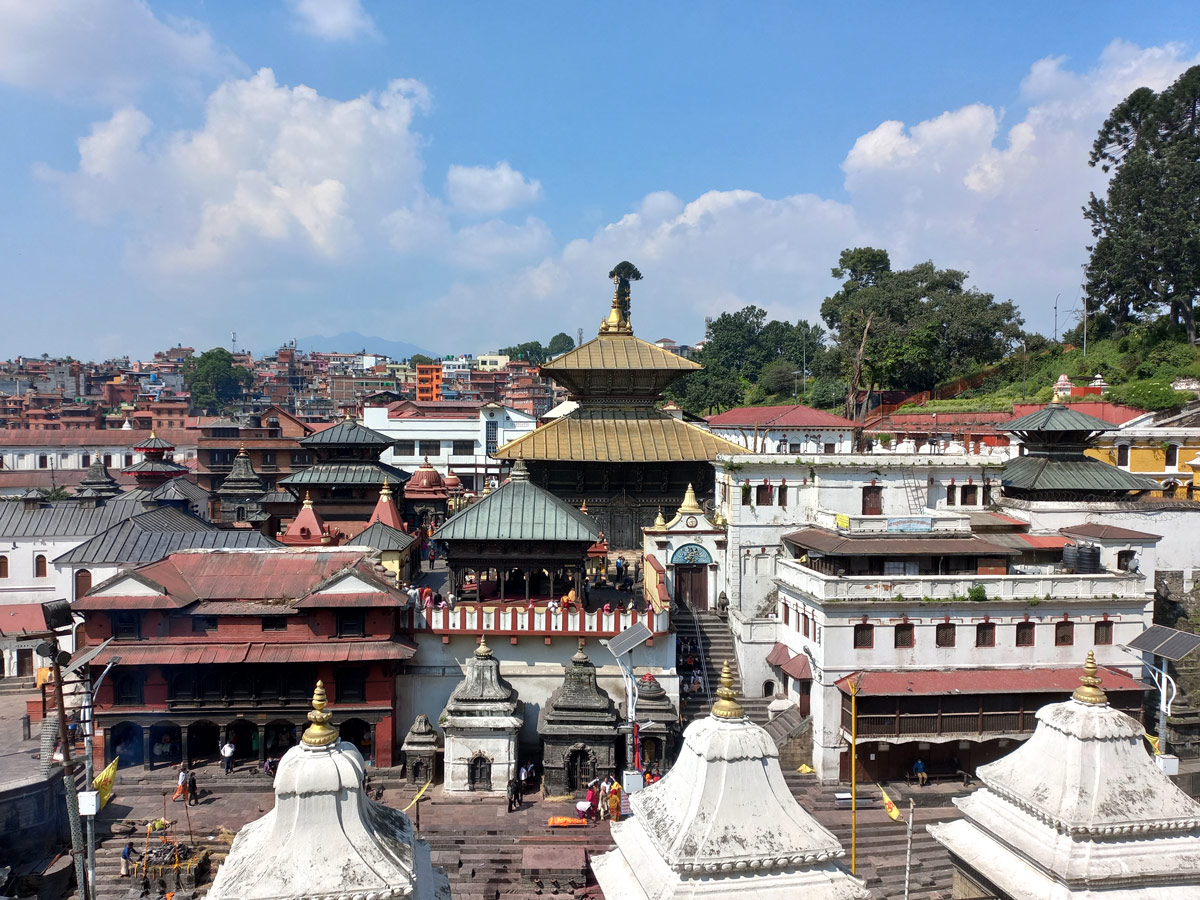
Explore Pashupatinath Temple, Nepal\'s sacred Shiva shrine. Learn history, entry rules, aarati, festivals & visiting tip...
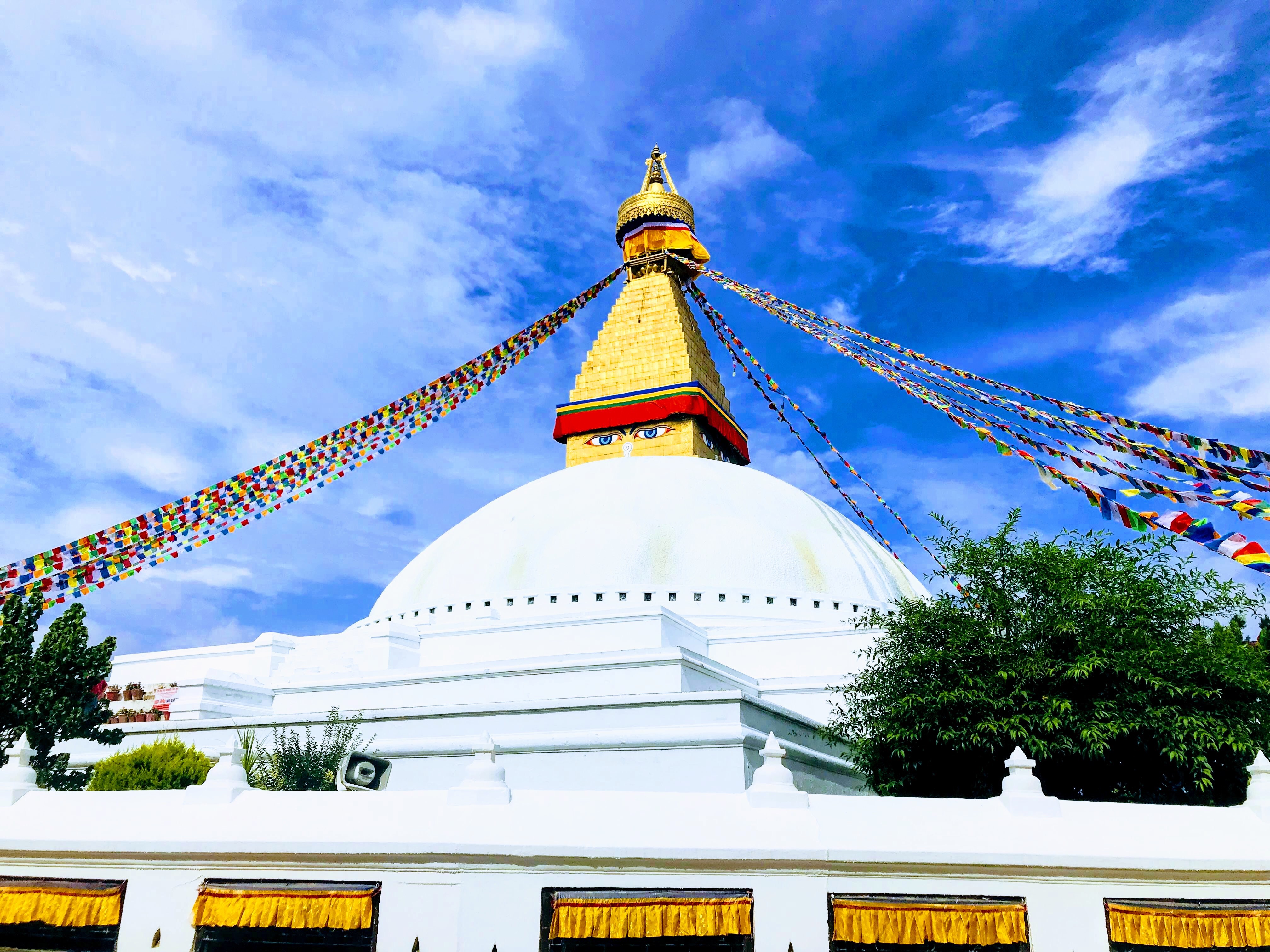
Discover Boudhanath Stupa in Kathmandu — history, kora, festivals, entry tips & etiquette. Plan your visit with Nepal ...
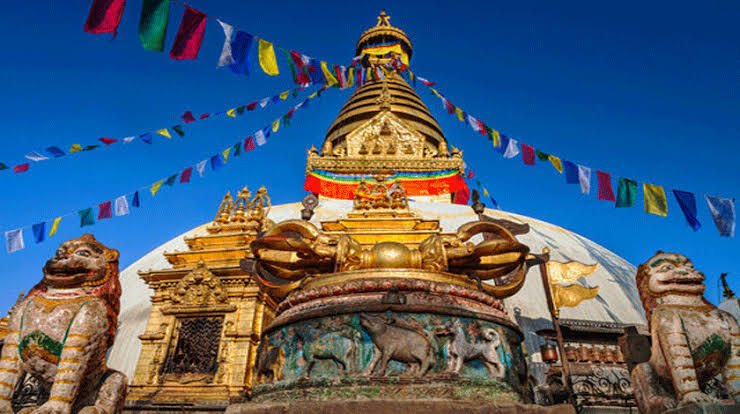
Explore Swayambhunath, Kathmandu\'s Monkey Temple — history, 365 steps, entry fee, tips & views. Plan your visit with ...
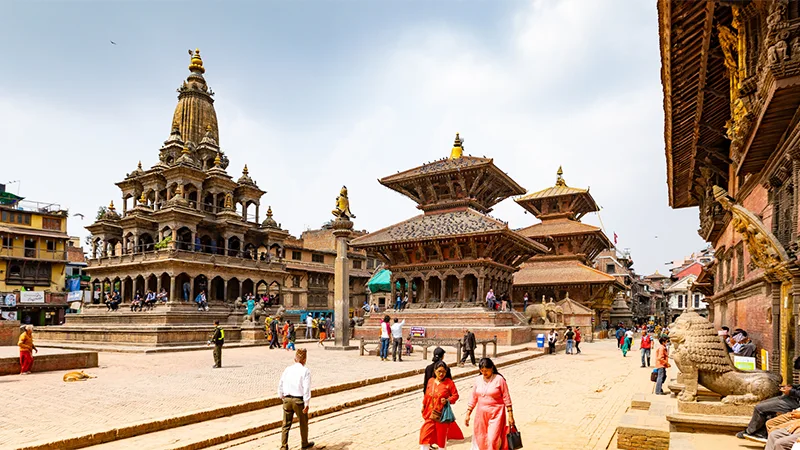
Explore Kathmandu Durbar Square — Kumari Ghar, Hanuman Dhoka, temples, entry fee & tips. Plan your heritage visit with...
Discover Sarangkot in Pokhara — Himalayan sunrise views, paragliding, hiking routes & tips. Plan your visit with Nepal...