Sarangkot, Pokhara: Complete Travel & Sunrise Guide
By Nepal Trip Services On 28 Sep 2026

By Nepal Trip Services On 28 Sep 2026
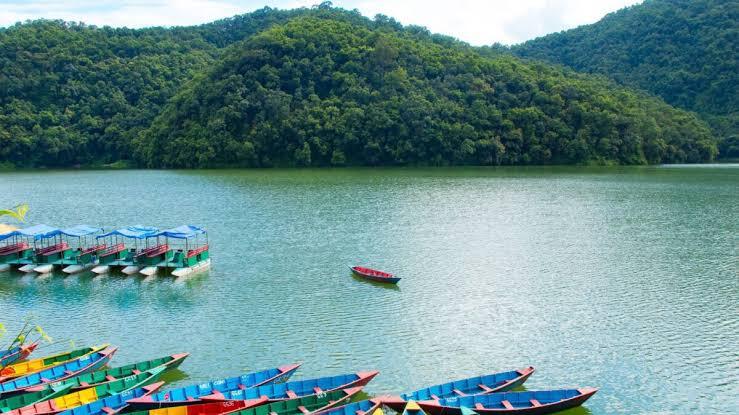
Perched on a ridge above Pokhara, Sarangkot is one of the most beautiful sunrise viewpoints in Nepal. Before dawn, visitors gather on the hilltop in the dark, waiting as the first pink light touches Dhaulagiri, Annapurna, and the sharp spire of Machhapuchhre (Fishtail) while Phewa Lake glimmers in the valley below. It is also one of the world's best-known paragliding sites and an easy day trip from Lakeside. This complete guide from Nepal Trip Services covers how to reach Sarangkot, the best time to go, sunrise tips, activities, hiking routes, and more. To see Sarangkot as part of a wider Nepal journey, explore the Kathmandu, Pokhara, Chitwan & Lumbini Tour by Nepal Trip Services.
Sarangkot is a hill and village on the western side of Pokhara, now part of Pokhara city. At an altitude of about 1,590 to 1,600 meters (roughly 5,200 feet), it sits high enough to offer sweeping views of the Himalayas and the Pokhara Valley, yet low enough to reach easily by road or on foot.
The hill is best known for three things: Himalayan sunrise and sunset views, world-class paragliding, and easy access from Lakeside, which makes it a favorite for both first-time visitors and seasoned travelers.
| Detail | Information |
|---|---|
| Location | West of Pokhara, Kaski District, Gandaki Province |
| Altitude | About 1,590–1,600 m (5,217–5,250 ft) |
| Known For | Sunrise, Himalayan views, paragliding |
| Distance from Lakeside | Roughly 5–10 km depending on route |
| Drive Time | About 25–45 minutes |
| Hike from Lakeside | About 1–2.5 hours depending on pace and route |
| Main Peaks Visible | Dhaulagiri, Annapurna range, Machhapuchhre, Manaslu (on clear days) |
| Best Time of Day | Sunrise (and sunset) |
| Best Seasons | October–November and February–April |
Distances, fees, and timings vary by source and route, so confirm current details with your driver, hotel, or operator.
Sunrise is the reason most people come. Before dawn, jeeps and motorbikes wind their way up the hill, headlights cutting through the darkness, as visitors gather at the viewpoint tower and surrounding terraces. As the sky shifts from deep purple to orange and gold, the Himalayan skyline emerges, with Machhapuchhre standing at the center like a crown.
| Option | Description |
|---|---|
| Taxi or private vehicle | The most popular and comfortable choice, especially before dawn |
| Motorbike or scooter | Flexible and adventurous, though the road is steep and winding |
| Hiking from Lakeside | A scenic climb through villages and farmland |
| Organized tour | Includes transport and guiding, and simplifies logistics |
| Cable car or ropeway | Reported as a newer option in the area, so confirm availability locally |
For active travelers, hiking is one of the best ways to enjoy Sarangkot. Trails climb steadily through villages, forests, and terraced fields, and take roughly 1 to 2.5 hours depending on your starting point and pace. If you plan to catch sunrise, start early, around 4:00 to 4:30 AM, and carry a headlamp.
The signature experience, best enjoyed with a cup of hot tea from a local tea shop.
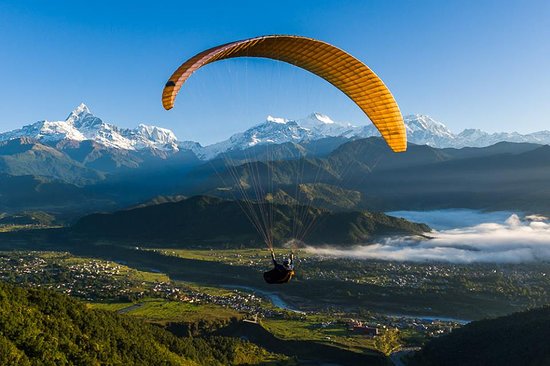
Sarangkot is one of the world's best-known paragliding sites, and tandem flights with experienced pilots take you soaring above Phewa Lake, forests, and villages with the Himalayas as your backdrop. Flights generally land near Lakeside. Prices and flight duration vary by operator and season, so compare options, check safety credentials, and book with a reputable company.
Sunset from Sarangkot is equally beautiful, with warm light spreading across the valley and Pokhara's lights slowly appearing below.
Adventure activities such as a zipline are available in the area for those seeking an extra thrill, though availability and operators can change, so check locally.
Wander the quiet lanes lined with guesthouses, terraced farms, and small shops, and chat with locals to get a taste of village life.
Small cafés and teahouses serve hot tea, snacks, and Nepali meals like dal bhat, all with views over the valley.
Many travelers find that staying overnight is well worth it: evenings are peaceful, sunsets are magnificent, and the lights of Pokhara sparkle below after dark.
On a clear morning, the panorama can include:
| Peak/Range | Description |
|---|---|
| Dhaulagiri | Massive peak in the far west |
| Annapurna range | A chain of giants including Annapurna I, II, III, IV, and South |
| Machhapuchhre (Fishtail) | The iconic twin-tipped peak dominating the skyline |
| Manaslu | Visible on especially clear days |
| Pokhara Valley and Phewa Lake | Spread out below the ridge |
| Season | Months | Conditions |
|---|---|---|
| Autumn | October – November | Best season: crisp air, clear skies, top mountain views |
| Winter | December – February | Cold but often very clear, with dramatic sunrises |
| Spring | March – April | Warm and pleasant, though haze can build later |
| Late spring/early summer | May – early June | Warmer, hazier, with more cloud |
| Monsoon | June – September | Rain and cloud often block views, but the hills are lush and green |
For the best views, aim for autumn and winter mornings, and check the weather forecast for clear skies.
Sarangkot pairs perfectly with other attractions:
Sarangkot is just one of the many treasures waiting in Nepal. From the ancient temples of Kathmandu to Pokhara's lakes, wildlife adventures in Chitwan National Park, and the birthplace of Lord Buddha in Lumbini, the country offers an unforgettable mix of culture, nature, and adventure. Nepal Trip Services brings these experiences together in the Kathmandu, Pokhara, Chitwan & Lumbini Tour, a well-planned journey for first-time visitors, families, and travelers who want a complete Nepal experience.
Sarangkot is a hill and village on the western side of Pokhara, famous for its Himalayan sunrise views, panoramic scenery, and world-class paragliding. At about 1,590 to 1,600 meters, it offers sweeping views of Dhaulagiri, the Annapurna range, and Machhapuchhre, with Pokhara and Phewa Lake spread out below.
Sarangkot sits on a ridge west of Pokhara in Kaski District, Gandaki Province, and is now part of Pokhara city. It is easily reached from Lakeside, making it one of the most convenient viewpoints in the country.
Sarangkot stands at approximately 1,590 to 1,600 meters (about 5,200 feet) above sea level. This is high enough for sweeping mountain views but low enough that altitude sickness is not a concern for most visitors.
Distances vary by route and source, but Sarangkot is roughly 5 to 10 kilometers from Lakeside. By road, the drive typically takes about 25 to 45 minutes, depending on traffic and where you begin. Confirm the route and timing with your driver or hotel.
The most popular option is a taxi or private vehicle, especially before dawn. You can also ride a motorbike, join an organized tour, or hike up from Lakeside. Some sources also mention a cable car or ropeway option, so check locally for current availability.
Depending on your starting point and pace, the hike from Lakeside typically takes about 1 to 2.5 hours. The trail climbs steadily through villages, forest, and terraced farmland. For sunrise, start early, around 4:00 to 4:30 AM, and carry a headlamp.
Aim to arrive 30 to 45 minutes before sunrise so you can find a good spot and enjoy the changing colors. Sunrise time varies by season, generally between about 5:30 and 6:30 AM, so check the exact time the day before and leave enough time for travel.
Autumn (October to November) is the best season, with crisp air and clear skies. Winter (December to February) is cold but often very clear, and spring (March to April) is pleasant though haze can build. The monsoon (June to September) often brings cloud and rain that block views.
On clear mornings, you can see Dhaulagiri in the far west, the Annapurna range, and the iconic twin-tipped Machhapuchhre (Fishtail) at the center of the skyline. On especially clear days, Manaslu can also be visible. Pokhara Valley and Phewa Lake lie below.
Yes, Sarangkot is one of the most famous paragliding sites in the world. Tandem flights with experienced pilots take you soaring over Phewa Lake, forests, and villages with the Himalayas in the background, usually landing near Lakeside. Prices and duration vary, so compare operators and choose a reputable, safety-focused company.
Paragliding carries inherent risks, but reputable operators use certified pilots, well-maintained equipment, and weather checks to reduce them. Choose a licensed company, ask about safety records and insurance, follow the pilot's instructions, and avoid flying in poor weather. Your travel insurance should also cover adventure activities.
Cloud cover can hide the mountains, especially during the monsoon, but conditions can change quickly, and clouds sometimes clear shortly after sunrise. Even on cloudy days, the hill village, quiet atmosphere, and views over Pokhara can still be enjoyable. Checking the forecast and staying flexible improves your chances of a clear view.
Many travelers find an overnight stay well worth it. Small guesthouses and tea shops dot the hillside, evenings are peaceful, sunsets are beautiful, and after dark the lights of Pokhara sparkle below. Staying nearby also makes the sunrise easier, with no need for a pre-dawn drive.
Dress in warm layers, since the hilltop is cold before sunrise, and bring a headlamp if you plan to hike in the dark. Carry cash, water, a camera or phone, sunscreen, and a light rain layer. A hot drink or snack is welcome while you wait for the sun to rise.
Yes, Sarangkot fits perfectly into a broader itinerary. Nepal Trip Services offers the Kathmandu, Pokhara, Chitwan & Lumbini Tour, which combines Kathmandu's heritage sites with Pokhara's lakes and mountain views, wildlife experiences in Chitwan, and the birthplace of Lord Buddha in Lumbini, all with expert local guidance.
Sarangkot is the kind of place that reminds you why you travel: an early alarm, a quiet climb in the dark, and then the sun slowly lighting up some of the highest mountains on Earth. Whether you come for the sunrise, the paragliding, or simply the peaceful hill village, it is an easy, rewarding highlight of any Pokhara visit.
For a smooth, memorable trip, Nepal Trip Services can help you experience Sarangkot and the rest of Nepal with knowledgeable local guidance and carefully planned itineraries. Discover more with the Kathmandu, Pokhara, Chitwan & Lumbini Tour and let the Himalayan dawn become one of your favorite travel memories.
Discover more articles that match your interests! Explore these similar blogs packed with insights, tips, and stories to keep you inspired.
Explore Pashupatinath Temple, Nepal\'s sacred Shiva shrine. Learn history, entry rules, aarati, festivals & visiting tip...
Discover Boudhanath Stupa in Kathmandu — history, kora, festivals, entry tips & etiquette. Plan your visit with Nepal ...
Explore Swayambhunath, Kathmandu\'s Monkey Temple — history, 365 steps, entry fee, tips & views. Plan your visit with ...
Explore Kathmandu Durbar Square — Kumari Ghar, Hanuman Dhoka, temples, entry fee & tips. Plan your heritage visit with...
Explore Phewa Lake in Pokhara — boating prices, Tal Barahi Temple, best time to visit & top tips. Plan your trip with ...