Sakyapa Monastery In Kagbeni, Nepal: Complete Guide
By Nepal Trip Services On 25 Sep 2026

By Nepal Trip Services On 25 Sep 2026
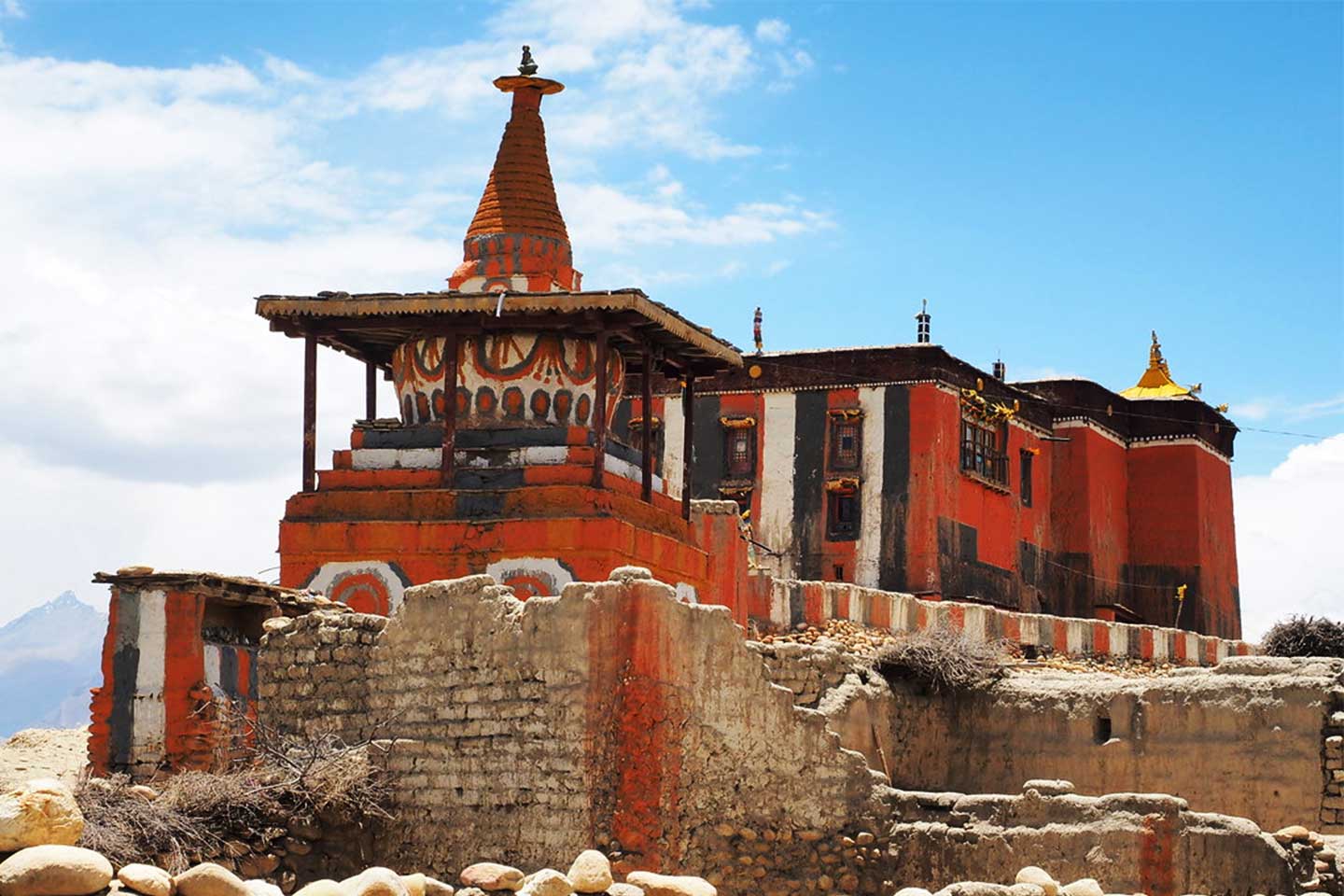
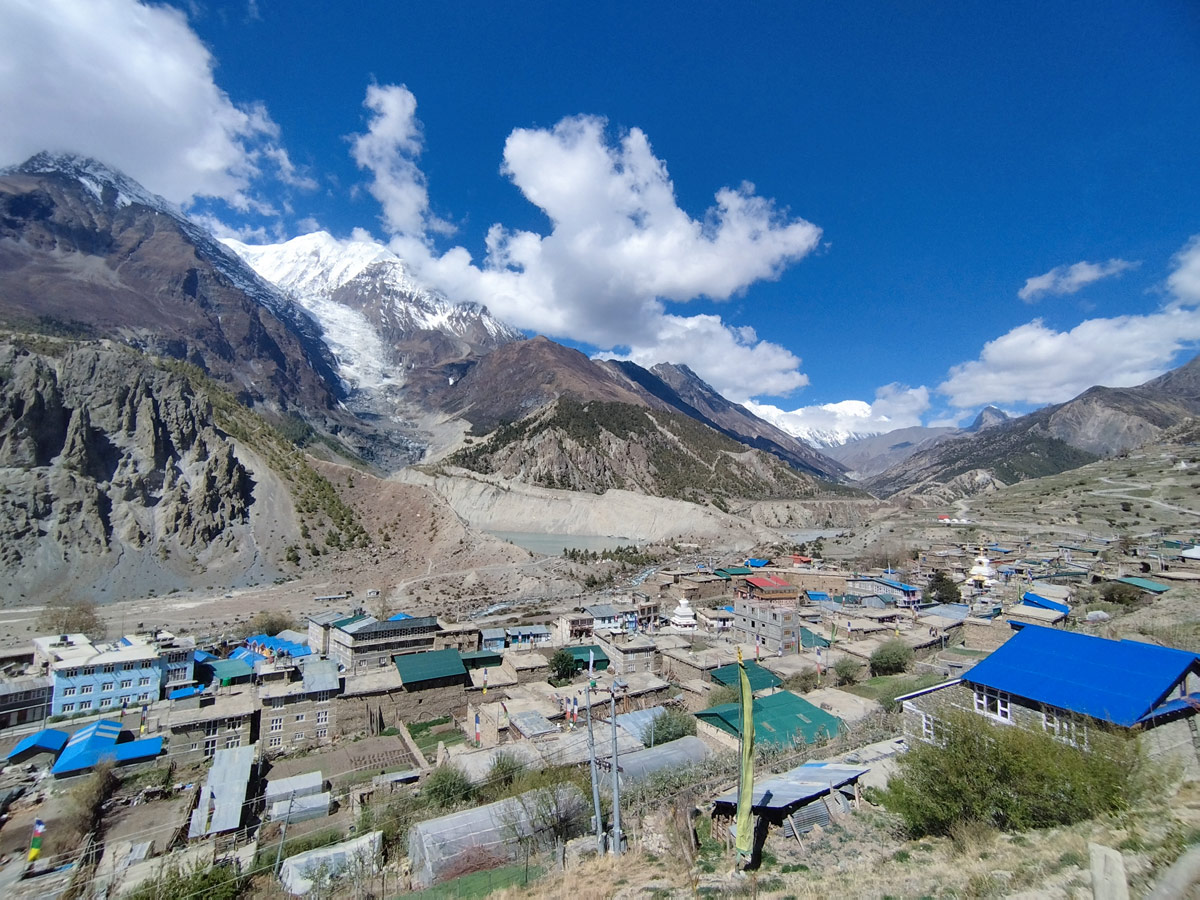
Perched on a rocky spur overlooking the Kali Gandaki River, the Sakyapa Monastery in Kagbeni stands as one of the oldest and most culturally significant religious sites in the entire Mustang region. Formally known as Kagchode Thubten Sampheling Gompa, this centuries-old monastery has watched over the medieval village of Kagbeni since the early 15th century, preserving traditions that connect present-day visitors to Nepal's deep Tibetan Buddhist heritage. For travelers exploring the region on the Annapurna Circuit Trek or passing through nearby Jomsom, this monastery offers a rare and rewarding glimpse into centuries of unbroken spiritual practice. This complete guide covers everything you need to know before visiting.
The Sakyapa Monastery, formally called Kagchode Thubten Sampheling Gompa, is a Tibetan Buddhist monastery belonging to the Sakya school, located in the village of Kagbeni in the Mustang District of Gandaki Province, Nepal. Founded in 1429, the monastery sits on a spur of land overlooking the Kali Gandaki River, offering both spiritual significance and dramatic views over the surrounding gorge.
| Feature | Details |
|---|---|
| Full Name | Kagchode Thubten Sampheling Gompa |
| Founded | 1429 |
| Buddhist School | Sakya (Sakyapa) |
| Location | Kagbeni village, Mustang District, Gandaki Province |
| Setting | Perched on a spur overlooking the Kali Gandaki River |
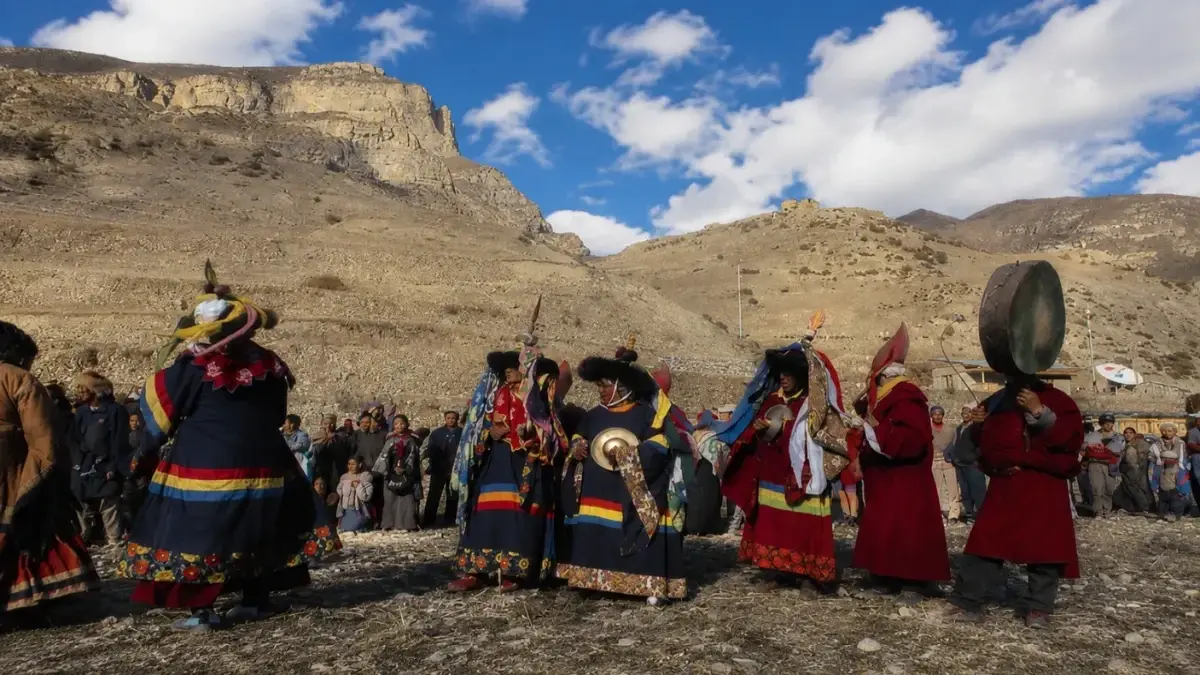
| Notable Features | Carved festival masks, ceremonial kangling trumpets, a 500-year-old gold-lettered text |
| Nearby Towns | Jomsom, Muktinath, Marpha |
| Best Season | Pre-monsoon (March–May) and post-monsoon (September–November) |
Founded in 1429, the Sakyapa Monastery in Kagbeni represents one of the oldest continuously significant religious institutions in the Mustang region, tracing its lineage to the Sakya school of Tibetan Buddhism. The Sakya tradition itself dates back centuries in Tibet, having once governed significant portions of the Tibetan plateau during the height of its political and religious influence.
As Kagbeni developed into an important waypoint along historic trans-Himalayan trade routes, the monastery grew alongside the village, serving both as a spiritual center for local communities and a symbol of the deep Tibetan Buddhist heritage that continues to define much of Upper Mustang's cultural identity. Its position overlooking the Kali Gandaki River reflects the strategic and symbolic importance placed on religious sites throughout this historically significant trading corridor.
The Sakyapa Monastery houses several notable features that reflect its centuries-long history and religious significance:
For travelers passing through Kagbeni, a visit to the Sakyapa Monastery offers several compelling reasons to pause and explore:
The monastery is located within Kagbeni village, making it accessible through several common travel routes:
| Method | Route | Approx. Duration |
|---|---|---|
| From Jomsom | Short drive or walk north to Kagbeni | 20–30 minutes by vehicle |
| From Muktinath | Trek or drive south through Jharkot toward Kagbeni | 2–3 hours |
| Annapurna Circuit Trek | Optional detour from the main route near Jomsom | Varies by itinerary |
| From Upper Mustang | Kagbeni serves as the southern gateway checkpoint | Varies by starting point |
Because Kagbeni also functions as the official entry checkpoint for travelers heading into restricted Upper Mustang, many visitors naturally pass directly by the monastery even without planning a dedicated stop.
A visit to the Sakyapa Monastery pairs naturally with time spent exploring the rest of Kagbeni, a village known for its own striking medieval character:
| Season | Months | Conditions |
|---|---|---|
| Spring | March – May | Mild temperatures, good visibility, pleasant trekking conditions |
| Autumn | September – November | Clearest skies, most popular season for visitors |
| Winter | December – February | Cold temperatures, quieter visitor numbers |
| Monsoon | June – August | Drier than much of Nepal due to the regional rain shadow effect |
Given the monastery's elevated, exposed position, visiting during clearer months enhances both the religious experience and the scenic views over the surrounding gorge.
| Factor | Sakyapa Monastery (Kagbeni) | Braga Monastery (Manang) | Muktinath Temple Complex |
|---|---|---|---|
| Founded | 1429 | Centuries old, precise date debated | Ancient, pre-dates recorded history |
| Buddhist School | Sakya | Kagyu-influenced | Multi-faith (Hindu & Buddhist) |
| Setting | Spur overlooking Kali Gandaki | Cliffside above Manang village | Open temple complex |
| Signature Feature | Gold-lettered 500-year-old text | Ancient statues and manuscripts | 108 water spouts, eternal flame |
The Sakyapa Monastery, formally known as Kagchode Thubten Sampheling Gompa, is a Tibetan Buddhist monastery belonging to the Sakya school, located in the village of Kagbeni in the Mustang District of Gandaki Province, Nepal. It sits perched on a spur of land overlooking the Kali Gandaki River, combining deep religious significance with a dramatic natural setting.
The monastery was founded in 1429, making it one of the oldest continuously significant religious institutions in the entire Mustang region. Its nearly six-century history has established it as a lasting symbol of Tibetan Buddhist heritage in this part of the Himalayas.
The monastery belongs to the Sakya, or Sakyapa, school of Tibetan Buddhism, one of the major traditions within Tibetan Buddhist practice. This lineage traces back centuries in Tibet, where it once held significant political and religious influence over large portions of the Tibetan plateau.
The Sakyapa Monastery houses several treasured items reflecting its long history, including:
The monastery is located within Kagbeni village in the Mustang District, perched on a rocky spur overlooking the Kali Gandaki River. This elevated position offers both spiritual symbolism and sweeping views over the surrounding gorge and village below.
From Jomsom, travelers can reach Kagbeni and the monastery via a short drive or walk of approximately 20 to 30 minutes. This makes the monastery an easily accessible detour for anyone already staying in or passing through Jomsom.
Yes, the monastery can be visited as an optional detour near Jomsom for trekkers completing the Annapurna Circuit Trek. Since Kagbeni also serves as the entry checkpoint for Upper Mustang, many trekkers pass directly by the village even without planning a dedicated stop.
Kagbeni is a striking medieval village known for its narrow stone alleyways, traditional mud-brick and stone architecture, and role as the official gateway checkpoint into restricted Upper Mustang. Exploring the village alongside the monastery offers a fuller cultural and historical experience of the region.
Visitors should dress modestly, covering shoulders and knees, and should remove their shoes before entering the main prayer hall or other interior spaces. Following these customs shows respect for the monastery's ongoing role as an active place of worship.
It's best to ask permission before photographing monks, ceremonies, or sensitive religious items, as policies can vary depending on the activity taking place at the time of your visit. Maintaining a respectful, quiet demeanor throughout your visit is also strongly encouraged.
Spring (March to May) and autumn (September to November) offer the clearest skies and most pleasant conditions for visiting, enhancing both the religious experience and the scenic views over the gorge. Winter visits are quieter, while monsoon season remains comparatively dry due to the region's rain shadow effect.
Yes, unlike a purely historical site, the Sakyapa Monastery remains an active religious institution, offering visitors a genuine glimpse into ongoing Tibetan Buddhist practice. Resident monks continue to maintain the monastery and carry out traditional ceremonies and rituals.
Yes, offering a small donation is considered a respectful and appreciated gesture that helps support the monastery's ongoing maintenance and preservation. Donation practices are common at most active Buddhist monasteries throughout the Mustang region.
Compared to Braga Monastery in Manang, the Sakyapa Monastery is distinguished by its specific Sakya lineage, its founding date of 1429, and its treasured 500-year-old gold-lettered text. While both sites hold deep religious significance, each reflects a slightly different branch and history within the broader Tibetan Buddhist tradition.
Visiting the Sakyapa Monastery offers a rare opportunity to experience nearly six centuries of continuous religious history set against one of the most dramatic landscapes in Nepal. For travelers exploring the region from nearby Jomsom or as part of a broader journey along the Annapurna Circuit Trek, this centuries-old monastery adds meaningful cultural and spiritual depth to the overall experience.
The Sakyapa Monastery in Kagbeni offers a rare opportunity to step inside nearly six centuries of continuous religious history, set against one of the most dramatic backdrops in the entire Mustang region. Its carved festival masks, ceremonial trumpets, and treasured gold-lettered manuscript reflect a living tradition that continues to shape the spiritual life of the surrounding community. For travelers exploring this remarkable corner of Nepal, whether arriving from nearby Jomsom or as part of a broader journey along the Annapurna Circuit Trek, a visit to this centuries-old monastery adds profound cultural and spiritual depth to the overall experience.
Discover more articles that match your interests! Explore these similar blogs packed with insights, tips, and stories to keep you inspired.
Everything on Thorong La Pass — altitude, difficulty, weather, route & crossing times. Complete guide for the Annapurn...
Complete guide on how to prepare for the Annapurna Circuit Trek — training, gear, permits, insurance & mental readines...
Discover Besisahar, Nepal — the official gateway to the Annapurna Circuit Trek. Complete guide to altitude, history & ...
Discover the Marsyangdi River — the Annapurna Circuit\'s raging river. Complete guide to its geography, origins & trek...
Discover Manang, Nepal — Annapurna Circuit\\'s key acclimatization village with monasteries, glacial lakes & Thorong L...
Explore Manangi culture in Nepal — Tibetan Buddhist heritage, trans-Himalayan trading history & unique lifestyle of th...