Mustang Eco Museum, Jomsom: Complete Travel & Cultural Guide
By Nepal Trip Services On 25 Sep 2026

By Nepal Trip Services On 25 Sep 2026
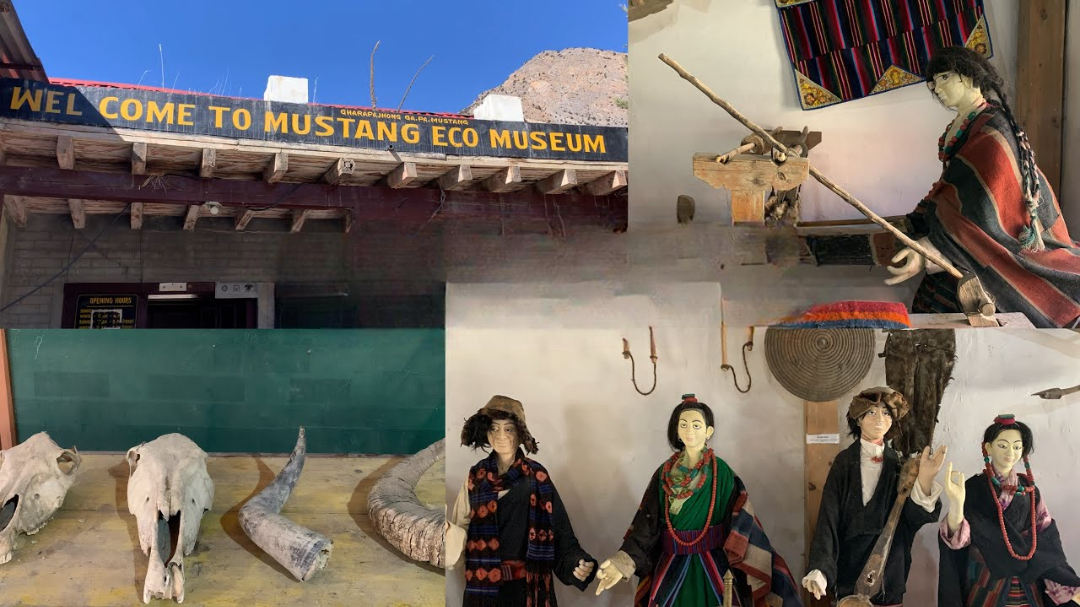
Perched a short climb up steep stairs on the edge of Jomsom, the Mustang Eco Museum offers one of the most fascinating cultural and archaeological windows into the Himalayas' trans-border history. Despite its modest size, the museum houses everything from ancient pottery excavated near Mustang's famous sky caves to detailed exhibits on Thakali and Tibetan traditions, herbal medicine, and the region's unique high-altitude ecosystem. For travelers exploring Jomsom or continuing along the Annapurna Circuit Trek, this museum offers valuable context that deepens appreciation for the surrounding landscape and its people. This complete guide covers everything you need to know before visiting.
The Mustang Eco Museum is a cultural and natural heritage museum located in Jomsom, established to document and preserve the diverse traditions, history, and environment of the Mustang region. Founded in 1992, the museum was designed to showcase the cultural divide between the Thakali settlements to the south and the Tibetan-influenced settlements to the north, while also highlighting the region's remarkable natural and archaeological heritage.
| Feature | Details |
|---|---|
| Founded | 1992 |
| Location | Jomsom, Mustang District, Gandaki Province |
| Distance from Airport | Approximately a 5-minute walk south of Jomsom Airport |
| Managed By | Originally independent; taken over by ACAP in 1997, later handed to local community management |
| Focus Areas | Thakali and Tibetan culture, archaeology, herbal medicine, flora and fauna |
| Sections | Socio-cultural, geographical, herbal medicine, library, herbarium, and a small monastery |
| Access | Steep stairway climb near the southern end of town |
The Mustang Eco Museum was founded in 1992 with the goal of creating awareness and helping preserve both the cultural and natural heritage of the region. In 1997, management of the museum was taken over by the Annapurna Conservation Area Project (ACAP), a move that helped stabilize its operations and expand its educational mission.
Over time, responsibility for the museum shifted again, with ACAP eventually handing over day-to-day operations to the local government, which subsequently arranged for a local women's group (Jomsom aama samuha) to manage its daily activities. The museum's history hasn't been without setbacks — the 2015 earthquake caused significant damage, including the collapse of its upper floor, which destroyed a substantial portion of the collection, including a taxidermied snow leopard once on display. After being closed for six years for repairs, the museum was finally reopened to the public.
The Mustang Eco Museum offers a wide-ranging collection organized into several distinct sections, each shedding light on a different aspect of Mustang's culture and environment:
Beyond its exhibits, the museum plays a broader role in regional heritage preservation and cultural understanding:
The museum is conveniently located within walking distance of Jomsom's town center and airport, making it an easy stop for travelers already in the area.
| Starting Point | Distance/Time |
|---|---|
| Jomsom Airport | Approximately 5-minute walk south |
| Jomsom town center | Short walk, a few minutes |
| Marpha | 20–30 minutes by vehicle, then walk to museum |
| Kagbeni | 20–30 minutes by vehicle, then walk to museum |
Visitors should be prepared for a set of steep stairs leading up to the museum entrance, which can feel more strenuous than expected given Jomsom's high altitude.
| Season | Months | Conditions |
|---|---|---|
| Spring | March – May | Mild temperatures, good overall trekking conditions |
| Autumn | September – November | Clearest skies, most popular season for visitors |
| Winter | December – February | Cold, quieter visitor numbers |
| Monsoon | June – August | Drier than much of Nepal due to rain shadow effect |
Since the museum is an indoor attraction, it remains accessible across most seasons, though visiting during peak trekking months often allows travelers to combine it with other nearby cultural stops.
| Factor | Mustang Eco Museum | Sakyapa Monastery (Kagbeni) | Eco Museum (Marpha area) |
|---|---|---|---|
| Focus | Archaeology, ecology, Thakali/Tibetan culture | Active Tibetan Buddhist worship site | Thakali village life and customs |
| Founded | 1992 | 1429 | Community-based, informal |
| Setting | Indoor museum near Jomsom Airport | Active monastery overlooking Kali Gandaki | Small community collection |
| Best For | Archaeology and natural history enthusiasts | Spiritual and architectural interest | General Thakali cultural context |
The Mustang Eco Museum is a cultural and natural heritage museum located in Jomsom, established to document and preserve the diverse traditions, history, and environment of the Mustang region. It highlights the cultural divide between Thakali settlements to the south and Tibetan-influenced settlements to the north, alongside the region's archaeological and ecological heritage.
The museum was founded in 1992 with the goal of raising awareness and helping preserve both the cultural and natural heritage of Mustang. Its management was later taken over by the Annapurna Conservation Area Project (ACAP) in 1997, before eventually being handed to local community oversight.
The Mustang Eco Museum is located approximately a 5-minute walk south of Jomsom Airport, making it easily accessible for anyone staying in or passing through town. Visitors should be prepared for a set of steep stairs leading up to the museum entrance, which can feel more strenuous than expected given Jomsom's high altitude.
The museum features a wide range of exhibits organized into distinct sections, including:
The museum displays broken pottery shards excavated from Mustang's famous sky caves, which have helped reveal evidence of human settlement in the Muktinath valley dating back to approximately 800 BCE. These findings suggest the trans-Himalayan region is among the oldest continuously inhabited areas in Nepal.
Yes, the 2015 earthquake caused significant damage to the museum, including the collapse of its upper floor, which destroyed a substantial portion of the collection, including a taxidermied snow leopard that was once on display. The museum was closed for six years for repairs before finally reopening to the public.
Management responsibility has shifted over time, beginning with the Annapurna Conservation Area Project (ACAP) in 1997, before eventually being handed to the local government. The local government subsequently arranged for a local women's group, known as the Jomsom aama samuha, to oversee day-to-day operations.
The museum displays hundreds of plant specimens along with explanations of their traditional uses in Tibetan medicine, offering insight into how local communities have historically treated illness using regional flora. This section provides a fascinating look at traditional healing practices adapted to high-altitude living.
Yes, the museum offers valuable cultural and archaeological context that enriches understanding of the Thakali and Tibetan communities encountered throughout a broader Annapurna Circuit Trek itinerary. Its indoor setting also makes it a good low-intensity activity to pair with a rest day in Jomsom.
Most visitors can comfortably explore the Mustang Eco Museum in around 30 minutes to an hour, depending on interest level and whether a guided tour is included. This manageable duration makes it easy to combine with other activities in and around Jomsom.
Yes, the museum charges a modest entry fee, with different rates historically applied to SAARC-country visitors compared to other international tourists. Payment is typically required in cash, as card payments are not available in this remote region.
Photography policies can vary depending on the specific exhibit, particularly for archaeological items, so it's best to check with museum staff before photographing displays. Being mindful of these guidelines helps support the preservation of fragile or historically significant artifacts.
A visit to the Mustang Eco Museum pairs well with a walk through Jomsom Village, a short vehicle trip to nearby Marpha for its apple orchards and clean streets, or a visit to the historic Sakyapa Monastery in Kagbeni. Together, these stops create a well-rounded cultural day in the Mustang region.
Since the museum is an indoor attraction, it remains accessible across most seasons, though spring (March–May) and autumn (September–November) offer the best overall trekking conditions for combining a visit with other regional activities. Visiting during these peak months also allows for easier coordination with nearby cultural stops.
The museum offers a rare opportunity to understand nearly 3,000 years of regional history, alongside insight into Thakali-Tibetan cultural distinctions and traditional ecological knowledge, all within a short walk from Jomsom. For travelers seeking more than scenic views, this museum adds meaningful educational depth to any journey through the broader Mustang region and the Annapurna Circuit Trek.
The Mustang Eco Museum offers a genuinely rewarding stop for travelers curious about the deep archaeological, cultural, and ecological history hidden within this remote Himalayan region. From ancient pottery linked to settlements dating back nearly 3,000 years to detailed exhibits on traditional medicine and Thakali-Tibetan cultural distinctions, the museum transforms a short walk from Jomsom's airport into a meaningful educational experience. For travelers exploring Jomsom or continuing their journey along the Annapurna Circuit Trek, a visit here adds valuable depth and context to the remarkable landscape and communities encountered throughout the Mustang region.
Discover more articles that match your interests! Explore these similar blogs packed with insights, tips, and stories to keep you inspired.
Everything on Thorong La Pass — altitude, difficulty, weather, route & crossing times. Complete guide for the Annapurn...
Complete guide on how to prepare for the Annapurna Circuit Trek — training, gear, permits, insurance & mental readines...
Discover Besisahar, Nepal — the official gateway to the Annapurna Circuit Trek. Complete guide to altitude, history & ...
Discover the Marsyangdi River — the Annapurna Circuit\'s raging river. Complete guide to its geography, origins & trek...
Discover Manang, Nepal — Annapurna Circuit\\'s key acclimatization village with monasteries, glacial lakes & Thorong L...
Explore Manangi culture in Nepal — Tibetan Buddhist heritage, trans-Himalayan trading history & unique lifestyle of th...