Kopan Monastery Kathmandu: Complete Visitor Guide (history, Meditation & Tips)
By Nepal Trip Services On 26 Oct 2026

By Nepal Trip Services On 26 Oct 2026
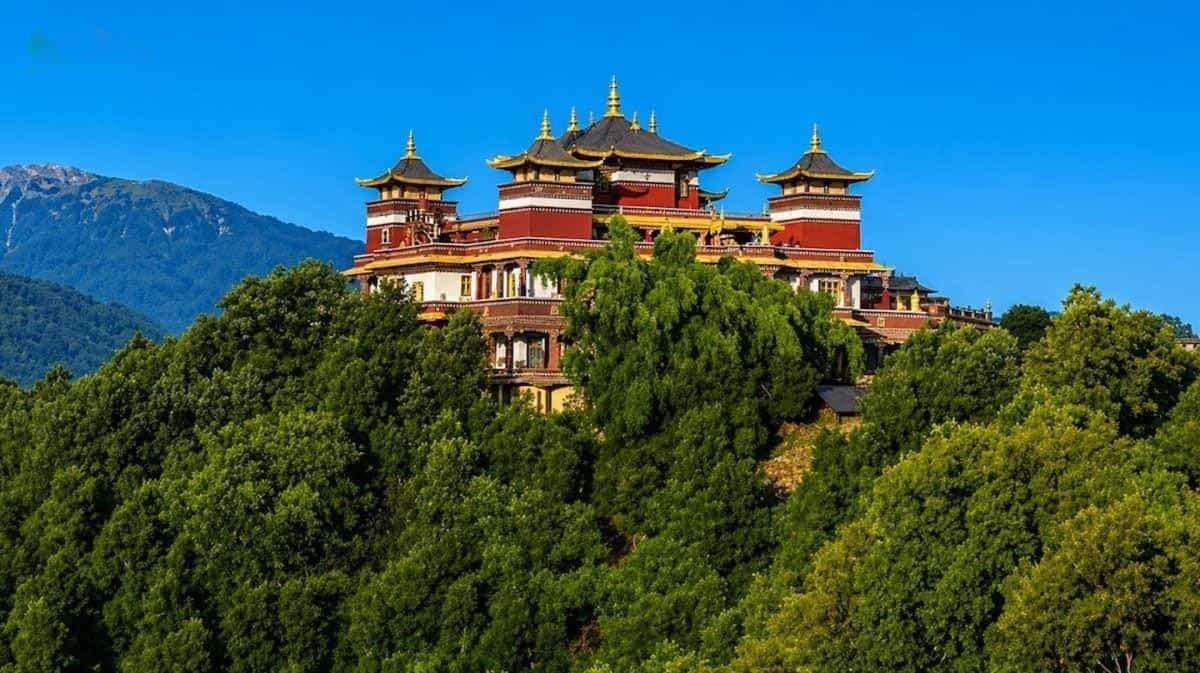
On a quiet green hill north of Boudhanath, prayer flags flutter above golden rooftops, young monks in maroon robes cross peaceful courtyards, and the noise of Kathmandu fades into the soft hum of chanting. This is Kopan Monastery, one of the best-known Tibetan Buddhist monasteries in the world and a place where thousands of people from every corner of the globe have taken their first steps into meditation.
Kopan is worth a visit whether you’re a serious meditation student, a Buddhist pilgrim or simply a traveler looking for a calm escape with sweeping valley views. This guide covers its remarkable history, what to see, how to join a meditation course, visiting rules, how to get there and practical tips for a meaningful visit.
| Detail | Information |
|---|---|
| Location | Kopan Hill, north of Boudhanath, Kathmandu |
| Founded | 1969 |
| Founders | Lama Thubten Yeshe and Lama Thubten Zopa Rinpoche |
| Tradition | Gelug school of Tibetan Buddhism |
| Affiliation | FPMT (Foundation for the Preservation of the Mahayana Tradition) |
| Community | Around 380 monks, plus around 360 nuns at the nearby Kopan Nunnery |
| Famous for | Meditation courses for international students, especially the annual November Course |
| Entry fee | Free (donations welcome) |
| Distance | About 2 km north of Boudhanath Stupa |
| Time needed | 2 to 3 hours for a day visit |
The story of Kopan begins with two Tibetan lamas who met as refugees. After fleeing Tibet in 1959, Lama Thubten Yeshe and his young student Lama Thubten Zopa Rinpoche lived in the Buxa Duar refugee camp in India, where many Tibetan monks continued their studies in exile. In the late 1960s, they came to Nepal, a country with deep Buddhist roots and a growing community of Tibetan refugees.
In Kathmandu, the two lamas moved into an old house on Kopan Hill, which had once belonged to the royal astrologer of Nepal. They bought the property, and in 1969, Kopan Monastery was born. The monastery takes its name from the hill on which it stands.
At the time, more and more Western travelers were arriving in Nepal, many searching for spiritual meaning. The lamas began teaching them Buddhist philosophy and meditation in a way that was clear, warm and practical. In 1971, they held the first Kopan meditation course, with just 25 students. The first temple was built around the same time.
That first small course grew into a worldwide movement. The lamas founded the Foundation for the Preservation of the Mahayana Tradition (FPMT), which today has Buddhist centers, monasteries and study groups in many countries. Kopan once served as the FPMT’s headquarters and remains one of its most important centers.
In 1979, Lama Yeshe founded Khachoe Ghakyil Ling, the Kopan Nunnery, to give nuns the same quality of education as monks. It grew from just a handful of nuns to around 400 in less than 35 years.
Today, Kopan is home to hundreds of monks and nuns, many from the Himalayan regions of Nepal, and it’s the largest Gelug monastery in Nepal. It continues to welcome thousands of visitors and students every year.
The heart of the monastery is the main prayer hall, named after Chenrezig, the Buddha of Compassion. Inside, you’ll find a large golden Buddha statue, colorful thangka paintings, intricate murals and rows of cushions where monks gather for prayers. When no course is running, visitors are welcome to step inside quietly, sit for a while and absorb the peaceful atmosphere.
Kopan’s gardens are among the most peaceful spots in Kathmandu. Flowering plants, shady trees, prayer flags and quiet benches make them perfect for relaxing, reading or meditating. Many visitors say the gardens alone are worth the trip.
Around the grounds, you’ll find white stupas, small shrines, statues and a prayer wheel house decorated with beautiful paintings. Walk clockwise around the stupas and spin the prayer wheels as you go, following Buddhist tradition.
Thanks to its hilltop location, Kopan offers wide views over the Kathmandu Valley. On clear days, you can see the great white dome of Boudhanath Stupa below, and sometimes snowy Himalayan peaks on the horizon.
Kopan has a small vegetarian café serving simple meals, snacks, momos and butter tea, with lovely views over the valley. The bookshop stocks a wide range of Buddhist books, including teachings by Lama Yeshe and Lama Zopa Rinpoche, along with prayer beads, incense and other spiritual items.
One of the most special parts of a visit is simply watching daily life unfold. You may hear monks chanting during morning prayers, see young novices heading to their classes, or watch monks quietly going about their daily duties. Visitors are welcome to listen respectfully to the morning puja (prayer ceremony) from a discreet distance.
Kopan is famous around the world as a place to learn Buddhist meditation and philosophy, especially for beginners.
The November Course is Kopan’s most famous program and has run every year since 1971. It’s a month-long residential course, usually held from mid-November to mid-December. It combines teachings on the Lam Rim (the stages of the path to enlightenment), guided meditation, discussion groups and a period of silence, all supported by simple vegetarian meals. Many students describe it as a life-changing experience. Places are limited and fill up months in advance.
For those with less time, Kopan offers shorter introductory courses throughout the year. These cover the basics of Buddhist philosophy and meditation, with guided sessions and teachings in English. They’re ideal for beginners who want a gentle, structured introduction.
For students who want to go deeper, Kopan offers programs such as “Buddhism: The Next Step” and various retreats focusing on specific practices. Some courses include periods of silent retreat.
At certain times of year, Kopan offers private stays, allowing visitors to live at the monastery, follow their own practice schedule and enjoy the peaceful environment without joining a formal course.
Planning to join a course? Nepal Trip Services can arrange your airport transfers, Kathmandu hotel before and after your course, and sightseeing at other Buddhist sites.
A taxi from Thamel takes about 20–30 minutes, depending on traffic. Agree on the fare before you set off, or use a ride-hailing app. Many visitors ask the driver to wait or arrange a return pick-up.
Kopan is about 2 km north of Boudhanath Stupa. The walk takes around 25–40 minutes, mostly uphill through local neighborhoods. It’s a pleasant walk in the cooler morning hours, and you’ll pass small shops and local homes along the way.
Local buses run along the Ring Road to the base of Kopan Hill. From there, it’s a short walk uphill to the monastery. This is the cheapest option, but buses can be crowded.
The easiest way to visit is on a guided tour, combining Kopan with Boudhanath and other Buddhist sites. Kopan is included in our Nepal Buddhist & Lumbini Pilgrimage Tour, with private transport and an experienced guide.
Kopan has a clear dress code to respect the monastic community:
What to wear
What to avoid
Shoes: Wear shoes around the grounds and remove them before entering meditation halls and shrine rooms.
Combine your visit to Kopan with these nearby highlights:
No, entry to Kopan Monastery is free. Donations are welcome and help support the monastery and its monks.
Yes. Day visitors are welcome during visiting hours, except during the November Course and some special events, when the monastery is usually closed to the public.
Kopan is about 2 km north of Boudhanath Stupa. It’s around a 10-minute taxi ride or a 25–40 minute uphill walk.
Absolutely. Kopan is famous for its beginner-friendly courses, including introductory programs and the month-long November Course, all taught in English.
Yes, but usually only as part of a course or during private stay periods. Accommodation must be booked in advance with the monastery.
Wear modest clothing that covers your shoulders and reaches your knees. Avoid tight, revealing or see-through clothes, and remove your shoes before entering prayer halls.
Photos of the grounds and views are usually fine, but always ask before photographing monks or nuns, and follow any signs inside prayer halls.
Kopan Monastery is one of the highlights of our Buddhist journeys in Nepal, and it’s easy to include in your Kathmandu itinerary. Explore our tours:
Kopan Monastery is more than a beautiful place on a hill. It’s a living center of Buddhist learning, where ancient Tibetan wisdom meets visitors from all over the world. Since two refugee lamas began teaching in an old astrologer’s house more than five decades ago, Kopan has helped countless people find calm, clarity and a deeper understanding of themselves.
Whether you stay for an hour to enjoy the gardens and views, or for a month to join the November Course, you’ll leave with a lasting sense of peace. Ready to plan your visit? Use our Trip Planner or Contact Us, and the Nepal Trip Services team will help you design a meaningful Buddhist journey in Nepal.
Discover more articles that match your interests! Explore these similar blogs packed with insights, tips, and stories to keep you inspired.
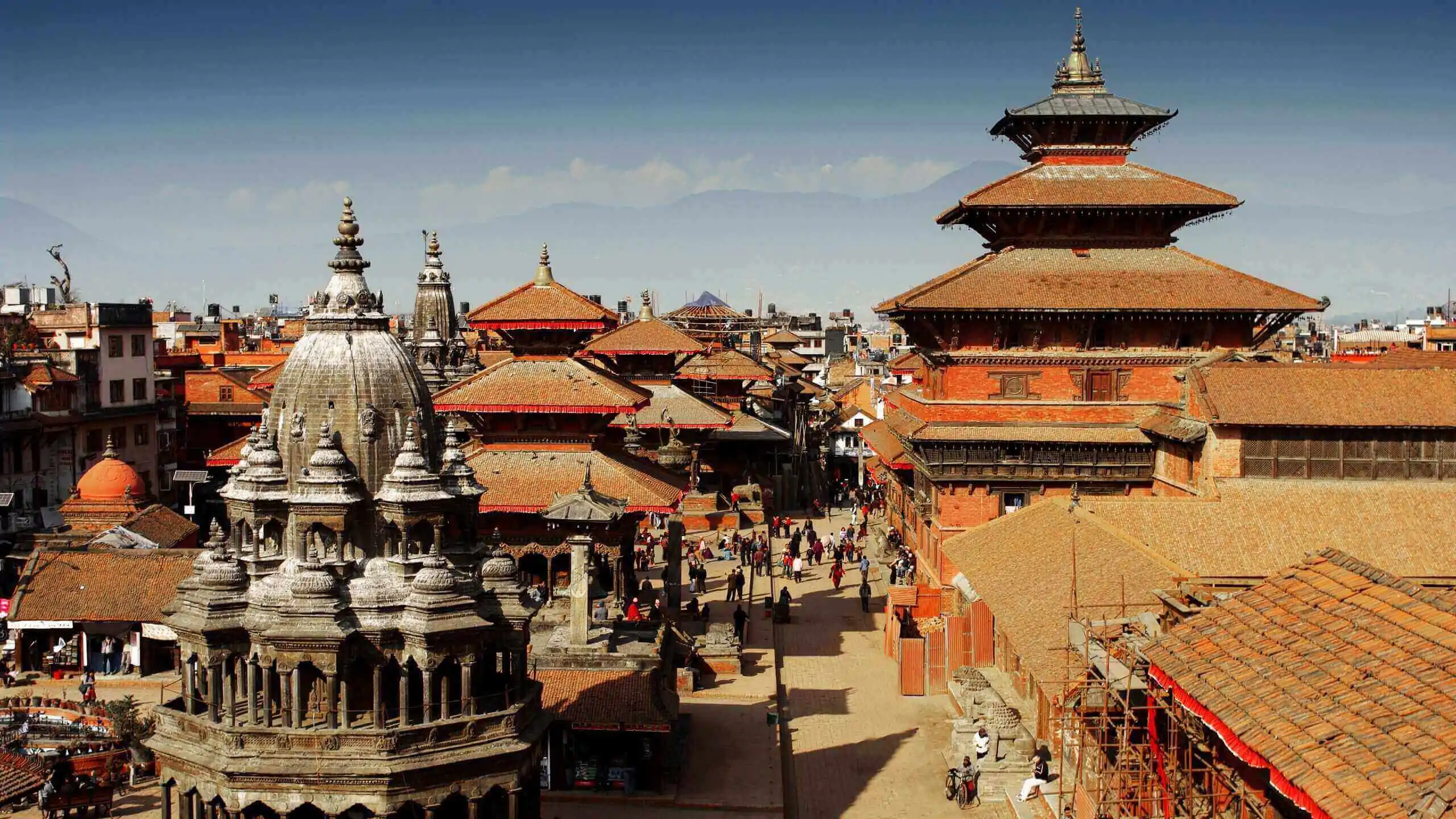
Explore Kathmandu, Nepal — UNESCO sites, temples, food, festivals & travel tips. Plan your perfect Kathmandu visit wit...
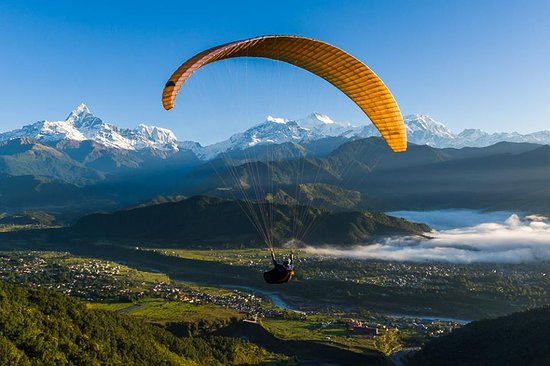
Plan your Pokhara trip with this complete guide to Phewa Lake, Sarangkot sunrise, paragliding, Annapurna treks, food, co...
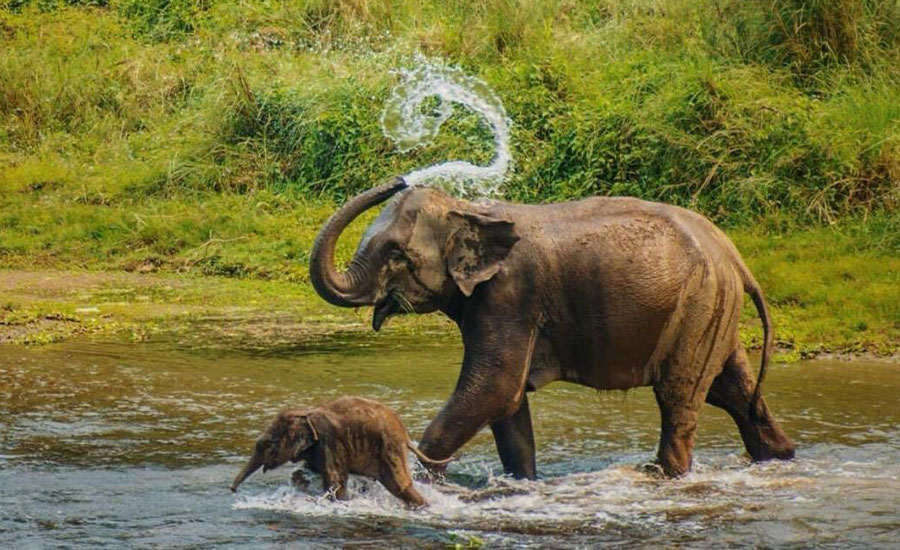
Plan your Chitwan trip with this complete guide to jungle safaris, rhinos, tigers, Tharu culture, costs, the best time t...
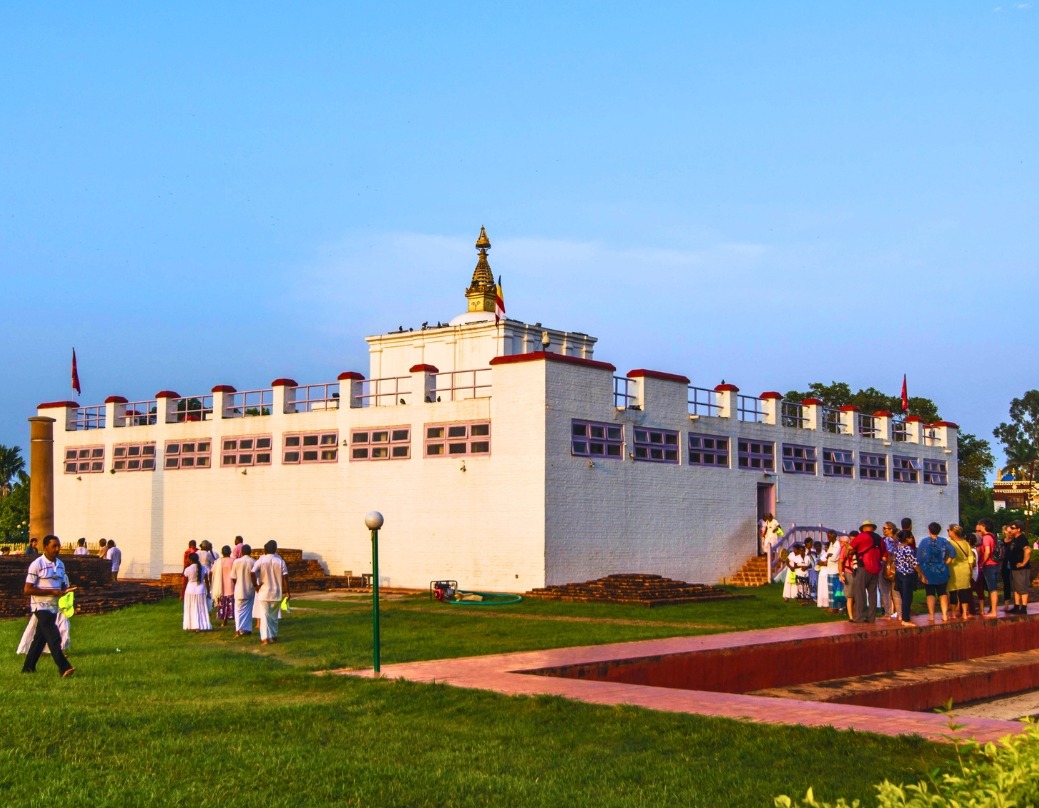
Explore Lumbini, Buddha\\'s birthplace: Maya Devi Temple, Ashoka Pillar, monasteries, costs, best time to visit & how to...
Visit Maya Devi Temple, Buddha\'s birthplace in Lumbini. Explore its history, the Marker Stone, visitor rules, opening h...
Plan your Nagarkot trip: Himalayan sunrise views, View Tower, hikes to Changu Narayan & Dhulikhel, best time, hotels, ho...