Annapurna Circuit Trek: Essential Tips Before You Go
By Nepal Trip Services On 25 Sep 2026

By Nepal Trip Services On 25 Sep 2026
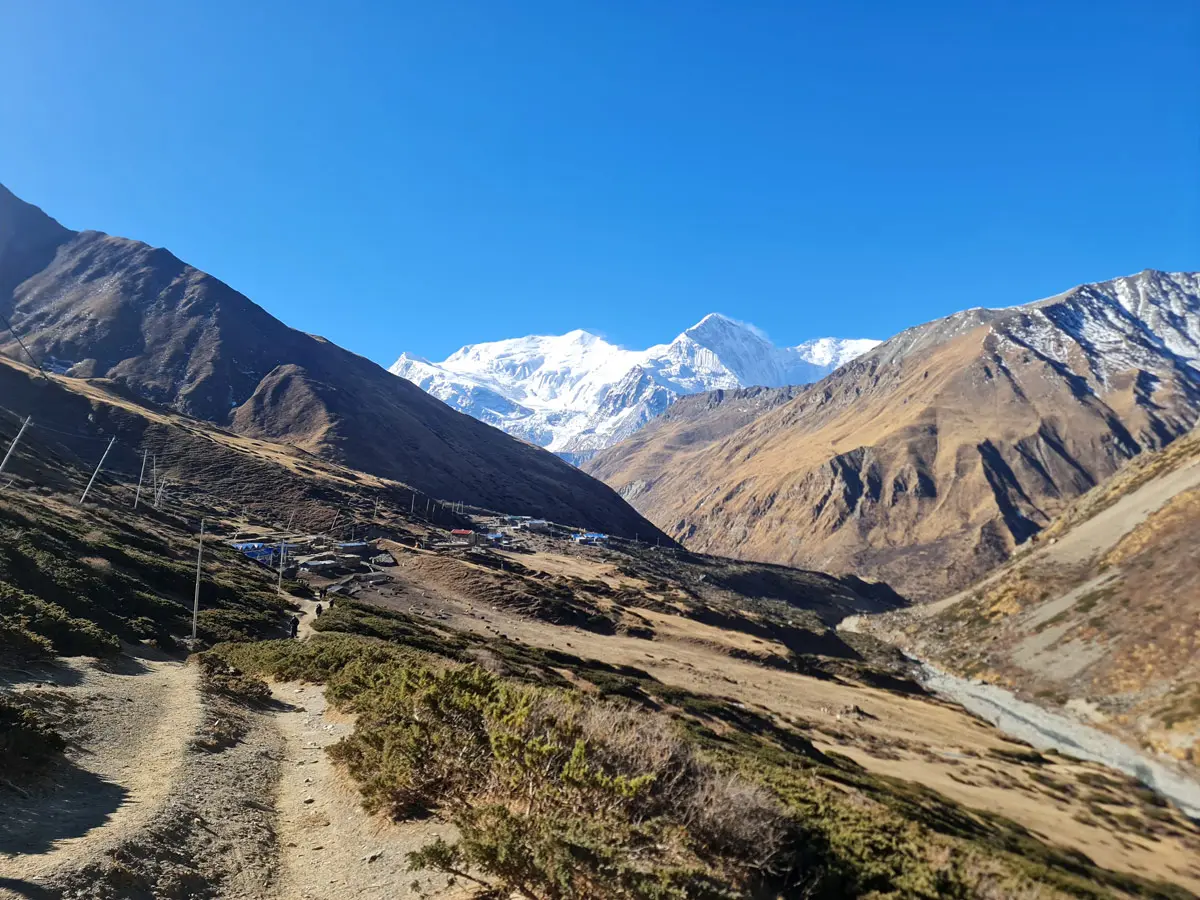
Few treks in the world combine dramatic mountain scenery, rich cultural immersion, and genuine adventure quite like the Annapurna Circuit Trek. Winding through terraced farmland, dense rhododendron forests, arid high-desert valleys, and finally the snow-capped heights of Thorong La Pass, this legendary route offers a kind of variety that few other trails on Earth can match. But whether you're a seasoned hiker or preparing for your first major trekking expedition, showing up unprepared can turn an incredible journey into an unnecessarily difficult one.
From altitude awareness to packing essentials, permits, and pacing strategy, a little preparation goes a long way toward ensuring your trek is safe, enjoyable, and successful. Small oversights, like skipping an acclimatization day or packing the wrong gear, can quickly compound into serious setbacks once you're deep in the mountains, far from easy access to supplies or medical help. This complete guide covers the essential tips every trekker should know before setting out, so you can spend less time worrying about logistics and more time soaking in one of the most spectacular trekking experiences the Himalayas have to offer.
Before diving into packing lists and permits, it's worth understanding the full scope of what the Annapurna Circuit actually involves.
| Feature | Details |
|---|---|
| Typical Duration | 13 days |
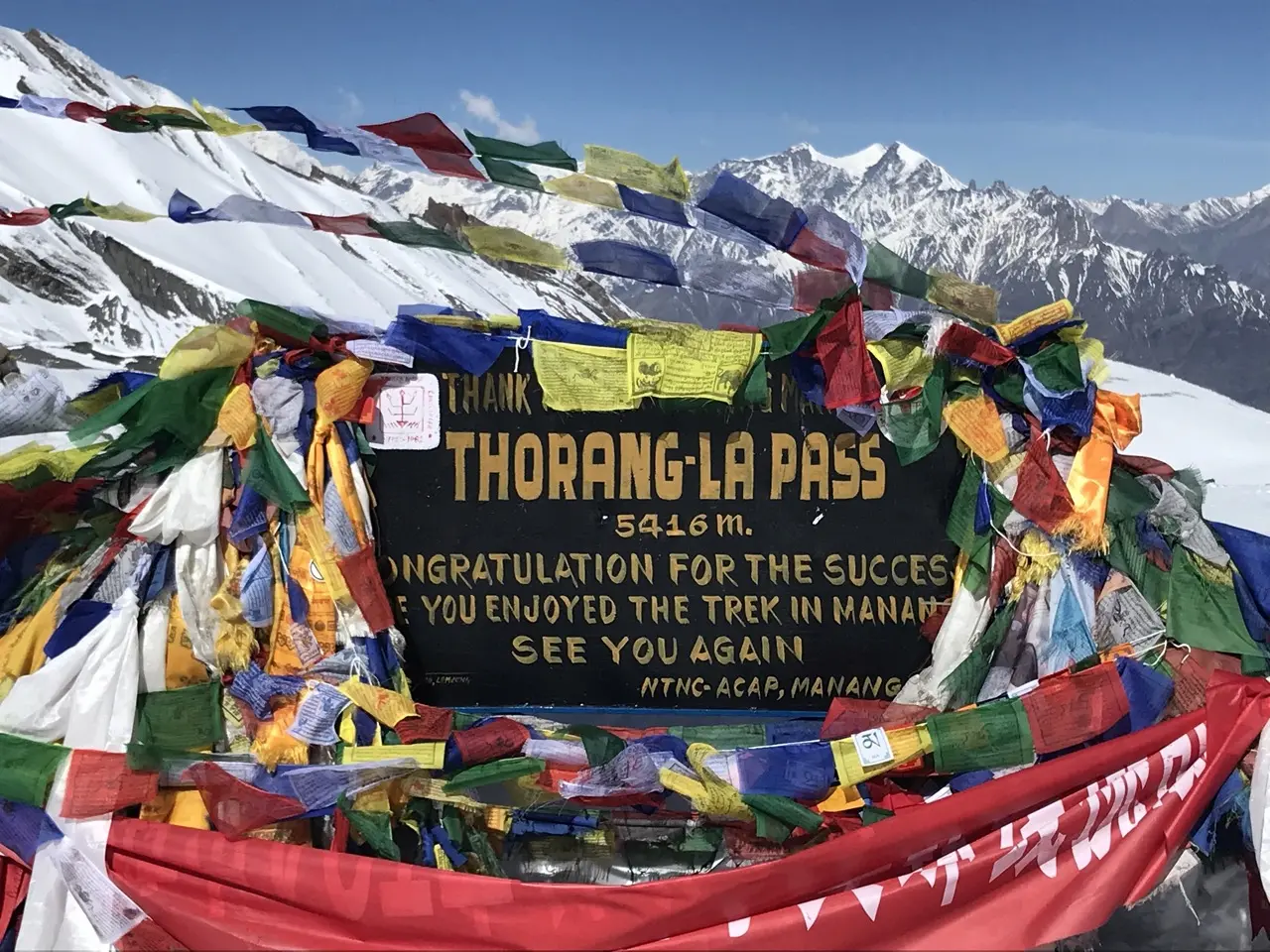
| Highest Point | Thorong La Pass (5,416 meters) |
| Starting Point | Dharapani |
| Difficulty Level | Moderate to challenging |
| Daily Walking Time | 5–7 hours on average |
| Accommodation Type | Teahouses and guesthouses |
| Total Distance | Approximately 160–230 km, depending on route variation |
Two essential permits are required before starting the trek, and both should be arranged well in advance:
Both permits can be obtained in Kathmandu or Pokhara, and it's strongly recommended to secure them before heading to the trailhead, as availability and processing times can vary depending on the season.
Timing significantly impacts trail conditions, visibility, and overall trekking comfort.
| Season | Months | Conditions |
|---|---|---|
| Spring | March – May | Mild temperatures, blooming rhododendrons, good visibility |
| Autumn | September – November | Clearest skies, most popular and stable season |
| Winter | December – February | Cold, possible pass closures due to snow |
| Monsoon | June – August | Wet trails, reduced visibility, generally avoided |
For most trekkers, autumn offers the ideal balance of stable weather and manageable trail conditions, while spring provides a close second option with the added bonus of blooming flora at lower elevations.
Altitude sickness is one of the most serious risks on this trek, particularly as you approach Thorong La Pass. Keep these acclimatization principles in mind:
Overpacking is one of the most common mistakes among first-time trekkers. Focus on versatile, layered clothing and essential gear rather than bringing excess items.
While experienced trekkers sometimes complete the circuit independently, most travelers benefit from additional support.
| Support Type | Key Benefit |
|---|---|
| Guide | Helps navigate logistics, monitor altitude symptoms, and provide cultural context |
| Porter | Carries heavier gear, reducing physical strain during long trekking days |
| Guide + Porter | Offers maximum support, particularly valuable for first-time trekkers |
| Independent Trekking | Possible, but requires strong self-reliance and altitude awareness |
For many trekkers, especially those without extensive high-altitude experience, hiring at least a guide adds meaningful safety and peace of mind throughout the journey.
Physical preparation in the weeks and months leading up to your trek can make a significant difference in your overall experience.
Understanding the full range of costs involved helps avoid unexpected financial stress during your journey. Typical expenses include:
Given the elevations involved, particularly at Thorong La Pass, standard travel insurance policies may not provide adequate coverage. Before departing, confirm that your policy includes:
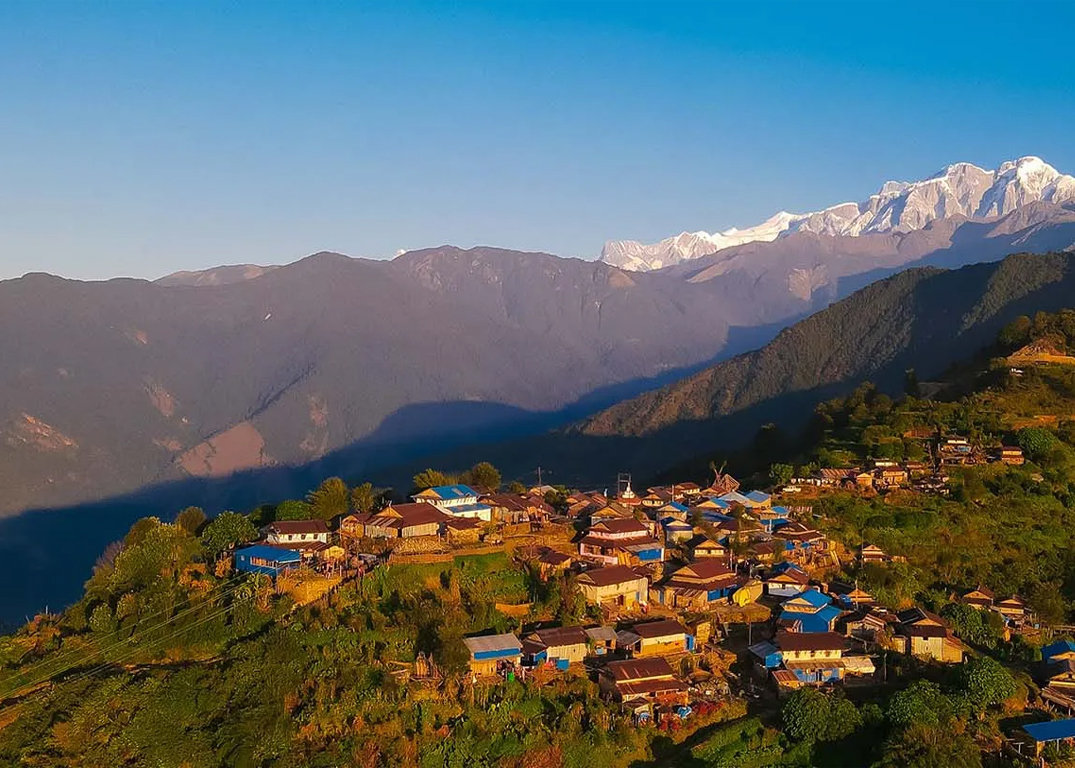
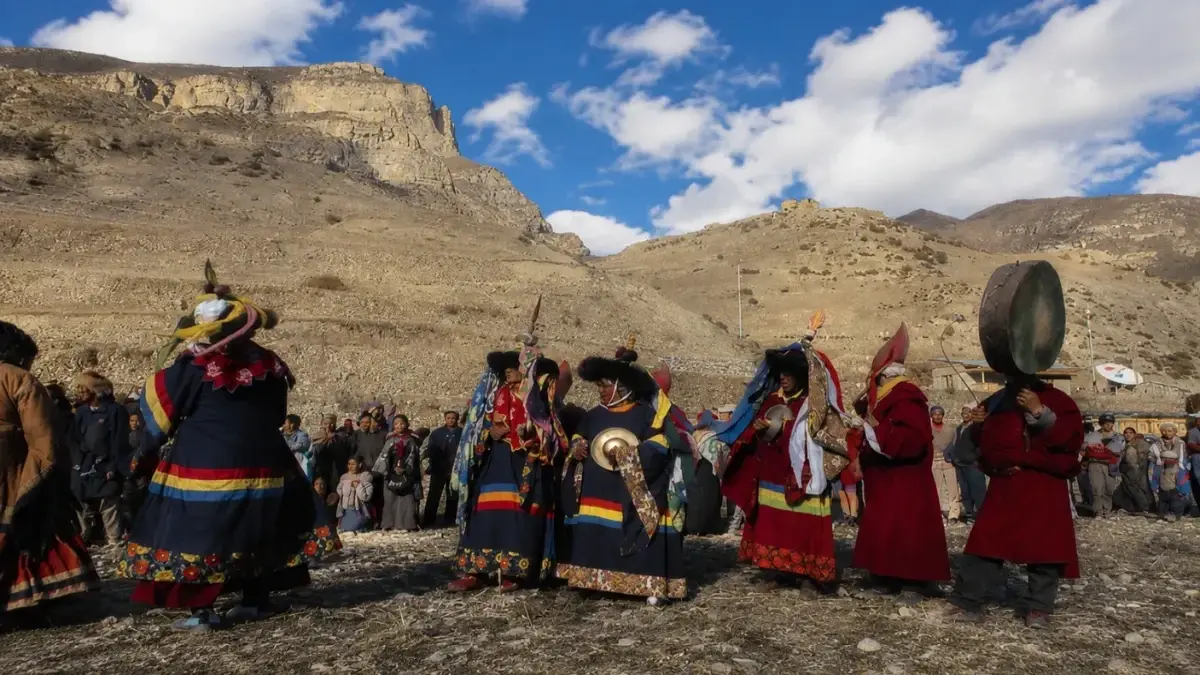
The Annapurna Circuit passes through numerous villages with distinct ethnic and religious traditions, including Gurung, Manangi, and Thakali communities. Showing respect enhances both your experience and your relationship with local hosts:
While Wi-Fi and charging stations are available at many teahouses along the route, service becomes less reliable at higher elevations. Consider the following:
| Mistake | Why It Matters |
|---|---|
| Rushing acclimatization | Increases risk of altitude sickness, potentially forcing early trek termination |
| Ignoring early symptoms of AMS | Can escalate into serious, life-threatening conditions if untreated |
| Wearing new, untested gear | Leads to blisters, discomfort, and potential trek-ending injuries |
| Underestimating weather changes | Sudden temperature drops at higher elevations catch unprepared trekkers off guard |
| Overpacking | Adds unnecessary physical strain during long daily treks |
You need two essential permits: the Annapurna Conservation Area Permit (ACAP) and the Trekkers' Information Management System (TIMS) Card. Both can be obtained in Kathmandu or Pokhara, and it's strongly recommended to secure them before heading to the trailhead to avoid delays.
Autumn, from September to November, offers the clearest skies and most stable weather, making it the most popular season for trekkers. Spring, from March to May, is a strong alternative with mild temperatures and blooming rhododendrons at lower elevations.
The trek typically takes 12 to 15 days to complete, though this can be shortened or extended depending on fitness level, time availability, and how many acclimatization days you build into your itinerary. Some trekkers also choose shorter route variations if time is limited.
Altitude sickness is the most serious risk, particularly as trekkers approach Thorong La Pass at 5,416 meters. Proper acclimatization, gradual ascent, and awareness of early warning signs like headaches, nausea, and dizziness are essential to trekking safely.
Building cardiovascular endurance through regular hiking, running, or stair climbing, along with leg strength training like squats and lunges, helps prepare your body for consecutive trekking days. Practicing with a loaded backpack and breaking in your hiking boots beforehand are also strongly recommended.
Essential packing items include:
While experienced trekkers sometimes go independently, most travelers benefit from hiring at least a guide, who can help monitor altitude symptoms, navigate logistics, and provide cultural context. A porter can further reduce physical strain by carrying heavier gear throughout the trek.
Costs vary depending on permits, accommodation, meals, guide and porter fees, and any equipment you need to rent or purchase, with prices generally rising the higher you trek due to transportation difficulties. It's also wise to budget an emergency fund in case of unexpected situations, including potential helicopter evacuation.
Yes, given the elevations involved, standard travel insurance may not provide adequate coverage, so it's important to confirm your policy includes high-altitude trekking coverage, typically up to at least 6,000 meters, along with emergency helicopter evacuation and medical treatment for altitude-related illness.
This acclimatization strategy involves hiking to higher elevations during the day and then returning to sleep at a lower altitude, helping your body gradually adjust to reduced oxygen levels. Following this principle, along with scheduled rest days, significantly reduces the risk of altitude sickness.
Wi-Fi and charging stations are available at many teahouses, though service becomes less reliable at higher elevations. Purchasing a local SIM card in Kathmandu, bringing a portable power bank, and downloading offline maps in advance are all practical ways to stay prepared for limited connectivity.
The route passes through villages with distinct ethnic and religious traditions, including Gurung, Manangi, and Thakali communities, so dressing modestly, asking permission before photographing locals, and removing shoes when entering temples or monasteries are all important practices. Supporting local businesses by staying in locally-run teahouses also helps show respect for these communities.
Common mistakes include rushing acclimatization, ignoring early symptoms of Acute Mountain Sickness, wearing new or untested gear, underestimating sudden weather changes, and overpacking unnecessary items. Avoiding these pitfalls significantly improves both safety and overall trekking comfort.
Yes, it is possible to trek independently, though this requires strong self-reliance, altitude awareness, and confidence navigating the route without professional support. Many trekkers, especially first-timers, still choose to hire a guide for added safety and peace of mind.
Prioritizing proper acclimatization above all else is the most critical factor for a safe and successful journey, since rushing the ascent is the leading cause of altitude-related complications on this trek. Combining this with realistic physical preparation and thoughtful packing sets trekkers up for the best possible experience on the Annapurna Circuit Trek.
Proper preparation transforms the Annapurna Circuit Trek from a daunting challenge into an achievable and deeply rewarding adventure. From securing the right permits and packing thoughtfully to prioritizing acclimatization and respecting local culture, small decisions made before you even set foot on the trail can significantly shape your overall experience. Trekkers who take the time to train their bodies, understand the risks of altitude, and plan realistically for weather and budget tend to look back on this journey as one of the most meaningful experiences of their lives, rather than one defined by unnecessary struggle or setbacks.
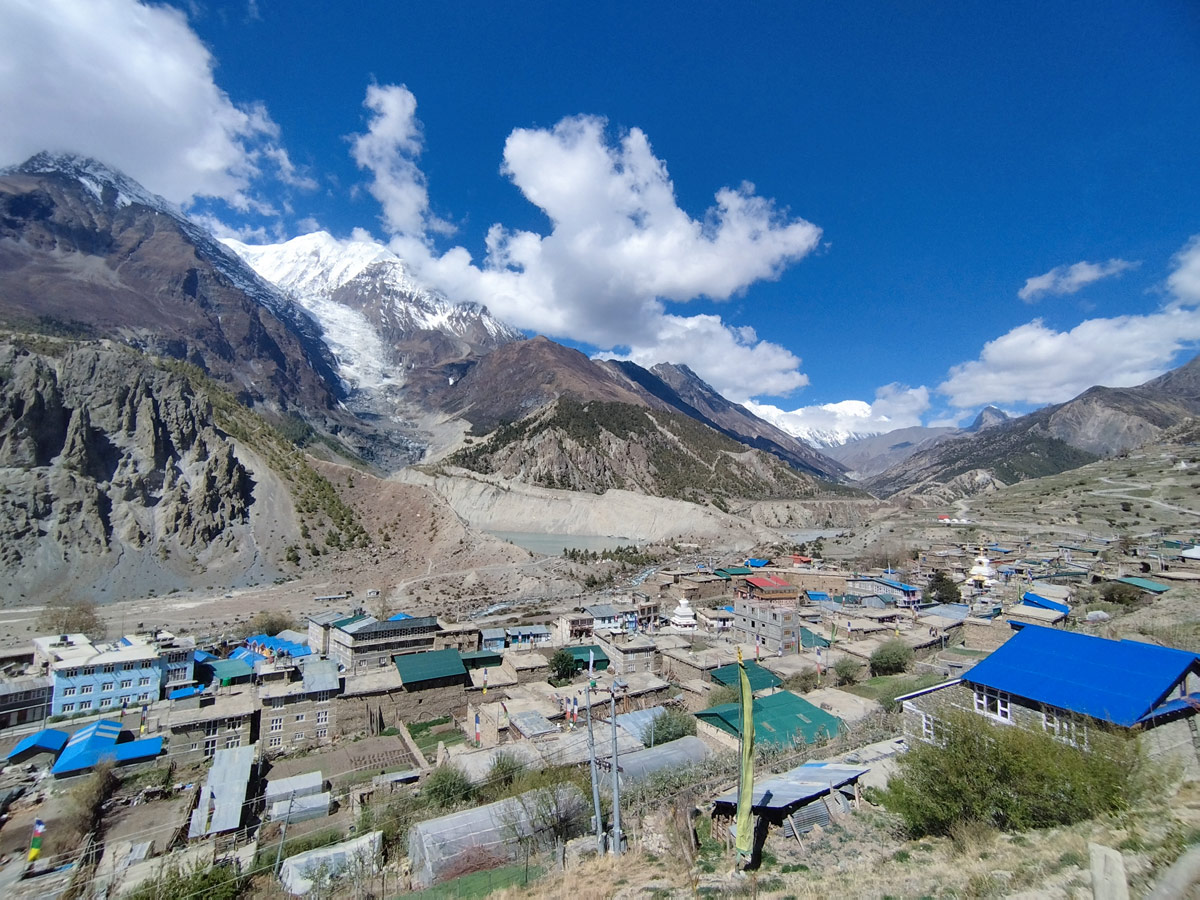
Whether you're tackling this journey for the first time or returning for another Himalayan adventure, taking these essential tips seriously will help ensure your Annapurna Circuit Trek is both safe and unforgettable. No amount of preparation can eliminate every challenge the mountains present, but showing up informed, physically ready, and mentally open to the experience puts you in the best possible position to fully embrace everything this extraordinary trail has to offer, from the quiet mornings in Manang to the exhilarating triumph of standing atop Thorong La Pass.
Discover more articles that match your interests! Explore these similar blogs packed with insights, tips, and stories to keep you inspired.
Everything on Thorong La Pass — altitude, difficulty, weather, route & crossing times. Complete guide for the Annapurn...
Complete guide on how to prepare for the Annapurna Circuit Trek — training, gear, permits, insurance & mental readines...
Discover Besisahar, Nepal — the official gateway to the Annapurna Circuit Trek. Complete guide to altitude, history & ...
Discover the Marsyangdi River — the Annapurna Circuit\'s raging river. Complete guide to its geography, origins & trek...
Discover Manang, Nepal — Annapurna Circuit\\'s key acclimatization village with monasteries, glacial lakes & Thorong L...
Explore Manangi culture in Nepal — Tibetan Buddhist heritage, trans-Himalayan trading history & unique lifestyle of th...