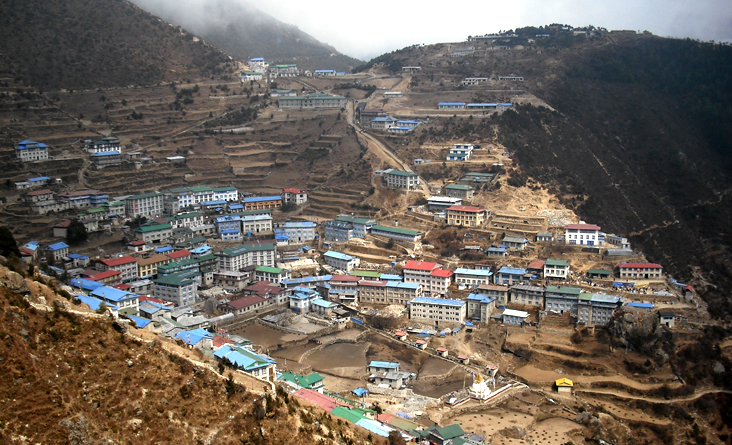
Classic Everest Base Camp Trek Best Season: Complete Guide
By Nepal Trip Services On 17 Sep 2026

By Nepal Trip Services On 17 Sep 2026
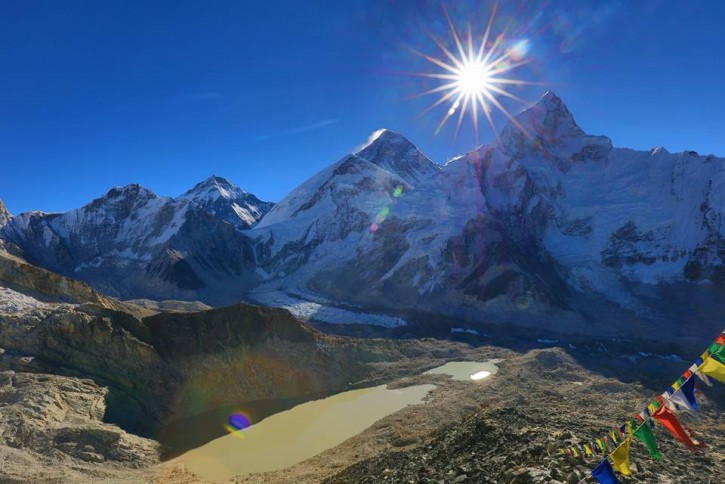
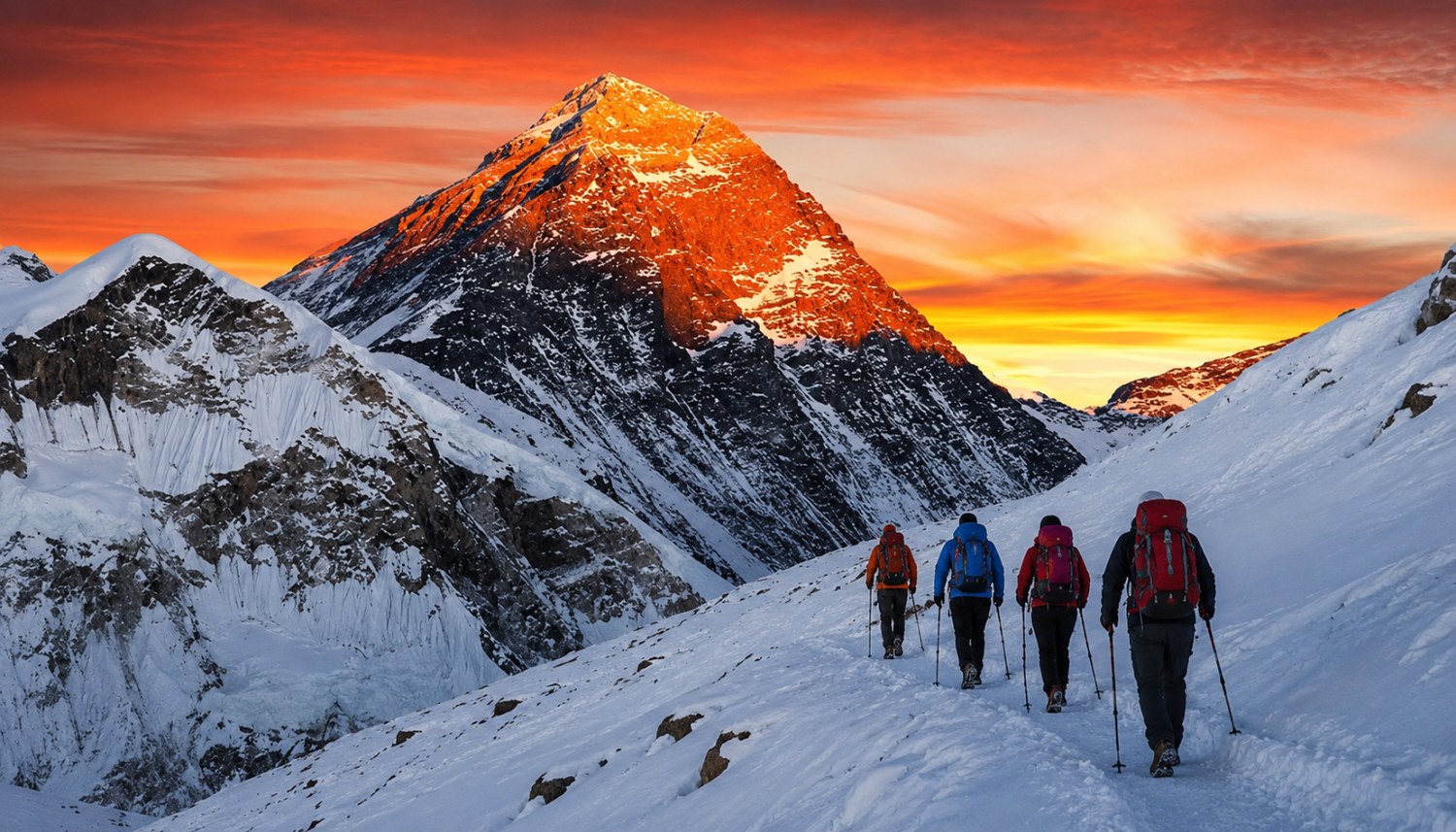
Choosing when to trek to Everest Base Camp is just as important as choosing your itinerary. The right season can mean the difference between crystal-clear views of Everest at sunrise and days spent staring into thick cloud cover. This complete guide breaks down every season on the Classic Everest Base Camp Trek, helping you plan the perfect time for your Himalayan adventure.
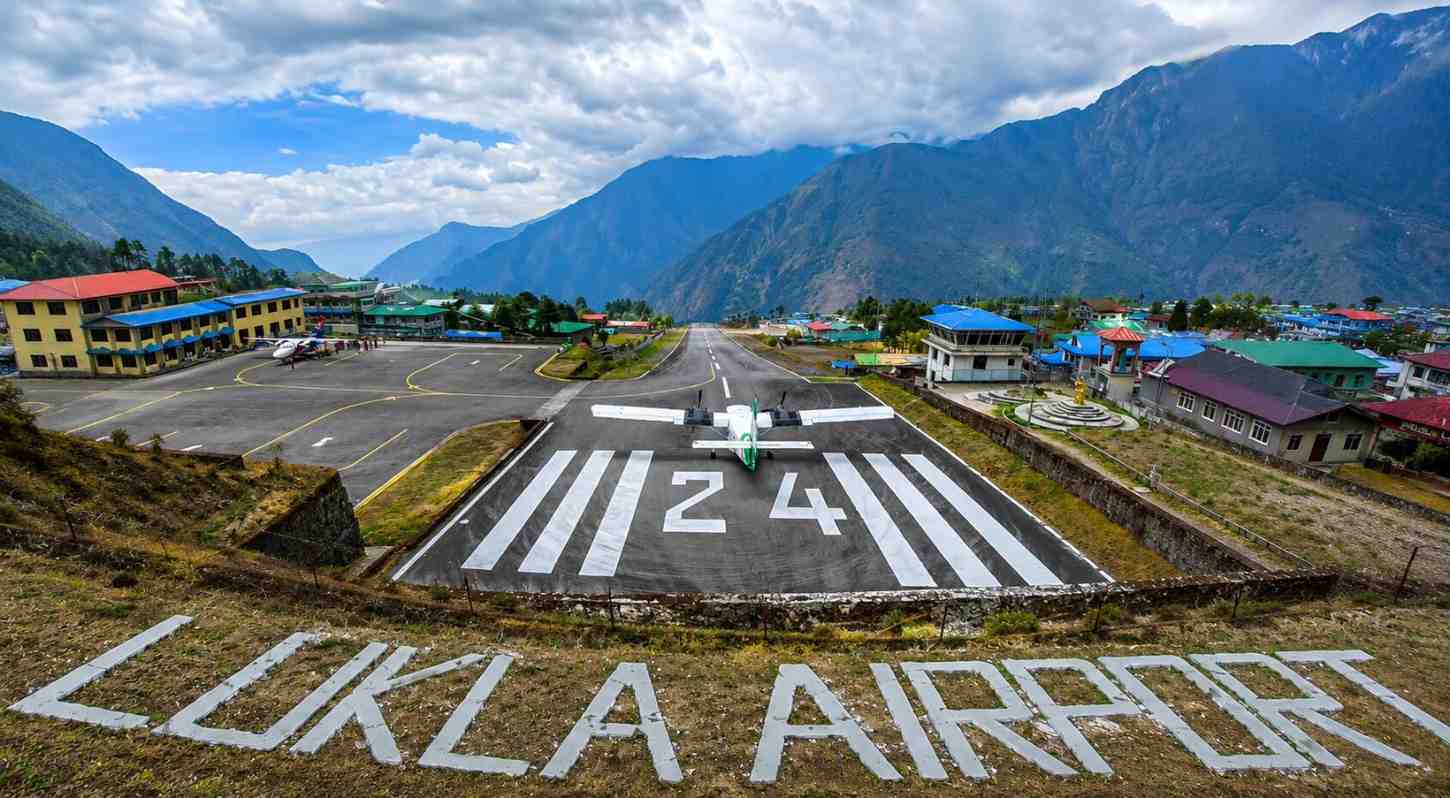
The Khumbu region sits in a part of the world where weather patterns shift dramatically across the year, and these shifts affect far more than just how the mountains look in your photos. Trail conditions, daytime and nighttime temperatures, the reliability of the notoriously weather-dependent Lukla flights, and even teahouse availability all change significantly depending on when you set out. A trek planned during the wrong season can mean muddy, slippery trails, socked-in valleys with zero visibility, or unexpected flight delays that eat into your itinerary before you've even reached the mountains.
Beyond the practical logistics, timing also shapes the entire character of your trip. Trekking during peak autumn or spring means sharing the trail with fellow adventurers from around the world, lively teahouses buzzing with conversation, and a genuine sense of celebration once you reach Base Camp. Choosing a quieter season like winter, on the other hand, trades some of that energy for solitude, colder temperatures, and a more personal, reflective journey through the same legendary landscape. Neither approach is inherently better — it simply depends on what kind of experience you're hoping to have, which is exactly what this guide will help you figure out.
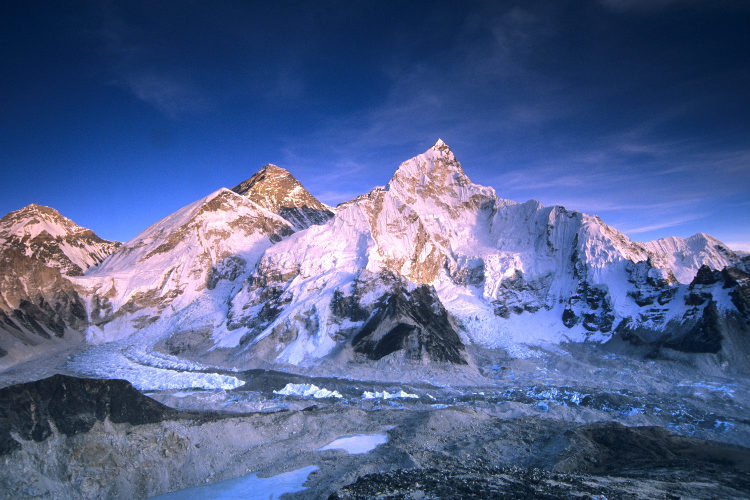
The Khumbu region experiences dramatic seasonal shifts, and these changes directly affect trail conditions, visibility, temperatures, and even flight reliability into Lukla. Since much of the trek's appeal comes from unobstructed mountain views — especially that legendary sunrise from Kala Patthar — picking the right season isn't just a preference, it's central to getting the most out of your journey.
Autumn is widely considered the single best season for the Classic Everest Base Camp Trek, and for good reason.
Why trekkers love autumn:
What to expect:
Spring rivals autumn in popularity, offering its own unique advantages alongside a few trade-offs.
Why trekkers love spring:
What to expect:
Winter transforms the Khumbu into a quieter, starkly beautiful landscape, appealing to a specific type of trekker.
Why some trekkers choose winter:
What to expect:
Monsoon season is generally not recommended for the Everest Base Camp Trek.
| Season | Months | Weather | Visibility | Crowd Level | Best For |
|---|---|---|---|---|---|
| Autumn | Sep – Nov | Stable, dry, clear | Excellent | High (peak season) | First-timers, best overall views |
| Spring | Mar – May | Mild, occasional clouds | Good to excellent | High (peak season) | Rhododendron blooms, expedition season |
| Winter | Dec – Feb | Cold, clear mornings | Excellent (mornings) | Low | Solitude seekers, budget trekkers |
| Monsoon | Jun – Aug | Rainy, humid | Poor | Very low | Not recommended |
| Rank | Season | Rating | Key Highlight |
|---|---|---|---|
| 1 | Autumn (Sep–Nov) | ★★★★★ | Most reliable weather and mountain visibility |
| 2 | Spring (Mar–May) | ★★★★☆ | Rhododendrons and expedition season excitement |
| 3 | Winter (Dec–Feb) | ★★★☆☆ | Quiet trails, though genuinely cold |
| 4 | Monsoon (Jun–Aug) | ★☆☆☆☆ | Avoid — poor visibility, slippery trails |
For most trekkers planning the Classic Everest Base Camp Trek, autumn (particularly October) offers the best overall combination of stable weather, reliable flights, and spectacular mountain visibility. If you're hoping for blooming rhododendrons and don't mind slightly busier trails, spring (April) is an equally rewarding choice. Trekkers seeking solitude over comfort might consider winter, provided they're prepared for genuinely cold conditions.
There's no single "wrong" time to trek to Everest Base Camp — each season offers a distinctly different experience, and the trek's magic reveals itself differently depending on when you choose to go. Autumn rewards trekkers with postcard-perfect skies and buzzing trail energy, spring trades a little visibility for blooming rhododendrons and expedition season excitement, winter offers a rare, almost meditative solitude among the peaks, and even monsoon, for the rare few who attempt it, reveals a greener, mistier side of the Khumbu that most trekkers never see. What matters most is aligning your season choice with your personal priorities: clear mountain views, manageable crowds, budget considerations, or a quieter, more solitary journey through one of the most iconic trekking routes on Earth.
It's also worth remembering that no amount of perfect timing can substitute for genuine preparation. Even during the most favorable months, altitude sickness, sudden weather shifts, and physically demanding trekking days remain very real parts of the experience. Whichever season you choose, proper preparation and a well-paced itinerary remain the true keys to a safe, successful trek — building in acclimatization days, training beforehand, packing the right gear, and listening closely to your guide's advice all matter just as much as picking the right month on the calendar. Season selection sets the stage, but your own readiness is what ultimately determines how much you're able to enjoy it.
Finally, don't let the search for the "perfect" season become a reason to delay a trip you've been dreaming about. Every season has trekkers who've had the experience of a lifetime, and many find that the specific character of their chosen season — whether it's autumn's crowds, spring's blooms, or winter's silence — becomes one of the most memorable parts of their story. The mountains, the Sherpa hospitality, and the emotional milestone of reaching Base Camp remain just as powerful no matter which month you choose.
Ready to plan your journey? Explore the complete Classic Everest Base Camp Trek itinerary and book with confidence.
Autumn (September to November) is widely considered the best season overall, offering the most stable weather, clearest mountain views, and most reliable Lukla flights of the year. Spring (March to May) is a close second, especially popular for its rhododendron blooms and expedition season energy.
Both seasons offer excellent conditions, but autumn generally provides slightly clearer, more consistent visibility since it follows directly after the monsoon washes the dust from the air. Spring offers blooming rhododendron forests and coincides with Everest climbing season, adding extra excitement around Base Camp itself.
October is often cited as the single best month, combining stable weather, excellent visibility, and comfortable daytime temperatures. April is a strong second choice, offering similar conditions along with peak rhododendron blooms.
Yes, winter (December to February) is possible and offers dramatically quieter trails, though temperatures can drop to -15°C to -20°C at higher elevations. It's best suited for well-prepared trekkers who prioritize solitude over comfort.
While technically possible, monsoon season (June to August) is generally not recommended due to persistent cloud cover, slippery trails, and a higher risk of Lukla flight delays or cancellations.
January is typically the coldest month, with nighttime temperatures at higher elevations dropping well below -20°C. Only experienced, well-equipped trekkers should consider a winter attempt during this period.
Winter offers by far the quietest trails, with significantly fewer trekkers compared to the busy autumn and spring seasons. This makes it appealing for those seeking a more peaceful, solitary experience.
Yes, significantly. Autumn and spring offer the most stable flying conditions, while monsoon season sees frequent delays and cancellations due to poor visibility, and winter can occasionally bring flight disruptions from cold-weather storms.
Autumn is generally considered best for photography due to consistently clear skies and sharp mountain visibility, though spring offers unique opportunities with blooming rhododendrons adding color to your shots.
Yes, spring coincides with the main Everest climbing season, meaning trekkers reaching Base Camp during April and May often see expedition tents and climbing teams preparing for summit attempts, adding a unique layer of excitement.
During autumn, daytime temperatures typically range from 10–15°C at lower elevations, dropping to -5°C to -10°C at higher camps like Dingboche and Lobuche, with nights considerably colder.
Winter typically offers the lowest package prices due to reduced demand, followed by monsoon season, though the latter isn't recommended due to poor trekking conditions despite the lower cost.
Beginners are generally advised to trek during autumn or spring, since these seasons offer more predictable weather and easier trail conditions, making the overall experience more manageable for those attempting high-altitude trekking for the first time.
Season doesn't directly affect altitude sickness risk, since this is primarily determined by pacing and acclimatization rather than weather. However, extreme cold in winter can make symptoms feel more pronounced and recovery more challenging.
For autumn and spring treks, booking 2 to 3 months in advance is strongly recommended, since flights to Lukla and quality teahouses fill up quickly during these peak months. Winter and monsoon treks typically require less advance booking due to lower demand.
Discover more articles that match your interests! Explore these similar blogs packed with insights, tips, and stories to keep you inspired.
Everything on Classic Everest Base Camp Trek permits for 2026–2027 — costs, requirements, where to get them & recent...
Explore the Classic Everest Base Camp Trek itinerary with detailed day-by-day routes, altitudes, trekking hours & acclim...
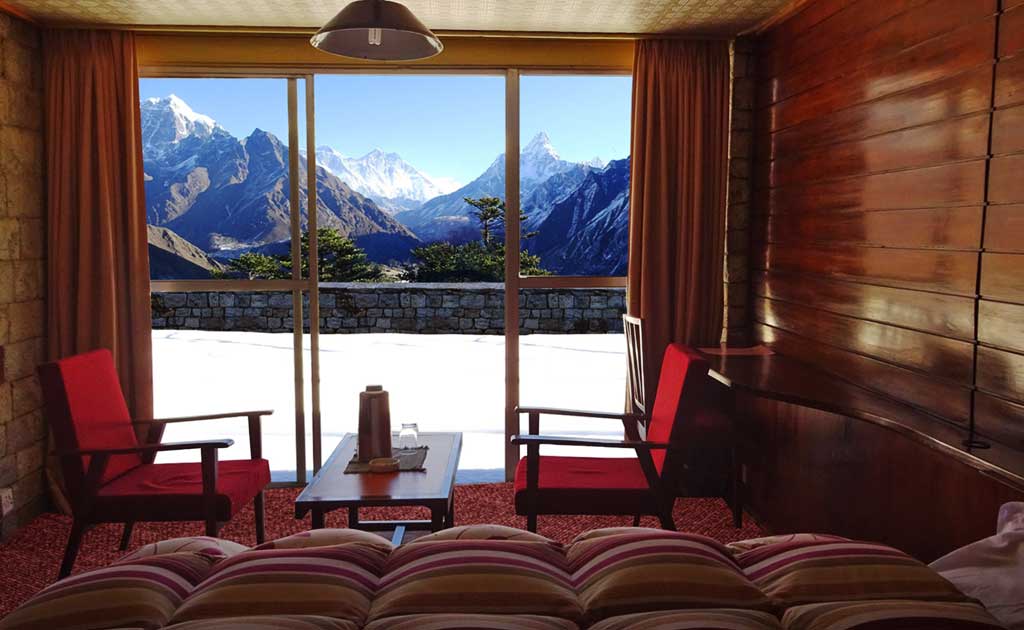
Discover what you\\\'ll eat and where you\\'ll sleep on the Classic Everest Base Camp Trek. Complete guide to teahouses,...
Discover the full cost breakdown of the Classic Everest Base Camp Trek — permits, flights, guides, porters, meals & ac...
Is the Classic Everest Base Camp Trek hard? Complete guide to difficulty level, altitude challenges, fitness needs & tra...
Guide & porter costs, roles, and tips for the Everest Base Camp Trek. Learn 2026 pricing, tipping norms, and how to hire...