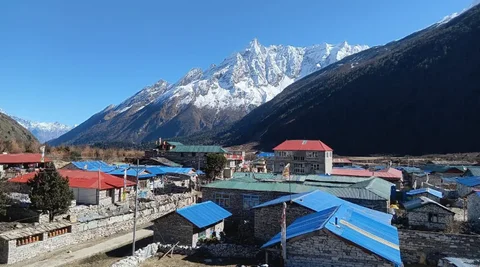
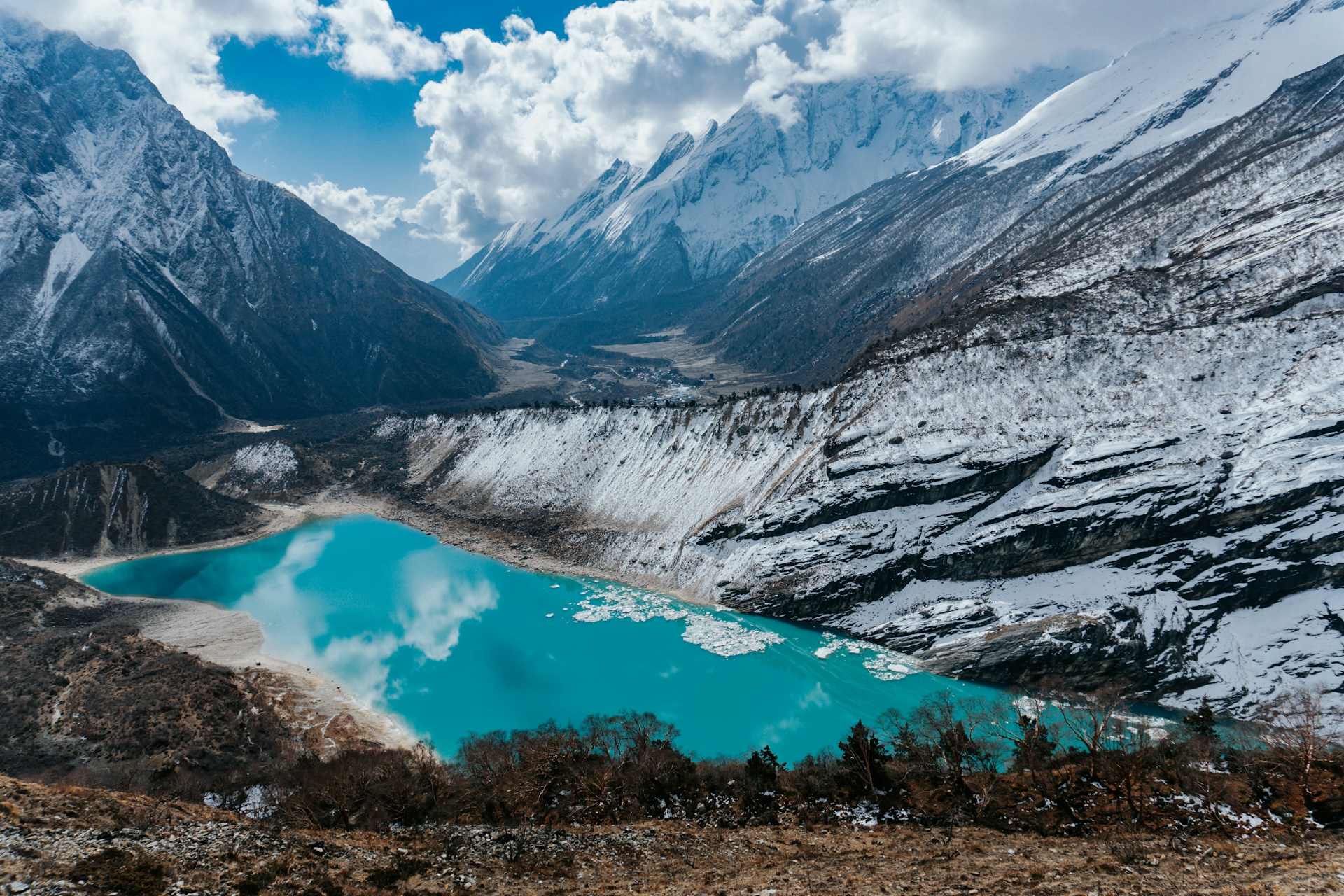
Samdo, Nepal: Complete Travel & Trekking Guide
By Nepal Trip Services On 21 Sep 2026

By Nepal Trip Services On 21 Sep 2026
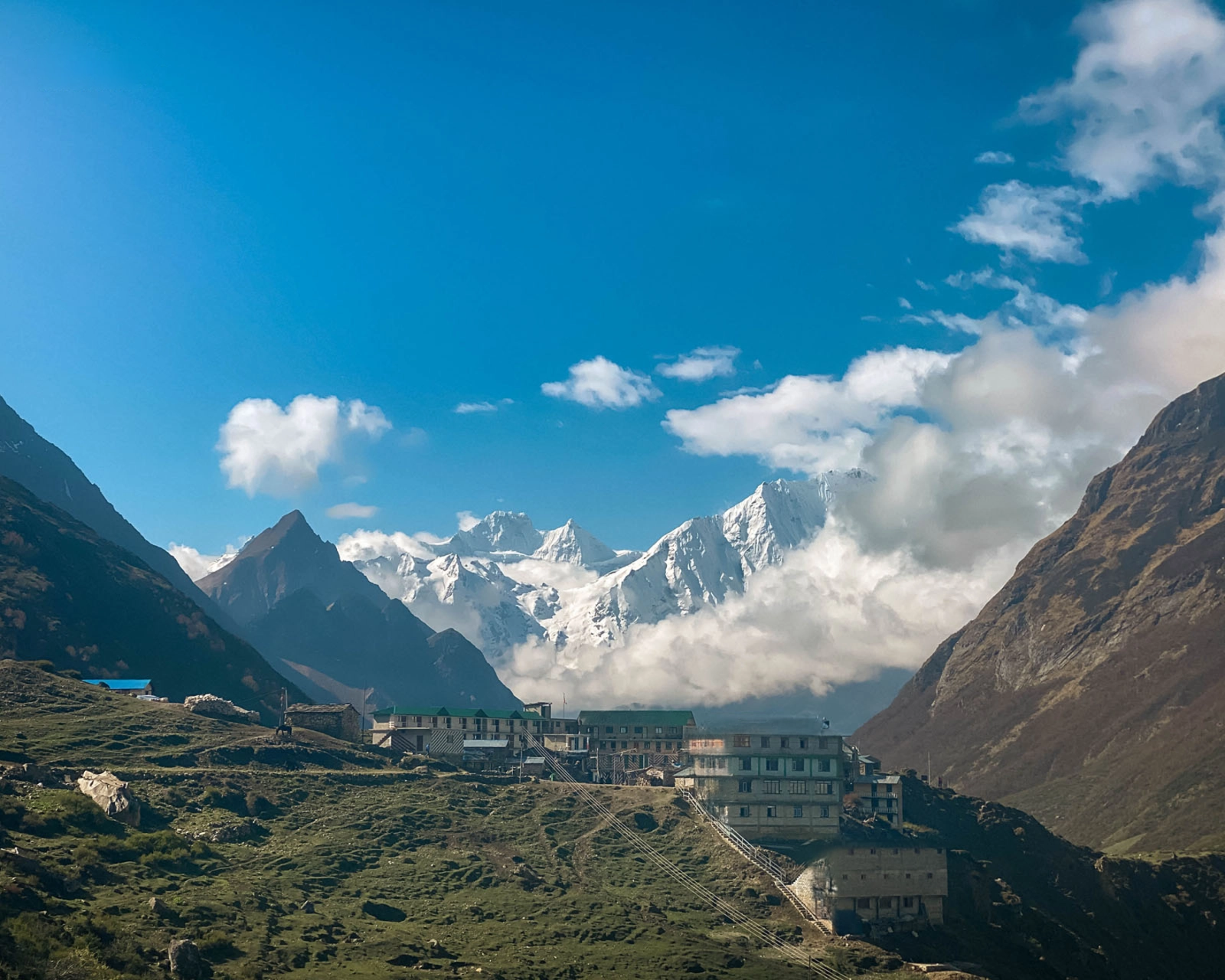
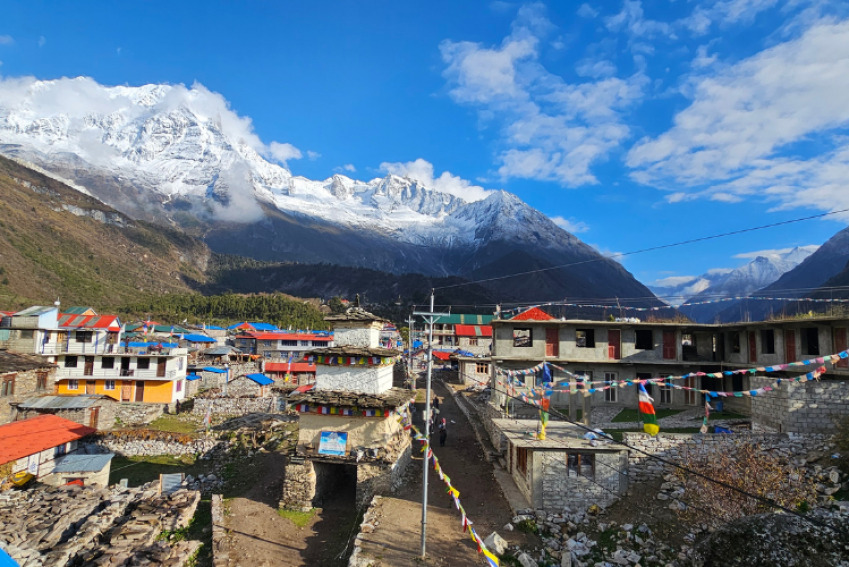
Perched near the Tibetan border along the remote Manaslu Circuit Trek, Samdo is one of the last inhabited villages before the demanding push toward Larkya La Pass — a raw, high-altitude settlement that offers trekkers a genuine glimpse into life at the edge of the Nepali Himalaya. This complete guide covers everything you need to know about Samdo, from its location and culture to practical trekking information.
Samdo sits at 3,860 meters (12,660 feet) in the Gorkha District of Nepal, within the Manaslu Conservation Area, roughly two days' trek beyond Samagaon along the classic Manaslu Circuit route. It's typically reached on Day 10 of a standard itinerary, positioning it as the last major village before Dharamsala and the final push toward Larkya La Pass.
| Detail | Information |
|---|---|
| Altitude | 3,860m/12,660ft |
| District | Gorkha, Nepal |
| Region | Manaslu Conservation Area |
| Proximity to Tibet | Very close to the Tibetan border |
| Typical Visit | Day 10 of Manaslu Circuit Trek |
| Next Stop | Dharamsala (4,500m) |
Samdo represents a genuine turning point on the Manaslu Circuit — the final settlement offering proper village infrastructure before the trail pushes into the truly remote, high-altitude terrain surrounding Dharamsala and Larkya La Pass. For many trekkers, arriving here marks the psychological shift into the trek's most demanding final stretch.
Sitting remarkably close to the Tibetan border, Samdo carries an atmosphere distinctly shaped by centuries of trans-Himalayan trade and Tibetan Buddhist tradition. The village's architecture, customs, and even dialect reflect this borderland identity more strongly than villages further down the valley.
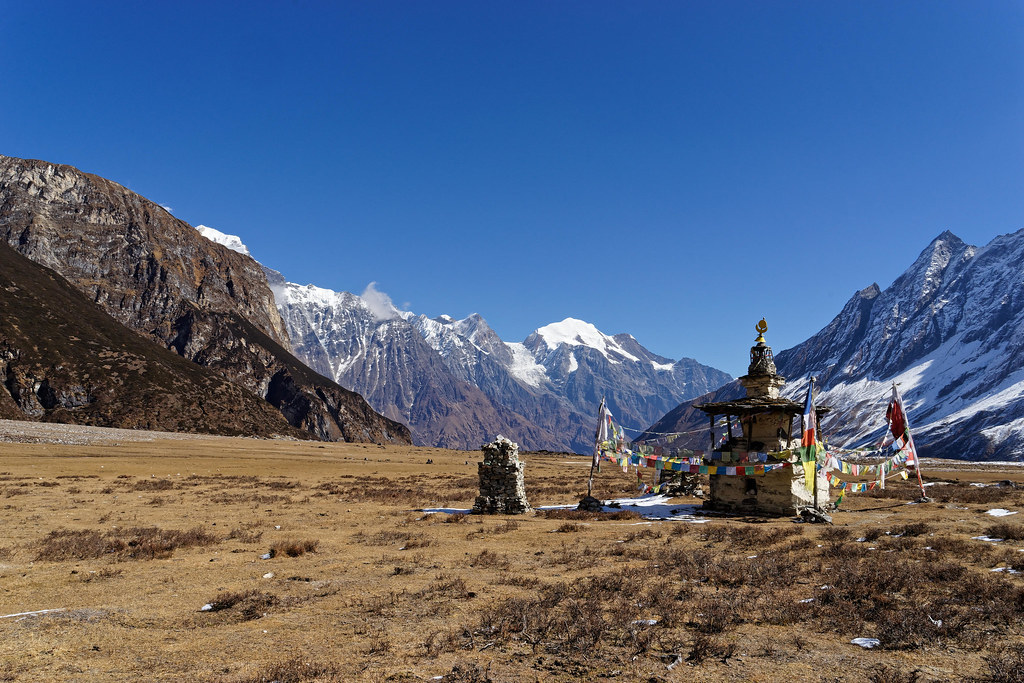
Positioned in increasingly open, high-alpine terrain, Samdo offers sweeping views of the surrounding peaks and valleys, with the landscape here noticeably starker and more dramatic than the forested lower sections of the trek.
Explore the Village Itself — Samdo's stone houses and narrow paths offer a genuine, unfiltered glimpse into remote Himalayan border life, largely untouched by tourism infrastructure.
Hike Toward the Tibetan Border Viewpoint — A short hike above the village offers views toward the Tibetan plateau, a striking reminder of just how close this remote settlement sits to the border.
Visit the Local Monastery — Samdo's small village monastery reflects the strong Tibetan Buddhist influence found throughout this high-altitude region.
Acclimatize with a Short Exploratory Walk — Many trekkers use extra time in Samdo for gentle, additional altitude exposure, supplementing the trek's single dedicated rest day back in Samagaon.
Observe Local Trading Life — Historically a trading post along old salt routes to Tibet, Samdo still carries traces of this heritage in its layout and the occasional yak caravan passing through.
| Season | Conditions | Recommendation |
|---|---|---|
| Autumn (Sep–Nov) | Stable, clear, cold | Best season overall |
| Spring (Mar–May) | Generally stable | Strong second choice |
| Winter (Dec–Feb) | Extremely cold, limited teahouse operation | Not recommended |
| Monsoon (Jun–Aug) | Poor visibility, difficult approach trail | Not recommended |
Accommodation in Samdo is basic even by Manaslu Circuit standards, consisting of simple teahouses with twin-sharing rooms, shared bathrooms, and minimal heating beyond the communal dining area. Given the village's remoteness and limited infrastructure, trekkers should expect noticeably fewer comforts here than in Samagaon, reflecting just how far into the high mountains this stop genuinely sits.
Samdo can only be reached on foot as part of the Manaslu Circuit Trek, requiring:
Samdo sits at 3,860 meters (12,660 feet) in the Gorkha District, within the Manaslu Conservation Area, close to the Tibetan border along the Manaslu Circuit Trek route.
Samdo can only be reached on foot as part of the Manaslu Circuit Trek, requiring a drive from Kathmandu to Machha Khola followed by roughly 7 days of trekking through Jagat, Deng, Namrung, Lho Village, and Samagaun.
No, there is no road access to Samdo. Reaching the village requires trekking through the remote Manaslu region, making it genuinely off-the-beaten-path.
Samdo is the last inhabited village offering proper infrastructure before the trek's demanding final stretch toward Dharamsala and Larkya La Pass, marking a genuine turning point in the journey.
Samdo sits remarkably close to the Tibetan border, with its culture, architecture, and dialect reflecting this borderland identity more strongly than villages further down the valley.
Accommodation is basic, consisting of simple teahouses with twin-sharing rooms, shared bathrooms, and minimal heating beyond the communal dining area, noticeably more limited than Samagaon.
Teahouses serve dal bhat, basic noodle soups, and simple egg dishes, with menu variety more limited than lower villages given the difficulty of transporting supplies this far.
Autumn (September–November) offers the most stable weather and best overall conditions, with spring (March–May) serving as a strong second choice.
No, Samdo cannot be visited as a day trip due to its remote location. Reaching the village requires several days of trekking as part of a longer Manaslu Circuit itinerary.
Yes, since Samdo lies within a restricted trekking area, visitors need a Restricted Area Permit (RAP), Manaslu Conservation Area Permit (MCAP), and a licensed guide, all arranged through a registered agency.
Popular activities include exploring the village itself, hiking toward a viewpoint overlooking the Tibetan border, visiting the local monastery, and taking a short acclimatization walk before continuing higher.
Electricity is limited and unreliable in Samdo, so trekkers should charge devices fully at Samagaon, since options become even more scarce beyond this point toward Dharamsala.
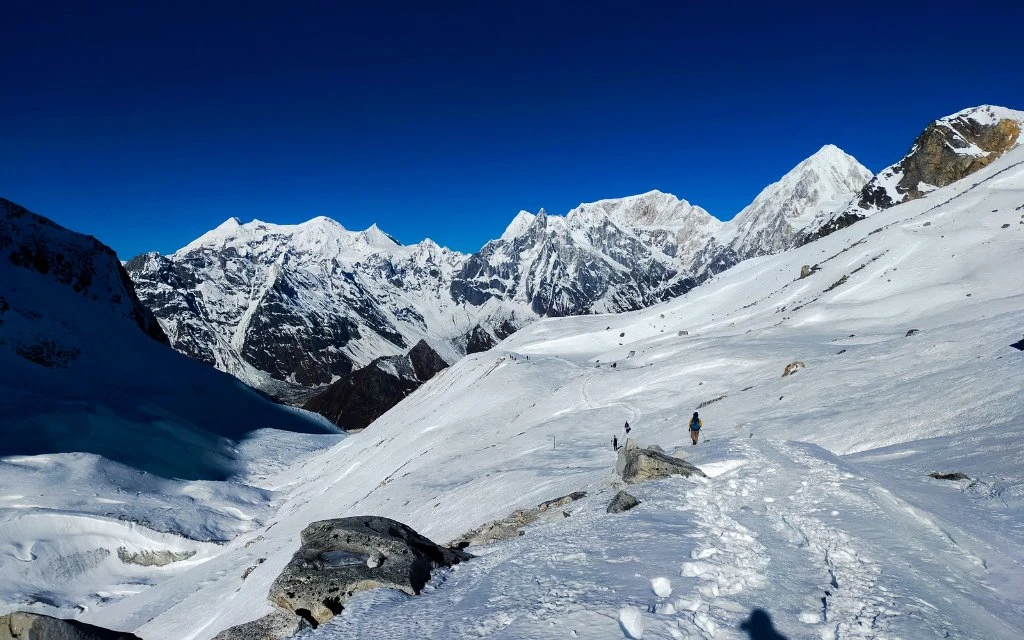
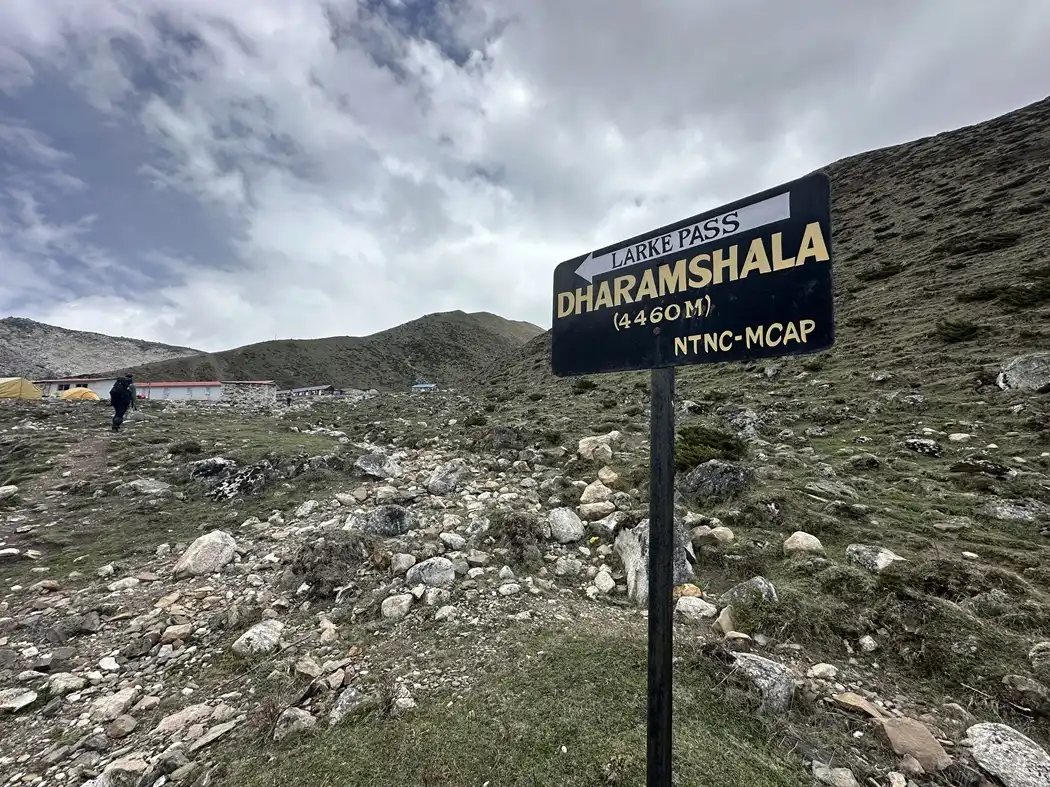
After Samdo, trekkers continue to Dharamsala (4,500m), the final stop before the demanding Larkya La Pass crossing at 5,160m.
Yes, Samdo has historical roots as a trading post along old salt routes to Tibet, and traces of this heritage remain visible in the village's layout and occasional yak caravan traffic.
Yes, it's genuinely recommended to carry extra snacks and ensure devices are fully charged in Samdo, since food variety and electricity access become significantly more limited at Dharamsala and beyond.
Samdo isn't simply a waypoint on the Manaslu Circuit Trek — it's the last genuine village before the trail pushes into the truly wild, high-altitude terrain leading to Larkya La Pass. For trekkers willing to venture this deep into Nepal's remote northern border region, Samdo offers a raw, authentic glimpse into life at the edge of the Himalaya, along with a crucial final chance to rest and prepare before the demanding final stretch of one of Nepal's most rewarding off-the-beaten-path adventures.
Ready to experience Samdo for yourself? Explore the complete Manaslu Circuit Trek itinerary with Nepal Trip Services and discover this remote Himalayan village on your journey toward Larkya La Pass.
Discover more articles that match your interests! Explore these similar blogs packed with insights, tips, and stories to keep you inspired.
Discover Samagaon, Nepal — the Manaslu region\'s Tibetan-influenced gem. Complete guide to culture, altitude, things t...
Everything on Larkya La Pass — altitude, difficulty, weather, route & crossing times. Complete guide for the Manaslu C...
Discover Pungyen Gompa, Nepal — the sacred monastery beneath Manaslu\\'s south face. Complete guide to history, altitu...
Discover Dharamsala, Manaslu — the last stop before Larkya La Pass. Complete guide to altitude, accommodation & crossi...
Discover Nubri Valley families in Nepal — Tibetan culture, traditions, polyandry & daily life in the Manaslu region. C...
Complete guide on how to prepare for the Manaslu Circuit Trek — training, gear, permits, insurance & mental readiness ...