How To Prepare For The Manaslu Circuit Trek
By Nepal Trip Services On 24 Sep 2026

By Nepal Trip Services On 24 Sep 2026
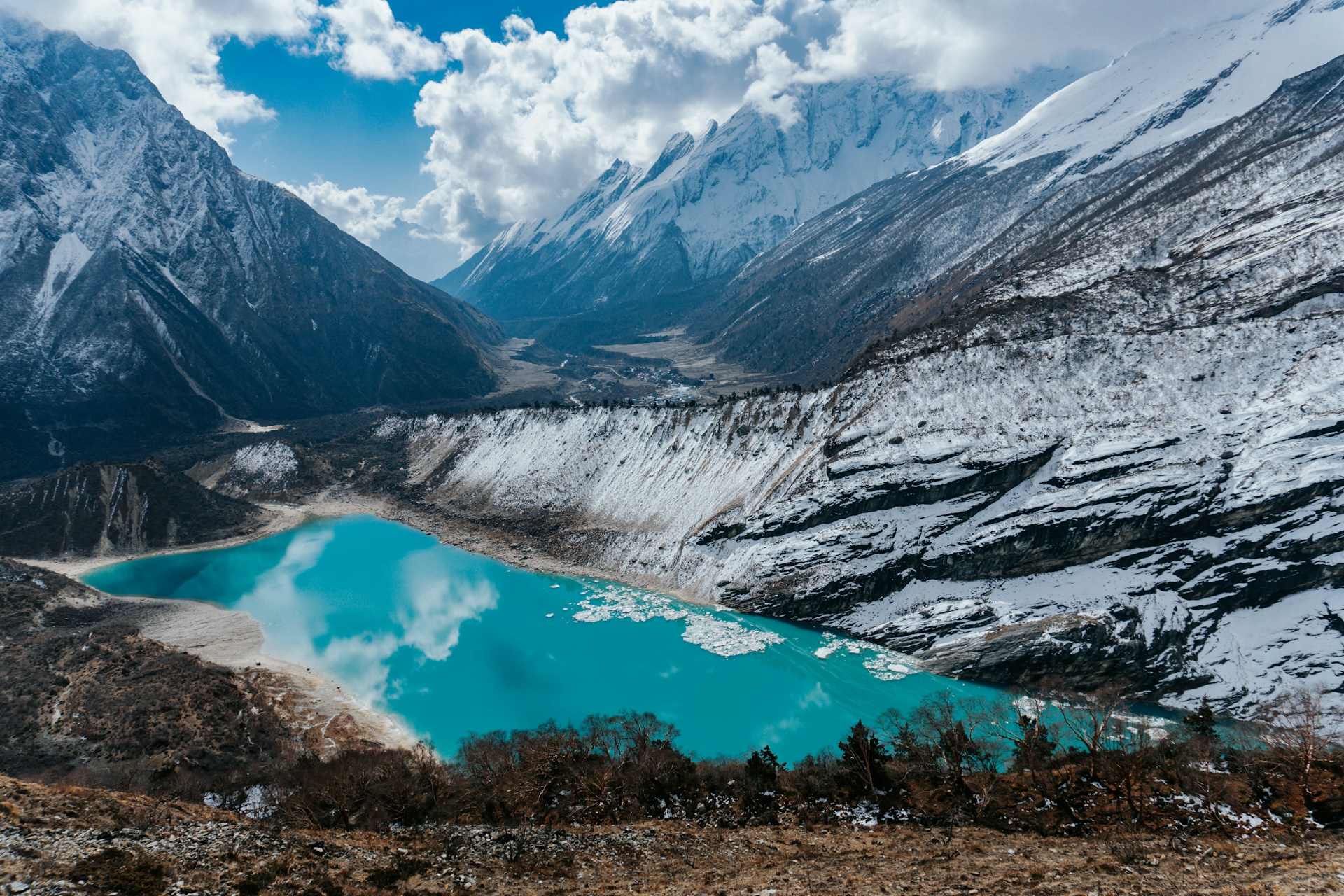
Few treks in Nepal demand as much genuine preparation as the Manaslu Circuit Trek — a remote, restricted-area route culminating in the demanding crossing of Larkya La Pass (5,160m). Unlike more established routes with well-developed infrastructure and multiple rest days, Manaslu compresses long trekking days, limited teahouse facilities, and a single acclimatization stop into one continuous physical and logistical challenge. This complete guide walks you through every aspect of preparation, from physical training and gear to permits and mental readiness, so you can approach this off-the-beaten-path adventure with genuine confidence, rather than discovering these demands for the first time somewhere along the trail.
Unlike more established routes like Everest Base Camp or Annapurna Base Camp, the Manaslu Circuit combines long trekking days, limited infrastructure, and a single dedicated acclimatization day into one continuous challenge. This compressed structure means your body has less room to recover mid-trek, making thorough preparation genuinely essential rather than optional.
| Preparation Area | Why It Matters |
|---|---|
| Physical fitness | Sustains 5–9 hour trekking days over 14–18 days |
| Altitude readiness | Only one acclimatization day before the high pass |
| Proper gear | Limited rental options once you leave Kathmandu |
| Permits & documentation | Restricted area requires advance processing |
| Mental resilience | Basic facilities and remoteness demand patience |
Start training 8–10 weeks before departure, longer than the typical window recommended for shorter treks, given Manaslu's demanding itinerary and single rest day.
Train on hilly or uneven terrain while carrying a daypack similar in weight to your actual trekking load, closely simulating real trail conditions, particularly the demanding stretches above Samagaun.
If you have access to terrain above 3,000m before your trip, spending time there helps your body become familiar with reduced oxygen levels — a genuine advantage given the trek's compressed acclimatization schedule.
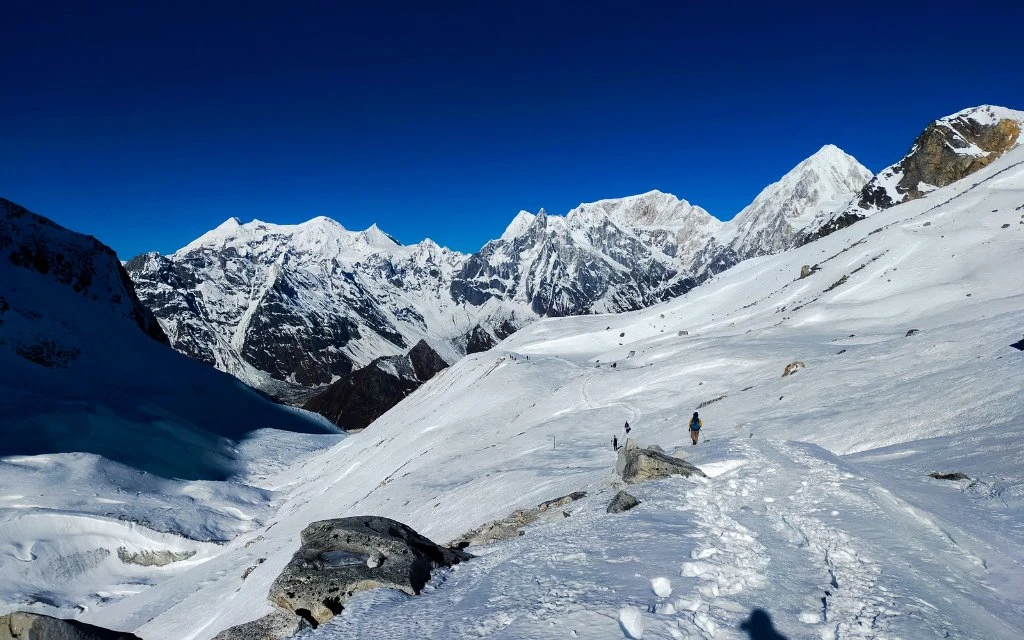
The Manaslu Circuit's highest point, Larkya La Pass, sits at 5,160 meters, where oxygen levels are roughly half of sea level. Preparation here means both physical and educational readiness.
Key altitude preparation steps:
Since gear rental options become scarce once you leave Kathmandu, arriving fully prepared is genuinely important on this remote route.
| Category | Essential Items |
|---|---|
| Upper body | Base layers, fleece mid-layer, down jacket, waterproof shell |
| Lower body | Trekking pants, thermal leggings, waterproof shell pants |
| Footwear | Broken-in trekking boots, wool socks, camp shoes, gaiters |
| Headwear | Warm hat, sun hat, buff, UV sunglasses |
| Hands | Inner gloves, insulated waterproof outer gloves |
The Manaslu region is a restricted trekking area, requiring specific permits arranged in advance through a registered agency.
| Permit | Purpose |
|---|---|
| Manaslu Restricted Area Permit (RAP) | Mandatory entry permit for the restricted zone |
| Manaslu Conservation Area Permit (MCAP) | Access to the Manaslu Conservation Area |
| Annapurna Conservation Area Permit (ACAP) | Required since the route exits near Dharapani |
Documents you'll need:
Unlike many other Nepal treks, hiring a licensed guide is legally required for the Manaslu Circuit. This isn't optional — it's a government regulation for this restricted region.
Given the trek's remoteness, comprehensive travel insurance is essential — not optional.
Your policy should cover:
Carry sufficient Nepali cash before departure, since ATMs are completely unavailable once you leave Kathmandu. Budget for:
Choose your season carefully, since this genuinely affects both difficulty and safety:
| Season | Recommendation |
|---|---|
| Autumn (Sep–Nov) | Best — most stable weather for Larkya La crossing |
| Spring (Mar–May) | Strong second choice |
| Winter (Dec–Feb) | High risk of pass closure — not recommended |
| Monsoon (Jun–Aug) | Not recommended — poor visibility, landslide risk |
Most trekkers should begin training 8 to 10 weeks before departure, longer than the window typically recommended for shorter treks, given Manaslu's demanding itinerary and single dedicated acclimatization day.
A good to strong level of cardiovascular fitness is recommended, since trekkers should be comfortable with sustained daily exertion of 5 to 7 hours, occasionally stretching to 8–9 hours on the Larkya La Pass crossing day.
While not strictly mandatory, prior high-altitude experience, ideally above 4,000–4,500m, is genuinely recommended given the trek's remoteness, limited infrastructure, and demanding final pass crossing.
You need three permits: the Manaslu Restricted Area Permit (RAP), the Manaslu Conservation Area Permit (MCAP), and the Annapurna Conservation Area Permit (ACAP), all arranged in advance through a registered trekking agency.
Yes, hiring a licensed guide is legally mandatory for this restricted area, and most agencies also require a minimum of two trekkers per group to process the necessary permits.
Essential gear includes a down jacket, four-season sleeping bag, waterproof trekking boots, trekking poles, thermal layers, and a headlamp, since gear rental options become scarce once you leave Kathmandu.
Given Manaslu's remoteness and limited rescue infrastructure compared to Everest or Annapurna, comprehensive insurance covering altitudes up to 5,500m and emergency helicopter evacuation for restricted areas is genuinely essential.
Training should include stair climbing, hill hiking with a loaded backpack, and if possible, exposure to altitudes above 3,000m, since the pass crossing combines high altitude with a demanding 8–9 hour trekking day.
Understanding the "climb high, sleep low" principle and recognizing early AMS symptoms like headache, fatigue, and dizziness is essential, since the trek includes only one dedicated acclimatization day at Samagaun.
Since ATMs are completely unavailable once you leave Kathmandu, trekkers should withdraw sufficient Nepali cash in advance to cover permits, guide/porter fees, meals, and incidentals for the entire trek duration.
You'll need a valid passport with sufficient validity, photocopies, 2–4 passport-sized photos, and a confirmed booking with a registered trekking agency, since solo unguided trekking isn't permitted.
While not mandatory, hiring a porter is genuinely recommended given the trek's length, altitude, and limited infrastructure, allowing you to trek with just a light daypack rather than a full loaded backpack.
Autumn (September–November) offers the most stable weather and safest conditions for crossing Larkya La Pass, with spring (March–May) serving as a strong second choice.
Setting realistic expectations for basic accommodation, limited electricity and Wi-Fi, narrow food variety above Samagaun, and unpredictable weather at the pass is just as important as physical training.
Confirming all three permits are properly arranged through your agency, purchasing comprehensive travel insurance, and completing your physical training program are the three most critical final preparation steps before beginning the Manaslu Circuit Trek.
Preparing properly for the Manaslu Circuit Trek isn't just about making the journey more comfortable — it's what genuinely determines whether you safely and successfully cross Larkya La Pass and complete one of Nepal's most rewarding off-the-beaten-path adventures. With consistent physical training, the right gear, proper permits, and realistic expectations, well-prepared trekkers of nearly any experience level can take on this remote, unforgettable Himalayan journey.
Ready to start your preparation journey? Explore the complete Manaslu Circuit Trek itinerary with Nepal Trip Services, and let our experienced team help you prepare for every stage of this remarkable adventure.
Discover more articles that match your interests! Explore these similar blogs packed with insights, tips, and stories to keep you inspired.
Discover Samagaon, Nepal — the Manaslu region\'s Tibetan-influenced gem. Complete guide to culture, altitude, things t...
Everything on Larkya La Pass — altitude, difficulty, weather, route & crossing times. Complete guide for the Manaslu C...
Discover Samdo, Nepal — the last village before Larkya La Pass on the Manaslu Circuit Trek. Complete guide to culture,...
Discover Pungyen Gompa, Nepal — the sacred monastery beneath Manaslu\\'s south face. Complete guide to history, altitu...
Discover Dharamsala, Manaslu — the last stop before Larkya La Pass. Complete guide to altitude, accommodation & crossi...
Discover Nubri Valley families in Nepal — Tibetan culture, traditions, polyandry & daily life in the Manaslu region. C...