Dharamsala, Manaslu: Complete Travel & Trekking Guide
By Nepal Trip Services On 21 Sep 2026

By Nepal Trip Services On 21 Sep 2026
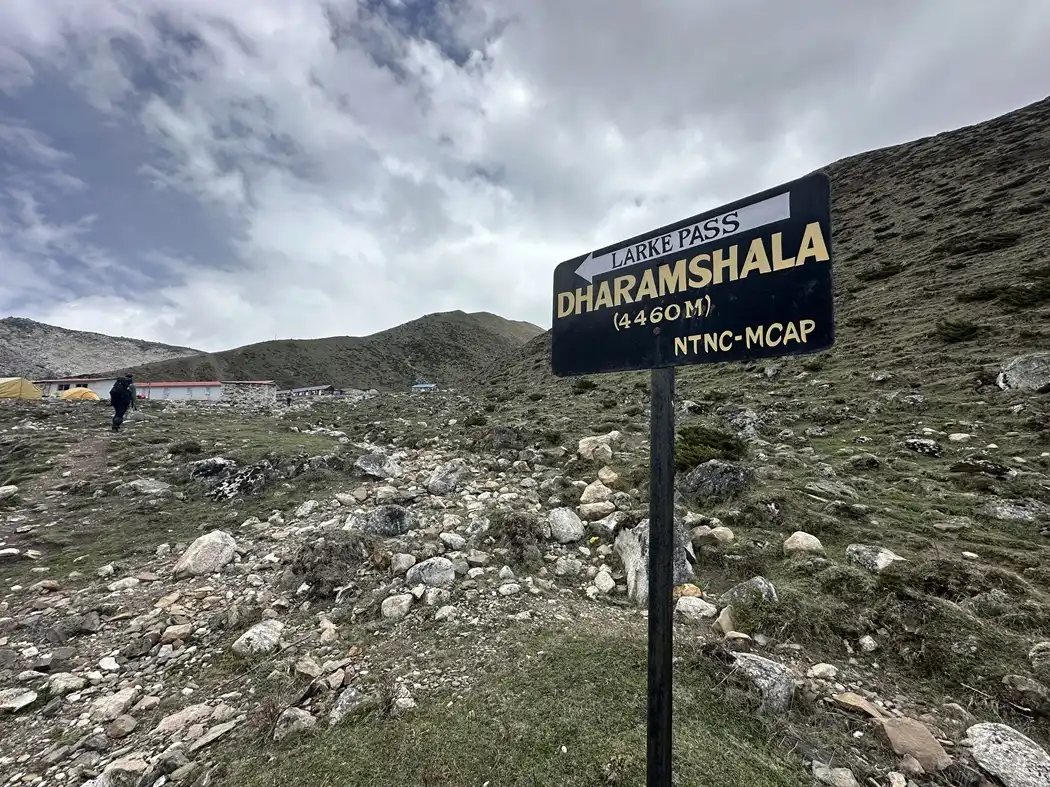
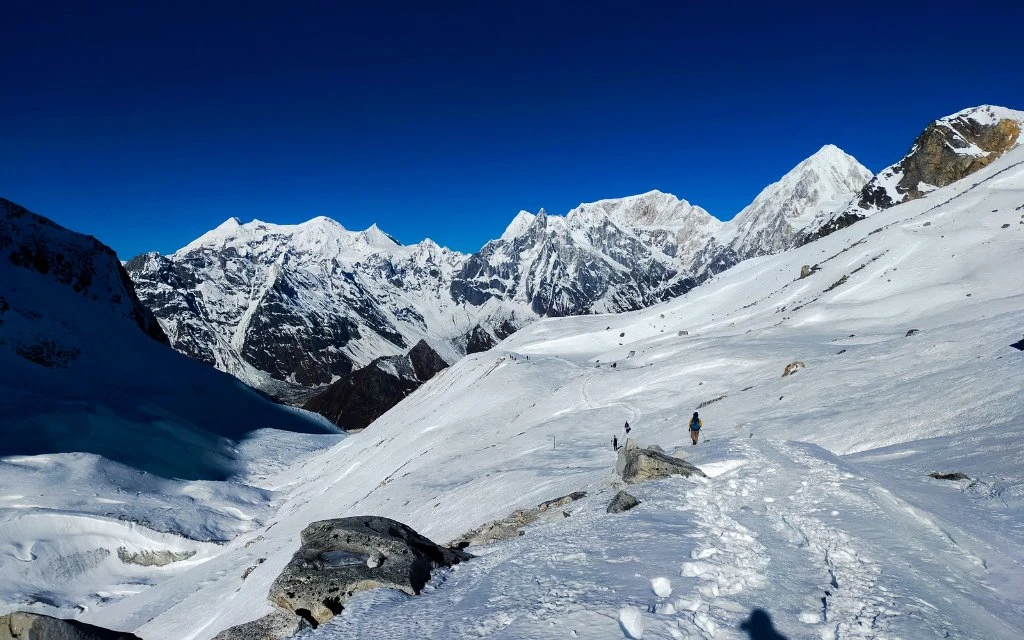
Perched at the very edge of habitable terrain on the Manaslu Circuit Trek, Dharamsala is the last stop before trekkers face the trek's defining challenge — the crossing of Larkya La Pass. This complete guide covers everything you need to know about this remote, high-altitude waypoint, from its purpose and conditions to practical preparation tips.
Dharamsala sits at 4,500 meters (14,764 feet) within the Manaslu Conservation Area, positioned strategically between Samdo and Larkya La Pass. It's typically reached on Day 11 of a standard itinerary, serving as the final overnight stop before the trek's demanding high-altitude crossing.
| Detail | Information |
|---|---|
| Altitude | 4,500m/14,764ft |
| District | Gorkha, Nepal |
| Region | Manaslu Conservation Area |
| Previous Stop | Samdo (3,860m) |
| Next Destination | Larkya La Pass (5,160m) via Bimthang |
| Typical Visit | Day 11 of Manaslu Circuit Trek |
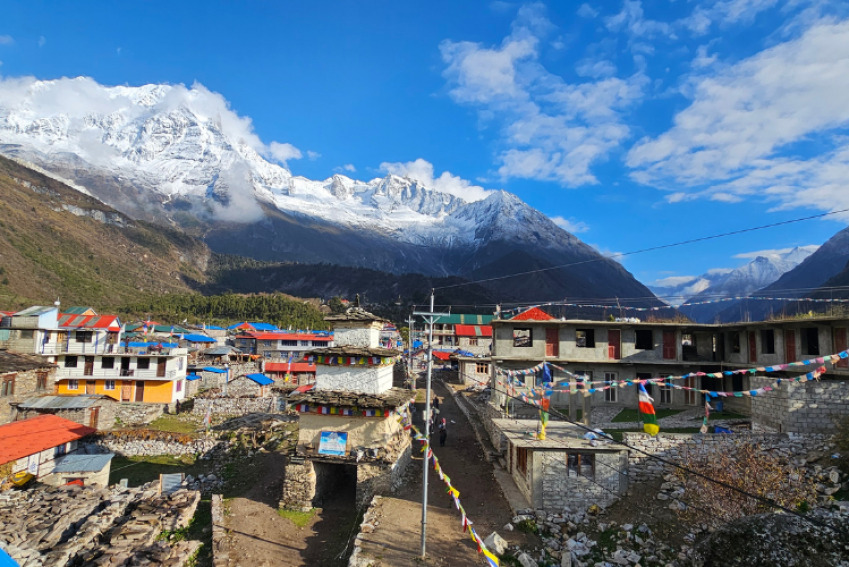
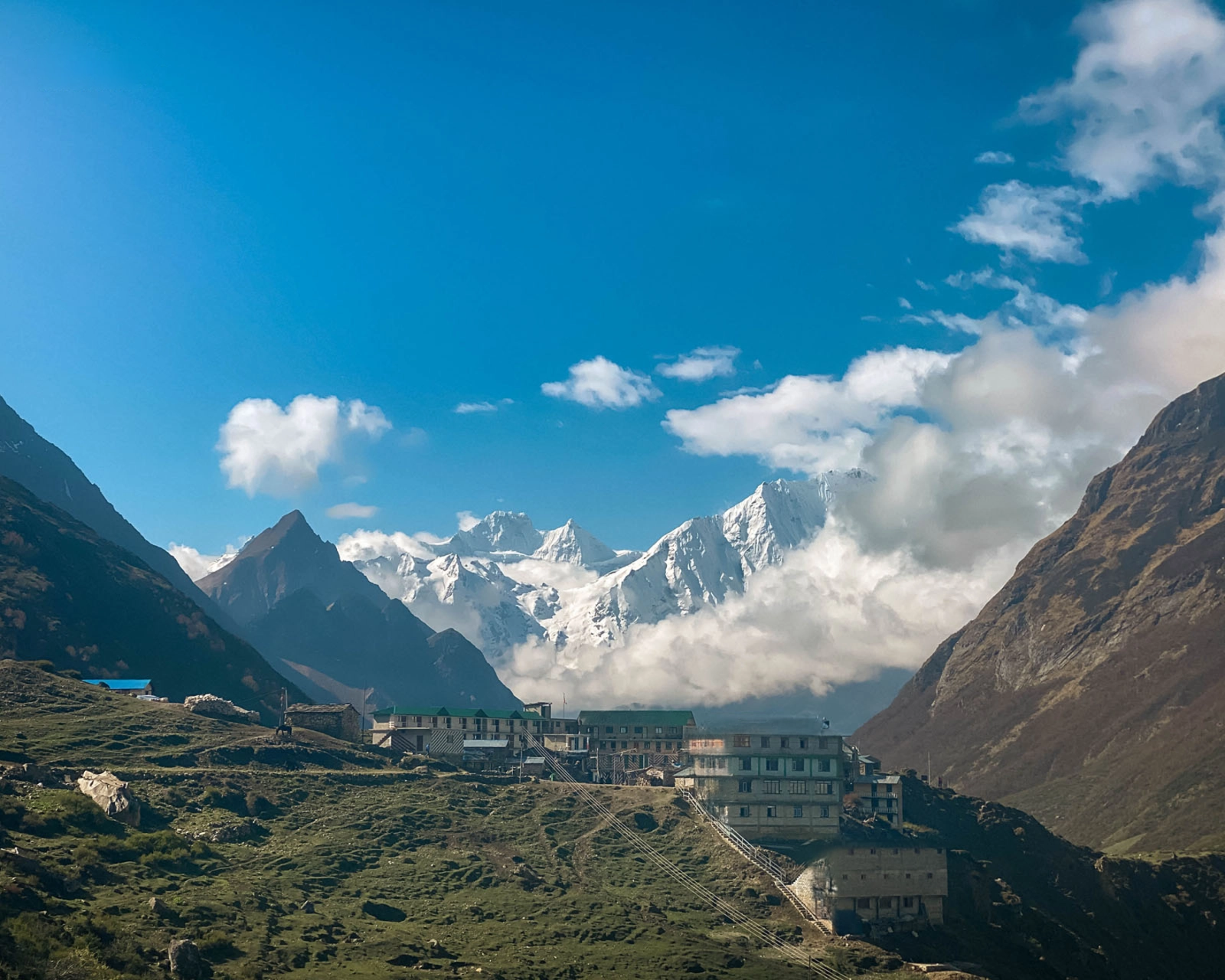
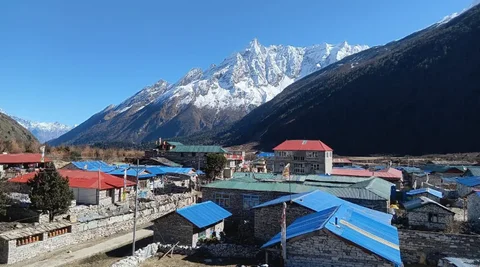
Unlike traditional Himalayan villages with established communities, Dharamsala isn't a permanent settlement in the conventional sense — it's a purpose-built staging point consisting of a small number of basic lodges, existing solely to support trekkers on their way to and from Larkya La Pass. The name itself, meaning "rest house" or "shelter" in Nepali and Hindi, reflects its singular function: providing the last possible overnight base before one of Nepal's most demanding high-altitude crossings.
Dharamsala's entire purpose is functional rather than cultural or scenic — it exists to position trekkers as close as safely possible to Larkya La Pass, minimizing the distance and altitude gain required on crossing day itself.
Unlike Samagaon or even Samdo, Dharamsala offers minimal comfort by design. Rooms are small, cold, and sparsely furnished, with limited heating beyond the communal dining area — a stark contrast to the more developed teahouses found earlier in the trek.
For many trekkers, arriving in Dharamsala marks a genuine shift in mindset — the moment the trek's true climax feels immediate and real, with Larkya La Pass now just hours away rather than days.
| Season | Conditions | Recommendation |
|---|---|---|
| Autumn (Sep–Nov) | Stable, cold, clear | Best and safest season |
| Spring (Mar–May) | Generally stable | Strong second choice |
| Winter (Dec–Feb) | Extreme cold, high snow risk | Not recommended |
| Monsoon (Jun–Aug) | Poor visibility, unstable | Not recommended |
Dharamsala can only be reached on foot as part of the Manaslu Circuit Trek:
While Dharamsala offers little in the way of comfort or scenery compared to other stops on the Manaslu Circuit, its role is genuinely essential — without this final staging point, the crossing of Larkya La Pass would require an even longer, more demanding single push from Samdo. Understanding Dharamsala's purpose helps trekkers appreciate it not as a disappointing stop, but as a strategic, necessary waypoint on the path to one of the Himalaya's most rewarding high-altitude achievements.
Dharamsala sits at 4,500 meters (14,764 feet) within the Manaslu Conservation Area, positioned between Samdo and Larkya La Pass, typically reached on Day 11 of a standard itinerary.
No, Dharamsala isn't a traditional village or permanent settlement — it's a purpose-built staging point consisting of a few basic lodges, existing solely to support trekkers before the Larkya La Pass crossing.
The name means "rest house" or "shelter" in Nepali and Hindi, reflecting its singular function as a functional overnight base rather than a cultural or scenic destination.
Dharamsala can only be reached on foot as part of the Manaslu Circuit Trek, requiring roughly 8 days of trekking from Machha Khola through Jagat, Deng, Namrung, Lho Village, Samagaun, and Samdo.
Accommodation is very basic, consisting of small, cold, sparsely furnished rooms with minimal heating beyond the communal dining area — noticeably more limited than earlier stops like Samagaon or Samdo.
Electricity is extremely limited or unavailable, so trekkers should charge devices fully in Samdo before arriving, since charging options here are unreliable at best.
Food options are simple and limited, typically consisting of dal bhat and basic staples, with little menu variety given the difficulty of transporting supplies this far into the restricted region.
Temperatures routinely drop well below freezing at night, even during peak trekking season, making warm layers and a quality sleeping bag genuinely essential.
Dharamsala minimizes the distance and altitude gain required on Larkya La Pass crossing day itself, making the demanding pass crossing more manageable by positioning trekkers as close as safely possible beforehand.
Most trekkers depart between 3:00 AM and 5:00 AM to take advantage of calmer morning weather and firmer, frozen ground before conditions potentially deteriorate later in the day.
No, Dharamsala is one of the most disconnected stops on the entire Manaslu Circuit Trek, with essentially no reliable Wi-Fi or phone signal available.
Autumn (September–November) offers the most stable and safest conditions, with spring (March–May) serving as a strong second choice, while winter carries a high risk of extreme cold and snow.
Yes, if a guide feels a trekker needs additional acclimatization or recovery time, an extra rest day in Dharamsala may be recommended before attempting the Larkya La Pass crossing.
Eating a substantial dinner, organizing gear the night before, charging devices in advance, and getting to sleep early are all essential given the demanding pre-dawn departure that follows.
Dharamsala is purely functional rather than scenic or cultural, existing solely to support the Larkya La Pass crossing — though understanding its necessary role helps trekkers appreciate it as an essential part of the journey.
Dharamsala isn't a destination trekkers visit for its own sake — it's a functional, no-frills staging point that exists purely to support the demanding crossing of Larkya La Pass. For trekkers willing to embrace its basic conditions and cold, early mornings, Dharamsala represents the final threshold before the Manaslu Circuit's ultimate reward, making it an essential, if humble, part of this unforgettable Himalayan journey.
Ready to experience Dharamsala and Larkya La Pass for yourself? Explore the complete Manaslu Circuit Trek itinerary with Nepal Trip Services and prepare for one of Nepal's most rewarding off-the-beaten-path adventures.
Discover more articles that match your interests! Explore these similar blogs packed with insights, tips, and stories to keep you inspired.
Discover Samagaon, Nepal — the Manaslu region\'s Tibetan-influenced gem. Complete guide to culture, altitude, things t...
Everything on Larkya La Pass — altitude, difficulty, weather, route & crossing times. Complete guide for the Manaslu C...
Discover Samdo, Nepal — the last village before Larkya La Pass on the Manaslu Circuit Trek. Complete guide to culture,...
Discover Pungyen Gompa, Nepal — the sacred monastery beneath Manaslu\\'s south face. Complete guide to history, altitu...
Discover Nubri Valley families in Nepal — Tibetan culture, traditions, polyandry & daily life in the Manaslu region. C...
Complete guide on how to prepare for the Manaslu Circuit Trek — training, gear, permits, insurance & mental readiness ...