Nubri Valley Families, Nepal: Culture & Traditional Lifestyle Guide
By Nepal Trip Services On 22 Sep 2026

By Nepal Trip Services On 22 Sep 2026
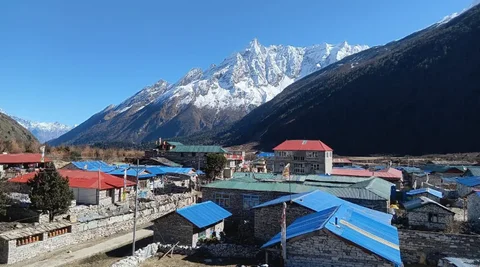
Tucked deep within the upper Budhi Gandaki, beneath the towering shadow of Mount Manaslu, the Nubri Valley is home to one of Nepal's most distinctive and least-documented ethnic communities — a Tibetan-origin people whose way of life has remained remarkably intact for centuries. This complete guide explores the culture, traditions, and daily lifestyle of Nubri Valley families, offering trekkers on the Manaslu Circuit Trek a deeper understanding of the communities they'll pass through along the way.
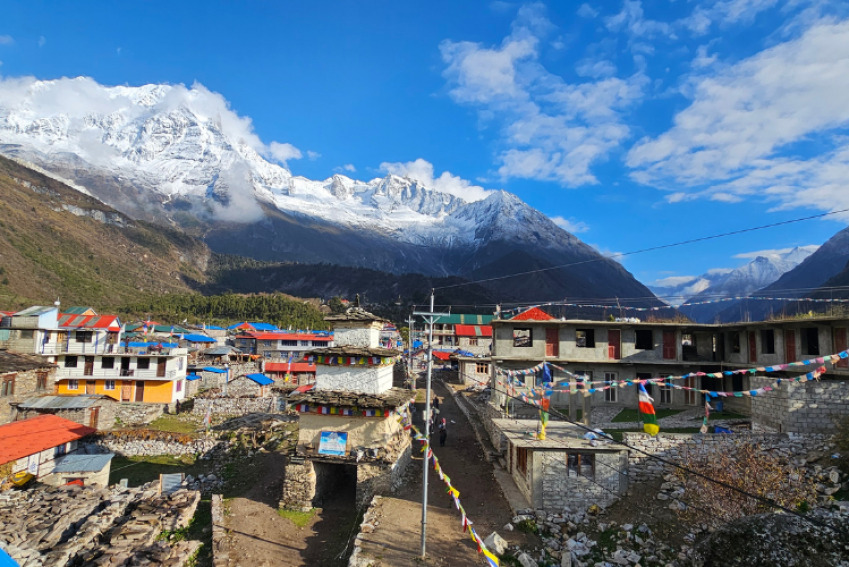
The Nubri people are an ethnic Tibetan community residing in the upper Budhi Gandaki Valley, in villages including Namrung, Lho, Samagaon, and Samdo. The name "Nubri" translates to "western mountains" in the local dialect, reflecting the community's deep geographic and cultural ties to the high Himalaya bordering Tibet.
| Detail | Information |
|---|---|
| Region | Upper Budhi Gandaki Valley, Manaslu region |
| Key Villages | Namrung, Lho, Samagaon, Samdo |
| Religion | Tibetan Buddhism (Nyingma and Kagyu traditions) |
| Origin | Tibetan, with historical ties to western Tibet |
| Primary Livelihood | Yak herding, seasonal farming, trans-Himalayan trade |
| Population of Manaslu Conservation Area | Approximately 9,000 |
Historically, the Nubri Valley was part of western Tibet until the mid-to-late 19th century, when it was incorporated into Nepal as Gorkha influence extended into the region. Prior to this, Nubri paid taxes to Dzongka Dzong across the Tibetan border. This deep historical connection to Tibet continues to shape nearly every aspect of Nubri family life today, from language and religious practice to architecture and farming methods.
Nubri families live in stone-built houses with flat roofs, specifically designed to withstand the region's harsh Himalayan climate. Key architectural features include:
Given the harsh, high-altitude environment, Nubri families rely on a combination of subsistence strategies:
Tibetan Buddhism deeply shapes nearly every aspect of Nubri family life, following primarily the Nyingma and Kagyu traditions. Daily life includes:
One of the most culturally distinctive practices found in the Nubri Valley is polyandry — a marriage tradition where one woman marries multiple husbands, typically brothers. Historically, this practice is believed to have developed as a means of conserving limited land and agricultural resources in this harsh, food-scarce environment, helping keep family landholdings undivided across generations.
| Village | Notable Features |
|---|---|
| Namrung | Stone architecture, Namrung Gompa, first major mountain viewpoint on the trek |
| Lho | Home to Ribung Gompa, close-up views of Manaslu |
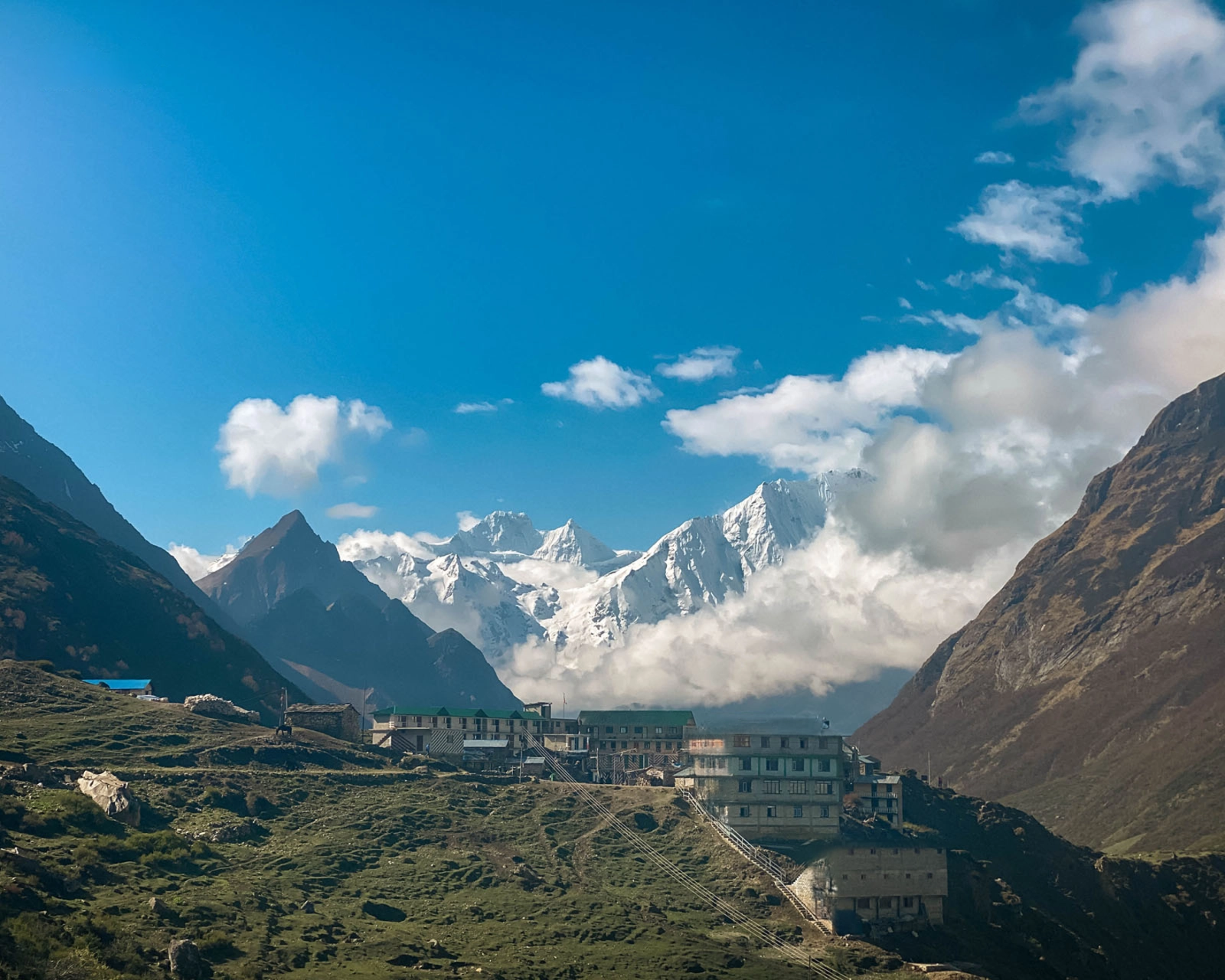
| Samagaon | Cultural hub, access to Pungyen Gompa and Manaslu Base Camp |
| Samdo | Closest village to the Tibetan border, historical trading post |
The Nubri Valley and wider Manaslu Conservation Area are home to numerous significant monasteries, including:
For trekkers on the Manaslu Circuit, walking through Nubri villages offers far more than scenic mountain views — it's a genuine window into a living Tibetan-influenced culture that has adapted to one of the world's harshest inhabited environments while preserving centuries-old traditions. Unlike more commercialized trekking regions, daily life in villages like Samagaon and Samdo remains deeply authentic, shaped by yak herding, subsistence farming, and Buddhist ritual rather than tourism itself.
The Nubri people are an ethnic Tibetan community residing in the upper Budhi Gandaki Valley of Nepal, in villages including Namrung, Lho, Samagaon, and Samdo, with a culture deeply shaped by Tibetan Buddhism and centuries of trans-Himalayan trade.
Nubri translates to "western mountains" in the local dialect, reflecting the community's deep geographic and cultural ties to the high Himalayan terrain bordering Tibet.
Nubri families practice Tibetan Buddhism, primarily following the Nyingma and Kagyu traditions, with daily life shaped by prayer, monastery visits, and reverence for local lamas.
The Nubri Valley was historically part of western Tibet, paying taxes to Dzongka Dzong, until it was incorporated into Nepal in the mid-to-late 19th century as Gorkha influence extended into the region.
Nubri families rely on a combination of seasonal farming (barley, buckwheat, and potatoes), yak herding, trans-Himalayan trade, and increasingly, trekking-related tourism income.
Nubri houses are built of stone with flat roofs, thick rectangular walls for insulation, and multiple stories, often featuring wooden balconies and intricately carved window frames.
Polyandry is a marriage tradition where one woman marries multiple husbands, typically brothers, historically believed to have developed as a way to conserve limited land and agricultural resources across generations.
Losar (Tibetan New Year) is the valley's most significant celebration, featuring masked ritual dances and communal feasting, alongside Buddha Jayanti and smaller monastery-specific festivals throughout the year.
Key Nubri villages include Namrung, Lho, Samagaon, and Samdo, each reflecting the community's distinct stone architecture, Buddhist monasteries, and traditional mountain lifestyle.
Important monasteries include Namrung Gompa, Pungyen Gompa near Samagaon, and other regional gompas scattered throughout the valley, each serving as spiritual and community hubs.
While Gurung communities in the lower Manaslu region reflect broader Nepali Hindu-Buddhist influences, Nubri culture in the upper valley is far more strongly shaped by direct Tibetan Buddhist tradition, language, and customs.
Yes, the Manaslu Circuit Trek passes directly through key Nubri villages including Namrung, Lho, Samagaon, and Samdo, offering trekkers genuine cultural immersion along the route.
Given the short growing season and extreme high-altitude conditions, Nubri families primarily grow hardy crops such as barley, buckwheat, and potatoes.
Yaks provide wool, dairy, transportation, and trade goods, making them essential to both daily subsistence and the historical trans-Himalayan trade routes still used by Nubri families today.
Trekkers should always ask permission before photographing locals or entering homes, dress modestly near religious sites, remove shoes before entering monasteries, and approach unique traditions like polyandry with genuine respect rather than curiosity.
The Nubri Valley offers trekkers a rare opportunity to witness a genuinely unique Himalayan culture — one shaped by centuries of Tibetan Buddhist tradition, harsh mountain survival, and distinctive family structures found nowhere else in Nepal. For those walking the Manaslu Circuit Trek, understanding the lives of Nubri families transforms the journey from a purely physical challenge into a meaningful cultural encounter with one of the Himalaya's most resilient and fascinating communities.
Ready to experience Nubri Valley culture for yourself? Explore the complete Manaslu Circuit Trek itinerary with Nepal Trip Services and discover this remarkable, off-the-beaten-path corner of the Himalaya.
Discover more articles that match your interests! Explore these similar blogs packed with insights, tips, and stories to keep you inspired.
Discover Samagaon, Nepal — the Manaslu region\'s Tibetan-influenced gem. Complete guide to culture, altitude, things t...
Everything on Larkya La Pass — altitude, difficulty, weather, route & crossing times. Complete guide for the Manaslu C...
Discover Samdo, Nepal — the last village before Larkya La Pass on the Manaslu Circuit Trek. Complete guide to culture,...
Discover Pungyen Gompa, Nepal — the sacred monastery beneath Manaslu\\'s south face. Complete guide to history, altitu...
Discover Dharamsala, Manaslu — the last stop before Larkya La Pass. Complete guide to altitude, accommodation & crossi...
Complete guide on how to prepare for the Manaslu Circuit Trek — training, gear, permits, insurance & mental readiness ...