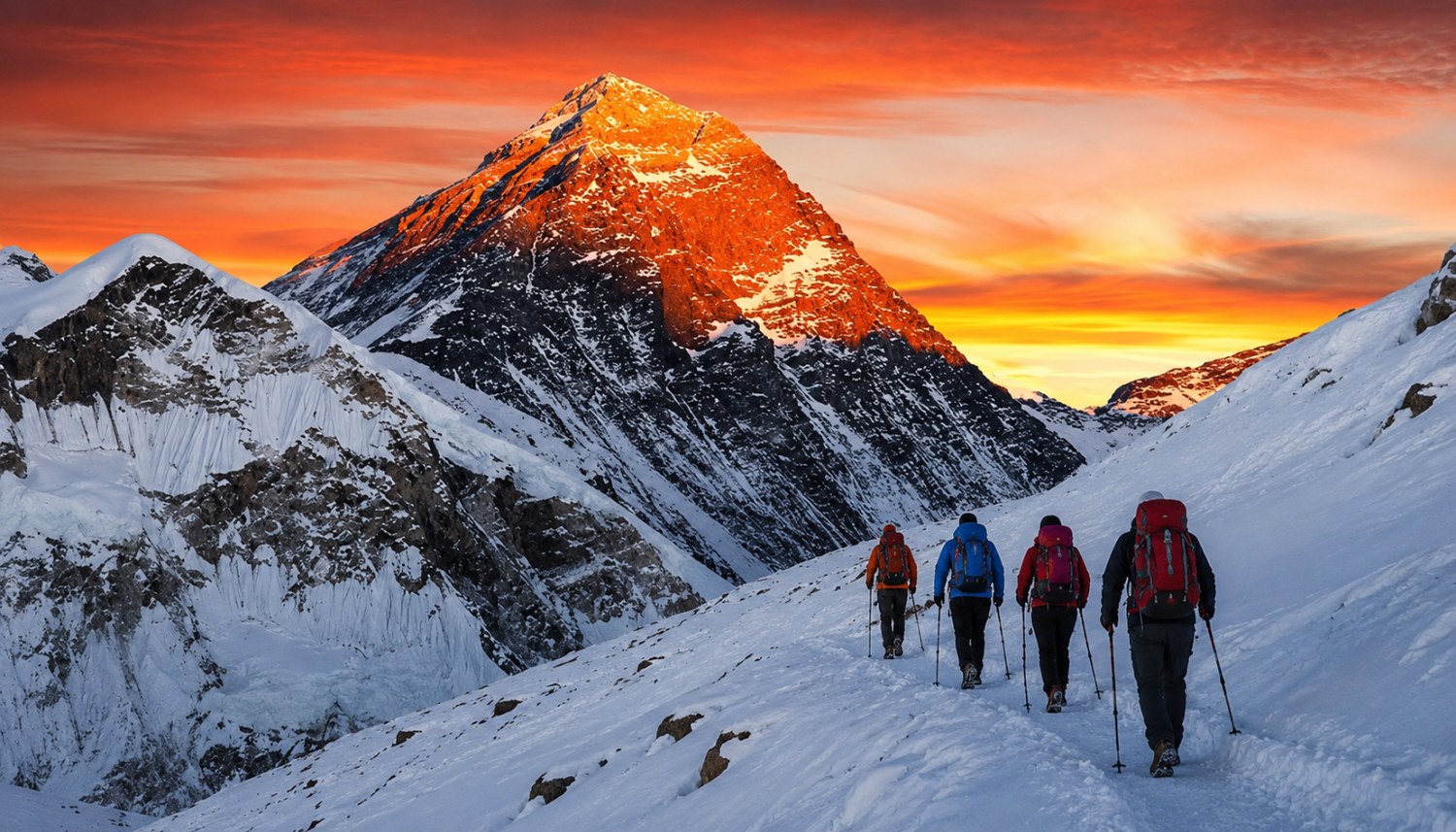
Classic Everest Base Camp Trek For Families: Complete Guide
By Nepal Trip Services On 24 Sep 2026

By Nepal Trip Services On 24 Sep 2026
Planning a family adventure to the roof of the world? The Classic Everest Base Camp Trek is far more family-friendly than most people assume, offering an unforgettable shared experience for parents and children alike when approached with the right preparation — one that starts with gradual acclimatization and realistic pacing rather than rushing the itinerary, building in extra rest days, choosing lighter daily walking distances, and keeping children's packs minimal. Physical preparation matters too: months of hiking practice, stair climbing, and short overnight camping trips help kids and parents alike adjust to sustained walking at altitude. Packing should prioritize layered, weather-appropriate clothing, proper trekking boots already broken in, and basic altitude-sickness awareness (recognizing headaches, nausea, or fatigue early). Beyond logistics, involving children in the planning — teaching them a bit about Sherpa culture, Everest's history, and the mountains they'll see — turns the trek from a physical challenge into a meaningful shared adventure the whole family will remember.
Yes — with proper planning, the Classic Everest Base Camp Trek can be a genuinely rewarding family experience. This isn't a technical climb requiring specialized skills; it's a walking trek that rewards patience, preparation, and a well-paced itinerary, all of which make it accessible to families willing to train and plan appropriately.
| Factor | Family Suitability |
|---|---|
| Recommended minimum age | 10–12 years old |
| Technical skills required | None |
| Itinerary flexibility | Extendable for family pacing |
| Guide requirement | Licensed guide mandatory |
| Success rate for prepared families | High with proper planning |
The trek is fundamentally about walking, not climbing — no ropes, crampons, or mountaineering techniques are involved, making it genuinely accessible to children and parents without specialized outdoor experience.
Unlike remote camping treks, the well-developed teahouse infrastructure throughout the Khumbu means families don't need camping skills or specialized wilderness experience, simply the ability to walk and adapt to basic mountain accommodation together.
Few experiences create lasting family memories quite like reaching Base Camp together — the shared physical challenge, mutual encouragement during tough days, and collective celebration at the destination often become defining family moments.
Beyond the physical journey, children gain genuine exposure to Sherpa culture, Buddhist monasteries, and a completely different way of life — an educational experience that extends far beyond typical family vacations.
Most trekking agencies, including Nepal Trip Services, recommend a minimum age of 10 to 12 years old for children attempting Everest Base Camp, though this varies based on individual fitness, trekking experience, and temperament.
Why younger children face more challenges:
| Category | Family-Specific Considerations |
|---|---|
| Clothing | Extra warm layers for children, who lose body heat faster than adults |
| Footwear | Properly fitted, broken-in boots — critical for growing feet |
| Sleeping gear | Warm sleeping bags rated for sub-zero temperatures |
| Entertainment | Cards, books, or journals for evening downtime at teahouses |
| Health kit | Family first aid kit with child-appropriate medications |
Parents should proactively and regularly check in on their child's wellbeing rather than waiting for complaints:
| Day | Itinerary | Altitude | Approx. Walking Time |
|---|---|---|---|
| Day 1 | Fly from Kathmandu to Lukla and Trek to Phakding | 2,610m | 3–4 hrs |
| Day 2 | Phakding to Namche Bazaar | 3,440m | 5–6 hrs |
| Day 3 | Acclimatization Day in Namche Bazaar | 3,440m | 3–4 hrs |
| Day 4 | Namche Bazaar to Tengboche | 3,860m | 5–6 hrs |
| Day 5 | Tengboche to Dingboche | 4,410m | 5–6 hrs |
| Day 6 | Acclimatization Day in Dingboche | 4,410m | 3–4 hrs |
| Day 7 | Dingboche to Lobuche | 4,910m | 4–5 hrs |
| Day 8 | Lobuche to Everest Base Camp and back to Gorak Shep | 5,364m / 5,164m | 7–9 hrs |
| Day 9 | Gorak Shep to Kala Patthar and Trek to Pheriche | 5,545m / 4,240m | 6–7 hrs |
| Day 10 | Pheriche to Namche Bazaar | 3,440m | 6–7 hrs |
| Day 11 | Namche Bazaar to Lukla | 2,860m | 6–7 hrs |
| Day 12 | Reserve/Rest Day in Lukla | 2,860m | — |
| Day 13 | Fly from Lukla to Kathmandu | 1,400m | 25–35 min |
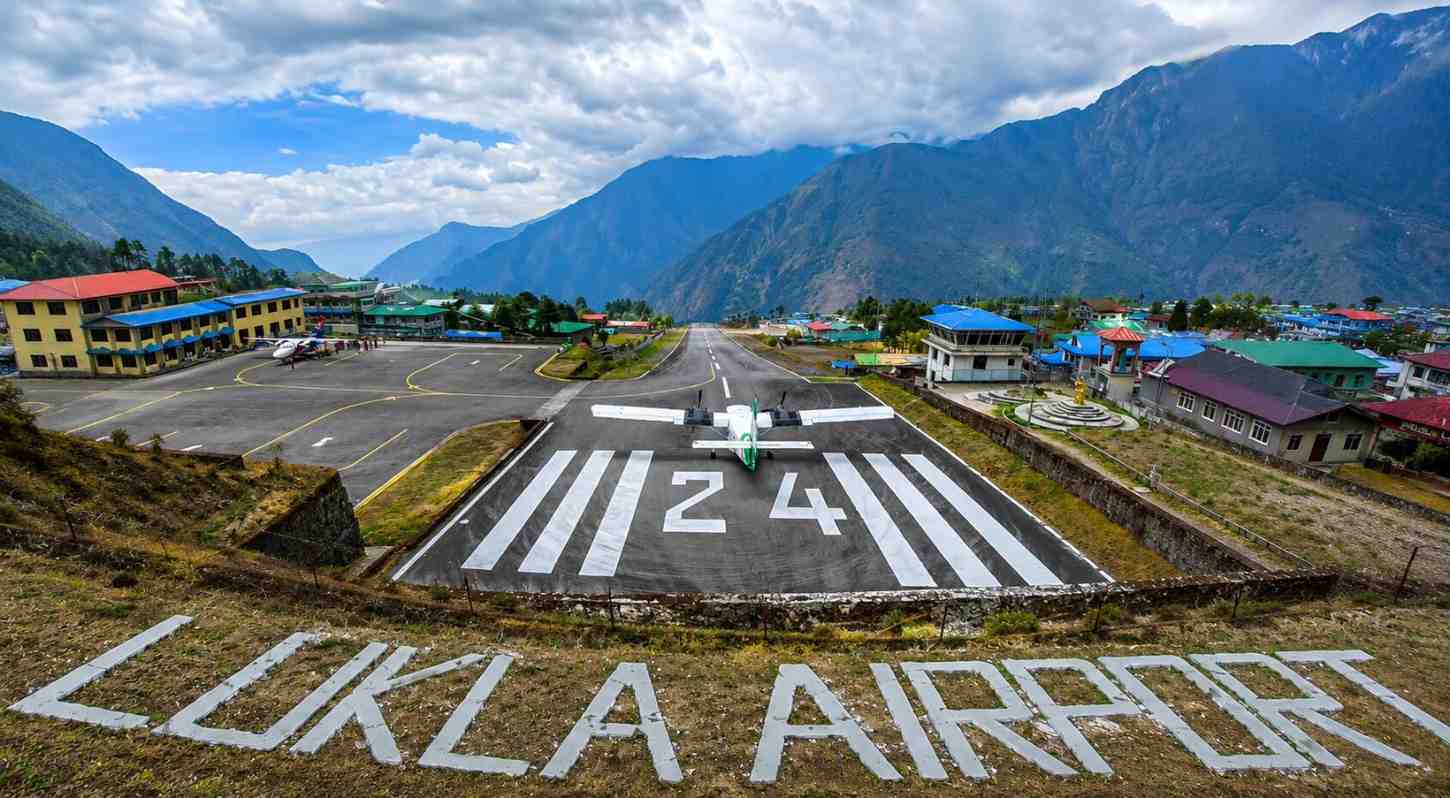
The adventure begins with an early morning scenic flight from Kathmandu to Lukla's Tenzing-Hillary Airport, one of the most thrilling short flights in the world, offering stunning views of the Himalayan foothills. After landing, meet the trekking crew, sort out final gear, and begin an easy downhill walk along the Dudh Koshi River to Phakding. This short, gentle first day allows kids to adjust to the trail, test their gear, and settle into a comfortable pace before the trek intensifies.
Today's trek crosses several suspension bridges over the roaring Dudh Koshi River, including the iconic Hillary Suspension Bridge, before entering Sagarmatha National Park at Jorsale. The trail then climbs steadily through pine forests toward Namche Bazaar, the bustling Sherpa capital of the Khumbu region. The final ascent is steep, so frequent short breaks help children conserve energy and enjoy the first glimpse of Mount Everest along the way.
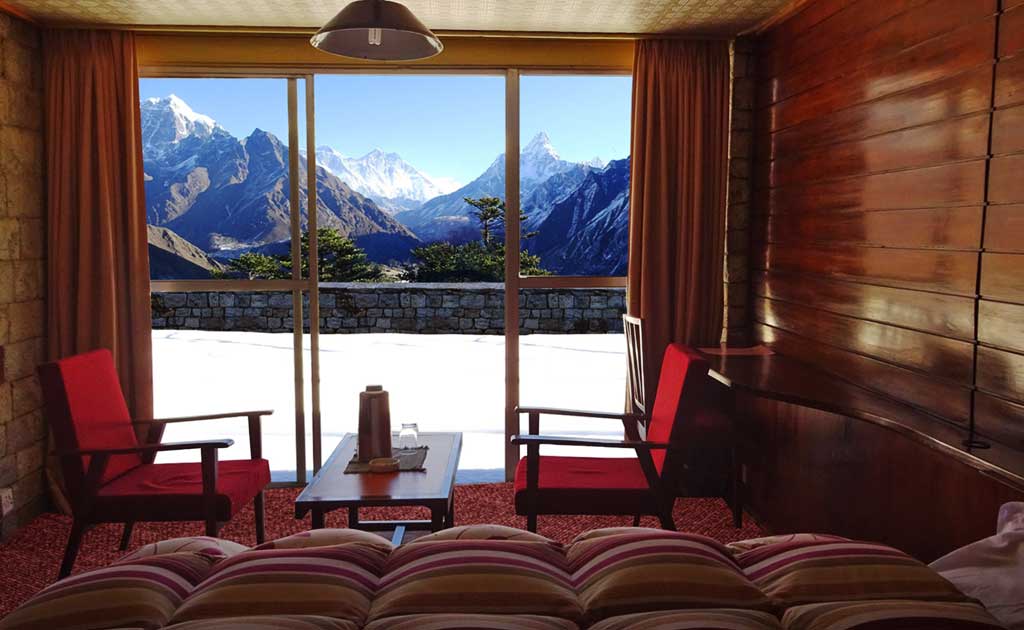
A crucial rest day to help the body adjust to higher altitude. Rather than staying idle, families take a short acclimatization hike up to the Everest View Hotel or the Sherpa Culture Museum, both offering panoramic views of Everest, Lhotse, and Ama Dablam. This "climb high, sleep low" approach reduces altitude sickness risk while giving children a chance to explore Namche's shops, bakeries, and local market atmosphere.
The trail offers spectacular mountain views as it winds along a ridge before descending to the Dudh Koshi River and climbing steadily to Tengboche. Home to the famous Tengboche Monastery, the largest in the Khumbu region, this stop offers children a meaningful cultural experience, especially if the timing allows witnessing a monk prayer ceremony. The surrounding views of Everest, Nuptse, and Ama Dablam make this one of the most scenic stops on the trek.
Descending briefly through rhododendron and juniper forests, the trail crosses the Imja Khola before climbing gradually toward Dingboche, a picturesque farming village surrounded by stone-walled fields. As the landscape becomes more rugged and alpine, families should maintain a slow, steady pace and stay well hydrated, since the altitude gain becomes more noticeable from this point onward.
Another essential rest day to support safe acclimatization. A short optional hike up Nangkartshang Hill rewards families with sweeping views of Makalu, Lhotse, and the Imja Valley. This day is ideal for monitoring children closely for early altitude symptoms and allowing bodies to adapt before pushing toward higher camps.
The trail climbs past the Thukla Pass, where memorial chortens honor climbers who lost their lives on Everest — a poignant and reflective stop for older children. Beyond Thukla, the path continues along a rocky, glacial moraine trail with thinning air and increasingly dramatic mountain scenery, arriving at the small settlement of Lobuche.
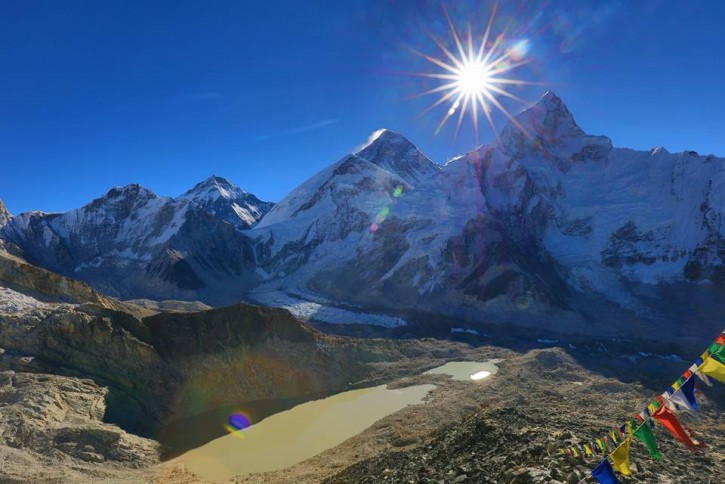
The most physically demanding and emotionally rewarding day of the trek. The trail follows the Khumbu Glacier's rocky moraine to reach Everest Base Camp, where families can finally stand at the foot of the world's highest mountain, surrounded by the dramatic Khumbu Icefall. After celebrating this milestone, the group returns to Gorak Shep for overnight rest — this long day requires strong pacing, extra snacks, and patience for tired legs.
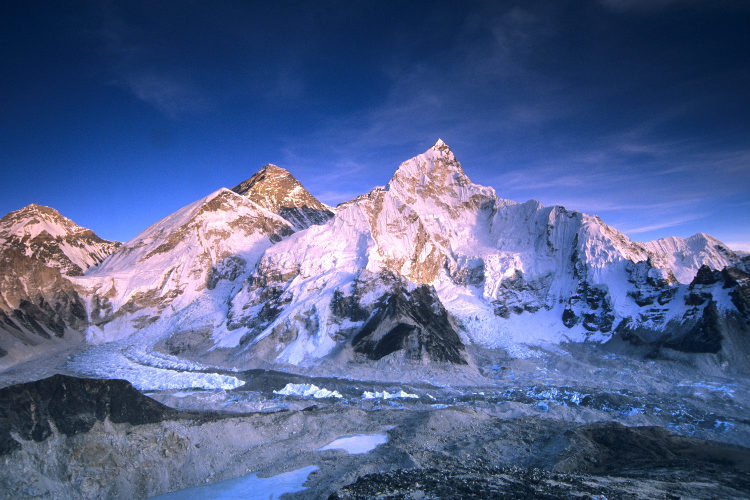
An early pre-dawn hike to Kala Patthar rewards families with the best close-up sunrise views of Mount Everest's summit, along with Pumori, Nuptse, and the surrounding peaks. After descending back to Gorak Shep for breakfast, the trek continues downhill to Pheriche, where the lower altitude offers welcome relief and easier breathing for children.
A long but progressively easier descent as the trail drops back through Tengboche, Deboche, and Sanasa before reaching Namche Bazaar. The improving air quality and warmer temperatures noticeably boost energy levels, making this a good day for families to enjoy the journey without the pressure of altitude concerns.
The final trekking day retraces the initial route back through Jorsale, Monjo, and Phakding before reaching Lukla. With altitude no longer a concern, this day often feels more relaxed, giving families time to reflect on the journey, take final photos, and enjoy a celebratory dinner with the trekking crew on the last night in the mountains.
A built-in buffer day to account for possible flight delays or cancellations due to Lukla's unpredictable mountain weather. If flights depart on schedule, this day can be used for rest, relaxation, souvenir shopping, or simply enjoying Lukla's mountain views before returning to Kathmandu.
A short scenic flight returns the family to Kathmandu, marking the official end of the trekking portion. Families typically spend the remaining time in Kathmandu resting, exploring UNESCO World Heritage Sites like Boudhanath Stupa or Swayambhunath, and celebrating the completion of their Himalayan family adventure with a well-earned hot shower and comfortable bed.
Trekking to Everest Base Camp as a family offers value that extends well beyond reaching the destination:
Most trekking agencies and Sabah Nepal's Sagarmatha National Park guidelines recommend a minimum age of 7 to 10 years old. Children younger than this typically lack the stamina, lung capacity, and cognitive maturity to handle 5–7 hours of daily walking at high altitude. That said, fitness and trekking experience matter more than age alone — a well-conditioned 8-year-old accustomed to hiking can often manage the trek better than an unfit teenager.
Yes, when approached with proper preparation, a conservative itinerary, and close monitoring for altitude sickness. Choosing a longer itinerary (14–16 days instead of the standard 12) allows for slower ascent rates, which significantly reduces acute mountain sickness (AMS) risk in children. Traveling with an experienced guide trained in altitude illness recognition and carrying basic medications (like Diamox, only under medical advice) adds an extra safety layer.
The trek is graded moderate to challenging, involving daily walks of 4–7 hours on rocky, uneven trails with significant elevation gain and loss. For families, difficulty can be managed by extending the itinerary, using porters for luggage, scheduling rest/acclimatization days at Namche Bazaar and Dingboche, and setting realistic daily distance goals rather than following the standard trekker pace.
The two prime seasons are pre-monsoon spring (March to May) and post-monsoon autumn (late September to November). These months offer stable weather, clear mountain views, and moderate daytime temperatures. Spring also brings blooming rhododendron forests, which many families find visually rewarding, while autumn offers the clearest skies and driest trails.
While solo trekkers often complete EBC in 12–14 days, families should plan for 16–18 days total, including international travel, extra acclimatization days, and buffer days for weather delays or rest. This slower pace reduces physical strain on children and allows more flexibility if someone needs an extra recovery day.
The primary concerns are altitude sickness (AMS), dehydration, and cold-related illness. Symptoms of AMS — headache, nausea, dizziness, and fatigue — can appear in children as early as 2,500–3,000 meters. Recognizing early signs and having a clear descent plan is critical, since children may not always articulate discomfort clearly. Adequate hydration (3–4 liters daily) and proper layering also prevent common complications.
Yes. Essentials include insulated, waterproof trekking boots (broken in well before the trip), a 4-season sleeping bag rated to at least -15°C, moisture-wicking base layers, a warm down jacket, UV-protective sunglasses, and a properly fitted daypack. Renting or buying gear one size larger accommodates growth and thick sock layering.
A 2–3 month training plan is ideal, incorporating regular hiking on hilly terrain, stair climbing with a loaded backpack, swimming or cycling for cardiovascular endurance, and at least one or two overnight camping or multi-day hiking trips. This builds not just physical stamina but also mental resilience for consecutive trekking days.
Yes, the EBC trail is well-developed with teahouses offering private rooms, basic bedding, and hot meals in most villages, including Lukla, Namche Bazaar, Tengboche, Dingboche, and Lobuche. While facilities become more basic at higher elevations, family-friendly lodges with warmer common rooms and simple menus (rice, noodles, soups) are widely available.
Costs generally range from $1,500 to $3,000 per person, depending on group size, itinerary length, and service level (private guide, porters, domestic flights, permits). Family treks often cost slightly more per person due to smaller group sizes, private accommodations, and additional acclimatization days, but many agencies offer discounted rates for children under 12.
Absolutely essential. Travel insurance covering high-altitude trekking (up to 6,000 meters) and emergency helicopter evacuation is mandatory for the entire family. Given the remote terrain, a medical emergency without insurance can result in extremely high out-of-pocket evacuation costs, so families should verify policy altitude limits before booking.
Two permits are required: the Sagarmatha National Park Entry Permit and the Khumbu Pasang Lhamu Rural Municipality Entry Permit. Both apply to trekkers of all ages, including children, though some agencies offer reduced permit fees for younger children — this varies and should be confirmed directly with the trekking operator or park office.
Yes, and it's highly recommended. Hiring a private guide and dedicated porters for each family member's luggage significantly reduces physical strain, especially for children carrying only a light daypack with water and snacks. A guide experienced with family groups also helps pace the trek appropriately and manage unexpected situations.
The universal rule is: do not ascend further with any AMS symptoms present. Rest at the current altitude, ensure hydration, and monitor closely. If symptoms worsen (severe headache, vomiting, confusion, difficulty walking), immediate descent to a lower altitude is necessary, and emergency evacuation should be arranged if symptoms don't improve within hours.
Overwhelmingly yes. Beyond the physical journey, the trek exposes children to Sherpa culture, Buddhist monasteries, dramatic Himalayan landscapes, and a shared sense of accomplishment upon reaching base camp. Many families report that the trek becomes a formative, lifelong memory — teaching resilience, teamwork, and appreciation for nature in a way few other trips can replicate.
The Classic Everest Base Camp Trek offers families a rare opportunity to share a genuinely life-changing adventure together, combining physical challenge, cultural immersion, and lasting memories in a way few other family trips can match. With proper preparation, a thoughtfully extended itinerary, and realistic expectations, families willing to train and plan together can absolutely make this legendary trek a reality.
Ready to plan your family's adventure to Everest Base Camp? Explore the complete Classic Everest Base Camp Trek itinerary with Nepal Trip Services, and let our experienced team help design the perfect family-paced journey to the base of the world's highest mountain.
Discover more articles that match your interests! Explore these similar blogs packed with insights, tips, and stories to keep you inspired.
Everything on Classic Everest Base Camp Trek permits for 2026–2027 — costs, requirements, where to get them & recent...
Discover the best season for the Classic Everest Base Camp Trek. Compare autumn, spring, winter & monsoon weather, views...
Explore the Classic Everest Base Camp Trek itinerary with detailed day-by-day routes, altitudes, trekking hours & acclim...
Discover what you\\\'ll eat and where you\\'ll sleep on the Classic Everest Base Camp Trek. Complete guide to teahouses,...
Discover the full cost breakdown of the Classic Everest Base Camp Trek — permits, flights, guides, porters, meals & ac...
Is the Classic Everest Base Camp Trek hard? Complete guide to difficulty level, altitude challenges, fitness needs & tra...