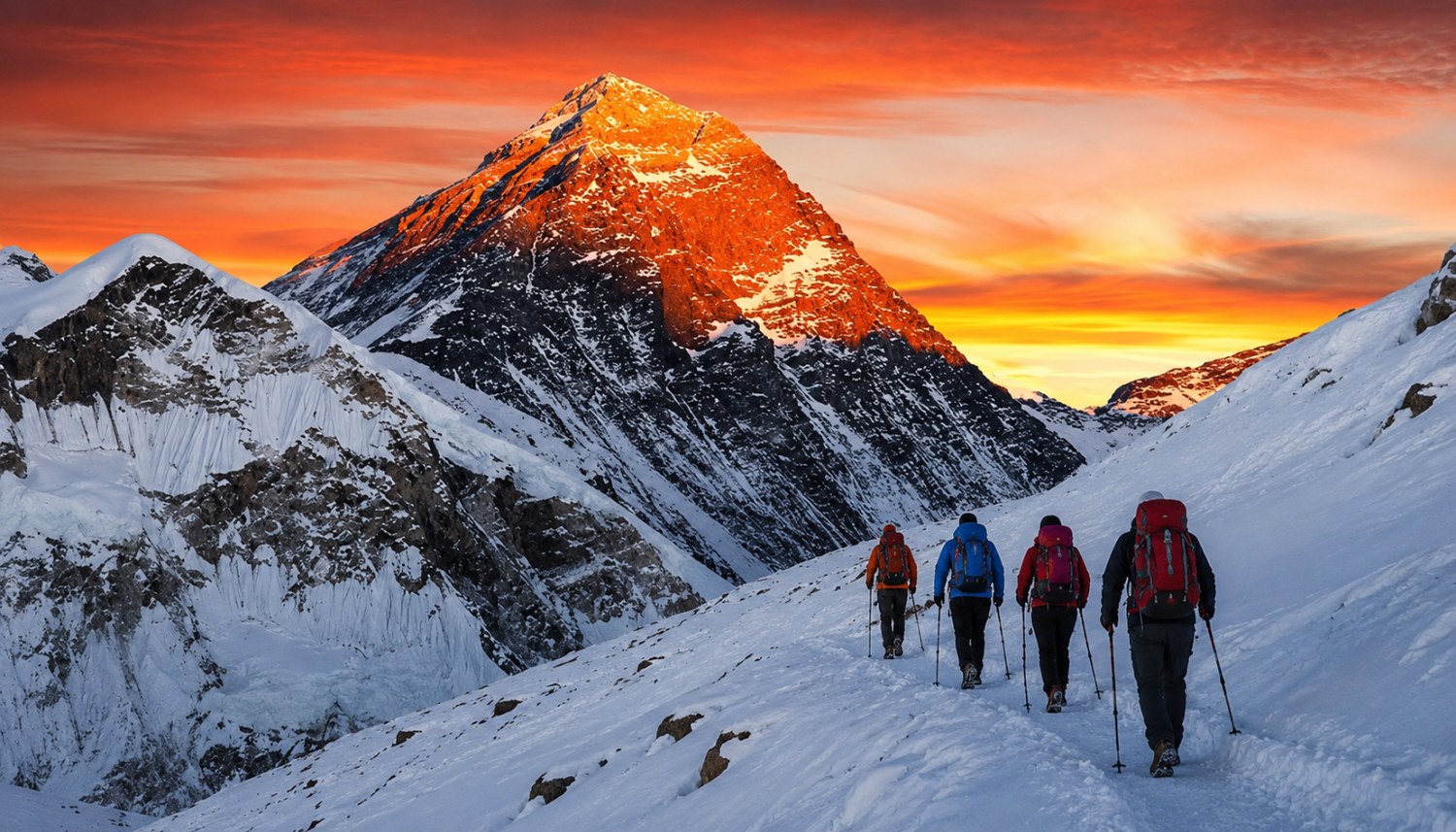
Classic Everest Base Camp Trek: Cost, Itinerary, Difficulty & Complete Guide
By Nepal Trip Services On 27 Sep 2026

By Nepal Trip Services On 27 Sep 2026
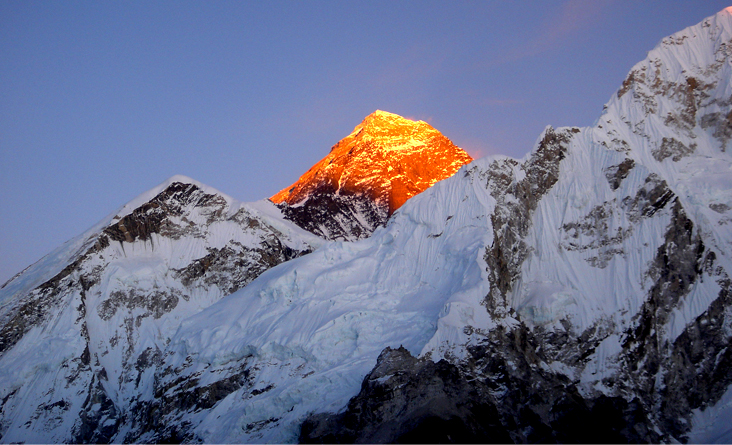
Few adventures on Earth carry the same weight of ambition, history, and raw natural beauty as the Everest Base Camp Trek. Walking in the footsteps of legends like Tenzing Norgay and Sir Edmund Hillary, trekkers journey through vibrant Sherpa villages, ancient monasteries, and dramatic glacial landscapes before standing face-to-face with the world's highest mountain. This complete guide breaks down everything you need to know about the Classic Everest Base Camp Trek — cost, itinerary, difficulty, permits, and expert planning tips — brought to you by Nepal Trip Services, your trusted partner for Himalayan adventures.
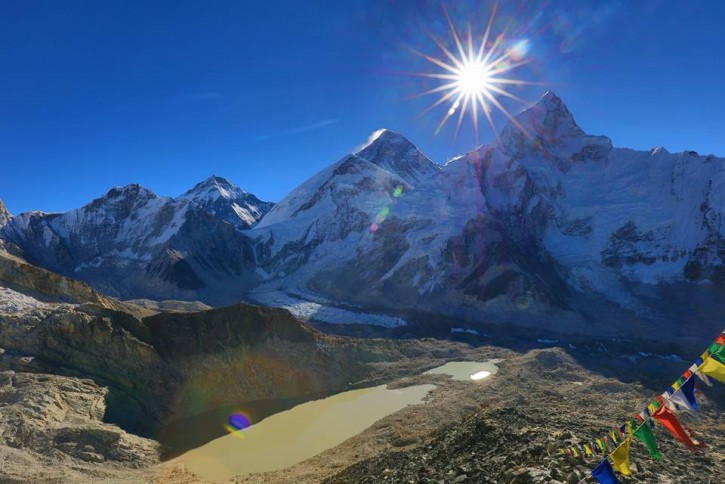
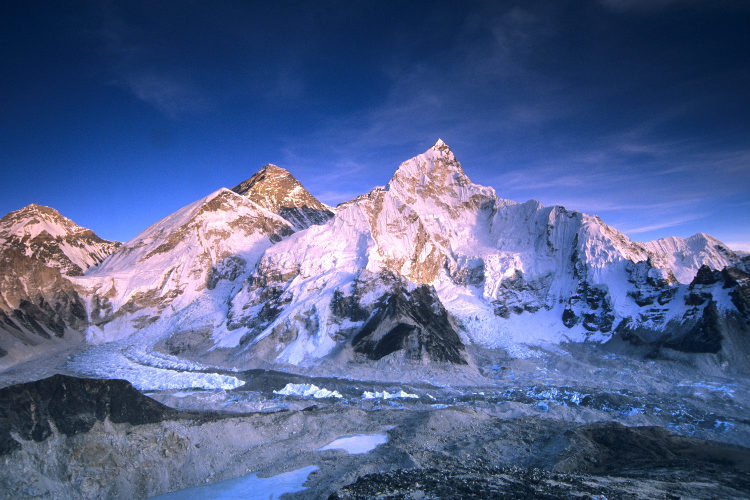
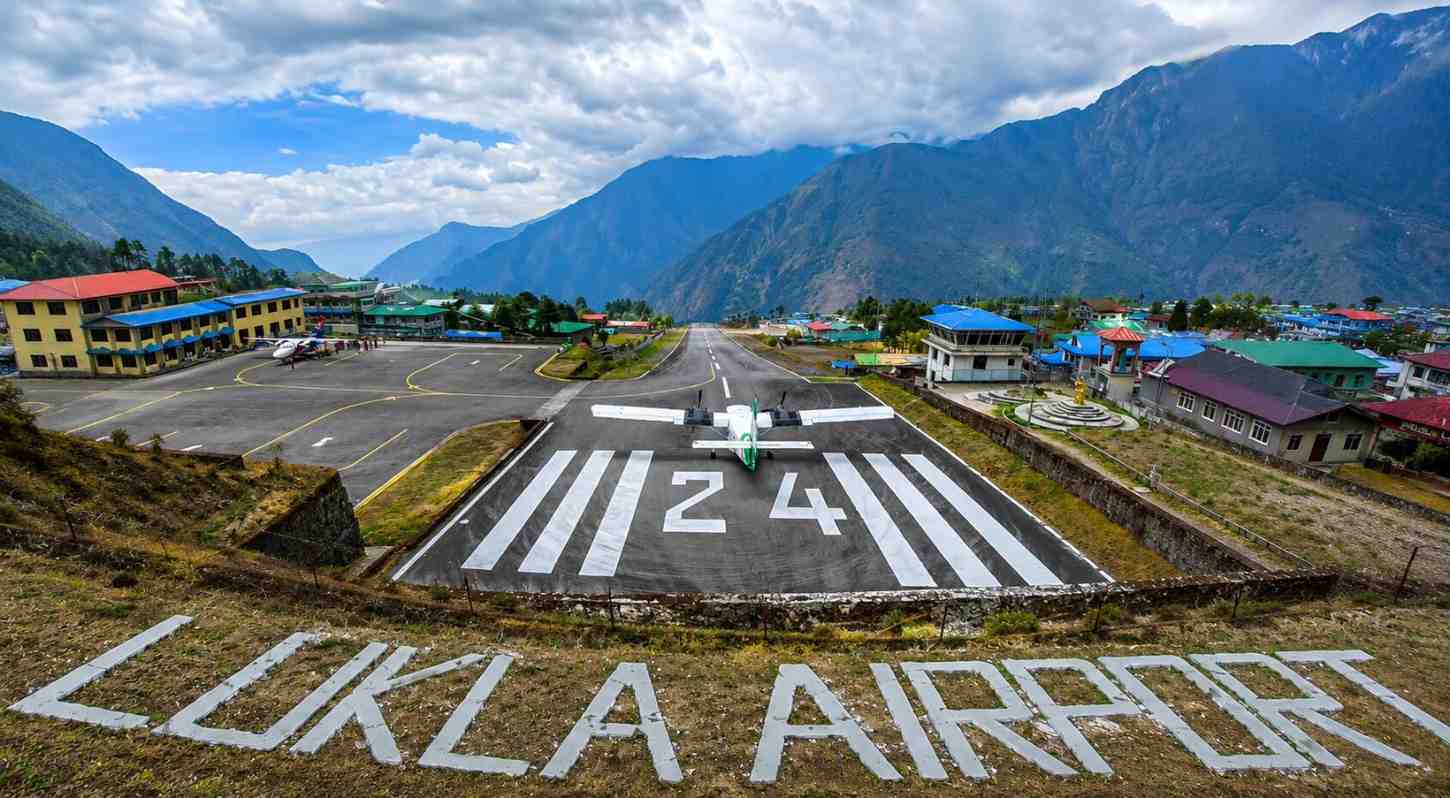
The Classic Everest Base Camp Trek is the most iconic trekking route in Nepal, taking adventurers from the mountain airstrip of Lukla through the heart of the Khumbu region to Everest Base Camp at 5,364 meters, with a side excursion to the legendary sunrise viewpoint of Kala Patthar. Combining spectacular Himalayan scenery, rich Sherpa culture, and a genuine physical challenge, it remains one of the most sought-after adventures in the world.
If you're ready to start planning, the Classic Everest Base Camp Trek offered by Nepal Trip Services provides a well-structured, professionally guided itinerary designed for safety, proper acclimatization, and an unforgettable experience.
| Detail | Information |
|---|---|
| Duration | 14 days (Kathmandu to Kathmandu) |
| Maximum Altitude | Kala Patthar – 5,545 m / Everest Base Camp – 5,364 m |
| Starting Point | Lukla (via flight from Kathmandu) |
| Difficulty Level | Moderate to Challenging |
| Best Seasons | March–May (Spring) & September–November (Autumn) |
| Trek Type | Teahouse/lodge-based trekking |
| Permits Required | Sagarmatha National Park Entry, Khumbu Pasang Lhamu Rural Municipality Permit |
| Guide Requirement | Licensed guide required under current Nepal regulations |
Below is a sample day-by-day itinerary reflecting the classic route followed by most trekking agencies, including Nepal Trip Services:
| Day | Route | Altitude |
|---|---|---|
| 1 | Arrive in Kathmandu | 1,400 m |
| 2 | Fly to Lukla, trek to Phakding | 2,610 m |
| 3 | Trek to Namche Bazaar (via Monjo & Sagarmatha NP entry) | 3,440 m |
| 4 | Acclimatization day in Namche Bazaar | 3,440 m |
| 5 | Trek to Tengboche | 3,867 m |
| 6 | Trek to Dingboche (via Deboche & Pangboche) | 4,410 m |
| 7 | Acclimatization day in Dingboche | 4,410 m |
| 8 | Trek to Lobuche (via Thukla Pass) | 4,940 m |
| 9 | Trek to Gorak Shep, visit Everest Base Camp | 5,164 m / 5,364 m |
| 10 | Hike to Kala Patthar, descend to Pheriche | 5,545 m → 4,371 m |
| 11 | Trek back to Namche Bazaar | 3,440 m |
| 12 | Trek to Lukla | 2,860 m |
| 13 | Fly back to Kathmandu | 1,400 m |
Note: For more details, read our Classic Everest Base Camp Trek Itinerary: Complete Guide.
The overall cost of the trek depends heavily on whether you go independently or with a guided package, the season you travel, and the level of comfort you choose. Here's a detailed breakdown:
| Package Type | Estimated Cost (USD) |
|---|---|
| Budget Guided Package | $1,390 – $1,600 |
| Standard Guided Package | $1,500 – $2,500 |
| Premium/Private Package | $2,500 – $3,500+ |
Guided packages typically include a licensed guide, porter support, teahouse accommodation, most meals during the trek, and domestic flights to and from Lukla.
| Permit | Approx. Cost (Foreigners) |
|---|---|
| Sagarmatha National Park Entry Permit | NPR 3,000 (~$22 USD) |
| Khumbu Pasang Lhamu Rural Municipality Permit | NPR 2,000 (~$15 USD) |
Important 2026 Update: The TIMS (Trekkers' Information Management System) card is no longer required for the Everest/Khumbu region — the Khumbu Pasang Lhamu Rural Municipality Permit has replaced it. Always confirm current permit requirements with your trekking operator before departure.
| Item | Estimated Cost |
|---|---|
| Round-trip flight | $300 – $450 USD |
| Alternate route via Manthali (Ramechhap) | May require additional ground transfer costs |
| Trek Style | Total Estimated Cost |
|---|---|
| Independent/Budget Trekker | $1,200 – $1,800 USD |
| Standard Guided Package | $1,800 – $2,800 USD |
| Premium/Private Trek | $3,000 USD and above |
The Everest Base Camp Trek is considered moderate to challenging, primarily due to the high altitude rather than technical difficulty. Here's what makes it demanding — and how to prepare:
| Season | Months | Conditions |
|---|---|---|
| Spring | March – May | Warm days, blooming rhododendrons, excellent visibility |
| Autumn | September – November | Clearest skies, most stable weather, peak trekking season |
| Winter | December – February | Very cold, quieter trails, risk of flight delays |
| Monsoon | June – August | Rain, leeches, poor visibility — generally avoided |
Spring and autumn remain the two most popular and reliable seasons for both safety and scenery.
Given the extreme elevations reached on this trek, altitude awareness is critical:
| Included | Typically Not Included |
|---|---|
| Airport transfers | International flights |
| Kathmandu–Lukla flights | Nepal visa fees |
| Licensed guide & porter | Personal trekking gear |
| Teahouse accommodation | Alcoholic beverages & bottled drinks |
| Breakfast, lunch, dinner during trek | Travel insurance |
| All necessary permits | Tips for guides/porters |
Choosing the right trekking partner makes a significant difference in safety, comfort, and overall experience. Nepal Trip Services offers:
For a professionally guided, safe, and unforgettable journey to the roof of the world, explore the Classic Everest Base Camp Trek with Nepal Trip Services.
The cost of the Everest Base Camp Trek typically ranges from $1,200 to $1,800 USD for budget/independent trekkers, and $1,800 to $2,800 USD for a standard guided package with Nepal Trip Services. Premium or private packages can exceed $3,000 USD, depending on accommodation quality, group size, and additional services included.
The Classic Everest Base Camp Trek typically takes between 12 and 16 days from Kathmandu to Kathmandu, including essential acclimatization days. Some itineraries can be extended further to include side trips like Gokyo Lakes or the Three Passes trek.
The trek is considered moderate to challenging, primarily due to high altitude rather than technical climbing difficulty. It involves 5–7 hours of daily walking on uneven terrain, cumulative fatigue over nearly two weeks, and the need for proper acclimatization to manage the risk of altitude sickness.
No prior technical climbing experience is required, as the Everest Base Camp Trek does not involve ropes, crampons, or mountaineering skills. However, solid cardiovascular fitness and some hiking experience are highly recommended to handle the long daily walking distances and high-altitude conditions.
Trekkers need two mandatory permits: the Sagarmatha National Park Entry Permit (approximately NPR 3,000 / $22 USD) and the Khumbu Pasang Lhamu Rural Municipality Permit (approximately NPR 2,000 / $15 USD). As of the 2026 update, the TIMS card is no longer required for this region, having been replaced by the local municipality permit.
The trek reaches its highest point at Kala Patthar (5,545 meters), with Everest Base Camp itself sitting at approximately 5,364 meters. Both points require careful acclimatization due to significantly reduced oxygen levels at this elevation.
The best seasons are spring (March–May) and autumn (September–November), offering the clearest skies, most stable weather, and best overall visibility of the surrounding peaks. Winter is very cold with flight delay risks, while monsoon season (June–August) is generally avoided due to rain and poor visibility.
Yes, current Nepal government regulations require foreign trekkers in the Everest region to be accompanied by a licensed guide. Trekking with an experienced operator like Nepal Trip Services also significantly improves safety, logistics, and overall trekking success.
A typical guided package includes airport transfers, Kathmandu–Lukla flights, a licensed guide and porter, teahouse accommodation, three meals daily during the trek, and all necessary permits. It usually does not include international flights, Nepal visa fees, personal gear, travel insurance, or tips for guides and porters.
Preventing altitude sickness involves ascending gradually, staying well-hydrated with 3–4 liters of water daily, using built-in acclimatization days in Namche Bazaar and Dingboche effectively, and recognizing early symptoms like headache, nausea, or dizziness. If symptoms worsen, descending to a lower altitude is essential rather than continuing upward.
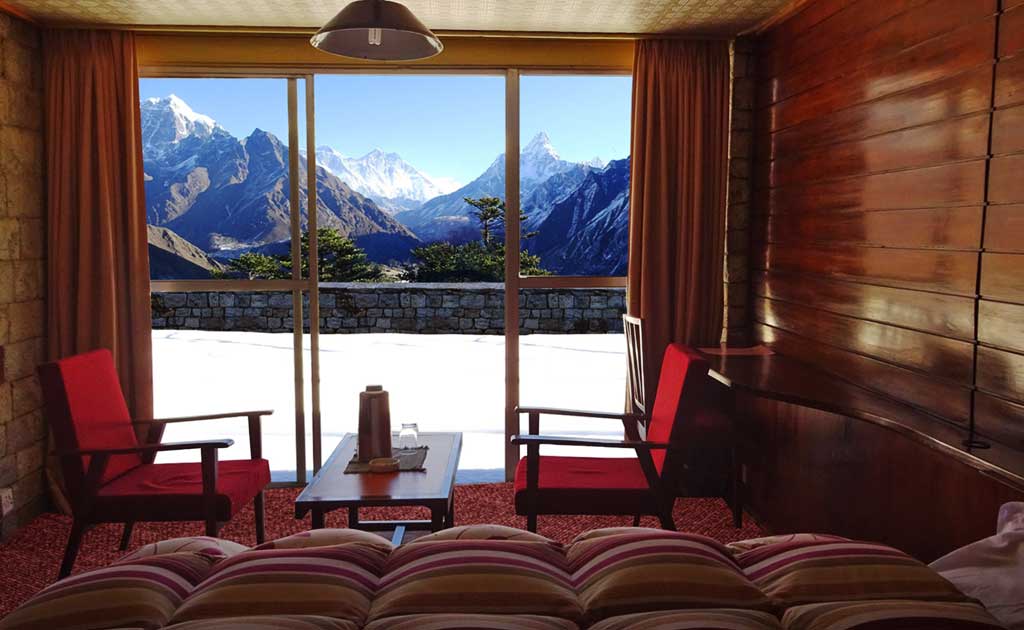
The Everest Base Camp Trek is a teahouse-based trek, meaning trekkers stay in simple lodges along the route offering basic rooms, shared bathrooms in most locations, and dining halls serving local and Western meals. Accommodation becomes more basic as altitude increases, with Gorak Shep offering the most rudimentary facilities near the end of the route.
A round-trip flight between Kathmandu and Lukla typically costs between $300 and $450 USD, though prices can vary by season and airline. During peak trekking months, flights may operate from Manthali Airport (Ramechhap) instead of Kathmandu, requiring an additional ground transfer.
Essential gear includes an insulated down jacket, thermal base layers, sturdy broken-in trekking boots, a sleeping bag rated for sub-zero temperatures, trekking poles, sun protection, and a basic first-aid kit. Many items can be rented or purchased affordably in Kathmandu or Namche Bazaar before starting the trek.
Yes, travel insurance covering high-altitude trekking and emergency helicopter evacuation is strongly recommended and often required by trekking operators. Given the remote location and altitude-related risks, insurance provides essential financial and logistical protection in case of emergencies.
Nepal Trip Services offers experienced, licensed local guides, well-paced itineraries built around proper acclimatization, transparent pricing with no hidden costs, and strong safety protocols throughout the journey. Their Classic Everest Base Camp Trek package is designed to deliver a safe, culturally rich, and unforgettable Himalayan adventure from start to finish.
The Classic Everest Base Camp Trek is a life-changing journey that rewards preparation, patience, and respect for the mountains with an experience unlike anything else on Earth. From the thrill of landing in Lukla to the emotional moment of standing at the base of Mount Everest, every step of this trek tells a story of endurance, culture, and natural wonder.
Whether you're an experienced trekker or attempting your first major high-altitude adventure, understanding the cost, itinerary, and difficulty in advance ensures you're fully prepared for the journey ahead. With the right planning — and the right trekking partner like Nepal Trip Services — Everest Base Camp isn't just a dream destination; it's an achievable, unforgettable reality.
Discover more articles that match your interests! Explore these similar blogs packed with insights, tips, and stories to keep you inspired.
Everything on Classic Everest Base Camp Trek permits for 2026–2027 — costs, requirements, where to get them & recent...
Discover the best season for the Classic Everest Base Camp Trek. Compare autumn, spring, winter & monsoon weather, views...
Explore the Classic Everest Base Camp Trek itinerary with detailed day-by-day routes, altitudes, trekking hours & acclim...
Discover what you\\\'ll eat and where you\\'ll sleep on the Classic Everest Base Camp Trek. Complete guide to teahouses,...
Discover the full cost breakdown of the Classic Everest Base Camp Trek — permits, flights, guides, porters, meals & ac...
Is the Classic Everest Base Camp Trek hard? Complete guide to difficulty level, altitude challenges, fitness needs & tra...