Can Beginners Do The Annapurna Circuit Trek?
By Nepal Trip Services On 25 Sep 2026

By Nepal Trip Services On 25 Sep 2026
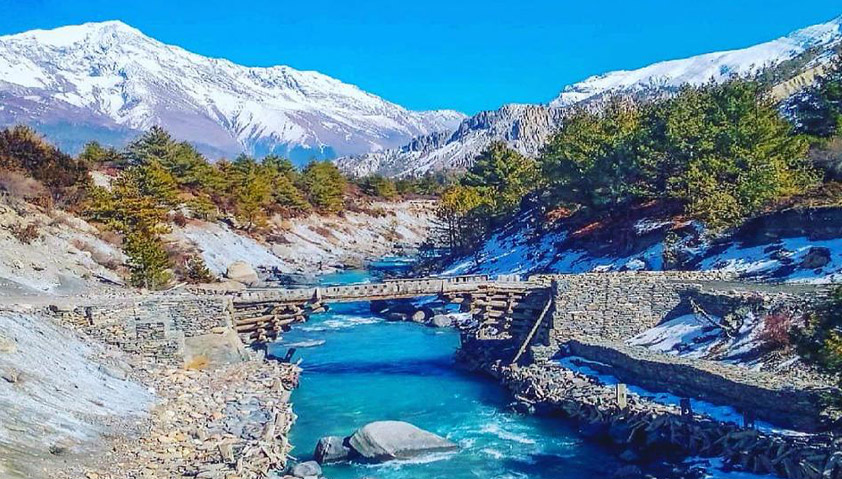
If you're dreaming of Himalayan peaks, ancient monasteries, and dramatic mountain passes but have never trekked before, you might be wondering whether the Annapurna Circuit Trek is realistic for someone with no prior experience. The good news is that this iconic route, one of the most celebrated long-distance treks in the world, is genuinely achievable for beginners with the right preparation, mindset, and support. Unlike remote expedition-style climbs that demand technical mountaineering skills, this trek follows a well-established network of trails dotted with cozy teahouses, friendly villages, and gradual altitude gains that give first-timers plenty of time to adjust and build confidence along the way. Thousands of complete beginners successfully finish this trek each year, proving that a strong sense of determination, sensible pacing, and a willingness to listen to your body often matter far more than prior trekking experience. This complete guide breaks down exactly what beginners need to know before committing to this remarkable journey, from physical preparation and altitude awareness to choosing the right support and timing your trek for success.
Yes, the Annapurna Circuit Trek is widely considered one of the more accessible long-distance treks in Nepal for first-time trekkers, especially when compared to more technical or extreme alternatives. Unlike expedition-style climbs requiring specialized mountaineering skills, this trek follows well-established trails through villages, teahouses, and gradually increasing altitudes, allowing beginners to build confidence and stamina as they go.
Several factors make the Annapurna Circuit particularly manageable for those new to multi-day trekking:
| Feature | Details |
|---|---|
| Typical Duration | 12–15 days (can be shortened or extended) |
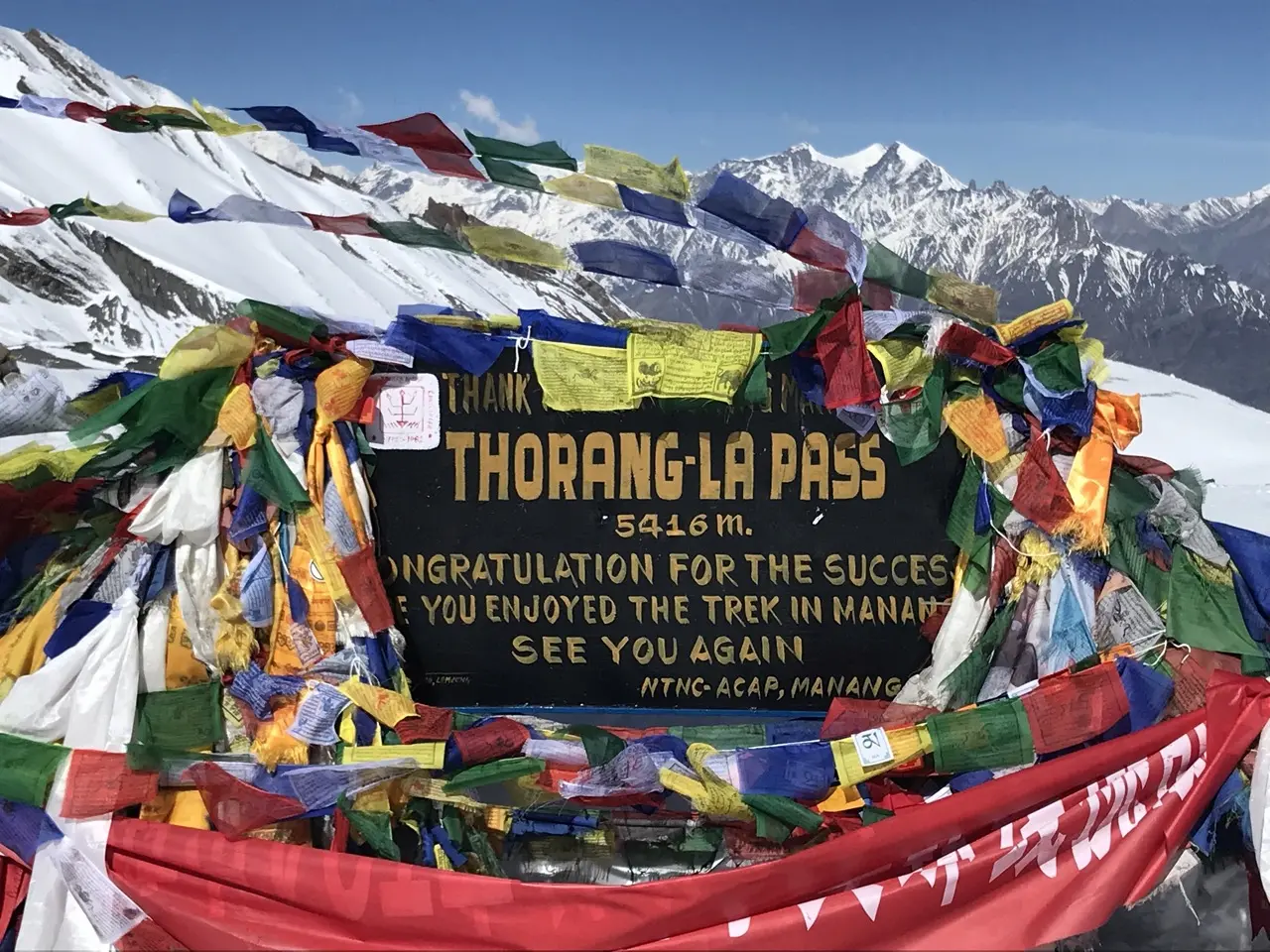
| Highest Point | Thorong La Pass (5,416 meters) |
| Starting Point | Besisahar |
| Difficulty Level | Moderate to challenging |
| Accommodation | Teahouses and guesthouses throughout |
| Permits Required | ACAP and TIMS card |
| Best Seasons | Spring (March–May) and autumn (September–November) |
While achievable, the Annapurna Circuit isn't without its difficulties, and beginners should understand these challenges honestly before committing:
Proper preparation significantly increases the likelihood of a safe and enjoyable trekking experience for first-timers.
While experienced trekkers sometimes complete the circuit independently, beginners generally benefit significantly from additional support:
| Support Type | Benefits for Beginners |
|---|---|
| Guide | Helps monitor altitude sickness symptoms, navigate logistics, and provide cultural insight |
| Porter | Carries the bulk of your load, reducing physical strain and allowing you to focus on the trek itself |
| Guide + Porter Combination | Offers maximum support, particularly valuable for complete beginners |
| Independent Trekking | Possible but requires more self-reliance, research, and confidence in navigation and altitude management |
For most beginners, hiring at least a guide is strongly recommended, as this provides both safety oversight and peace of mind throughout the journey.
You don't need to be an elite athlete to complete the Annapurna Circuit, but a reasonable baseline of fitness makes the experience considerably more enjoyable and safer.
Altitude sickness is a legitimate concern at elevations reached during this trek, but it's manageable through proper pacing, adequate acclimatization days, staying hydrated, and listening to your body. Guides and teahouse staff throughout the region are experienced in recognizing symptoms and can advise on whether to continue, rest, or descend.
Most trekking itineraries are designed with realistic daily distances that accommodate varying fitness levels, and guides can adjust pacing as needed. Independent trekkers also have full flexibility to set their own pace and rest as required.
Teahouses along the route offer private rooms, blankets, and hot meals, making the trek considerably more comfortable than camping-based expeditions. While facilities are basic compared to standard hotels, they provide sufficient comfort for a multi-day trekking experience.
Beginners can improve their chances of success by making a few key itinerary adjustments:
| Day | Route Description | Altitude | Duration | Distance (approx.) |
|---|---|---|---|---|
| Day 1 | Arrival in Kathmandu (TIA), Nepal | 1,400m / 4,593ft | — | — |
| Day 2 | Drive from Kathmandu to Dharapani | 1,860m / 6,102ft | 7–8 hrs (Drive) | ~175 km |
| Day 3 | Trek from Dharapani to Chame | 2,610m / 8,890ft | 5–6 hrs (Trek) | ~15 km |
| Day 4 | Trek from Chame to Upper Pisang | 3,300m / 10,826ft | 5–6 hrs (Trek) | ~14 km |
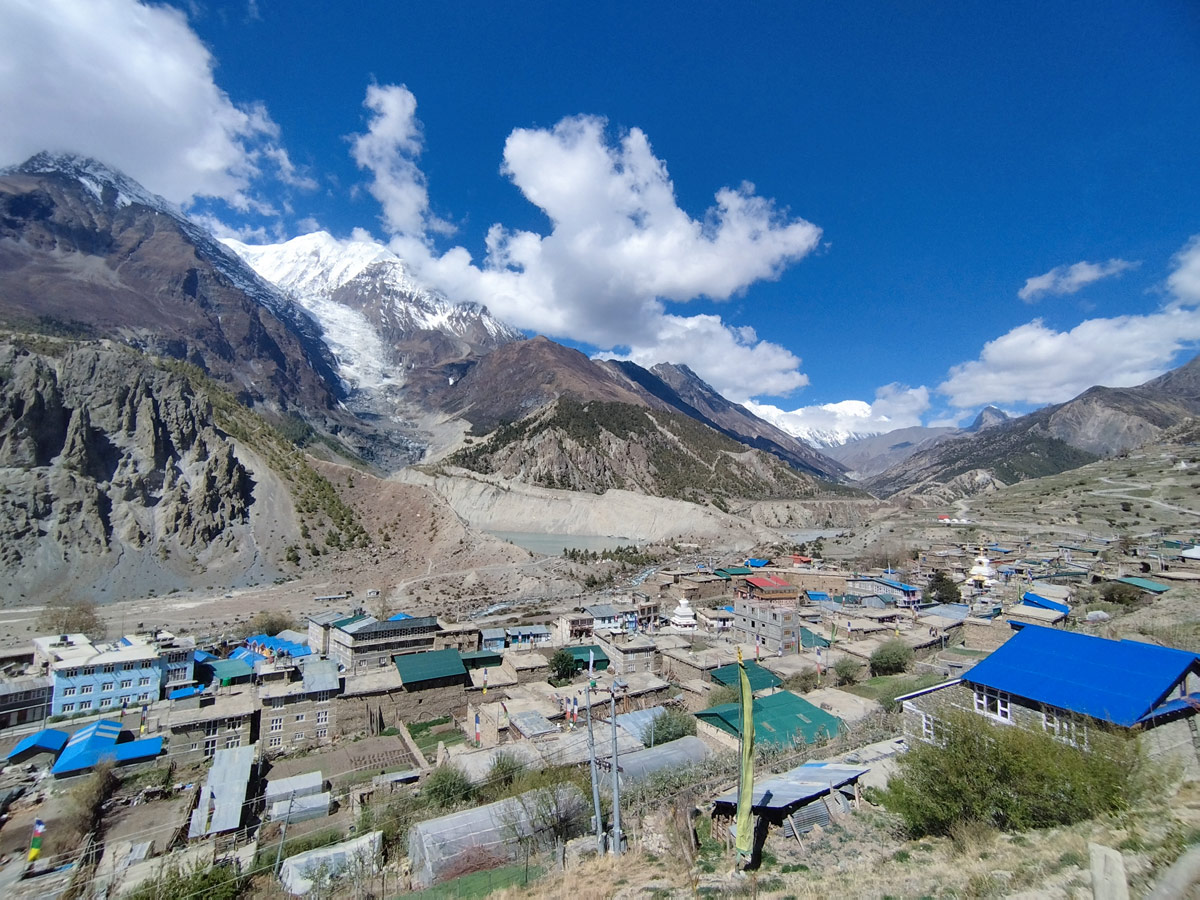
| Day 5 | Trek from Upper Pisang to Manang | 3,540m / 11,614ft | 5–6 hrs (Trek) | ~12 km |
| Day 6 | Rest and Acclimatization Day in Manang | 3,540m / 11,614ft | 2–3 hrs (Optional Hike) | Short acclimatization hikes |
| Day 7 | Trek from Manang to Yak Kharka | 4,020m / 13,188ft | 3–4 hrs (Trek) | ~9 km |
| Day 8 | Trek from Yak Kharka to Thorong Phedi | 4,525m / 14,525ft | 3–4 hrs (Trek) | ~8 km |
| Day 9 | Trek from Thorong Phedi to Muktinath via Thorong La Pass | 5,416m / 17,756ft (Pass) → 3,760m / 12,631ft (Muktinath) | 7–9 hrs (Trek) | ~15 km |
| Day 10 | Trek from Muktinath to Jomsom | 2,700m / 8,858ft | 4–5 hrs (Trek) | ~16 km |
| Day 11 | Flight (or Drive) from Jomsom to Pokhara | 822m / 2,700ft | 20–25 mins (Flight) / 6–7 hrs (Drive Option) | ~140 km |
| Day 12 | Drive from Pokhara to Kathmandu | 1,400m / 4,593ft | 6–7 hrs (Drive) | ~200 km |
| Day 13 | Final Departure | 1,400m / 4,593ft | — | Transfer to airport |
| Season | Months | Why It Suits Beginners |
|---|---|---|
| Spring | March – May | Mild temperatures, blooming rhododendrons, manageable trail conditions |
| Autumn | September – November | Clearest skies, most stable weather, most popular and well-supported season |
| Winter | December – February | More challenging due to cold and potential pass closures; less ideal for beginners |
| Monsoon | June – August | Wet trail conditions and limited visibility; generally not recommended for first-timers |
Autumn is often considered the ideal season for beginners, offering the most predictable weather and the greatest availability of trekking support along the route.
Yes, the Annapurna Circuit Trek is widely considered one of the more accessible long-distance treks in Nepal for first-timers, thanks to its well-established trails, teahouse accommodations, and flexible itinerary options. Thousands of trekkers with no prior experience successfully complete the route each year with proper preparation and pacing.
You don't need to be an elite athlete, but a reasonable baseline of cardiovascular fitness and leg strength makes the experience significantly more manageable. The ability to walk continuously for several hours without severe exhaustion, combined with mental resilience to push through fatigue, matters more than any specialized technical skill.
No, prior trekking experience is not required, since the trail doesn't involve technical climbing, ropework, or specialized mountaineering equipment. Beginners can build confidence gradually as they progress through the route's naturally increasing altitude and terrain difficulty.
The trek typically takes 12 to 15 days to complete, though the itinerary can be shortened or extended depending on fitness level, time availability, and desired acclimatization pace. Beginners are often encouraged to add extra rest days rather than rush through the standard schedule.
The highest point is Thorong La Pass, sitting at 5,416 meters, which represents the most physically and mentally demanding section of the entire trek. Crossing it requires proper acclimatization, an early morning start, and sustained high-altitude walking followed by a steep descent.
Yes, altitude sickness is a legitimate concern given the elevations reached during this trek, but it is manageable through proper pacing, adequate acclimatization days, staying hydrated, and listening to your body. Guides and teahouse staff throughout the region are experienced in recognizing symptoms and can advise whether to continue, rest, or descend.
Hiring at least a guide is strongly recommended for beginners, as guides help monitor altitude sickness symptoms, navigate logistics, and provide valuable cultural context throughout the journey. This added support offers both safety oversight and peace of mind for those new to multi-day trekking.
While not mandatory, hiring a porter significantly reduces physical strain by carrying the bulk of your load, allowing beginners to focus more energy on the trek itself. Many first-timers choose a combined guide-and-porter arrangement for maximum support during their journey.
Teahouses and guesthouses line the entire route, offering private rooms, blankets, and hot meals, making the trek considerably more comfortable than camping-based expeditions. While facilities remain basic compared to standard hotels, they provide sufficient comfort for a multi-day trekking experience.
Beginners should focus on building cardiovascular fitness through regular hiking, running, or stair climbing, along with leg strength training like squats and lunges in the months leading up to the trip. Practicing with a loaded backpack and breaking in hiking boots beforehand also helps prepare the body for consecutive trekking days.
Trekkers need an Annapurna Conservation Area Permit (ACAP) and a Trekkers' Information Management System (TIMS) card, both of which can be arranged in Kathmandu or Pokhara before starting the Annapurna Circuit Trek. These permits are checked at various checkpoints along the route.
Autumn, from September to November, is generally considered ideal for beginners, offering the clearest skies, most stable weather, and greatest availability of trekking support along the route. Spring, from March to May, is also a strong option with mild temperatures and manageable trail conditions.
Beginners should consider adding extra acclimatization days, particularly around Manang, building buffer days near Thorong La Pass for potential weather delays, and avoiding the temptation to rush the schedule even if physically capable. A shorter variation of the circuit is also an option for those with time or fitness concerns.
Most trekking itineraries are designed with realistic daily distances that accommodate varying fitness levels, and guides can adjust pacing as needed throughout the journey. Independent trekkers also have full flexibility to set their own pace and rest whenever necessary.
Proper pacing and acclimatization matter far more than raw physical fitness or prior trekking experience when it comes to successfully completing the Annapurna Circuit. Beginners who prepare realistically, listen to their bodies, and consider hiring a guide significantly increase their chances of a safe and rewarding journey along the Annapurna Circuit Trek.
Beginners absolutely can complete the Annapurna Circuit Trek with proper preparation, realistic expectations, and appropriate support along the way. While the trek does present genuine physical and altitude-related challenges, its well-established infrastructure, flexible itinerary options, and widespread guide availability make it one of the most accessible introductions to serious Himalayan trekking available anywhere in the world. For first-time trekkers ready to take on this incredible journey, the Annapurna Circuit Trek offers an achievable yet genuinely rewarding path into the world of high-altitude adventure.
Discover more articles that match your interests! Explore these similar blogs packed with insights, tips, and stories to keep you inspired.
Everything on Thorong La Pass — altitude, difficulty, weather, route & crossing times. Complete guide for the Annapurn...
Complete guide on how to prepare for the Annapurna Circuit Trek — training, gear, permits, insurance & mental readines...
Discover Besisahar, Nepal — the official gateway to the Annapurna Circuit Trek. Complete guide to altitude, history & ...
Discover the Marsyangdi River — the Annapurna Circuit\'s raging river. Complete guide to its geography, origins & trek...
Discover Manang, Nepal — Annapurna Circuit\\'s key acclimatization village with monasteries, glacial lakes & Thorong L...
Explore Manangi culture in Nepal — Tibetan Buddhist heritage, trans-Himalayan trading history & unique lifestyle of th...