Kathmandu, Nepal: Culture, Heritage & Complete Travel Guide
By Nepal Trip Services On 27 Sep 2026

By Nepal Trip Services On 27 Sep 2026
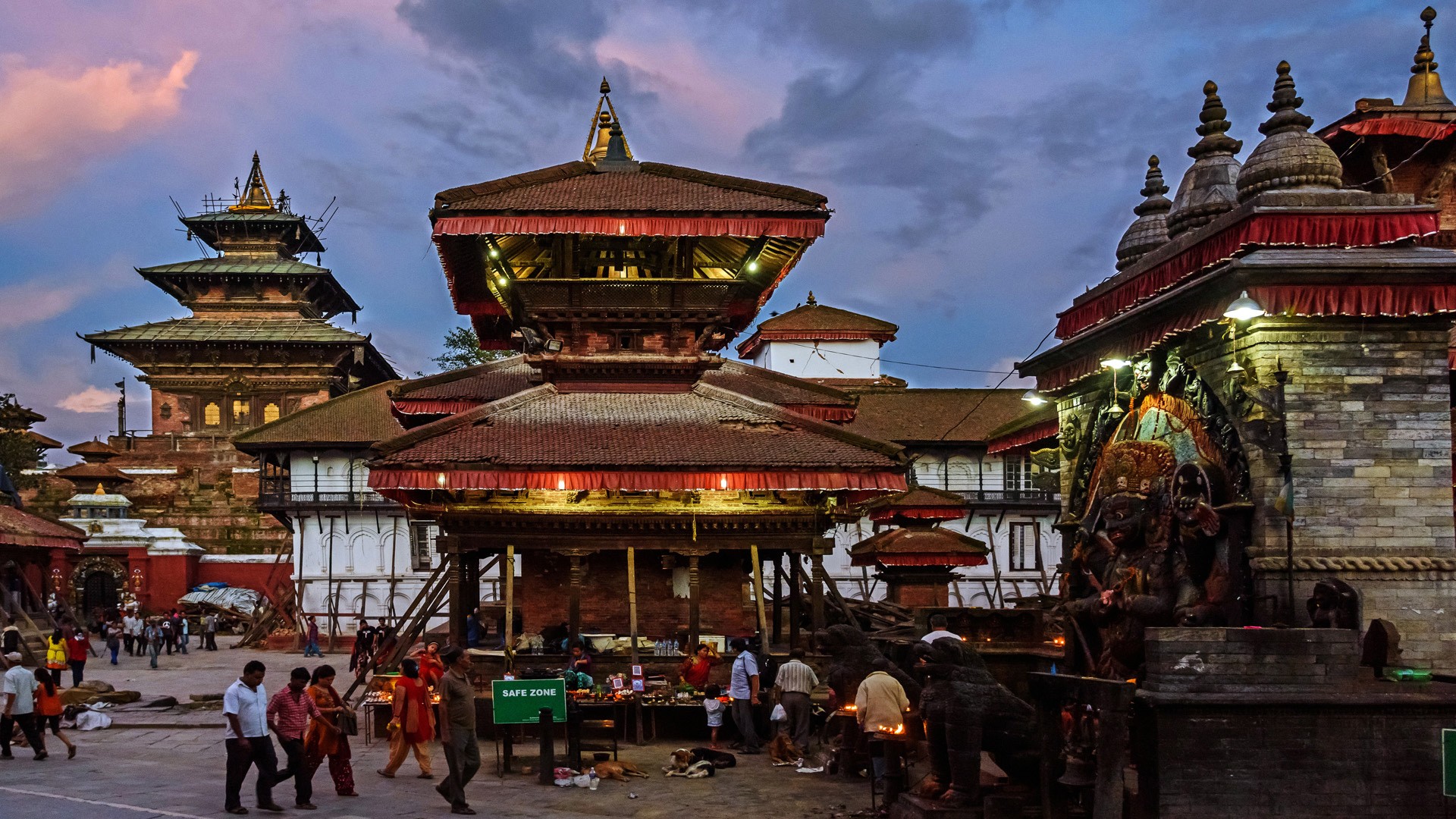
Kathmandu is not just the capital of Nepal — it is the beating heart of the Himalayas, a city where ancient Newari temples stand beside bustling modern cafés, where the scent of incense mixes with the honk of motorbikes, and where centuries-old traditions continue uninterrupted in the shadow of the world's highest mountains. For millions of travelers, Kathmandu serves as the gateway to Everest, Annapurna, and the wider Himalayan region, but the city itself deserves days of exploration in its own right.
This complete travel guide walks you through Kathmandu's history, culture, top attractions, practical travel tips, and everything you need to plan an unforgettable visit.
Kathmandu Valley has been inhabited for over 2,000 years and was historically divided into three rival kingdoms: Kathmandu, Patan (Lalitpur), and Bhaktapur. Each kingdom competed to build the most magnificent palaces, temples, and public squares, resulting in the extraordinary concentration of art and architecture that survives today.
The valley flourished under the Malla Dynasty (12th–18th century), a golden era of Newari art, wood carving, and pagoda-style temple architecture. In 1768, King Prithvi Narayan Shah of Gorkha unified the three kingdoms, founding modern Nepal with Kathmandu as its capital — a status it retains today.
Kathmandu has weathered its share of hardship, including the devastating 2015 Gorkha earthquake, which damaged several historic monuments. Restoration work has been extensive, and today most of the valley's iconic heritage sites are fully or largely reopened, with visible traditional craftsmanship on display in the ongoing reconstruction.
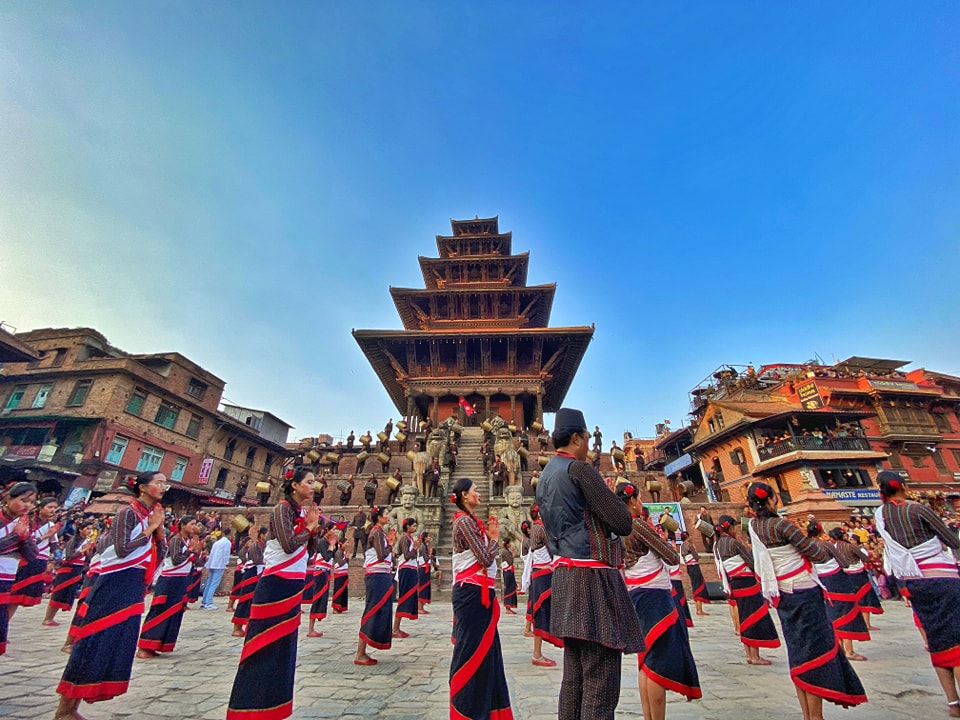
Kathmandu is a melting pot of ethnicities, languages, and religions, but its cultural identity is most strongly shaped by the Newar community — the valley's indigenous inhabitants, renowned for their craftsmanship, cuisine, and festivals. Hinduism and Buddhism coexist harmoniously here, often within the same temple complex, reflecting Nepal's long history of religious syncretism.
Key cultural elements you'll encounter include:
The historic royal palace complex of the old Kathmandu Kingdom, Kathmandu Durbar Square is filled with temples, courtyards, and intricately carved buildings dating back centuries. Despite earthquake damage in 2015, restoration work has preserved the site's spiritual and architectural significance, and it remains a UNESCO World Heritage Site and a top attraction for first-time visitors.
Perched on a hilltop overlooking the city, Swayambhunath is one of the oldest and most sacred Buddhist stupas in Nepal. Its iconic all-seeing Buddha eyes and panoramic views of the Kathmandu Valley make it a must-visit, though be prepared for a climb of a few hundred steps (and, true to its nickname, plenty of monkeys along the way).
One of the largest stupas in the world, Boudhanath is the spiritual center of Nepal's Tibetan Buddhist community. Walking clockwise around the stupa (as per tradition) among maroon-robed monks and spinning prayer wheels is one of the most peaceful experiences in the city, especially at sunset.
A sacred Hindu temple complex dedicated to Lord Shiva, situated on the banks of the Bagmati River. As one of the most important Shiva temples in the world, it also functions as a cremation site, offering visitors a profound, if solemn, glimpse into Hindu death rituals and beliefs.
Just across the river in Lalitpur, Patan Durbar Square is widely regarded as the best-preserved and most architecturally coherent of the valley's three Durbar Squares, home to the Patan Museum and remarkable Newari craftsmanship.
Located about 14 km east of Kathmandu, Bhaktapur is a beautifully preserved medieval city with car-free brick streets and the towering 55-Window Palace. The five-story Nyatapola Temple, built in 1702, dominates the nearby Taumadhi Square and survived the 2015 earthquake virtually unscathed.
Kathmandu's famous tourist hub, Thamel is packed with guesthouses, trekking gear shops, restaurants, bars, and souvenir stalls. It's the best base for travelers preparing for treks to Everest Base Camp, Annapurna, or Langtang.
A serene neoclassical garden tucked away near Thamel, offering a peaceful escape from the city's chaos — ideal for relaxing with a coffee between sightseeing sessions.
The Kathmandu Valley holds seven UNESCO-listed monument zones packed into a relatively small area, making it one of the most heritage-dense regions on Earth.
| Site | Type | Highlight |
|---|---|---|
| Kathmandu Durbar Square | Royal palace complex | Kumari Ghar (Living Goddess) |
| Patan Durbar Square | Royal palace complex | Krishna Mandir & Patan Museum |
| Bhaktapur Durbar Square | Royal palace complex | 55-Window Palace, Nyatapola Temple |
| Swayambhunath | Buddhist stupa | All-seeing Buddha eyes, hilltop views |
| Boudhanath | Buddhist stupa | Largest stupa in Nepal |
| Pashupatinath Temple | Hindu temple complex | Sacred Shiva shrine & cremation ghats |
| Changu Narayan | Hindu temple | Oldest temple in Nepal (4th century) |
Entry fees are subject to periodic revision, so always verify current rates before visiting. As a general reference:
| Site | Approx. Fee (Foreign Nationals) | Notes |
|---|---|---|
| Kathmandu Durbar Square | NPR 1,000 (~US$8–10) | SAARC nationals pay a reduced rate |
| Patan Durbar Square (+ Museum) | NPR 1,000 (~US$8–10) | Includes Patan Museum entry |
| Bhaktapur Durbar Square | NPR 1,800 (~US$18) | Covers entire old town; multi-day validity |
| Swayambhunath | NPR 200 | Locals enter free |
| Pashupatinath Temple | NPR 1,000 | Non-Hindus restricted from inner sanctum |
| Boudhanath | NPR 400–600 | Often waived for early morning visits |
Kathmandu is served by Tribhuvan International Airport (KTM), the country's only major international gateway, with direct flights from major hubs in India, China, the Middle East, and Southeast Asia. Most long-haul travelers connect via Delhi, Doha, Bangkok, or Kuala Lumpur.
Visa options for most nationalities include:
| Season | Months | Conditions |
|---|---|---|
| Autumn (Best) | September – November | Clear skies, mild temperatures, major festivals (Dashain, Tihar) |
| Winter | December – February | Cool and dry, fewer crowds, occasional morning fog |
| Spring | March – May | Warm, blooming rhododendrons, good visibility |
| Monsoon | June – August | Heavy rainfall, lush greenery, fewer tourists |
Autumn and spring are the peak seasons for both sightseeing and trekking, as skies are generally clear and temperatures are comfortable.
For most Himalayan adventurers, Kathmandu is the launching point for treks across Nepal, including the Everest, Annapurna, Langtang, and Manaslu regions. Many trekkers spend a day or two in the city both before and after their trek — before, to arrange permits and gear in Thamel, and after, to relax and explore the valley's cultural sites with a well-earned sense of accomplishment.
Kathmandu is a city where the past and present exist side by side — ancient temples framed by modern rooftops, centuries-old rituals continuing amid the hum of daily urban life. Whether you're passing through en route to the Himalayas or spending a dedicated week exploring its valleys, Kathmandu offers an unmatched blend of culture, history, and spirituality that lingers long after you leave.
Take your time here. Wander through the narrow alleys of the old city, sit quietly at Boudhanath as the prayer wheels turn, and let Kathmandu reveal itself one temple, one meal, and one conversation at a time.
Discover more articles that match your interests! Explore these similar blogs packed with insights, tips, and stories to keep you inspired.
Discover the Newar community of Nepal: history, Nepal Bhasa, festivals, Kumari, Newari food, architecture, rituals & whe...
Explore Bhaktapur, Nepal: Durbar Square, Nyatapola Temple, Pottery Square, Juju Dhau, festivals, entry fees & travel tip...