Annapurna Base Camp Trek Difficulty: Complete Guide
By Nepal Trip Services On 18 Sep 2026

By Nepal Trip Services On 18 Sep 2026
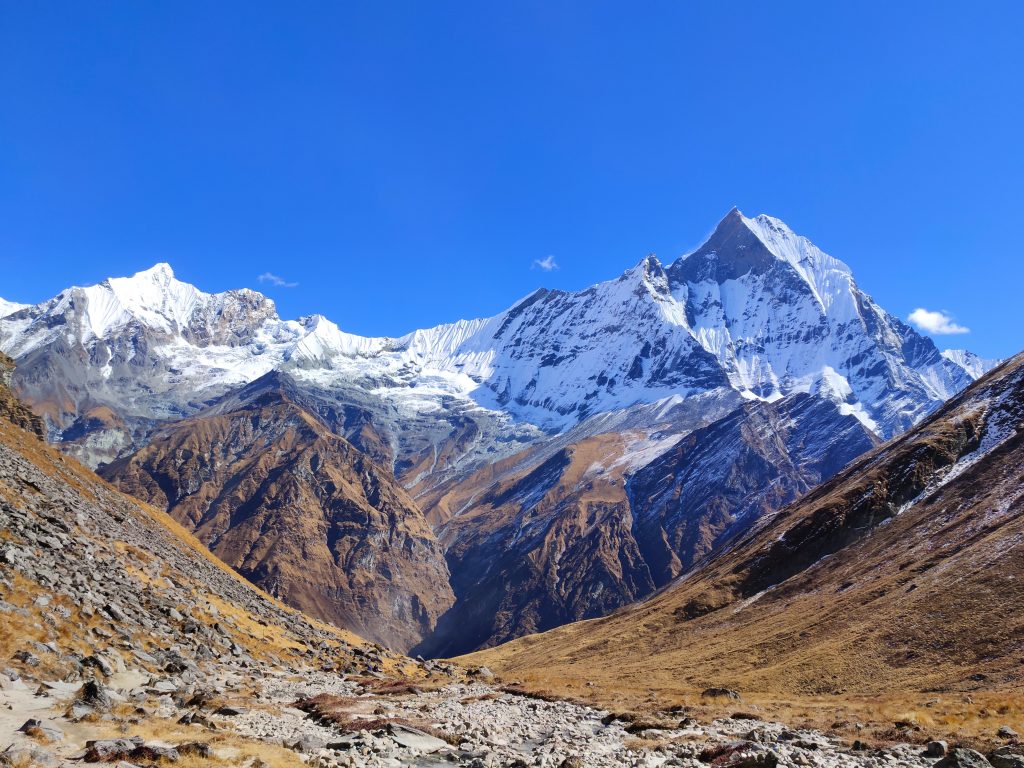
Wondering if you're fit enough to reach Annapurna Base Camp? It's one of the most common questions trekkers ask before booking the Annapurna Base Camp Trek. This complete guide breaks down exactly what makes this trek challenging, what it doesn't require, and how to prepare properly so you can approach the journey with realistic confidence.
The good news is that this trek has earned a reputation as one of the more approachable high-altitude adventures in Nepal, which is precisely why it attracts such a broad range of trekkers — from complete beginners tackling their first multi-day hike to experienced mountaineers looking for a shorter, scenic escape between bigger expeditions. Unlike treks that demand months of dedicated training or specialized technical skills, ABC rewards steady, consistent effort more than elite athleticism, making it genuinely achievable for most reasonably active adults willing to put in some basic preparation beforehand.
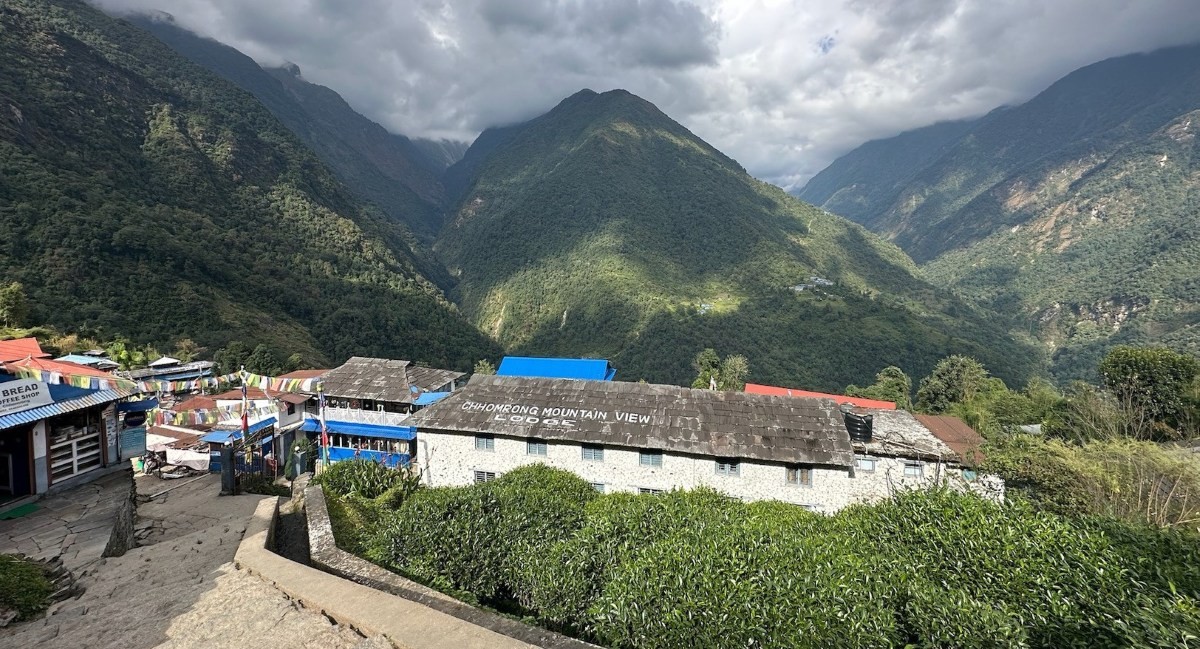
That said, "moderate difficulty" doesn't mean "no difficulty at all," and it's worth understanding exactly where this trek's challenges actually lie before you commit. Many first-time trekkers assume altitude will be the dominant concern, given how often it's discussed in relation to Himalayan trekking generally — but on this particular route, the relentless stone staircases in and out of villages like Chhomrong often catch people off guard more than the elevation itself. This guide breaks down each specific challenge in detail, separating genuine physical demands from common misconceptions, so you arrive on the trail knowing exactly what your body needs to handle, rather than guessing based on general assumptions about Himalayan trekking difficulty.
The Annapurna Base Camp Trek is generally rated moderate, making it one of the more accessible high-altitude treks in Nepal and a solid entry point into serious Himalayan trekking.
| Factor | Difficulty Level |
|---|---|
| Technical Climbing Skills | None required |
| Physical Fitness Needed | Moderate |
| Altitude Challenge | Moderate |
| Daily Walking Time | 5–7 hours |
| Terrain Difficulty | Moderate (stone staircases) |
| Overall Trek Rating | Moderate |
Unlike many other treks, the defining physical challenge here isn't altitude alone — it's the sheer number of stone staircases, particularly the steep climbs in and out of villages like Chhomrong. These repetitive, unrelenting steps genuinely test leg strength and stamina more than most other sections of the trek.
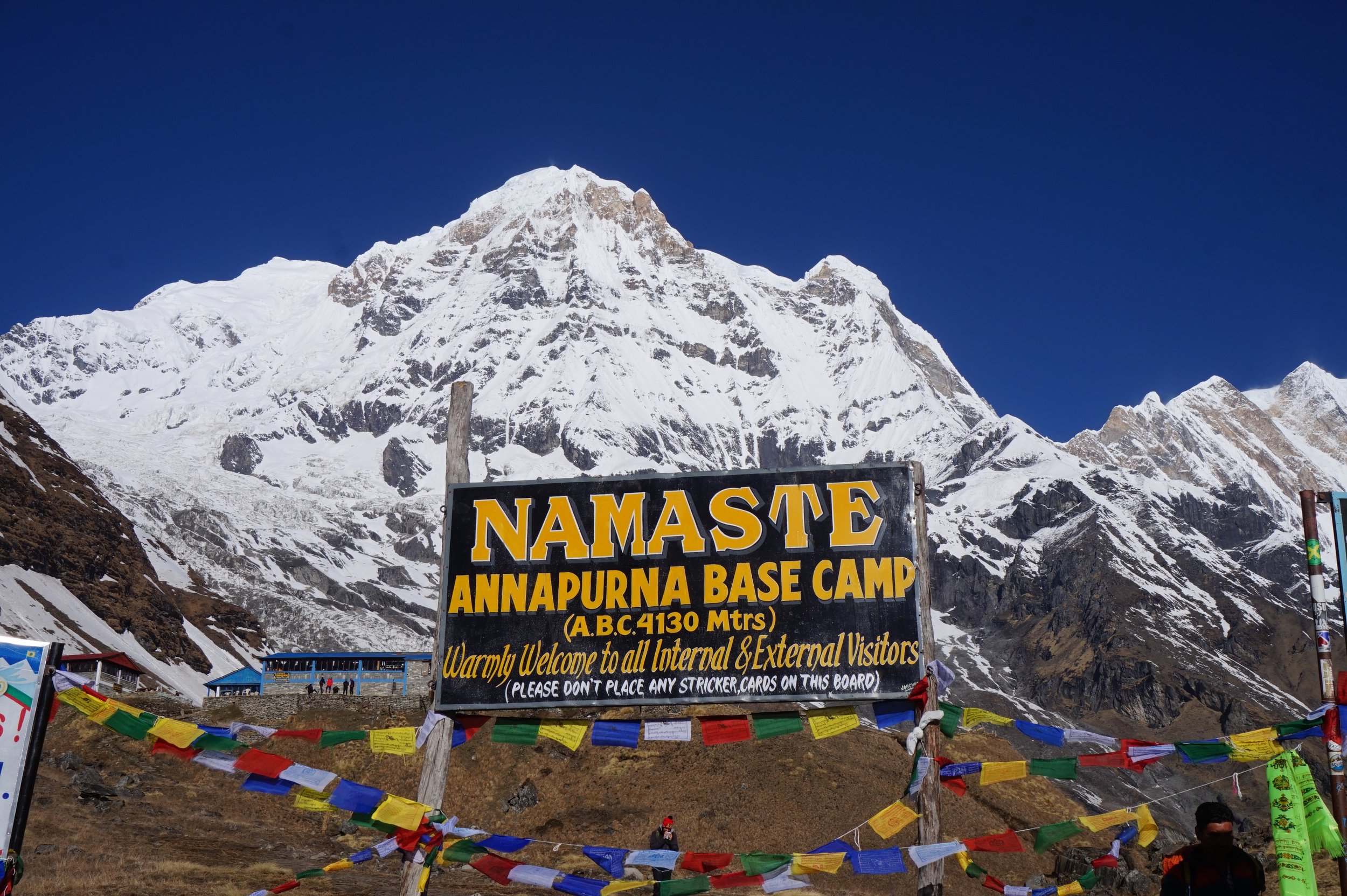
While noticeably lower than Everest Base Camp, ABC still reaches 4,130 meters, high enough that altitude sickness remains a genuine possibility if you ascend too quickly.
Most days on the trail involve 5 to 7 hours of walking, often across consecutive days without a dedicated rest day built into shorter itineraries.
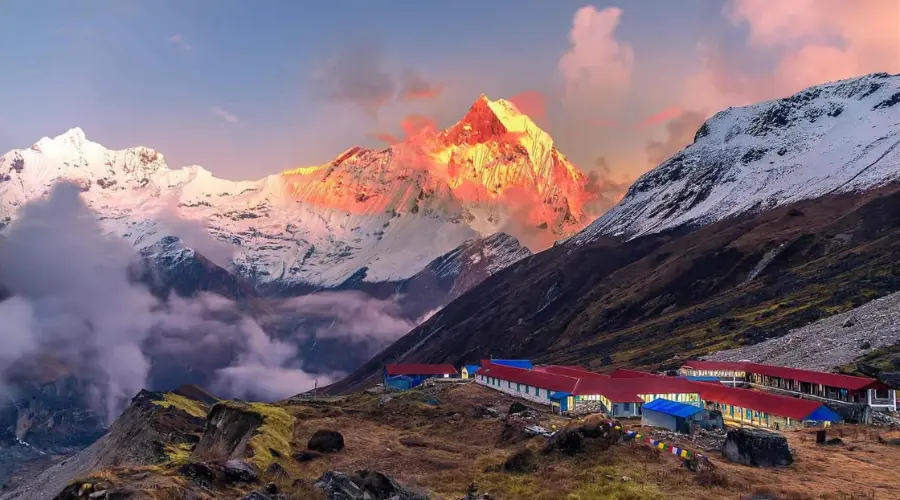
Temperatures drop noticeably at higher elevations, particularly overnight near Deurali, Machhapuchhre Base Camp, and Annapurna Base Camp itself, where conditions can turn cold and damp quickly.
This is fundamentally a walking trek, not a technical mountaineering expedition — one of the reasons it's so popular among first-time Himalayan trekkers.
A moderate level of cardiovascular fitness and leg strength is genuinely all you need to complete the Annapurna Base Camp Trek — no elite athletic conditioning required. Since the trail involves 5 to 7 hours of daily walking and thousands of stone steps, particularly around Chhomrong, building stamina through regular hiking, stair climbing, or cycling for 4 to 6 weeks before departure makes a real difference on the trail. Strong legs matter more than raw endurance here, so incorporating squats, lunges, and stair workouts into your training routine helps prepare you for the trek's repetitive uphill and downhill stretches. Reasonably active adults, including complete beginners with no prior trekking experience, can comfortably handle this trek's fitness demands with a few weeks of consistent preparation.
With consistent preparation over just a few weeks, most moderately fit trekkers — including complete beginners — can comfortably handle the physical demands of the Annapurna Base Camp Trek.
Altitude sickness is a genuine but manageable risk on the Annapurna Base Camp Trek, since the route climbs to 4,130 meters — high enough for Acute Mountain Sickness (AMS) to affect trekkers regardless of fitness level, though the risk is notably lower than on higher-altitude treks like Everest Base Camp. Symptoms typically include headaches, fatigue, dizziness, and reduced appetite, becoming more common once you climb past Deurali toward Machhapuchhre Base Camp and Annapurna Base Camp itself. Because the ABC itinerary doesn't include a dedicated acclimatization day like longer treks, maintaining a slow, steady pace during the final push above 3,000m becomes especially important for safe adjustment. Staying well-hydrated, eating enough despite a reduced appetite, and communicating openly with your guide about how you're feeling are the most effective ways to prevent symptoms from escalating, and any persistent or worsening symptoms should always be taken seriously rather than pushed through.
| Trek | Max Altitude | Difficulty | Duration |
|---|---|---|---|
| Annapurna Base Camp | 4,130m | Moderate | 7–12 days |
| Mardi Himal | 4,500m | Easy–Moderate | 5–7 days |
| Classic Everest Base Camp | 5,550m (Kala Patthar) | Moderate–Challenging | 14 days |
| Annapurna Circuit | 5,416m (Thorong La) | Challenging | 15–21 days |
The trek is rated moderate, making it one of the more accessible high-altitude treks in Nepal. It doesn't require technical climbing skills, though thousands of stone steps and altitude above 4,000m still demand reasonable fitness.
No, this is fundamentally a walking trek that doesn't require ropes, crampons, or any technical climbing skills. Prior mountaineering experience is not necessary, though basic hiking fitness genuinely helps.
The thousands of stone steps, particularly the steep climbs in and out of Chhomrong, are widely considered the biggest physical challenge, often testing leg strength and stamina more than the altitude itself.
Most trekking days involve 5 to 7 hours of walking, with the final push from Deurali to Annapurna Base Camp being one of the more demanding stretches due to increased altitude.
Yes, many complete beginners successfully reach Base Camp each year, since the trek's moderate rating and shorter duration make it one of the most accessible entry points into Himalayan trekking.
Age itself isn't a primary limiting factor — trekkers of varying ages have successfully completed this trek. General fitness level and stair-climbing stamina matter far more than age alone.
Annapurna Base Camp sits at 4,130m, high enough that altitude sickness remains a genuine possibility, though the risk is lower than on treks reaching above 5,000m like Everest Base Camp.
Temperatures drop noticeably at higher elevations, particularly overnight near Deurali, Machhapuchhre Base Camp, and Annapurna Base Camp itself, where conditions can turn cold and damp quickly.
A moderate level of cardiovascular fitness and leg strength is recommended, built through 4 to 6 weeks of pre-trek training involving hiking, stair climbing, or cycling several times a week.
Yes, a well-paced 7 to 12-day itinerary that doesn't rush the final ascent toward Base Camp is considerably less difficult than a compressed, hurried schedule.
The final stretch from Deurali to Annapurna Base Camp is widely considered the most challenging, combining the highest altitude, coldest temperatures, and continued elevation gain after days of trekking.
Following a well-paced itinerary, training specifically for stair climbing, staying well-hydrated, eating enough calories, and trusting your guide's pacing advice are the most effective ways to reduce the trek's overall difficulty.
Yes, though the risk is comparatively lower than on higher-altitude treks. Above 3,000m, proper pacing, hydration, and awareness of symptoms remain important precautions.
Annapurna Base Camp is considered easier than Classic Everest Base Camp or the Annapurna Circuit, but slightly more demanding than shorter, lower-altitude treks like Mardi Himal, primarily due to its staircase-heavy terrain.
Since stone staircases are the trek's defining physical challenge, training specifically on stairs or hilly terrain with a loaded backpack is more effective preparation than generic cardio alone.
The Annapurna Base Camp Trek is genuinely rewarding precisely because it's demanding enough to feel like a real accomplishment, without requiring the extreme preparation or extended time commitment of higher, longer routes. With realistic training — particularly focused on stair climbing and leg strength — a sensible itinerary, and an experienced guide by your side, most moderately fit trekkers, including complete beginners, successfully reach Base Camp and stand beneath one of the most spectacular mountain amphitheaters in the world.
Ready to take on the challenge? Explore the complete Annapurna Base Camp Trek itinerary and start preparing for your journey into the heart of the Annapurna Sanctuary.
Discover more articles that match your interests! Explore these similar blogs packed with insights, tips, and stories to keep you inspired.
Discover the full cost breakdown of the Annapurna Base Camp Trek — permits, transportation, guides, meals & accommodat...
Discover the best season for the Annapurna Base Camp Trek. Compare autumn, spring, winter & monsoon weather, views & tra...
Everything on Annapurna Base Camp Trek permits — ACAP & TIMS costs, requirements, where to get them & complete applica...
Discover Ghandruk, Nepal — the picturesque Gurung village in the Annapurna region. Complete guide to culture, altitude...
Discover Chhomrong, Nepal — the gateway to the Annapurna Sanctuary. Complete guide to altitude, Gurung culture, things...