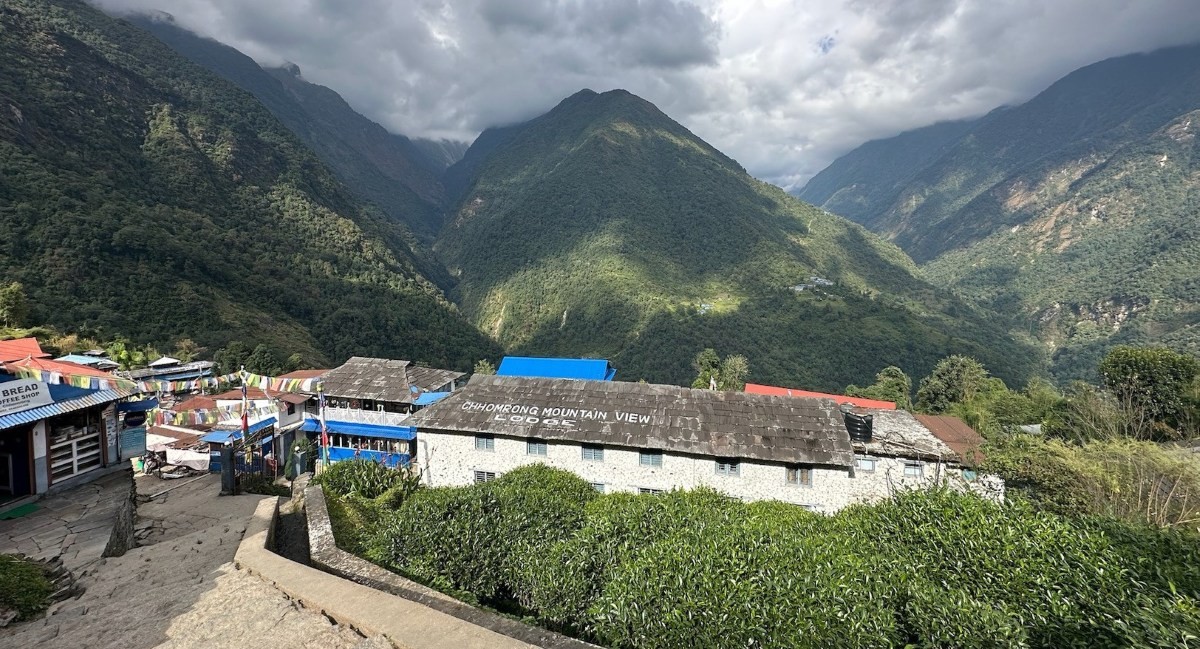
Annapurna Base Camp Trek Best Season: Complete Guide
By Nepal Trip Services On 18 Sep 2026

By Nepal Trip Services On 18 Sep 2026
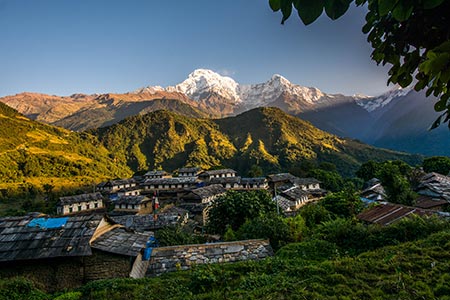
Choosing when to trek to Annapurna Base Camp is just as important as choosing your itinerary. The right season can mean the difference between crystal-clear views of the Annapurna massif and days spent staring into thick cloud cover. This complete guide breaks down every season on the Annapurna Base Camp Trek, helping you plan the perfect time for your Himalayan adventure.
The Annapurna region experiences distinct seasonal shifts throughout the year, and these changes affect far more than just how the mountains look in your photos. Trail conditions, daytime and nighttime temperatures, and overall visibility all shift significantly depending on when you set out. A trek planned during the wrong season can mean muddy, slippery stone steps, socked-in valleys with zero mountain visibility, or unexpectedly cold, damp nights at higher camps.
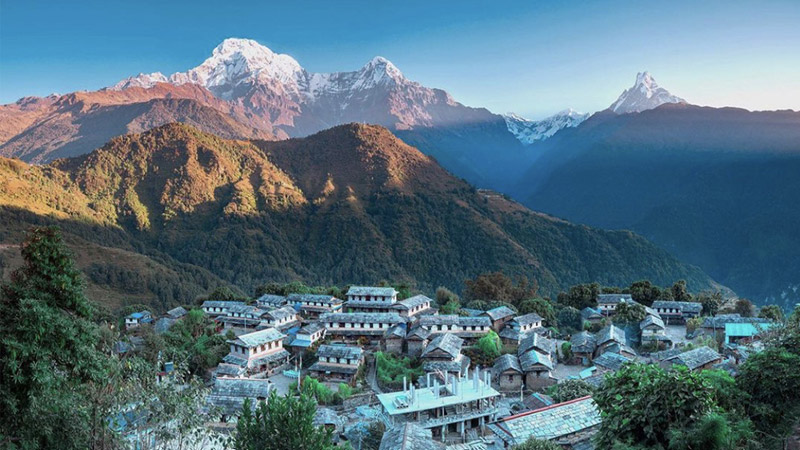
Beyond the practical logistics, timing also shapes the entire character of your trip. Trekking during peak autumn or spring means sharing the trail with fellow adventurers, lively teahouses in villages like Ghandruk and Chhomrong, and a genuine sense of celebration once you reach Base Camp. Choosing a quieter season like winter, on the other hand, trades some of that energy for solitude and a more personal, reflective journey through the same spectacular mountain amphitheater.
Autumn is widely considered the single best season for the Annapurna Base Camp Trek, and for good reason.
Why trekkers love autumn:
What to expect:
Spring rivals autumn in popularity, offering its own unique advantages alongside a few trade-offs.
Why trekkers love spring:
What to expect:
Winter transforms the Annapurna region into a quieter, starkly beautiful landscape, remaining more accessible than higher-altitude treks like Everest Base Camp.
Why some trekkers choose winter:
What to expect:
Monsoon season is generally not recommended for the Annapurna Base Camp Trek.
Why monsoon is challenging:
| Season | Months | Weather | Visibility | Crowd Level | Best For |
|---|---|---|---|---|---|
| Autumn | Sep – Nov | Stable, dry, clear | Excellent | High (peak season) | First-timers, best overall views |
| Spring | Mar – May | Mild, occasional clouds | Good to excellent | High (peak season) | Rhododendron blooms, photography |
| Winter | Dec – Feb | Cold, clear mornings | Excellent (mornings) | Low | Solitude seekers, budget trekkers |
| Monsoon | Jun – Aug | Rainy, humid | Poor | Very low | Not recommended |
| Rank | Season | Rating | Key Highlight |
|---|---|---|---|
| 1 | Autumn (Sep–Nov) | ★★★★★ | Most reliable weather and mountain visibility |
| 2 | Spring (Mar–May) | ★★★★☆ | Rhododendron blooms and pleasant temperatures |
| 3 | Winter (Dec–Feb) | ★★★☆☆ | Quiet trails, though genuinely cold |
| 4 | Monsoon (Jun–Aug) | ★☆☆☆☆ | Avoid — poor visibility, slippery trails |
Weather on the Annapurna Base Camp Trek varies significantly by season and altitude, shaping everything from trail conditions to mountain visibility along the route. Autumn (September–November) and spring (March–May) offer the most stable, favorable weather, with clear skies, comfortable daytime temperatures around 15–20°C at lower elevations, and dependable trekking conditions throughout. As you climb toward Deurali and Annapurna Base Camp itself, temperatures drop noticeably, ranging from -2°C to 5°C even during peak season, with colder nights requiring proper layering. Winter (December–February) brings clear mornings but genuinely cold conditions, sometimes with light snowfall near Base Camp, while monsoon season (June–August) brings heavy rainfall, persistent cloud cover, and slippery trails that significantly reduce visibility. Weather can also shift quickly within a single day, particularly in the afternoons, so trekkers are advised to start early, dress in adjustable layers, and always check daily forecasts with their guide before setting out.
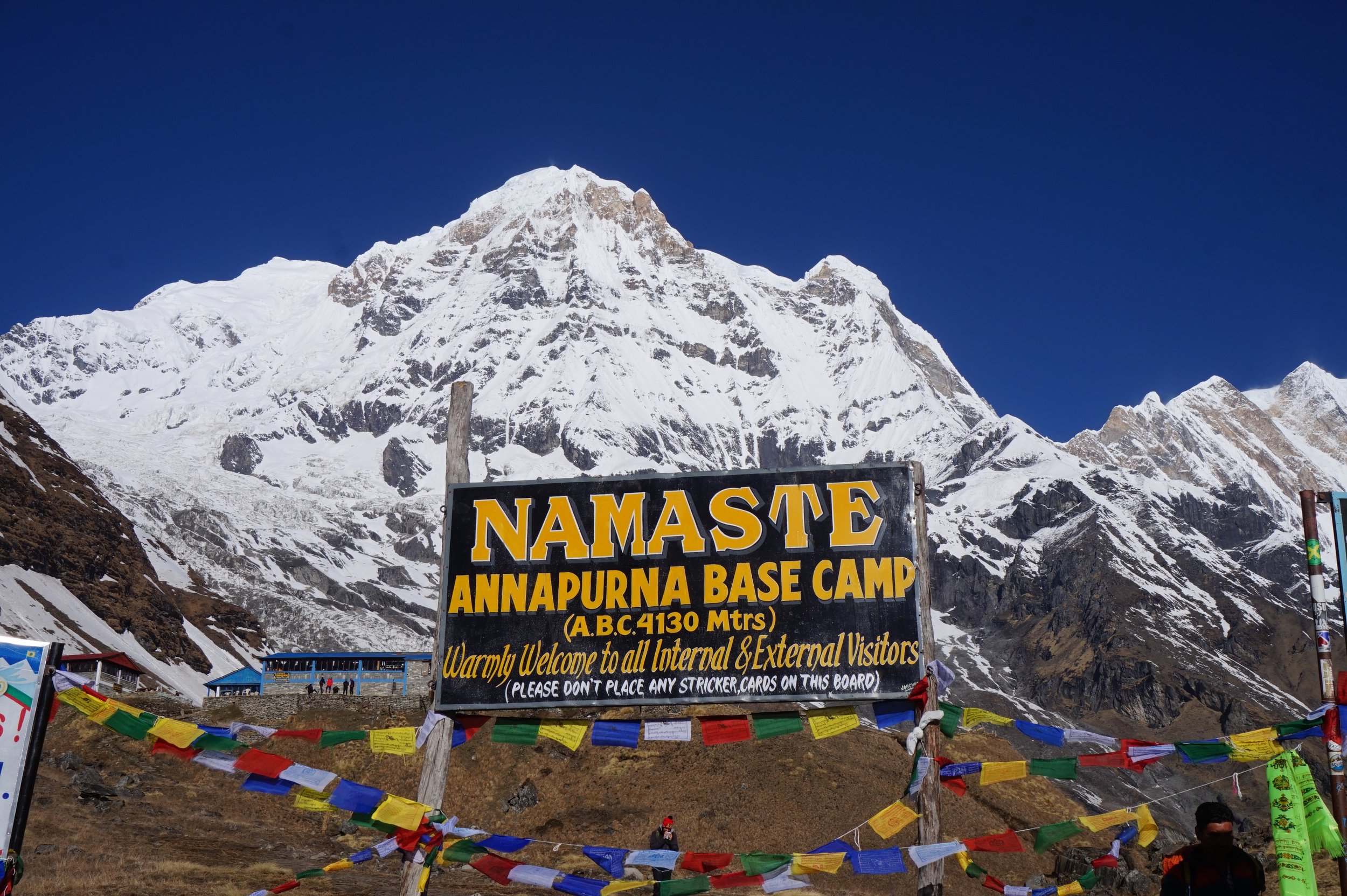
The Annapurna Base Camp Trek passes through several distinct climate zones as it climbs from Pokhara's warm, subtropical lowlands to the cold, high-alpine terrain surrounding Base Camp at 4,130 meters. Lower sections of the trail near Ghandruk and Chhomrong experience a mild, humid subtropical climate, while the middle stretches through Sinuwa and Bamboo shift into a cooler, temperate mountain climate shaped by dense rhododendron and oak forests. Above Deurali, the climate becomes distinctly alpine, with thinner air, sharper temperature drops, and colder nights that can dip below freezing even during the trek's peak seasons. This dramatic climate shift, compressed into just a week or so of trekking, is part of what makes the journey feel so varied despite its relatively short overall distance. Understanding these climate zones helps trekkers pack appropriately, layering lighter clothing for the lower trail and warmer gear for the exposed, high-altitude finish near Base Camp.
Spring (March to May) is one of the two best seasons for the Annapurna Base Camp Trek, drawing trekkers with its blooming rhododendron forests, mild temperatures, and generally good mountain visibility. As Nepal's national flower bursts into vivid shades of red, pink, and white along the lower and middle trail sections, particularly near Chhomrong and Sinuwa, the scenery becomes noticeably more colorful compared to other times of year. Daytime temperatures typically range from 15–20°C at lower elevations, dropping to 0–5°C near Base Camp, making for comfortable trekking conditions with just occasional afternoon cloud buildup. Spring also brings longer daylight hours, giving trekkers more flexibility with daily pacing and photography opportunities along the trail. With its combination of pleasant weather and vibrant natural beauty, spring remains a favorite choice for trekkers wanting both great views and a colorful, memorable trekking experience.
Winter (December to February) transforms the Annapurna Base Camp Trek into a quieter, starkly beautiful journey, offering dramatically fewer crowds and exceptionally clear morning skies compared to peak season. Daytime temperatures typically range from 5–12°C at lower elevations, dropping sharply to -8°C to -2°C near Base Camp, with possible light snowfall along the higher stretches of the trail. While conditions are genuinely cold, the trek remains more accessible than higher-altitude routes like Everest Base Camp, making it a viable option for well-prepared trekkers seeking solitude. Lower package prices and peaceful, uncrowded teahouses add further appeal for trekkers willing to bundle up for the chillier nights.
Monsoon season (June to August) is generally the least recommended time to trek to Annapurna Base Camp, bringing heavy rainfall, persistent cloud cover, and slippery, muddy stone staircases throughout the route. Visibility of the surrounding peaks becomes unreliable, often obscuring the very mountain views that make this trek so rewarding, while leeches in the lower forested sections add an extra layer of discomfort. Trails can also become more hazardous due to increased landslide risk in certain areas, particularly after heavy rain. While a small number of experienced trekkers still attempt this season for its lush, green scenery and near-empty trails, most agencies advise waiting for autumn or spring instead.
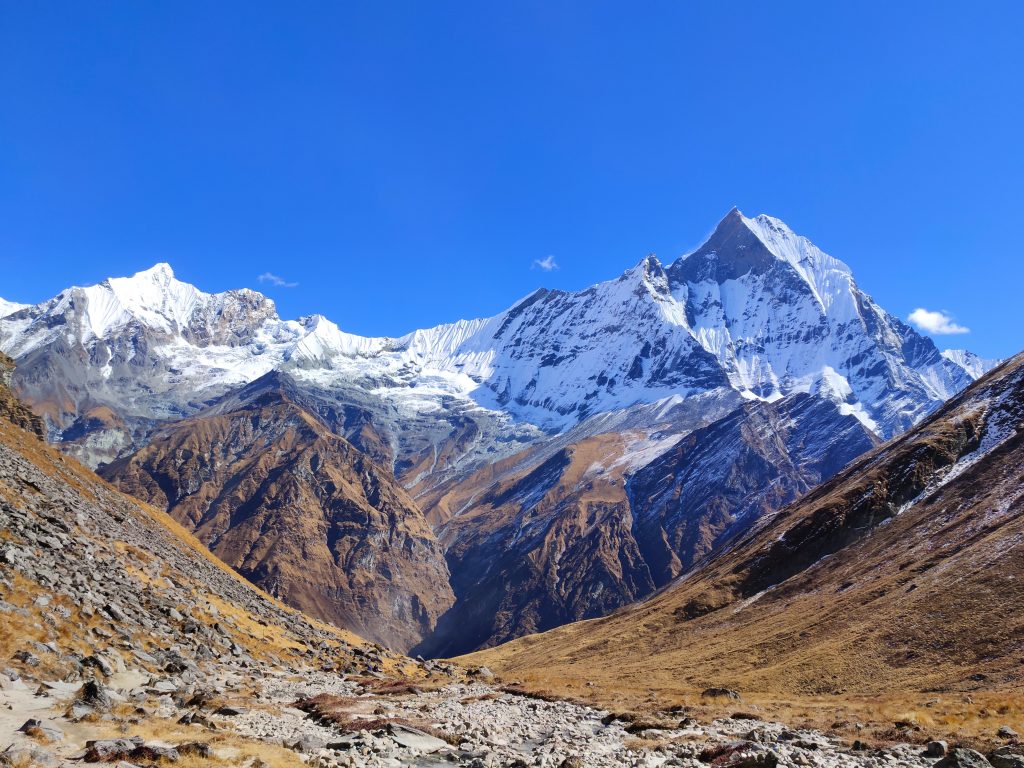
October is widely regarded as the single best month for the Annapurna Base Camp Trek, offering the most stable weather, clearest mountain visibility, and comfortable daytime temperatures of the entire year. Falling in the heart of autumn, this month benefits from crisp, dry air fresh off the monsoon, creating ideal conditions for both trekking and photography. It's also the busiest month on the trail, so teahouses in popular stops like Chhomrong and Ghandruk fill up quickly, making early booking genuinely important. For trekkers prioritizing reliability and postcard-perfect views over solitude, October remains the top choice.
April sits at the peak of spring, offering an excellent balance of blooming rhododendron forests, mild temperatures, and generally good mountain visibility throughout the trek. Daytime temperatures hover comfortably between 15–20°C at lower elevations, while nights near Base Camp remain crisp but manageable with proper layering. This month draws a significant number of trekkers eager to witness Nepal's vibrant rhododendron blooms alongside the dramatic peaks of the Annapurna Sanctuary, making trails moderately busy but still enjoyable. With its colorful scenery and pleasant weather, April remains one of the most popular and rewarding months to attempt this trek.
For most trekkers planning the Annapurna Base Camp Trek, autumn (particularly October) offers the best overall combination of stable weather, clear trails, and spectacular mountain visibility. If you're hoping for blooming rhododendrons and don't mind slightly busier trails, spring (April) is an equally rewarding choice. Trekkers seeking solitude over comfort might consider winter, provided they're prepared for cold conditions and possible snow near Base Camp.
Autumn (September to November) is widely considered the best season overall, offering the most stable weather, clearest mountain views, and reliable trail conditions. Spring (March to May) is a close second, especially popular for its rhododendron blooms.
Both seasons offer excellent conditions, but autumn generally provides slightly clearer, more consistent visibility since it follows directly after the monsoon washes the dust from the air. Spring offers blooming rhododendron forests and vivid, colorful scenery throughout the lower trails.
October is often cited as the single best month, combining stable weather, excellent visibility, and comfortable daytime temperatures. April is a strong second choice, offering similar conditions along with peak rhododendron blooms.
Yes, winter (December to February) is possible and offers dramatically quieter trails, though temperatures can drop to -8°C to -2°C at higher elevations with possible snowfall near Base Camp. It remains more accessible than higher-altitude treks like Everest Base Camp.
While technically possible, monsoon season (June to August) is generally not recommended due to persistent cloud cover, slippery stone steps, leeches in lower forests, and increased landslide risk on certain sections.
January is typically the coldest month, with possible snowfall near Base Camp and nighttime temperatures dropping well below freezing at higher elevations.
Winter offers by far the quietest trails, with significantly fewer trekkers compared to the busy autumn and spring seasons. This makes it appealing for those seeking a more peaceful, solitary experience.
Yes, significantly. Autumn and spring offer dry, stable trails, while monsoon season brings slippery, muddy stone steps, and winter can bring icy patches or light snow near Base Camp itself.
Autumn is generally considered best for photography due to consistently clear skies and sharp mountain visibility, though spring offers unique opportunities with blooming rhododendrons adding vibrant color to your shots.
Yes, spring, particularly late March through April, is the ideal time to witness the Annapurna region's famous rhododendron forests in full bloom, especially along the trail sections near Chhomrong and Sinuwa.
During autumn, daytime temperatures typically range from 15–20°C at lower elevations, dropping to -2°C to 5°C at higher camps like Deurali and Annapurna Base Camp, with nights considerably colder.
Winter typically offers the lowest package prices due to reduced demand, followed by monsoon season, though the latter isn't recommended due to poor trekking conditions despite the lower cost.
Beginners are generally advised to trek during autumn or spring, since these seasons offer more predictable weather and easier trail conditions, making the overall experience more manageable for first-time high-altitude trekkers.
Season doesn't directly affect altitude sickness risk, since this is primarily determined by pacing rather than weather. However, winter's extreme cold can make symptoms feel more pronounced and recovery more challenging.
For autumn and spring treks, booking 4 to 6 weeks in advance is recommended, since teahouses along popular stops like Chhomrong and Deurali can fill up quickly during these peak months.
There's no single "wrong" time to trek to Annapurna Base Camp — each season offers a distinctly different experience. What matters most is aligning your season choice with your personal priorities: clear mountain views, manageable crowds, budget considerations, or a quieter, more solitary journey. Whichever season you choose, proper preparation and sensible pacing remain the true keys to a safe, successful trek.
Ready to plan your journey? Explore the complete Annapurna Base Camp Trek itinerary and book with confidence.
Discover more articles that match your interests! Explore these similar blogs packed with insights, tips, and stories to keep you inspired.
Discover the full cost breakdown of the Annapurna Base Camp Trek — permits, transportation, guides, meals & accommodat...
Is the Annapurna Base Camp Trek hard? Complete guide to difficulty level, stone staircases, altitude & fitness prep for ...
Everything on Annapurna Base Camp Trek permits — ACAP & TIMS costs, requirements, where to get them & complete applica...
Discover Ghandruk, Nepal — the picturesque Gurung village in the Annapurna region. Complete guide to culture, altitude...
Discover Chhomrong, Nepal — the gateway to the Annapurna Sanctuary. Complete guide to altitude, Gurung culture, things...