Annapurna Base Camp Trek Cost: Complete Guide
By Nepal Trip Services On 18 Sep 2026

By Nepal Trip Services On 18 Sep 2026
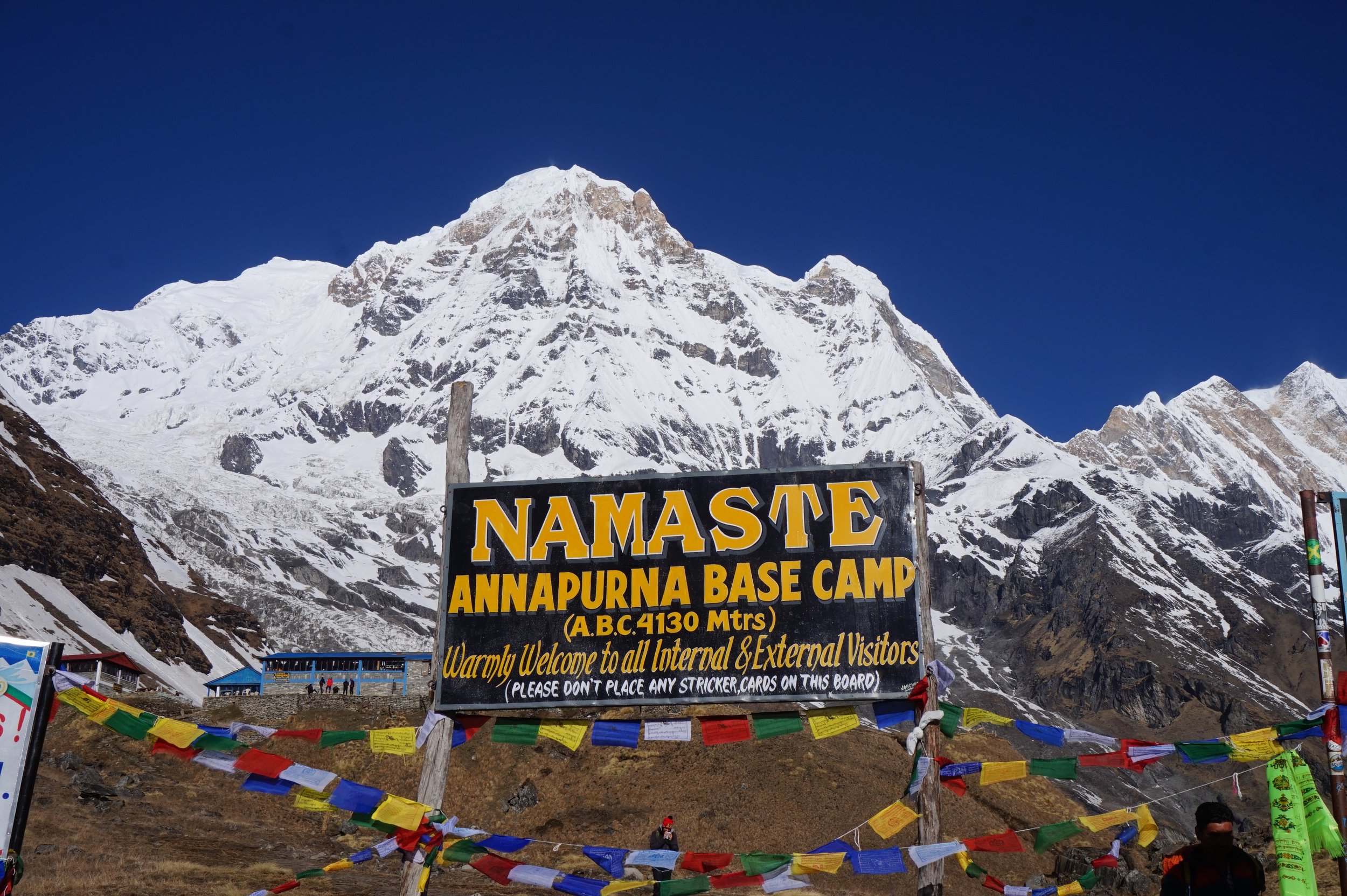
Planning your budget for the Annapurna Base Camp Trek? This complete guide breaks down every cost factor — permits, accommodation, meals, transportation, guides, and porters — so you can plan accurately and avoid unexpected expenses once you're on the trail.
Unlike some Himalayan treks where pricing feels opaque or inconsistent, the Annapurna Base Camp Trek benefits from a well-established trekking infrastructure that makes cost estimation relatively straightforward, provided you know what to actually look for. Package prices can still vary considerably between agencies, though, and understanding why one $700 package differs from another priced at $1,300 — even for seemingly the same trek — often comes down to details like porter inclusion, teahouse quality, and how many trekkers are sharing the guide and transportation costs.
This guide walks through every major expense category in detail, from the two mandatory permits required for entry into the Annapurna Conservation Area, to daily guide and porter rates, transportation options between Kathmandu and Pokhara, and the meal and accommodation costs you'll encounter along the trail itself. We'll also cover what's typically excluded from standard packages — costs that catch many first-time trekkers off guard — so that by the end of this guide, you'll have a complete, transparent picture of what it actually takes to reach one of the most spectacular mountain amphitheaters in the world.
For a standard guided package with a reputable Nepali agency, budget USD 700–1,300 for the full 7–12 day Annapurna Base Camp Trek. This typically covers your guide, porter, teahouse accommodation, meals on the trail, permits, and ground transportation between Pokhara and the trailhead.
| Trek Category | Estimated Cost (USD) |
|---|---|
| Budget Package | $500–800 |
| Standard Package | $850–1,300 |
| Luxury Package | $1,500–2,300+ |
| Permit | Cost (NPR) | Cost (USD) |
|---|---|---|
| Annapurna Conservation Area Permit (ACAP) | NPR 3,000 | ~$22–25 |
| TIMS Card | NPR 2,000 | ~$15 |
| Total Permit Cost | NPR 5,000 | ~$37–40 |
| Service | Daily Rate (USD) |
|---|---|
| Licensed Guide | $25–35/day |
| Porter | $20–25/day |
Budgeting tip: Set aside an additional $150–300 to comfortably cover these exclusions.
Group setup with shared guide and porter, basic teahouse accommodation, and standard meals. Great for trekkers comfortable with simple facilities.
The most popular choice — includes a dedicated guide, private or small-group setup, better teahouse rooms, and flexibility with pacing.
Premium lodges, fully private guide and porter support, a custom-paced itinerary, and sometimes a helicopter return to Pokhara instead of trekking out.
| Trek | Duration | Estimated Cost (USD) |
|---|---|---|
| Annapurna Base Camp Trek | 7–12 days | $700–1,300 |
| Classic Everest Base Camp Trek | 14 days | $1,600–2,500 |
| Mardi Himal Trek | 5–7 days | $400–700 |
A standard guided package typically ranges from USD 850 to 1,300 per person for the full 7–12 day trek, covering transportation, permits, accommodation, meals, and guide/porter support. Budget options can start around $500, while luxury packages can exceed $2,300.
Most packages include ground transportation between Kathmandu and Pokhara, private transfers to the trailhead, ACAP and TIMS permits, teahouse accommodation, three daily meals, a licensed guide, porter support, and hotel nights in Kathmandu and Pokhara with breakfast.
International airfare, Nepal visa fees, travel insurance, personal trekking gear, tips for guide and porter, the Jhinu Danda hot springs entry fee, and trail extras like Wi-Fi and hot showers are usually not included in the base package price.
Permits cost approximately NPR 5,000 total (around USD 37–40), covering both the Annapurna Conservation Area Permit (ACAP) and the TIMS card.
A tourist bus typically costs $20–40 per person round trip, while a domestic flight ranges from $120–150, giving trekkers flexible options depending on budget and time constraints.
A licensed guide typically costs $25–35 per day, while a porter runs $20–25 per day, with one porter usually carrying bags for two trekkers to split the cost.
Yes, significantly. The ABC Trek typically costs $700–1,300 compared to $1,600–2,500 for Everest Base Camp, largely due to its shorter duration, lower altitude, and the absence of costly domestic flights to a remote airstrip like Lukla.
Most trekkers should budget an additional $150–300 to cover excluded costs like travel insurance, tips, Wi-Fi, hot showers, hot springs entry, and snacks throughout the trek.
Yes, autumn and spring — the peak trekking seasons — typically carry slightly higher prices due to increased demand, while winter often offers more competitive rates.
Budget packages ($500–800) offer basic teahouses and shared support; standard packages ($850–1,300) include a dedicated guide and better rooms; luxury packages ($1,500–2,300+) add premium lodges and sometimes a helicopter return.
If arranging meals independently, budget approximately $20–30 per day, with prices increasing modestly the higher you climb, though nowhere near as steeply as on higher-altitude treks.
No, travel insurance is almost always excluded from package pricing and must be purchased separately, ideally covering trekking up to at least 4,500 meters, including emergency evacuation.
While not mandatory, many trekkers budget around 10% of their total trip cost to tip their guide and porter team, reflecting the effort and expertise they provide throughout the trek.
Yes, joining a group trek instead of booking privately significantly reduces per-person costs, since expenses like guide fees and transportation are shared among more trekkers.
Yes, opting for a 7-day itinerary instead of a longer 10–12 day route can meaningfully reduce your overall cost, since fewer days mean lower accommodation, meal, and guide/porter fees.
Understanding the full cost breakdown of the Annapurna Base Camp Trek — from permits and transportation to guides, porters, and daily meals — helps you plan realistically and avoid unexpected expenses once you're on the trail. Whether you choose a budget, standard, or luxury package, the incredible experience of standing beneath the Annapurna massif remains the same; what changes is simply your level of comfort along the way.
Ready to start planning your trek? Explore the complete Annapurna Base Camp Trek package details and book your journey today.
Discover more articles that match your interests! Explore these similar blogs packed with insights, tips, and stories to keep you inspired.
Is the Annapurna Base Camp Trek hard? Complete guide to difficulty level, stone staircases, altitude & fitness prep for ...
Discover the best season for the Annapurna Base Camp Trek. Compare autumn, spring, winter & monsoon weather, views & tra...
Everything on Annapurna Base Camp Trek permits — ACAP & TIMS costs, requirements, where to get them & complete applica...
Discover Ghandruk, Nepal — the picturesque Gurung village in the Annapurna region. Complete guide to culture, altitude...
Discover Chhomrong, Nepal — the gateway to the Annapurna Sanctuary. Complete guide to altitude, Gurung culture, things...