Best Season For Everest View Trek: Weather & Trekking Guide
By Nepal Trip Services On 07 Oct 2026

By Nepal Trip Services On 07 Oct 2026
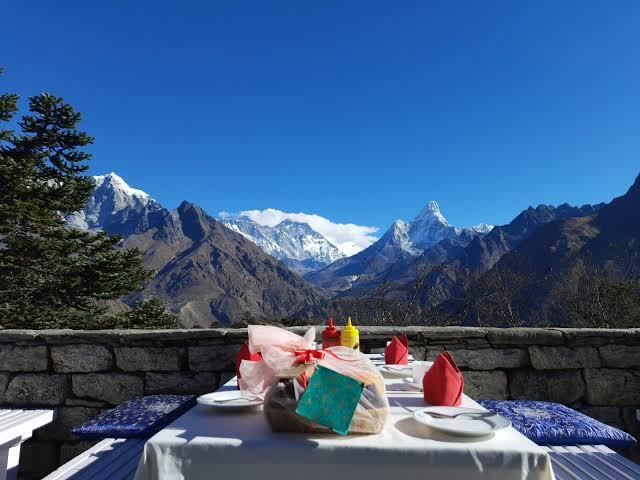
The Everest View Trek is one of the few Everest-region trips that works for most of the year. It stays below about 3,880 m, runs for only seven days and reaches its highlight, the panorama at the Everest View Hotel, on a single morning hike from Namche Bazaar. That flexibility is useful, but the season you choose still changes everything: how clear Everest looks, how cold the nights feel, whether the Lukla flights run on time and how crowded the trail is.
This guide explains each season, month by month, with temperatures, flight reliability, crowds and packing tips, so you can pick the best dates for your Everest View Trek.
The best seasons are autumn (late September to November) and spring (March to May). If you can choose a single window, October to mid-November offers the clearest skies and the most stable weather, while April adds flowering rhododendrons and warmer days. Winter (December to February) is cold but often very clear and quiet. The monsoon (June to August) is the least reliable time for views and flights.
| Season | Months | Daytime (3,400 to 3,900 m) | Nights | Views | Flights | Overall |
|---|---|---|---|---|---|---|
| Autumn | Late Sep to Nov | About 6 to 15°C | About -5 to 2°C | Crystal clear | Most reliable | Best |
| Spring | Mar to May | About 8 to 16°C | About -6 to 2°C | Clear mornings, haze by May | Reliable | Excellent |
| Winter | Dec to Feb | About 0 to 10°C | About -15 to -5°C | Very clear | Fog and wind delays possible | Good, if you pack warm |
| Monsoon | Jun to Aug | About 10 to 20°C | About 3 to 10°C | Often cloudy | Frequent delays | Not recommended |
Temperatures are approximate for Namche Bazaar (3,440 m) up to the Everest View Hotel (about 3,880 m). Sources vary, and conditions change daily.
Autumn follows the monsoon, so the air is washed clean and the skies are at their sharpest. Trekking guides consistently describe Namche's autumn weather as the best of the year, with very little rain or snow and dry trails. Everest, Lhotse, Ama Dablam and Thamserku stand out clearly from the Everest View Hotel and the Khumjung ridge.
Why go:
What to know:
Spring is the second-best season. Days are warmer than in autumn, and the lower trail between Lukla and Namche comes alive with rhododendron blooms in March and April. Mornings are clear, but afternoon cloud and haze build as the season goes on, especially in May, as the pre-monsoon pattern approaches.
Why go:
What to know:
Because the Everest View Trek stays low, winter is realistic, unlike on higher routes with passes. Skies are often very clear, trails are quiet and Namche feels peaceful. The downside is the cold. Nights fall far below freezing, and different sources put Namche's night temperatures anywhere from about -5°C to as low as -15°C, depending on the month and the dataset.
Why go:
What to know:
During the monsoon, Lukla and the lower valleys receive heavy rain. One Everest-region weather guide reports that Lukla gets several hundred millimetres of rain per month from June to September, and that around half of Lukla flights are cancelled in the monsoon because of poor visibility. Trails are slippery and leeches appear at lower elevations. Namche itself is milder, but the peaks are often hidden in cloud.
Why go:
Why avoid it:
If your dates are fixed in the monsoon, add several buffer days and treat the views as a bonus, not a guarantee.
| Month | Weather and views | Notes |
|---|---|---|
| January | Cold and clear, with snow possible | Coldest month; very quiet trails |
| February | Cold, with improving visibility | Still very cold at night |
| March | Cool and clear, with rhododendrons starting lower down | Early spring; busy from mid-month |
| April | Warm days and flowering forests | Excellent all-round month |
| May | Warmest pre-monsoon month, with afternoon cloud and haze | Go early in the day for views |
| June | Monsoon begins, with rain and cloud | Not recommended |
| July | Wettest month | Frequent flight problems |
| August | Monsoon continues | Not recommended |
| September | Late-monsoon showers early, improving by the end | Good by the last week |
| October | Clearest skies and most stable weather | Best views, busiest month |
| November | Clear and dry, with colder nights | Very good; driest month of the year in many datasets |
| December | Clear but cold | Quiet and sharp views |
Note that the trip page lists February through June and September through December as workable months, while the main recommendation is March to May and September to November. Both are consistent with the guidance above, with the shoulder months carrying more weather risk.
Lukla flights run under visual flight rules, so weather decides everything.
| Season | Flight reliability | What to expect |
|---|---|---|
| Autumn and spring | Best | Mostly on time, but peak-season flights usually depart from Ramechhap (Manthali), with an early-morning drive of about 3 to 5 hours |
| Winter | Moderate | Mornings are often clear, but fog and wind can cause delays |
| Monsoon | Poor | Frequent delays and cancellations |
Always add 1 to 2 buffer days, do not book your international flight home on the same day as your Lukla return, and keep a helicopter option in mind if your schedule is tight. See our Kathmandu to Lukla flight guide and Helicopter Services.
| If you want... | Choose |
|---|---|
| The clearest Everest views | October to mid-November |
| Flowers and warmer days | Late March to April |
| Fewer crowds | December to February, or the shoulder weeks of September and late November |
| The most reliable flights | October, November, April |
| A budget-friendly, flexible trip | Outside peak weeks, if you can accept some weather risk |
| A trip with children or older travelers | Autumn or April, for mild days and stable conditions |
| Photography | October to November for clarity, or April for flowers and light |
| Season | Key extras |
|---|---|
| Autumn | Down jacket, warm hat and gloves for cold mornings, sun protection |
| Spring | Light rain jacket, sun hat, layers for warm afternoons and cool nights |
| Winter | Warm sleeping bag, thermal layers, insulated gloves, possibly microspikes |
| Monsoon | Waterproof shell and pack cover, quick-dry clothing, leech socks, flexible schedule |
The package includes a down jacket, sleeping bag and duffel on loan, if needed. Keep total luggage under about 15 kg for the Lukla flights.
September to November and March to May are the best seasons. Autumn gives the clearest, most stable weather and the sharpest views of Everest, Lhotse and Ama Dablam, while spring adds warmer days and flowering rhododendrons on the lower trail. If you can only choose one window, October to mid-November is the safest bet for views.
October is usually the best month for visibility and stable weather, though it is also the busiest. November is a close second, with clear, dry days and colder nights, and one Everest-region guide highlights the first half of November because rainfall is at its lowest then. April is the best spring month, with warm days, flowers and good flights. If you can only pick one, go for late October or early November.
Yes. The trek stays below about 3,880 m, so winter is realistic, and skies are often very clear. The challenge is the cold: nights drop well below freezing, with different sources putting Namche's winter nights anywhere between about -5°C and -15°C. Pack a warm sleeping bag, down jacket, thermal layers and insulated gloves. Ask your guide about snow and ice, and expect possible Lukla flight delays from fog and wind. Confirm lodge availability for your dates.
It is possible but not recommended. The monsoon (June to August) brings heavy rain at Lukla, slippery trails, leeches at lower elevations and frequent cloud over the peaks. One regional weather guide estimates that around half of Lukla flights are cancelled during monsoon months. If your dates are fixed, add several buffer days, bring waterproof gear and do not count on seeing Everest every day.
Autumn is dry, crisp and clear, with very little rain or snow. Daytime temperatures at Namche and the Everest View Hotel are typically about 6 to 15°C, with nights from around -5°C to 2°C, getting colder through November. Trails are dry, flights are the most reliable and mountain views are at their best. Expect busy teahouses, so book early.
Spring brings mild days of roughly 8 to 16°C, with nights from about -6°C to 2°C. March and April are clear, with rhododendrons blooming on the lower trail, while May is warmer with afternoon cloud and haze. Mornings are the best time for views. Spring is also a peak season, so trails are busy and flights usually depart from Ramechhap.
It depends on the season. In autumn and spring, nights are typically around -6°C to 2°C. In winter, nights can fall to about -5°C to -15°C, depending on the month and the source. Teahouse bedrooms are unheated, so a warm sleeping bag and thermal layers matter. This package includes a down jacket and sleeping bag on loan if you need them.
December to February is the quietest, with sharp views but very cold nights. The monsoon (June to August) is also quiet, but with poor views and flights. For a balance of good weather and fewer people, consider the shoulder weeks: the last week of September, late November or early March. Peak weeks in October and April are the busiest.
Yes. Flights are most reliable in autumn and spring, moderately reliable in winter, when fog and wind cause delays, and least reliable in the monsoon. In peak seasons, many flights depart from Ramechhap (Manthali), adding an early-morning drive of about 3 to 5 hours. Add 1 to 2 buffer days, and avoid scheduling your international flight on the same day as your Lukla return.
March and April are the best months for rhododendron blooms on the lower trail between Lukla and Namche, with colors from red and pink to white. The flowers thin out as you climb, but the forest is at its prettiest at this time. Rhododendrons are Nepal's national flower, and they make spring a favorite season for photographers.
October and November have the clearest skies, followed by April and the cold, clear days of December to February. In any season, early morning is best, because clouds and haze usually build by late morning. Plan your Everest View Hotel and Khumjung hike for an early start, and keep your camera ready.
Snow is most likely in December to February, when shaded sections of the trail can be icy after snowfall, and occasionally in late November or early spring. The Everest View Trek is low enough that heavy snow is uncommon, but conditions change quickly. Ask your guide on the day, and consider light microspikes in winter. Trekking poles help on icy or slippery sections in any season.
The listed price is from US$870 per person, with group pricing, but availability and flights are tighter in peak seasons. Book 2 to 3 months ahead for October and April departures, especially for flights from Ramechhap. Off-peak travel can offer more flexibility. Extra costs can arise from delays in winter and the monsoon, such as additional hotel nights or a helicopter backup, so make sure your insurance covers trip delays. See our Everest View Trek cost guide for a full price breakdown.
Families and older travelers: Autumn (October to November) or April, for mild days, stable weather and the most reliable flights. Photographers: October to November for crystal clarity, or April for flowers and soft light. Quiet seekers: December to February, with warm layers and flexibility. Always include a rest day in Namche, which the standard itinerary already does.
For all seasons, bring layers, a down jacket, a waterproof shell, broken-in waterproof boots, a warm hat, gloves, sunglasses, sunscreen, a daypack and trekking poles. In winter, add thermal layers and insulated gloves. In spring, bring a light rain jacket. In the monsoon, bring waterproof gear and leech socks. Keep your luggage under about 15 kg for the Lukla flights, and use the loaned duffel, down jacket and sleeping bag if you need them.
The best season for the Everest View Trek depends on what you value most. For crystal-clear mountains and reliable flights, choose October to mid-November. For flowers and warmer days, pick April. For quiet trails and sharp winter light, go between December and February with the right layers. Avoid the monsoon unless your dates are fixed and you are happy to take the weather as it comes.
Whatever the month, the trek's low altitude, rest day in Namche and flexible plan make it one of the easiest ways to see Everest. Ready to choose your dates? View the Everest View Trek page, compare routes on the Everest Region Treks page, use the Trip Planner, or message Nepal Trip Services on WhatsApp at +977-9828696557 or by email at info@nepaltripservices.com.
Discover more articles that match your interests! Explore these similar blogs packed with insights, tips, and stories to keep you inspired.
Explore the Hillary Suspension Bridge on the Everest trail: location, height, history, best time, safety tips, and how t...
How hard is the Everest View Trek? Daily walking times, altitude, toughest days, fitness needs, training plan, and tips ...
Everest View Trek in 7 days: fly to Lukla, explore Namche, and see Everest from the Everest View Hotel. Itinerary, cost,...
Everest View Trek from US$870: 7-day itinerary, what the price includes, difficulty, permits and best season to go. Plan...
Follow the 7-day Everest View Trek itinerary day by day: Lukla flight, Namche, Everest View Hotel, Khumjung, altitudes, ...
Everest View Trek cost from US$870: what\'s included, group prices, Lukla flights, permits, extras, tips and budget savi...