Buddha Jayanti In Nepal: Celebrating Buddha’s Birth In Lumbini & Kathmandu (complete Guide)
By Nepal Trip Services On 26 Oct 2026

By Nepal Trip Services On 26 Oct 2026

Once a year, on the full moon of spring, the land where the Buddha was born glows with thousands of butter lamps. Monks chant in ancient monasteries, pilgrims in white circle great stupas, prayer flags flutter across the sky, and the peaceful gardens of Lumbini fill with people from all over the world. This is Buddha Jayanti, the most sacred day of the Buddhist year, and nowhere is it celebrated with more meaning than in Nepal, the birthplace of the Buddha.
Whether you’re a devoted Buddhist, a spiritual traveler or simply curious about one of Asia’s most beautiful festivals, this guide covers everything you need to know: what Buddha Jayanti means, when it takes place, how it’s celebrated in Lumbini and Kathmandu, and how to plan your visit.
| Detail | Information |
|---|---|
| Also known as | Buddha Purnima, Vesak, Swanya Punhi (in Newar tradition) |
| What it celebrates | The birth, enlightenment and passing (parinirvana) of the Buddha |
| When | The full moon of the Nepali month of Baisakh (April or May) |
| Buddha Jayanti 2026 | Friday, 1 May 2026 (the 2,570th Buddha Jayanti) |
| Buddha Jayanti 2027 | Expected around Thursday, 20 May 2027 |
| Main places to celebrate | Lumbini, Boudhanath, Swayambhunath and monasteries across Nepal |
| Public holiday | Yes, a national holiday in Nepal |
Buddha Jayanti follows the lunar calendar, so the date changes every year. Please confirm the exact date with Nepal’s official calendar before you plan your trip.
Buddha Jayanti, also known as Buddha Purnima or Vesak, is the holiest festival in Buddhism. Jayanti means “birth anniversary,” and Purnima means “full moon.” The festival honors the life of Siddhartha Gautama, the prince who became the Buddha, the “Awakened One.”
Buddha Jayanti is special because, according to Buddhist tradition, three of the most important events in the Buddha’s life all happened on the same full-moon day of the month of Baisakh:
That’s why Buddha Jayanti is often called the “thrice-blessed” festival. It’s a day to remember the Buddha’s teachings of compassion, non-violence, wisdom and peace, and to put them into practice.
Nepal holds a unique place in the story of Buddhism. The Buddha was born in Lumbini, and he grew up as a prince in Kapilavastu, believed to be today’s Tilaurakot. For Buddhists around the world, celebrating Buddha Jayanti in Nepal means celebrating it in the land where it all began.
Because Buddha Jayanti follows the lunar calendar, it falls on a different date every year, usually in late April or May.
| Year | Date | Buddha Jayanti |
|---|---|---|
| 2026 | Friday, 1 May | 2,570th |
| 2027 | Around Thursday, 20 May (to be confirmed) | 2,571st |
In Nepal, Buddha Jayanti is counted from the year of the Buddha’s birth. In 2026, the country celebrated the 2,570th Buddha Jayanti.
Across Nepal, Buddha Jayanti is a day of devotion, peace and generosity. While each community has its own customs, some traditions are shared everywhere.
The celebrations begin before sunrise. Devotees bathe, dress in clean clothes, often white, and head to stupas, monasteries and temples to pray and make offerings.
Lighting butter lamps is one of the most beautiful parts of the festival. Each flame represents wisdom shining through the darkness of ignorance. Pilgrims also offer flowers, incense, fruit and food at shrines and Buddha statues.
Monks and nuns lead special prayers and chanting throughout the day. Common chants include the Refuge Prayer, the Shakyamuni Mantra and Om Mani Padme Hum. Many monasteries also hold Dharma talks and meditation sessions.
New prayer flags are strung across stupas and monasteries. Buddhists believe the wind carries the prayers printed on them, spreading blessings, peace and goodwill across the world.
Many families prepare kheer, a sweet rice pudding. The tradition recalls the story of Sujata, a village woman who offered a bowl of rice pudding to Siddhartha just before he attained enlightenment.
Giving, or dana, is an important part of Buddha Jayanti. Families donate food, clothes and money to monks, nuns, monasteries and people in need. Some devotees release caged birds or animals as an act of compassion, while many avoid meat and alcohol for the day.
In many towns and cities, people join peace rallies and processions, carrying Buddhist flags and images of the Buddha, and spreading his message of non-violence and harmony.
As the birthplace of the Buddha and a UNESCO World Heritage Site, Lumbini is the spiritual heart of Buddha Jayanti in Nepal. Pilgrims arrive from Nepal, India, Sri Lanka, Thailand, Myanmar, Vietnam, Japan, Korea, China and many other countries.
The main ceremonies take place at the Maya Devi Temple, which marks the exact spot where the Buddha was born. Monks of different traditions lead prayers, and pilgrims offer flowers and light lamps around the temple. Nearby, the Ashoka Pillar, raised by Emperor Ashoka in 249 BC, and the sacred Puskarini Pond are surrounded by devotees in quiet prayer and meditation.
Special peace prayers (Shanti Puja) are held in Lumbini for world peace. The day often includes official programs attended by government leaders, Buddhist masters and international guests.
The Lumbini Monastic Zone comes alive with celebrations at the monasteries built by Buddhist nations from around the world. Each holds its own prayers, rituals and cultural programs, giving you the chance to experience Theravada, Mahayana and Vajrayana traditions in one place.
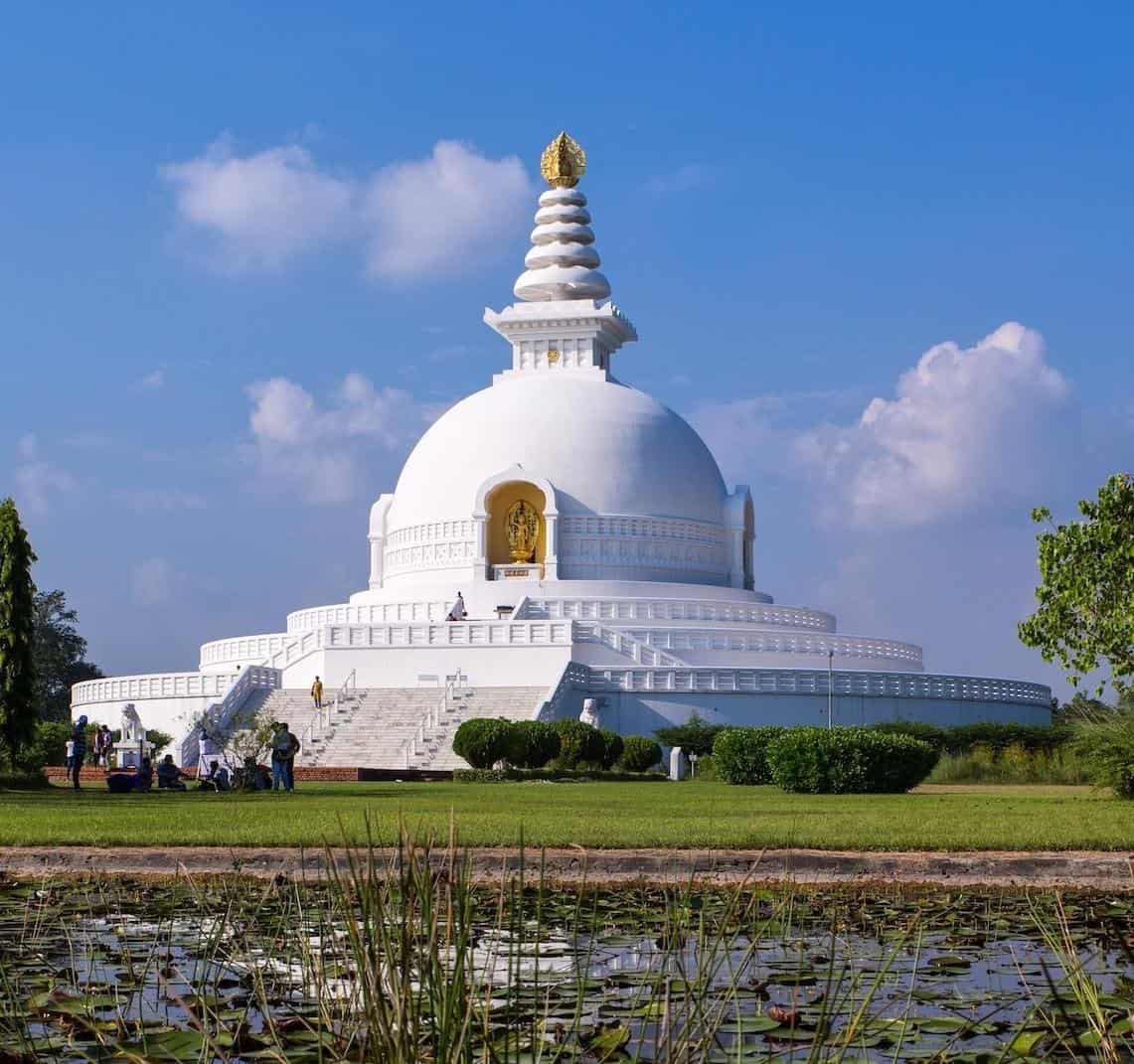
Pilgrims also gather at the Eternal Peace Flame and the gleaming white World Peace Pagoda, both symbols of the Buddha’s message of harmony among all people.
Kathmandu, home to some of the oldest and most important Buddhist sites in the Himalayas, celebrates Buddha Jayanti with great joy and devotion.
The ancient hilltop Swayambhunath Stupa, known as the Monkey Temple, is one of the busiest places on Buddha Jayanti. From early morning, thousands of devotees climb the steps to pray, make offerings and walk around the stupa. The whole complex is decorated with prayer flags, and in the evening it glows with butter lamps. For the Newar Buddhist community, the festival, known as Swanya Punhi, is especially important here.
At Boudhanath, one of the largest stupas in the world, devotees perform kora, walking clockwise around the great white dome while spinning prayer wheels and chanting mantras. The surrounding monasteries hold special prayers, and after sunset, thousands of butter lamps light up the stupa, creating one of the most magical sights in Nepal.
Monasteries such as Kopan Monastery, along with viharas in Patan and other parts of the valley, hold prayers, teachings and meditation sessions throughout the day. It’s a wonderful time to experience the living Buddhist culture of the Kathmandu Valley.
Buddha Jayanti is also celebrated in Buddhist communities across Nepal’s Himalayan regions, including Mustang, Manang, Solukhumbu and Namche Bazaar, with long prayer sessions and teachings by senior lamas. In Pokhara and other towns, monasteries and communities organize prayers and peace rallies.
Experiencing Buddha Jayanti in Nepal is a once-in-a-lifetime journey. Nepal Trip Services can plan your entire festival trip, with hotels booked well in advance, private transport, an experienced guide and an itinerary timed around the celebrations.
Buddha Jayanti falls on the full moon of the Nepali month of Baisakh, usually in late April or May. In 2026, it was celebrated on 1 May. In 2027, it’s expected around 20 May, but please confirm the exact date before you travel.
It celebrates three key events in the Buddha’s life: his birth, his enlightenment and his passing into parinirvana, which Buddhists believe all took place on the same full-moon day.
Lumbini, the Buddha’s birthplace, is the most meaningful place to celebrate. In Kathmandu, Swayambhunath and Boudhanath host large and beautiful celebrations.
Yes, Buddha Jayanti is a national public holiday in Nepal.
Absolutely. Visitors of all faiths are welcome. Just dress modestly, follow local customs and respect those who are praying.
Wear modest, comfortable clothing that covers your shoulders and knees. White or light colors are traditional and practical in the heat.
Yes. Buddha Jayanti, Buddha Purnima and Vesak are different names for the same festival celebrated by Buddhists across Asia and around the world.
Buddha Jayanti in Nepal isn’t just a festival to watch. It’s an experience that touches the heart. Standing in the Sacred Garden of Lumbini where the Buddha was born, or walking among thousands of butter lamps at Boudhanath under the full moon, you’ll feel the peace and compassion the Buddha shared with the world more than 2,500 years ago.
Ready to celebrate Buddha Jayanti in the land of the Buddha’s birth? Plan your journey with our Trip Planner or Contact Us, and the Nepal Trip Services team will help you create a meaningful and unforgettable festival trip.
Discover more articles that match your interests! Explore these similar blogs packed with insights, tips, and stories to keep you inspired.
Visit the World Peace Pagoda in Lumbini, the gleaming Japanese-built stupa near the Buddha’s birthplace. Discover its ...