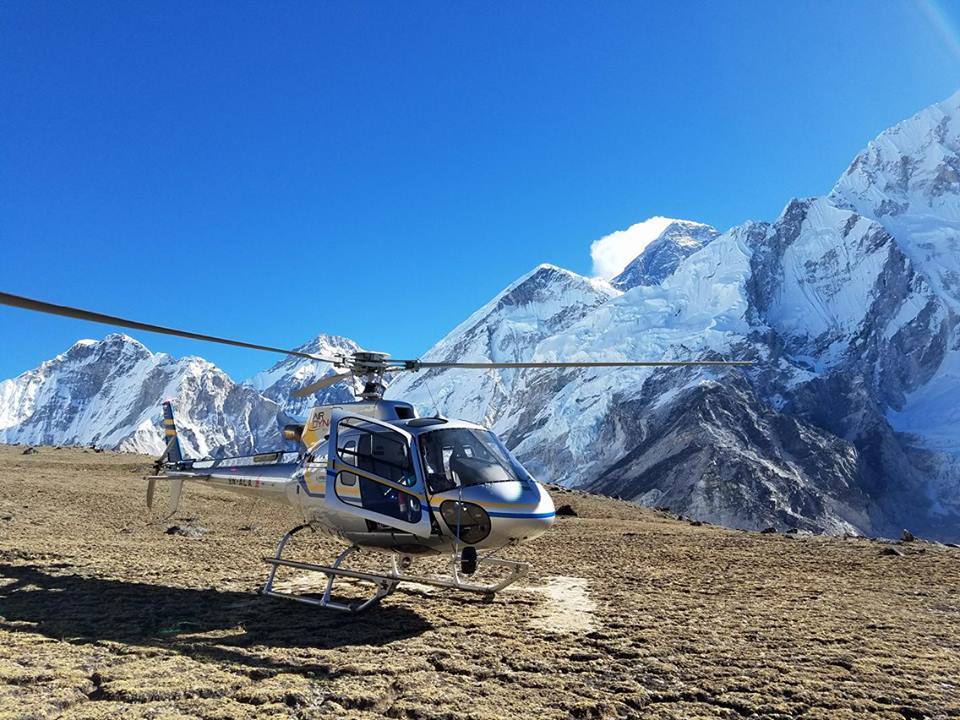
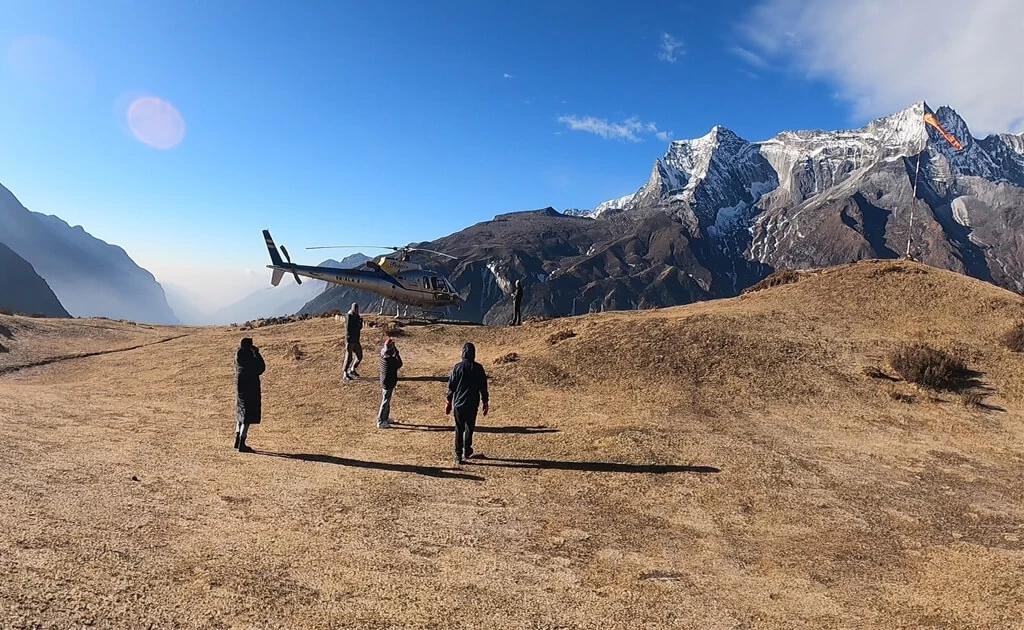
Best Time For An Everest Helicopter Tour: Month-by-month Guide
By Nepal Trip Services On 11 Oct 2026

By Nepal Trip Services On 11 Oct 2026
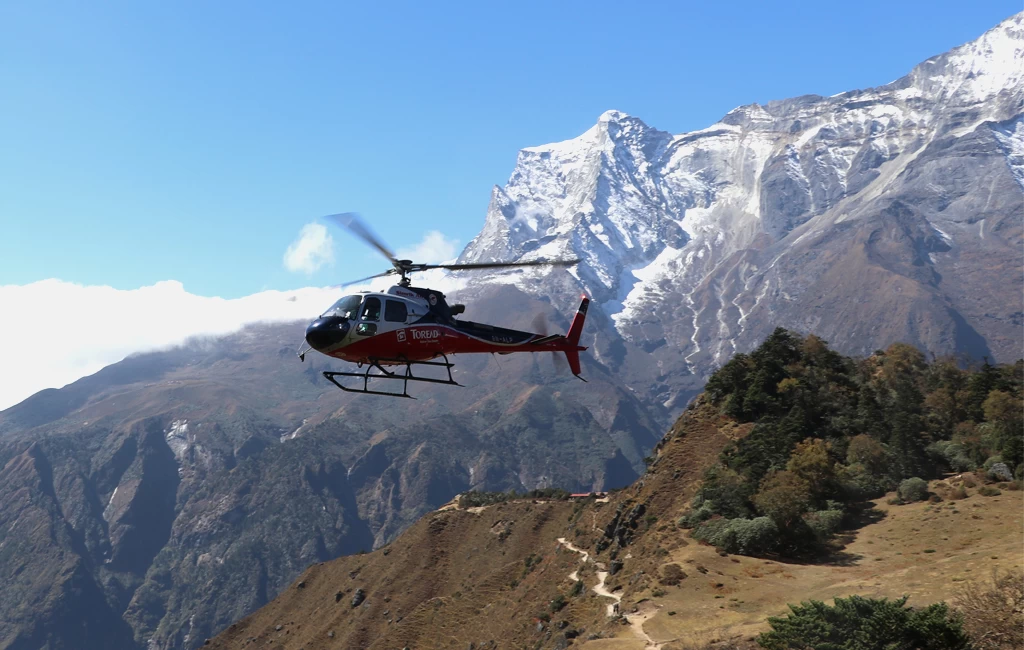
The best time for an Everest helicopter tour is October to November, when the skies after the monsoon are the clearest of the year. March to May is the second-best window, and December to February offers crisp, quiet mornings for travelers who don’t mind the cold.
But the “best” month depends on what matters most to you: the clearest views, the fewest crowds, Everest climbing season at Base Camp, or simply a date that fits your trip. This month-by-month guide explains how the weather, visibility, temperature and crowds change through the year, so you can choose the right month for your Everest Base Camp Helicopter Tour with Kala Patthar Landing & Breakfast.
| If you want… | Fly in… |
|---|---|
| The clearest Everest views of the year | October–November |
| Clear skies with fewer crowds | December–February |
| Expedition tents at Everest Base Camp | April–May |
| Rhododendron blooms and milder weather | March–April |
| Last-minute availability | June–August (with high delay risk) |
| The best all-round month | October |
Best time of day: Early morning, between 6:00 and 9:00 AM, before clouds build over the mountains.
Nepal has four travel seasons, and each one changes your Everest helicopter experience.
| Season | Months | Visibility | Kala Patthar temperature (morning) | Crowds | Delay risk | Rating |
|---|---|---|---|---|---|---|
| Autumn | Sep–Nov | Excellent | About -15°C to -5°C | High | Low | ⭐⭐⭐⭐⭐ |
| Winter | Dec–Feb | Very good | About -25°C to -15°C | Low | Low to medium (fog) | ⭐⭐⭐⭐ |
| Spring | Mar–May | Good | About -15°C to -5°C | High | Low to medium (haze) | ⭐⭐⭐⭐ |
| Monsoon | Jun–Aug | Poor to fair | About -8°C to 0°C | Very low | High | ⭐⭐ |
Temperatures are approximate and feel much colder with wind chill.
After the monsoon rains wash dust from the air, autumn brings the sharpest, clearest Himalayan views of the year. Skies are deep blue, winds are usually light, and flights rarely face long delays. It is also peak season, so seats fill quickly.
Winter mornings are often perfectly clear, and the Everest region is quiet. The trade-off is the cold, since Kala Patthar can drop well below -20°C, and the occasional morning fog in Kathmandu that delays departures by an hour or two.
Spring brings warmer air, blooming rhododendrons on the lower hills and Everest climbing season. In April and May, you can see the colorful tent city of expedition teams at Everest Base Camp. Mornings are clear, but haze and clouds often build after midday.
Monsoon clouds and rain cause frequent delays and cancellations. On clear mornings between storms, the views can still be beautiful, with lush green valleys below, but this season only suits travelers with flexible schedules.
January brings some of the clearest air of the year and very few tourists. Kala Patthar is bitterly cold, often around -20°C to -25°C in the morning, so a heavy down jacket is essential.
February is similar to January, with clear skies and quiet airspace. Temperatures start to rise toward the end of the month, making it a good choice for travelers who want winter clarity with slightly milder cold.
March marks the start of spring. The weather warms, the lower hills turn green, and rhododendron forests begin to bloom. Morning views are usually clear, with some haze later in the day.
April is one of the most exciting months to fly. Expedition teams arrive at Everest Base Camp, and from the air you can see the colorful tents spread across the Khumbu Glacier. Rhododendrons are in full bloom on the lower slopes.
May is the warmest pre-monsoon month and the peak of Everest summit season. Early May is excellent, while late May brings more clouds as the monsoon approaches.
The monsoon usually reaches Nepal in mid-June. Early June can still offer clear mornings, but cloud cover and rain increase steadily through the month.
July is the heart of the monsoon and the most difficult month for Everest flights. Clouds often cover the peaks, and many flights are delayed or cancelled.
August remains wet, but the valleys below are at their greenest. Occasional clear mornings do happen, and they can be stunning.
Early September is still rainy, but the weather improves quickly in the second half of the month as the monsoon pulls back. Late September often brings fresh, clear skies and lush green landscapes.
October is the most popular month for Everest helicopter tours, and for good reason. The air is clean, skies are clear, winds are usually calm and temperatures are comfortable for the season. It is also Nepal’s main festival season, which makes the trip extra special.
November offers views almost as good as October, with very stable weather. It gets colder, especially at Kala Patthar, but crowds start to thin later in the month.
December brings clear, crisp skies and a peaceful Everest region. It is a favorite time for honeymooners and travelers celebrating Christmas or New Year in the Himalayas.
| Month | Views | Crowds | Delay risk | Overall |
|---|---|---|---|---|
| January | Excellent | Very low | Medium (fog) | ⭐⭐⭐⭐ |
| February | Excellent | Low | Low | ⭐⭐⭐⭐ |
| March | Very good | Medium | Low | ⭐⭐⭐⭐ |
| April | Very good | High | Low | ⭐⭐⭐⭐½ |
| May | Good | High | Medium | ⭐⭐⭐½ |
| June | Unpredictable | Low | High | ⭐⭐ |
| July | Poor | Very low | Very high | ⭐½ |
| August | Poor to fair | Very low | Very high | ⭐½ |
| September | Improving | Medium | Medium | ⭐⭐⭐½ |
| October | Best | Peak | Low | ⭐⭐⭐⭐⭐ |
| November | Excellent | High | Low | ⭐⭐⭐⭐⭐ |
| December | Excellent | Low | Medium (fog) | ⭐⭐⭐⭐ |
Every Everest helicopter tour departs early, usually between 6:30 and 7:00 AM, and there is a good reason for it.
That is why the itinerary for our Everest Base Camp Helicopter Tour starts with a 5:30 AM hotel pick-up and has you landing at Kala Patthar by about 8:00 AM.
| Location | Altitude | Typical morning temperature |
|---|---|---|
| Kathmandu | 1,400m | 5°C to 20°C |
| Lukla | 2,860m | -5°C to 10°C |
| Hotel Everest View | 3,880m | -10°C to 5°C |
| Kala Patthar | 5,545m | -25°C to -5°C |
Even in the warmest months, Kala Patthar is below freezing in the morning, and wind can make it feel much colder. Whatever month you choose, bring a down jacket, gloves, a warm hat and sunglasses.
The Himalayas make their own weather, and safety always comes first. Your flight may be delayed or rescheduled because of:
If the weather cancels your flight, Nepal Trip Services offers free rescheduling to the next available day or a full refund, minus bank fees. Read the full policy on the trip page.
| Travel style | Best months | Why |
|---|---|---|
| Photographers | October, November, January | The sharpest air and clearest light |
| Proposals and honeymoons | October, November, December | Reliable weather and romantic winter skies |
| Families | March, April, October | Milder temperatures for children and seniors |
| Mountaineering fans | April, May | Expedition tents and summit-season energy at Base Camp |
| Budget and flexible travelers | December–February | Easier bookings and fewer crowds |
| Travelers avoiding crowds | Late November to February | Quiet skies and empty viewpoints |
Even in the best months, mountain weather can change overnight. Plan smart:
Sample 4-day plan:
| Day | Plan |
|---|---|
| Day 1 | Arrive in Kathmandu |
| Day 2 | Everest Base Camp Helicopter Tour |
| Day 3 | Spare day for weather, or Kathmandu Valley sightseeing |
| Day 4 | Departure |
The best time is October to November, when the skies after the monsoon are the clearest of the year and the weather is stable. March to May is the second-best window, with milder temperatures and spring colors. December to February also offers clear mornings and fewer crowds, though it is very cold at Kala Patthar.
October is the best month. The air is clean after the monsoon rains, skies are deep blue, winds are usually calm and flight delays are rare. November is a very close second, with equally clear views and slightly fewer crowds later in the month.
Autumn (September–November) is better for clear views and reliable weather, while spring (March–May) is better for warmer temperatures, rhododendron blooms and expedition activity at Everest Base Camp. If photos and visibility are your priority, choose autumn. If you want to see climbing season in action, choose April or early May.
Early morning, between 6:00 and 9:00 AM, is the best time. The Himalayas are usually cloud-free at sunrise, winds are calm, and helicopters perform better in cool air. Clouds often build by midday, which is why tours from Kathmandu depart between about 6:30 and 7:00 AM.
Yes. December to February brings some of the clearest skies of the year and very few tourists. The trade-offs are the cold, with Kala Patthar often below -20°C in the morning, and occasional fog in Kathmandu that can delay takeoff by an hour or two. Warm layers make winter a great choice.
Yes, flights run year-round, but the monsoon (June to August) brings frequent clouds, rain and delays. Some mornings are clear and beautiful, with green valleys below, but cancellations are common. If you fly in the monsoon, keep two to three spare days in your schedule.
July is usually the most difficult month, as it is the peak of the monsoon. Heavy clouds often hide the peaks, and many flights are delayed or rescheduled. August is similar, so these two months only suit travelers with very flexible plans.
Late September is good, as the monsoon retreats and skies begin to clear. Early September can still be rainy and cloudy. If your dates are flexible, aim for the last two weeks of September or wait until October.
October is the busiest month, but crowds affect booking availability more than the experience itself, since each helicopter carries only up to five passengers. Book 2–4 weeks ahead to secure your preferred date. For fewer crowds with similar views, consider late November.
In April and May, during Everest climbing season. Expedition teams set up a colorful tent city on the Khumbu Glacier at Everest Base Camp (5,364m), which you can see clearly from the helicopter. Outside these months, Base Camp is mostly empty.
October, November and January offer the sharpest, clearest air for photography. Autumn gives deep blue skies, and winter gives crisp, haze-free light. For spring colors and expedition tents, April is the best month to photograph.
Kala Patthar (5,545m) is below freezing all year in the morning:
Wind chill can make it feel much colder, so bring a down jacket, gloves and a warm hat in every season.
Yes. The Kala Patthar landing depends on clear visibility and safe winds. If conditions are unsafe, the pilot may choose another safe viewpoint, shorten the landing or reschedule the flight. Flying in the early morning during the best seasons gives you the highest chance of landing.
Delays are least common in October, November and February, when the weather is most stable. Winter mornings can bring Kathmandu fog, which usually causes short delays rather than cancellations. In the monsoon, delays and cancellations happen often.
With Nepal Trip Services, if your flight is cancelled because of weather or safety, you can reschedule for free to the next available day or receive a full refund, minus bank fees. Our team keeps you updated from the evening before your flight until takeoff.
Keep 1–2 spare days in autumn, winter and spring, and 2–3 spare days in the monsoon. Book your helicopter tour early in your Nepal trip, not on your last day, and plan Kathmandu sightseeing for your spare days so no time is wasted.
Yes. Nepal’s biggest festivals, Dashain and Tihar, usually fall in October or November, the best weather months of the year. Helicopter tours keep operating, but demand is high, so book well ahead. The festive atmosphere in Kathmandu makes the trip extra special.
Yes. Late December offers clear, crisp skies and a quiet Everest region, which makes it a popular choice for holiday celebrations. Book early for dates around Christmas and New Year, and allow for occasional morning fog in Kathmandu.
March, April and October are best for families, because temperatures are milder and the weather is reliable. Very young children and seniors may find the deep winter cold at Kala Patthar uncomfortable, so warmer months make the experience easier for everyone.
October, November and December are the best months for a proposal or honeymoon. Skies are reliably clear, the views are dramatic, and December adds a romantic winter atmosphere. Book a private charter for privacy, and tell us in advance so we can help plan the moment at Kala Patthar or Hotel Everest View.
Ready to choose your date? Check availability and the latest price for the Everest Base Camp Helicopter Tour with Kala Patthar Landing & Breakfast, or message us on WhatsApp.
Whether you choose the crystal-clear skies of October, the quiet magic of winter or the lively climbing season of spring, the Everest Base Camp helicopter tour delivers a once-in-a-lifetime morning: a landing at Kala Patthar (5,545m) face to face with Mount Everest, followed by breakfast at Hotel Everest View.
Ready to pick your date? Check availability and the latest price for the Everest Base Camp Helicopter Tour with Kala Patthar Landing & Breakfast.
Discover more articles that match your interests! Explore these similar blogs packed with insights, tips, and stories to keep you inspired.
Everest Base Camp helicopter tour cost 2026/27: from US$1,500 shared or US$5,000 private, with Kala Patthar landing and ...
Fly from Kathmandu to Everest in one morning. Land at Kala Patthar (5,545 m), fly over Base Camp, and have breakfast at ...
Fly from Kathmandu over Everest Base Camp, land at Kala Patthar (5,545m) and have breakfast facing Everest, all in one m...